Top 5 Castles around Cupra Marittima
Castles around Cupra Marittima offer a blend of historical exploration and scenic landscapes along Italy's Adriatic coast. The region is characterized by ancient fortifications and medieval hilltop villages, providing insights into its rich past. These sites are situated on hills overlooking the sea and surrounding countryside. Visitors can explore remnants of defensive structures and settlements that shaped the modern municipality.
Best castles around Cupra Marittima
- The most popular castles is Acquaviva Picena Fortress, a castle that is a true…
Last updated: June 30, 2026
Acquaviva Picena Fortress
Highlight • Castle
This is a Medieval village that is worth a visit: the churches, the Fortress and the village itself, with all the old buildings and the narrow roads are really, really nice.
Tip by

Castello di Moresco
Highlight • Castle
Translated by Google •
Tip by

Sign up now to discover places like this
Get recommendations on the best single tracks, peaks, & plenty of other exciting outdoor places.
Sign up for free
Moresco Historic Village
Highlight • Historical Site
IG: instagram.com/gravel_marche
Translated by Google •
Tip by

Marano Castle
Highlight • Castle
Translated by Google •
Tip by
Belvedere Fountain at Grottammare Castle
Highlight • Rest Area
Translated by Google •
Tip by
Start today with a free account
Your next adventure awaits.
Login or Signup
Popular around Cupra Marittima
Other adventures around Cupra Marittima

Tips from the Community

The medieval village of Marano overlooks Cupra Marittima (also called Cupra Alta). The typical medieval features of fortified cities can still be found.
0
0

Beautiful village to visit with a very important history and interesting cellars nearby. Beautiful view from the tower. IG: https://www.instagram.com/gravel_marche/
1
0


Well-preserved and very panoramic medieval castle; the fountain is located near the viewpoint
0
0
Very well preserved medieval castle, characterized by two large towers, the Heptagonal Tower and the Clock Tower. Definitely worth visiting
0
0
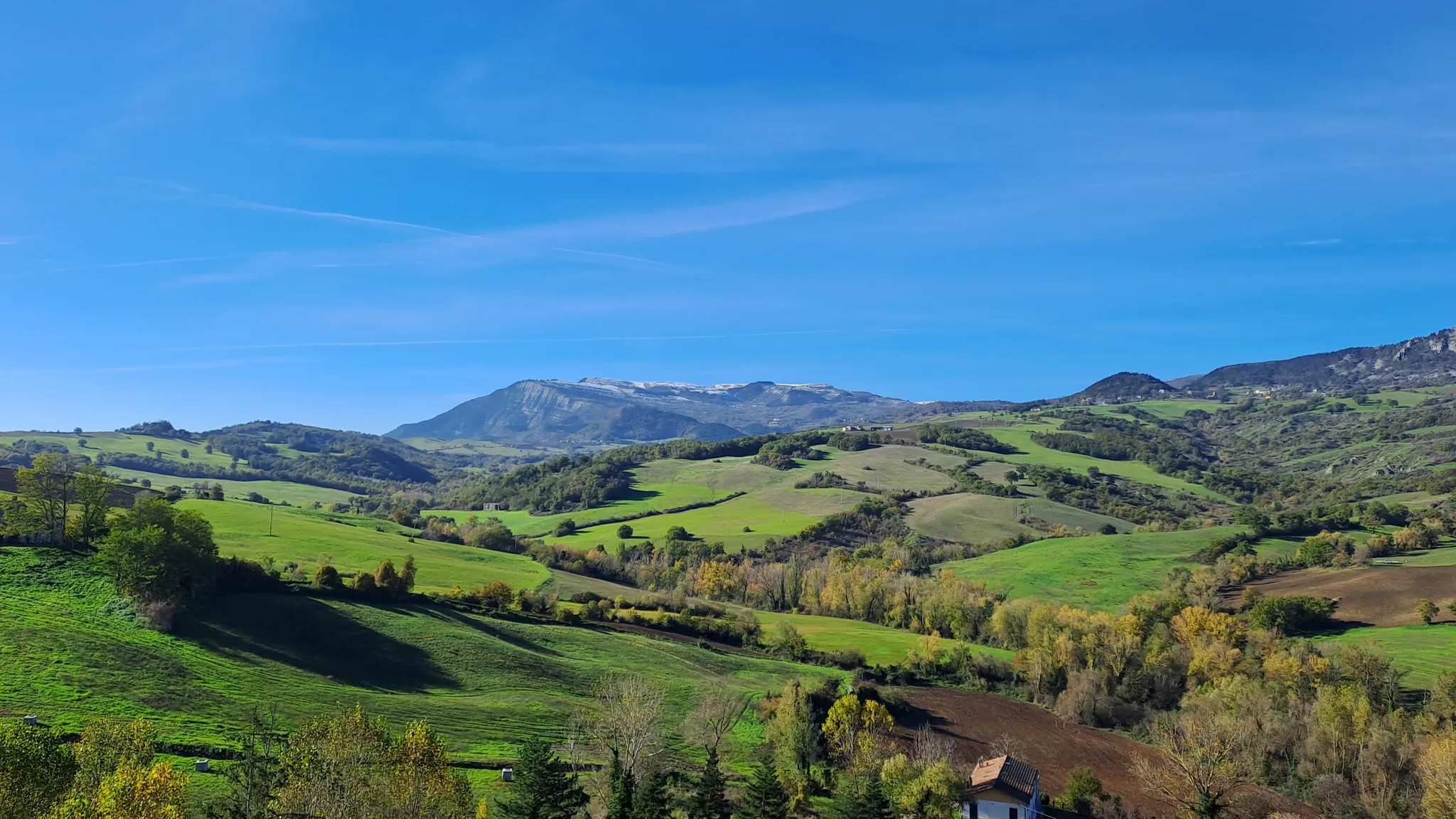
The castle of Moresco, within the Association of the most beautiful villages in Italy, stands on the top of a hill overlooking the Aso valley below; in the Middle Ages it was a stronghold of the Municipality of Fermo in the war against Ascoli. Its strategic position is still evident: from the village you can in fact enjoy a spectacular view that ranges from Monte Conero to the Gran Sasso. The village, completely surrounded by walls, has a triangular shape with the imposing 12th-century heptagonal tower at the top. which is home, especially in the summer, to art and photographic exhibitions.
0
0

The fortified village develops on a narrow rocky ridge dominated by its high watchtower.
0
0
Castle partially recovered, the village is little frequented, should be valued more
0
0
Frequently Asked Questions
What kind of historical sites and castles can I expect to find around Cupra Marittima?
Around Cupra Marittima, you'll discover a blend of ancient fortifications, medieval hilltop villages, and historical ruins. These sites, like the former locations of Castello di Marano, Castello di Sant'Andrea a Mare, and Castello di Boccabianca, offer insights into the region's rich past, from Roman origins to medieval fortified settlements. You can explore well-preserved structures, archaeological remains, and villages that have evolved over centuries.
Which medieval castles are particularly notable in the Cupra Marittima area?
The most notable medieval sites include Marano Castle, also known as Cupra Alta, which is a well-preserved medieval village with narrow streets and historical buildings. Further inland, Castello di Moresco stands on a hilltop overlooking the Aso valley, known for its impressive heptagonal tower. Another significant site is the Acquaviva Picena Fortress, a masterpiece of Renaissance military architecture that dominates its medieval village.
Are there any archaeological sites or museums related to the castles in Cupra Marittima?
Yes, within the medieval village of Marano (Cupra Alta), you can visit the Archaeological Town Museum. Housed in Palazzo Cipolletti, this museum showcases the history of the area from prehistoric, Picene, and Roman periods, providing valuable context to the region's ancient past and the development of its fortified settlements.
Which castle sites offer the best panoramic views?
Many of the castle sites are strategically located on hilltops, offering stunning vistas. Marano Castle provides breathtaking views of Cupra Marittima's beaches, the Adriatic Sea, and the surrounding rolling hills. Similarly, Castello di Moresco offers a spectacular view ranging from Monte Conero to Gran Sasso. The ruins of Castello di Sant'Andrea a Mare, situated on a coastal cliff, also provide stunning sea views.
Are there any unique cultural experiences at these castle sites?
Yes, the Castello di Sant'Andrea a Mare, though largely in ruins, has been restored and transformed into a spectacular open-air theater, hosting cultural events against a historical backdrop. In Marano, an interactive investigative game called "Marano, L'ultimo Enigma" allows visitors to explore the village, solve puzzles, and learn about its history in an engaging way.
What is the best time of year to visit the castles around Cupra Marittima?
The best time to visit is typically during the spring (April to June) and autumn (September to October). During these seasons, the weather is pleasant for exploring the hilltop villages and ruins, and the views are often clear. Summer can be quite warm, but also offers opportunities for cultural events, especially at sites like the open-air theater at Castello di Sant'Andrea a Mare.
Are the castles around Cupra Marittima family-friendly?
Many of the castle sites, especially the medieval villages like Marano and Acquaviva Picena, are suitable for families. They offer charming streets to explore, historical buildings, and often open spaces with views. The interactive game in Marano, "Marano, L'ultimo Enigma," is also designed to engage visitors of all ages. Acquaviva Picena Fortress is specifically listed as family-friendly.
Are there hiking or walking trails near these castles?
Yes, the region around Cupra Marittima offers various trails that can incorporate visits to these historical sites. You can find routes that connect ancient villages and offer scenic views. For specific hiking and walking options, you can explore guides like the Running Trails around Cupra Marittima, which often pass through or near these historical areas, providing opportunities for exploration on foot.
What other outdoor activities can I do near the castles?
Beyond walking and hiking, the area offers excellent opportunities for cycling. You can find Gravel biking around Cupra Marittima and Road Cycling Routes around Cupra Marittima that take you through the scenic countryside, often passing by or offering views of these historic castles and villages. These routes provide a great way to combine outdoor activity with cultural exploration.
Are there cafes or restaurants near the castle sites?
Yes, particularly in the more established medieval villages like Marano (Cupra Alta) and Acquaviva Picena, you will find local cafes and restaurants. These establishments often offer traditional regional cuisine and provide a pleasant spot to relax after exploring the historical sites. The villages are 'lived-in places,' so amenities are generally available.
How long should I plan for a visit to these castle sites?
For a single well-preserved village like Marano or Acquaviva Picena, you might spend 2-3 hours exploring the streets, historical buildings, and any museums. If you plan to visit multiple sites or combine it with a hike, a full day would be more appropriate. The ruins of Sant'Andrea a Mare might take less time unless there's an event happening.
Is there public transport or parking available for visiting the castles?
Access to the hilltop villages like Marano and Acquaviva Picena typically involves driving, and parking is usually available near the village entrances. Public transport options might be limited, often requiring local bus services to the nearest town, followed by a walk or taxi to the specific castle site. It's advisable to check local transport schedules if you plan to rely on public transit.
What makes Castello di Sant'Andrea a Mare unique?
Castello di Sant'Andrea a Mare, located on a coastal cliff, is unique for its transformation into an open-air theater. While largely in ruins, visitors can still see remnants of its 13th-century outer walls and a high main tower. Its strategic position once overlooked the sea, and today it provides a spectacular historical backdrop for cultural events, blending ancient history with modern performance.
Most popular routes around Cupra Marittima
Most popular attractions around Cupra Marittima

Get inspired with the komoot mobile app


Explore more
Looking for the best castles somewhere else? Discover other guides around Cupra Marittima:
