Top 5 Caves around Nujvi/Nulvi
Caves around Nujvi/Nulvi provide insight into the region's geological formations and historical significance. Located in Sardinia, an island known for its numerous subterranean wonders, the area around Nujvi/Nulvi features a mix of natural caves and ancient hypogean structures. These sites often combine natural beauty with archaeological interest, reflecting centuries of human interaction with the landscape. Visitors can explore various types of caves, from natural rock formations to historical burial sites.
Best caves around Nujvi/Nulvi
- The most popular caves is Fairies’…
Last updated: June 30, 2026
Fairies’ Houses
Highlight • Historical Site
Translated by Google •
Tip by

Grotta di San Michele (Ethnographic Museum)
Highlight • Cave
Translated by Google •
Tip by

Sign up now to discover places like this
Get recommendations on the best single tracks, peaks, & plenty of other exciting outdoor places.
Sign up for free
Conca Prima and Seconda di Conchi
Highlight • Cave
Translated by Google •
Tip by

Sa Rocca Manna
Highlight • Natural Monument
At the base of the wall is the Conca e 'Caddu, a cavity with an internal development of 470 meters.
Translated by Google •
Tip by

Necropolis of Ittiàri
Highlight • Historical Site
Translated by Google •
Tip by

Start today with a free account
Your next adventure awaits.
Login or Signup
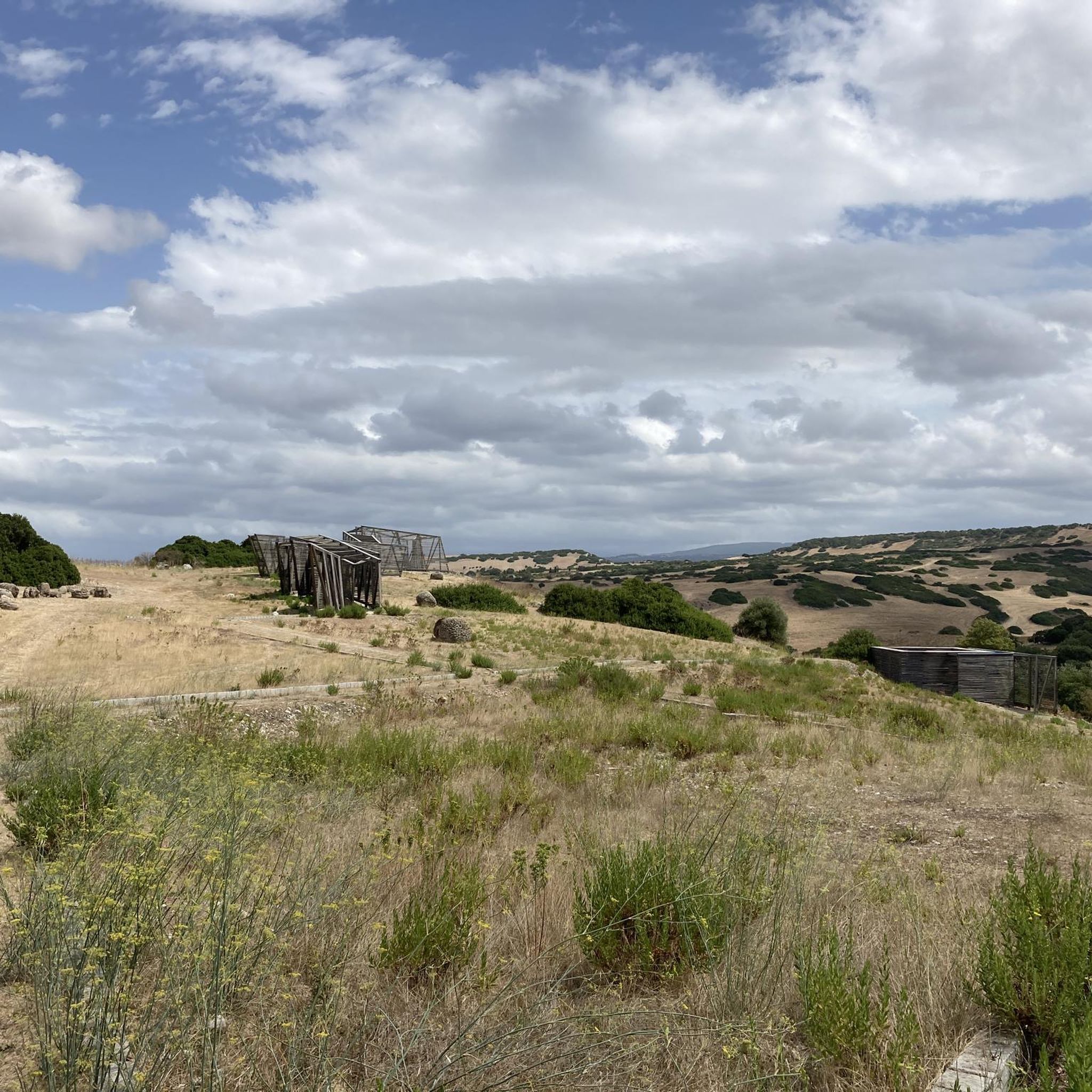
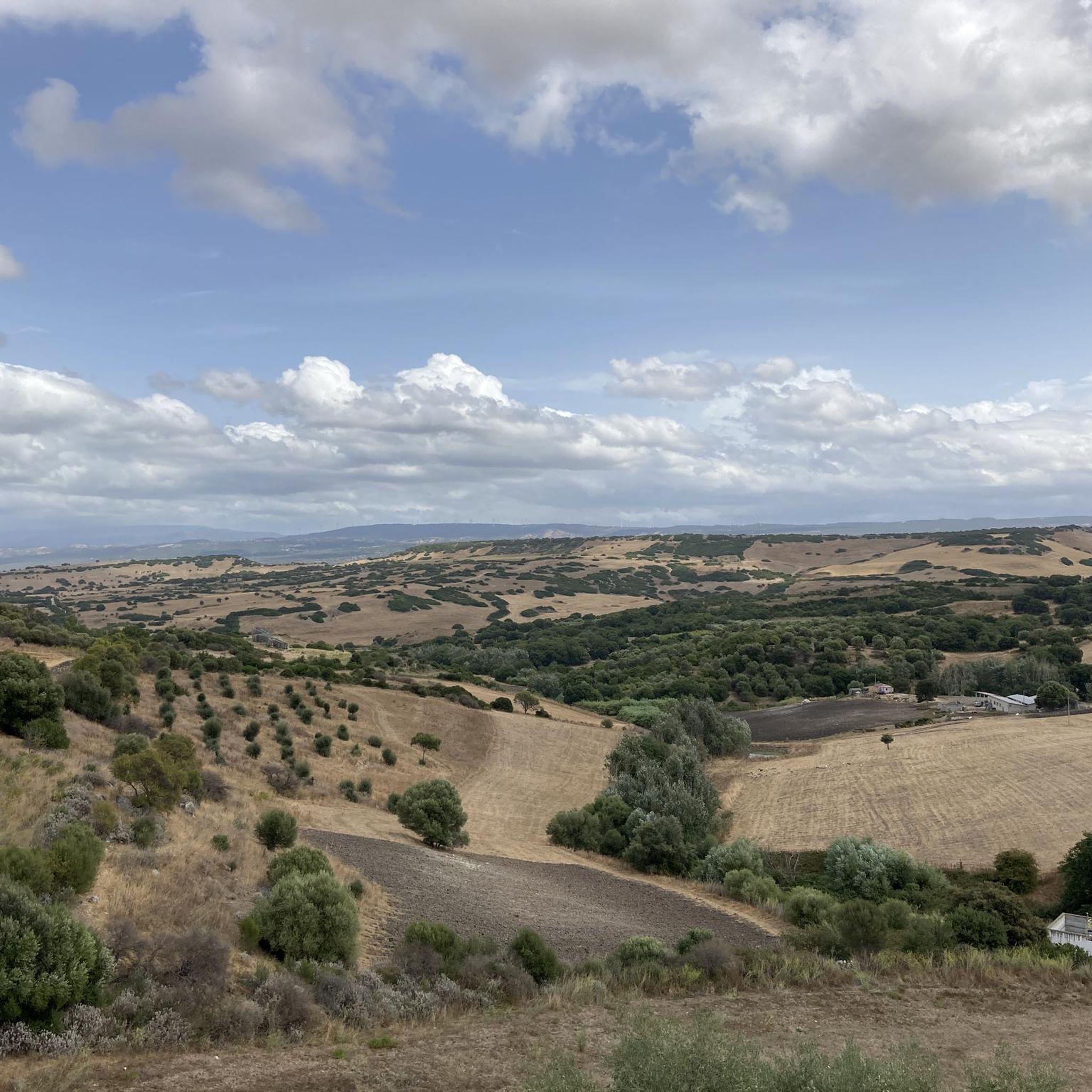

Other adventures around Nujvi/Nulvi

Tips from the Community

This museum displays a prehistoric dwelling, along with a few everyday objects from the more recent past. Admission is 3 euros, as of 2025.
0
0

The necropolis of Ittiàri is made up of eight hypogean tombs with an architectural elevation. Some Domus have the arched stele similar to that of the tombs of the giants.
0
0

You can actually go a little further into one of the caves, but we didn't dare to do so because of the security
0
0

Going up from Laerru, on the right you can see the limestone walls of Sa Rocca Manna. At the base of the wall is the Conca e 'Caddu, a cavity with an internal development of 470 meters.
0
0

The house built in the rock has an eventful history: burial place - then prison - in between "apartments" and today a small ethnographic museum (museo etnografico). The term "witch's house" probably stems from its original use as a burial place.
0
0

The Domus de Janas by Sedini, called "Sa Rocca", probably date from the 4th and 3rd millennium BC. The limestone rock was originally used as a burial site, then as a prison and finally as a residential building. Guided tours are offered here today.
0
0
Frequently Asked Questions
What kind of caves can I explore around Nulvi?
The Nulvi area, located in Sardinia, offers a mix of natural caves and ancient hypogean structures. You can find sites with archaeological importance, such as burial sites and former dwellings, alongside natural rock formations. For example, Fairies’ Houses is a historical site that was originally a burial ground, later a prison, and now a museum. You can also explore natural cave systems like Conca Prima and Seconda di Conchi, which showcase natural geological development.
Are there family-friendly caves to visit near Nulvi?
Yes, some caves in the Nulvi region are suitable for families. Fairies’ Houses, for instance, is categorized as family-friendly and offers guided tours of its prehistoric dwelling and ethnographic museum, making it an educational and accessible experience for all ages.
What historical insights can I gain from visiting caves in the Nulvi region?
Many caves around Nulvi have significant historical value. Sites like Fairies’ Houses (Domus de Janas) and Grotta di San Michele were ancient burial places, later repurposed as prisons or dwellings, and now serve as museums. The Necropolis of Ittiàri also features hypogean tombs with architectural elevations, offering a glimpse into ancient funerary practices.
What kind of geological formations can I see in the caves near Nulvi?
The caves in the Nulvi area and wider Sardinia region feature diverse geological formations. You can observe impressive limestone walls and significant cavities, such as those found at Sa Rocca Manna, which includes the 470-meter long Conca e 'Caddu. In other parts of Sardinia, you can find stunning stalactites, stalagmites, and unique formations like helictites and rock flowers in caves such as Grotta di Ispinigoli or Grotte Is Zuddas.
What outdoor activities can I do near the caves around Nulvi?
Beyond cave exploration, the Nulvi region offers various outdoor activities. You can find numerous routes for road cycling, mountain biking, and running. For road cycling, consider routes like the 'Loop of the pastures of Anglona' or 'From Perfugas to Lake Coghinas'. Mountain bikers can explore 'Nulvi and the churches of Anglona' or the 'San Lorenzo Forest Loop'. Runners have options such as the 'Castelsardo - Monte Ossoni Trail'. You can find more details on these activities in the respective guides: Road Cycling Routes around Nujvi/Nulvi, MTB Trails around Nujvi/Nulvi, and Running Trails around Nujvi/Nulvi.
When is the best time to visit the caves in the Nulvi region?
Sardinia's caves can generally be visited year-round, but the spring (April-June) and autumn (September-October) months offer pleasant weather for exploring both the caves and the surrounding outdoor areas. During these periods, temperatures are milder, making it comfortable for activities like hiking to cave entrances or enjoying boat trips to marine caves.
Are there any famous marine caves in Sardinia that are accessible from the Nulvi area?
While Nulvi itself is inland, it's located in Sardinia, which is famous for its marine caves. Two of the most renowned are Neptune's Grotto near Alghero (north-west Sardinia) and Grotta del Bue Marino near Cala Gonone (eastern Sardinia). Neptune's Grotto is known for its stunning stalactites and an inner saltwater lake, accessible by boat or a scenic staircase. Grotta del Bue Marino, named after the monk seals that once inhabited it, features colorful formations and ancient wall carvings, typically reached by boat.
What should I wear when exploring caves in Sardinia?
When exploring caves, it's advisable to wear comfortable clothing and sturdy, closed-toe shoes with good grip, as surfaces can be uneven and damp. Even on warm days, cave interiors maintain a cooler, constant temperature, so bringing a light jacket or sweater is recommended. If you plan to visit marine caves by boat, consider swimwear and sun protection for the journey.
Do I need a permit for caving in the Nulvi region?
For publicly accessible and tourist-oriented caves, such as those operating as museums or offering guided tours, you typically do not need a separate caving permit, but rather an admission ticket. For more advanced or undeveloped cave systems, especially those requiring specialized equipment or expertise, permits or guided tours with licensed speleologists might be necessary. Always check with local authorities or tour operators for specific requirements.
How long does a typical cave visit take?
The duration of a cave visit varies depending on the specific site. For historical sites like Fairies’ Houses, a guided tour might last around 30-60 minutes. Larger natural cave systems, especially those with extensive pathways or multiple chambers, could take 1 to 2 hours to explore. Marine cave tours often include boat travel time, extending the overall experience.
What are some unique inland caves in Sardinia worth visiting, beyond the immediate Nulvi area?
Beyond Nulvi, Sardinia offers several unique inland caves. The Grotta di Ispinigoli near Dorgali is famous for its 38-meter tall natural column and historical significance. Grotte Is Zuddas in Santadi showcases delicate helictites and rare baryte crystals. Grotta di Su Mannau in Fluminimaggiore combines natural beauty with archaeological insights, featuring an archaeological room within its ancient system. These caves provide diverse experiences of Sardinia's subterranean wonders.
Most popular attractions around Nujvi/Nulvi

Get inspired with the komoot mobile app


Explore more
Extend your search for the best caves by checking out these guides of the top ones around Nujvi/Nulvi:
