Top 5 Caves around Tzaramonte/Chiaramonti
Best caves around Tzaramonte/Chiaramonti are primarily ancient, man-made burial chambers and archaeological sites rather than extensive natural karst formations. The region, also known as Chiaramonti, is characterized by its significant pre-Nuragic and Nuragic archaeological legacy, including numerous Domus de Janas. These hypogeic tombs, carved into rock, offer insight into prehistoric burial practices. Beyond these ancient sites, the area also features medieval history, such as the Doria Castle, contributing to its cultural landscape.
Best caves around Tzaramonte/Chiaramonti
- The most popular caves…
Last updated: June 30, 2026
Fairies’ Houses
Highlight • Historical Site
Translated by Google •
Tip by

Grotta di San Michele (Ethnographic Museum)
Highlight • Cave
Translated by Google •
Tip by

Sign up now to discover places like this
Get recommendations on the best single tracks, peaks, & plenty of other exciting outdoor places.
Sign up for free
Conca Prima and Seconda di Conchi
Highlight • Cave
Translated by Google •
Tip by

Sa Rocca Manna
Highlight • Natural Monument
At the base of the wall is the Conca e 'Caddu, a cavity with an internal development of 470 meters.
Translated by Google •
Tip by

Necropolis of Ittiàri
Highlight • Historical Site
Translated by Google •
Tip by

Start today with a free account
Your next adventure awaits.
Login or Signup
Tips from the Community

This museum displays a prehistoric dwelling, along with a few everyday objects from the more recent past. Admission is 3 euros, as of 2025.
0
0

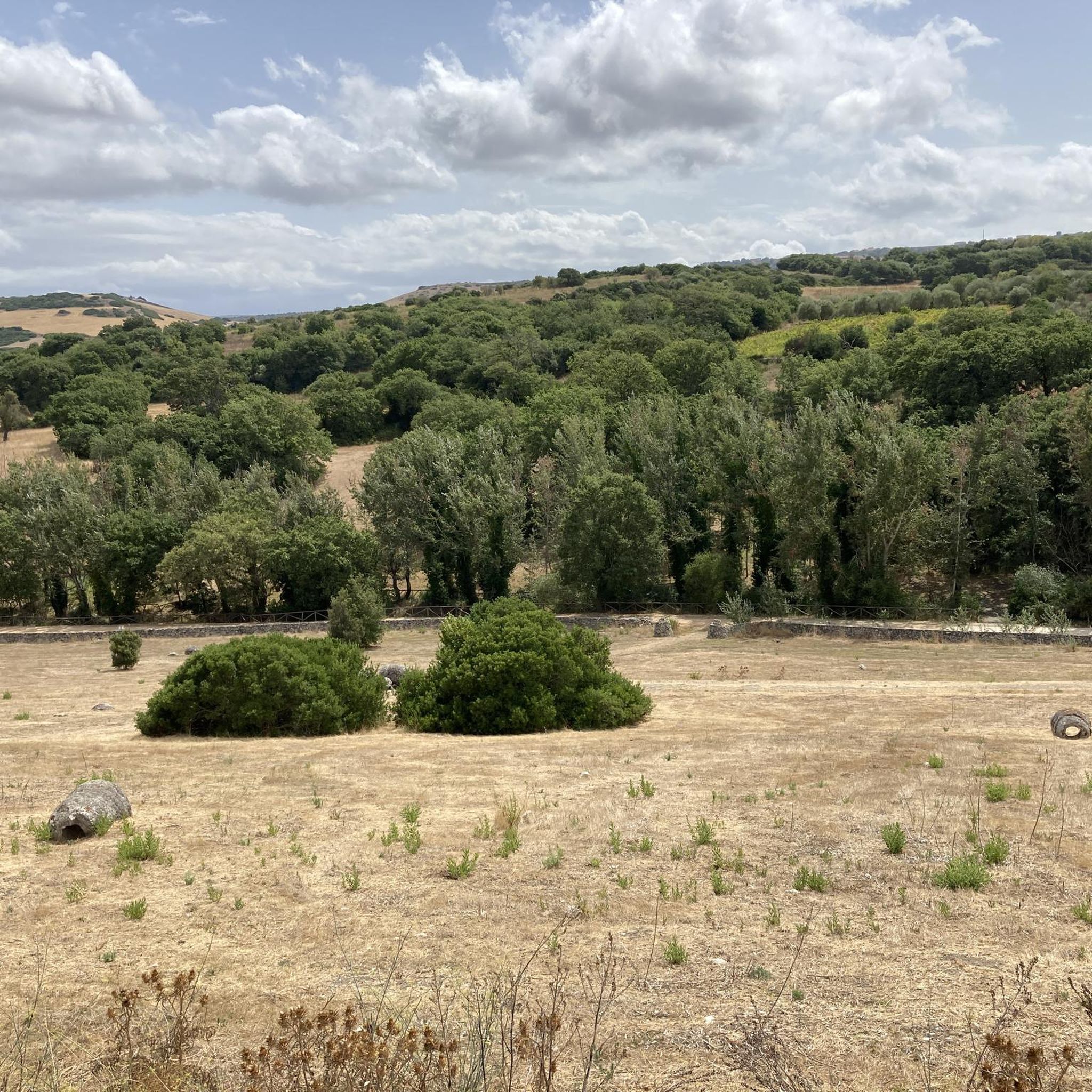
The necropolis of Ittiàri is made up of eight hypogean tombs with an architectural elevation. Some Domus have the arched stele similar to that of the tombs of the giants.
0
0

You can actually go a little further into one of the caves, but we didn't dare to do so because of the security
0
0

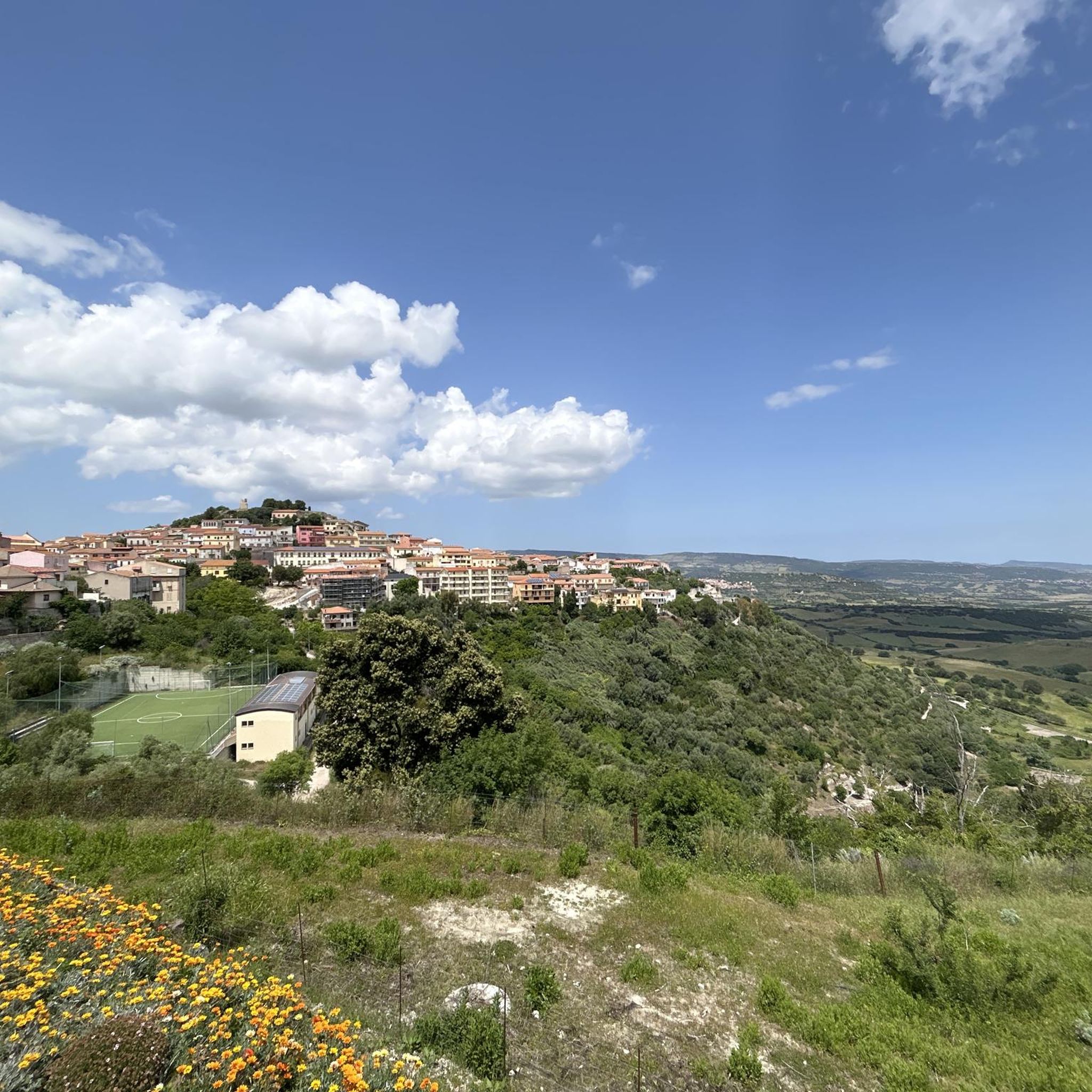
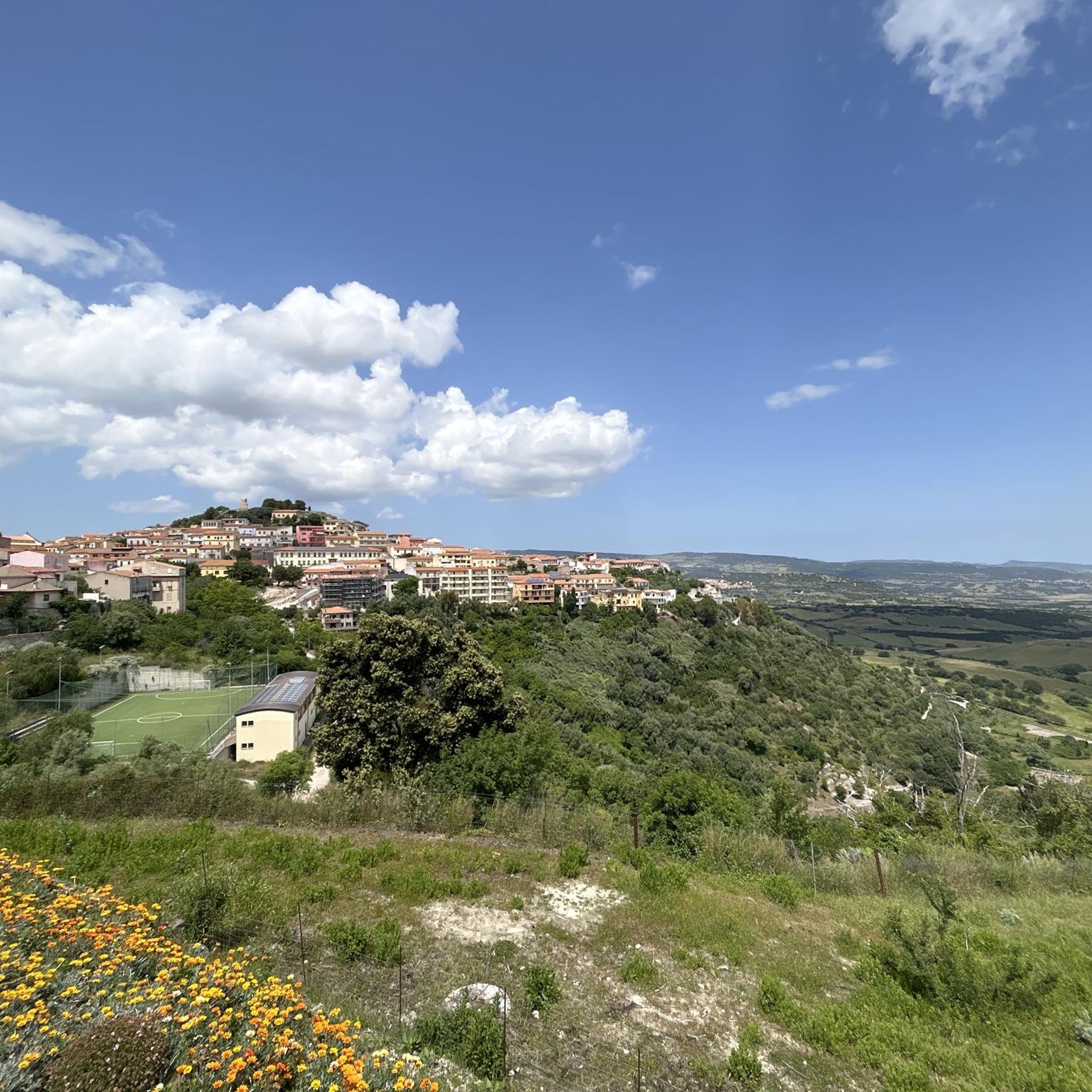
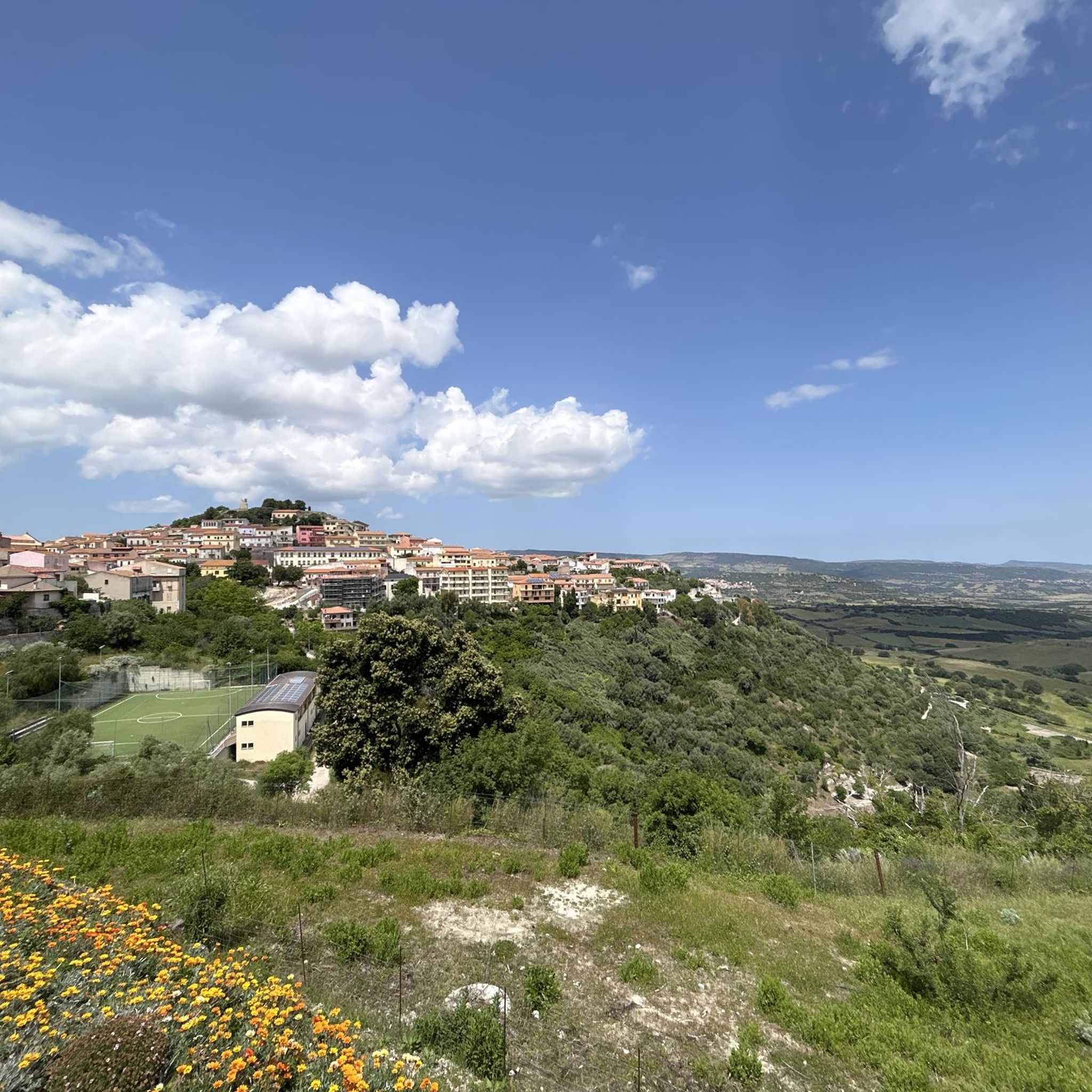
Going up from Laerru, on the right you can see the limestone walls of Sa Rocca Manna. At the base of the wall is the Conca e 'Caddu, a cavity with an internal development of 470 meters.
0
0

The house built in the rock has an eventful history: burial place - then prison - in between "apartments" and today a small ethnographic museum (museo etnografico). The term "witch's house" probably stems from its original use as a burial place.
0
0

The Domus de Janas by Sedini, called "Sa Rocca", probably date from the 4th and 3rd millennium BC. The limestone rock was originally used as a burial site, then as a prison and finally as a residential building. Guided tours are offered here today.
0
0
Frequently Asked Questions
What kind of 'caves' can I expect to find in Tzaramonte/Chiaramonti?
The 'caves' in Tzaramonte/Chiaramonti are primarily ancient, man-made burial chambers known as Domus de Janas, or 'Fairies' Houses'. These hypogeic tombs are carved into rock and offer a glimpse into prehistoric burial practices. While there are some natural rock cavities, the region is more renowned for its archaeological significance than large natural karst formations.
Are there any natural caves to explore in the area?
Yes, while the region is known for its archaeological sites, you can find natural rock cavities. For instance, Conca Prima and Seconda di Conchi is a natural monument where you can explore a short distance into one of the caves. Another natural monument, Sa Rocca Manna, features limestone walls and the Conca e 'Caddu, a cavity with an internal development of 470 meters.
What is the most significant archaeological 'cave' site in Chiaramonti?
The Domus de Janas di Su Murrone is the most significant 'cave' system in the Chiaramonti area. It's a necropolis with five hypogeic burials carved into trachyte relief, offering fascinating insights into prehistoric beliefs and burial practices, including features like antechambers, main rooms, and decorative elements such as taurine protomes.
Are there family-friendly 'caves' or archaeological sites to visit?
Yes, Fairies’ Houses (Domus de Janas) are considered family-friendly. These ancient burial sites, which were also used as a prison and residential building, now offer guided tours, making them accessible and engaging for visitors of all ages.
What historical insights can I gain from visiting these sites?
Visiting sites like the Domus de Janas offers a deep dive into prehistoric Sardinian history. These ancient tombs reveal sophisticated burial practices and beliefs, with some featuring intricate architectural details and symbolic carvings. The Grotta di San Michele, for example, has a rich history as a burial place, prison, and now an ethnographic museum, showcasing the evolution of its use over millennia.
What kind of outdoor activities can I do near the caves in Tzaramonte/Chiaramonti?
The region offers various outdoor activities. You can explore numerous hiking trails, with options ranging from easy walks like the 'Walk from Osilo to Monte Tuffusedu' to more challenging routes such as the 'Ridge Trail loop from Laerru'. For cycling enthusiasts, there are many road cycling and touring bicycle routes available, including scenic loops like the 'Scenic Road to Chiarimonti – Tergu Wind Farm loop'. You can find more details on these activities in the Hiking around Tzaramonte/Chiaramonti and Road Cycling Routes around Tzaramonte/Chiaramonti guides.
Are there any other significant historical sites besides the Domus de Janas?
Beyond the Domus de Janas, the region of Chiaramonti is rich in pre-Nuragic and Nuragic archaeological legacy, including over a hundred nuraghi. The area also features medieval history, such as the Doria Castle, contributing to its diverse cultural landscape.
What do visitors typically enjoy most about the 'caves' in Tzaramonte/Chiaramonti?
Visitors often appreciate the unique historical and archaeological significance of the sites. The opportunity to explore ancient burial chambers like the Fairies’ Houses, which have been repurposed over millennia, offers a captivating journey through time. The blend of natural rock formations with human history provides a distinctive experience.
Is there an entrance fee for these sites?
For some sites, like the Fairies’ Houses, there is an admission fee, which was 3 euros as of 2025. It's advisable to check locally for current pricing and any guided tour availability.
What is the Necropolis of Ittiàri?
The Necropolis of Ittiàri is another important historical site in the region. It consists of eight hypogean tombs with distinct architectural elevations. Some of these Domus feature an arched stele, similar to those found in the tombs of the giants, showcasing unique ancient craftsmanship.
Can I find information about the geology of the caves in Tzaramonte/Chiaramonti?
The 'caves' in Tzaramonte/Chiaramonti are primarily carved into trachyte relief for the Domus de Janas, and limestone for natural formations like Sa Rocca Manna. The region's geology is characterized by these rock types, which allowed for both the ancient human excavation of burial chambers and the formation of natural cavities.
Most popular routes around Tzaramonte/Chiaramonti
Most popular attractions around Tzaramonte/Chiaramonti

Get inspired with the komoot mobile app


Explore more
Extend your search for the best caves by checking out these guides of the top ones around Tzaramonte/Chiaramonti:
