Top 5 Caves around Zelgu/Tergu
Best caves around Zelgu/Tergu offer a blend of historical sites and natural rock formations. This region features ancient cave dwellings, some of which have been repurposed over centuries, alongside significant natural cavities. Visitors can explore sites that provide insight into past human habitation within the landscape. The area is characterized by its unique geological features and historical significance.
Best caves around Zelgu/Tergu
- The most popular caves is Fairies’ Houses, a historical site that was originally a burial site from…
Last updated: June 30, 2026
Fairies’ Houses
Highlight • Historical Site
Translated by Google •
Tip by

Grotta di San Michele (Ethnographic Museum)
Highlight • Cave
Translated by Google •
Tip by

Sign up now to discover places like this
Get recommendations on the best single tracks, peaks, & plenty of other exciting outdoor places.
Sign up for free
Conca Prima and Seconda di Conchi
Highlight • Cave
Translated by Google •
Tip by

Sa Rocca Manna
Highlight • Natural Monument
At the base of the wall is the Conca e 'Caddu, a cavity with an internal development of 470 meters.
Translated by Google •
Tip by

Necropolis of Ittiàri
Highlight • Historical Site
Translated by Google •
Tip by

Start today with a free account
Your next adventure awaits.
Login or Signup
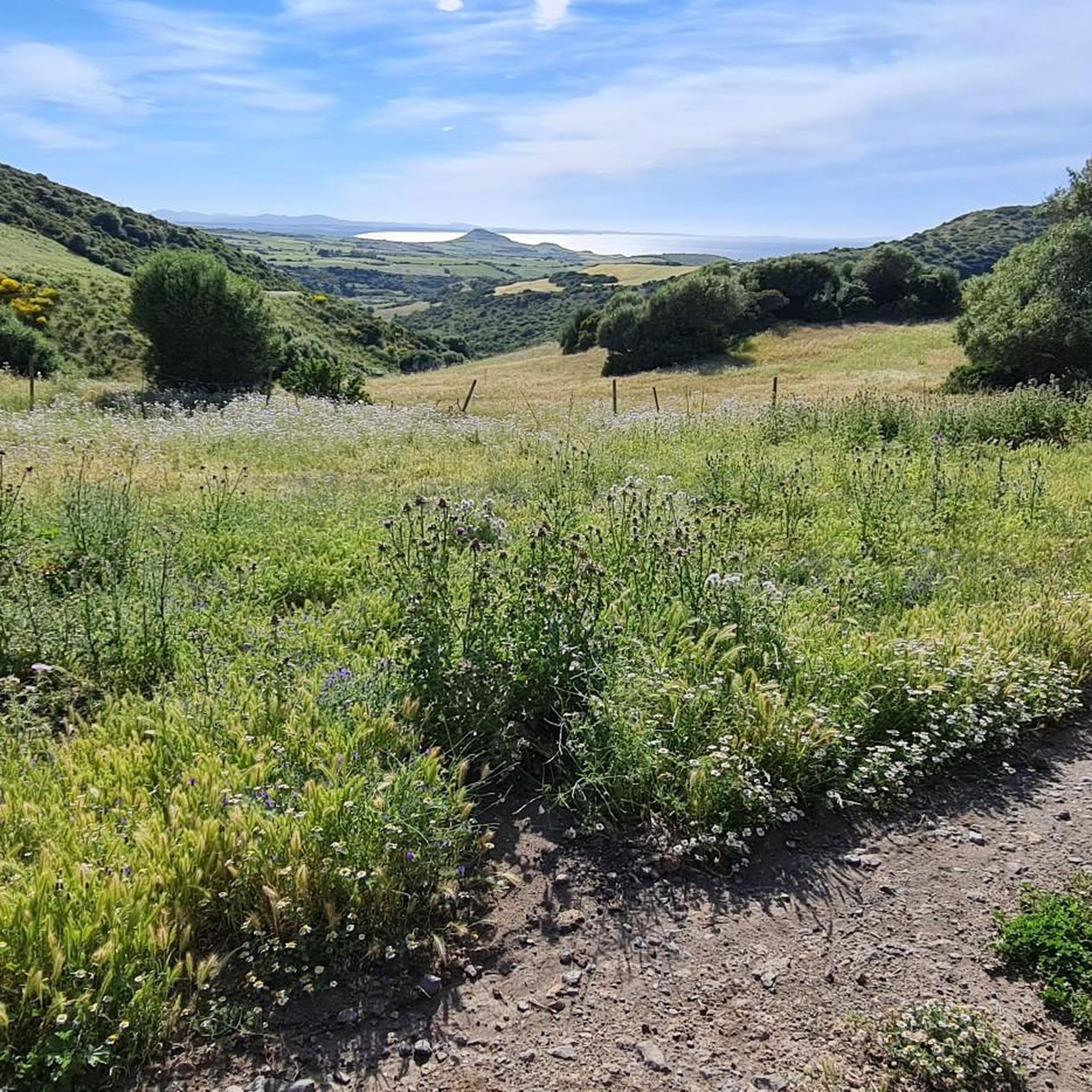
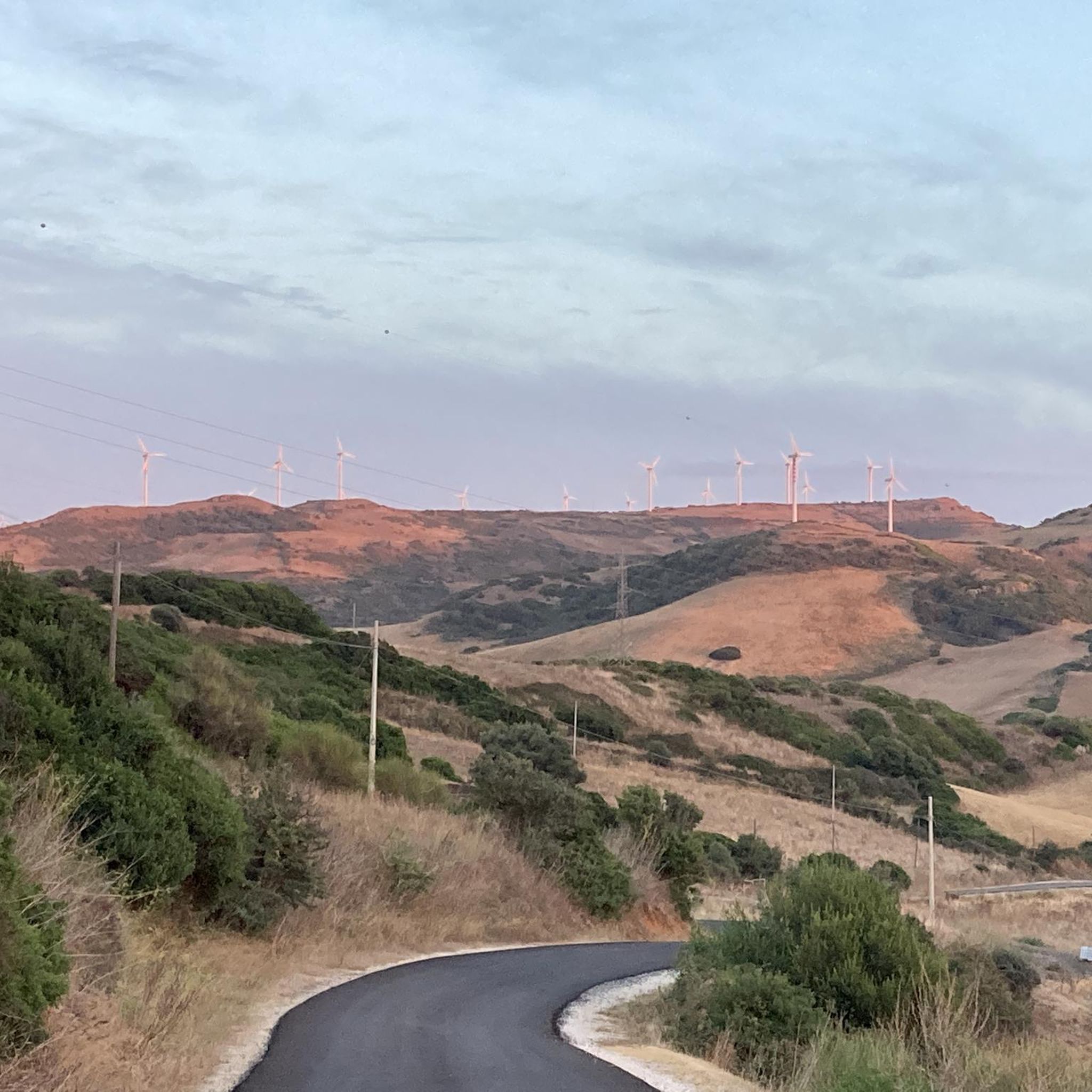
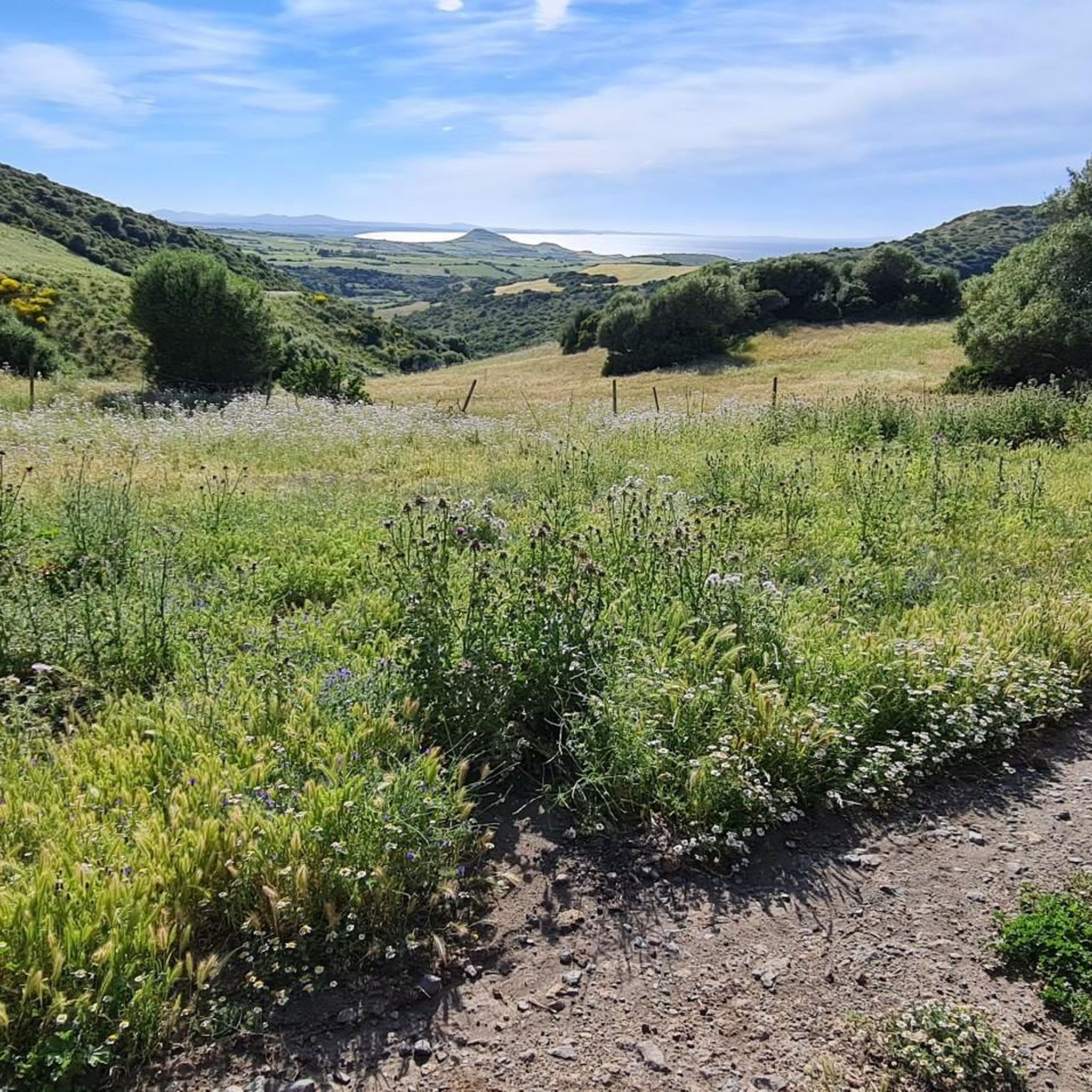
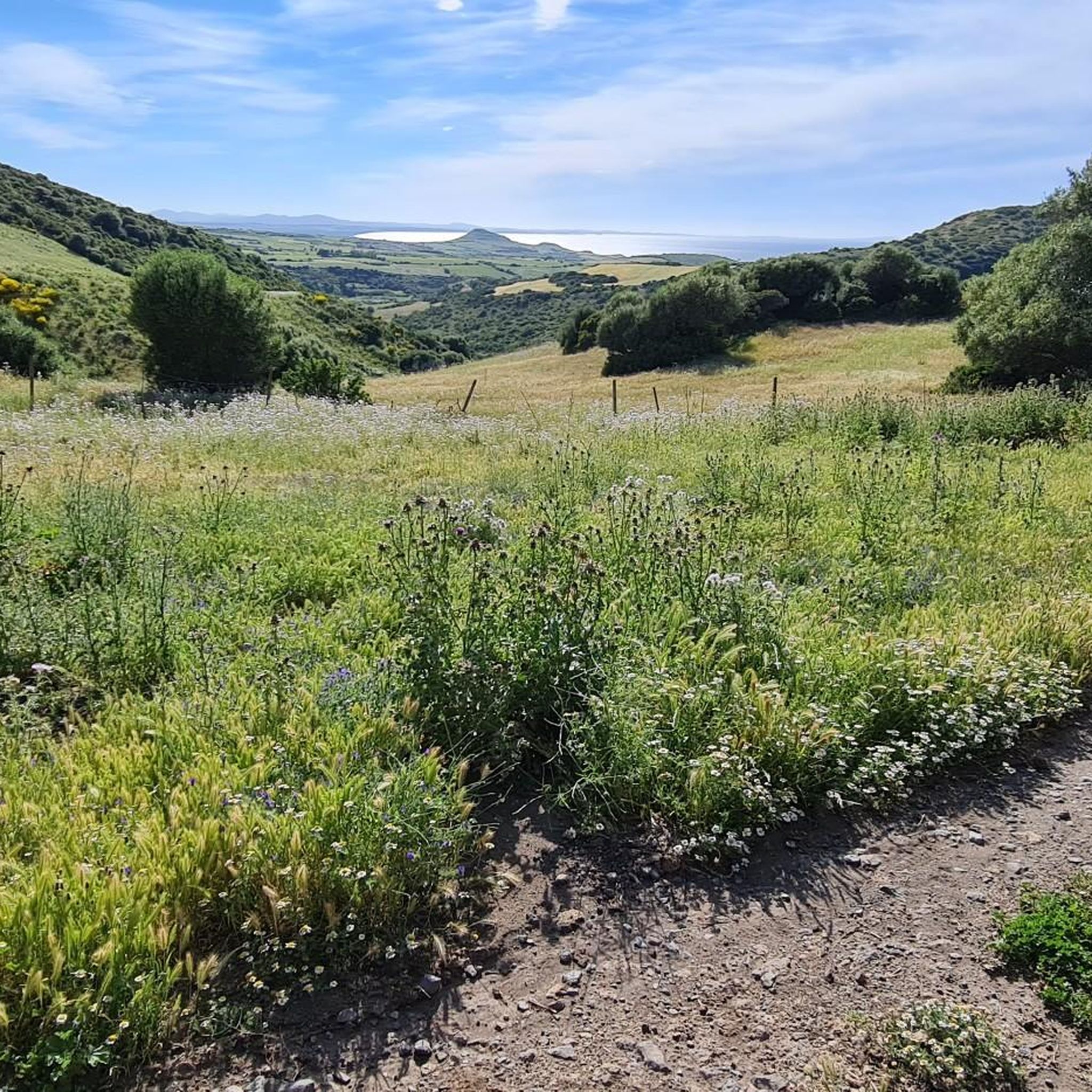

Tips from the Community

This museum displays a prehistoric dwelling, along with a few everyday objects from the more recent past. Admission is 3 euros, as of 2025.
0
0

The necropolis of Ittiàri is made up of eight hypogean tombs with an architectural elevation. Some Domus have the arched stele similar to that of the tombs of the giants.
0
0

You can actually go a little further into one of the caves, but we didn't dare to do so because of the security
0
0

Going up from Laerru, on the right you can see the limestone walls of Sa Rocca Manna. At the base of the wall is the Conca e 'Caddu, a cavity with an internal development of 470 meters.
0
0

The house built in the rock has an eventful history: burial place - then prison - in between "apartments" and today a small ethnographic museum (museo etnografico). The term "witch's house" probably stems from its original use as a burial place.
0
0

The Domus de Janas by Sedini, called "Sa Rocca", probably date from the 4th and 3rd millennium BC. The limestone rock was originally used as a burial site, then as a prison and finally as a residential building. Guided tours are offered here today.
0
0
Frequently Asked Questions
What kind of historical significance do the caves around Zelgu/Tergu hold?
The caves in this region are rich in history, reflecting centuries of human habitation and use. Sites like Fairies’ Houses were originally burial sites from the 4th and 3rd millennium BC, later repurposed as prisons and residential buildings. Similarly, Grotta di San Michele also served as a burial place before becoming an ethnographic museum. The Necropolis of Ittiàri features ancient hypogean tombs, showcasing the architectural ingenuity of past communities.
Are there any natural cave formations to explore in the Zelgu/Tergu area?
Yes, the region offers impressive natural cave formations. Conca Prima and Seconda di Conchi are notable for their natural structure, allowing visitors to explore parts of these geological wonders. Additionally, Sa Rocca Manna is a natural monument with significant limestone walls and a large cavity known as Conca e 'Caddu, which extends 470 meters internally.
Are there family-friendly caves around Zelgu/Tergu?
Yes, Fairies’ Houses is considered family-friendly. It operates as a museum offering guided tours, providing an engaging way for families to learn about its history as a burial site, prison, and residential building.
What are the geological features unique to the caves in this region?
The region is characterized by unique geological features, including extensive cave dwellings carved into rock formations. The presence of 'fairy chimneys' in areas like Zelve (a potential interpretation of Zelgu) adds to the picturesque and unique terrain, showcasing how natural erosion has shaped the landscape into striking cones and caves. The limestone walls of sites like Sa Rocca Manna also highlight the area's distinct geology.
What kind of tours or guided experiences are available for the caves?
For a structured experience, Fairies’ Houses offers guided tours. This allows visitors to learn about its fascinating history as a burial site, prison, and residential building. For other caves, exploration might be self-guided, though some natural formations like Conca Prima and Seconda di Conchi allow for limited entry.
What outdoor activities can I do near the caves around Zelgu/Tergu?
Beyond exploring the caves, the Zelgu/Tergu region offers various outdoor activities. You can find numerous routes for gravel biking, road cycling, and general cycling. These guides provide options ranging from easy to difficult, allowing you to explore the scenic landscapes surrounding the cave sites.
What is the best time of year to visit the caves in Zelgu/Tergu?
While specific seasonal recommendations for Zelgu/Tergu caves are not detailed, regions with similar historical cave settlements, like Zelve, often suggest visiting in the morning to avoid crowds and enjoy a more serene exploration. Generally, spring and autumn offer pleasant weather for exploring outdoor historical sites and natural formations.
What should I wear when visiting the caves?
When visiting the caves, it's advisable to wear comfortable clothing and sturdy shoes suitable for walking on uneven terrain. Some cave explorations might involve walking through natural formations, so good grip is essential. If you plan to explore deeper into natural caves, a headlamp or flashlight would be beneficial.
Are there any hidden or less-known caves worth exploring in the area?
While the guide focuses on prominent sites, the region is known for its variety of cave dwellings and natural rock shelters. Exploring the valleys around sites like Sa Rocca Manna or Conca Prima and Seconda di Conchi might reveal smaller, less-frequented cavities or rock formations that offer a sense of discovery.
What do visitors enjoy most about the caves around Zelgu/Tergu?
Visitors appreciate the unique blend of history and natural beauty. The opportunity to step back in time and witness ancient communities' lives carved into rock formations, as seen at Fairies’ Houses and Grotta di San Michele, is a major draw. The natural structures of caves like Conca Prima and Seconda di Conchi also offer a compelling experience for those interested in geology and exploration.
Do I need a permit for caving in Zelgu/Tergu?
For publicly accessible sites like Fairies’ Houses, you typically need to purchase an admission ticket, which often includes guided tours. For natural cave formations like Conca Prima and Seconda di Conchi, general access might be permitted to certain sections, but deeper or more challenging explorations may require specific permits or guided expeditions for safety and preservation reasons. Always check local regulations before attempting advanced caving.
Most popular routes around Zelgu/Tergu
Most popular attractions around Zelgu/Tergu

Get inspired with the komoot mobile app


Explore more
Extend your search for the best caves by checking out these guides of the top ones around Zelgu/Tergu:
