Top 5 Caves around Bagnoregio
Best caves around Bagnoregio are primarily ancient underground structures carved into the volcanic tuff rock. The region, particularly Civita di Bagnoregio, is characterized by its unique geological formations and a history spanning over 2500 years. These sites offer a glimpse into Etruscan, Roman, and medieval periods, with many serving various purposes throughout history. The landscape is marked by deep gorges and eroding tuff cliffs, giving rise to the "dying city" phenomenon.
Best caves around Bagnoregio
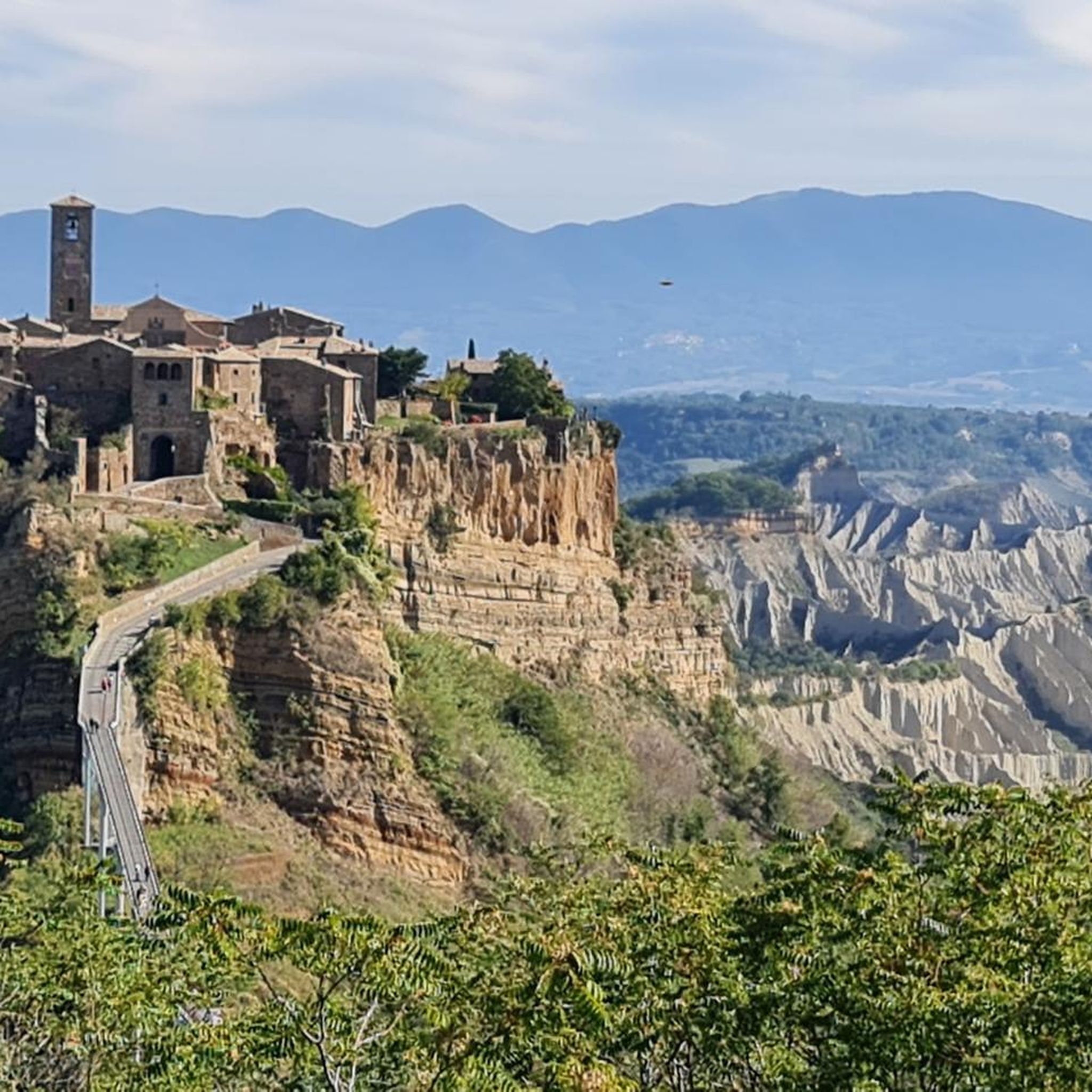
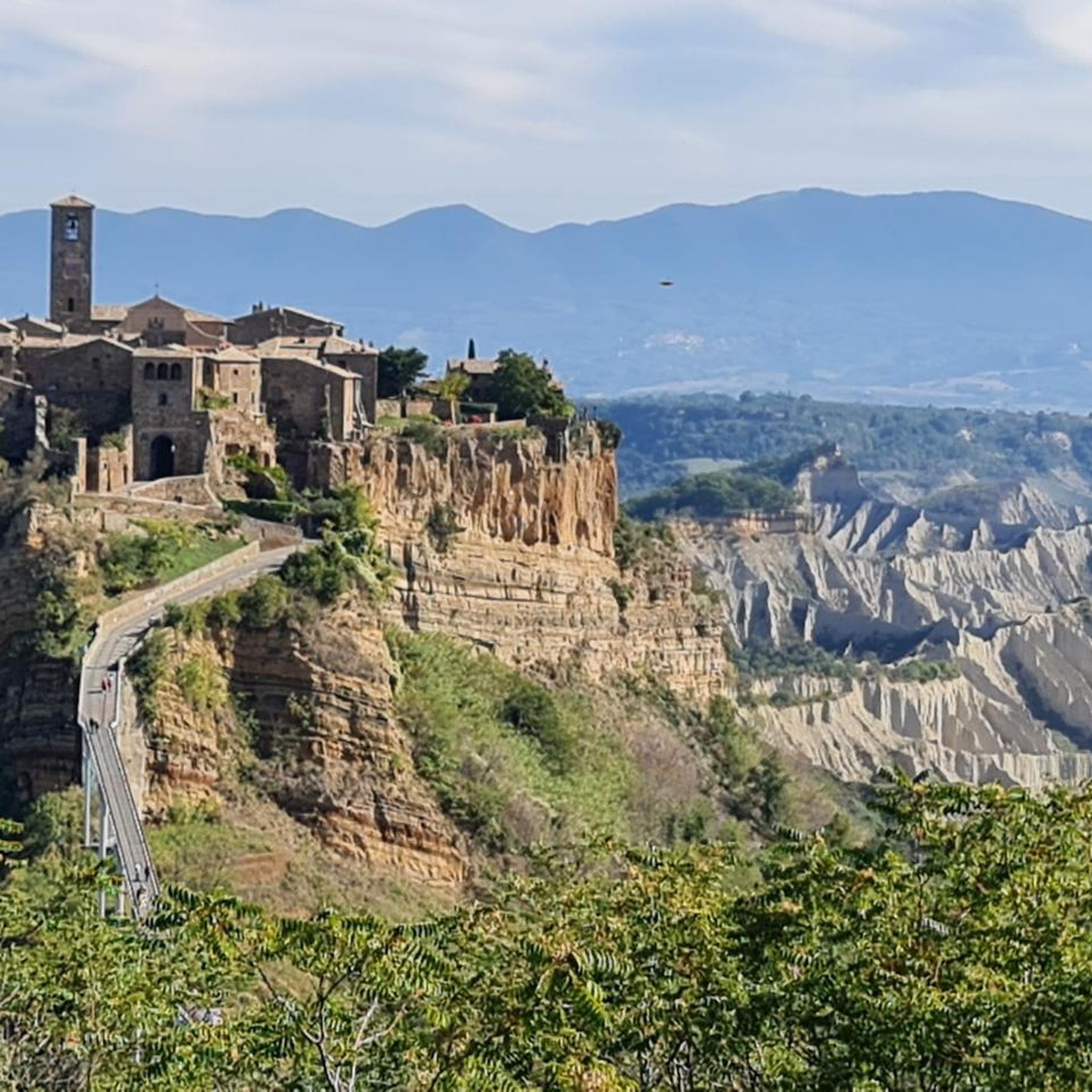
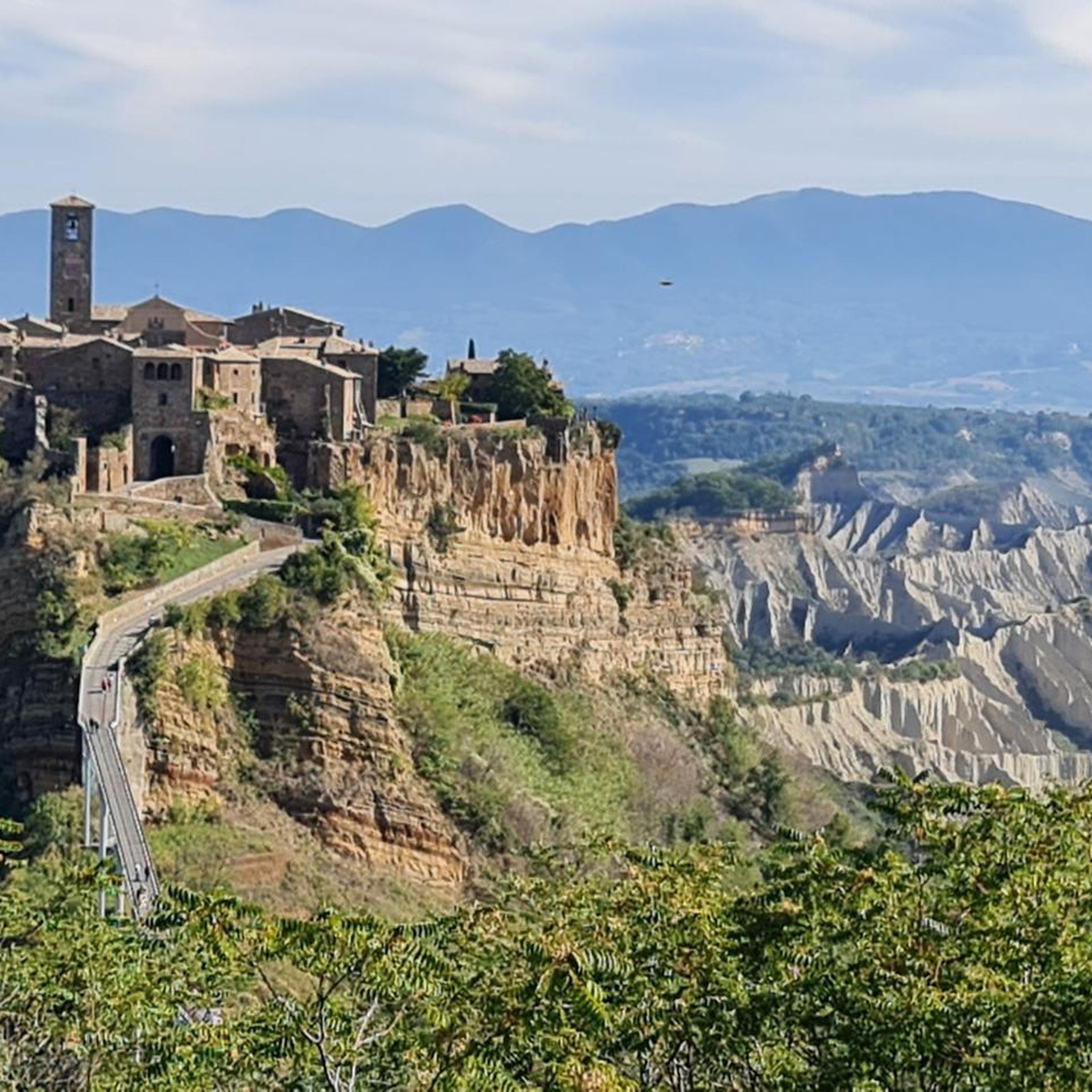
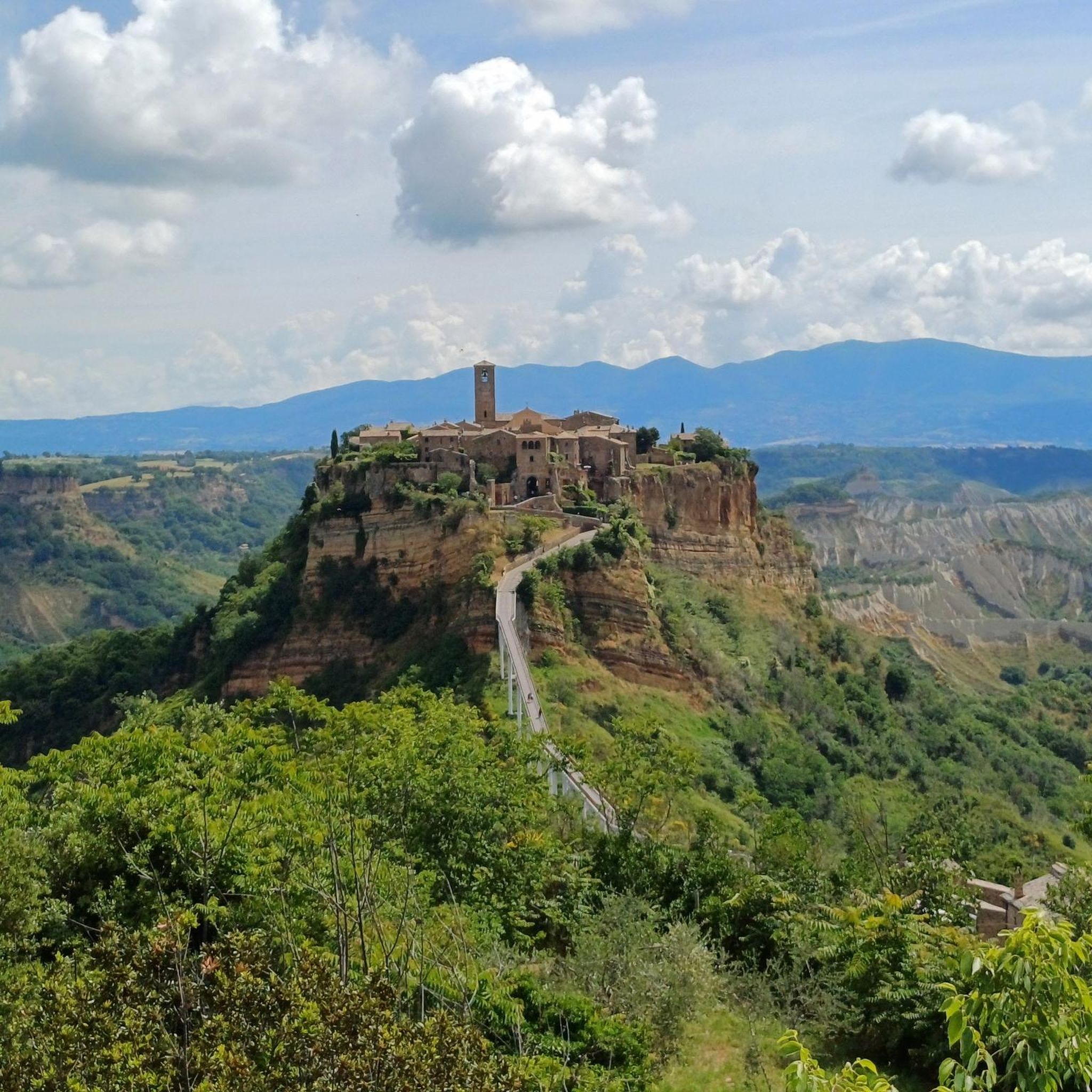
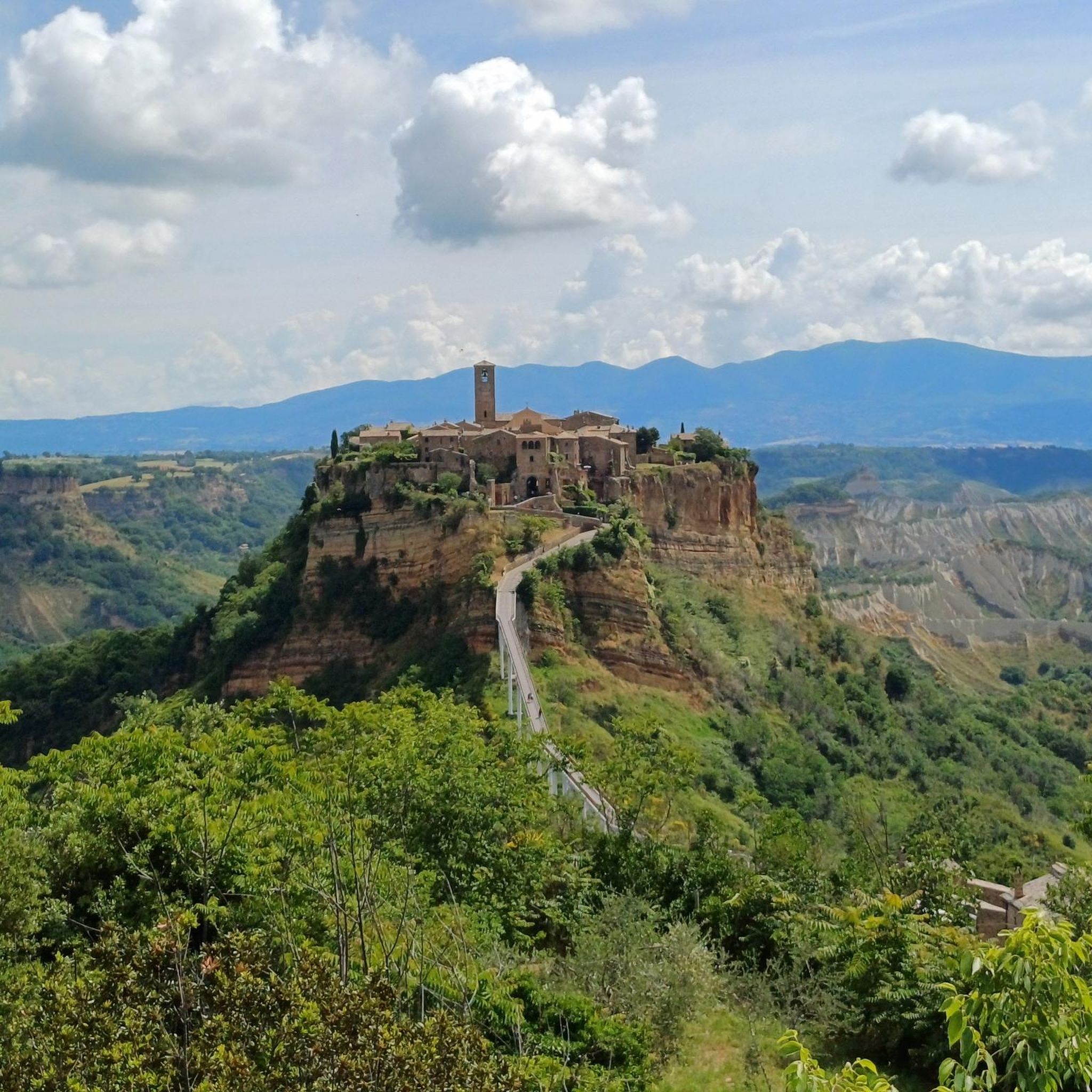
- The most popular caves is Historic village of Civita di Bagnoregio, a historical site with Etruscan and Roman remains. This medieval town is situated on a high tuff spur, accessible via a pedestrian bridge, and features underground dwellings.
- Another must-see spot is Necropolis of San Lorenzo, a historical site and natural monument. This Umbrian-Etruscan necropolis is one of the largest pre-Roman necropolises discovered in Umbria.
- Visitors also love Entrance to Orvieto Underground, a historical cave system. This site features over 1200 tufa graves, tunnels, and wells carved out of the rock over 3000 years.
- Bagnoregio is known for its Etruscan tombs, medieval cellars, and repurposed underground structures. These sites highlight the ingenuity of ancient civilizations and the continuous adaptation of the region's unique geology.
- The caves around Bagnoregio are appreciated by the komoot community, with more than 80 upvotes and over 120 photos shared.
Last updated: October 3, 2026
Historic village of Civita di Bagnoregio
Highlight • Historical Site
Translated by Google •
Tip by

Entrance to Orvieto Underground
Highlight • Cave
The Orvieto tufa graves are dry cavities created by human intervention and are located below the town of Orvieto in southwest Umbria in the province of Terni in Italy.
The tufa layer under the city was created around 300,000 years ago by eruptions in the Volsiner Mountains. The more than 1200 tufa graves themselves were created by the excavation activities of the residents over about 3000 years across the entire city. The excavations were only stopped at the turn of the 19th and 20th centuries. The caves have been largely unused since around the 1950s and have only been scientifically processed since the 1970s. Previously, the grottos and tunnels were used to store food, wine and the production of goods as well as the water supply of the city.
During the public tours lasting about one to one and a half hours, only a very small part of the grottos and tunnels can be visited, e.g. B. an olive oil mill located in a grotto from the Middle Ages with millstones, the oil press, fireplace, the feed manger for the animals, the water pipes and cisterns.
Source and further information de.m.wikipedia.org/wiki/Tuffsteingrotten_von_Orvieto
Translated by Google •
Tip by

Sign up now to discover places like this
Get recommendations on the best single tracks, peaks, & plenty of other exciting outdoor places.
Orvieto Cathedral
Highlight • Religious Site
Translated by Google •
Tip by

Necropolis of San Lorenzo
Highlight • Historical Site
Translated by Google •
Tip by

Etruscan Necropolis of Centocamere
Highlight • Historical Site
Translated by Google •
Tip by

Sign up for free to discover even more caves around Bagnoregio.
Already have an account?
Start today with a free account
Your next adventure awaits.

Tips from the Community

Very beautiful and worth seeing.
1
0

Civita di Bagnoregio is a magical, surreal, fantastic place, located on the top of a tuff hill and reachable only through a narrow pedestrian bridge from which you can enjoy one of the most spectacular views of all of Lazio. Nicknamed the dying city, due to the constant erosion of the tuff rocks on which it is located, this citadel halfway between Orvieto and Lake Bolsena has Etruscan and medieval origins.
2
0

Fascinating place, full of history
0
0

Orvieto is a city located on the flat top of a large volcanic tuff hill. The city rises dramatically above nearly vertical tuff walls complemented by defensive walls built of the same stone. The cathedral, a masterpiece of Italian Gothic architecture, commemorates the Eucharistic miracle of Bolsena. Built in 1290 by Arnolfo di Cambio, it features a magnificent façade completed in the 16th century. Inside, the chapels of San Brizio and the corporal are unmissable. The church of Sant'Andrea, completed in the 13th century, and that of San Giovenale, with a massive bell tower, are examples of Romanesque architecture. The People's Palace, a 12th-century Romanesque-Gothic building, and St. Patrick's Well, 62 meters deep with spiral staircases, are other attractions. Orvieto has a thousand-year history which can be best appreciated in its vast system of underground cavities.
3
0

The little village of Civita di Bagnoregio is a place from another time. Accessible only by a pedestrian bridge, the place is inhabited by only a few people. Nevertheless, there are shelters in the abandoned city. The once proud city, which lies like a crown on the top of a tuff rock and which mainly attracts with beautiful medieval and partly antique buildings within its historic walls, was already considered a dying village in the 70s and 80s of the last century. At times no more than 5-12 people lived here. Back then, landslides were unsafe and regular house maintenance was too expensive. Civita di Bagnoregio is now considered one of the most beautiful villages in Italy. Since it can only be reached via a pedestrian bridge and has therefore been completely spared from cars to this day, it offers a brief but intensive look right into the heart of Italy's history. In the early evening it gets quiet in the town, which is heavily frequented by tourists during the day. This is the best time to enjoy the historic city.
3
0

A pleasant guided tour, along a comfortable path, through which you can get to know the underground of the city of Orvieto.
0
0
The reason for building the cathedral was the miracle of blood in the nearby town of Bolsena in 1263, when blood is said to have dripped from a host in Santa Cristina during the consecration. This blood miracle formed the basis of the Corpus Christi festival. The altar cloth soaked in blood is kept as a relic in a side chapel of the cathedral.
3
0

Small medieval town with Etruscan and Roman remains. It is situated on a high tufa spur and is separated from the newer, younger town of Bagnoregio by a deep gorge. From the east end of this town there are great views of the valley, the gorge, the impressive backdrop of Civita on the towering ridge, and the pedestrian bridge over the gorge, which provides exciting access to the old town through an ancient city gate. Civita di Bagnoregio was one of the "dying cities" due to its exposed location and erosion problems and at times had hardly any residents. A Roman ex-manager and numerous dropouts and nature enthusiasts discovered the place and revived it by buying up and renovating the abandoned building ruins "Today, the place has also become a holiday home for artists. Concerts in the church provide additional impetus. Cafes and restaurants, a small hotel and a souvenir shop have been set up in the renovated buildings. The remaining original inhabitants of the village present their house and garden as well as an underground one Cave dwelling for a voluntary contribution from the tourists.Unfortunately it can get very crowded at times!
4
0
Frequently Asked Questions
What kind of caves can I explore around Bagnoregio?
The caves around Bagnoregio are primarily ancient underground structures carved into volcanic tuff rock. These include Etruscan tombs, medieval cellars, and repurposed tunnels that offer a glimpse into the region's 2500-year history. Notable examples are found beneath the historic village of Civita di Bagnoregio and in the extensive underground networks of Orvieto.
What is the historical significance of the caves in this region?
The caves hold deep historical significance, dating back to the Etruscan era. Many began as Etruscan tombs, later repurposed as chapels, cellars, or even dwellings during medieval and more recent times. The Historic village of Civita di Bagnoregio, for instance, sits atop a network of such structures, and the Necropolis of San Lorenzo is one of Umbria's largest pre-Roman necropolises.
Are there any guided tours available for the underground sites?
Yes, for sites like the Entrance to Orvieto Underground, guided tours are available and often required to explore the extensive network of over 1200 tufa graves, tunnels, and wells. These tours typically last about one to one and a half hours and provide insight into their historical uses, such as olive oil mills and water supply systems.
What are the geological features of the caves around Bagnoregio?
The caves are predominantly carved into tuff, a type of volcanic rock. This unique geology, characterized by deep gorges and eroding tuff cliffs, is responsible for the dramatic landscape, including the 'dying city' phenomenon of Civita di Bagnoregio. The ground beneath Civita is often described as 'Swiss-cheese' due to the numerous ancient cellars and cisterns.
Can I visit the Cave of Saint Bonaventure?
While not explicitly listed as a highlight in the guide data, the Cave of Saint Bonaventure (Grotta di San Bonaventura) is a significant historical site beneath the Belvedere in Civita di Bagnoregio. It began as an Etruscan tomb and later became a medieval chapel, known for its legend involving Saint Francis of Assisi and Saint Bonaventure. It offers a tangible connection to the town's rich past.
Are there family-friendly activities related to the caves?
Exploring the ancient underground structures, such as those in the Historic village of Civita di Bagnoregio or the guided tours of Orvieto Underground, can be fascinating for families. These sites offer an engaging way to learn about Etruscan and Roman history. Some Etruscan caves have also been converted into unique spaces like museums or restaurants, providing interesting experiences.
What outdoor activities can I do near these caves?
The region around Bagnoregio offers various outdoor activities. You can find numerous MTB trails, running trails, and road cycling routes. These routes often pass by scenic viewpoints and historical sites, allowing you to combine cave exploration with active outdoor pursuits.
How long does it take to explore the underground sites?
The duration varies by site. For example, a guided tour of the Entrance to Orvieto Underground typically lasts about one to one and a half hours. Exploring the underground dwellings and cellars within the Historic village of Civita di Bagnoregio can be done at your own pace, often taking less time depending on how many you visit.
Are there any viewpoints near the caves?
Yes, the Historic village of Civita di Bagnoregio itself is a prominent viewpoint, offering spectacular views of the valley, the deep gorge, and the impressive backdrop of Civita on its towering ridge. The pedestrian bridge leading to Civita also provides excellent photographic opportunities.
What are the 'hidden' underground features in Civita di Bagnoregio?
Beyond the more accessible sites, Civita di Bagnoregio is honeycombed with various Etruscan-era underground features. These include ancient tunnels and the 'bucaione,' an Etruscan tunnel that crosses the tufa cliff and emerges in the Valle dei Calanchi below. Many of these have been repurposed over centuries, serving as cellars or even unique dining spaces.
What is the 'Well of the Quarry' and where is it located?
The Well of the Quarry is an underground complex in Orvieto, with its entrance on Via della Cava. It's beneath Orvieto's oldest neighborhood and is divided into nine underground areas, rich with Etruscan, medieval, and Renaissance finds. A tour typically takes about 30 minutes and is highly recommended for its historical insights.
Are there places to eat or stay near the caves?
Yes, particularly in the Historic village of Civita di Bagnoregio, you'll find cafes, restaurants, and small hotels set up in renovated buildings. Some local restaurants are even carved into the tuff caves, offering a unique dining experience. Bagnoregio, the 'new' town, also offers various accommodation and dining options.
Most popular routes around Bagnoregio
Most popular attractions around Bagnoregio

Get inspired with the komoot mobile app


Explore more
Extend your search for the best caves by checking out these guides of the top ones around Bagnoregio:
