Top 11 Caves around Ischia Di Castro
Best caves around Ischia Di Castro are primarily known for their archaeological significance and unique geological formations in the Lazio region of Italy. This area, nestled in the Fiora River valley, features ancient human activity and natural erosion processes carving into tufa rock. Visitors can explore sites revealing continuous human presence from the Upper Paleolithic to later periods. The landscape offers a blend of historical insights and natural wonders.
Best caves around Ischia Di Castro
- The most popular caves is…
Last updated: June 30, 2026
Via Cava di San Giuseppe
Highlight (Segment) • Trail
Translated by Google •
Tip by

Tomba Ildebranda
Highlight • Historical Site
Translated by Google •
Tip by

Sign up now to discover places like this
Get recommendations on the best single tracks, peaks, & plenty of other exciting outdoor places.
Sign up for free
Poggio Conte Hermitage
Highlight • Religious Site
Tip by
Etruscan Necropolis of Sovana
Highlight • Historical Site
Translated by Google •
Tip by
Rupestrian Oratory of San Sebastiano
Highlight • Cave
Translated by Google •
Tip by

Sign up for free to discover even more caves around Ischia Di Castro.
Sign up for free
Already have an account?
Start today with a free account
Your next adventure awaits.
Login or Signup

Tips from the Community

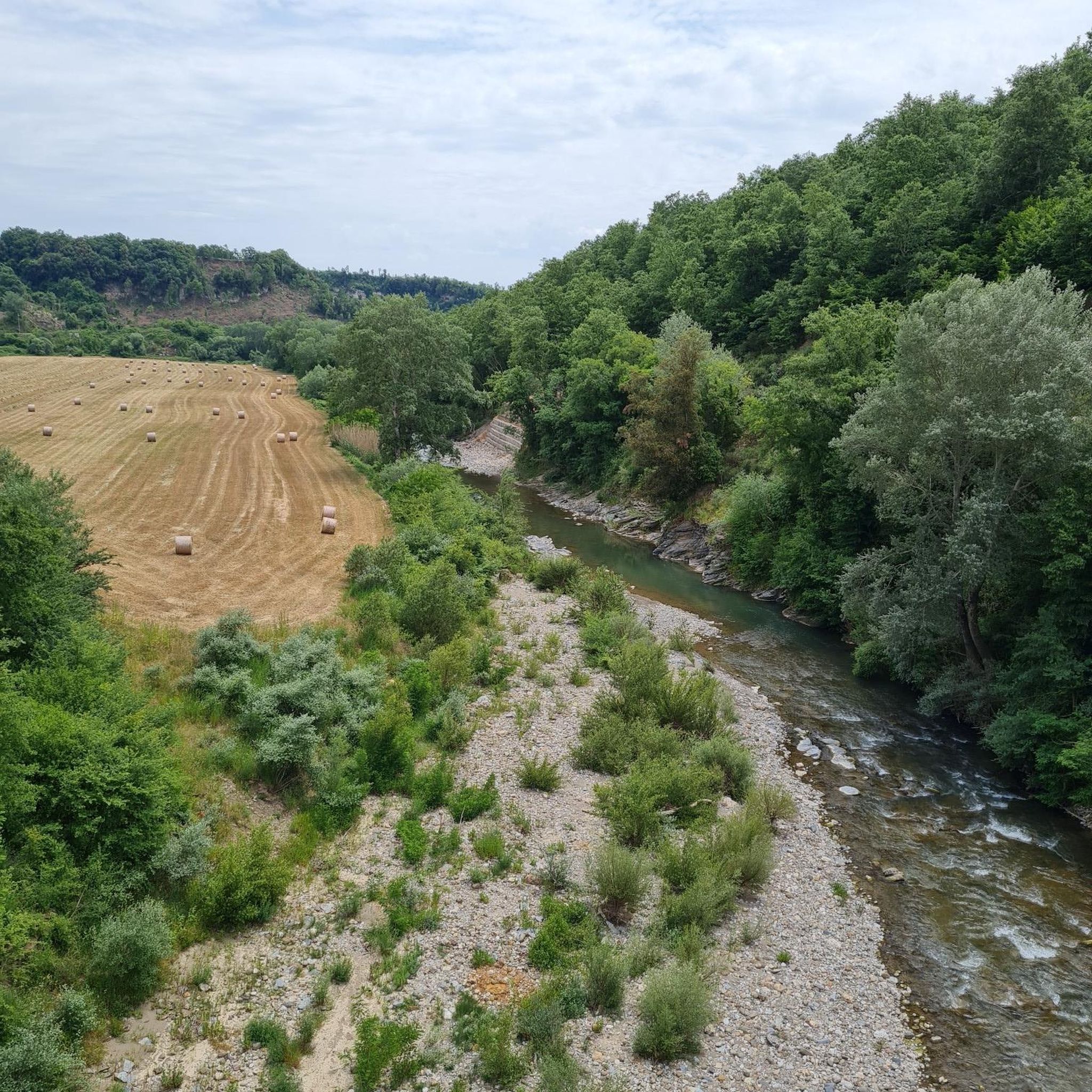
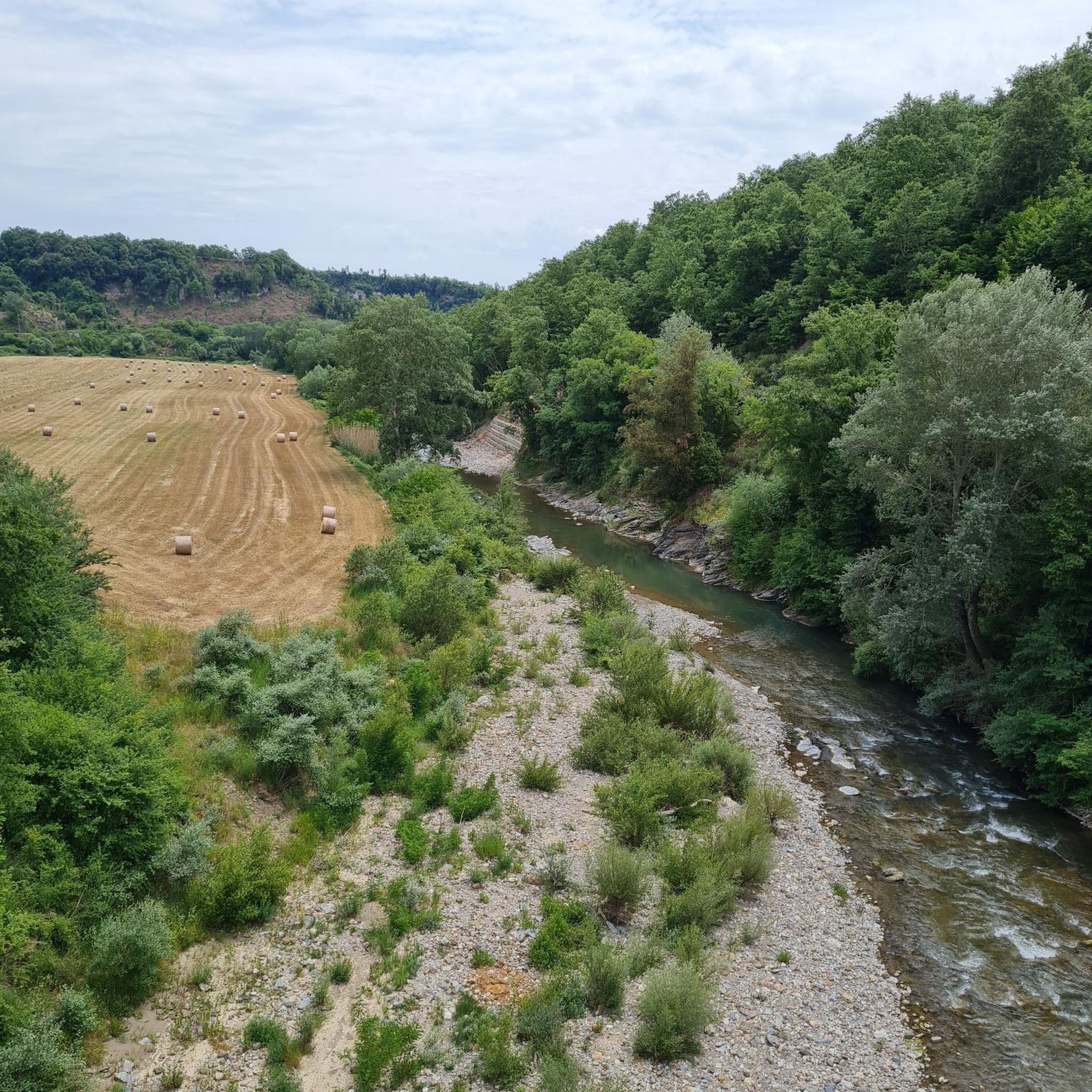
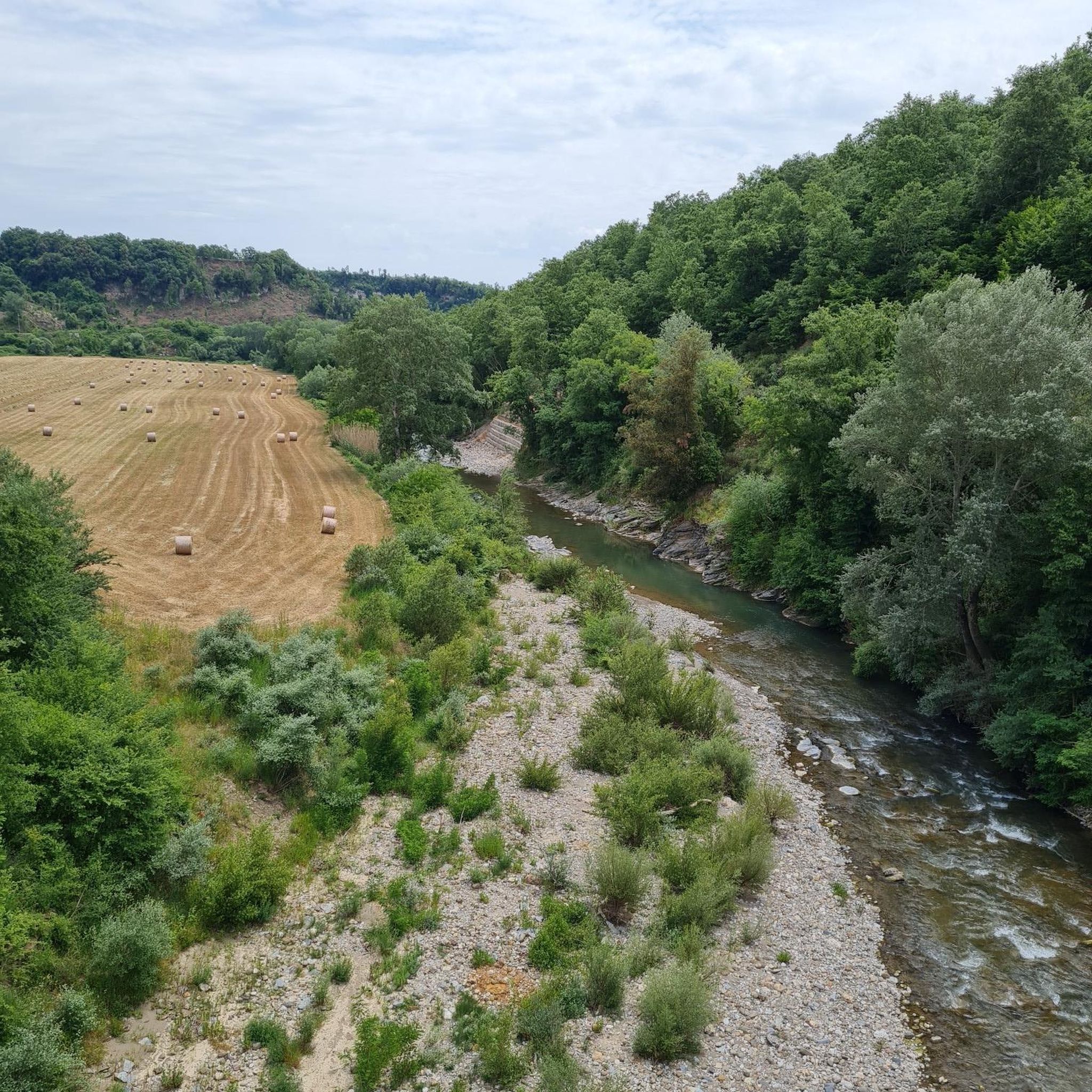
It can be reached after a walk (also accessible by bike) along a path that runs alongside the Fiora River; the last stretch is accessible only on foot. Impressive.
0
0

Through a very narrow, high gorge (can be damp in spring), you finally reach this oratory via steps.
1
0
The exhibition grounds are definitely worth a visit and can be easily combined with a circular hike from Sovana.
1
0
You can also visit the excavations on a circular hike from Sorana. The €7.00 is definitely worth it for this very interesting site.
1
1

The rupestrian (cave) oratory is located at the top of the San Sebastiano via cava and consists of two irregular rooms, the walls of the chambers were engraved with many Latin crosses, including one on a small mountain that probably represents Golgotha. The oratory was almost certainly realized by using one of the many existing archaic tombs in the upper part of the via Cava, many of which are still visible. In fact, it was common for the monks and Christian hermits of the Middle Ages to take advantage of the remote location of these environments to reach the small places of worship suitable for prayer and meditation. From the various openings in the oratory you can see the wall of the via Cava and the remains of some Etruscan tombs looted in ancient times.
1
0

The Vie Cave, sometimes also called Cavoni, form a suggestive road system from the Etruscan era that connects various settlements and necropolises between Pitigliano, Sovana and Sorano. They mainly develop between steep tuff rock walls, some of which exceed twenty meters in height. In Roman times, these streets became part of a road network connected to the main trunk of the Via Clodia, an ancient road that connected Rome to Saturnia, passing through the city of Tuscania and branching off from the Via Cassia in Lazio. The Via Cava di San Giuseppe is one of the most evocative in the area, as well as the longest, leading up to Pitigliano. This street is associated with the traditional torchlight procession of San Giuseppe, which is held on March 19th. The link between ancient pagan rites and the dark atmosphere along the route, which still persists today, dates back to Christian times, when small niches with painted sacred images, known as "devil chasers", were dug to protect travellers.
4
1
The Città del Tufo archaeological park opened its doors in 1998 with the aim of preserving and promoting the precious historical and cultural heritage of the tuff area. The surrounding area is enriched by monumental tombs, among which the famous Ildebranda tomb stands out, an Etruscan masterpiece carved from an imposing block of tuff to imitate the appearance of a temple from the Hellenistic age. Other fascinating tombs include the Pola tomb, those of the Typhoon, of the Winged Demons and of the Siren. The magical atmosphere of the place is further enriched by the presence of suggestive hollow streets, with the Via Cava di San Sebastiano, squeezed between walls of over 20 meters, the Via Cava di Poggio Prisca and the Cavone, on whose walls you can admire engravings from different eras, including crosses with exorcistic purposes and a large swastika, a solar symbol.
2
1

Very impressive hike on the paths of the Etruscans who carved these paths in the tuff...in some places you can still see the traces of working.
5
0
Frequently Asked Questions
What kind of caves can I explore around Ischia di Castro?
The caves around Ischia di Castro are primarily known for their archaeological significance and unique geological formations. You'll find natural caves formed by water erosion and sinkholes, as well as ancient Etruscan road systems carved into tufa rock, often referred to as 'Vie Cave'. These sites offer a blend of historical insights and natural wonders.
Are there any caves with significant archaeological findings?
Yes, several caves in the region are rich in archaeological history. For instance, Grotta di Settecannelle reveals continuous human presence from the Upper Paleolithic to the Middle Bronze Age, with findings like ceramic fragments, lithic tools, and ancient burials. Grotta Misa also served as a shelter, sanctuary, and burial site across various epochs, with evidence of hearths and human remains.
What are the 'Vie Cave' and where can I experience them?
The 'Vie Cave' (or Cavoni) are ancient Etruscan road systems carved into steep tufa rock walls, some exceeding twenty meters in height. They connect various settlements and necropolises. A notable example is Via Cava di San Giuseppe, which is one of the most evocative and longest in the area, leading towards Pitigliano. These offer a unique historical walking experience.
Can I visit historical tombs or religious sites carved into rock?
Absolutely. The region features impressive rock-cut historical and religious sites. You can visit Tomba Ildebranda, an Etruscan temple tomb carved out of a huge boulder. Another significant site is the Poggio Conte Hermitage, a religious building with remarkable artistic and sculptural skill from the 13th century, accessible via a path along the Fiora River. Additionally, the Rupestrian Oratory of San Sebastiano, located at the top of a via cava, consists of two irregular rooms with engraved Latin crosses.
Are there caves with interesting geological formations?
Yes, several caves showcase unique geological features. Grotta Nuova, near the Fiora River, is known for its spectacular low passages amidst flowstones and stalactites. Grotta dell'Infernetto, formed as a sinkhole, features a front part that narrows into a progressively tighter tunnel, offering an interesting geological structure.
Are there family-friendly options for exploring caves or historical sites?
The Etruscan Necropolis of Sovana is categorized as family-friendly. This archaeological park features monumental tombs and suggestive hollow streets, providing an engaging historical experience for all ages. While specific caves may vary in accessibility, the broader historical sites often offer easier exploration.
What outdoor activities can I do near the caves around Ischia di Castro?
The area around Ischia di Castro is excellent for various outdoor activities. You can find numerous hiking trails, including routes like the 'Farnese - Selva del Lamone Loop' or the 'Strozzavolpe Waterfall – Poggio Conte Hermitage loop'. There are also road cycling routes and running trails available, allowing you to explore the natural and historical landscape.
What is the best way to learn more about the artifacts found in these caves?
Many artifacts unearthed from the caves, such as those from Grotta di Settecannelle, are preserved and displayed at the Pietro and Turiddo Lotti Archaeological Museum in Ischia di Castro. This museum offers a deeper insight into the ancient history and human presence in the region.
Are there any specific considerations for visiting the caves or ancient sites?
When visiting sites like the 'Vie Cave' or natural caves, sturdy footwear is recommended due to uneven terrain. Some passages, such as those in the Rupestrian Oratory of San Sebastiano, can be narrow or damp, especially in spring. Always check local conditions and accessibility for specific sites before your visit.
What makes the region around Ischia di Castro unique for cave exploration?
The region's uniqueness stems from its rich blend of natural geological formations, primarily tufa rock, and its profound archaeological history. Unlike many other cave systems, those around Ischia di Castro often reveal continuous human activity spanning millennia, from prehistoric settlements to Etruscan and Roman periods, offering a deep dive into both natural and human history.
Where can I find more general information about Ischia di Castro and its surroundings?
For more general information about Ischia di Castro and the Lazio region, you can visit the official tourism website: visitlazio.com.
Most popular routes around Ischia Di Castro
Most popular attractions around Ischia Di Castro

Get inspired with the komoot mobile app


Explore more
Extend your search for the best caves by checking out these guides of the top ones around Ischia Di Castro:
