Top 7 Castles around Castel Del Piano
Best castles around Castel Del Piano are rooted in the area's history as a fortified medieval settlement. The town's historical center, with its ancient walls and gates, reflects this heritage. Situated on the slopes of Monte Amiata, the region offers a blend of historical architecture and natural landscapes. Exploring these sites provides insight into the defensive structures and historical development of the area.
Best castles around Castel Del Piano
- The most popular castles is Historic Centre of Castiglione d'Orcia,…
Last updated: October 16, 2026
Tower of Vignoni Alto
Highlight • Castle
Translated by Google •
Tip by

Montalcino Fortress
Highlight • Castle
Translated by Google •
Tip by

Sign up now to discover places like this
Get recommendations on the best single tracks, peaks, & plenty of other exciting outdoor places.
Tentennano Fortress
Highlight • Castle
Translated by Google •
Tip by

Vignoni Alto Watchtower
Highlight • Monument
Translated by Google •
Tip by

Historic Centre of Castiglione d'Orcia
Highlight • Historical Site
A dreamy area, just as you'd imagine Tuscany to be – hilly and lined with cypress avenues.
There are …
Translated by Google •
Tip by

Sign up for free to discover even more castles around Castel Del Piano.
Already have an account?
Start today with a free account
Your next adventure awaits.
Popular around Castel Del Piano
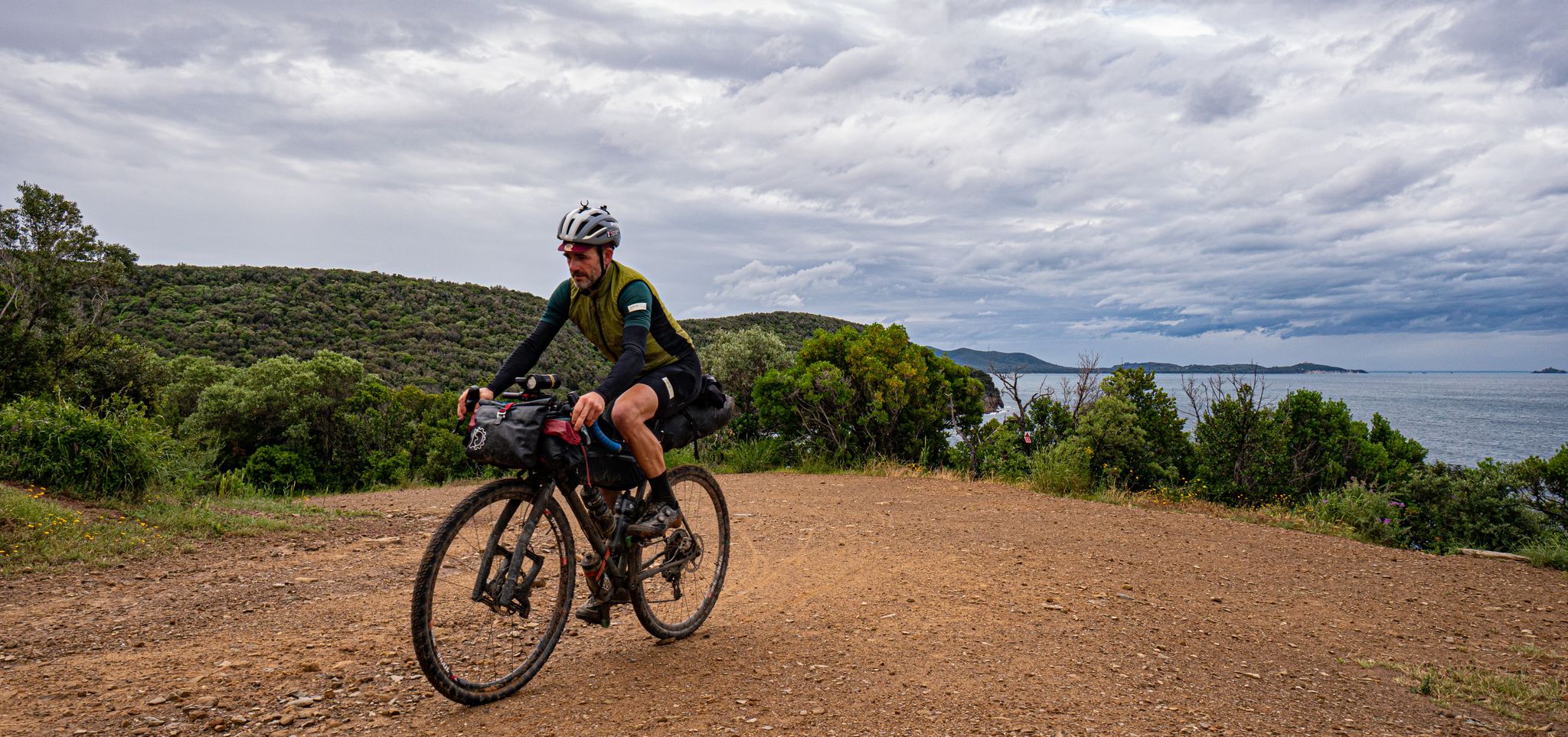
Maremma Challenge — A Tuscan, mixed terrain bikepacking loop
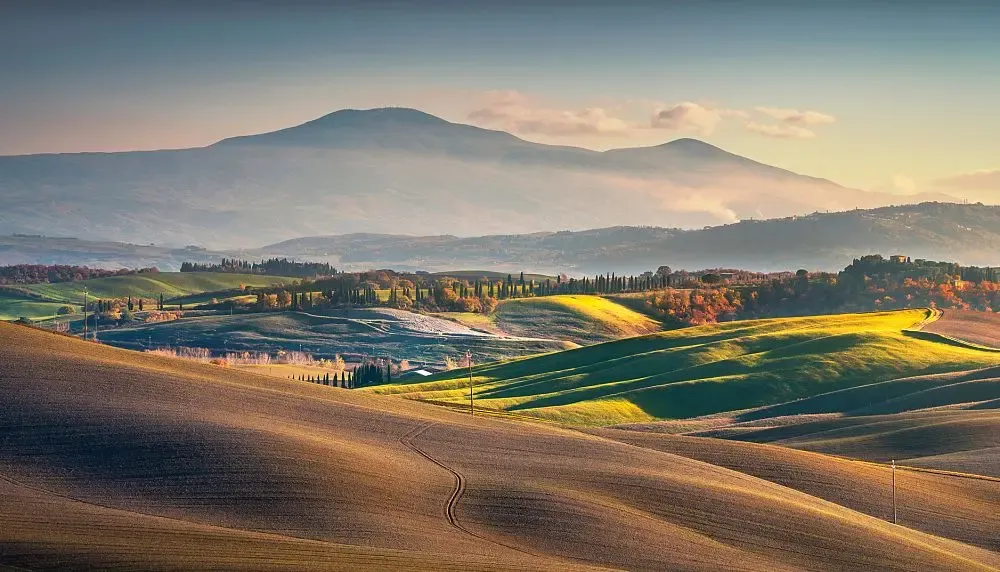
In bici nei dintorni di Grosseto e del Monte Amiata con DINAclub
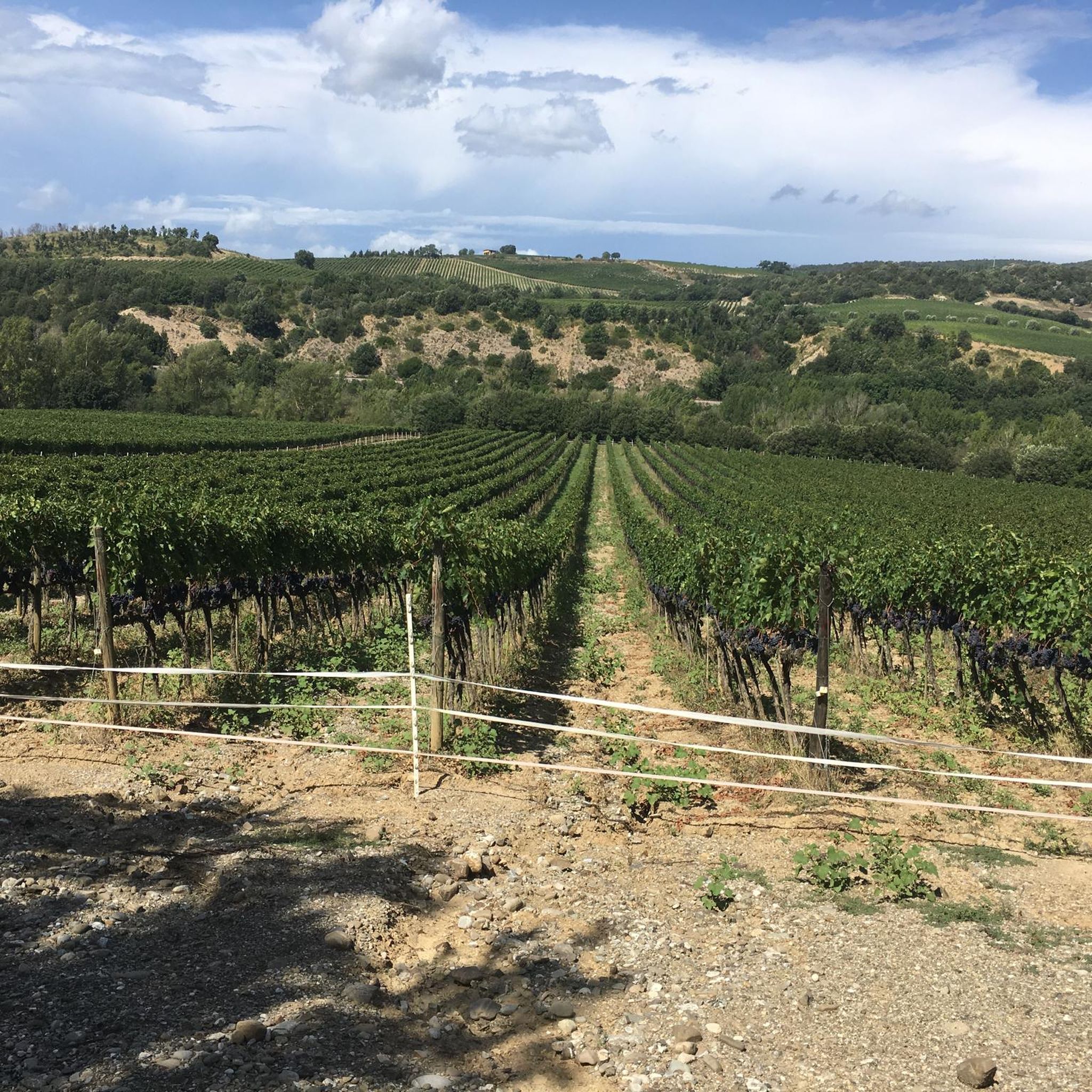
Hiking around Castel Del Piano
Road Cycling Routes around Castel Del Piano

Gravel biking around Castel Del Piano
Cycling around Castel Del Piano
MTB Trails around Castel Del Piano
Running Trails around Castel Del Piano


Tips from the Community

Both castle ruins can be visited for a total of 6 euros. (Prices 10/25) It's worth it
1
0
Beautiful little place with a tower
0
0

charming medieval village with watchtower
0
0

zero tourists and peace of mind, to get there a very challenging climb with peaks of 21%
1
0

Closed from 1 p.m. to 2:30 p.m. For €6.00, you can visit it together with the tower—it's definitely worth it.
1
0
Fantastic views for € 6.00 (2025) in combination with Rocca d' Orcia.
2
0
From up here, there are stunning views over the Orcia Valley. A dreamy area, just as you'd imagine Tuscany to be – hilly and lined with cypress avenues. There are also several hikes to enjoy here, and the Via Francigena long-distance hiking trail passes by.
3
0

In the current village is still visible a tall tower, formerly the keep, reduced in height with a high chamfered base and topped by a 'redondone' (dripstone) to delimit its vertical feature and a small window on each side. Within the walled circuit is the church of San Biagio, of Romanesque origin.
1
0
Frequently Asked Questions
What kind of historical sites can I expect to see within Castel del Piano itself?
Within Castel del Piano, you'll find a well-preserved medieval urban structure rather than standalone castles. The town's historical center features ancient defensive walls and gates, such as the impressive Clock Gate (Porta dell'Orologio). You can also explore historical palaces like Palazzo Nerucci, which houses the Civic Museum, and other noble residences like Palazzo Ginanneschi. These sites offer a glimpse into the town's fortified past and architectural evolution.
Which traditional castles are located near Castel del Piano?
For traditional castles, you can visit several notable sites in the broader region. Highly recommended are the Montalcino Fortress, a mighty 14th-century stronghold offering panoramic views, and the Tower of Vignoni Alto, part of an ancient castle dating back to the eleventh century. Other significant sites include the Tentennano Fortress with its distinctive tower overlooking Val d'Orcia, and the Castello di Poggio alle Mura, also known as Castello Banfi, which houses a museum.
Are there any family-friendly castles or historical sites to visit near Castel del Piano?
Yes, several sites are suitable for families. The Montalcino Fortress is considered family-friendly, offering ramparts to explore and spectacular views. The Castello di Poggio alle Mura is also a good option, featuring a well-preserved castle and a museum that can engage younger visitors.
What kind of views can I expect from the castles and historical sites in the area?
Many of the castles and historical centers offer breathtaking views. From the Montalcino Fortress, you can enjoy panoramic vistas extending over Monte Amiata, the Crete, and the entire Val d'Orcia. The Tower of Vignoni Alto and the Historic Centre of Castiglione d'Orcia also provide stunning views of the Val d'Orcia, characterized by its rolling hills and cypress avenues.
What outdoor activities can I do near these castles and historical sites?
The region around Castel del Piano is excellent for outdoor activities. You can find numerous routes for cycling, gravel biking, and running. For cycling, explore routes like the 'Castel di Piano – Monticello Amiata Village loop' or 'Castel di Piano – Seggiano Village loop' which pass through scenic landscapes. Gravel biking offers longer adventures such as the 'Val d'Orcia Panorama – Sant'Antimo Abbey loop'. There are also running trails, including a 'Castello di Potentino loop' from Montegiovi. You can find more details on these activities in the Cycling around Castel Del Piano, Gravel biking around Castel Del Piano, and Running Trails around Castel Del Piano guides.
Are there any specific walking or hiking trails that incorporate castle visits?
While there aren't specific 'castle walks' listed as dedicated trails, many of the historical sites are located in picturesque areas perfect for walking. For instance, the Historic Centre of Castiglione d'Orcia is a great starting point for walks with stunning views over the Orcia Valley, and the Via Francigena long-distance hiking trail passes nearby. Exploring the medieval urban structure of Castel del Piano itself is also a pleasant walk.
What is the best time of year to visit the castles and historical sites around Castel del Piano?
The best time to visit is generally during the spring (April-June) and autumn (September-October) months. During these periods, the weather is pleasant for exploring, and the landscapes are particularly beautiful, whether with spring blooms or autumn colors. Summer can be hot, especially for extensive outdoor exploration, while winter offers a quieter experience, though some facilities might have reduced hours.
What do visitors enjoy most about the castles and historical sites in this region?
Visitors frequently praise the well-preserved medieval architecture and the breathtaking panoramic views. The charm of places like the Historic Centre of Castiglione d'Orcia, with its consistent old-town feel, and the spectacular vistas from the Montalcino Fortress are often highlighted. The rich history and the ability to imagine life in medieval times also contribute to a memorable experience.
Are there any hidden gems or less-known historical sites worth exploring?
Beyond the main highlights, consider exploring the hamlet of Montegiovi, a part of Castel del Piano. It features remains of its old castle's battlements in Piazza di Poggio Valente, along with ancient gates like Porta Leone and Porta Medici. These offer a more intimate glimpse into the region's fortified past away from the more prominent tourist spots.
Are there cafes or restaurants near the historical sites in Castel del Piano and its surroundings?
Yes, Castel del Piano itself has various cafes, pubs, and restaurants, particularly in its historic center. When visiting nearby castles like Montalcino Fortress or the Historic Centre of Castiglione d'Orcia, you'll find charming local eateries within the medieval villages, offering opportunities to enjoy local Tuscan cuisine and refreshments.
Is public transport available to reach the castles and historical sites from Castel del Piano?
Public transport options exist, though they might be limited for direct access to all smaller sites. Local bus routes connect Castel del Piano to some surrounding towns. For more flexibility, especially when visiting multiple castles or those slightly off the main routes, renting a car is often recommended. Always check local bus schedules for specific destinations.
What should I wear when visiting castles and historical sites in this region?
Comfortable walking shoes are essential, as many sites involve uneven terrain, cobblestones, and stairs. Layered clothing is advisable, especially during spring and autumn, to adapt to changing temperatures. A hat and sunscreen are recommended during warmer months, and a light jacket can be useful even in summer evenings. For winter visits, warmer clothing and waterproof outerwear are necessary.
Most popular routes around Castel Del Piano
Most popular attractions around Castel Del Piano

Get inspired with the komoot mobile app


Explore more
Looking for the best castles somewhere else? Discover other guides around Castel Del Piano:
