Top 20 Caves around Farnese
Caves around Farnese include both historical artificial grottoes and ancient Etruscan rock-cut passages. The region is characterized by its volcanic tuff landscape, which allowed for the creation of unique subterranean and semi-subterranean structures. These sites offer insights into historical architecture and ancient civilizations. The area's natural features are often intertwined with its rich cultural heritage.
Best caves around Farnese
- The most popular caves is Via Cava di San Giuseppe, a trail that is part of the Etruscan Vie Cave…
Last updated: June 30, 2026
Via Cava di San Giuseppe
Highlight (Segment) • Trail
Translated by Google •
Tip by

Via Cava di San Rocco
Highlight (Segment) • Gorge
Translated by Google •
Tip by
Sign up now to discover places like this
Get recommendations on the best single tracks, peaks, & plenty of other exciting outdoor places.
Sign up for free
Tomba Ildebranda
Highlight • Historical Site
Translated by Google •
Tip by

Poggio Conte Hermitage
Highlight • Religious Site
Tip by
Etruscan Necropolis of Sovana
Highlight • Historical Site
Translated by Google •
Tip by
Sign up for free to discover even more caves around Farnese.
Sign up for free
Already have an account?
Start today with a free account
Your next adventure awaits.
Login or Signup
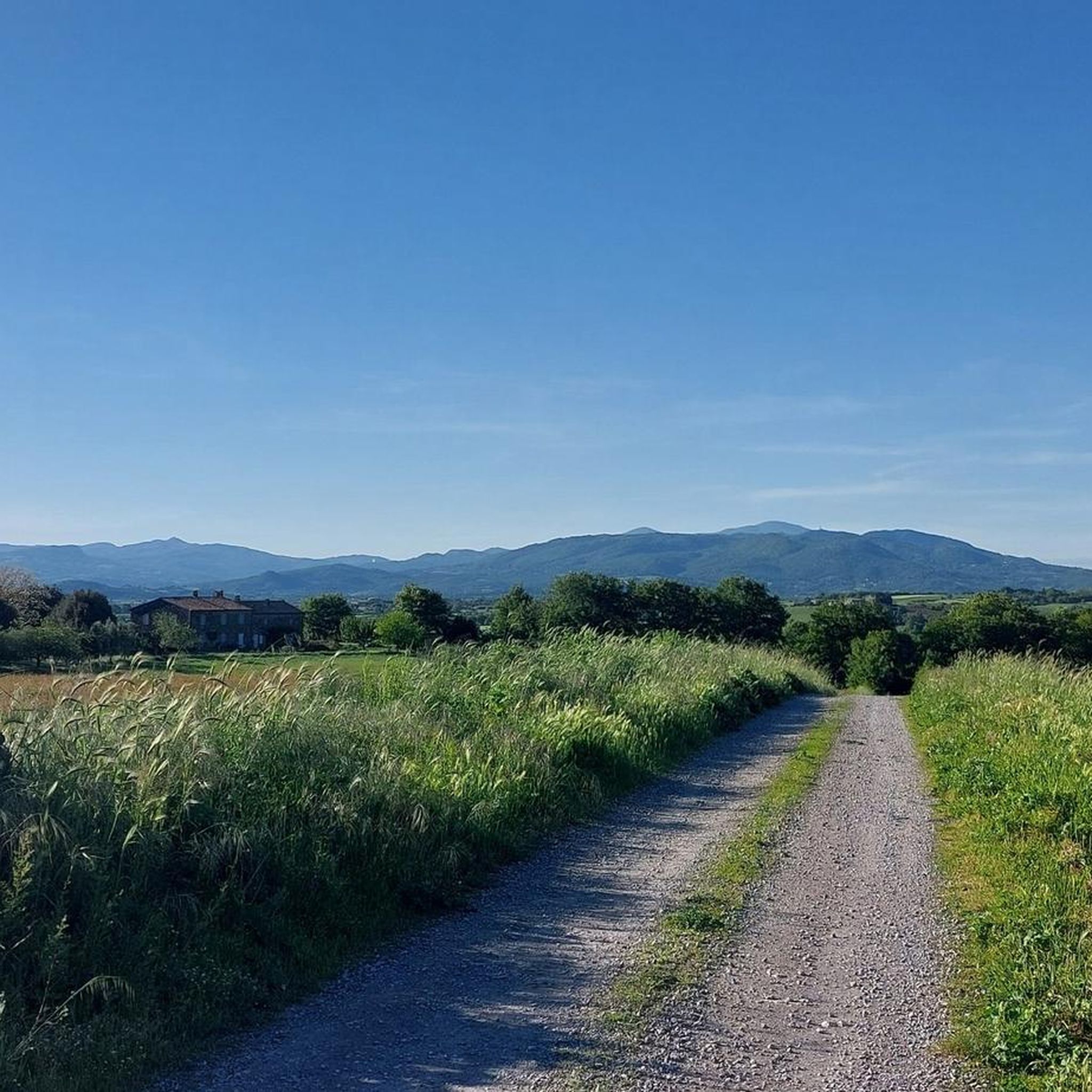
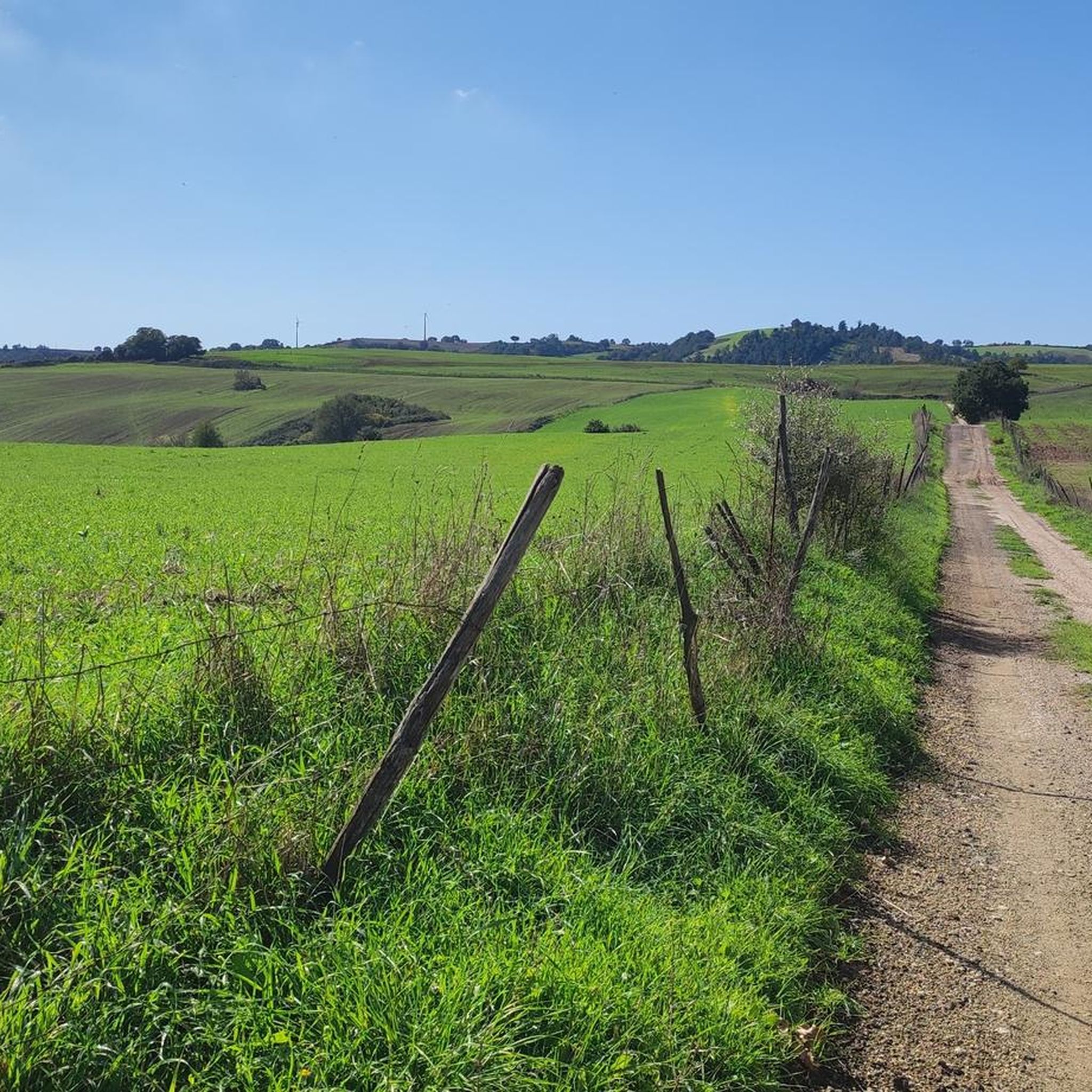
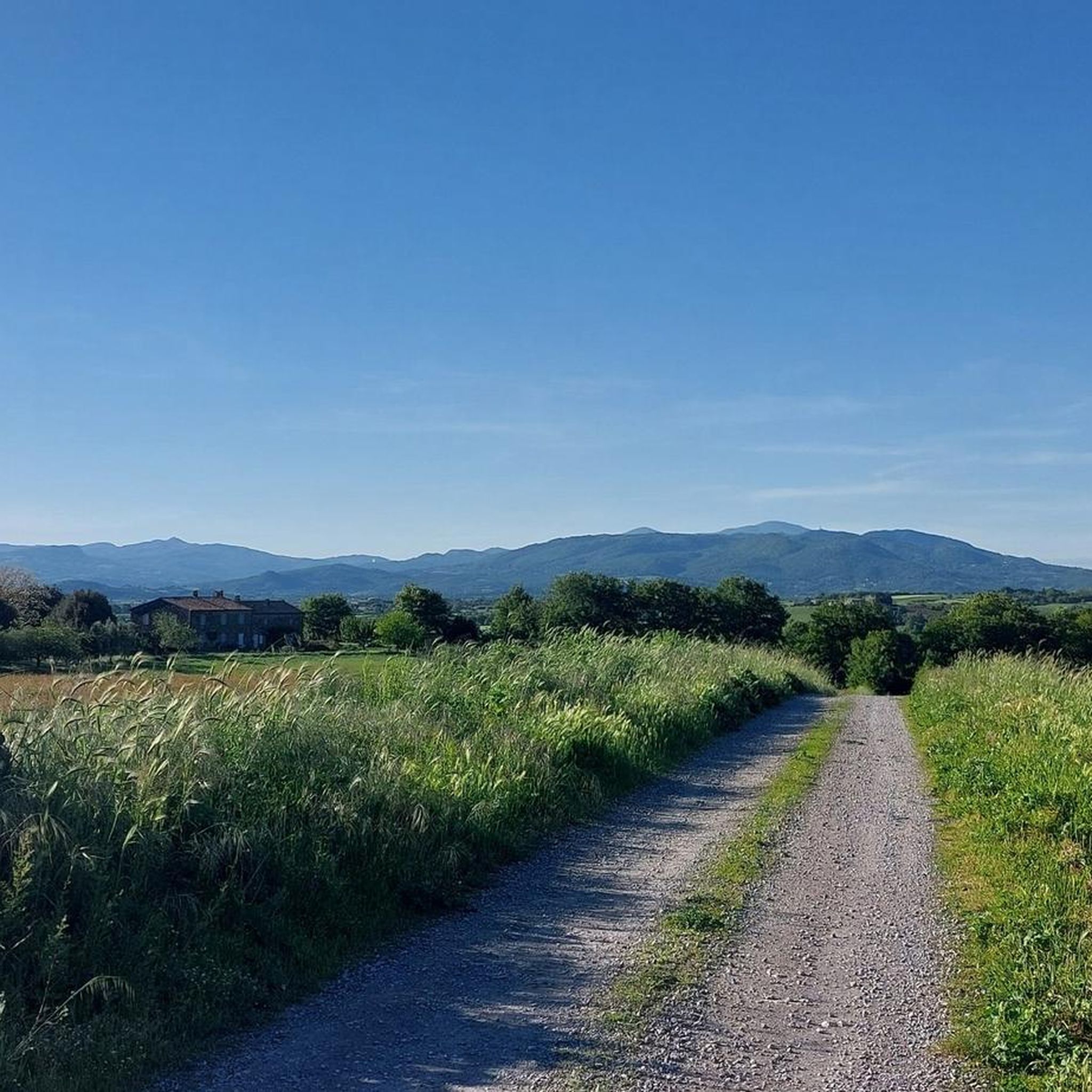
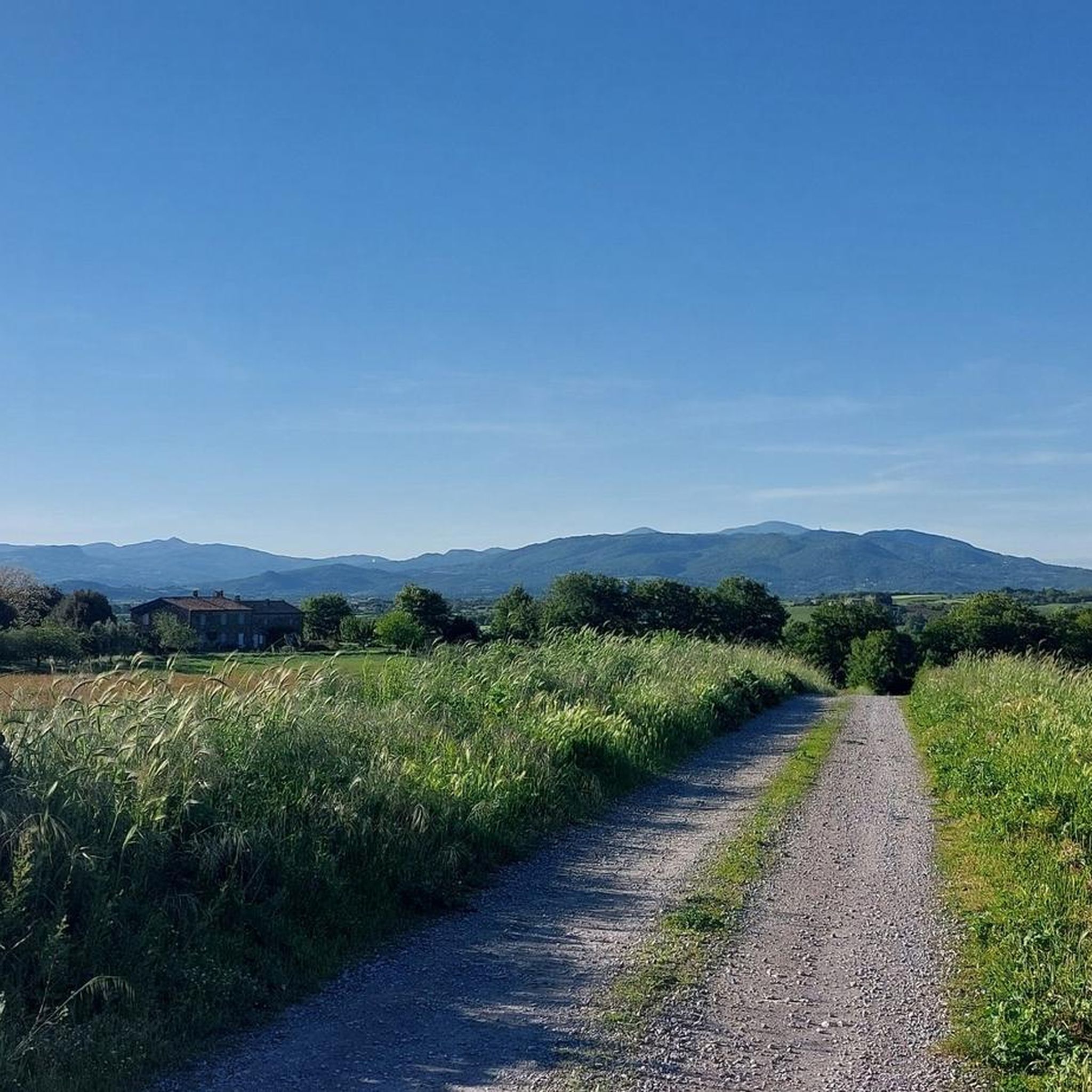

Tips from the Community

The Via Cava di San Rocco is one of the most impressive Etruscan paths in the area. The trail is entirely dug into the tuff, with vertical walls reaching up to 20 meters high, hosting lush vegetation of ferns and mosses. The route connects the Lente river valley with the plateau above. Along the ascent, you will encounter ancient water channeling systems and stairs carved into the rock. Once you reach the upper end, you arrive at the panoramic area of San Rocco, from which you can enjoy the most iconic view of the settlement of Sorano and the Orsini Fortress. The ground can be damp and slippery due to the cool microclimate of the walls.
0
0

It can be reached after a walk (also accessible by bike) along a path that runs alongside the Fiora River; the last stretch is accessible only on foot. Impressive.
0
0

The exhibition grounds are definitely worth a visit and can be easily combined with a circular hike from Sovana.
1
0
You can also visit the excavations on a circular hike from Sorana. The €7.00 is definitely worth it for this very interesting site.
1
1

The Vie Cave, sometimes also called Cavoni, form a suggestive road system from the Etruscan era that connects various settlements and necropolises between Pitigliano, Sovana and Sorano. They mainly develop between steep tuff rock walls, some of which exceed twenty meters in height. In Roman times, these streets became part of a road network connected to the main trunk of the Via Clodia, an ancient road that connected Rome to Saturnia, passing through the city of Tuscania and branching off from the Via Cassia in Lazio. The Via Cava di San Giuseppe is one of the most evocative in the area, as well as the longest, leading up to Pitigliano. This street is associated with the traditional torchlight procession of San Giuseppe, which is held on March 19th. The link between ancient pagan rites and the dark atmosphere along the route, which still persists today, dates back to Christian times, when small niches with painted sacred images, known as "devil chasers", were dug to protect travellers.
4
1
The Città del Tufo archaeological park opened its doors in 1998 with the aim of preserving and promoting the precious historical and cultural heritage of the tuff area. The surrounding area is enriched by monumental tombs, among which the famous Ildebranda tomb stands out, an Etruscan masterpiece carved from an imposing block of tuff to imitate the appearance of a temple from the Hellenistic age. Other fascinating tombs include the Pola tomb, those of the Typhoon, of the Winged Demons and of the Siren. The magical atmosphere of the place is further enriched by the presence of suggestive hollow streets, with the Via Cava di San Sebastiano, squeezed between walls of over 20 meters, the Via Cava di Poggio Prisca and the Cavone, on whose walls you can admire engravings from different eras, including crosses with exorcistic purposes and a large swastika, a solar symbol.
2
1
The Via Cava di San Rocco goes up the opposite side of Sorano, skirting the remains of the church of San Rocco, a religious building in Romanesque style now reduced to ruins that maintain sections of the original wall structures. Behind these remains extends a vast Etruscan necropolis with tombs dug into the tuff. The Vie Cave, dug by the Etruscans about 3000 years ago in the tuff, are still shrouded in mystery regarding the technique used to sculpt the rock so precisely and vertically. This street represents the most important of the Vie Cave around Sorano, as it guided the Etruscans to their necropolis. Incredibly, for over six centuries, from the Middle Ages until 1940, it was the only road that connected the city of Sorano to Sovana. Every horse, cart and traveler had no choice but to travel this steep, damp road between its high walls.
1
0

Very impressive hike on the paths of the Etruscans who carved these paths in the tuff...in some places you can still see the traces of working.
5
0
Frequently Asked Questions
What types of caves can I explore around Farnese?
The Farnese area offers a unique blend of historical artificial grottoes and ancient Etruscan rock-cut passages. You can explore the Etruscan Vie Cave, which are ancient roads carved into tuff rock, and historical grottoes like the one at Villa Farnese in Caprarola.
What are the Etruscan Vie Cave and where can I find them?
The Etruscan Vie Cave are ancient, deep-cut roads carved into the volcanic tuff rock by the Etruscans around 3000 years ago. They served as crucial connections between settlements and necropolises. Notable examples include Via Cava di San Giuseppe, the longest of these ancient roads leading to Pitigliano, and Via Cava di San Rocco near Sorano.
Are the caves around Farnese suitable for families?
Yes, several sites are considered family-friendly. For instance, Via Cava di San Rocco and the Etruscan Necropolis of Sovana offer engaging experiences for all ages, allowing exploration of ancient pathways and historical monuments.
What historical or archaeological sites can I visit related to the caves?
Beyond the Vie Cave, you can visit significant archaeological sites such as Tomba Ildebranda, a unique Etruscan temple tomb carved from a large boulder. The Etruscan Necropolis of Sovana also features monumental tombs and hollow streets with ancient engravings.
Is it possible to visit the grotto at Villa Farnese in Caprarola?
Yes, the artificial grotto within the gardens of Villa Farnese in Caprarola is a notable 16th-century example of Mannerist garden architecture. It features a fountain, statues of satyrs, and faux stalactites, offering a unique historical and aesthetic experience within the grand Farnese gardens.
What outdoor activities can I do near these caves?
The area around Farnese offers various outdoor activities. You can find numerous running trails, including routes like 'Edicola di San Giuseppe – Via Cava Madonna delle Grazie loop from Pitigliano'. For cycling enthusiasts, there are gravel biking and general cycling routes, such as 'Gravel in the Selva del Lamone along the Sentiero dei Briganti'. You can explore more options on the Running Trails around Farnese, Gravel biking around Farnese, and Cycling around Farnese guide pages.
Are there hiking trails near the caves?
Yes, the Etruscan Vie Cave themselves are popular hiking trails, offering impressive walks through ancient rock-cut passages. Many of these trails connect historical sites and necropolises. You can find detailed routes and information on the Running Trails around Farnese guide, which includes routes that pass through these ancient pathways.
What is the best time of year to visit the caves in the Farnese area?
Spring and autumn generally offer the most pleasant weather for exploring the outdoor cave sites and ancient pathways, with milder temperatures ideal for hiking. Summer can be hot, but the cool interiors of the Vie Cave and grottoes can offer a refreshing escape. Winter visits are possible, but some paths might be damp.
What do visitors enjoy most about the caves around Farnese?
Visitors frequently praise the unique historical experience of walking in the footsteps of the Etruscans through the ancient Vie Cave. The impressive scale of the rock-cut passages, the mysterious atmosphere, and the intricate details of sites like Tomba Ildebranda are often highlighted. The blend of natural landscape and ancient human ingenuity is a major draw.
Is the Poggio Conte Hermitage a cave worth visiting?
The Poggio Conte Hermitage is a historical site with cave-like structures, offering a glimpse into medieval monastic life. It features remarkable artistic and sculptural elements, with architectural influences dating back to the 13th century. It's accessible via a walk alongside the Fiora River, with the final stretch on foot.
Most popular attractions around Farnese

Get inspired with the komoot mobile app


Explore more
Extend your search for the best caves by checking out these guides of the top ones around Farnese:
