Top 6 Caves around Volterra
Best caves around Volterra are primarily man-made underground structures, reflecting centuries of mining and historical development rather than natural geological formations. This historic Tuscan hill town is known for its rich history of subterranean activity, dating back to the Etruscans. These sites offer insights into the region's past, including alabaster extraction, salt mining, and ancient urban infrastructure. The area's mineral wealth has shaped its landscape and economy, providing a unique underground exploration experience.
Best caves around Volterra
- The most popular…
Last updated: October 16, 2026
Necropoli del Portone Etruscan Tomb
Highlight • Historical Site
The Etruscan Volterra had probably already been conquered by Rome (298 …
Translated by Google •
Tip by

Castelvecchio Farmhouse and Cave
Highlight • Settlement
Translated by Google •
Tip by

Sign up now to discover places like this
Get recommendations on the best single tracks, peaks, & plenty of other exciting outdoor places.
Maurizio's Caves in Gambassi Terme
Highlight • Cave
Translated by Google •
Tip by

Pavone Mines
Highlight • Historical Site
Translated by Google •
Tip by

Hidden River Trail and Sulphur Geyser
Highlight (Segment) • Trail
Tip by

Sign up for free to discover even more caves around Volterra.
Already have an account?
Start today with a free account
Your next adventure awaits.
Popular around Volterra
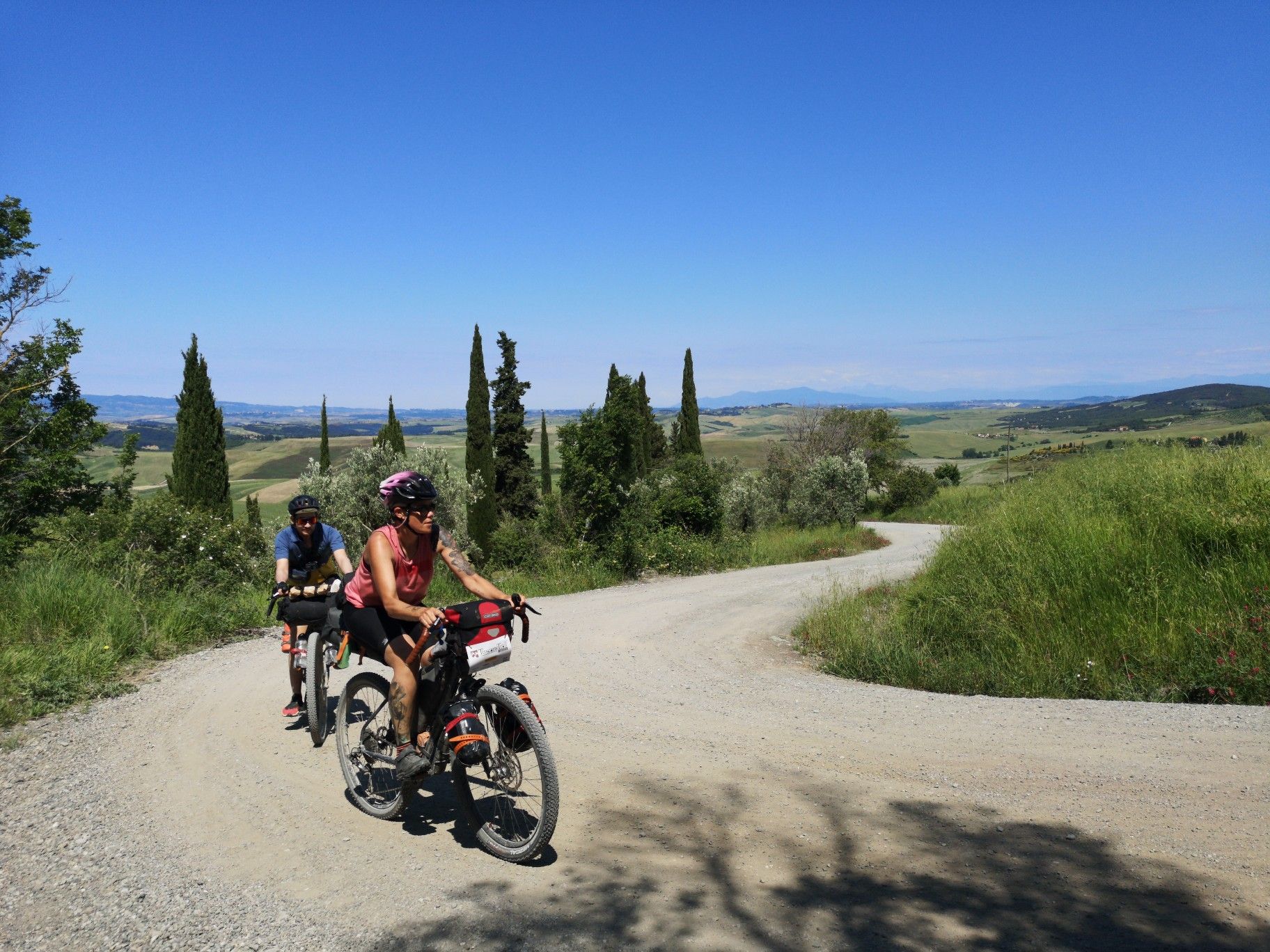
The Tuscany Trail – bikepacking in the heart of Italy
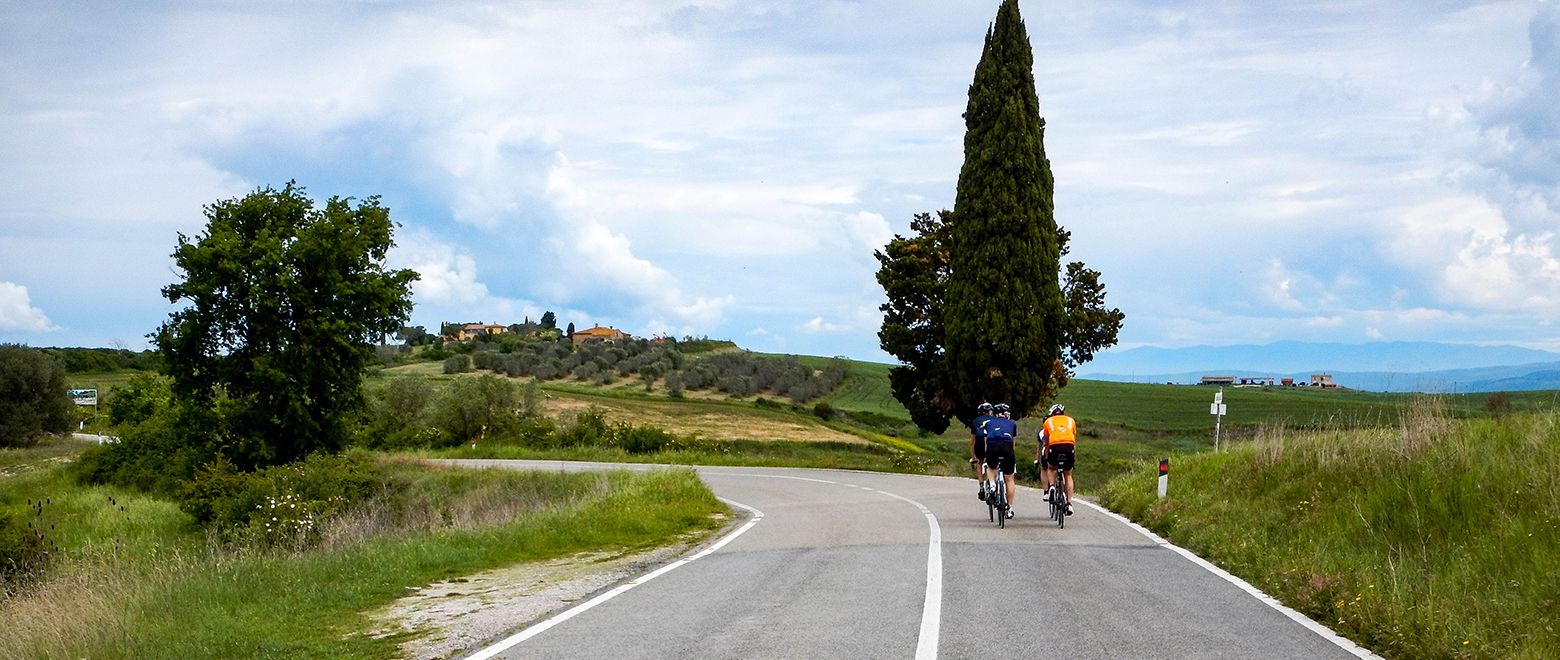
A heavenly week cycling in Tuscany

Terre di Pisa Bike Trail – 500 km in the saddle in beautiful Tuscany
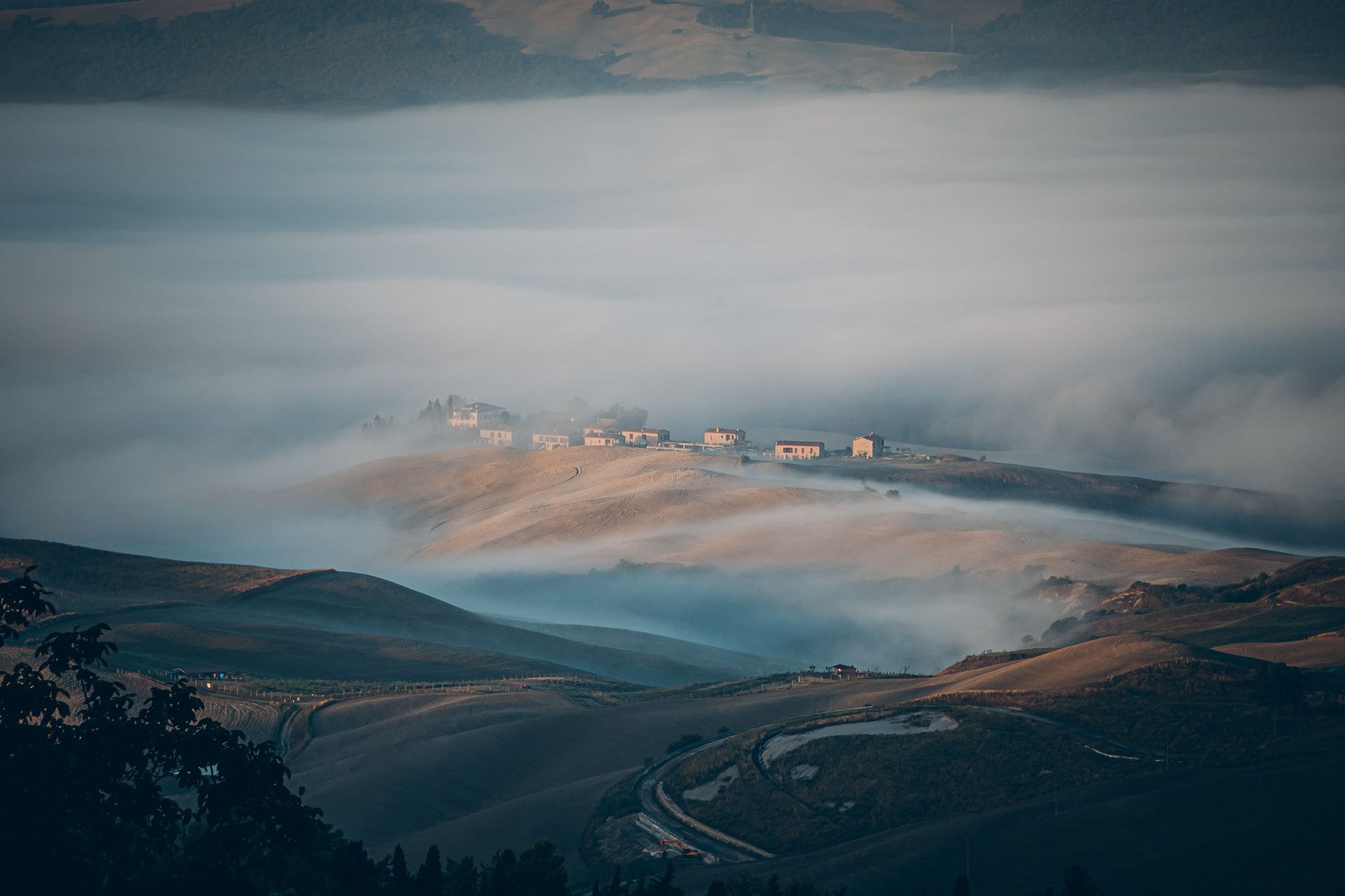
Between the Pisan hills and famous cliffs – Volterra and Valdicecina
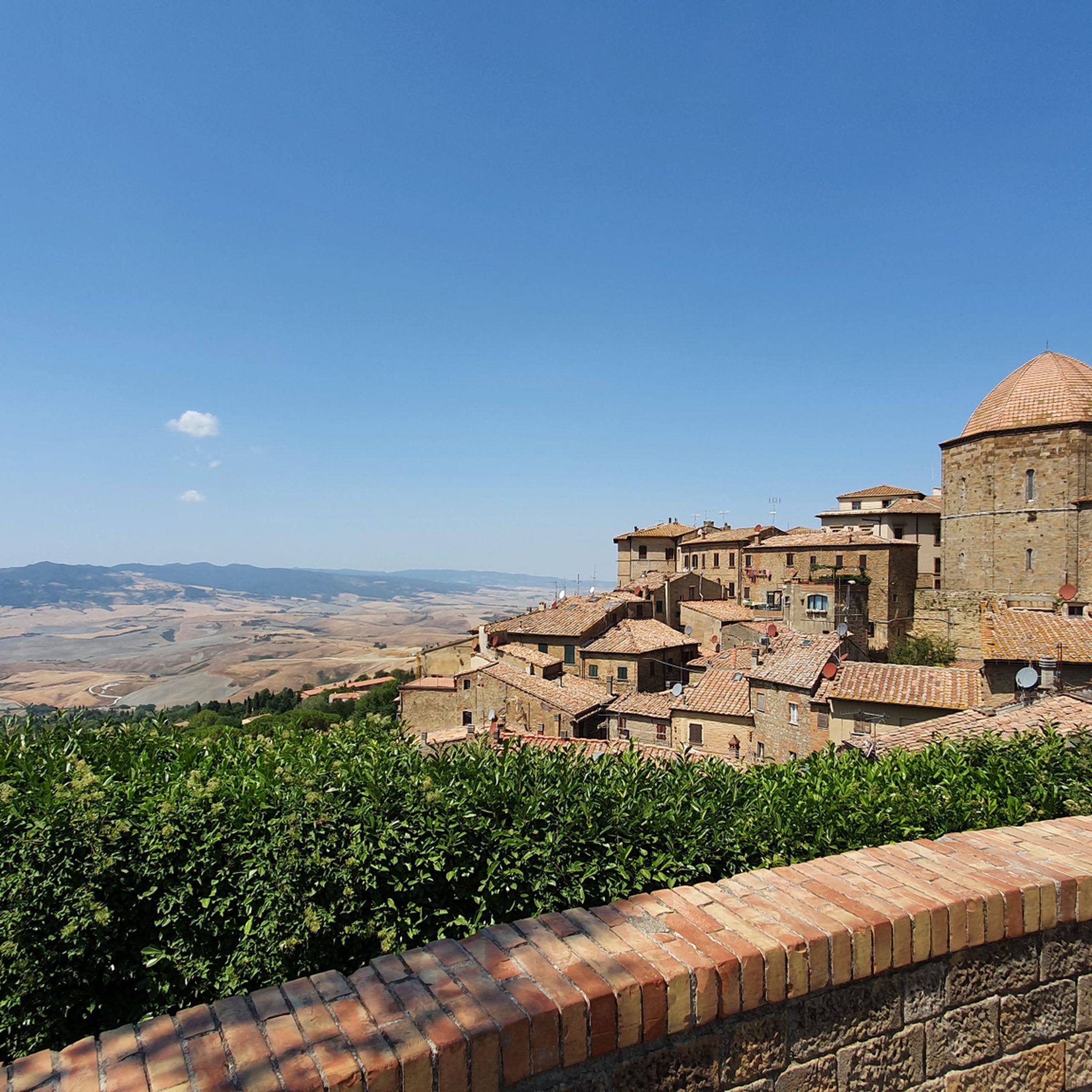
Hiking around Volterra
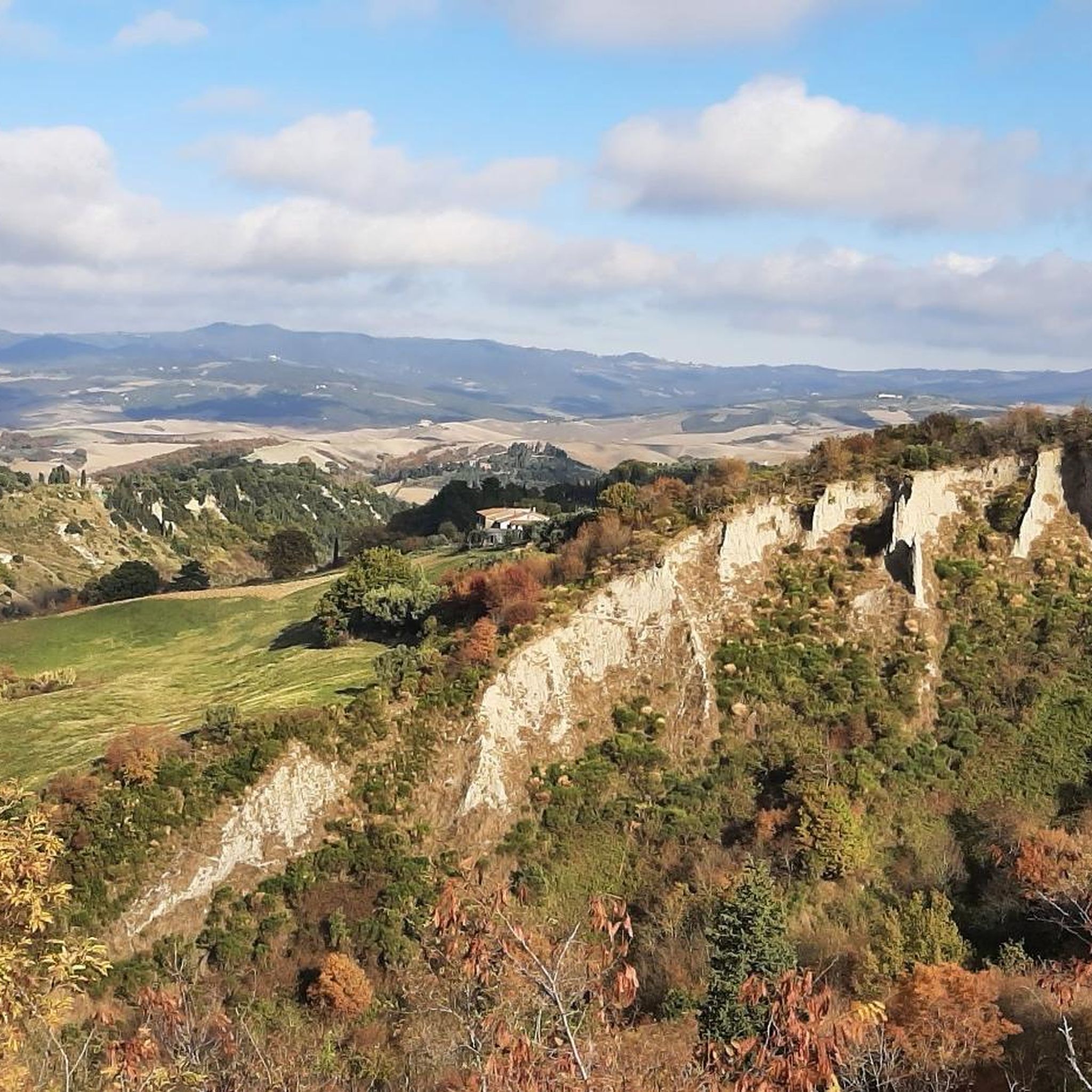
Road Cycling Routes around Volterra
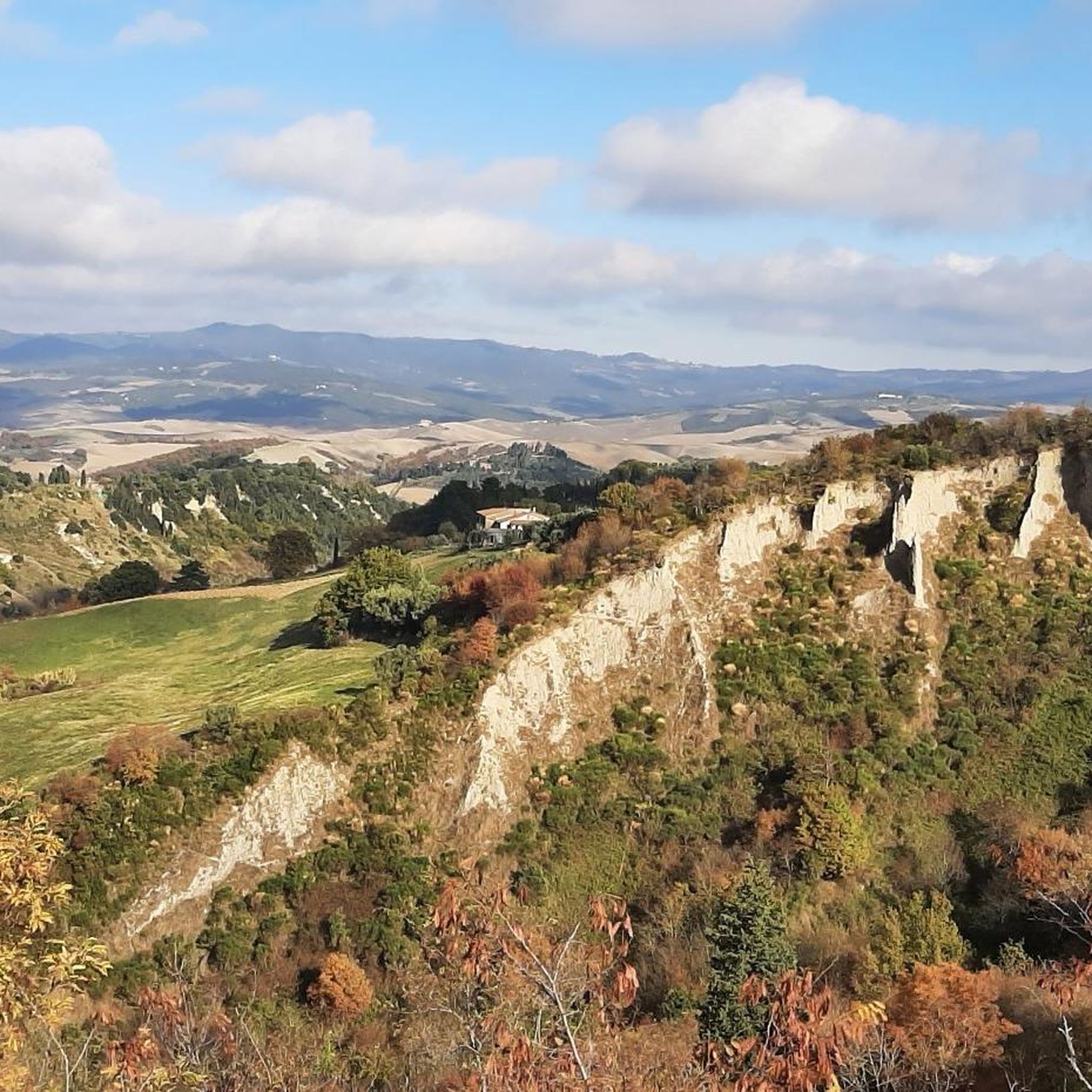
Cycling around Volterra
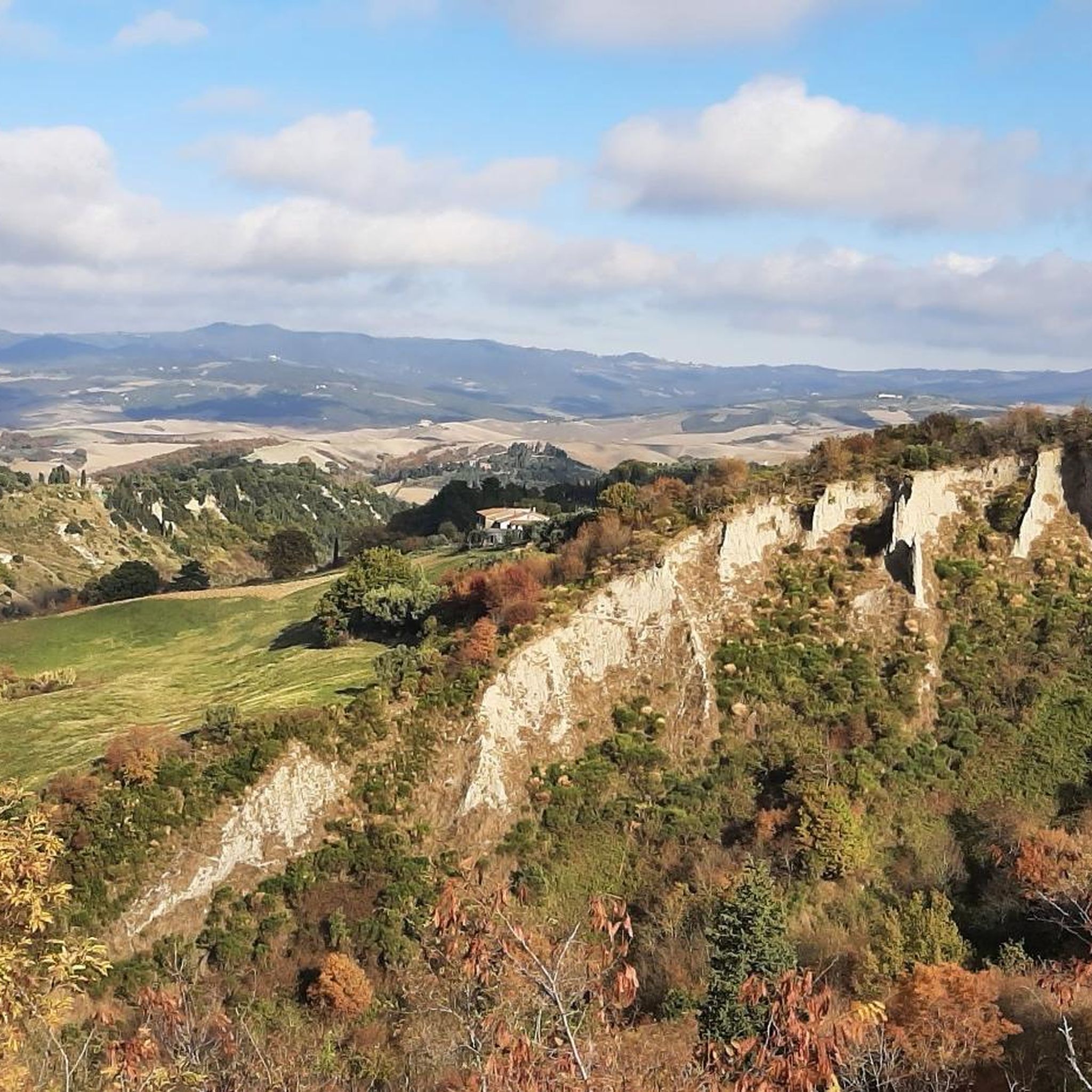
MTB Trails around Volterra

Gravel biking around Volterra
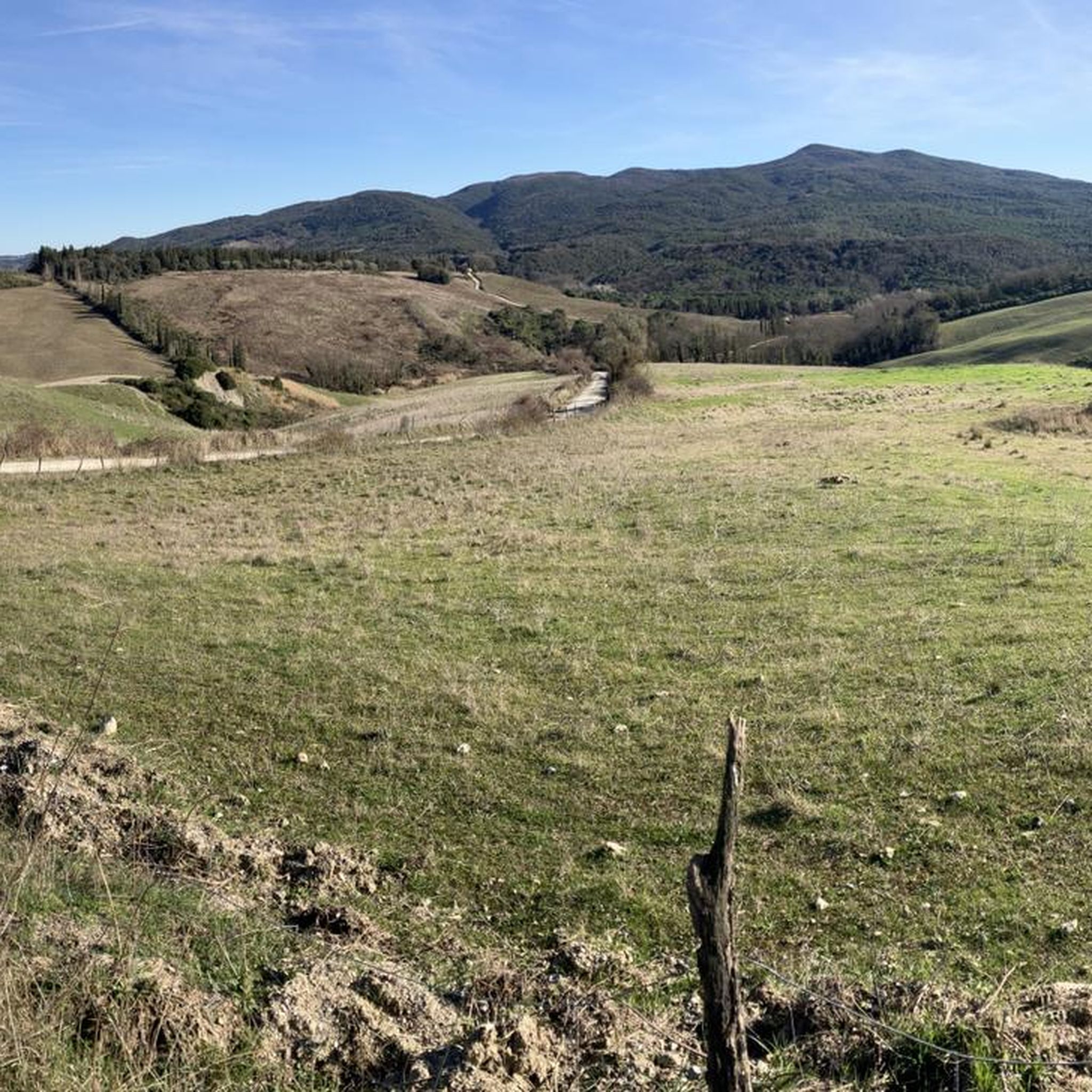
Running Trails around Volterra
Other adventures around Volterra


Tips from the Community

a very beautiful place where you can refresh yourself in the vast forest of the municipality from which the path to Castelvecchio starts.
0
0

Set in a dense forest on the outskirts of San Gimignano, in a timeless location, lies the Tenuta di Castelvecchio, behind the nature reserve of the same name, where the ruins of a once flourishing medieval town can be admired. The village, already inhabited in Etruscan times, reveals all the wild and mysterious charm that characterizes the entire nature reserve. The property allows you to enjoy the intense and absolutely unique atmosphere of the place without sacrificing the most modern comforts, very close to the most important centers of artistic and cultural interest in Tuscany and, therefore, the world. Contact: Località San Donato 13, 53037 San Gimignano SI, Italy +39 3316203384 +39 3924620949 info@tenutadicastelvecchio.it
0
0

the beauty of the Tuscan landscape together with the natural phenomena of the sulphurous spas with spontaneous springs in the woods, the Mediterranean scrub, the cave where Maurizio spent 13 years of his life as a hermit at the beginning of the 1900s, make this ring an interesting, beautiful and feasible excursion from everyone
0
0

There are scorpions here! A real crypt, but it is illuminated. Located about 100m from the main street.
0
0

Completely without water in August
0
0

One almost overlooks the small sign that points to this really old Etruscan burial site. A small path from the road along an olive grove, there is a small entrance. A few steps down, a small burial chamber with 4 graves unfolds. That was it already. Only worth it for those who are really interested in Etruscan history. None of the others miss anything here.
2
0

In this necropolis there are two hypogeum tombs from the III-I century BC. belonged (maybe) to the Gens Calcina. The Etruscan Volterra had probably already been conquered by Rome (298 BC), but its civilization and rites were still (and for a long time) around. The graves were likely found in 1880, but the date is not certain. The second grave also descends deep into the ground with a double staircase (dromos) ... certainly only partially original. If you go down the stairs, you come to a large, square anteroom from which four (small) burial chambers lead, each with docks for storing urns. (Parking is not possible here, you should come on foot)
7
0

The trail is visible on the map until the geysir. Then just follow the river when dry. Later you will see a path that is marked aside the river. It is a nice hidden valley and it ends at a cave with waterfall dependant on water level. Nice shadow on hot tuscany summer days - and a bit of adventure.
0
0
Frequently Asked Questions
What kind of 'caves' can I expect to find around Volterra?
The 'caves' around Volterra are primarily man-made underground structures, reflecting centuries of mining and historical development rather than natural geological formations. These include ancient Etruscan tombs, historical mines for alabaster and salt, and a network of tunnels beneath the town. However, there are some natural formations like Maurizio's Caves in Gambassi Terme.
Which underground sites offer insights into Volterra's Etruscan history?
Volterra is rich in Etruscan history. You can explore sites like the Necropoli del Portone Etruscan Tomb, which features two hypogeum tombs from the 3rd-1st century BC. Additionally, the region's hypogea (underground burial chambers) and parts of the 'underground city' date back to the Etruscan period, showcasing their architectural skills and funerary practices.
Can I visit historical mines in the Volterra area?
Yes, the Volterra region has a significant mining heritage. You can visit historical sites like Pavone Mines, an old mine where bringing a flashlight is recommended for exploration. The Copper Mine of Montecatini Val di Cecina, near Volterra, has also been transformed into a museum complex offering guided tours into the mine's history.
Are there any family-friendly underground attractions or trails near Volterra?
While many sites are historical, Maurizio's Caves in Gambassi Terme is listed as family-friendly and is part of a ring excursion that highlights natural phenomena. The Hidden River Trail and Sulphur Geyser also offers a bit of adventure and shade on hot days, which can be enjoyable for families.
What unique geological formations or natural phenomena can be found near Volterra's underground sites?
Beyond the man-made structures, the area offers interesting natural features. The ring excursion around Maurizio's Caves includes natural phenomena and Mediterranean scrub. The Hidden River Trail leads to a sulphur geyser and a cave with a waterfall, depending on water levels.
What outdoor activities can I do near these underground sites?
The region around Volterra offers various outdoor activities. You can find numerous running trails, cycling routes, and MTB trails that allow you to explore the Tuscan landscape. Many of these routes pass by or are close to the historical and natural sites mentioned.
Are there any specific hiking trails that incorporate visits to these underground locations?
Yes, the area offers trails that include these sites. For instance, Maurizio's Caves in Gambassi Terme is part of a ring excursion. The Hidden River Trail is another specific path that leads to a cave and sulphur geyser, offering a unique hiking experience.
What should I know before visiting the Necropoli del Portone Etruscan Tomb?
The Necropoli del Portone Etruscan Tomb features two hypogeum tombs. Parking is not available directly at the site, so you should plan to arrive on foot. Visitors have noted the presence of scorpions, and while the crypt is illuminated, it's primarily for those with a strong interest in Etruscan history.
Is there an 'underground city' in Volterra, and what does it entail?
Volterra indeed boasts an 'underground city' composed of tunnels, galleries, wells, stairs, quarries, cellars, and cisterns. These structures, some dating back to the Etruscan period, reveal extensive subterranean development beneath the modern town. They offer a vivid insight into Etruscan, Roman, and medieval life and engineering, shaped by the region's mineral richness.
What is the significance of alabaster in Volterra's underground history?
Volterra is famous for its alabaster, considered among the finest in Europe. While not 'caves' in the geological sense, the extraction of this stone has shaped the landscape and economy for centuries. The Etruscans used alabaster for funerary urns, and visitors can still explore workshops where artisans continue this legacy, showcasing the cultural and historical importance of alabaster mining and artistry.
Are there any less crowded or hidden underground spots to explore near Volterra?
Many of Volterra's underground sites, particularly the ancient tunnels and hypogea, offer a sense of discovery. The Hidden River Trail and Sulphur Geyser is described as a 'hidden valley' and can offer a more secluded adventure. Exploring the ruins of the medieval town near Castelvecchio Farmhouse and Cave also provides a wild and mysterious charm away from typical crowds.
What do visitors enjoy most about exploring the underground sites around Volterra?
Visitors appreciate the profound historical significance of these sites, which showcase centuries of human ingenuity in resource extraction and urban development. The unique blend of Etruscan, Roman, and medieval history, combined with the adventurous exploration of mines and ancient tunnels, offers a tangible connection to the past and a deeper understanding of the region's cultural and economic evolution.
Most popular routes around Volterra
Most popular attractions around Volterra

Get inspired with the komoot mobile app


Explore more
Extend your search for the best caves by checking out these guides of the top ones around Volterra:
