Top 19 Huts and Cabins around Verghereto
Huts around Verghereto are situated in the Apennine mountains, offering various shelters for outdoor enthusiasts. The region is characterized by its natural landscape, including the Casentinesi Forest National Park. These locations provide basic shelter or managed facilities for hikers and those exploring the area's trails. Verghereto's terrain features a mix of forests and open areas, suitable for different types of outdoor activities.
Best huts around Verghereto
- The most popular huts is Nasseto Refuge, a hut that is well-kept but…
Last updated: June 30, 2026
Fangacci Hut
Highlight • Mountain Hut
Translated by Google •
Tip by

Nasseto Refuge
Highlight • Mountain Hut
Translated by Google •
Tip by

Sign up now to discover places like this
Get recommendations on the best single tracks, peaks, & plenty of other exciting outdoor places.
Sign up for free
Campo dell'Agio Picnic Area
Highlight • Rest Area
...
... the many people who go to Campo dell'Agio testify …
Translated by Google •
Tip by

Castellaccio Forest Refuge
Highlight • Mountain Hut
Translated by Google •
Tip by

Biancaneve Hut
Highlight • Mountain Hut
I would …
Translated by Google •
Tip by

Sign up for free to discover even more huts and cabins around Verghereto.
Sign up for free
Already have an account?
Start today with a free account
Your next adventure awaits.
Login or Signup
Popular around Verghereto
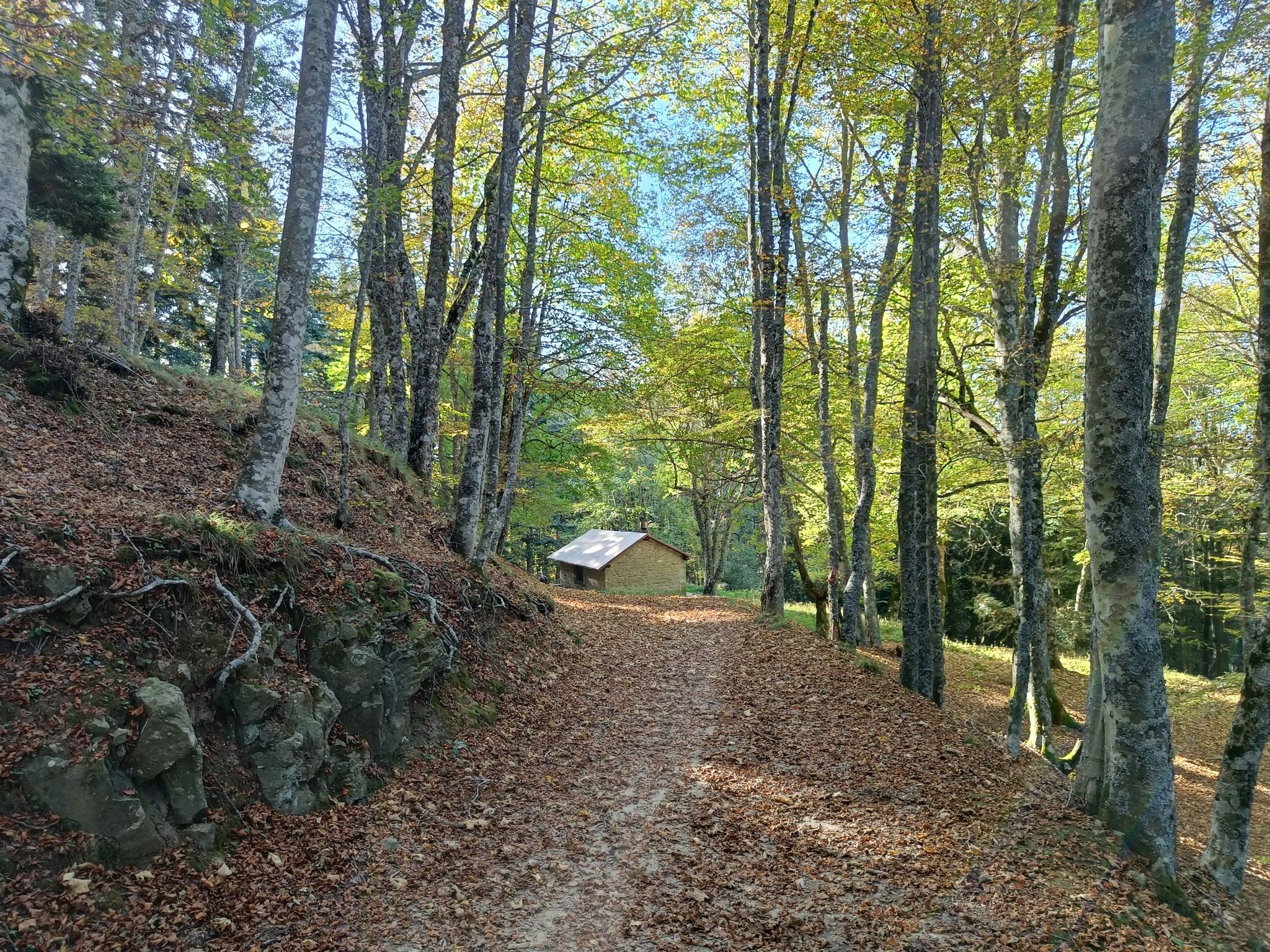
Camaldoli to Carpegna – Alta Via dei Parchi (part 5)
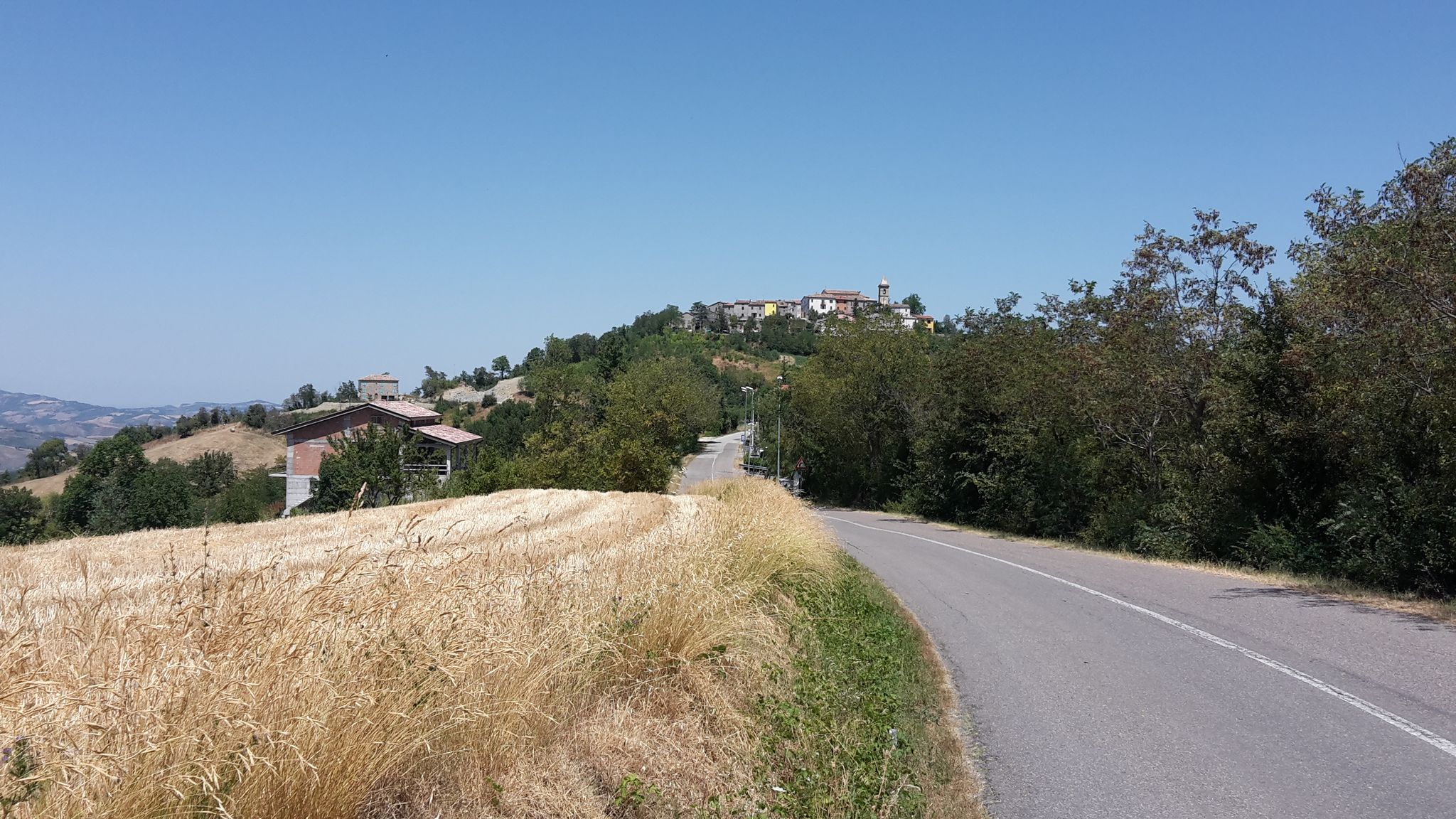
Grand Tour Valle del Savio – between hills, water and cycling
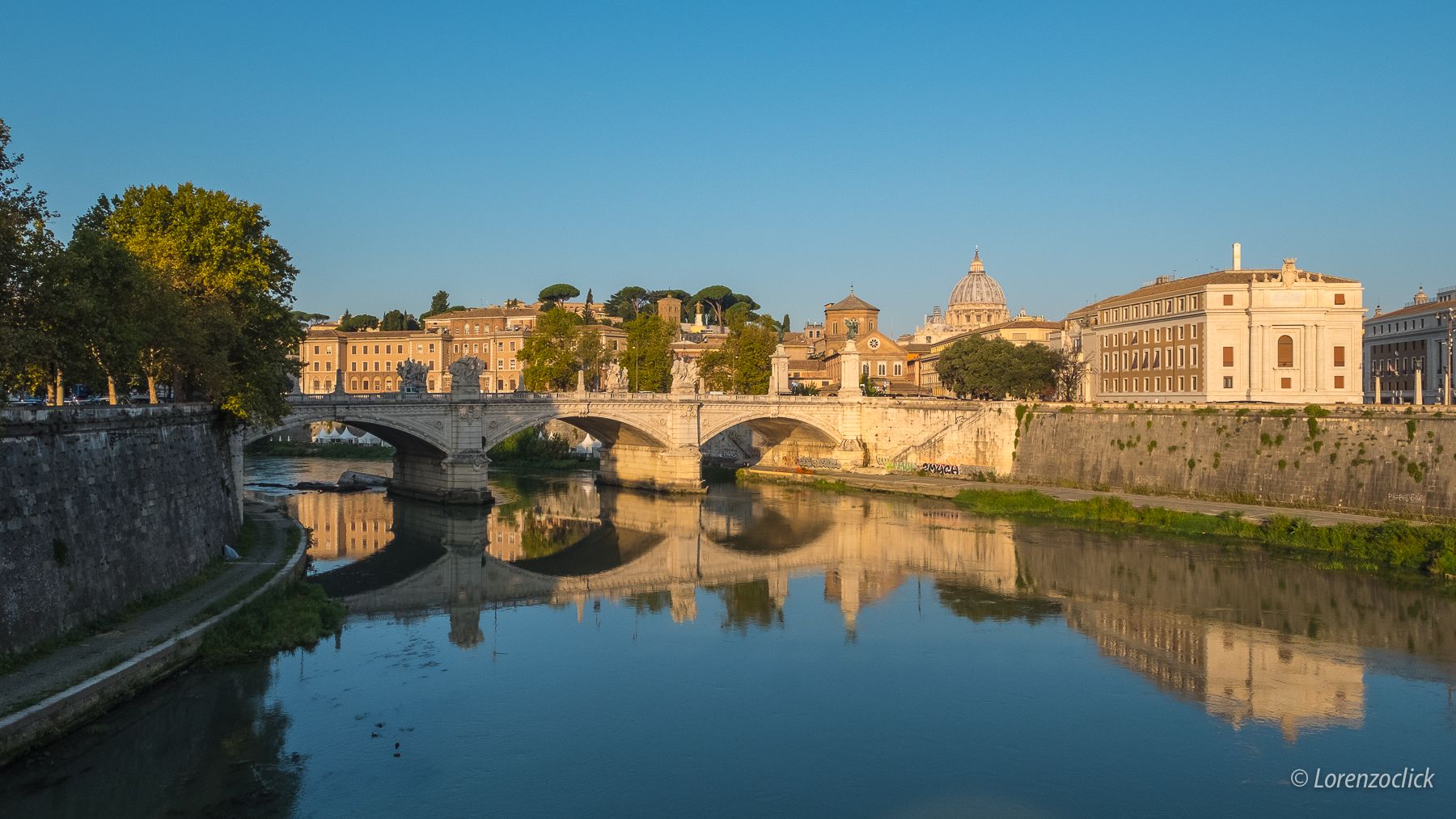
Cycling from the source to the mouth of the Tiber — the Regina Ciclarum
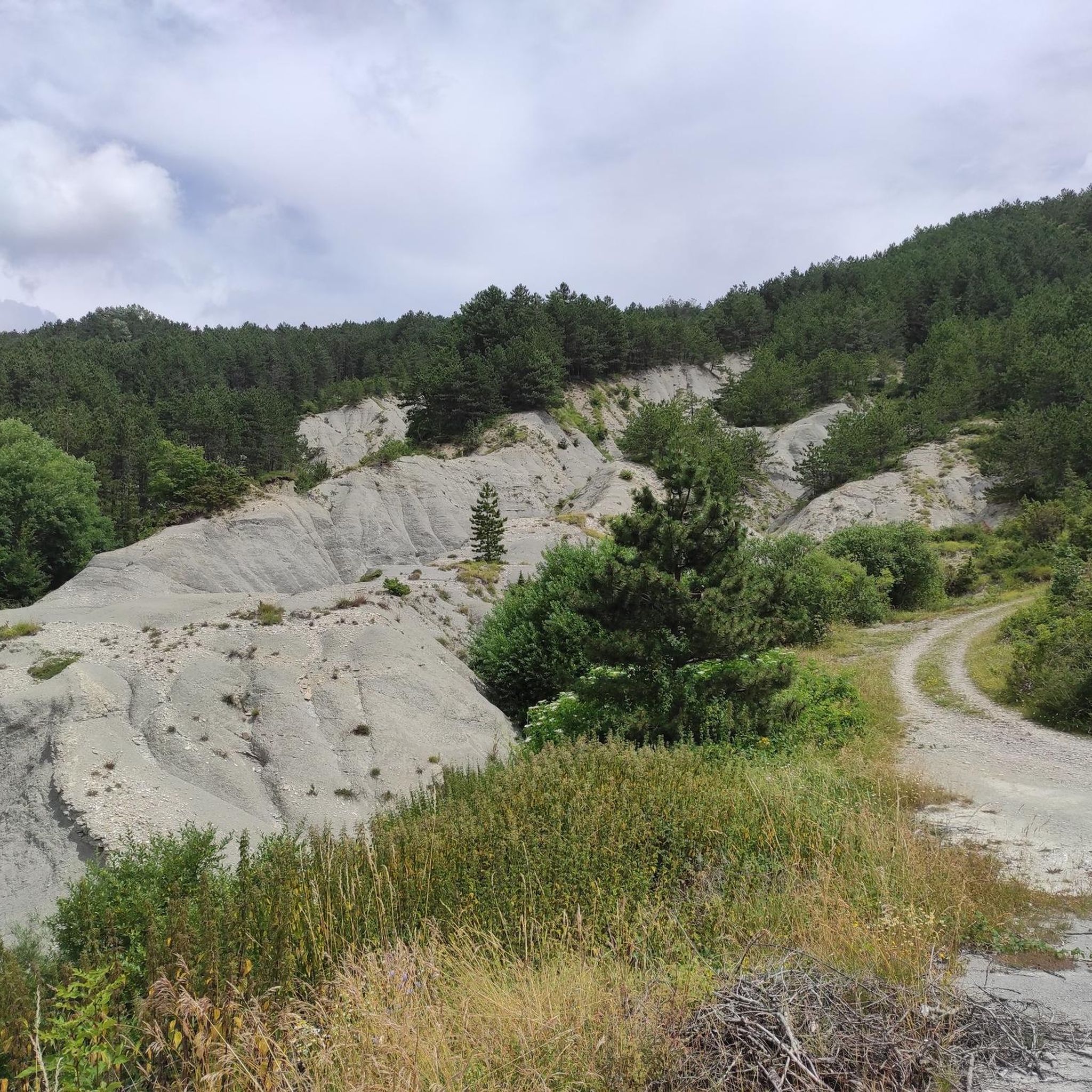
Hiking around Verghereto
MTB Trails around Verghereto
Road Cycling Routes around Verghereto
Cycling around Verghereto
Running Trails around Verghereto

Gravel biking around Verghereto
Other adventures around Verghereto


Tips from the Community

ideal for a barbecue after the tour
0
0

A short distance from Badia Prataglia is Campo dell’Agio (photo above), a large meadow on the edge of the forest that can be reached on foot and by mountain bike from the town square and by car by turning left next to the Il Carbonile inn, a couple of kilometers beyond Badia Prataglia in the direction of Passo dei Mandrioli. Campo dell’Agio, at 1026 meters above sea level, is also a large equipped area with a refuge, fountain, stoves and many tables at the beginning of the forest. The place is a real joy for families with children, but also a reference point for trekking lovers. In fact, it is the starting and finishing point of various itineraries that wind and intertwine in the famous Badia Prataglia Biogenetic Natural Forest, now included in the Casentinesi Forests National Park.
0
0

As of 7/27/24 the refuge is still closed, but 100 meters further east there is the Paradise Fumaiolo hotel and restaurant, I believe managed by the same people as the refuge
1
0

The refuge, not managed, is located at an altitude of 1234 m. above sea level inside the Casentinesi Forest National Park, along the road that from the Camaldoli Hermitage, passing through Prato alla Penna, leads to Badia a Prataglia.
4
0

The Castelluccio refuge is located in a privileged position on the road that leads from Sarsina to Quarto. It is on the path of San Vicinio and offers the traveler shelter and the possibility of shelter. Inside you can warm up with the wood-burning fireplace, which is always present thanks to the good people who provide it. For now I have always found it clean and tidy.
0
0

former Biancaneve refuge at 1,376 m
0
0

large open space equipped for picnics with tables, fountain and building with everything needed for cooking on the grill
0
0

... the name derives from Campo di Lagio, surely the name or nickname of a person who owned it. ... ... the many people who go to Campo dell'Agio testify that it is really good in this place. Thanks also to the beautiful and functional equipped area that has been created there: a bivouac, stoves, plenty of water and many tables among the luxuriant beech trees at the beginning of the wood. (Source: https://www.ilbelcasentino.it/itinerari-campo-agio-seq.php?pag=7 )
0
0
Frequently Asked Questions
What types of shelters can I find around Verghereto?
The Verghereto area offers a variety of shelters, primarily 'rifugi' and 'bivacchi'. Rifugi are typically managed, fully-equipped mountain huts providing amenities like food, drinks, and comfortable sleeping arrangements. Bivacchi, on the other hand, are simpler, unstaffed shelters, usually free, with limited facilities intended for temporary or emergency use, requiring visitors to be self-sufficient.
Are there family-friendly huts or picnic areas in the Verghereto region?
Yes, the area offers options suitable for families. For instance, the Campo dell'Agio Picnic Area is a large, equipped space with tables, a fountain, and a building with facilities for grilling, making it a real joy for families with children. It's also a starting point for various itineraries in the Casentinesi Forests National Park.
Which huts offer a more rustic or immersive mountain experience?
For a rustic experience, the Nasseto Refuge is a well-kept but essential hut with a fireplace and benches, ideal for a day of grilling or an overnight stay. The Fangacci Hut, located deep within the Casentinesi Forest National Park, also provides an immersive experience with basic amenities for up to 8 people. For a truly rugged experience, the Arco di Montione is an unstaffed bivouac for emergency or multi-day use.
What kind of amenities can I expect at the huts around Verghereto?
Amenities vary significantly between managed refuges and unstaffed bivouacs. The Fangacci Hut, for example, is equipped with a kitchen, stove, wood-burning fireplace, and uncontrolled spring water. The Nasseto Refuge features a fireplace, benches, external grills, and water access about 500 meters away. Bivouacs like Arco di Montione offer very basic shelter, often just a few beds and a stove, without running water or services.
Are there hiking trails accessible from the huts in Verghereto?
Absolutely. Many huts serve as excellent starting points for hiking. For instance, the Fangacci Hut is ideal for exploring the Casentinesi Forests. You can find numerous trails in the area, including moderate routes like the 'Cascata dell'Alferello Trail from Alfero' or the 'Source of the Tiber and Biancaneve refuge – loop tour'. For more options, explore the Hiking around Verghereto guide.
What outdoor activities are available near the huts in Verghereto?
Beyond hiking, the Verghereto area offers diverse outdoor activities. You can enjoy gravel biking on routes like the 'Monte Carpano Pass – Cancellino–Lama Forest Trail loop from San Piero in Bagno', or road cycling with routes such as the 'Monte Fumaiolo Pass – Le Balze Village loop from Quarto'. For detailed routes, check out the Gravel biking around Verghereto and Road Cycling Routes around Verghereto guides.
Can I find huts with historical significance in the region?
Yes, some huts are rooted in the region's history. The Nasseto Refuge, for example, was developed from the ruins of an old farmhouse active until the 1960s, historically used for grazing animals. An ancient trail, once used by pilgrims to Rome, also passes through its area. The Arco di Montione bivouac is situated under an archway that was part of an ancient mule track connecting Verghereto with Tuscany.
What is the best time of year to visit the huts around Verghereto?
The best time to visit depends on your preferred activities. Spring and autumn offer pleasant temperatures for hiking and exploring the forests. Summer is ideal for longer treks and enjoying the outdoor amenities like grilling. While some huts might be accessible in winter, be prepared for snow and more challenging conditions, especially for unstaffed bivouacs.
How do I access unstaffed bivouacs like Arco di Montione?
Unstaffed bivouacs, such as Arco di Montione, typically require keys for access. For Arco di Montione, keys must be obtained from the municipality of Verghereto. It's crucial to plan ahead and confirm access procedures before relying on a bivouac for shelter, as they are generally intended for emergencies or self-sufficient multi-day adventures.
Are there huts that offer unique natural features or viewpoints?
Yes, the region boasts huts situated amidst beautiful natural landscapes. The Nasseto Refuge is nestled in a landscape transitioning from grassland to woodland, with unique 'lunar-like' landscapes nearby Mount Zuccherodante. The Fangacci Hut is located within the heart of the Casentinesi Forest National Park, offering an ideal base for exploring its natural beauty.
What should I know about staying in a bivouac compared to a managed refuge?
Staying in a bivouac offers a more rugged and secluded experience than a managed refuge. Bivouacs are unstaffed, free, and provide basic facilities like beds and sometimes a stove, but no services like food or running water. You must be self-sufficient, carry all your supplies, and are expected to leave the bivouac clean and tidy. Managed refuges ('rifugi') offer more comfort, services, and often require advance booking, especially during peak seasons.
What are some tips for visiting huts in the Verghereto region?
When visiting huts, especially unstaffed ones, always be prepared. Carry enough water, food, and appropriate gear. For bivouacs, confirm access (e.g., keys for Arco di Montione) and be ready for a self-sufficient experience. For managed refuges, booking in advance is often recommended, especially during busy periods. Always respect the natural environment and leave no trace.
Are there options for parking near the huts?
Parking availability varies by hut. For some popular areas like Campo dell'Agio Picnic Area, you can reach it by car. However, for more remote huts or bivouacs, you might need to park at a designated trailhead and hike in. It's advisable to research specific access points and parking options for each hut you plan to visit.
Most popular routes around Verghereto
Most popular attractions around Verghereto

Get inspired with the komoot mobile app


Explore more
Find more beautiful huts and cabins around Verghereto by checking out the top ones in these nearby places:
