Top 6 Caves around Bibbiena
Caves around Bibbiena are part of the natural landscape of the Casentino valley, a historic area in Tuscany. This region, nestled within the Northern Apennines, features diverse geological formations. While Bibbiena itself does not host prominent natural caves, the surrounding areas offer various subterranean features. The broader Tuscany region is known for its karst landscapes, which include extensive cave systems.
Best caves around Bibbiena
- The most popular caves is The Icehouse of Cattiglio, a cave that maintains a constant…
Last updated: June 30, 2026
The Icehouse of Cattiglio
Highlight • Cave
Translated by Google •
Tip by

Fra' David's Cave
Highlight • Cave
══════════════════
👇 here is the video in 4K 👇
Translated by Google •
Tip by

Sign up now to discover places like this
Get recommendations on the best single tracks, peaks, & plenty of other exciting outdoor places.
Sign up for free
Buca delle Fate (Fairy Hole Cave)
Highlight • Cave
Translated by Google •
Tip by

Cave of Saint Francis' Bed
Highlight • Cave
Translated by Google •
Tip by

Sasso Spicco
Highlight • Natural Monument
The legends say that God revealed to …
Translated by Google •
Tip by
Sign up for free to discover even more caves around Bibbiena.
Sign up for free
Already have an account?
Start today with a free account
Your next adventure awaits.
Login or Signup



Tips from the Community

A nasty crevice in the rock, wet and cold.
0
0

The name of this place is linked to the local tradition of using caves for food preservation. The rocks and the shade of the forest help to isolate the cavities from the outside, maintaining a constant low temperature. It was also common to fill the caves with snow during the winter to increase their cooling power during the warmer months. Even today it is possible to appreciate the difference in temperature between the outside and the inside, especially during the summer.
2
0

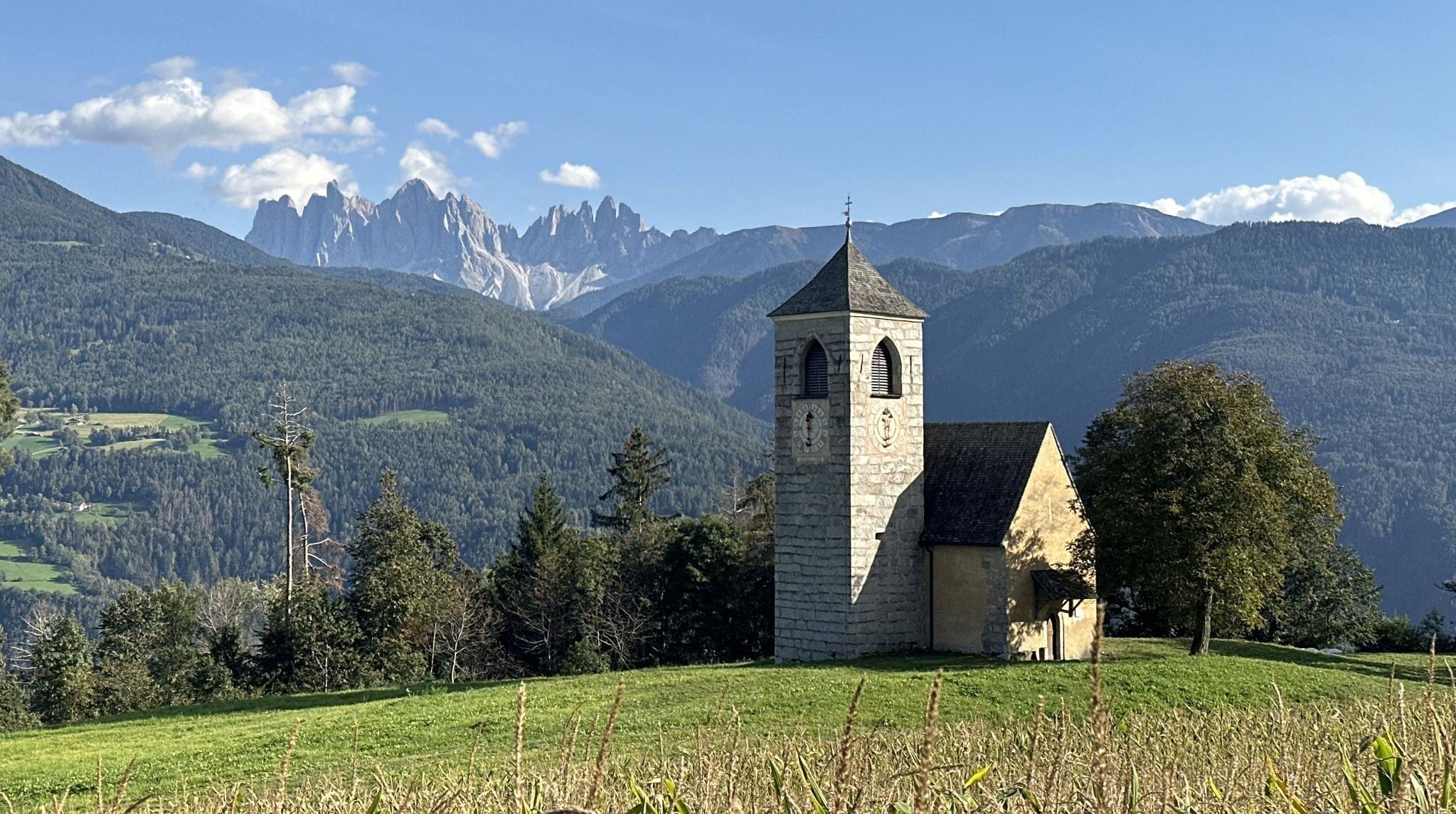
173rd excursion and 2nd time in Chiusi della Verna | double ring to the Sanctuary of La Verna and Monte Penna ══════════════════ 👇 here is the video in 4K 👇 https://youtu.be/U1nO_QpZuQg?si=CGt6YMxEL0ZQf5YR ══════════════════ In the late 1980s, David Badii, a young Franciscan novice, resided in the Sanctuary of La Verna and often retreated to the Monumental Forest to pray. On an evening when he did not return to the convent, the brothers began to worry and feared the worst. Unfortunately, their fears proved to be well founded when the young friar was found dead in the woods. A large boulder, forming a cavity presumably used by the friar for prayer, is now known as Fra' David's Cave. This place can be reached on foot from the Sanctuary and still houses the young friar's sandals today, together with a plaque commemorating his life. adapted from https://tuscanyplanet.com/santuario-della-verna/
0
0

The exact translation of the rock cave is: “The Ice Box” and that’s exactly how it feels when you get closer. In the past, people used such caves to store food.
4
2
The so-called "Sasso Spicco" (Outstanding Rock) is one of the places where St. Francis liked to pray during his visits to La Verna. The legends say that God revealed to Francis that this strange fissure arose at the hour when Jesus Christ died on Golgotha, as the Evangelist reports, and the rocks split. (Matt 27:14).
5
0
There are several chapels along the 78 meter long corridor from the basilica to the Chapel of the Stigmata, which is called Corridoio delle stimmate (“Corridor of the Stigmata”). The corridor was built so that the daily procession to the Chapel of the Stigmata could be carried out in any weather. In the middle of the aisle is the so-called “Bed of St. Francis”, a damp and cold grotto (Letto di S. Francesco). St. Francis rested on a smooth surface covered by an iron grille.
4
0

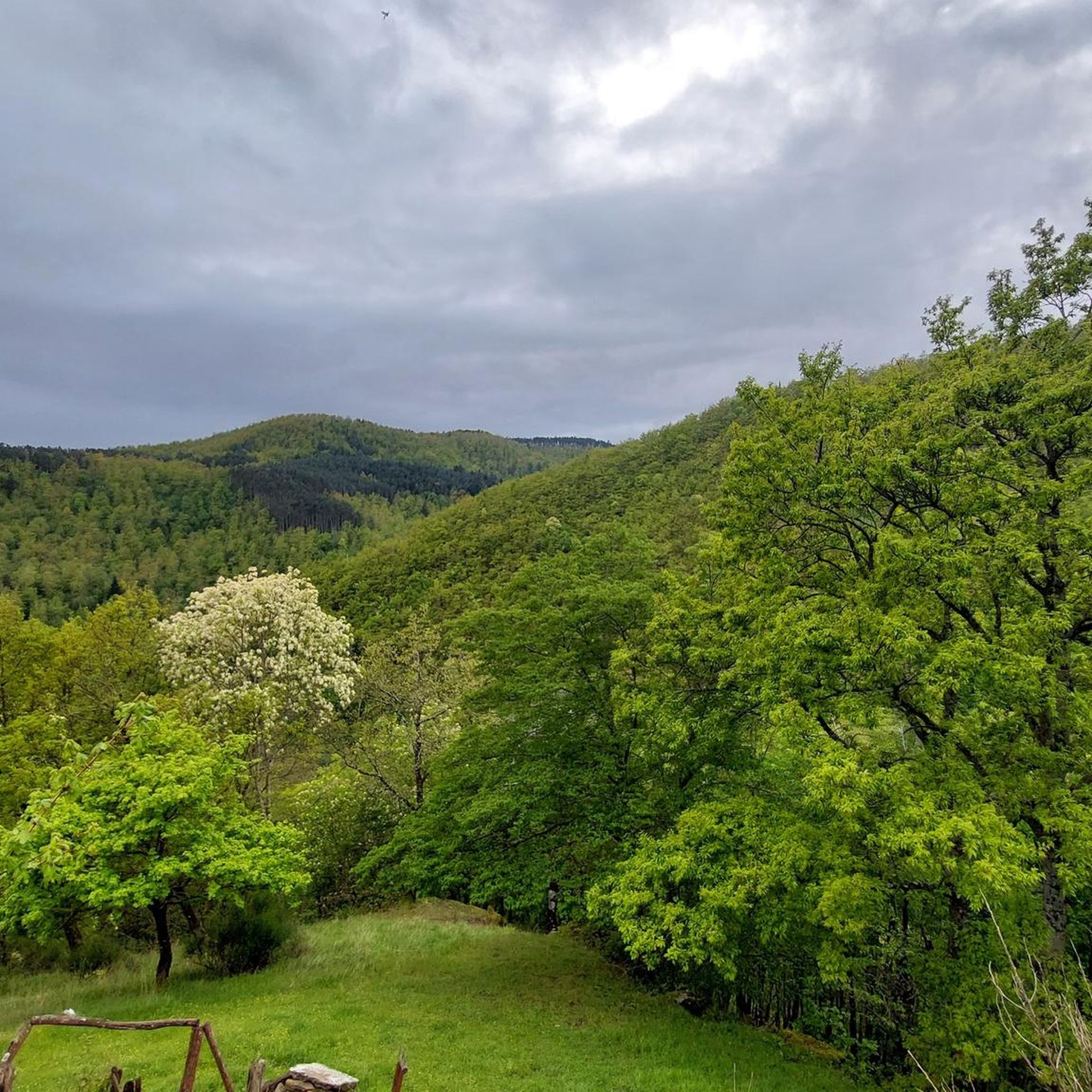
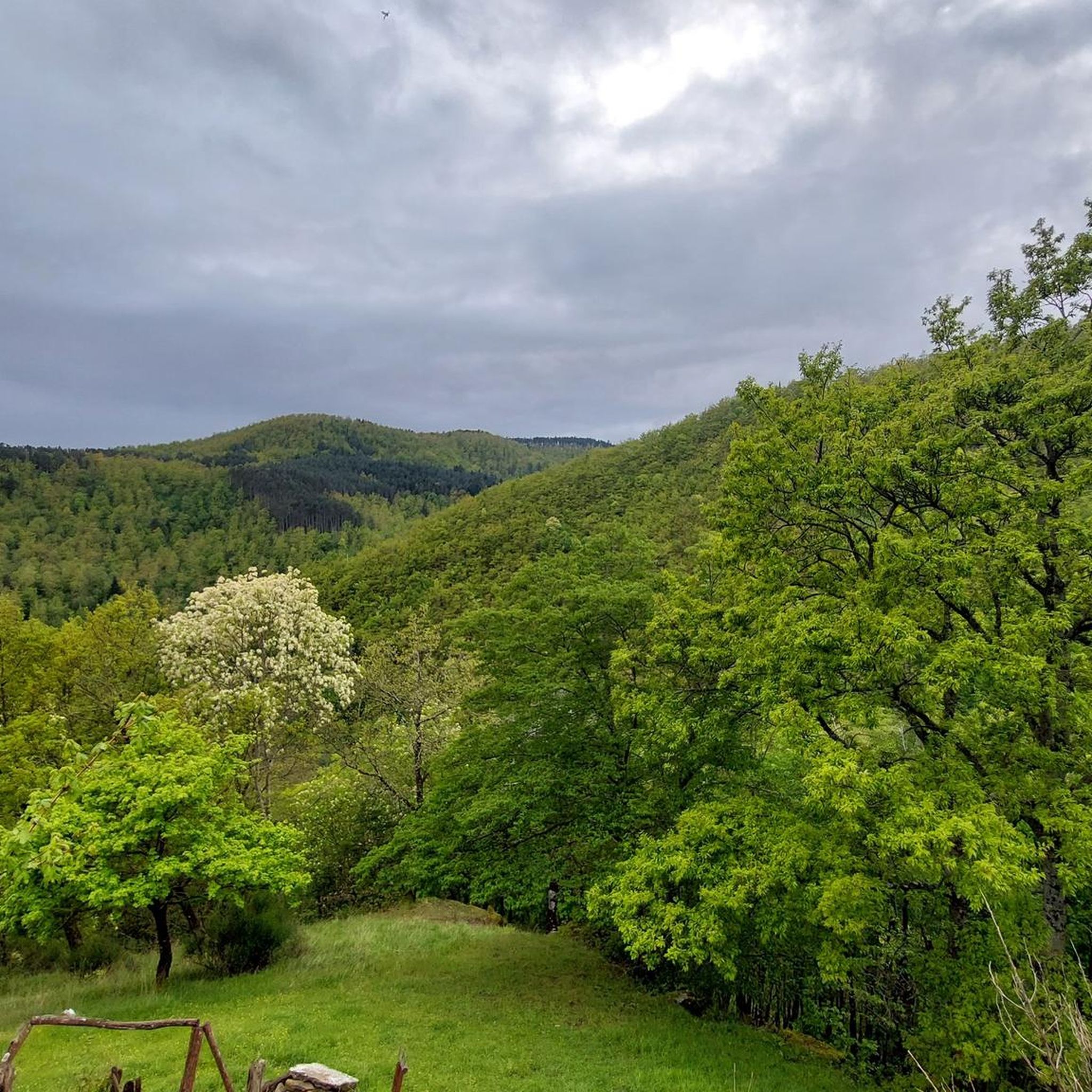
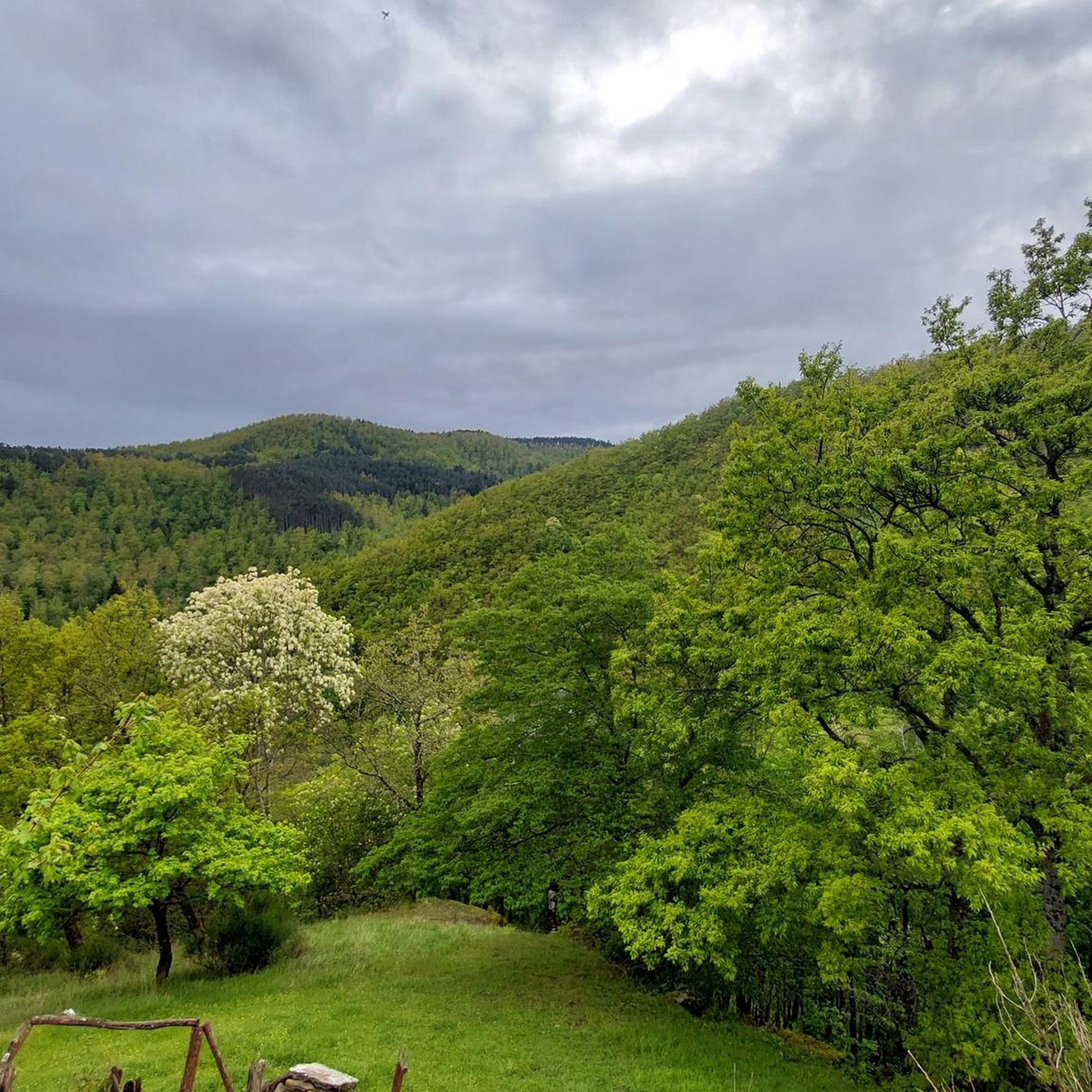
Magical place just above Badia Prataglia. Easily accessible by parking in the nearby Campo dall'Agio rest area.
1
0

place of prayer of the saint, used in his first visits to La Verna
0
0
Frequently Asked Questions
What types of caves can I explore near Bibbiena?
Near Bibbiena, you can explore a variety of caves, including natural formations like The Icehouse of Cattiglio, which was historically used for food preservation due to its constant low temperature. There are also caves with religious significance, such as Cave of Saint Francis' Bed and Fra' David's Cave, offering insights into local traditions and history.
Are there any caves with unique natural features around Bibbiena?
Yes, The Icehouse of Cattiglio is notable for its natural cooling properties, maintaining a low temperature year-round. Another unique spot is Buca delle Fate (Fairy Hole Cave), a natural gorge extending about 70 meters into the mountain with a branched tunnel, known for local legends.
What is the historical significance of caves in the Bibbiena area?
Many caves in the Bibbiena area hold historical and religious significance. For example, The Icehouse of Cattiglio was historically used for food preservation. Cave of Saint Francis' Bed is where Saint Francis is said to have rested, and Fra' David's Cave marks a prayer spot for a young Franciscan novice.
Are there any family-friendly caves or trails near Bibbiena?
While specific caves may vary in accessibility, many of the natural areas around Bibbiena, including those leading to caves like Buca delle Fate (Fairy Hole Cave), are within the Foreste Casentinesi National Park. These areas often have trails suitable for families, though some cave explorations might require more caution. Always check specific trail conditions.
What outdoor activities can I do near the caves around Bibbiena?
The region around Bibbiena offers various outdoor activities. You can find numerous hiking trails, such as those mentioned in the Hiking around Bibbiena guide. There are also options for Gravel biking and Running Trails, allowing you to explore the natural landscape surrounding the cave sites.
What is the best time to visit the caves and surrounding areas near Bibbiena?
The best time to visit the caves and explore the natural areas around Bibbiena is generally during spring and autumn when the weather is mild and pleasant for outdoor activities. Summer can also be suitable, especially for caves like The Icehouse of Cattiglio, where the internal temperature offers a cool respite. Winter visits are possible but may require checking trail conditions due to potential snow or ice.
Are there any significant cave systems in the broader Tuscany region?
While Bibbiena itself doesn't host prominent natural caves, the broader Tuscany region and the Northern Apennines are home to remarkable karst landscapes. Notable examples include Grotta del Vento in the Apuan Alps, known for its guided tours through underground rivers, and Grotta Giusti, a thermal cave offering wellness experiences.
Can I find any UNESCO World Heritage cave sites near Bibbiena?
The Evaporitic Karst and Caves of Northern Apennines, recognized as a UNESCO World Heritage Site, is located in the broader Northern Apennines region. This extensive geological formation boasts over 900 caves, significant for their mineralogical diversity. While not directly in Bibbiena, it's a notable site within the wider geographical area. You can learn more about it on the World Heritage Site website.
What should I know about accessibility for caves around Bibbiena?
Accessibility varies greatly depending on the specific cave and its surrounding trails. Many natural caves, like Buca delle Fate (Fairy Hole Cave), are reached via hiking paths that can be uneven or steep. Caves with religious significance, such as Cave of Saint Francis' Bed, might be part of more developed pilgrimage routes. Always check the difficulty ratings of associated trails before visiting.
Are there any specific permits required for visiting caves in the Bibbiena area?
For general visits to accessible natural caves or those within protected areas like the Foreste Casentinesi National Park, specific permits are typically not required for entry. However, if you plan on advanced caving or speleological expeditions into undeveloped cave systems, you would need to contact local caving associations or park authorities for guidance and any necessary permissions.
What are some of the historical or religious landmarks near the caves?
Near the caves, you can find several historical and religious landmarks. For instance, Cave of Saint Francis' Bed is located within the Corridoio delle stimmate, a significant religious corridor. Sasso Spicco is another place where St. Francis is said to have prayed. These sites often connect to larger religious complexes or historical trails.
What are the general weather conditions for exploring caves near Bibbiena?
Weather conditions for exploring caves near Bibbiena generally follow the regional climate of Tuscany. Summers are warm, while winters can be cold with potential for snow, especially at higher elevations. Inside the natural caves, temperatures tend to be cooler and more stable year-round, as exemplified by The Icehouse of Cattiglio. Always check the local forecast for the surrounding hiking trails before your visit.
Most popular routes around Bibbiena
Most popular attractions around Bibbiena

Get inspired with the komoot mobile app


Explore more
Extend your search for the best caves by checking out these guides of the top ones around Bibbiena:
