Top 8 Castles around San Giustino
Best castles around San Giustino are found within a region characterized by its Umbrian-Tuscan cultural heritage and rolling landscapes. This area features historical settlements and significant architectural landmarks that reflect centuries of history. The terrain offers a mix of hills and valleys, providing a backdrop for these ancient structures. San Giustino serves as a focal point for exploring these historical sites.
Best castles around San Giustino
- The most popular castles is Anghiari Medieval Town, a historical site and castle.…
Last updated: June 30, 2026
Historic Centre of Anghiari
Highlight • Historical Site
Translated by Google •
Tip by

Monte Santa Maria Tiberina
Highlight • Settlement
Translated by Google •
Tip by

Sign up now to discover places like this
Get recommendations on the best single tracks, peaks, & plenty of other exciting outdoor places.
Sign up for free
Anghiari Medieval Town
Highlight • Historical Site
Translated by Google •
Tip by

Entrance to Castello Bufalini
Highlight • Castle
The garden is beautiful and the rooms are very beautiful with …
Translated by Google •
Tip by

Lippiano Village Entrance
Highlight (Segment) • Settlement
Translated by Google •
Tip by
Sign up for free to discover even more castles around San Giustino.
Sign up for free
Already have an account?
Start today with a free account
Your next adventure awaits.
Login or Signup

Tips from the Community

Piazza Baldaccio, the start and finish of the Intrepida, a historic cycling event held in Anghiari in October.
0
0

Worth a visit among the alleys of the historic center!!
0
0


The square crowded with intrepid aspirants is always suggestive. A few minutes before the start the town band plays the Italian anthem, which is very popular; it is a sort of wish for a beautiful Giro
0
0

And in the autumn there is the "intrepida", a cycling race on gravel roads with older bikes (before 1985). A great event for cycling enthusiasts!
0
0

City of the famous battle of Anghiari.
1
0

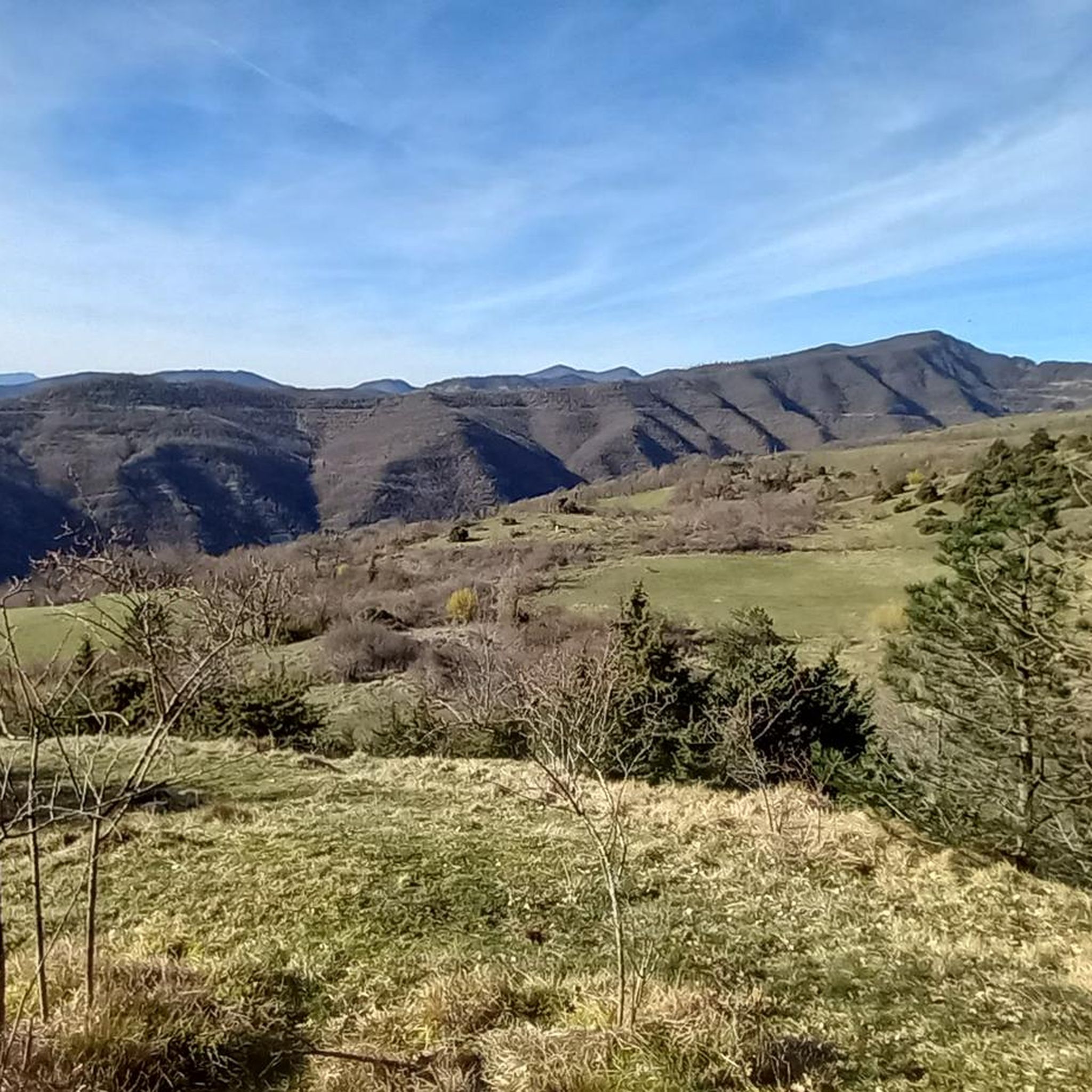
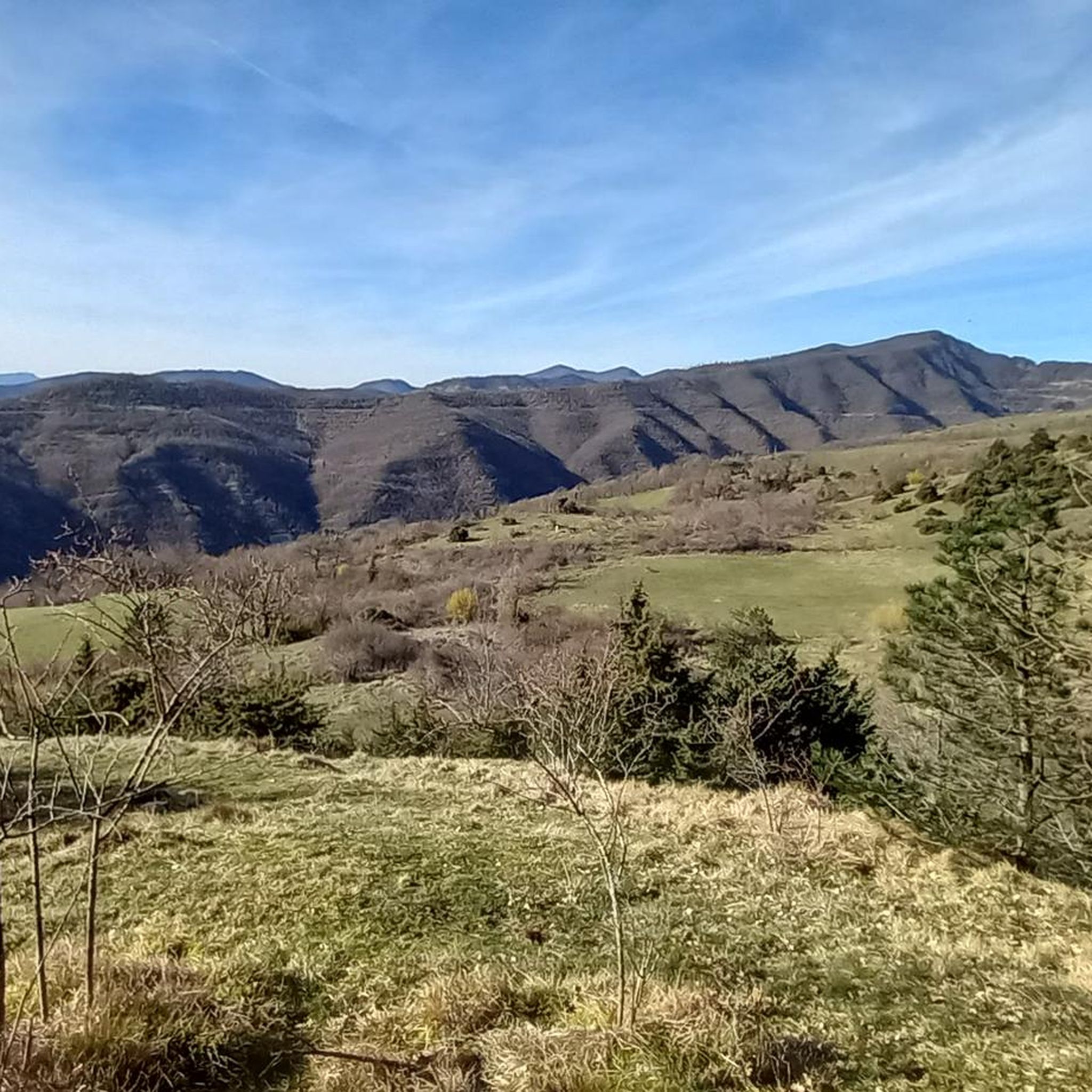
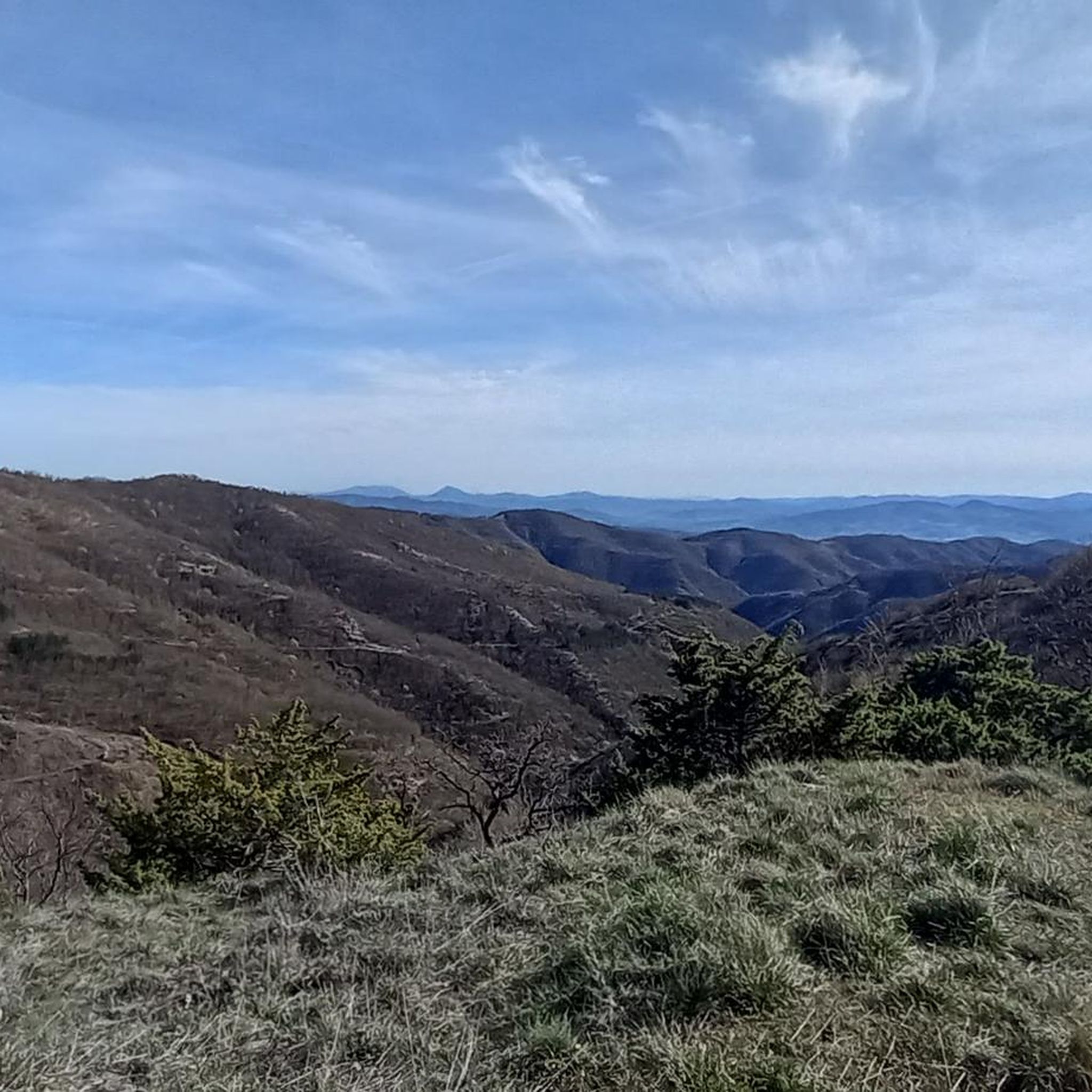
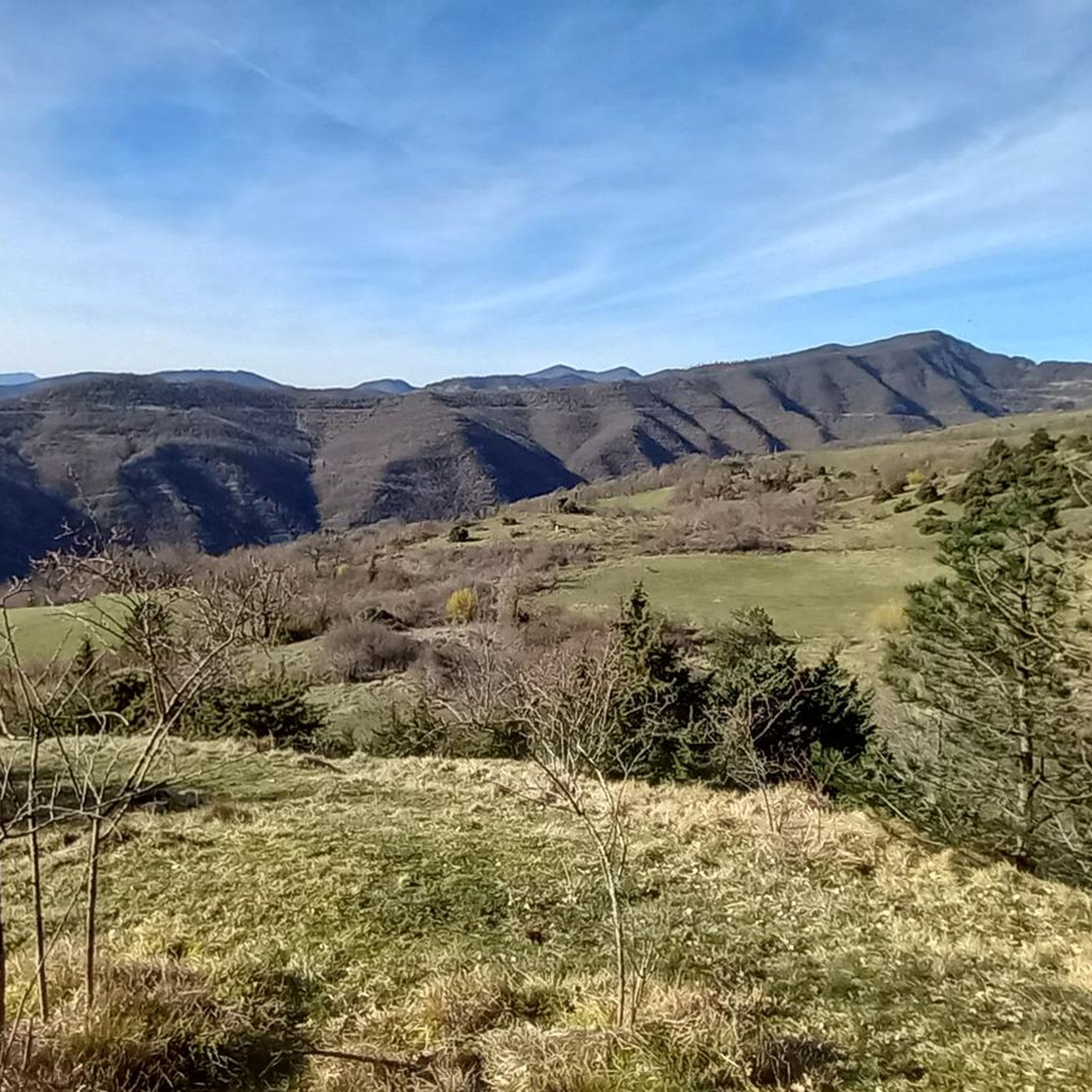
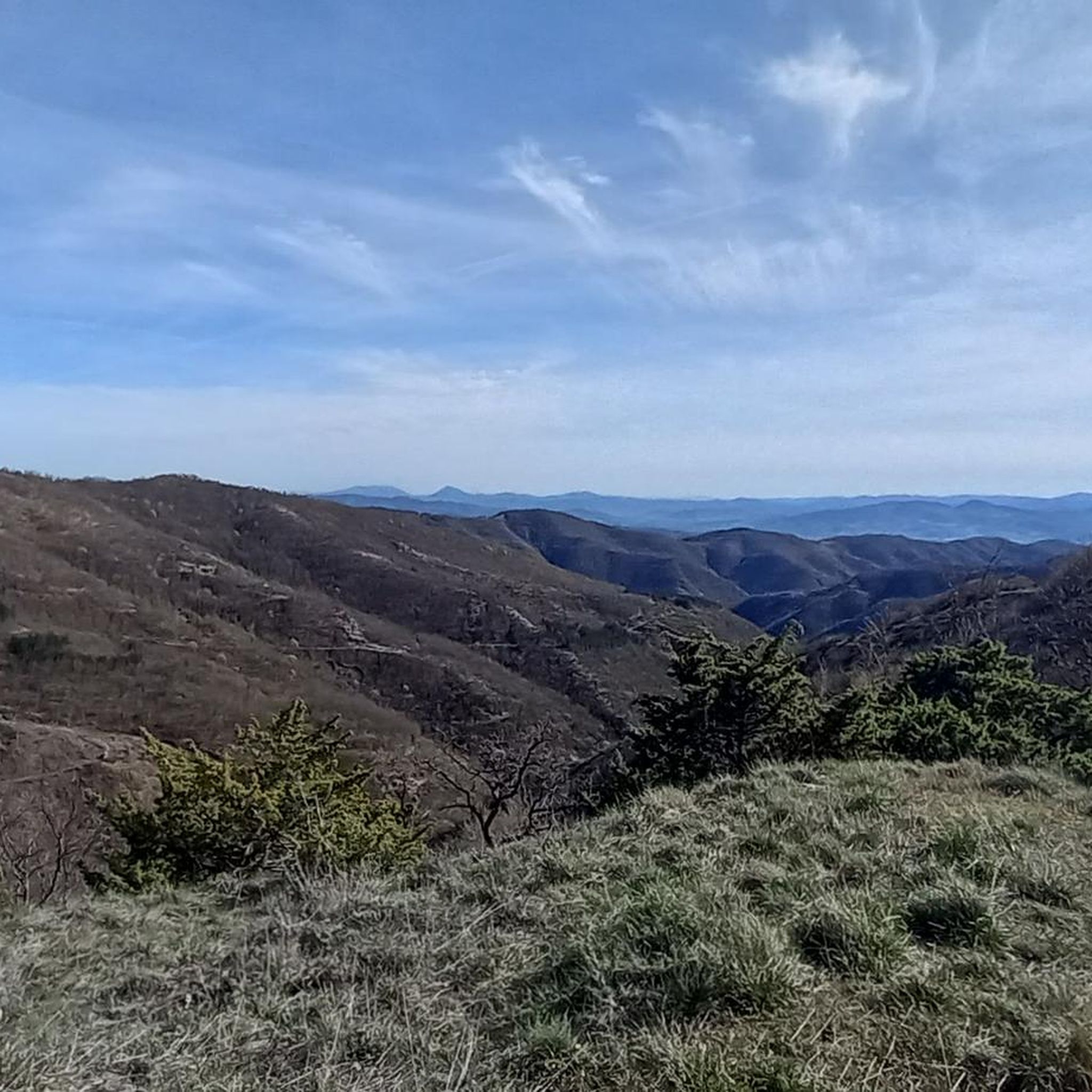
The small medieval village of Monte Santa Maria Tiberina occupies a panoramic position on a hill overlooking the plain of the Aggia stream, from where you can enjoy a splendid view of the Umbrian and Tuscan Valtiberina. Starting from the 11th century it was a fief of the Marquises Bourbon del Monte, descendants of those Marquises del Colle who came to Italy following the Franks and conquered a large part of the Upper Tiber Valley, building fortresses and castles in various strategic points. After the castle was destroyed (1198) due to disagreements with Pope Innocent III, the Marquises rebuilt it by linking their history to that of Monte Santa Maria Tiberina, they obtained concessions and privileges from popes and emperors, managing to remain independent. The marquisate was governed by the descendants of the family until 1815, when Duke Ferdinando of Tuscany took possession of it, interrupting the millenary dominion of the Bourbon del Monte. In 1859 it became part of the Kingdom of Italy.
0
0
Frequently Asked Questions
What are the most notable castles and historical sites to visit around San Giustino?
The region around San Giustino offers several significant historical sites. The most prominent is Castello Bufalini, a medieval fort transformed into a Renaissance noble residence. Other notable sites include the Anghiari Medieval Town, known for its historical battles and charming alleys, and the Historic Centre of Anghiari, where you can explore the ancient rock church of the Badia and the imposing medieval tower of Campano. Additionally, Monte Santa Maria Tiberina offers an enchanting village with a Bourbon palace and panoramic views.
What makes Castello Bufalini a significant historical site?
Castello Bufalini is a unique example of architectural evolution, transitioning from a medieval fort to an elegant Renaissance villa. It features well-preserved interiors with frescoes by Cristofano Gherardi, a rich art collection including works by Signorelli and Andrea del Sarto, and an impressive Italian garden with a labyrinth. Since 1988, it has been state-owned and operates as a museum, offering a glimpse into the life of the ancient Umbrian Bufalini family.
Are there family-friendly castles or historical sites in the San Giustino area?
Yes, Castello Bufalini is considered family-friendly, offering a fascinating historical experience with its art, architecture, and gardens. The Historic Centre of Anghiari is also categorized as family-friendly, providing an engaging environment to explore ancient streets and historical buildings.
Does Castello Bufalini have an Italian garden or labyrinth?
Yes, Castello Bufalini is renowned for its beautiful Italian garden, which includes mazes designed in the late 17th century and features rare rose specimens. The garden provides a serene and picturesque environment for visitors to explore.
What kind of art and interiors can I expect at Castello Bufalini?
The interiors of Castello Bufalini are richly decorated, particularly with frescoes by Cristofano Gherardi depicting ancient Roman grotteschi, mythological, and historical scenes. The castle also houses a valuable collection of artworks, fine furniture, ceramics, and crystals, including pieces by Signorelli, Andrea del Sarto, and Guido Reni. The Stucco Room, or Gallery of Strong Women, is another distinctive feature.
Can I find outdoor activities like cycling or hiking near these castles?
Yes, the area around San Giustino offers various outdoor activities. For cycling, you can explore routes like the "Entrance to Bufalini Castle – Fattoria di Germagnano loop" or the "Montedoglio Lake – Anghiari Medieval Town loop." There are also gravel biking options such as the "Tiber Cycle Path – Bridge over the Tiber loop." You can find more details on these routes in the Cycling around San Giustino, Road Cycling Routes around San Giustino, and Gravel biking around San Giustino guides.
What do visitors enjoy most about the historical sites in this region?
Visitors frequently praise the unique blend of history and natural beauty. For instance, the Anghiari Medieval Town is cherished for its charming alleys and historical significance. At Castello Bufalini, the well-preserved furnishings, beautiful gardens, and guided tours are highly appreciated. The panoramic views from places like Monte Santa Maria Tiberina are also a highlight.
Is there parking available at Castello Bufalini?
While specific parking details are not always provided, visitors' tips for Castello Bufalini suggest that it is accessible for visits, implying parking is generally available nearby. It's advisable to check local signage or contact the castle directly for the most current parking information.
Are there any less crowded or 'hidden gem' castles to explore?
While Castello Bufalini is a major attraction, the smaller, charming village of Monte Santa Maria Tiberina, with its Bourbon palace, offers a more tranquil experience and is described as an 'oasis of peace.' The private Castle of Lippiano, though primarily used for ceremonies, can be viewed from the village entrance and offers a glimpse into a less-frequented historical site.
What are the typical opening hours or visiting conditions for Castello Bufalini?
Castello Bufalini can typically be visited on weekends, often with guided tours provided by volunteers. It's highly recommended to call ahead to confirm current opening times and tour availability, as these can vary. More information can be found on the official Umbria Tourism website: Umbria Tourism - Bufalini Castle.
Can I visit the castles with a dog?
While many outdoor areas and trails around the castles may be dog-friendly, specific rules for entry into historical buildings, museums, or formal gardens like those at Castello Bufalini often restrict pets. It's best to check directly with each site regarding their pet policies before your visit.
Are there viewpoints near the castles for scenic photography?
Yes, several locations offer excellent viewpoints. The Anghiari Medieval Town and its Historic Centre provide picturesque views of the Tuscan countryside. Monte Santa Maria Tiberina is particularly noted for its unique panorama, offering 360-degree views from its elevated position.
Most popular routes around San Giustino
Most popular attractions around San Giustino

Get inspired with the komoot mobile app


Explore more
Looking for the best castles somewhere else? Discover other guides around San Giustino:
