Top 8 Castles around Lisciano Niccone
Best castles around Lisciano Niccone are situated in a historically significant region on the Umbrian-Tuscan border. This area is characterized by its strategic hilltop locations and a landscape dotted with ancient fortifications. The Niccone Valley, where Lisciano Niccone is located, served as a crucial borderland, leading to the construction of numerous defensive structures. These sites offer insights into medieval architecture and the region's past as a contested territory.
Best castles around Lisciano Niccone
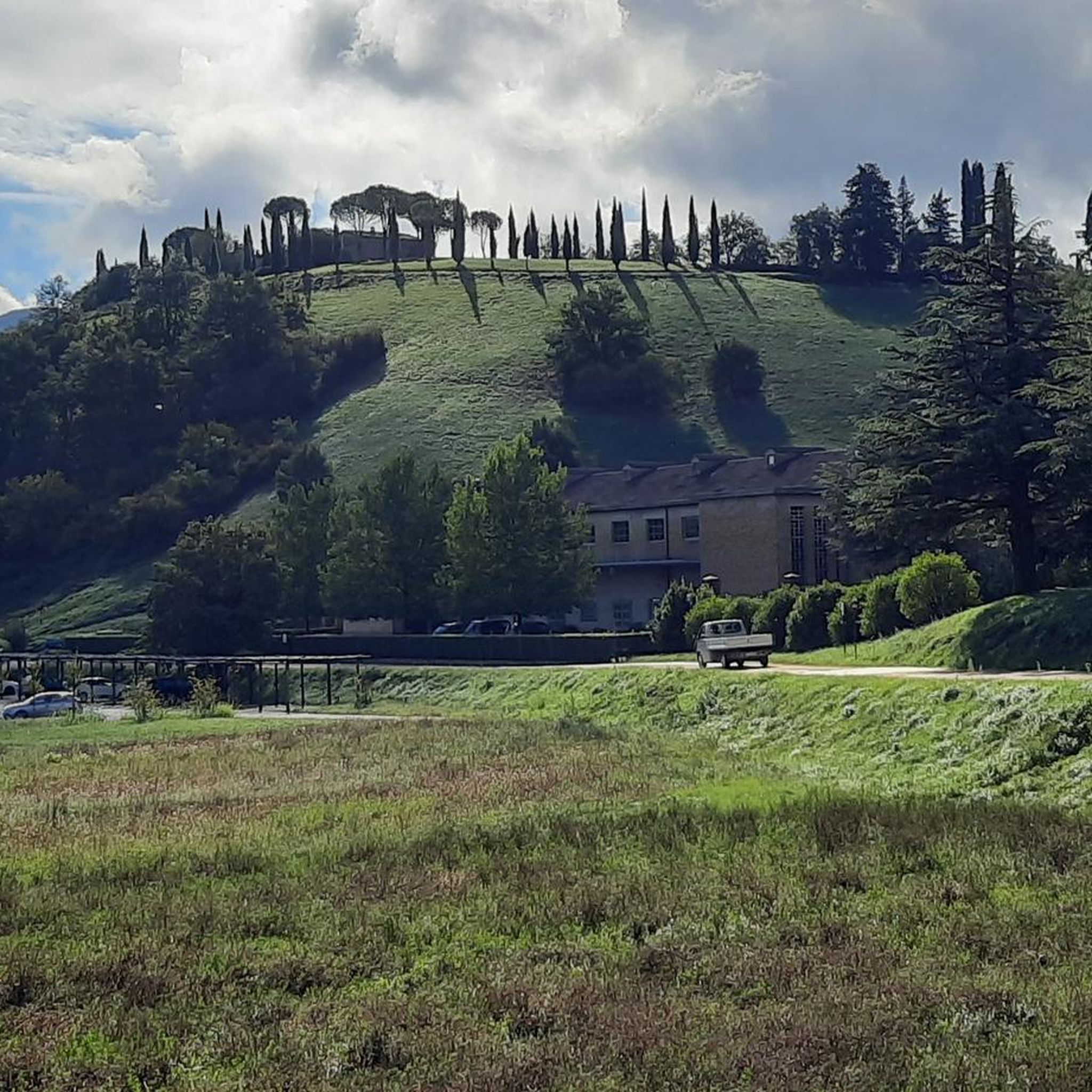
- The most popular castles is Montegualandro Castle, a castle that is easy to reach and suitable for all ages. It offers a superb view of the surrounding area.
- Another must-see spot is Triangular Tower, Passignano sul Trasimeno, a castle featuring ruins of medieval structures, including square walls and a triangular tower. This site was historically an outpost and defensive bastion of the Perugian territory.
- Visitors also love Fortezza del Girifalco, a castle located at 651m above sea level. It stands on the ruins of a 12th-century fortress built on Etruscan walls.
- Lisciano Niccone is known for its ancient ruins, fortified places, and medieval structures. The area offers a variety of castles to see and explore, reflecting its rich historical past.
- The castles around Lisciano Niccone are appreciated by the komoot community, with 57 upvotes and 59 photos shared.
Last updated: June 30, 2026
Triangular Tower, Passignano sul Trasimeno
Highlight • Castle
The Rocca di Passignano (Castle of Passignano) is located inside the village, in an elevated position above the town, which later expanded to the lakeshore. According to some sources, Passignano could mean "place of the pass," referring to the existence of a Roman military structure that served to control a "pass" between the present-day regions of Umbria and Tuscany.
Nothing remains of this possible structure today. Currently, the castle consists of ruins of medieval structures: square walls, a half-ruined tower, and the northern part of the castle with a triangular tower. Furthermore, a series of alleys wind through this part of the historic center, once surrounded by walls, giving an idea of what the street layout within the castle might have looked like.
The oldest core probably dates back to the 5th or 6th century; The square walls, however, were built between 820 and 850, when the castle belonged to the Marquises of Tuscany. In 1187, the property became the property of the canons of the Cathedral of San Lorenzo in Perugia. In the 13th century, the castle underwent significant renovations, transforming it into a true fortress, an outpost, and defensive bastion of the Perugian territory.
Text / Source: Umbria Tourism.it
umbriatourism.it/de/-/la-rocca-passignano-de
Translated by Google •
Tip by

Fortezza del Girifalco
Highlight • Castle
It was built in 1556 by Gabrio Serbelloni and Francesco Laparelli from Cortona at the behest of the Grand Duke of Tuscany Cosimo I de 'Medici. The fortress stands on the ruins of a previous one from the 12th century which was built on the remains of Etruscan walls.
Translated by Google •
Tip by

Sign up now to discover places like this
Get recommendations on the best single tracks, peaks, & plenty of other exciting outdoor places.
Sign up for free
Montegualandro Castle
Highlight • Castle
Source: livingtuoro.it/luoghi-di- interesse/il-castello-di-montegualandro/
Translated by Google •
Tip by

Rocca di Pierle
Highlight • Castle
Translated by Google •
Tip by
Monte Gualandro Castle
Highlight • Castle
Translated by Google •
Tip by

Sign up for free to discover even more castles around Lisciano Niccone.
Sign up for free
Already have an account?
Start today with a free account
Your next adventure awaits.
Login or Signup

Tips from the Community

Rocca di Passignano (Castle of Passignano) - Passignano sul Trasimeno The Rocca di Passignano (Castle of Passignano) is located inside the village, in an elevated position above the town, which later expanded to the lakeshore. According to some sources, Passignano could mean "place of the pass," referring to the existence of a Roman military structure that served to control a "pass" between the present-day regions of Umbria and Tuscany. Nothing remains of this possible structure today. Currently, the castle consists of ruins of medieval structures: square walls, a half-ruined tower, and the northern part of the castle with a triangular tower. Furthermore, a series of alleys wind through this part of the historic center, once surrounded by walls, giving an idea of what the street layout within the castle might have looked like. The oldest core probably dates back to the 5th or 6th century; The square walls, however, were built between 820 and 850, when the castle belonged to the Marquises of Tuscany. In 1187, the property became the property of the canons of the Cathedral of San Lorenzo in Perugia. In the 13th century, the castle underwent significant renovations, transforming it into a true fortress, an outpost, and defensive bastion of the Perugian territory. Text / Source: Umbria Tourism.it https://www.umbriatourism.it/de/-/la-rocca-passignano-de
14
0

we go up towards the hill
0
0

Not only the beach promenade is a must-see in Passignano sul Trasimeno, but also the old town with its many small, romantic alleys is a must-see. Here you will find many small restaurants and shops, some of which are hidden, where you can buy beautiful souvenirs or delicacies.
1
0

The Girifalco Fortress is an imposing defensive structure that dominates the city of Cortona from above. Built in the 16th century to protect Cortona from external attacks, it today offers a breathtaking view of the Valdichiana. It's a perfect place for a scenic walk, take incredible photos and immerse yourself in history. The fortress also hosts exhibitions and cultural events, making it a lively and interesting place to visit.
0
0

Given that the whole city of Cortona is wonderful, I highly recommend visiting this place for the architecture of the buildings and the magic of the atmosphere that the view of the Val di Chiana conveys.
0
0
The fortress of Pierle is a ruined castle near the town of Mercatale, in the municipality of Cortona, in the province of Arezzo. Built in the 11th century and remodeled in 1371 in order to protect Cortona from the aggressiveness of Perugia, it is known for the massacre of a group of conspirators, wanted by Uguccio Casali, of which it was the scene in 1387. It was consciously disembowelled in parts internal in 1576 by order of the Grand Duke of Tuscany Francesco I de' Medici, given that it constituted a potential shelter for his enemies.
0
0


Very nicely prepared narrow streets
0
0
Frequently Asked Questions
What kind of historical significance do the castles around Lisciano Niccone hold?
The castles in this region, including the original Castle of Lisciano Niccone, were strategically built on hilltops to protect border areas between Umbria and Tuscany. They played a crucial defensive role during the Dark Ages and medieval periods, reflecting the area's past as a contested territory. Many are now ruins, offering a glimpse into medieval architecture and the region's rich history.
Are there any well-preserved castles or are they mostly ruins?
While the original Castle of Lisciano Niccone is mostly in ruins, with traces of its imposing bulk and a round fortified tower, other sites offer varying states of preservation. For example, the Triangular Tower, Passignano sul Trasimeno features ruins of medieval structures, including square walls and a triangular tower. The Castle of Reschio, though not listed as a highlight in this guide, is currently undergoing transformation into a luxury relais, blending historical architecture with modern amenities.
Which castles offer the best views of the surrounding landscape?
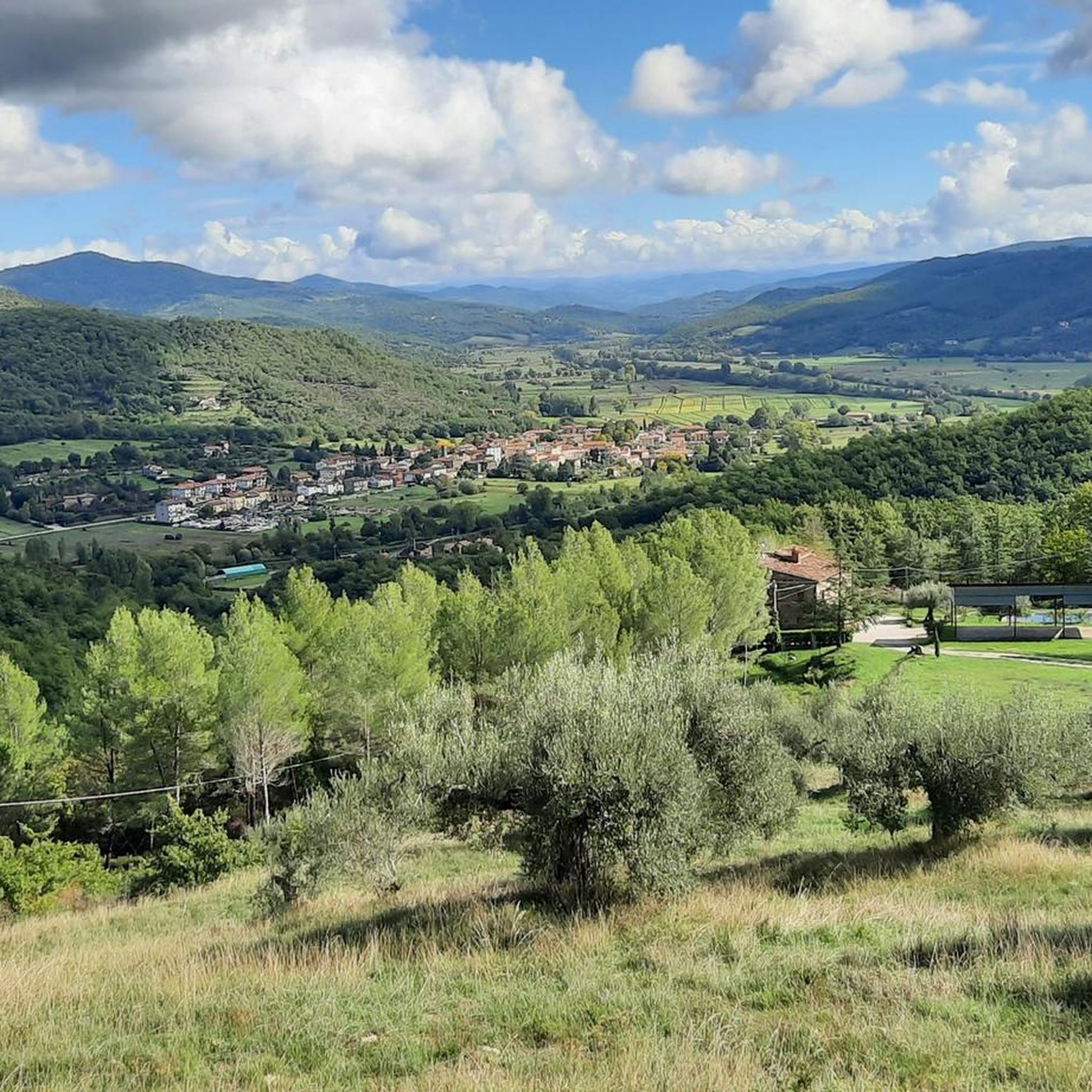
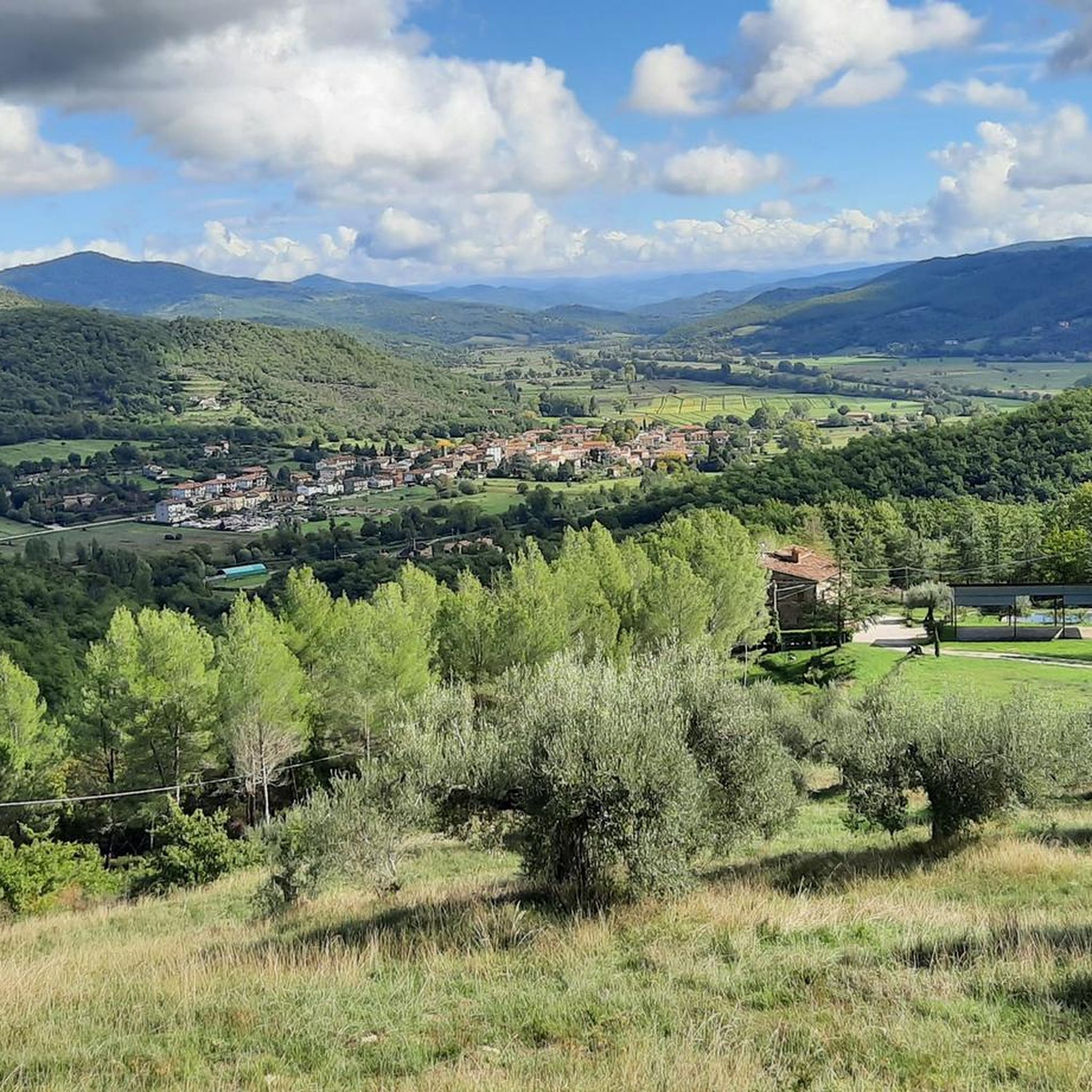
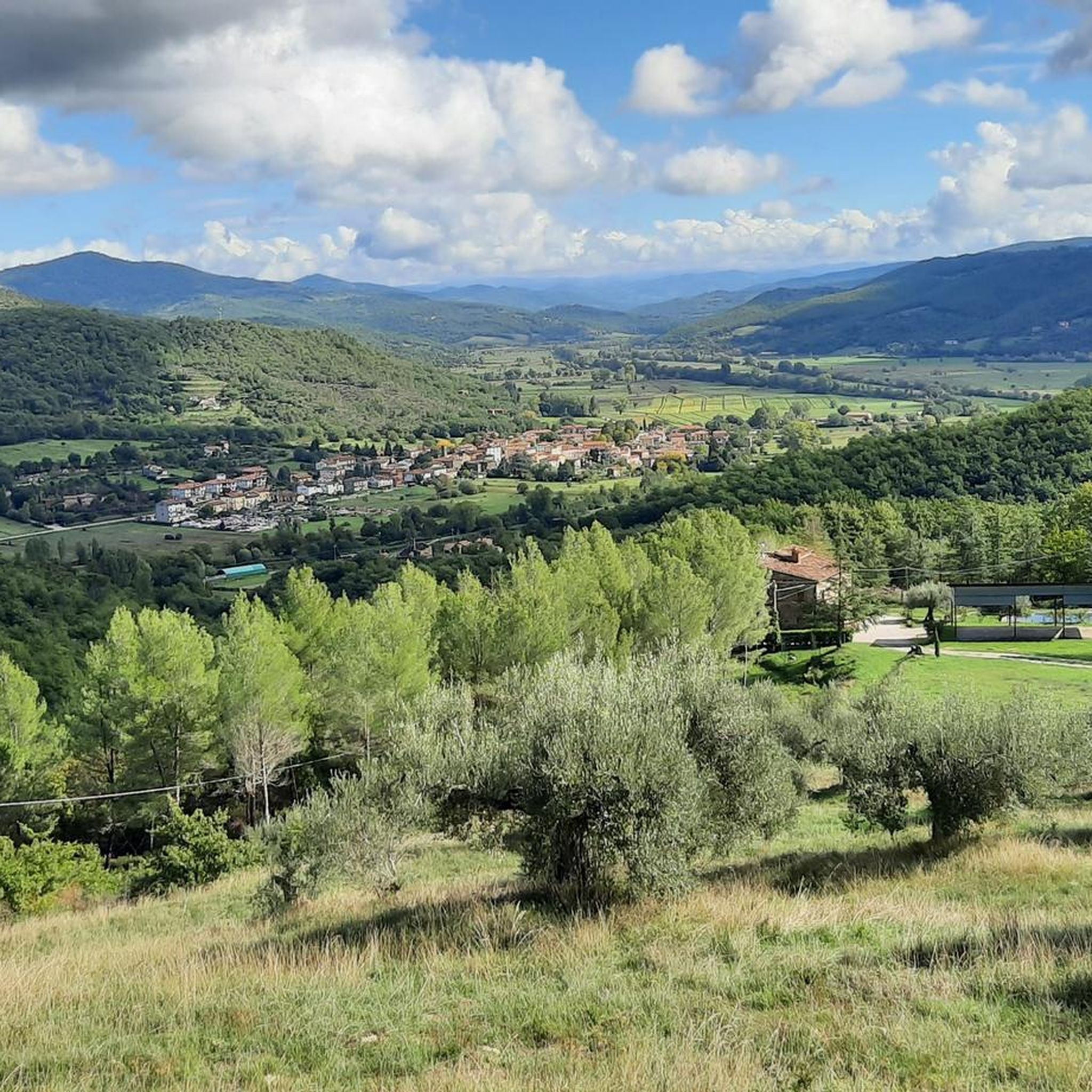
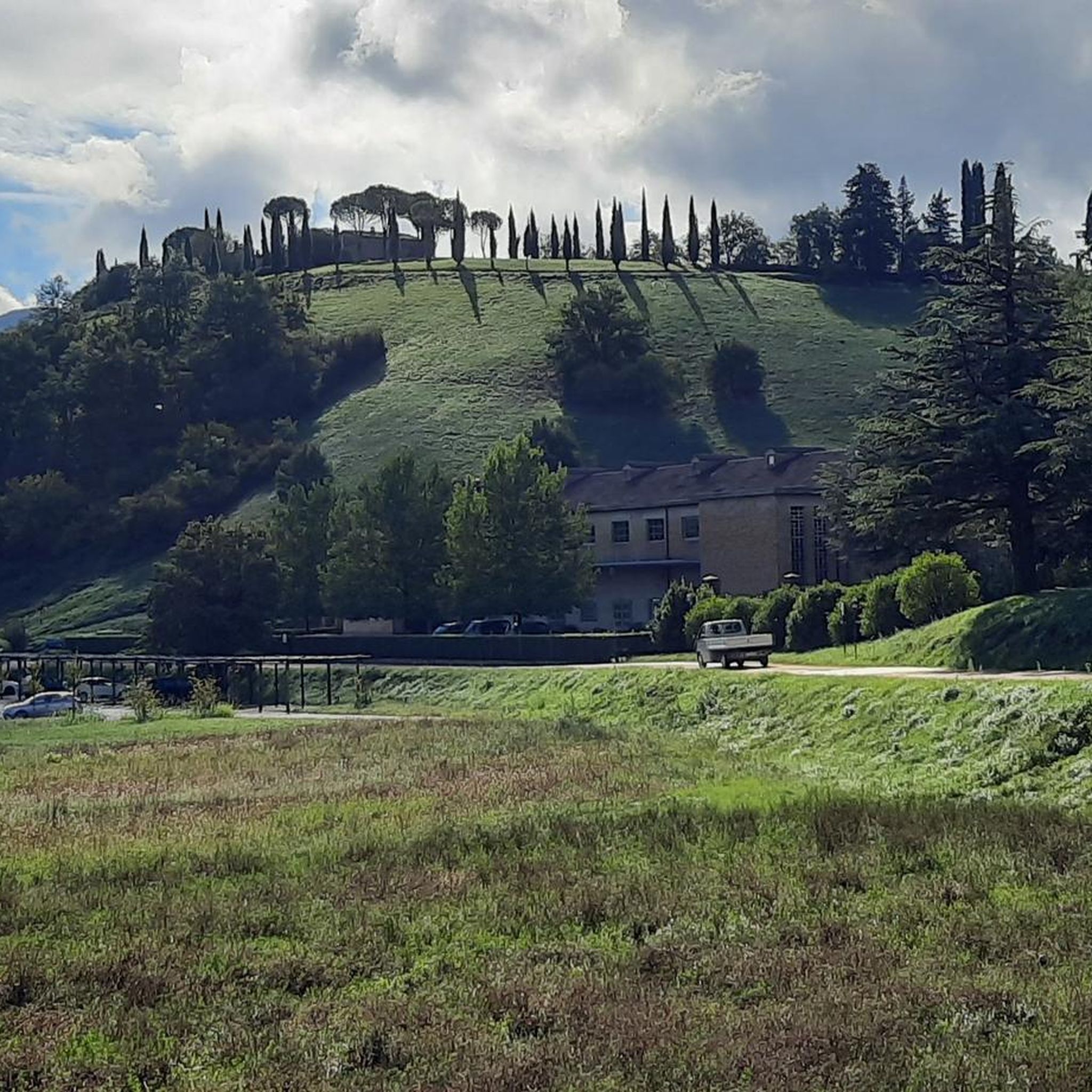
Many castles in the area, due to their strategic hilltop locations, offer superb panoramic views. Monte Gualandro Castle is particularly noted by visitors for its superb view of the surrounding area, including Lake Trasimeno. Similarly, Fortezza del Girifalco, located at 651m above sea level, provides beautiful and wide vistas.
Are there family-friendly castles to visit near Lisciano Niccone?
Yes, Monte Gualandro Castle is highlighted as a family-friendly option, being easy to reach with a very short and easy route suitable for all ages. Its beautiful setting and views make it an enjoyable visit for families.
What outdoor activities can I combine with a visit to the castles?
The region around Lisciano Niccone is excellent for outdoor activities. You can explore various running trails, road cycling routes, and general cycling paths. For running, consider routes like the 'Running loop from Lisciano Niccone' or the 'North Shore of Lake Trasimeno loop'. Cyclists can enjoy routes such as 'View of lake Trasimeno' or 'Beautiful village of San Feliciano'. You can find more details on these activities in the Running Trails around Lisciano Niccone, Road Cycling Routes around Lisciano Niccone, and Cycling around Lisciano Niccone guides.
What is the best time of year to visit the castles around Lisciano Niccone?
The region generally enjoys a Mediterranean climate. Spring (April-May) and Autumn (September-October) are often ideal, offering pleasant temperatures for exploring historical sites and engaging in outdoor activities without the intense heat of summer. These seasons also showcase the beautiful Umbrian and Tuscan landscapes.
Are there options for food and drink near the castles?
While specific cafes or restaurants directly adjacent to every castle ruin are rare, the nearby towns and villages like Lisciano Niccone itself, Passignano sul Trasimeno, or Cortona offer various dining options. The old town of Passignano sul Trasimeno, for instance, has many small restaurants and shops where you can find local delicacies and souvenirs.
How accessible are the castles for visitors with mobility challenges?
Many of the castles in the Lisciano Niccone area are ancient ruins located on hilltops, which can involve uneven terrain, stairs, or unpaved paths. This might present challenges for visitors with mobility issues or wheelchairs. While Monte Gualandro Castle is described as 'easy to reach', it's advisable to check specific conditions for each site if accessibility is a primary concern.
What makes the Niccone Valley historically important for castles?
The Niccone Valley, where Lisciano Niccone is situated, was historically a crucial borderland between the territories of Perugia and Tuscany. This strategic position led to the construction of numerous fortified structures and castles throughout the valley, serving as defensive outposts and points of contention between rival powers. Exploring the valley reveals a landscape rich with these medieval remnants.
How long should I plan for a visit to the castles in the area?
The time required varies depending on the castle. For sites like the Castle of Lisciano Niccone (ruins) or Monte Gualandro Castle, a visit might take 1-2 hours to explore the site and enjoy the views. For more extensive ruins like Rocca di Pierle or Triangular Tower, Passignano sul Trasimeno, you might spend a similar amount of time. If you plan to visit multiple castles or combine it with hiking, a full day or even several days would be beneficial to explore the region thoroughly.
Can I bring my dog to the historical sites and castles in the area?
Many outdoor historical sites and ruins in Italy are generally dog-friendly, especially if they are open-air and not enclosed museums. However, it's always best to keep dogs on a leash and clean up after them. Specific rules can vary, so checking local signage or official websites for individual sites is recommended. For example, you can find more information about the Castle of Lisciano Niccone on Umbria Tourism.
Most popular routes around Lisciano Niccone
Most popular attractions around Lisciano Niccone

Get inspired with the komoot mobile app


Explore more
Looking for the best castles somewhere else? Discover other guides around Lisciano Niccone:
