Top 5 Castles around Pieve Torina
Best castles around Pieve Torina, located in the Umbrian-Marche Apennines, feature ancient castles and fortified structures. These sites offer insights into its rich medieval past and strategic importance. Some exist as well-preserved remnants, while others are more ruinous, providing glimpses into centuries of history. The region's castles served as defensive strongholds and centers of agricultural life.
Best castles around Pieve Torina
- The most popular castles is Rocca di San Giovanni, a castle that offers views over the village of…
Last updated: June 30, 2026
Fiastra
Highlight • Settlement
Translated by Google •
Tip by

Rocca di San Giovanni
Highlight • Castle
Translated by Google •
Tip by
Sign up now to discover places like this
Get recommendations on the best single tracks, peaks, & plenty of other exciting outdoor places.
Sign up for free
Medieval Walls of the Castle
Highlight • Castle
Translated by Google •
Tip by

Trinci Fortress of Rasiglia
Highlight • Castle
Translated by Google •
Tip by

Verchiano Castle
Highlight • Castle
Translated by Google •
Tip by

Sign up for free to discover even more castles around Pieve Torina.
Sign up for free
Already have an account?
Start today with a free account
Your next adventure awaits.
Login or Signup

Tips from the Community

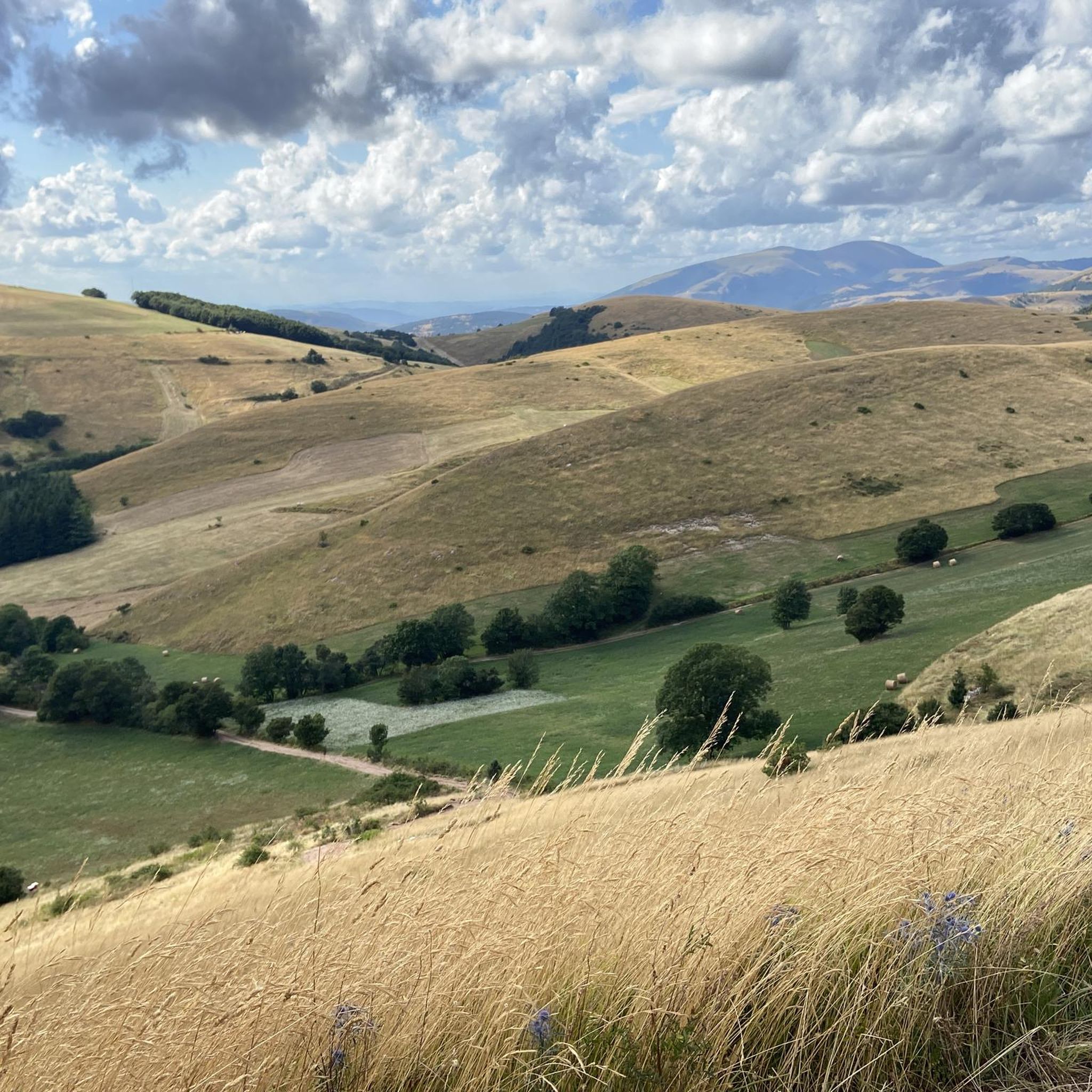
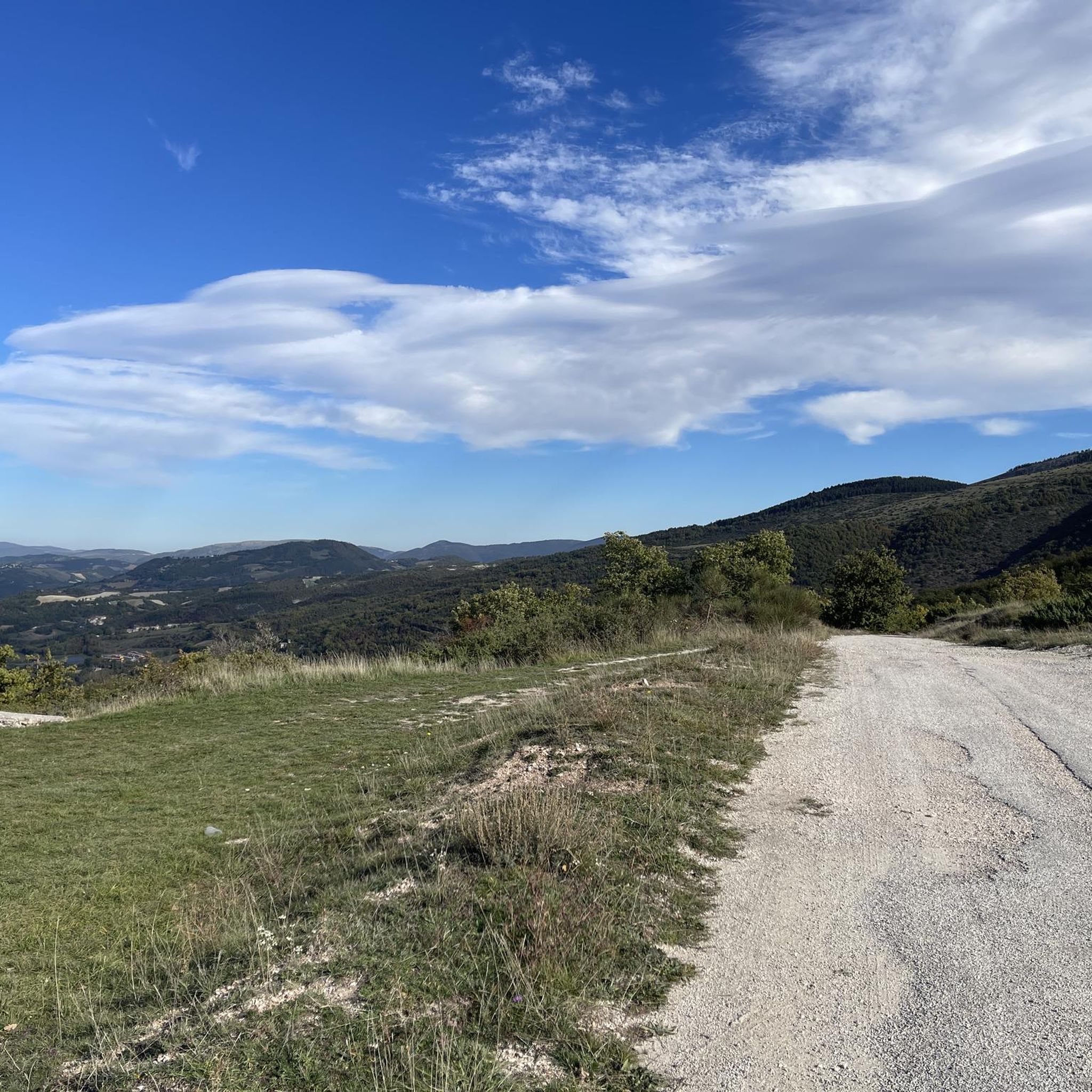
It is certain that in the period of the Second Punic War (217 BC), a village and a castle already existed in that territory, as historical fragments hypothesize a clash that occurred between Hannibal's troops marching towards Rome and a handful of Spoletos. in the pay of the Romans, right near the settlement. In 1305 with the advent of the Trinci Lordship, the castle and the surrounding areas began to take on an important role in the territory, until it reached its maximum splendor under Conrad III. Located at 811 meters above sea level, on the top of a ridge from which you dominate both the Via della Spina and the upper Menotre Valley, it can be reached easily by passing the town of Verchiano and following the dirt road that leads to Roccafranca and the Sanctuary of S. Salvatore. Unfortunately very little remains of the castle....
0
0

Beyond the fortress you can access this "balcony" overlooking the beautiful village.
0
0
Fortress above the town of Rasiglia, located near the cemetery. The view is very beautiful. It is also possible to take a walk along the well-defined and well-kept path in the shade of the trees.
0
0

Medieval walls that surround (only partially) the fortress.
0
0

The fortress of San Giovanni offers a beautiful view over the village of Visso. The tower of the Mastio is 24 meters high and dates back to the age of the castle of the village, XIII century. Looking at the town from above and the well-preserved fortress, it really seems to be still in the Lombard era!
3
0
The village of Fiastra is now almost depopulated, but in the Lombard era it was an important urban centre. Castello Magalotti is proof of this. From this village several paths lead to the discovery of the Fiastrone gorges and the famous Lame Rosse.
4
0

Fiastra gives its name to the nearby lake. The toponym derives from a hypothetical Piceno settlement near the Fiastrone and means river, stream.
1
0
Frequently Asked Questions
What is the historical significance of castles in the Pieve Torina region?
The castles around Pieve Torina are crucial to understanding the region's rich medieval past. They served as fortified strongholds, centers of agricultural life, and strategic points along vital communication routes connecting Umbria with Rome. Many, like Castello di Appennino, commanded vast territories and provided refuge during times of danger, showcasing the architectural and strategic considerations of the medieval period.
Which castles offer the best scenic viewpoints?
Several castles in the area provide excellent views. Rocca di San Giovanni offers a beautiful panorama over the village of Visso. The Medieval Walls of the Castle also feature a 'balcony' overlooking a beautiful village. Additionally, the Trinci Fortress of Rasiglia provides a very beautiful view from its location above the town.
Are there any particularly well-preserved medieval castles in the area?
Yes, Castello di Torricchio stands out as it has maintained much of its original character, never being dismantled or repurposed into a villa. It consistently functioned as a stronghold for the defense of the Camerte state and features imposing western walls and round-arched gates reflecting its defensive origins.
What outdoor activities can I do near the castles?
The Pieve Torina area offers a variety of outdoor activities. You can find numerous options for hiking, including moderate trails like the 'Water Mill – Footbridge over the Stream loop'. For cyclists, there are challenging MTB trails and gravel biking routes, such as the 'Visso Historic Center – Panico Valley loop'.
What is the best time of year to visit the castles around Pieve Torina?
The Umbrian-Marche Apennines offer pleasant conditions for exploring castles during spring and autumn, with milder temperatures ideal for walking and enjoying the scenic views. Summer can also be a good time, though it might be warmer. Winter visits are possible, but some routes or access might be affected by weather conditions.
Are there any castles that are largely in ruins but still historically significant?
Yes, Castello di Capriglia, while largely in ruins today, was once a significant fortification. Its remnants include parts of two towers, with one well-preserved southern tower now serving as a bell tower for the local church. Similarly, the ruins of Castello di Prefoglio, with its two square-plan towers and the church of Santa Maria, offer a glimpse into its 13th-century political role and Longobard origins.
Are there family-friendly castles in the Pieve Torina area?
Exploring the castles around Pieve Torina can be a great family activity, especially for those interested in history and outdoor walks. Many sites, like the Trinci Fortress of Rasiglia, have well-defined and well-kept paths suitable for a family stroll. The historical context and scenic views provide an engaging experience for all ages.
How long does it typically take to visit castles near Pieve Torina?
The duration of a visit can vary depending on the castle and your interest. For well-preserved sites or those with extensive ruins, you might spend 1-2 hours exploring. If you combine a castle visit with nearby hiking trails, such as those around Trinci Fortress of Rasiglia, your visit could extend to half a day or more.
Is parking available at the castles?
While specific parking details for each castle may vary, many historical sites in the region, especially those accessible by road, typically have designated parking areas nearby or in the closest village. For castles like Verchiano Castle, you can reach it by following a dirt road from the town of Verchiano, implying some form of access and potentially parking.
Are there any less crowded or 'hidden gem' castles to explore?
For a quieter experience, consider visiting the ruins of Castello di Prefoglio, which offers a historical interest away from more frequented spots. Another option is Verchiano Castle, which, despite little remaining, holds significant historical depth dating back to the Second Punic War and offers a sense of discovery on its ridge location.
Can I reach the castles using public transport?
Access to some castles in the Pieve Torina area might be challenging solely by public transport, as many are situated in rural or elevated locations. It is often recommended to use a car for flexibility, especially for reaching more remote sites or ruins. However, local bus services might connect to the main villages near some castles, requiring additional walking.
What kind of historical insights do the castles offer?
The castles provide a deep dive into medieval life, military strategy, and regional power dynamics. For instance, Castello di Appennino highlights the integration of defense with agricultural life and its role in communication routes. Castello di Torricchio showcases the enduring nature of a stronghold that was never dismantled, reflecting centuries of continuous strategic importance and ownership by powerful families like the Da Varano and Borgias.
Most popular routes around Pieve Torina
Most popular attractions around Pieve Torina

Get inspired with the komoot mobile app


Explore more
Looking for the best castles somewhere else? Discover other guides around Pieve Torina:
