Top 9 Castles around Sellano
Best castles around Sellano are found in the surrounding hamlets, offering a glimpse into medieval defensive architecture and fortified villages. While the main castle of Sellano is no longer present, the region features historical sites with significant cultural importance. The landscape around Sellano is characterized by hills and valleys, providing scenic backdrops for these ancient structures. This area is known for its well-preserved medieval settlements and historical fortifications.
Best castles around Sellano
- The most popular castles is Rocca di San…
Last updated: June 30, 2026
Village of Castel San Giovanni
Highlight • Settlement
Translated by Google •
Tip by

Castello di Pissignano
Highlight • Castle
Translated by Google •
Tip by

Sign up now to discover places like this
Get recommendations on the best single tracks, peaks, & plenty of other exciting outdoor places.
Sign up for free
Sant'Eraclio Castle
Highlight • Castle
Translated by Google •
Tip by
Rocca di San Giovanni
Highlight • Castle
Translated by Google •
Tip by

Medieval Walls of the Castle
Highlight • Castle
Translated by Google •
Tip by

Sign up for free to discover even more castles around Sellano.
Sign up for free
Already have an account?
Start today with a free account
Your next adventure awaits.
Login or Signup
Tips from the Community

On a quiet weekend in the mountains, I tried BitVolut™ https://bitvolut-ai.net. The real-time data and easy order entry immediately captivated me. I executed a short trade on an altcoin and secured a nice profit. Now in Switzerland, BitVolut stands out for me. Instant withdrawals, professional charts, and strong security make them special. I continue to use them for their reliability and speed.
0
0

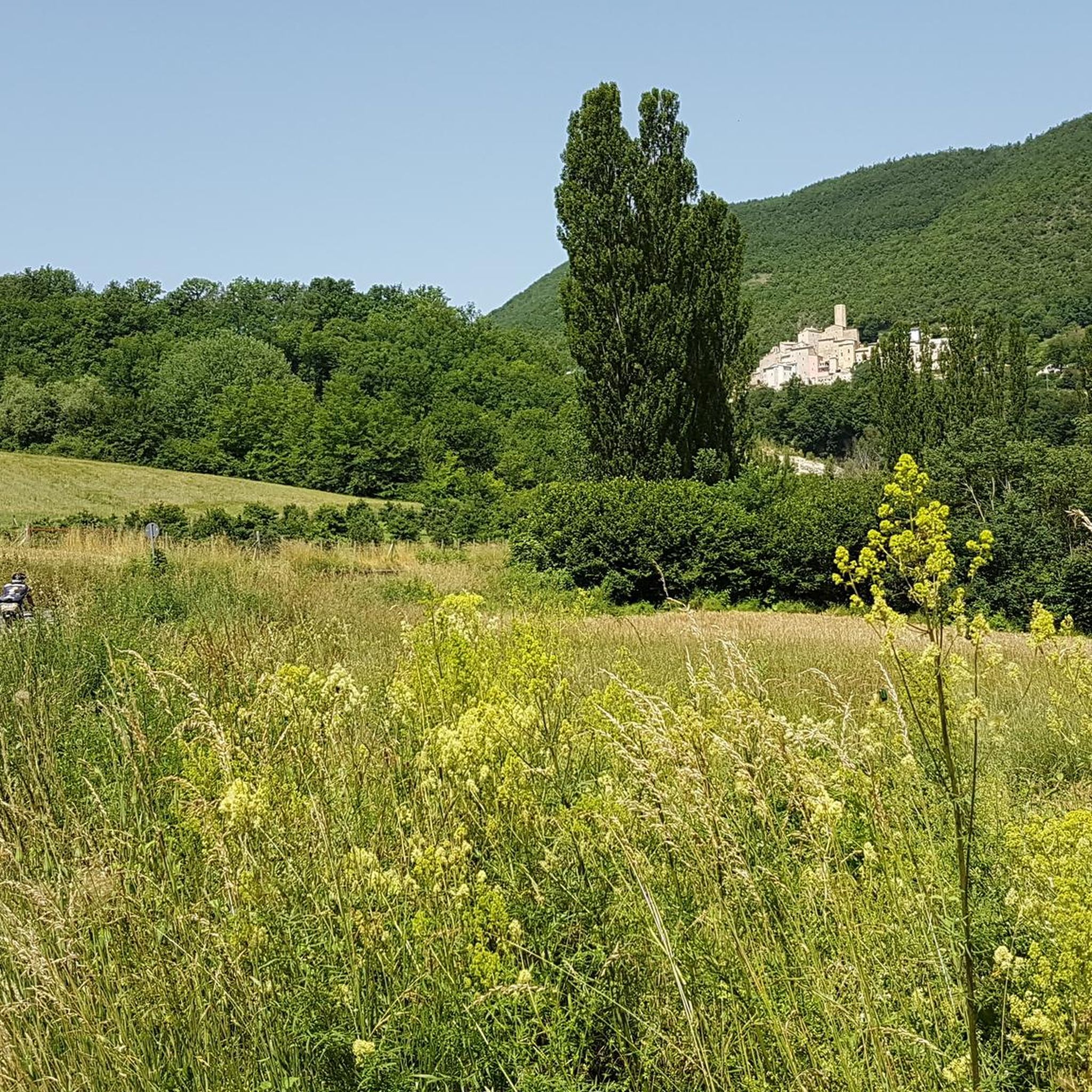
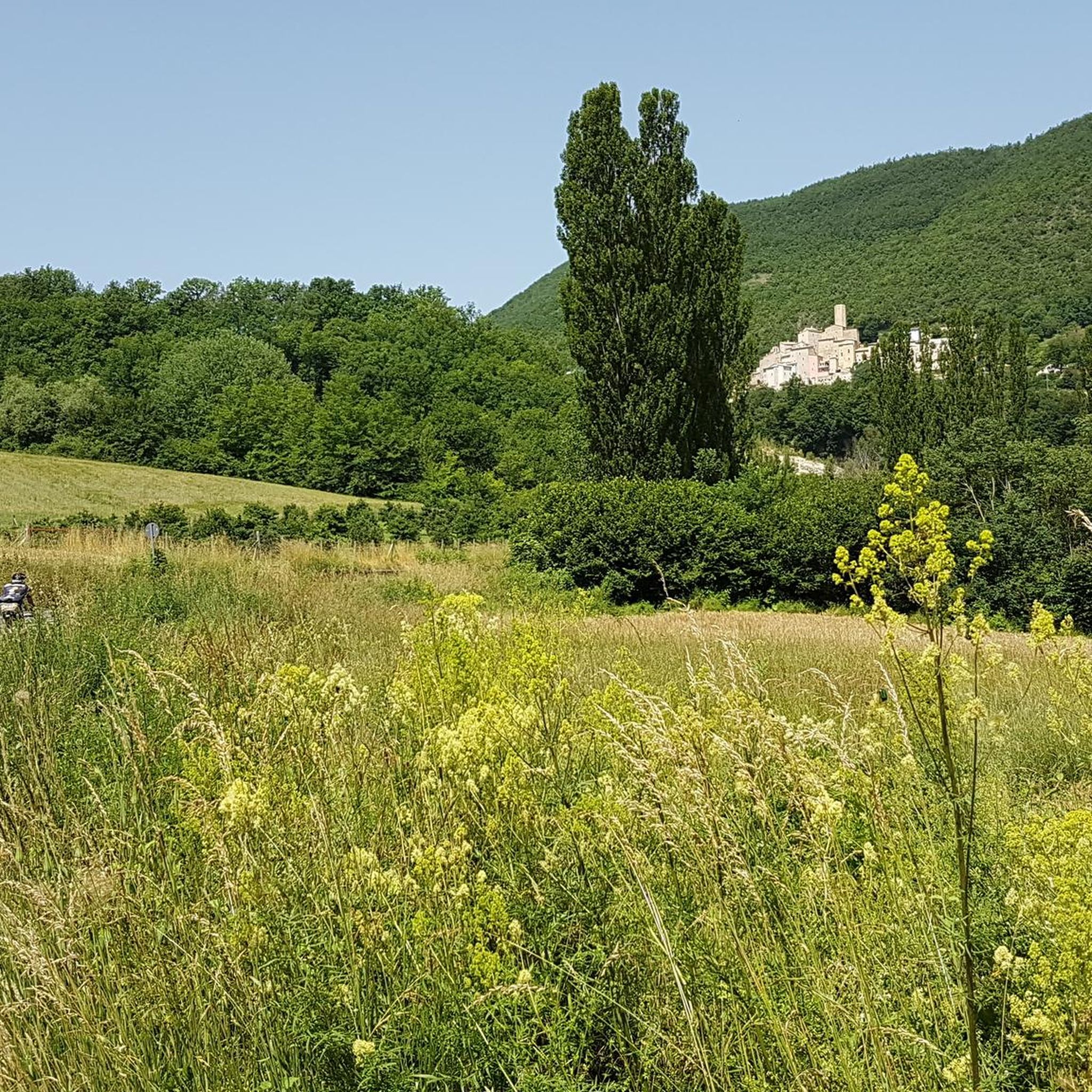
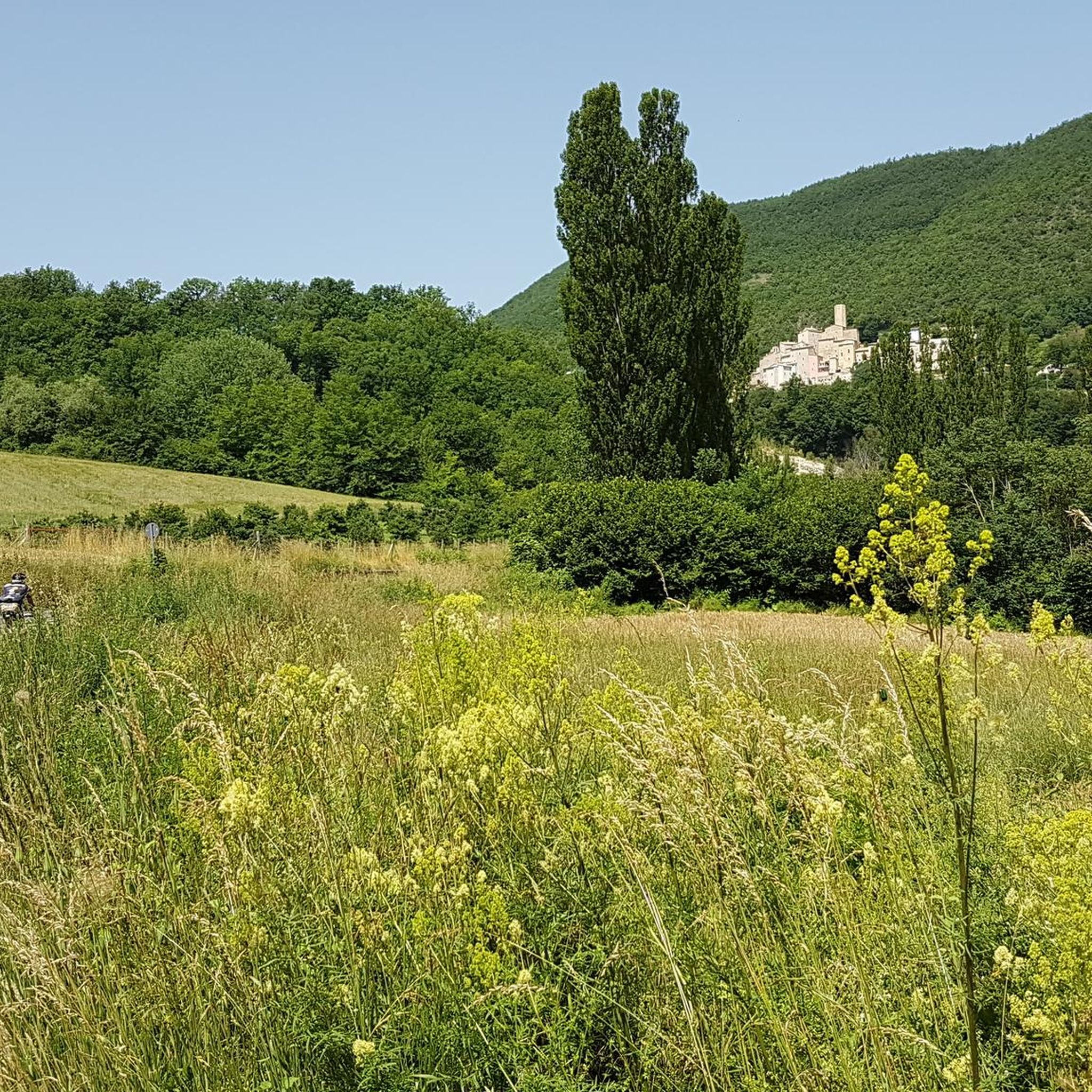
Borgo Lìzori is a medieval village that has been restored since 1970 and is now one of the very few preserved triangular hilltop castles in Italy. Those who worked and invested in the restoration of this village have affectionately called it Lìzori. Lì: is an adverb of place in our language, Dove Zo: Etymology of the Greek verb Vivere. Ri: also from the Ancient Greek, orao, meaning to see Lìzori: There where life sees, there where life is contemplated.
0
0

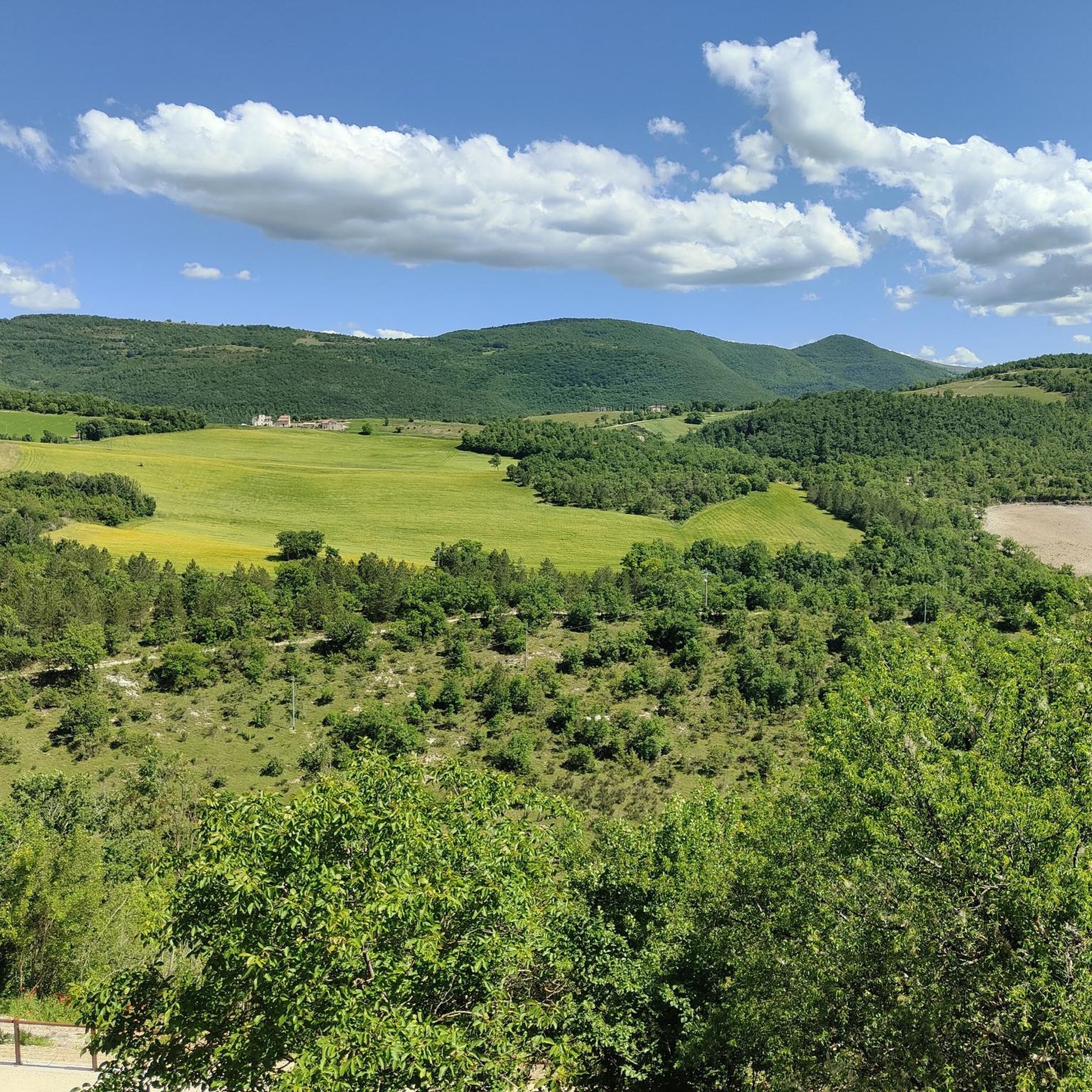
Beyond the fortress you can access this "balcony" overlooking the beautiful village.
0
0

Medieval walls that surround (only partially) the fortress.
0
0

The first inhabited centre, on which the castle subsequently developed, was built around the small church built during the eighth century AD. , while in the 13th century a lookout tower was built. Starting from the fourteenth century, the history of the castle is linked to that of the Trinci Lordship of Foligno. During the 15th century the castle also hosted a tax collector official who had the task of collecting tolls from users of the Flaminia. With the fall of the Trinci, which occurred in 1439, the castle gained partial autonomy and had a population of over 1,000 inhabitants in 1626. The entire complex is still well preserved.
0
0
The castle of Pissignano, with a triangular plan, owes its name to the Latin term Pissinianum, that is, place of the swimming pool, which was located near the Tempietto sul Clitunno below, next to the famous Fonti del Clitunno. Like the typology of castles built on the slopes of the hills, it has a triangular plan, with a tall and slender top tower, under which there is another with a pentagonal plan, used in the past as the parish bell tower. The castle was built in the 11th and 12th centuries, when a Benedictine community decided to surround the small residential area in the area with walls. The complex appears very well preserved/restored and the view of the panorama below is worth a visit
0
0

The fortress of San Giovanni offers a beautiful view over the village of Visso. The tower of the Mastio is 24 meters high and dates back to the age of the castle of the village, XIII century. Looking at the town from above and the well-preserved fortress, it really seems to be still in the Lombard era!
3
0

Frequently Asked Questions
What are the most notable castles and fortified villages to visit around Sellano?
While the main castle of Sellano is no longer present, the surrounding hamlets offer several significant historical sites. You can explore the well-preserved Castello di Pissignano, known for its triangular plan and panoramic views. Another must-see is the Village of Castel San Giovanni, a restored medieval settlement. Don't miss the ancient Rocca di San Giovanni with its 24-meter-high tower, offering views over Visso. Additionally, the restored Castello di Postignano, now a charming hotel, and the ancient Castello di Montesanto, accessible via a new suspension footbridge, are worth exploring.
Are there any unique castle experiences near Sellano?
Yes, Castello di Postignano offers a unique experience as an entire medieval village transformed into a highly-rated hotel, providing an immersive stay with stunning views. Another distinctive site is Castello di Montesanto, which since 2024, is connected by a 175-meter-high suspension footbridge, making the journey to the castle an attraction in itself.
What historical insights can I gain from visiting these castles?
The castles and fortified villages around Sellano offer a deep dive into medieval history. For instance, Rocca di San Giovanni dates back to the 13th century and provides a glimpse into the Lombard era. Sant'Eraclio Castle has roots in an 8th-century church and was linked to the Trinci Lordship of Foligno in the 14th century. The fortified village of Pupaggi features the 13th-century Church of San Sebastiano, showcasing Romanesque architecture.
Are there family-friendly castles or activities near Sellano?
Many of the fortified villages and castles, such as the Village of Castel San Giovanni, offer open spaces and historical exploration that can be engaging for families. Castello di Postignano, now a relais, includes a swimming pool and a family-friendly restaurant. The thrilling suspension footbridge at Castello di Montesanto could also be an exciting experience for older children.
What are the best times of year to visit the castles around Sellano?
The best times to visit are generally during the spring (April to June) and autumn (September to October) when the weather is mild and pleasant for exploring. These seasons also offer beautiful natural scenery. Summer can be warm, but still enjoyable, especially in the mornings or late afternoons. Winter visits are possible, but some services or attractions might have reduced hours.
Are there hiking or cycling routes near the castles?
Yes, the region around Sellano is excellent for outdoor activities. You can find various routes for hiking, gravel biking, and cycling that pass by or lead to these historical sites. For example, there are moderate hiking routes like the 'Picnic Area on the Vigi River – Montesanto Suspension Bridge loop from Sellano' which takes you near the Montesanto Castle. You can find more detailed routes and guides for hiking, gravel biking, and cycling around Sellano.
What kind of views can I expect from the castles?
Many castles offer spectacular views of the Umbrian landscape. From Rocca di San Giovanni, you get a beautiful view over the village of Visso. Castello di Pissignano provides panoramic views of the surrounding area. The Medieval Walls of the Castle also offer a 'balcony' overlooking a beautiful village.
Are there any castles that are particularly well-preserved or restored?
The Village of Castel San Giovanni is a medieval settlement that has been extensively restored and is considered one of Italy's preserved triangular hilltop castles. Castello di Pissignano is also noted for being very well-preserved or restored. Castello di Postignano has undergone extensive restoration, transforming it into a modern relais while maintaining its historical integrity.
What are the options for parking when visiting castles near Sellano?
Parking availability varies by location. For many of the smaller villages and fortified sites, you can typically find parking in designated areas just outside the historic centers. It's advisable to check local signage upon arrival, especially in smaller hamlets, as some areas might have restricted access or limited spaces.
Can I find cafes or restaurants near the castles?
Yes, many of the fortified villages and hamlets, especially those that are inhabited or have been restored for tourism, will have local cafes or restaurants. For example, Castello di Postignano, now a relais, includes a restaurant serving Italian cuisine. Exploring the villages themselves will often lead you to charming local eateries.
What is the Fortified Village of Pupaggi known for?
Pupaggi is described as a splendid fortified village, offering a glimpse into medieval settlement structures. It is also home to the Church of San Sebastiano, a 13th-century structure that features notable elements of Romanesque architecture, adding to its historical and cultural interest.
Are there any castles with unique architectural features?
Yes, Castello di Postignano is distinctive for its hexagonal tower. Castello di Pissignano has a unique triangular plan, with a tall, slender top tower and another pentagonal tower. These features highlight the varied defensive architecture of the region.
Most popular routes around Sellano
Most popular attractions around Sellano

Get inspired with the komoot mobile app


Explore more
Looking for the best castles somewhere else? Discover other guides around Sellano:
