Top 12 Castles around Vigone
Castles around Vigone, located in the Metropolitan City of Turin, Italy, showcase significant medieval urban architecture. The town's historical importance is reflected in structures often referred to as "palace-towers" or fortified houses. These buildings offer a glimpse into Vigone's past, particularly during the rule of the Savoy-Acaia family. They feature medieval architectural styles, including visible brickwork and pointed arch windows.
Best castles around Vigone
- The most popular castles is Macello Castle, a castle built in 1300 and later restored.…
Last updated: June 30, 2026
Templar Castle and Church of San Giovanni of Murello
Highlight • Castle
Translated by Google •
Tip by

Castle and Church of Santa Barbara in Riva di Pinerolo
Highlight • Historical Site
Translated by Google •
Tip by
Sign up now to discover places like this
Get recommendations on the best single tracks, peaks, & plenty of other exciting outdoor places.
Sign up for free
Macello Castle
Highlight • Castle
Translated by Google •
Tip by
Villa Luserna di Rorà, Campiglione Castle and Church of San Giovanni Battista
Highlight • Historical Site
Translated by Google •
Tip by
Castello di Bonavalle
Highlight • Castle
Translated by Google •
Tip by

Sign up for free to discover even more castles around Vigone.
Sign up for free
Already have an account?
Start today with a free account
Your next adventure awaits.
Login or Signup
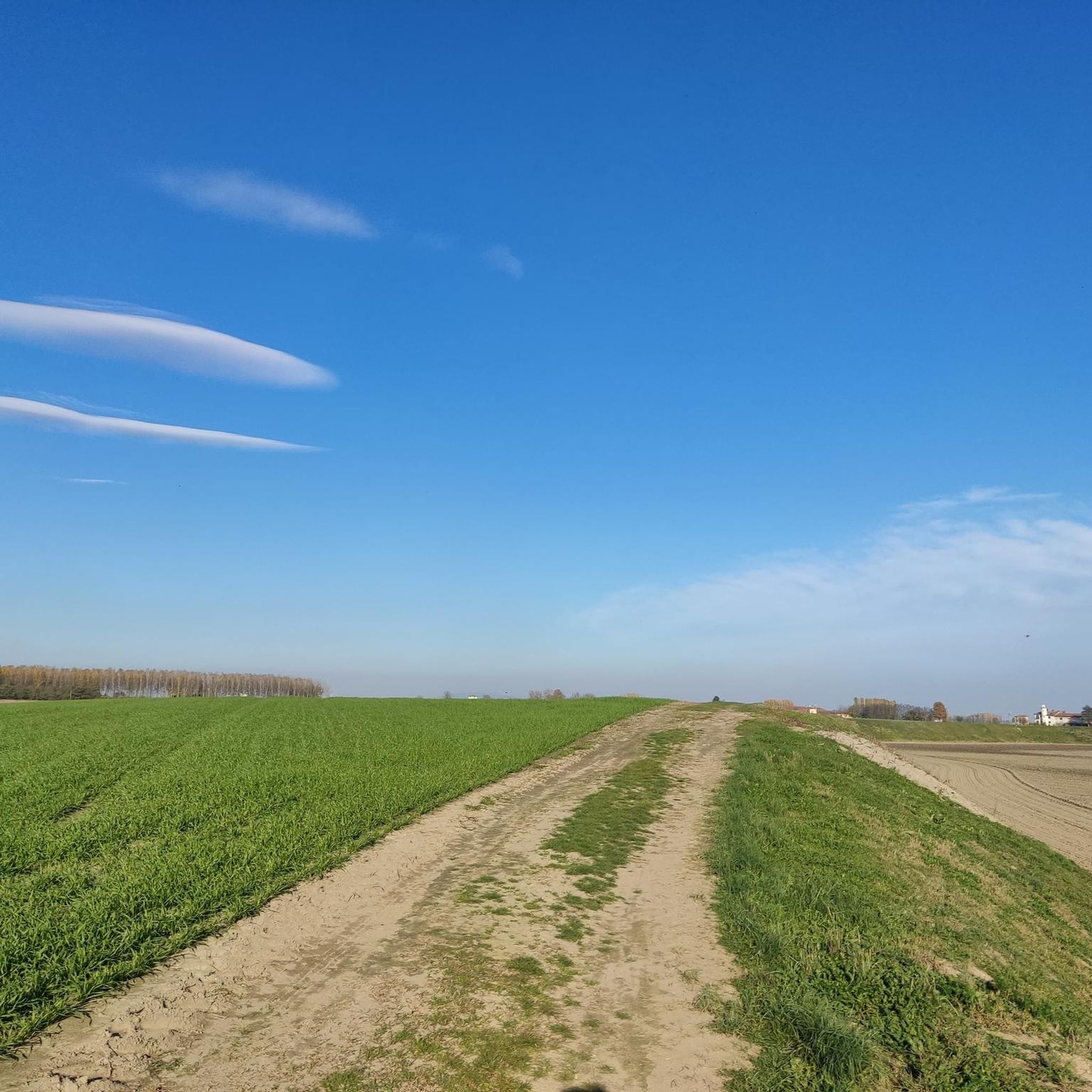
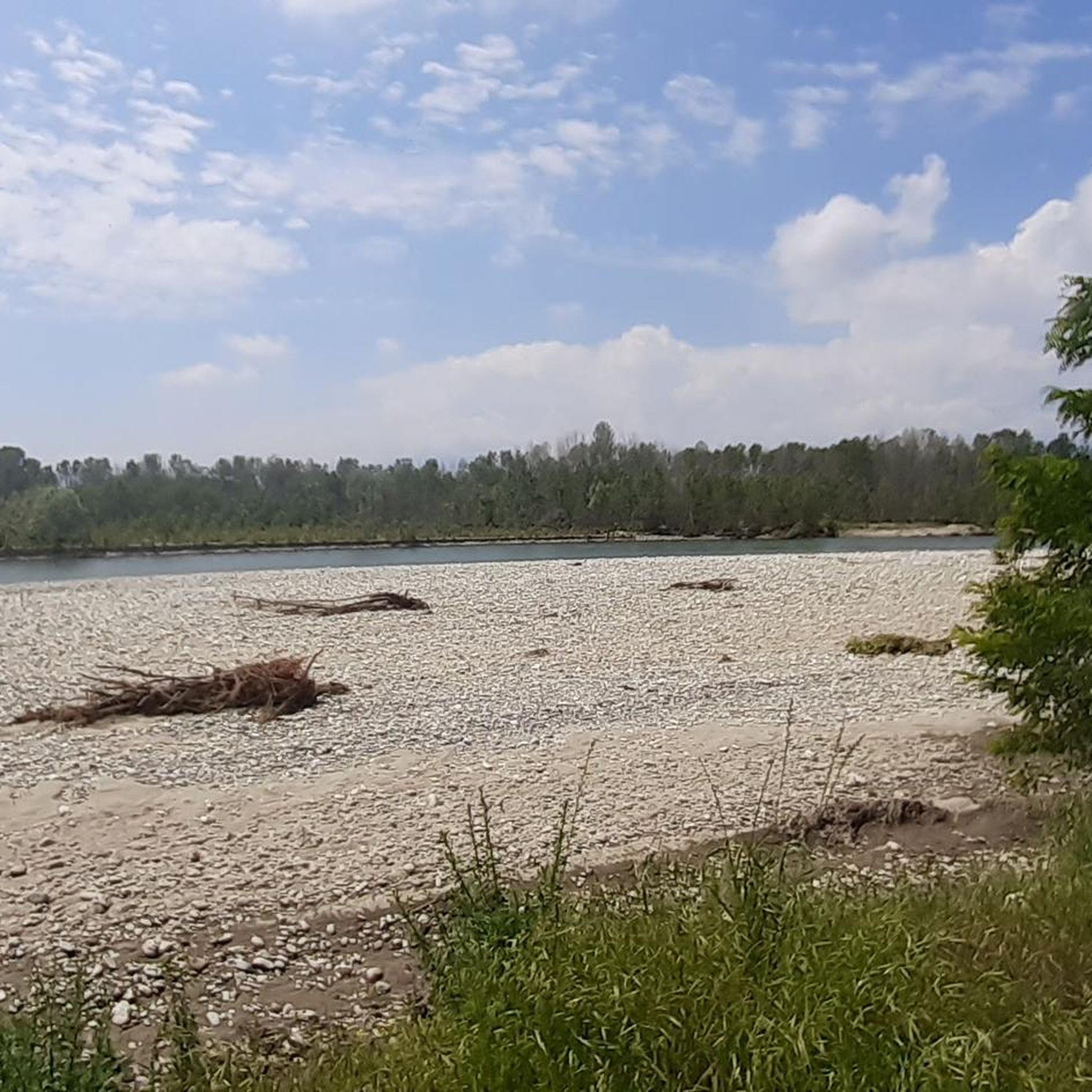
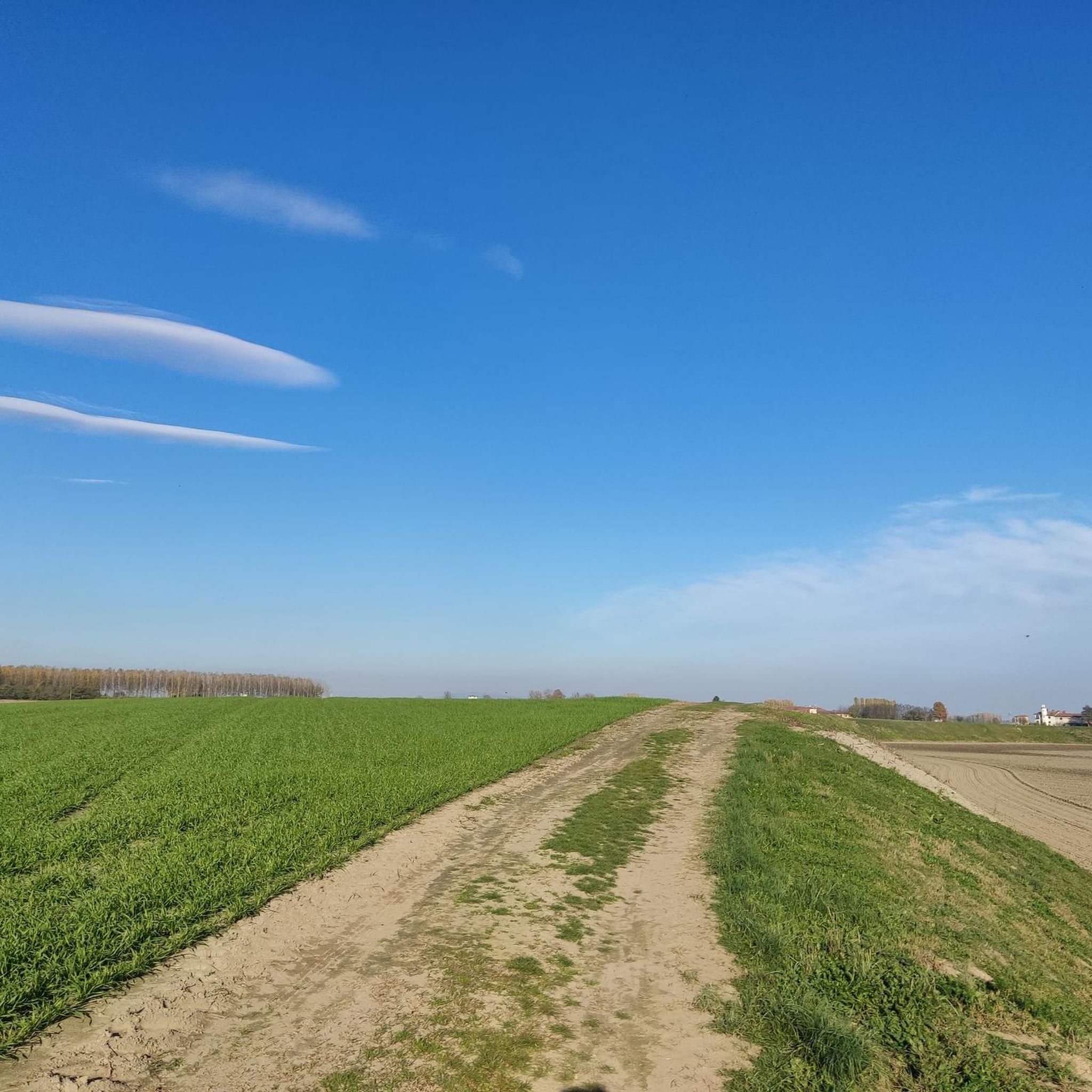


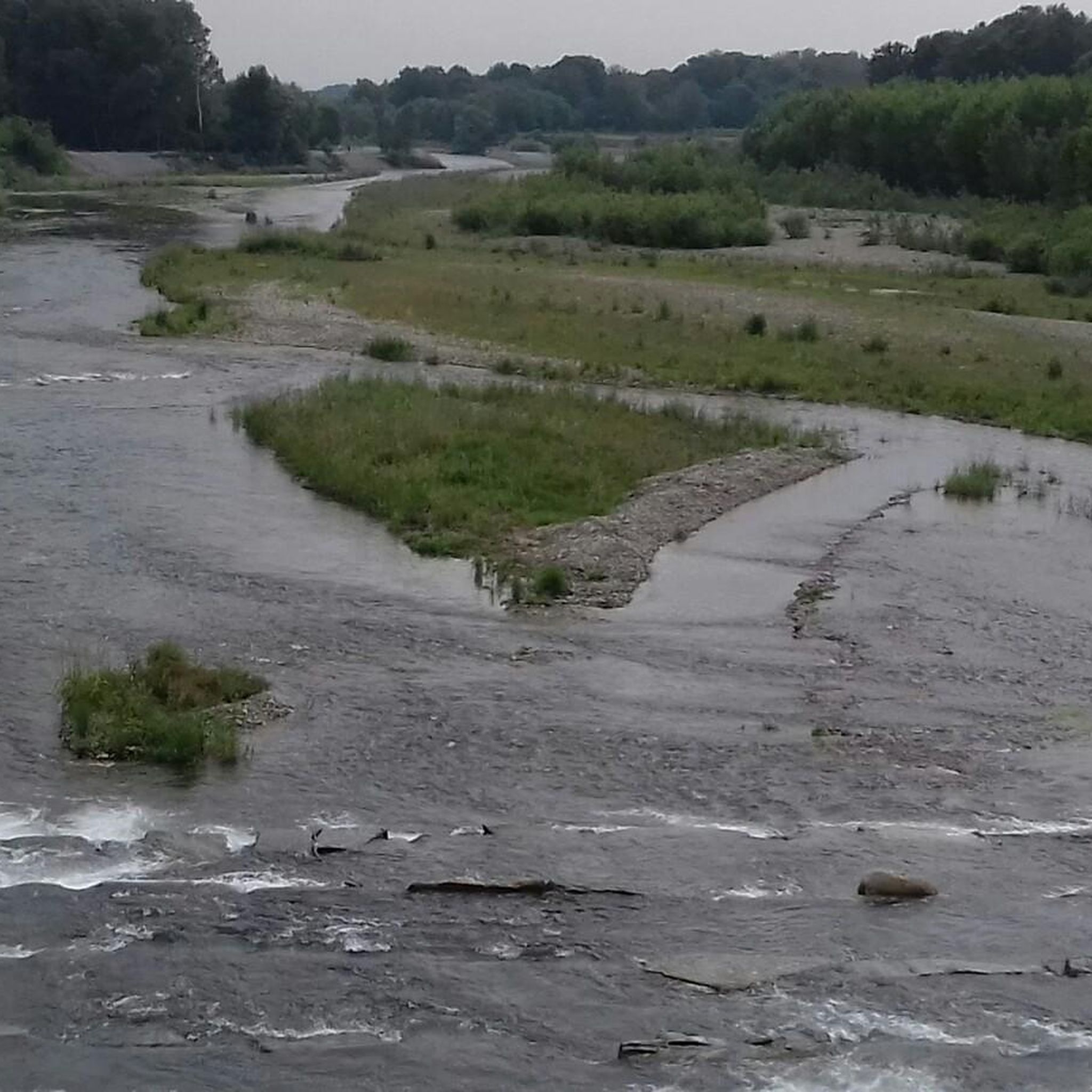
Tips from the Community

The crumbling ruins of the Bonavalle castle are not visitable. The farm and the surrounding buildings are very beautiful and characteristic. They make you think about what the place must have been like at the beginning of the last century, when the castle was still inhabited and in good condition. https://www.paesifantasma.it/Luoghi/castello-bonavalle.html
0
0

Already arriving from the retino you can see how beautiful this castle is, which unfortunately is abandoned but looking at it and having a bit of imagination you understand
0
0

Place of worship and prayer Via della Chiesa, 8, 12030 Murello CN http://www.parrocchiaracconigimurello.org/
1
0

Tiny hamlet, but with some points of interest: the remains of the medieval castle, and the church of Santa Barbara. Maybe it's not worth going there on purpose, but since it's easy to find yourself passing by, it's worth paying a little attention and enjoying what it offers. Water point (fountain) in front of the church (closed in the winter season).
0
0
On the main street of Campiglione appears the villa Luserna di Rorà, a beautiful eighteenth-century building but of earlier origin. Opposite, inside a private park, you can see the castle of Campiglione. Not far away, the parish church of San Giovanni Battista, among the trees and greenery, with its appurtenances. All of the historic Campiglione is condensed into these few square meters, and it is a place worth visiting.
0
0
Particular castle / fortified house, apparently in the middle of nowhere. It is actually on private land, on a farm - which in a sense perpetuates its legacy. Being private it is visible only from the outside. However, it is worth taking a short detour from the Racconigi-Murello provincial road to go and see it - among other things, getting away from traffic, and then being able to reach a nice network of secondary roads and compact dirt roads that are a nice alternative.
1
0
The castle is a thirteenth-century building, originally owned by the Knights Templar, later of the Gerosolimitano Order, and from the 19th century transformed into the residence of the parish priest (still today): as such it cannot be visited, and can only be seen from out. The church of San Giovanni, next to it, was part of the original castle complex, and has been remodeled over time: the current facade dates back to around 1930, and is in neo-Gothic style. The complex has its own charm: if you pass by Murello it is worth making a short detour and go and see it.
1
0
Built in 1300, subsequently remodeled several times, completely restored in the 1980s. Privately owned, it houses conference rooms and wedding venues. Even if it cannot be visited inside, it is still worth a detour to see it from the outside.
0
0
Frequently Asked Questions
What kind of historical buildings can I expect to see in Vigone?
Vigone is known for its significant medieval urban architecture, rather than traditional grand castles. You'll find structures often referred to as "palace-towers" or fortified houses, which reflect the town's historical importance, particularly during the rule of the Savoy-Acaia family. These buildings showcase medieval architectural styles like visible brickwork and pointed arch windows.
What is the historical significance of Vigone's medieval architecture?
The medieval buildings in Vigone, such as the Casa dei Principi d'Acaia e del Fidlè and Torre Acaia di Casa Cimossa, are tangible reminders of Vigone's past under the dominion of the Savoy-Acaia family. They demonstrate characteristic medieval architectural styles of the region and offer a glimpse into the town's rich history and its unique urban fabric.
Can I visit the interior of the medieval palace-towers in Vigone?
Many of Vigone's historical palace-towers, like the Casa dei Principi d'Acaia e del Fidlè, are privately owned and not accessible inside. However, their exteriors remain significant historical landmarks, allowing visitors to appreciate their architecture and historical context from the outside.
Are there any castles near Vigone with a particularly unique history?
Yes, the Templar Castle and Church of San Giovanni of Murello is a thirteenth-century complex originally owned by the Knights Templar. While the castle itself cannot be visited inside, the adjacent church and the overall site offer a fascinating historical charm. Another is Marsaglia Castle and Battle Memorial, where remains of the castle are incorporated into a farmhouse, commemorating a significant battle from 1693.
What outdoor activities can I do near the castles around Vigone?
The area around Vigone offers various outdoor activities. You can explore numerous cycling routes, including easy, moderate, and difficult options, such as the 'Old Scalenghe Station – View of Lago Rosso loop'. There are also hiking trails like the 'Ochette Trail' and 'Guido Beltramo Trail'. For gravel biking enthusiasts, routes like 'Zucchea Ford – Sforzini Square, Cavour loop' are available. You can find more details on these activities in the respective guides for cycling, hiking, and gravel biking around Vigone.
Are there family-friendly historical sites near Vigone?
Yes, Villa Luserna di Rorà, Campiglione Castle and Church of San Giovanni Battista is considered family-friendly. This beautiful eighteenth-century building, with the castle of Campiglione visible within a private park, offers a pleasant historical experience for all ages.
What is the best time of year to visit the castles and historical sites around Vigone?
While specific opening hours for interiors are limited, the exteriors of Vigone's medieval buildings and nearby castles can be appreciated year-round. Spring and autumn generally offer pleasant weather for exploring the region and its outdoor activities, making them ideal for combining historical visits with cycling or hiking.
Are there any castles near Vigone that are still privately owned?
Yes, Macello Castle, built in 1300 and later restored, is privately owned. It houses conference rooms and wedding venues, and while it cannot be visited inside, its exterior is still worth seeing. Similarly, the Campiglione Castle, part of Villa Luserna di Rorà, is visible within a private park.
Can I find any viewpoints near the historical sites in Vigone?
While the historical buildings in Vigone itself are more about urban medieval architecture, the surrounding region offers various routes for outdoor activities. These routes, such as those for cycling and hiking, often lead to scenic spots and viewpoints in the broader area around Vigone.
What should I wear when visiting the historical sites and doing outdoor activities around Vigone?
For exploring the historical sites, comfortable walking shoes are recommended, as you'll likely be walking through town centers and potentially on uneven surfaces. If you plan to engage in outdoor activities like hiking or cycling, appropriate sportswear, layers, and sturdy footwear are advisable, depending on the season and specific activity.
Are there any hidden gem castles or historical sites in the Vigone area?
Beyond the more prominent mentions, the charm of Vigone lies in its preserved medieval urban fabric, with porticoes and historical buildings like the Casa Torre. Palazzo Famiglia Della Riva. These less-publicized structures, even if altered, contribute significantly to the town's medieval character and can be considered hidden gems for those interested in local history and architecture.
Most popular attractions around Vigone

Get inspired with the komoot mobile app


Explore more
Looking for the best castles somewhere else? Discover other guides around Vigone:
