Top 10 Castles around Quagliuzzo
Best castles around Quagliuzzo are found within the surrounding Canavese region in Piedmont, Italy. This area is characterized by its historical fortresses and stately homes, set amidst a landscape shaped by the Dora Baltea river and ancient moraine formations. The region offers a blend of natural beauty and significant cultural heritage, including UNESCO World Heritage sites.
Best castles around Quagliuzzo
- The most popular castles is Ivrea Historic Centre and the Dora Baltea Riverside, a historical site that features a…
Last updated: August 23, 2026
Ivrea Historic Centre and the Dora Baltea Riverside
Highlight • Historical Site
Translated by Google •
Tip by

Agliè - the historic town center
Highlight • Historical Site
Translated by Google •
Tip by

Sign up now to discover places like this
Get recommendations on the best single tracks, peaks, & plenty of other exciting outdoor places.
Sign up for free
Ivrea Castle
Highlight • Castle
Translated by Google •
Tip by

San Martino
Highlight • Settlement
Translated by Google •
Tip by
Agliè Castle
Highlight • Castle
Translated by Google •
Tip by
Sign up for free to discover even more castles around Quagliuzzo.
Sign up for free
Already have an account?
Start today with a free account
Your next adventure awaits.
Login or Signup

Tips from the Community

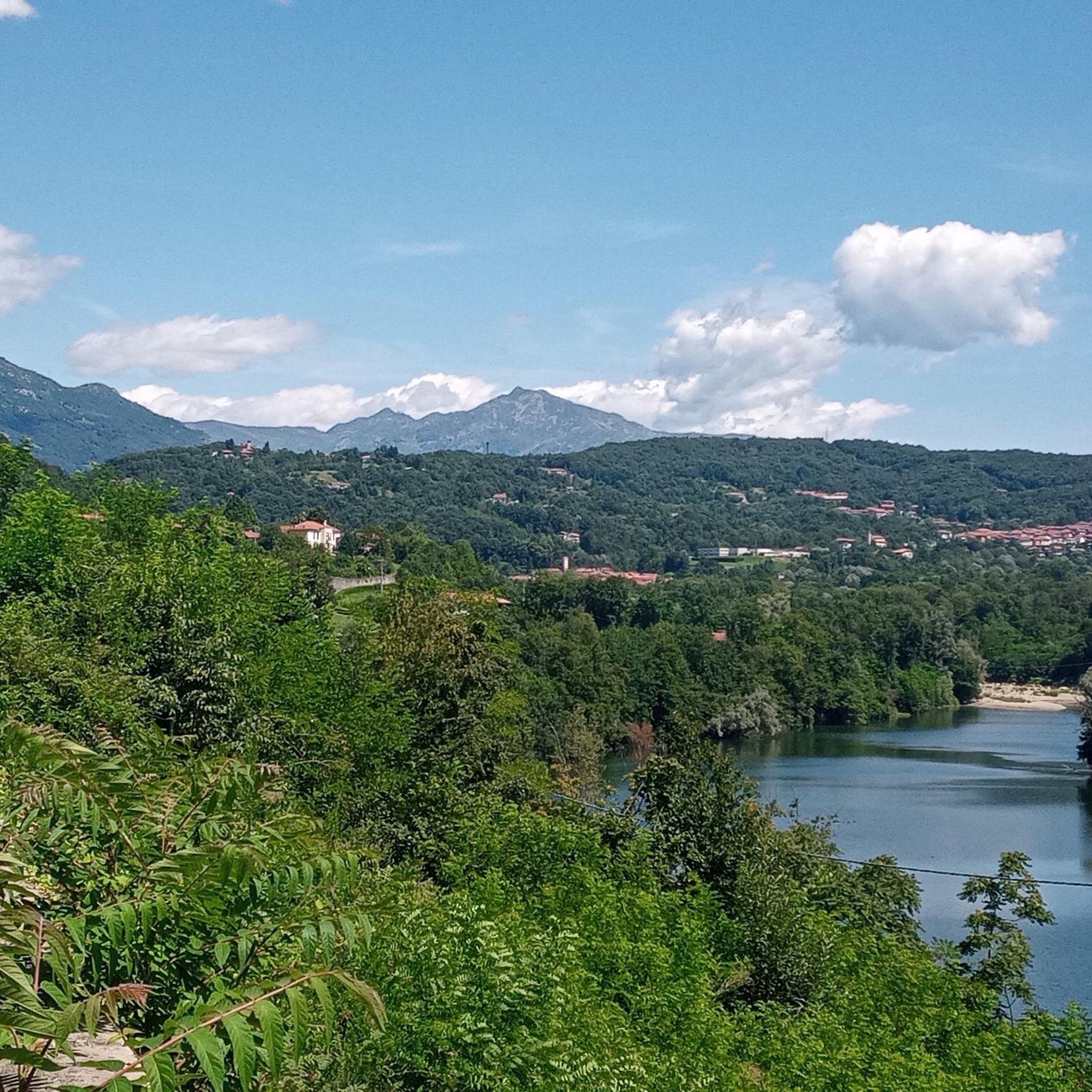
Beautiful old town with imposing buildings and views of the mountains.
0
0

Agliè, an enchanting village in the heart of Canavese, boasts a thousand-year history that has its roots in the Roman era. The original nucleus, probably located on the hills of the current hamlet of Santa Maria delle Grazie, was known as "Macunciacum" and depended on the Abbazia Fruttuaria di San Benigno. Agliè, as a fortified village, emerges in documents in 1141, when the feudal lords of Canavese divided the territory. The town became one of the lands of the San Martino di Rivarolo and Agliè, a family that would profoundly mark the history of the village. Despite the feudal struggles that raged in the region, Agliè maintained relative stability, even if it was not immune to looting and devastation. With the arrival of the Savoy, Agliè experienced a period of growth and development. In 1448, the village obtained municipal statutes, a sign of autonomy and recognition. The most emblematic figure of this period was Count Filippo San Martino di Agliè, a man of culture and prominent politician. Minister of Cristina of France, regent of the Duchy of Savoy, Filippo transformed the castle of Agliè into a sumptuous residence, enriching it with works of art and gardens. Today, Agliè is a village that preserves its historical and artistic charm intact. The Ducal Castle, with its gardens and richly decorated rooms, is an unmissable destination for visitors. The streets of the village, with their stone houses and noble palaces, tell the story of a place that has managed to preserve its identity over the centuries.
0
0
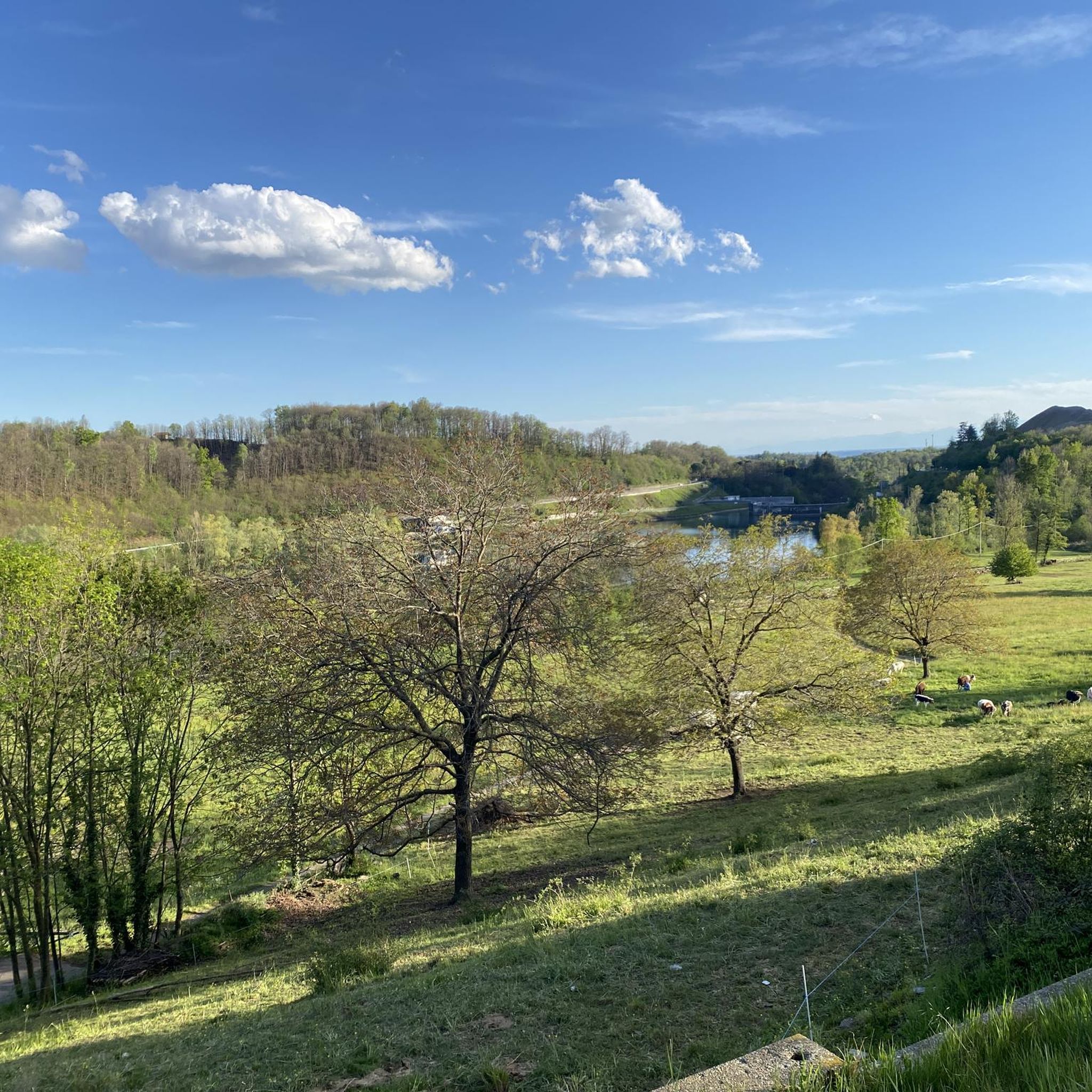
Nestled in the rolling hills of Morena Ovest, the village of San Martino enchants visitors with its ancient charm and evocative atmosphere. Its history has its roots in the distant 11th century, when the construction of the majestic Torre-porta maggiore marked the beginning of the settlement. It was a fortified village, surrounded by mighty walls and moats that guaranteed its defense. The walls, made with pebbles arranged in a herringbone pattern and reinforced by megaliths still visible on the north side, testify to the construction skill of the time. Along the perimeter of the walls, there were at least six tower-gates, smaller in size than the main tower, which allowed access to the village. The village of San Martino was long linked to the powerful family of the Counts of San Martino, who exercised control over it for centuries. Their presence is evidenced by numerous historic buildings, including the castle, now in ruins, which dominated the village from above.
0
0
A UNESCO World Heritage Site since 1997, the Ducal Castle of Agliè is perhaps the most significant architectural work in the Canavese area. The current appearance of the majestic castle is the result of four major construction phases, which led it to change its shape over the centuries, transforming it from a fortified building from the Middle Ages to a true royal residence, as can still be admired today.
1
0

Passage made during Erratico Gravel
0
0

The Castello di Ivrea, also known as the “Castello dalle rosse torri” (Castle of the Red Towers), is an impressive medieval castle that towers over the town of Ivrea in the Piedmont region. The castle was built in 1358 by order of Amedeo VI of Savoy, also known as the Conte Verde. It served as a symbol of Savoyard rule over Ivrea and Canavese, mainly for defensive purposes. It stands on a hill overlooking the town and the road to the Valle d’Aosta. The castle has four imposing round towers that characterize its structure. These towers, each 34 meters high, are located next to the cathedral and the bishop’s palace. The castle walls were once surrounded by a wide moat, and the only access was via a drawbridge. From the battlements, defenders could throw stones and boiling water at attackers. Unfortunately, the interior of the castle was completely dismantled and altered when it served as a political and criminal prison from 1700 to 1970. Once a stronghold of power and defense, the castle was transformed by time and the changing needs of society.
1
0
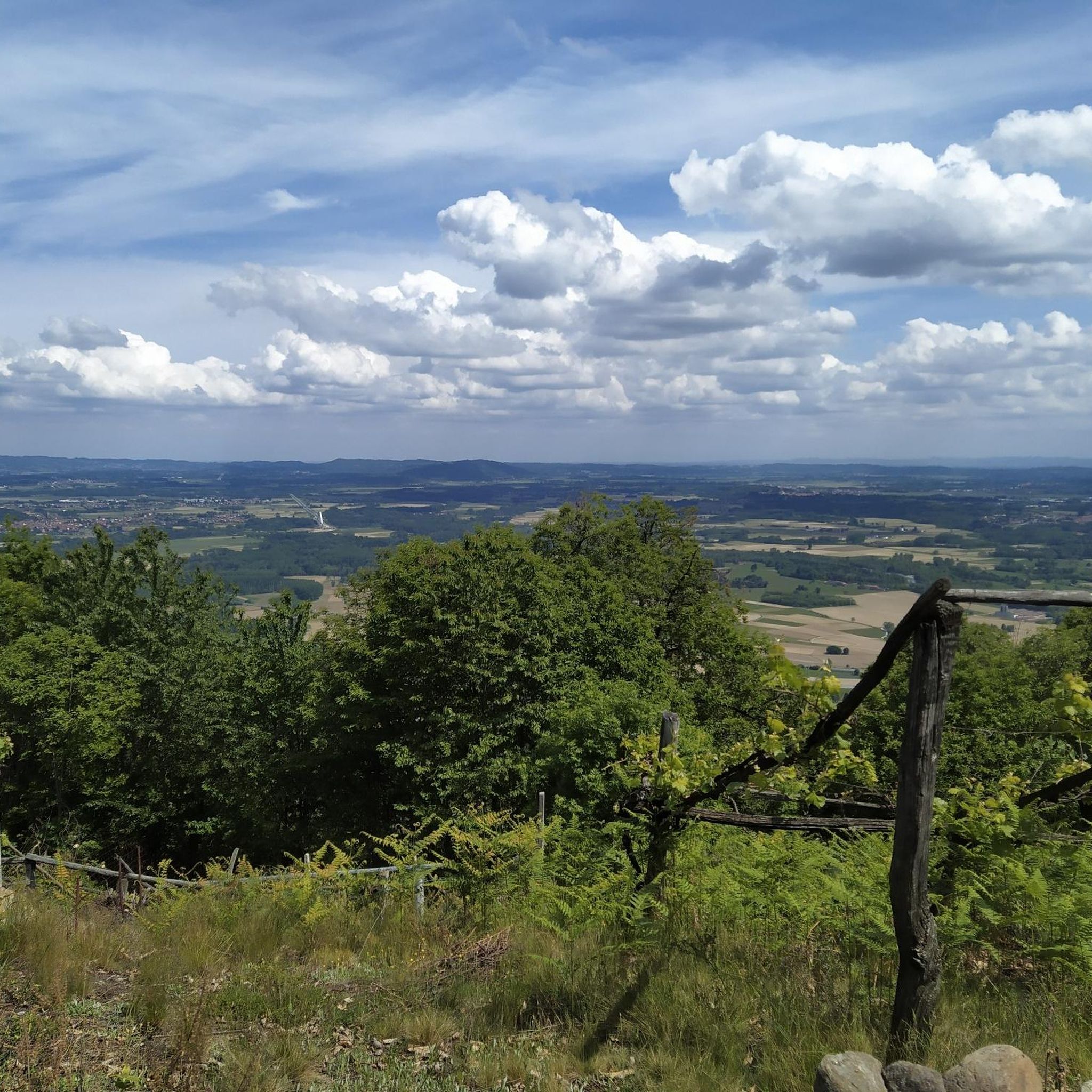
Ivrea, the cradle of the Olivetti company and its famous typewriters, is located on the right bank of the Dora Baltea, west of the Serra di Ivrea, the largest moraine wall in Europe. The silhouette of a 14th century castle rises above the city. In the upper town there is also the originally Romanesque Duomo, which was renovated in the 19th century. On the other bank of the Dora, near Via Jervis, the old Olivetti factories have been converted into Musea dell'Architecture Moderna.
9
0

So much history in just one castle. In the city of Ivrea the large Castle was once the residence of the Savoys, before becoming a military garrison. In addition to this, it was then transformed and used as a prison. The location is very strategic as is the very characteristic structure.
2
0
Frequently Asked Questions
What are some of the most impressive castles to visit near Quagliuzzo?
The Canavese region, surrounding Quagliuzzo, is home to several impressive castles. The Ducal Castle of Agliè is a grand Savoyard residence and UNESCO World Heritage site. Ivrea Castle, known for its red towers, offers a rich history from a Savoy residence to a prison. Rivara Castle, while not a komoot highlight, is notable for its blend of historical architecture and contemporary art exhibitions. Castello di Foglizzo provides a glimpse into medieval life with its beautifully decorated interiors.
Are there any UNESCO World Heritage sites among the castles in the Canavese region?
Yes, the Ducal Castle of Agliè is a UNESCO World Heritage site, recognized as part of the Royal Residences of Savoy. Additionally, the city of Ivrea, which features the Ivrea Historic Centre and the Dora Baltea Riverside and Ivrea Castle, is also a UNESCO site for its 20th-century industrial architecture.
What kind of historical periods do the castles around Quagliuzzo represent?
The castles in the Canavese region span several historical periods. You can find medieval defensive fortresses, such as the original core of the Ducal Castle of Agliè and Castello di Foglizzo, which likely has late-Roman origins. Many were later transformed into elegant stately homes and royal residences, reflecting Baroque and other architectural styles, particularly during their time as Savoy properties.
Are there family-friendly castles to visit near Quagliuzzo?
Yes, several castles and historical sites in the area are suitable for families. The Ducal Castle of Agliè, with its extensive gardens and rich history, is a great option. The historic town center of Agliè, which includes the castle, is also noted as family-friendly. Exploring the Ivrea Historic Centre can also be an engaging experience for all ages.
What outdoor activities can I do near these castles?
The region around Quagliuzzo offers various outdoor activities. You can find numerous hiking trails, such as the moderate Bric Carleva and Torre Cives — Ring tour or the more challenging West Moraine Main Loop. For gravel biking enthusiasts, routes like the Ivrea Canal – Lake Bertignano loop are available. Running trails, including the Ivrea Morainic Amphitheater High Route, also provide opportunities to explore the natural beauty. You can find more details on these activities in the hiking around Quagliuzzo guide, gravel biking around Quagliuzzo guide, and running trails around Quagliuzzo guide.
What natural features can I expect to see around the castles?
The castles are set within the picturesque Canavese region, characterized by its moraine formations and the Dora Baltea river. Near Ivrea, you'll find the Dora Baltea riverside and several minor lakes like Sirio and San Michele. The Ducal Castle of Agliè is surrounded by elaborate gardens, including an Italian garden and a vast park with century-old trees.
What is the best time of year to visit the castles near Quagliuzzo?
The Canavese region generally offers pleasant weather for visiting castles from spring through autumn. Spring (April-May) brings blooming gardens, while autumn (September-October) provides comfortable temperatures and beautiful fall foliage. Summer (June-August) is also popular, though it can be warmer. Some castles, like Castello di Foglizzo, may have specific opening days, sometimes on Sundays, so checking ahead is advisable.
Are there any castles that focus on art or cultural exhibitions?
Yes, Rivara Castle stands out as a significant contemporary art center. It hosts numerous exhibition spaces and ateliers for Italian and international artists, and features a permanent collection. This castle offers a unique blend of historical architecture and modern cultural experiences, making it ideal for art enthusiasts.
How long should I plan for a visit to one of these castles?
The duration of a visit can vary depending on the castle. For a comprehensive site like the Ducal Castle of Agliè, with its over 300 rooms and extensive gardens, you might want to allocate at least 2-3 hours, or even half a day to fully explore. Smaller castles or those with specific tour times, like Castello di Foglizzo, might require 1-2 hours. It's always a good idea to check the specific castle's website for tour durations and opening hours.
What do visitors enjoy most about the castles in this region?
Visitors frequently appreciate the rich history and architectural beauty of the castles. The Ducal Castle of Agliè is often praised for its characteristic beauty and its status as a UNESCO site. The imposing structure and historical significance of Ivrea Castle, with its red towers, also captivate visitors. The overall charm of historic town centers like Agliè and the scenic views of the surrounding landscape are also highly valued.
Is public transport available to reach the castles around Quagliuzzo?
While specific public transport routes directly to every castle might vary, the region is generally accessible. Ivrea, a central hub with its own castle and historic center, is well-connected. For castles like the Ducal Castle of Agliè in Agliè, local bus services or regional trains to nearby towns followed by a short taxi or walk might be options. It's recommended to check local transport schedules for the specific castle you plan to visit.
Are there any castles that offer good viewpoints of the surrounding area?
Many castles, due to their strategic defensive positions, offer excellent viewpoints. Ivrea Castle, located in the upper part of the city, provides strategic views. The Ivrea Historic Centre itself, with the castle silhouette rising above, offers picturesque scenes of the city and the Dora Baltea. The fortified village of San Martino, though its castle is in ruins, was historically positioned for defense and would have commanded views of the Morena Ovest hills.
Most popular routes around Quagliuzzo
Most popular attractions around Quagliuzzo

Get inspired with the komoot mobile app


Explore more
Looking for the best castles somewhere else? Discover other guides around Quagliuzzo:
