Top 8 Castles around Salassa
Best castles around Salassa are found in the wider Piedmont region of Italy, an area rich with historical fortifications. While Salassa itself does not host prominent castles, its location provides access to several notable historical sites. The region is characterized by its blend of medieval origins and later transformations into lavish ducal residences. This historical landscape offers a deep dive into the past of the Metropolitan City of Turin.
Best castles around Salassa
- The most popular castles is View of…
Last updated: June 30, 2026
Agliè - the historic town center
Highlight • Historical Site
Translated by Google •
Tip by

View of Pont Canavese from above
Highlight • Viewpoint
Translated by Google •
Tip by

Sign up now to discover places like this
Get recommendations on the best single tracks, peaks, & plenty of other exciting outdoor places.
Sign up for free
San Martino
Highlight • Settlement
Translated by Google •
Tip by
Rivara Castle
Highlight • Castle
Translated by Google •
Tip by

Agliè Castle
Highlight • Castle
Translated by Google •
Tip by
Sign up for free to discover even more castles around Salassa.
Sign up for free
Already have an account?
Start today with a free account
Your next adventure awaits.
Login or Signup


Tips from the Community

Beautiful old town with imposing buildings and views of the mountains.
0
0

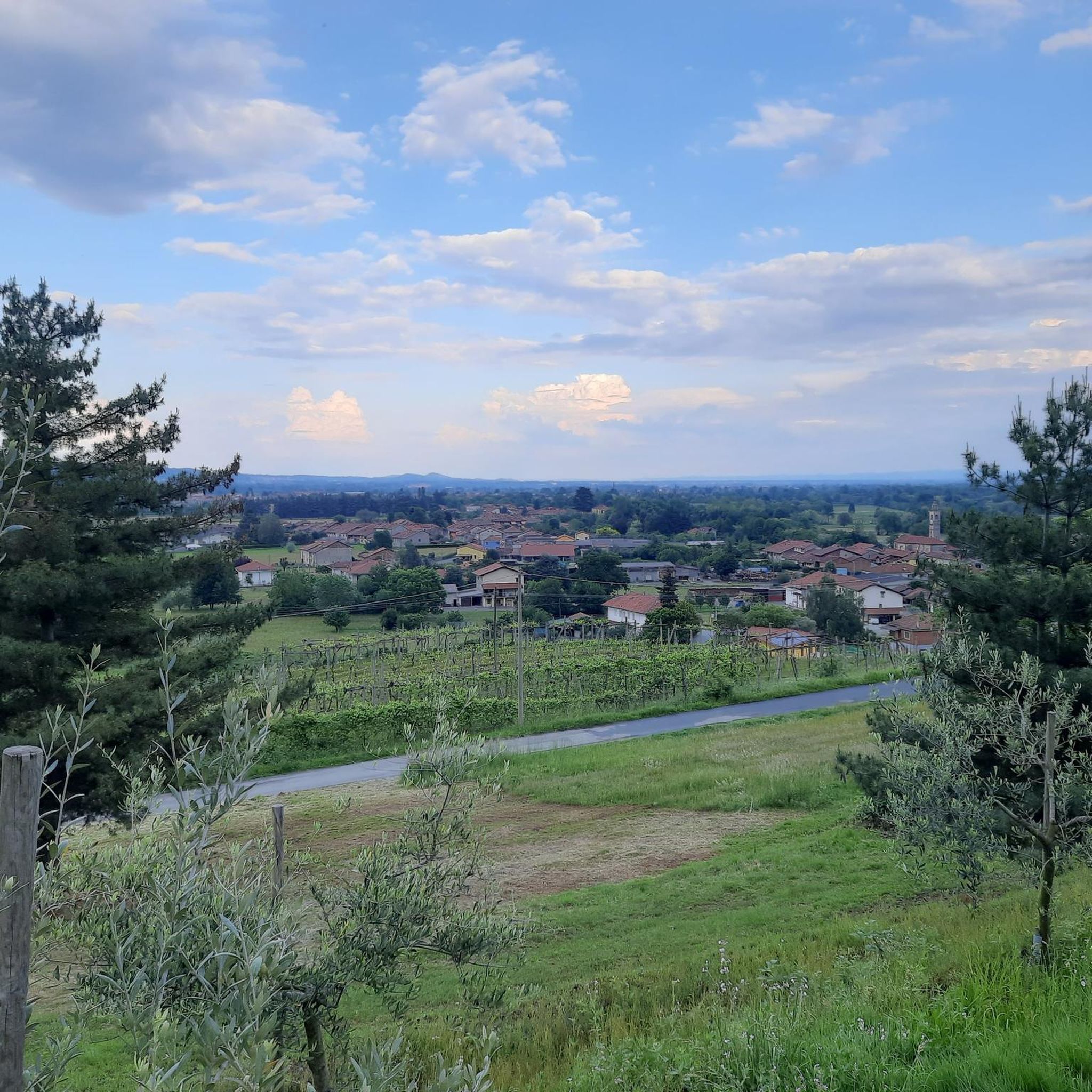
Agliè, an enchanting village in the heart of Canavese, boasts a thousand-year history that has its roots in the Roman era. The original nucleus, probably located on the hills of the current hamlet of Santa Maria delle Grazie, was known as "Macunciacum" and depended on the Abbazia Fruttuaria di San Benigno. Agliè, as a fortified village, emerges in documents in 1141, when the feudal lords of Canavese divided the territory. The town became one of the lands of the San Martino di Rivarolo and Agliè, a family that would profoundly mark the history of the village. Despite the feudal struggles that raged in the region, Agliè maintained relative stability, even if it was not immune to looting and devastation. With the arrival of the Savoy, Agliè experienced a period of growth and development. In 1448, the village obtained municipal statutes, a sign of autonomy and recognition. The most emblematic figure of this period was Count Filippo San Martino di Agliè, a man of culture and prominent politician. Minister of Cristina of France, regent of the Duchy of Savoy, Filippo transformed the castle of Agliè into a sumptuous residence, enriching it with works of art and gardens. Today, Agliè is a village that preserves its historical and artistic charm intact. The Ducal Castle, with its gardens and richly decorated rooms, is an unmissable destination for visitors. The streets of the village, with their stone houses and noble palaces, tell the story of a place that has managed to preserve its identity over the centuries.
0
0
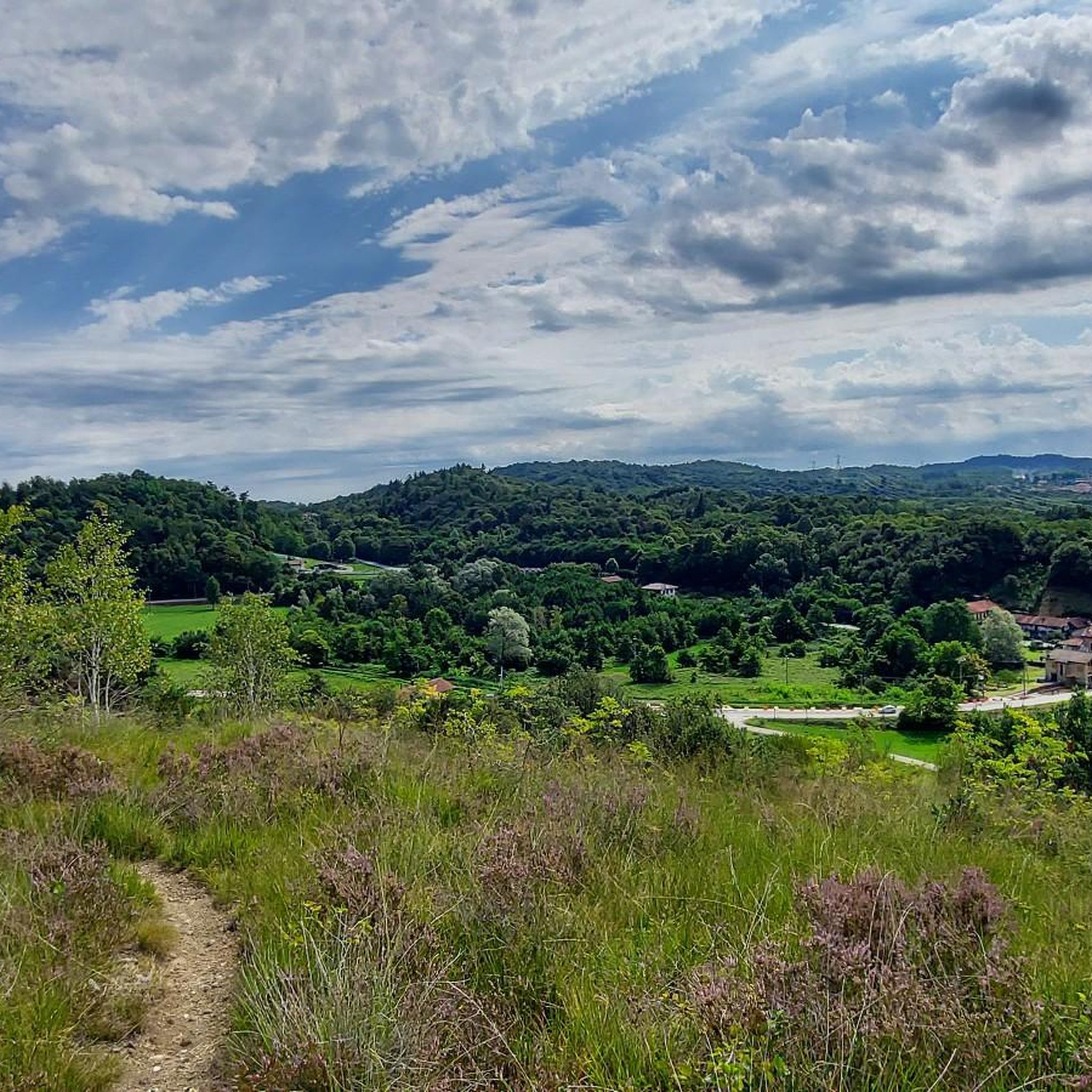
Nestled in the rolling hills of Morena Ovest, the village of San Martino enchants visitors with its ancient charm and evocative atmosphere. Its history has its roots in the distant 11th century, when the construction of the majestic Torre-porta maggiore marked the beginning of the settlement. It was a fortified village, surrounded by mighty walls and moats that guaranteed its defense. The walls, made with pebbles arranged in a herringbone pattern and reinforced by megaliths still visible on the north side, testify to the construction skill of the time. Along the perimeter of the walls, there were at least six tower-gates, smaller in size than the main tower, which allowed access to the village. The village of San Martino was long linked to the powerful family of the Counts of San Martino, who exercised control over it for centuries. Their presence is evidenced by numerous historic buildings, including the castle, now in ruins, which dominated the village from above.
0
0
A UNESCO World Heritage Site since 1997, the Ducal Castle of Agliè is perhaps the most significant architectural work in the Canavese area. The current appearance of the majestic castle is the result of four major construction phases, which led it to change its shape over the centuries, transforming it from a fortified building from the Middle Ages to a true royal residence, as can still be admired today.
1
0

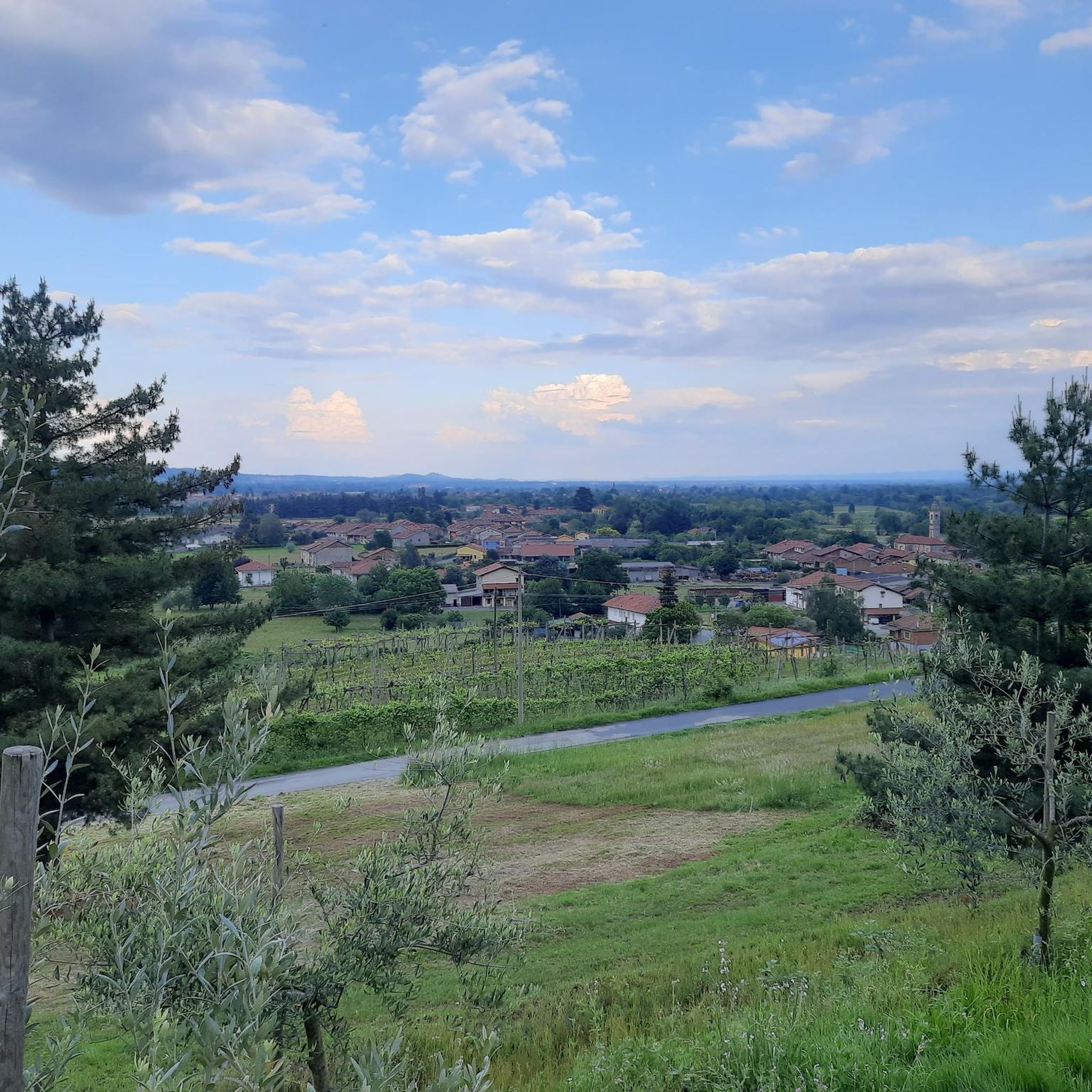
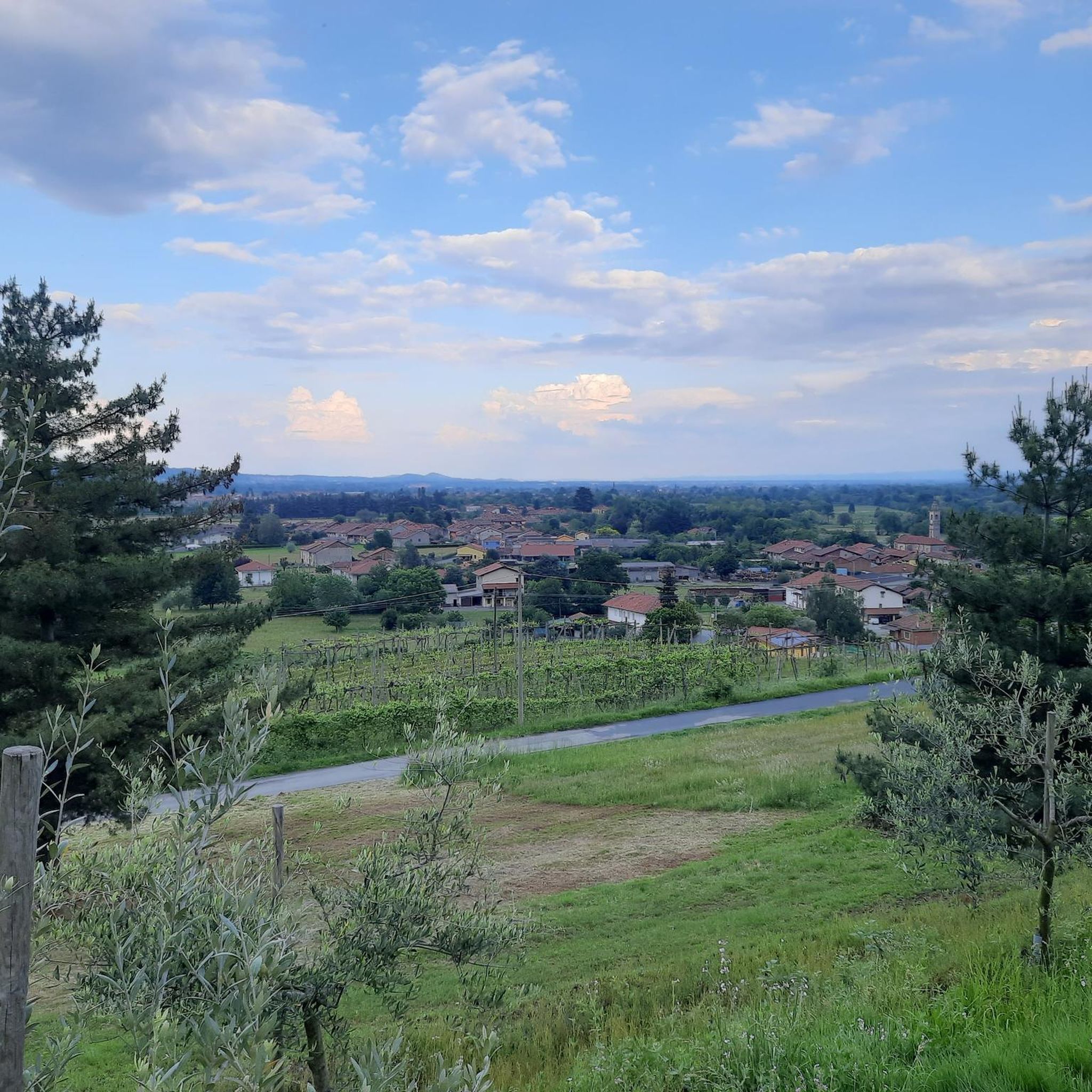
Pont Canavese is located like an enchanted village at the foot of the mountains, located between the Soana valley and the Orco valley. Its towers and stone houses clearly convey its medieval past. Right below this suggestive location stands the hermitage of Santa Maria in Doblazio, an ancient parish church that dates back to around the year one thousand, giving an aura of antiquity to the village.
1
0

The castle of Rivara, an important seat of the Cenacle of painters of the Rivara school, is located 30 kilometers from Turin in the Canavese valleys. It is made up of three distinct buildings: the medieval castle, the neo-baroque villa and the stables, surrounded by a park of over 45,000 square metres. Inside, numerous ateliers and rooms regularly host Italian and foreign artists. The multifunctional exhibition space is 2,530 square meters, and the artistic direction was entrusted to Franz Paludetto from 1985 to 2023, the year of his death.
2
0

Between the waters of Orco and Soana, at the point of their meeting at the mouth of the Franco-Provençal valleys of the same name, stands Pont Canavese.
14
0

Pont Canavese is a village at the foot of the mountains located at the fork that separates the Val Soana from the Orco Valley. Its towers and stone houses make you understand the medieval soul of the city. The abbey that stands out, easily visible on leaving the village, is the ancient parish church of Santa Maria in Doblazio
6
0
Frequently Asked Questions
What are the most significant castles to visit near Salassa?
While Salassa itself doesn't host prominent castles, the surrounding Piedmont region offers several notable historical sites. The most significant is the Ducal Castle of Agliè, a former medieval fortress transformed into a lavish royal residence and a UNESCO site. You can explore its rich history and beautiful gardens. Another important site is Rivara Castle, located about 30 kilometers from Turin, featuring three distinct buildings and a large park. The historic town center of Agliè also preserves its historical and artistic charm, with the Ducal Castle as its centerpiece.
Are there any family-friendly castles or historical sites around Salassa?
Yes, the Ducal Castle of Agliè is considered family-friendly, offering extensive gardens and richly decorated rooms that can appeal to visitors of all ages. The historic town center of Agliè, which includes the castle, is also categorized as family-friendly, providing an engaging historical experience for families.
What kind of history do the castles near Salassa represent?
The castles near Salassa showcase a rich history spanning from medieval origins to their transformation into opulent ducal and royal residences. Many, like the Ducal Castle of Agliè, began as defensive fortresses in the Roman or medieval era and were later expanded and adorned by noble families, such as the Savoy. This evolution reflects centuries of regional power struggles, architectural changes, and cultural development in the Piedmont region.
What outdoor activities can I do near these castles?
The area around Salassa and its castles is excellent for various outdoor activities. You can enjoy hiking on trails like the moderate 'Alpini Memorial Monument – Sanctuary of Belmonte loop from Salassa' or the 'From San Giorgio Canavese to Castellamonte (via Trail 132)'. For cycling, there are challenging routes such as the 'View of Castello di Valperga – Pian del Lupo loop'. Gravel biking is also popular, with routes like the 'Bairo Mill – Naviglio di Ivrea loop'. You can find more details on these activities in the Hiking around Salassa, Cycling around Salassa, and Gravel biking around Salassa guides.
Are there any castles that offer scenic viewpoints?
Yes, the area provides excellent viewpoints. For instance, the View of Pont Canavese from above offers a picturesque glimpse into the medieval character of Pont Canavese, with its towers and stone houses set against the backdrop of the mountains. While not a castle itself, this viewpoint provides a historical perspective of a fortified settlement.
What is the best time of year to visit the castles around Salassa?
The best time to visit the castles and historical sites around Salassa is generally during the spring (April-June) and autumn (September-October). During these seasons, the weather is pleasant for exploring the castle grounds and gardens, such as those at the Ducal Castle of Agliè, and for enjoying outdoor activities like hiking and cycling. Summer can be warm, while winter might offer a different, quieter charm, though some attractions might have reduced hours.
Are there any castles near Salassa that are now in ruins but still worth visiting for their historical significance?
Yes, the village of San Martino, nestled in the Morena Ovest hills, has roots in the 11th century as a fortified village. While its castle is now in ruins, the remaining walls and megaliths testify to its ancient defensive skill. Additionally, the Castello di Avigliana Diroccato, one of the oldest castles in Piedmont dating back to the 10th century, is largely in ruins but offers significant historical insight and overlooks the village of Avigliana and its lakes.
What are some unique features of Rivara Castle?
Rivara Castle is distinctive for being composed of three separate buildings: a medieval castle, a neo-baroque villa, and stables. These are all set within a vast park spanning over 45,000 square meters. It also has a history as an important seat for the Cenacle of painters of the Rivara school, and its numerous ateliers and exhibition spaces regularly host Italian and foreign artists.
Can I find accommodation or dining options near the castles?
Yes, the towns surrounding the castles, such as Agliè, Rivarolo Canavese, and other villages in the Canavese area, offer various accommodation options from hotels to guesthouses. You'll also find cafes and restaurants serving local Piedmontese cuisine. For example, Castello di Pavone Canavese, though a bit further, now houses a hotel and restaurant, offering a unique blend of history and modern hospitality.
What makes the Ducal Castle of Agliè a UNESCO World Heritage site?
The Ducal Castle of Agliè is part of the 'Residences of the Royal House of Savoy' UNESCO World Heritage site. It earned this recognition for its outstanding architectural grandeur, its historical significance as a former royal residence, and its beautifully preserved gardens. It represents a blend of architectural styles reflecting its evolution over centuries, from a medieval fortress to a lavish ducal palace.
Are there any royal palaces near Salassa that are similar to castles?
While more of a royal palace than a traditional castle, the Reggia di Venaria Reale is a grand estate built in 1660 and served as a primary residence for the Savoy rulers. It features impressive 17th to 19th-century furnishings and extensive French-style royal gardens. It offers a similar experience to visiting a grand castle, focusing on royal heritage and opulent architecture.
How much time should I allocate to visit a castle like the Ducal Castle of Agliè?
To fully appreciate the Ducal Castle of Agliè, including its richly decorated rooms and magnificent gardens, it is recommended to allocate at least half a day. This allows for a comprehensive tour of the interiors and a leisurely stroll through the extensive grounds. If you plan to explore the historic town center of Agliè as well, a full day might be more suitable.
Most popular routes around Salassa
Most popular attractions around Salassa

Get inspired with the komoot mobile app


Explore more
Looking for the best castles somewhere else? Discover other guides around Salassa:
