Top 6 Castles around Stroppiana
Best castles around Stroppiana are located in the Vercelli province of Piedmont, Italy, a region characterized by its agricultural plains and historical heritage. While Stroppiana features the 18th-century Palazzo Langosco di Stroppiana, which houses Roman artifacts and decorative arts, the surrounding area offers a variety of historical fortifications. These structures provide insights into the rich past of the Monferrato region. The area is known for medieval castles, historical towers, and fortified settlements.
Best castles around Stroppiana
- The most popular castle…
Last updated: October 16, 2026
Monferrato Castle (Castello del Monferrato)
Highlight • Castle
Translated by Google •
Tip by

View of Castello di San Giorgio
Highlight • Viewpoint
Showing Translation
Tip by

Sign up now to discover places like this
Get recommendations on the best single tracks, peaks, & plenty of other exciting outdoor places.
Visconti Castle
Highlight • Castle
Translated by Google •
Tip by

Torre dei Visconti
Highlight • Monument
Translated by Google •
Tip by
Desana Castle and Town Hall
Highlight • Castle
Translated by Google •
Tip by

Sign up for free to discover even more castles around Stroppiana.
Already have an account?
Start today with a free account
Your next adventure awaits.


Tips from the Community

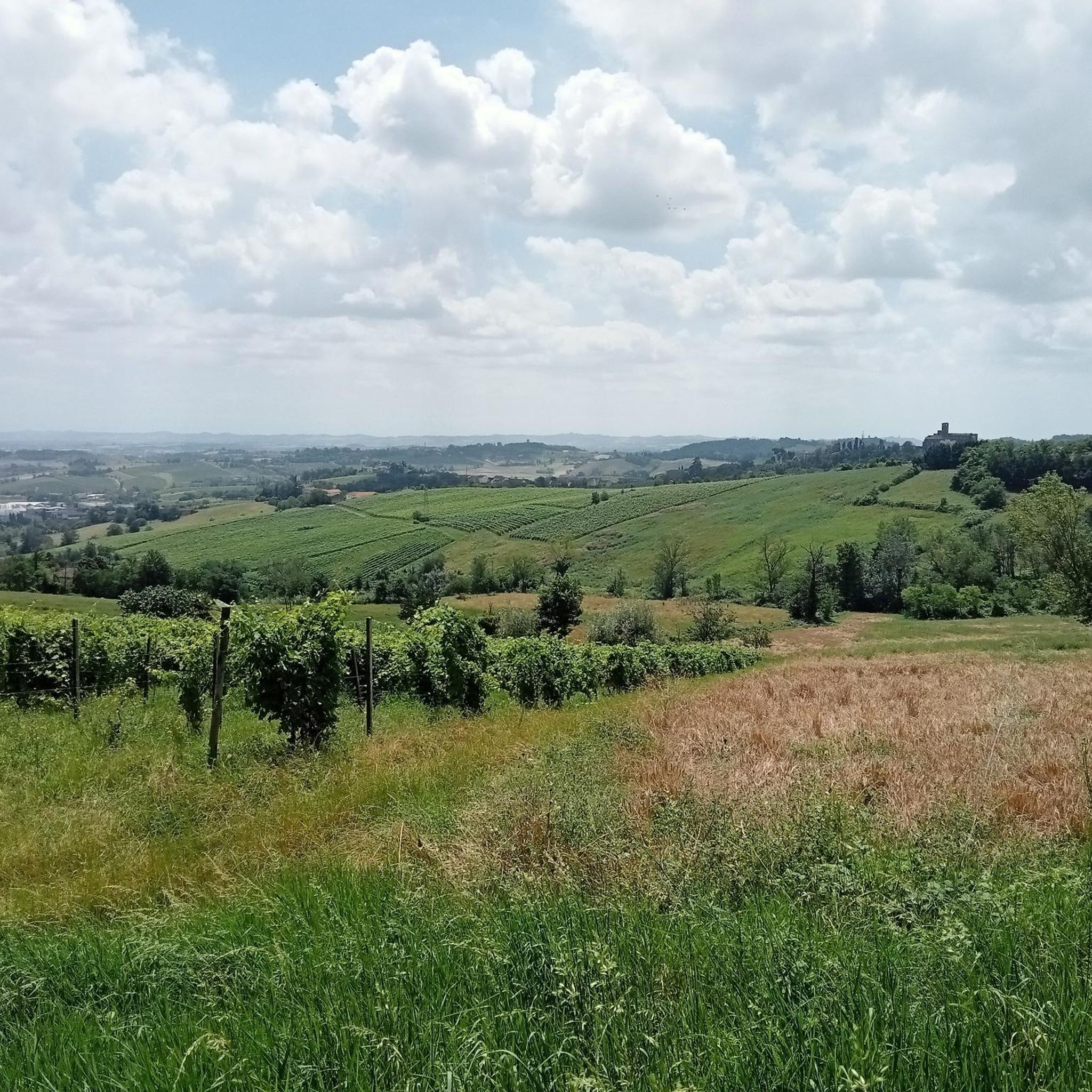
The view of the castle of San Giorgio Monferrato is one of the most evocative panoramas of the Monferrato hills. The castle dominates the town from the top of a hill and stands out clearly in the surrounding landscape.
14
0

The mighty structure of the Castle of San Giorgio dominates the surrounding valleys. The central tower of the castle dates back to around the 9th century, and was built on a spur of rock essentially for sighting purposes. Later the tower was surrounded by four towers with the construction of a defensive structure. Later, a new body was built between the original tower and the towers to contain a larger garrison of soldiers. Later the castle was transformed into a residential palace and in the 19th century it was further expanded. In my opinion, the most singular aspect of the castle is that, starting from the foundation of the original watchtower and up to today, the castle has always been inhabited.
3
0

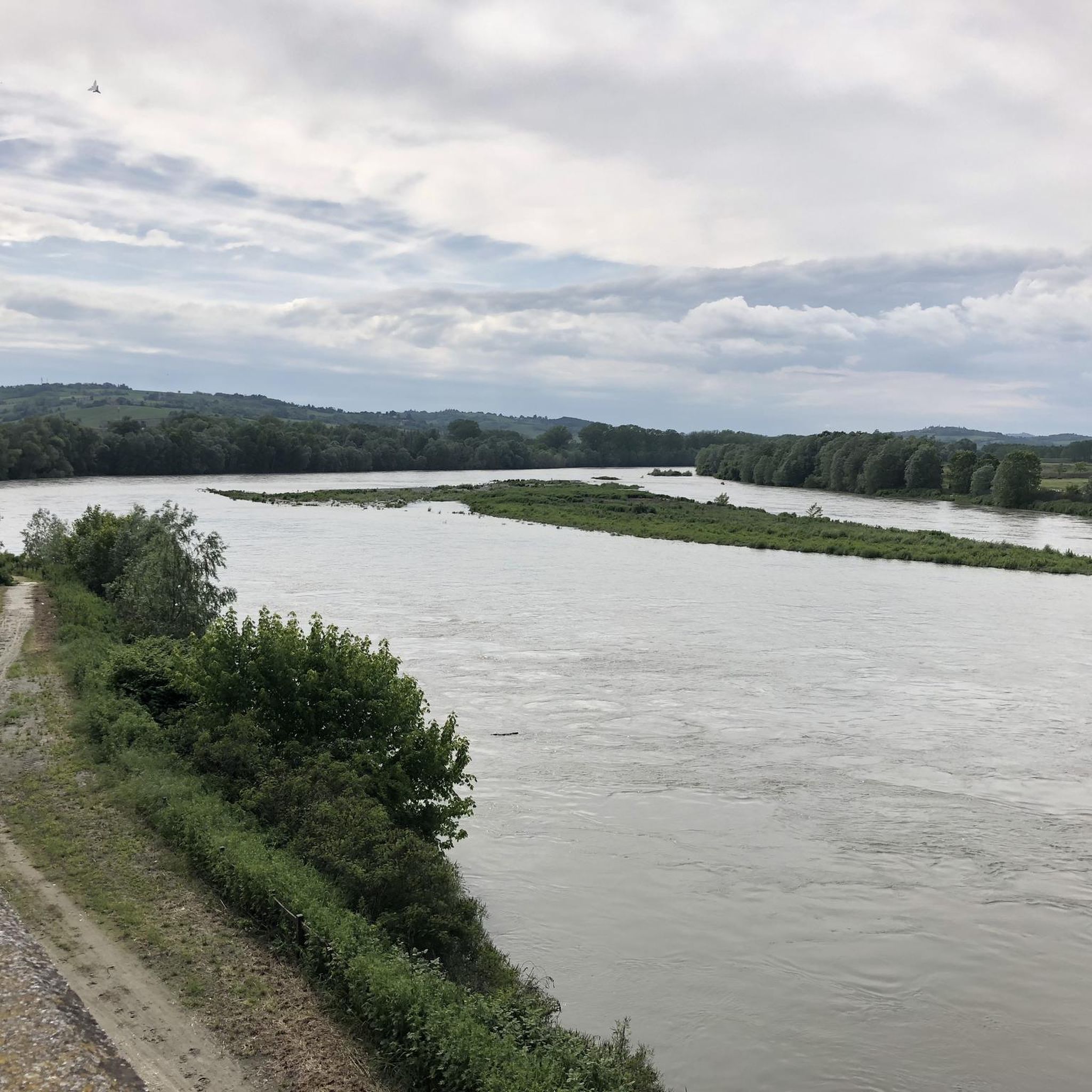
On the edge of a natural terrace of the Sesia river, in a short side street from Piazza Vodano you can admire the beautiful and solid tower that in ancient times was part of the medieval castle known as Torre dei Visconti, dating from the twelfth century. In compact red bricks, it has a square plan and is crowned by split battlements resting on a triple motif of sawtooth stones. In ancient times, a few small windows on either side served as light connections. The building was probably connected to the early medieval castrum of which traces have been lost: documents dating from the eleventh and thirteenth centuries indicate the fortified complex "Castro della torre".
6
0
The Visconti Castle in Vercelli, Italy, is a medieval castle that stands proudly in the heart of the city. Built at the end of the 13th century, the castle has undergone several transformations over the years. Today it serves as the seat of the Tribunal of Vercelli. The original design, attributed to Matteo Visconti, follows the classic pattern of the Visconti castles of the Lombardy plains: square, with towers at each corner, two entrances on opposite sides, and an inner courtyard. In addition to serving as a symbol of Visconti power over Vercelli, the castle also strengthened the city walls on the south side. Over time, the castle fell into disrepair, but was restored and adapted for various purposes. During the Franco-Spanish War in the 17th century, the castle was damaged during the Spanish siege of 1638. It served as a residence for the governors of Vercelli during the Napoleonic era and later housed the prison. Further restorations were carried out in the 20th century, allowing the castle to regain its original grandeur. Today the castle can only be admired from the outside and is used internally only for official state functions.
7
0

Giovanni II Paleologo, Marquis of Monferrato, ordered the current castle to be built and work continued until 1357. When Casale assumed the role of capital of the Margraviate of Monferrato and obtained the title of city in 1474, it also changed castle, seat of the court, after the restoration with the marquises Guglielmo VIII (1464-1483) and Bonifacio V (1483-1494). When Giovanni II Paleologo died, the Gonzaga of Mantova took control of Casale. The castle was strengthened by new military techniques, so the walls and the plan shape were adjusted so that it became hexagonal (which we can still see today). The towers were also strengthened and four new ravelins were added. At the beginning of the seventeenth century, the castle returned to its role as the seat of the court. The Dukes of Mantova, who were busy negotiating with Savoia, stayed there. Later it became the principality of Duke Carlo II Gonzaga-Nevers (1637-1665), who holidayed there many times with his entire court, which gave a boost to the cultural life in Casale. Due to the crisis of the Gonzaga dynasty, the castle was on the verge of decline. The city fell to Savoia in 1708 and the castle became a barracks. In the mid-19th century, Casale was fortified in preparation for a war against Austria and the castle became a defensive structure. The eastern ravelin was demolished, creating the current Piazza Castello, which became an open-air market zone. With the unification of Italy, the other three ravelins were also demolished.
1
0

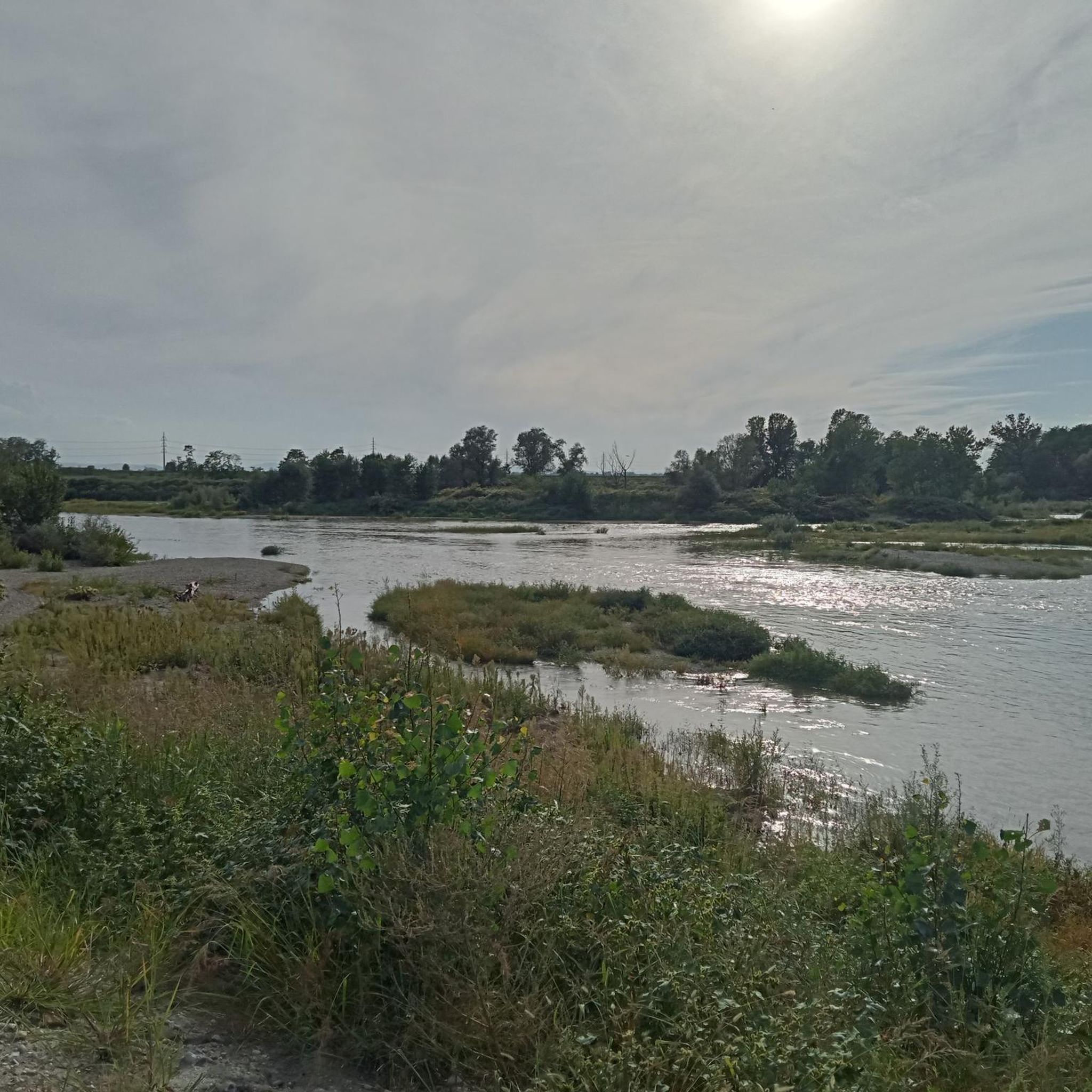
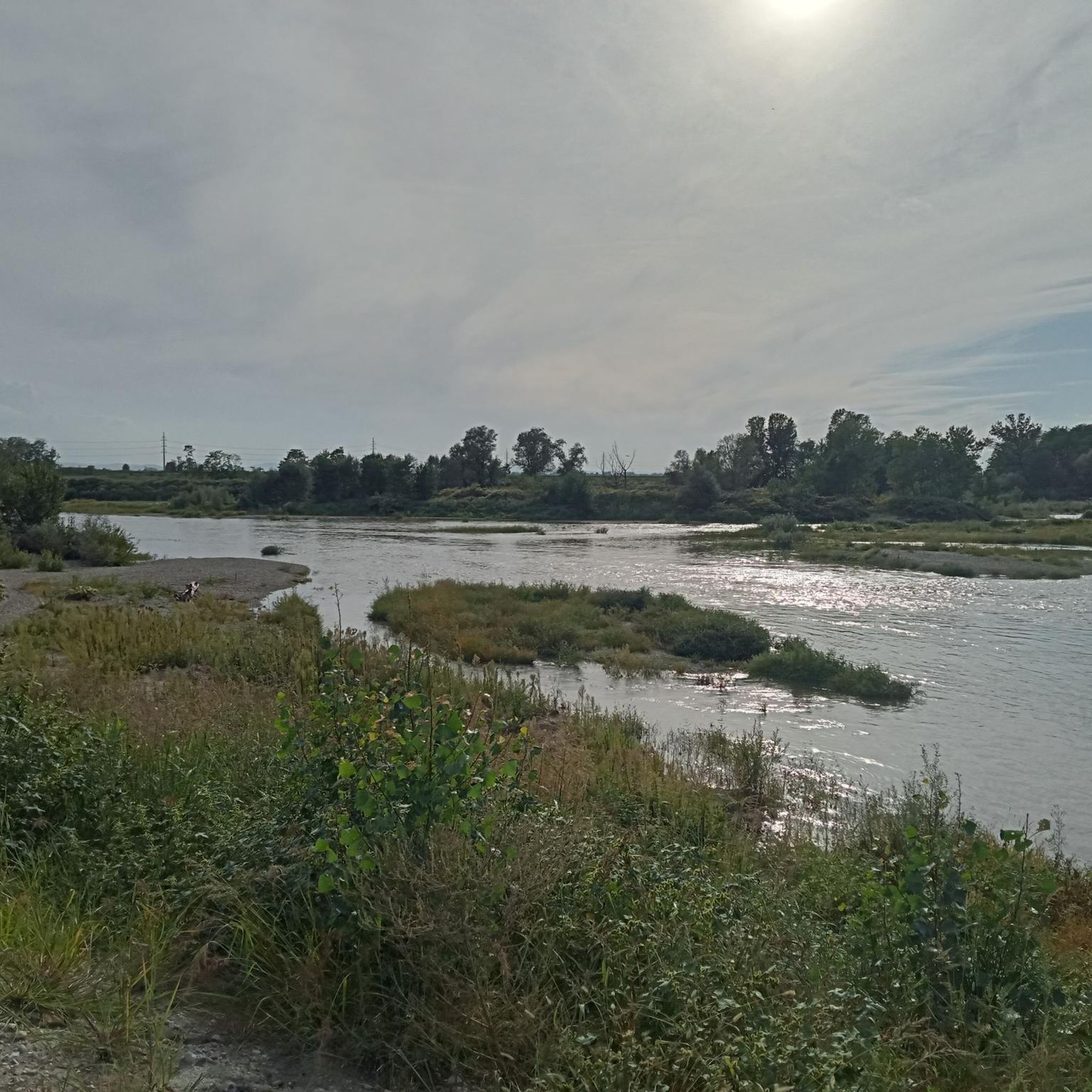
10th century castle, now private for receptions and events. In the Castle Square there is the Town Hall (the building looks like a small church with a clock), on the ground floor there is the post office but above all there is a fountain with fresh water even in August
0
0

There are feelings of peace and silence.
0
0
Frequently Asked Questions
What historical sites can I visit near Stroppiana besides traditional castles?
While Stroppiana is known for its castles, the area also features the elegant 18th-century Palazzo Langosco di Stroppiana. This palazzo houses a captivating museum experience with Roman artifacts, including a renowned bilingual Latin-Gallic stele, exquisite decorative arts, antique furniture, and gold pieces from the 1700s.
Are there any medieval towers to explore in the Stroppiana area?
Yes, you can visit Torre dei Visconti, a solid medieval tower built of compact red bricks with a square plan and split battlements. It was once part of a larger medieval castle dating from the 12th century.
What kind of historical significance do the castles around Stroppiana hold?
The castles in this region, such as Monferrato Castle, reflect the rich past of the Monferrato region. They served various roles from defensive structures and seats of power for marquises and dukes, to barracks and even tribunals, showcasing centuries of political and military changes.
Are there family-friendly castles to visit near Stroppiana?
While specific family activities vary, Desana Castle and Town Hall is noted as family-friendly. The Castle Square features the Town Hall and a fountain with fresh water, offering a peaceful setting.
What are the best times of year to visit the castles around Stroppiana?
The Piedmont region generally enjoys pleasant weather in spring (April-June) and autumn (September-October), making these ideal times for exploring castles. The mild temperatures and beautiful landscapes enhance the visitor experience. Summer can be warm, while winter visits might offer a quieter, more atmospheric experience, though some sites may have reduced hours.
What outdoor activities can I do near the castles around Stroppiana?
The area around Stroppiana offers various outdoor activities. You can find numerous cycling, mountain biking, and running trails. For example, there are challenging cycling routes like the "Conzano (AL) – Terruggia Village and Castle loop" or moderate MTB trails such as the "View of Monferrato – View of Casale Monferrato loop". You can explore more options on the Cycling around Stroppiana, MTB Trails around Stroppiana, and Running Trails around Stroppiana guides.
Are there hiking trails near the castles in the Stroppiana region?
While dedicated hiking trails directly from castles aren't explicitly listed, the region offers various running and cycling routes that can be adapted for walking. For instance, the "Bosco Lanino – Castello Visconteo loop" is a difficult running trail that passes by a castle, offering a chance to combine castle viewing with a walk. Check the Running Trails around Stroppiana guide for more options.
Can I visit castles that are still in use or have been adapted for modern purposes?
Yes, some castles in the area have been adapted. For example, Visconti Castle in Vercelli now serves as the seat of the Tribunal of Vercelli. Desana Castle is now private and used for receptions and events, though its Town Hall is publicly accessible.
What is the architectural style of castles in the Stroppiana area?
The castles display a range of architectural styles reflecting their construction periods and adaptations. Monferrato Castle, for instance, was strengthened with new military techniques, resulting in its distinctive hexagonal shape. Torre dei Visconti is a solid tower of compact red bricks with a square plan. The Visconti Castle in Vercelli follows the classic pattern of Visconti castles: square, with towers at each corner and two entrances.
What do visitors enjoy most about the castles around Stroppiana?
Visitors appreciate the historical depth and the sense of peace found at these sites. The komoot community has shared 14 photos and given 8 upvotes, highlighting the visual appeal and historical significance of these structures, from medieval towers to fortified settlements.
Are there any castles near Stroppiana that offer a sense of peace and silence?
Yes, visitors to Desana Castle and Town Hall often report finding feelings of peace and silence there, making it a tranquil spot for exploration.
Can I find castles that were once part of larger fortified complexes?
Yes, Torre dei Visconti was originally part of a medieval castle dating from the 12th century. Documents from the 11th and 13th centuries indicate a fortified complex known as "Castro della torre" in the area.
Is there a castle in the area with very ancient origins?
Yes, the city castle in Lignana stands out, with its first records dating back to the year 1034, indicating its ancient origins within a small community that was likely Roman.
Most popular routes around Stroppiana
Most popular attractions around Stroppiana

Get inspired with the komoot mobile app


Explore more
Looking for the best castles somewhere else? Discover other guides around Stroppiana:
