Top 4 Castles around Formigliana
Best castles around Formigliana are found within the Vercelli province, a region characterized by its historical significance and natural landscapes, including the Lame del Sesia Natural Park. While Formigliana itself holds archaeological interest regarding an 18th-century castle, the surrounding area offers several prominent historical structures. The terrain around Formigliana features rice fields and provides various walking and cycling routes, making it a destination for outdoor activities alongside historical exploration.
Best castles around Formigliana
- The most popular castles is Castello di…
Last updated: June 30, 2026
Castello di Castellengo
Highlight • Castle
Translated by Google •
Tip by

Castellengo
Highlight • Castle
Translated by Google •
Tip by

Sign up now to discover places like this
Get recommendations on the best single tracks, peaks, & plenty of other exciting outdoor places.
Sign up for free
Castello di Buronzo
Highlight • Castle
Translated by Google •
Tip by

Lower City Gate
Highlight • Historical Site
Translated by Google •
Tip by

Castelletto Cervo Castle
Highlight • Castle
Translated by Google •
Tip by

Start today with a free account
Your next adventure awaits.
Login or Signup


Tips from the Community

Castello Consortile di Buronzo is a rare example of a complex of fortified houses and towers that stands in the heart of the Baraggia.
27
0

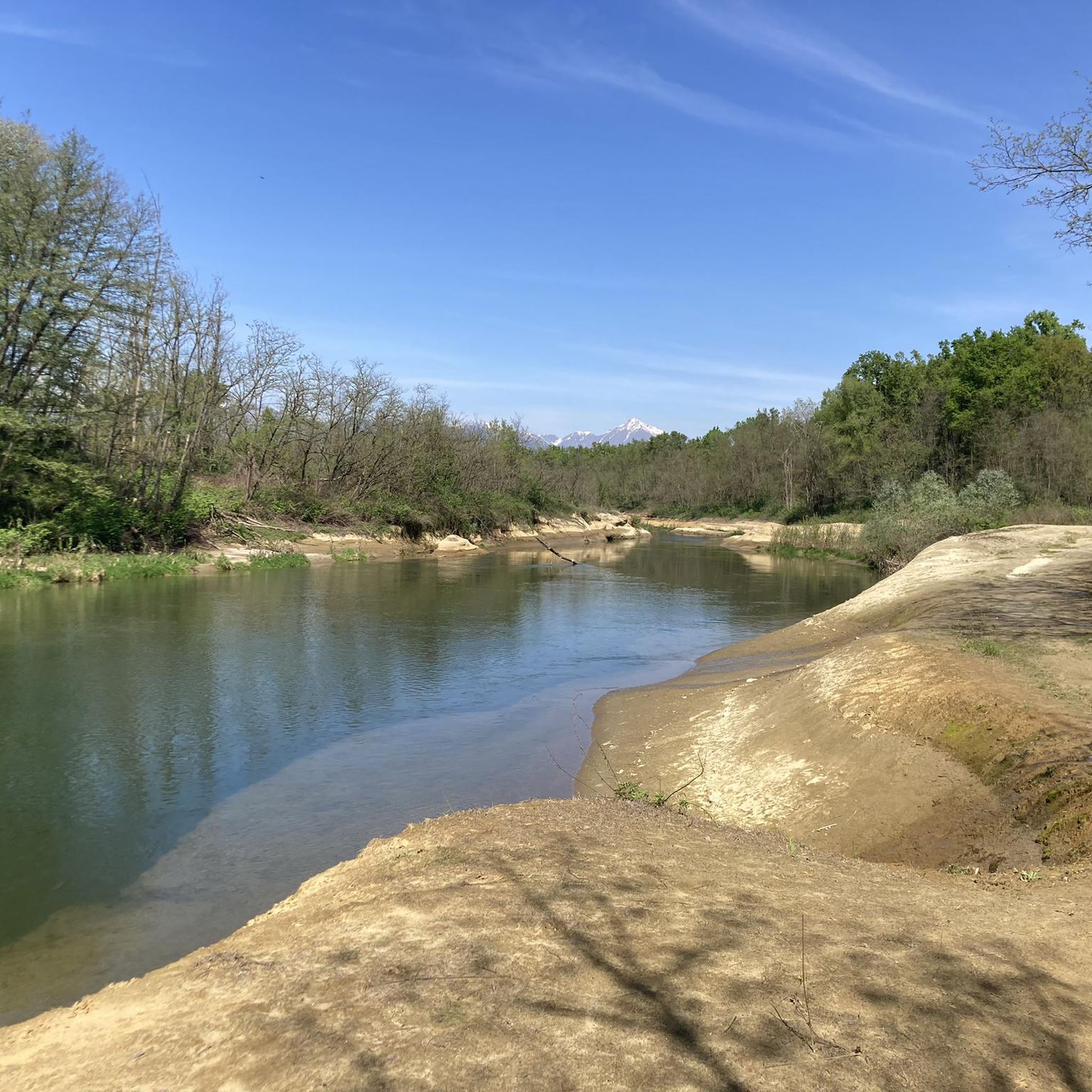
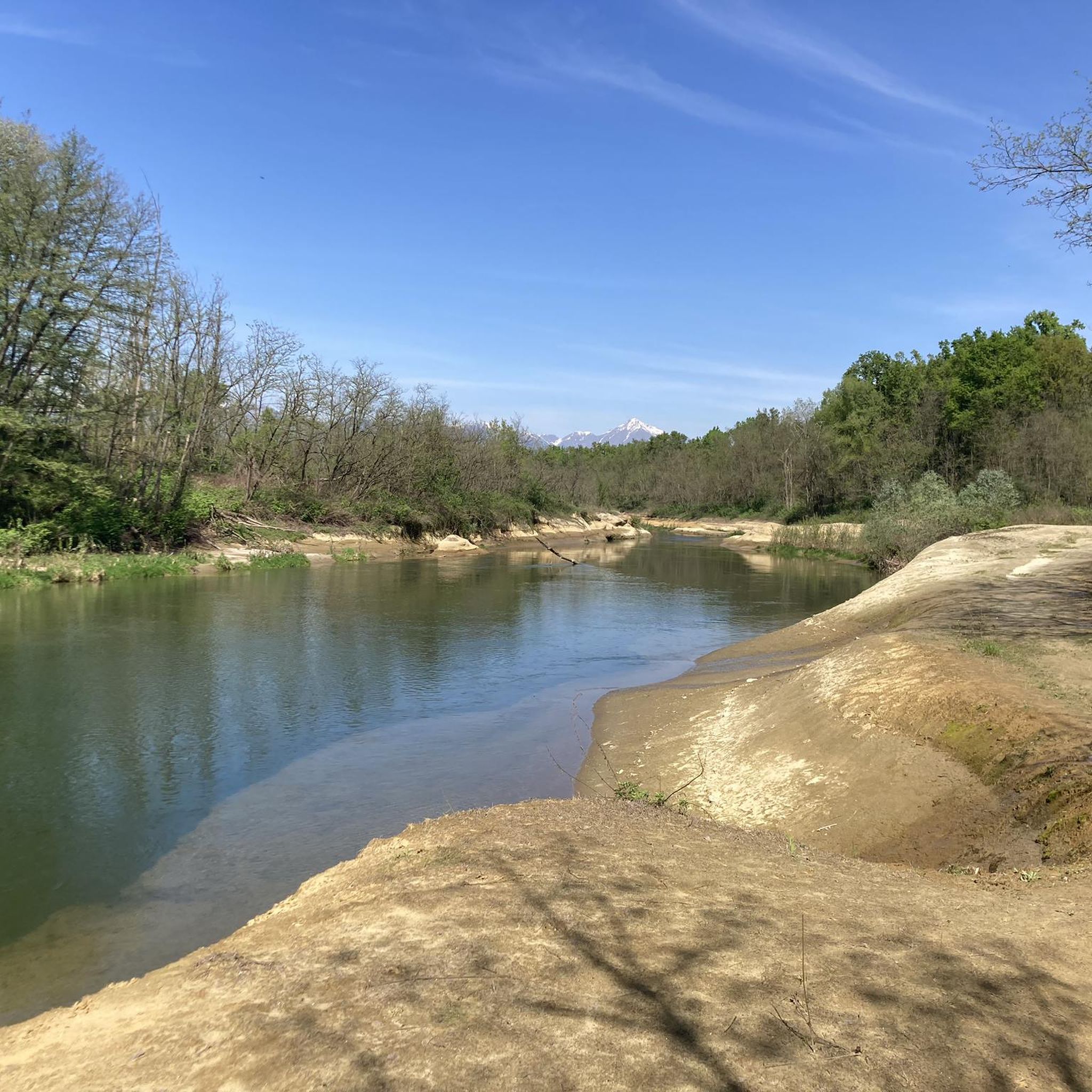
The Castle of Castelletto Cervo is also known as "Castello del Guado". It is located in a strategic position and dates back to the 13th century. It was built overlooking the Cervo to monitor the ford and to control the ancient road that rose from the Vercelli area towards eastern Biella. Not many years ago what remained standing of the Castelletto Cervo manor seemed destined to slowly fall into ruin. The structure which throughout its history had housed the Counts of Canavese, those of San Martino, the Liatta, the Alciati and the Nomis, had long been abandoned. Then suddenly the fortunes changed and a change of ownership allowed new life to the castle. There have been numerous restorations to which it has been subjected, both over the centuries and in recent years; this does not mean that it does not mean that the distinctive characteristics of the fortification can be understood. It was first opened to the public as a museum of ancient weapons and today it houses a collection of three-dimensional images (anaglyphs) from the early twentieth century. There are many medieval remains but also traces of the transformation into a noble residence without military characteristics which took place in the Baroque era. In the courtyard it is possible to notice a long disused well from which, during its unblocking, interesting ceramic fragments emerged, now exposed inside. A shelter was attached to the castle of which no trace remains. Source: https://www.atl.biella.it/vedere-dettaglio/-/d/castello-del-guado
2
0

Consortium or lordly castle built together with other fortifications in the surrounding area by the Buronzo family from which the municipality in which it stands takes its name. The first documents appear in the records of the learner Corrado II around the year one thousand
5
0

it was part of the walls of the fourteenth century. which included two city gates, of which the one to the north called the upper was destroyed and this one to the south called the lower was restored in the 70s
0
1
built in the eleventh century on top of a small cliff, it is located near the ford on the river Cervo
0
1

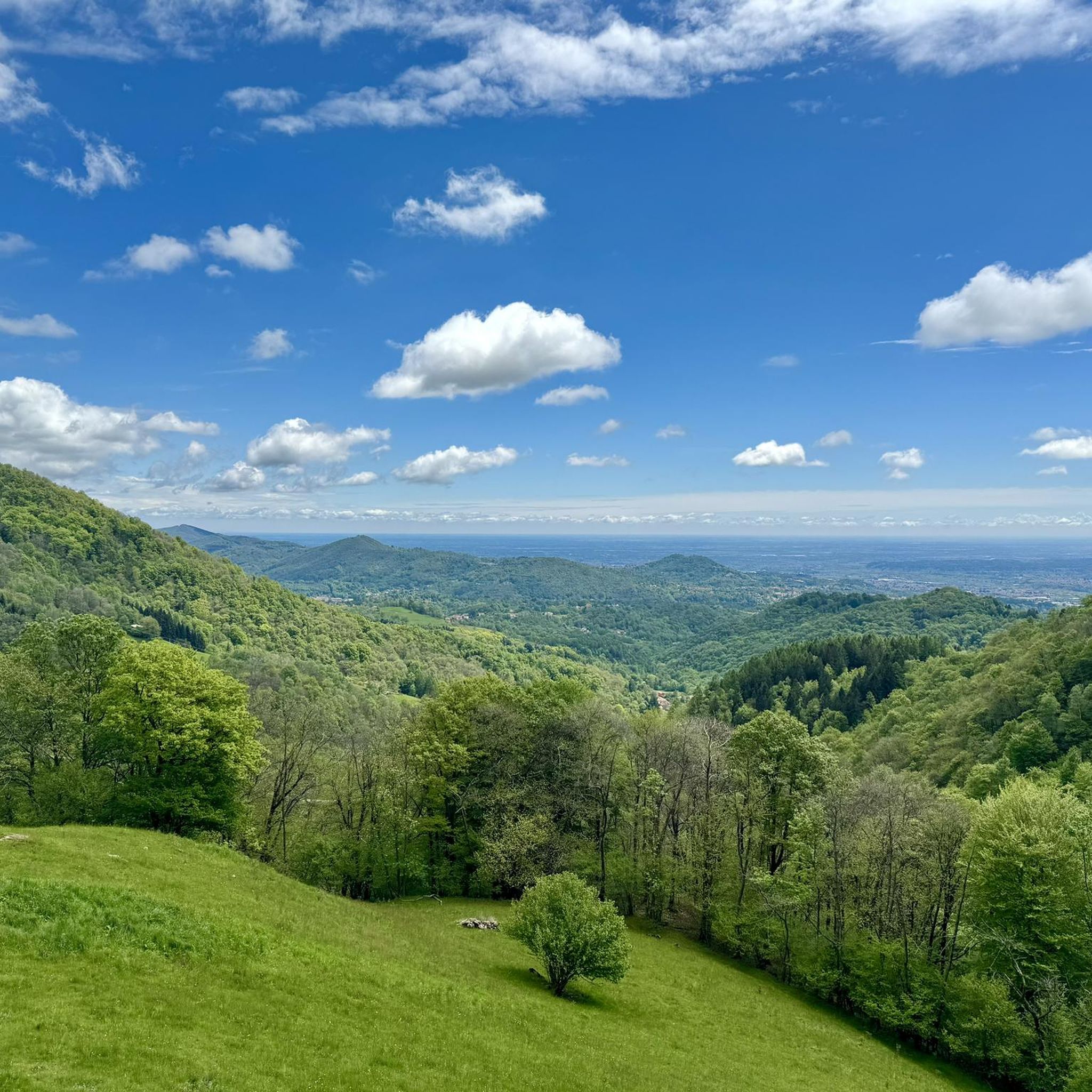
The origins of the castle of Castellengo date back to the 10th century. After the owner family, the Frichignono, became extinct in 1883, the castle underwent a gradual abandonment, changing ownership several times. In 1990 the current owners began a careful conservative restoration which is still in progress. Today it is possible to stay overnight inside the castle, which has been transformed into a luxury B&B.
2
0
among the few remaining ruins of the medieval Castle of Salussola after collapses and alterations over time
1
1

Castellengo is a small village located east of the Baraggia oriented reserve, in the Nebbiolo DOC production area. Worthy of note are its castle which dominates from above with a splendid view over the Vercelli plain and below the parish church of San Pietro e Paolo dating back to the mid-twelfth century. https://it.wikipedia.org/wiki/Castellengo http://archeocarta.org/cossato-bi-chiesa-dei-ss-pietro-e-paolo-a-castellengo/
2
0
Frequently Asked Questions
What types of castles can I explore near Formigliana?
The Vercelli province, surrounding Formigliana, offers a variety of historical castles. You can find structures ranging from medieval fortifications, some with origins dating back to the 10th century, to those transformed into noble residences over time. These provide insights into different architectural periods and historical uses.
Which castles near Formigliana are particularly notable for their history?
Several castles stand out for their historical significance. Castello di Castellengo, for instance, dates back to the 10th century. Castelletto Cervo Castle, from the 13th century, was strategically built to monitor the Cervo river ford. Castello di Buronzo is a rare example of a complex of fortified houses and towers, mentioned in records from around the year 1000.
Are there any castles near Formigliana that offer unique experiences, like overnight stays?
Yes, Castello di Castellengo, after careful conservative restoration, now offers the unique opportunity to stay overnight, having been transformed into a luxury B&B.
What is the best time of year to visit the castles around Formigliana?
The Vercelli region generally experiences pleasant weather during spring (April-May) and autumn (September-October), making these ideal times for exploring historical sites. Summers can be warm, while winters are typically cooler, potentially limiting outdoor exploration.
Are there family-friendly castles to visit near Formigliana?
Yes, Castello di Buronzo is categorized as family-friendly, offering an interesting historical experience for visitors of all ages. Many castles in the region provide engaging historical contexts that can be appreciated by families.
What outdoor activities can I combine with a visit to the castles?
The area around Formigliana, including the Lame del Sesia Natural Park, offers various outdoor activities. You can find numerous cycling routes, including road cycling, mountain biking, and gravel biking. For example, there are Road Cycling Routes around Formigliana, MTB Trails around Formigliana, and Gravel biking around Formigliana that pass through scenic rice fields and natural landscapes.
Are there hiking trails near the castles around Formigliana?
While specific hiking trails directly adjacent to each castle are not detailed, the broader Vercelli province and nearby Lame del Sesia Natural Park offer opportunities for walking and exploring the natural terrain. You can find routes suitable for various difficulty levels within the region.
How can I reach the castles near Formigliana?
Most castles in the Vercelli province are best accessed by car, as public transport options to individual historical sites can be limited. Driving allows for greater flexibility to explore multiple locations. Specific public transport details for Formigliana itself are not readily available for reaching these dispersed sites.
Are there parking facilities available at the castles?
Information on specific parking facilities for each castle is not consistently available. However, for historical sites in rural areas like the Vercelli province, it is generally advisable to look for designated parking areas nearby or in the closest village centers. Some castles, especially those with active tourism, may offer dedicated parking.
Are the castles near Formigliana wheelchair accessible?
Due to the historical nature and age of many castles in the region, full wheelchair accessibility can be challenging. Many structures feature stairs, uneven terrain, and narrow passages. It is recommended to check with individual castle administrations for specific accessibility information before planning a visit.
Can I find cafes or restaurants near the castles?
Formigliana and the surrounding towns in the Vercelli province offer local cafes and restaurants where you can enjoy traditional Italian cuisine. While not always directly adjacent to every castle, you will typically find dining options in the nearest villages or towns, providing opportunities to experience local flavors.
What kind of natural landscapes can I expect to see around the castles?
The region around Formigliana is characterized by its unique natural landscapes, including extensive rice fields and the Lame del Sesia Natural Park. These areas offer a blend of agricultural scenery and protected natural habitats, providing a scenic backdrop to the historical castles and opportunities for nature observation.
Most popular routes around Formigliana
Most popular attractions around Formigliana

Get inspired with the komoot mobile app


Explore more
Looking for the best castles somewhere else? Discover other guides around Formigliana:
