Top 6 Castles around Desana
Best castles around Desana are located in the Province of Vercelli, Italy, a region with a long history. The area is characterized by its agricultural plains and historical settlements, many of which feature ancient fortifications. These structures reflect centuries of strategic importance and architectural evolution in the Piedmont region.
Best castles around Desana
- The most popular castles is Desana Castle and Town Hall, a castle with origins dating back to the 10th century. This site offers feelings of peace…
Last updated: August 23, 2026
Visconti Castle
Highlight • Castle
Translated by Google •
Tip by

Desana Castle and Town Hall
Highlight • Castle
Translated by Google •
Tip by

Sign up now to discover places like this
Get recommendations on the best single tracks, peaks, & plenty of other exciting outdoor places.
Sign up for free
Lignana
Highlight • Settlement
Translated by Google •
Tip by

Desana Gravel Route and Castle
Highlight (Segment) • Cycleway
In Desana, next to the Church, a small fountain useful for refilling water
Translated by Google •
Tip by

Start today with a free account
Your next adventure awaits.
Login or Signup
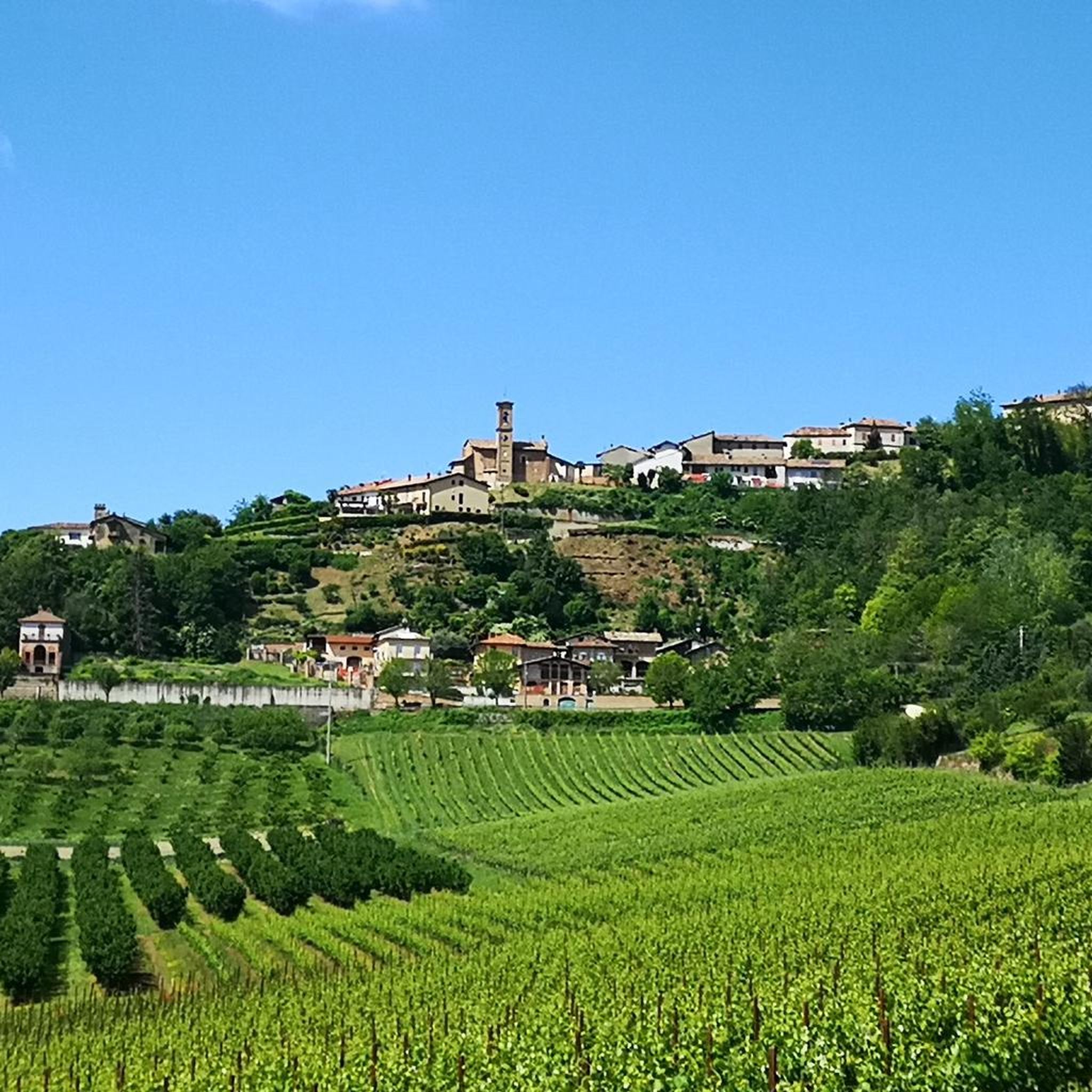
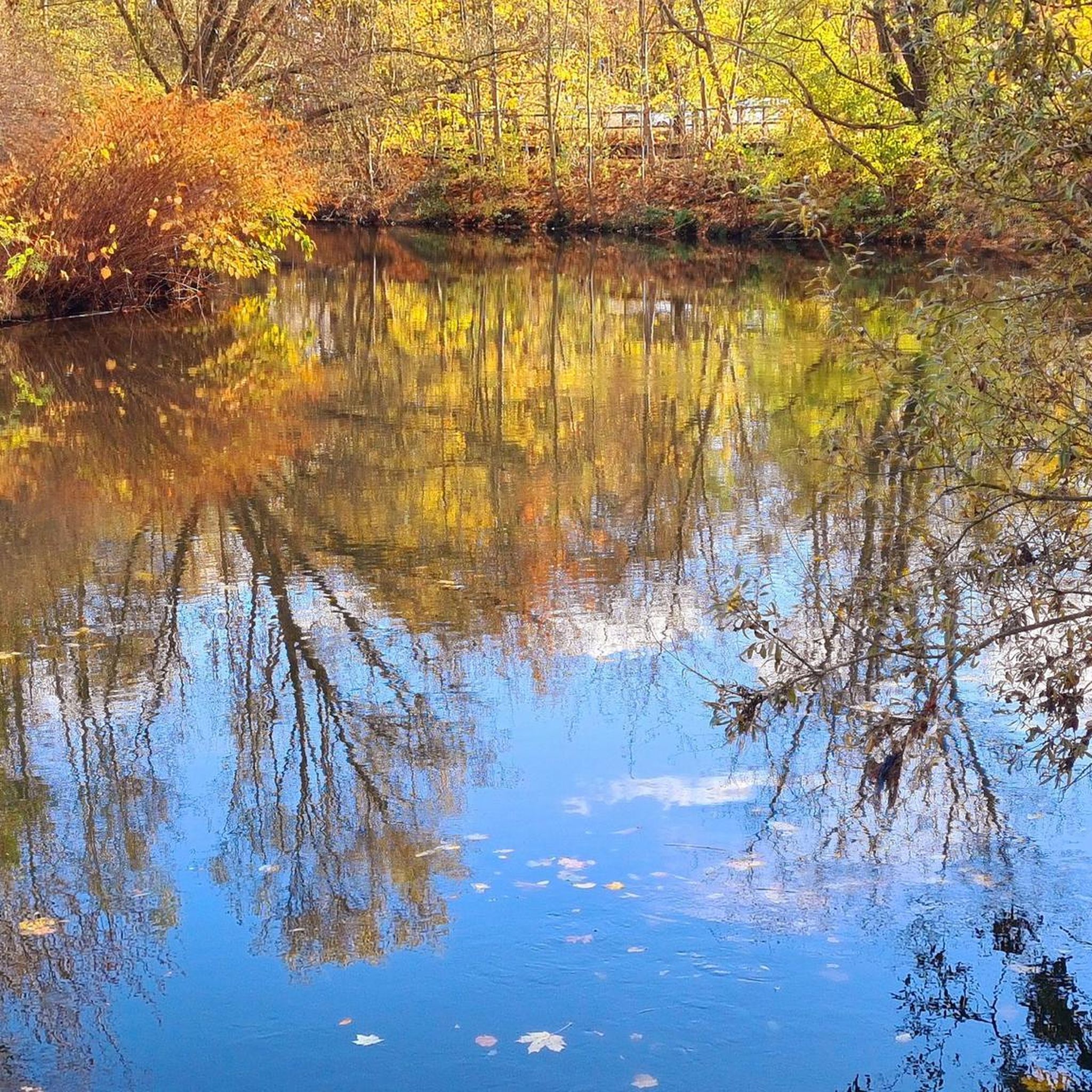
Tips from the Community

The Visconti Castle in Vercelli, Italy, is a medieval castle that stands proudly in the heart of the city. Built at the end of the 13th century, the castle has undergone several transformations over the years. Today it serves as the seat of the Tribunal of Vercelli. The original design, attributed to Matteo Visconti, follows the classic pattern of the Visconti castles of the Lombardy plains: square, with towers at each corner, two entrances on opposite sides, and an inner courtyard. In addition to serving as a symbol of Visconti power over Vercelli, the castle also strengthened the city walls on the south side. Over time, the castle fell into disrepair, but was restored and adapted for various purposes. During the Franco-Spanish War in the 17th century, the castle was damaged during the Spanish siege of 1638. It served as a residence for the governors of Vercelli during the Napoleonic era and later housed the prison. Further restorations were carried out in the 20th century, allowing the castle to regain its original grandeur. Today the castle can only be admired from the outside and is used internally only for official state functions.
6
0

10th century castle, now private for receptions and events. In the Castle Square there is the Town Hall (the building looks like a small church with a clock), on the ground floor there is the post office but above all there is a fountain with fresh water even in August
0
0
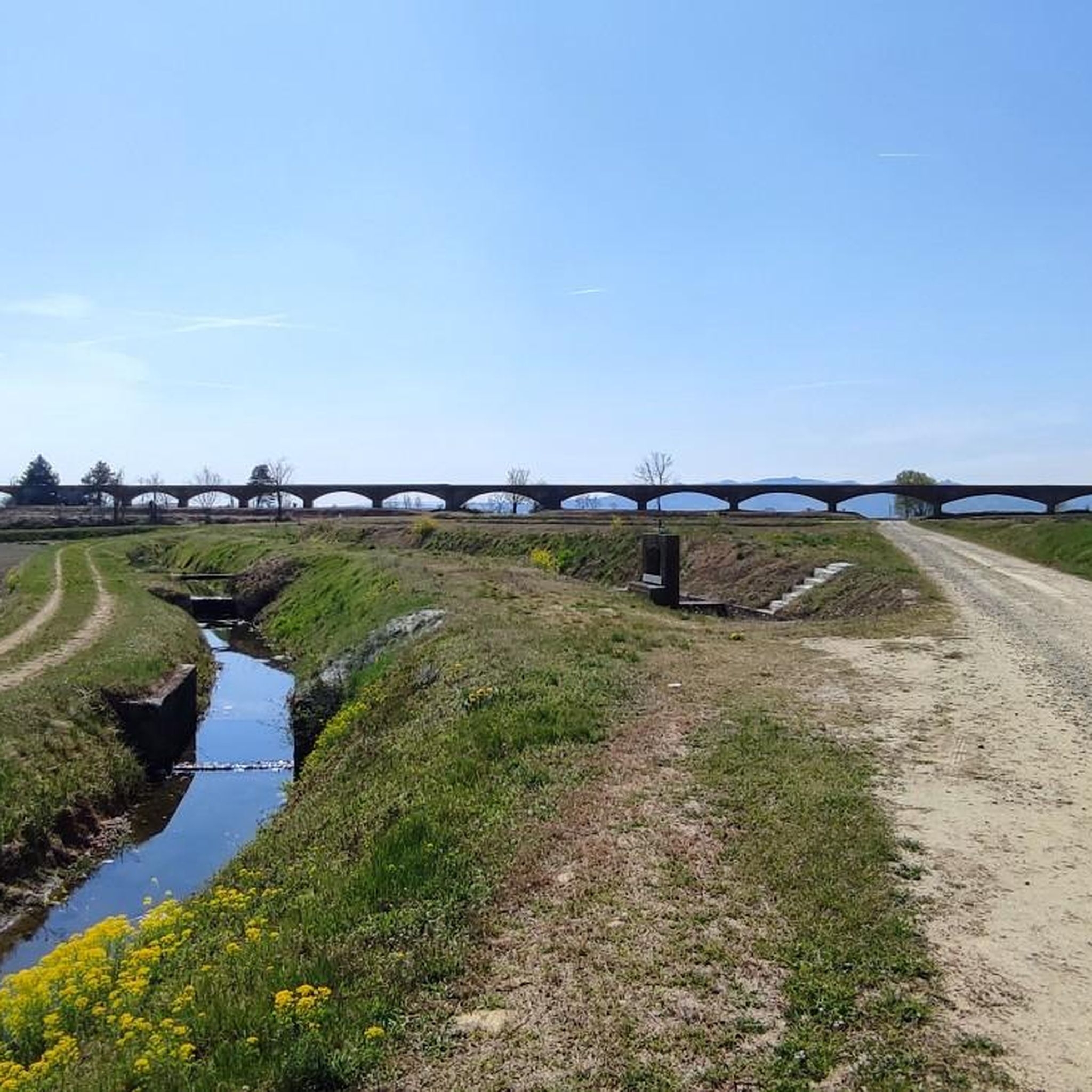
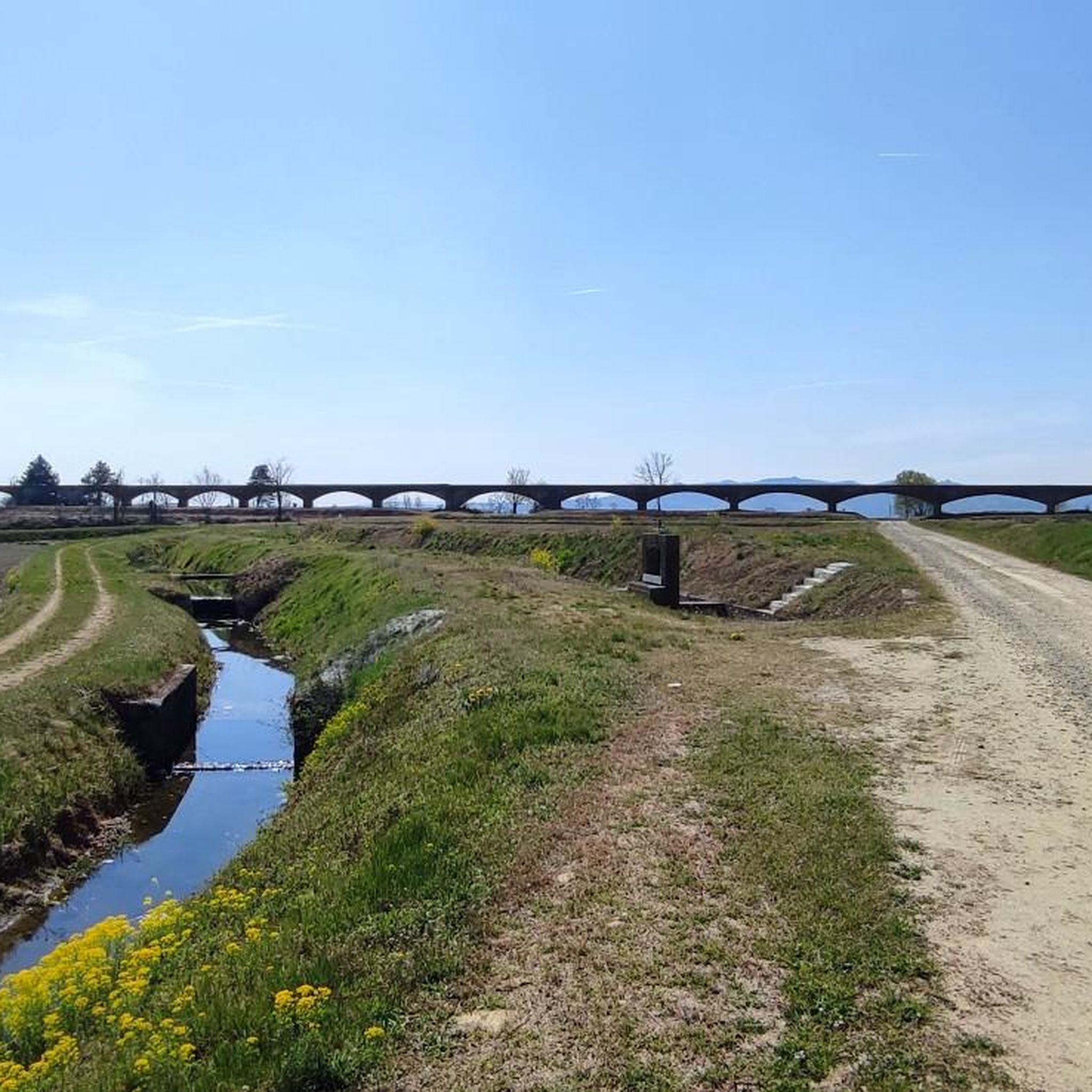
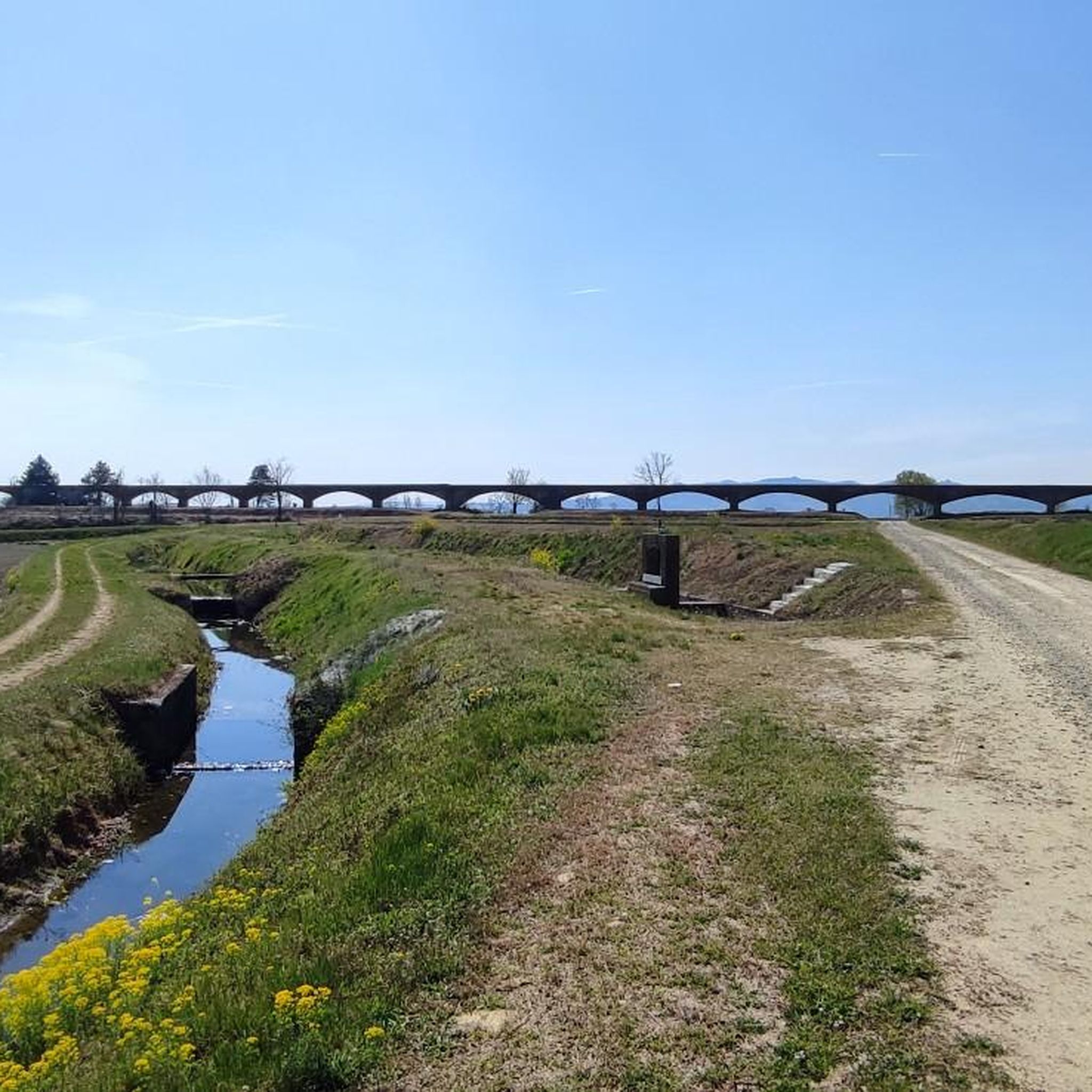
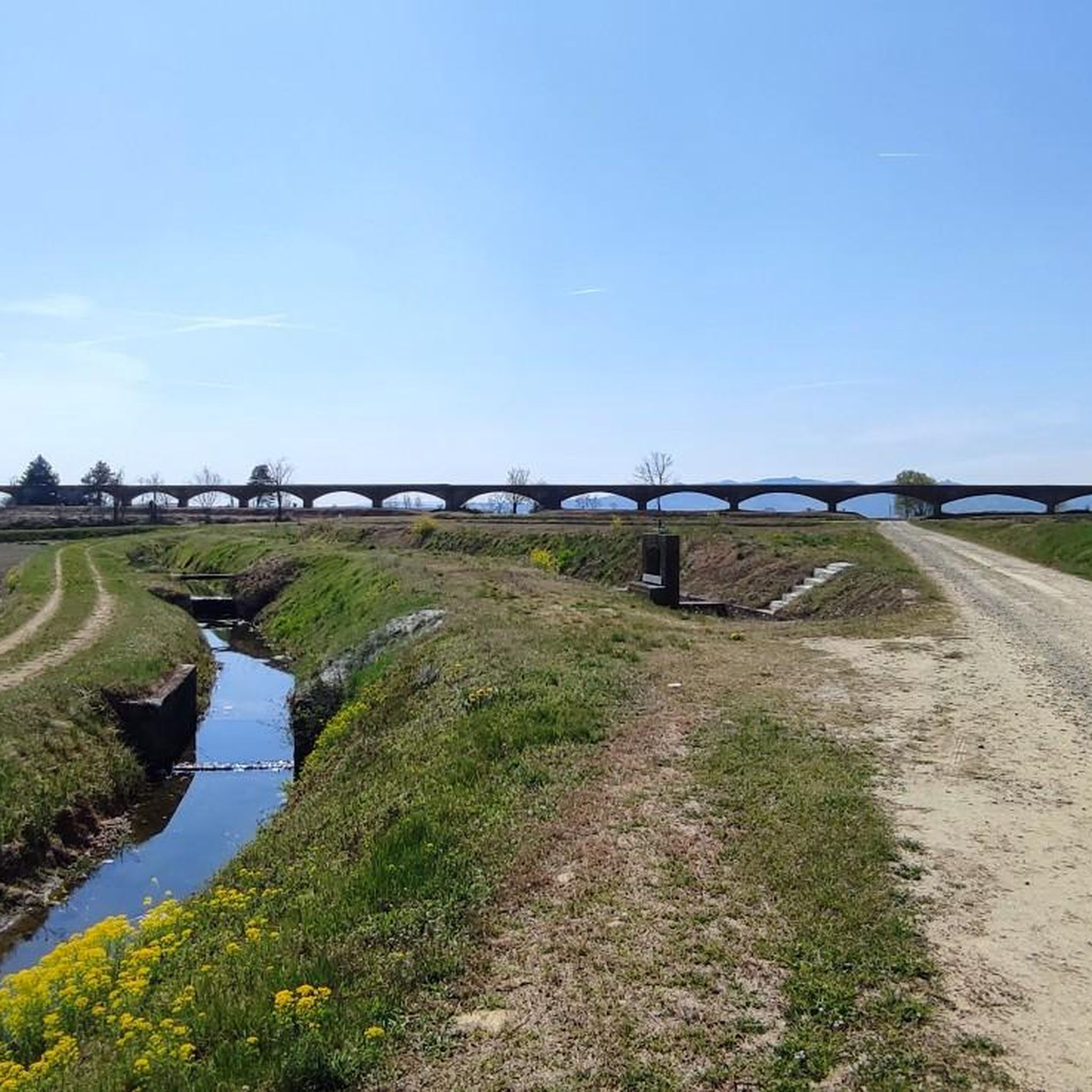
The detour to Desana allows for a route up to the village on a gravel road. Very nice. In Desana, next to the Church, a small fountain useful for refilling water
1
0

Among the monuments, the city castle stands out, the first records of which date back to the year 1034.
18
0
A small community on the plain, of ancient origin, probably Roman, it bases its economy on traditional agricultural activity accompanied by a growing development of related tourism.
20
0

There are feelings of peace and silence.
0
0
Frequently Asked Questions
What is the history of Castello di Desana?
The Castello di Desana has a history spanning over a millennium, with records dating back to the 10th century. Originally built by the bishops of Vercelli for defense, it was later granted to the Tizzoni family, who reconstructed it in the 15th century after its destruction in 1317. While it underwent significant 19th-century alterations by Vitale Rosazza, it still preserves its original quadrangular layout with cylindrical corner towers, now appearing more as an elegant country residence.
Are there other historically significant castles near Desana?
Yes, the region boasts other notable historical sites. The settlement of Lignana features a city castle with records from 1034, showcasing ancient origins. Further afield, the Castello di Gabiano, though not directly in Desana, is another impressive site with documented origins as early as the 8th century, playing a strategic role through various powerful families.
When is the best time to visit the castles around Desana?
The castles around Desana can be visited throughout the year. Spring and autumn offer pleasant weather for exploring the castle grounds and nearby areas. Summer can be warm, but the extensive parks, like the one at Castello di Desana, provide shade. Winter visits might offer a quieter experience, though some facilities or opening hours could be reduced.
Are the castles around Desana suitable for families?
Many castles offer features that families can enjoy. For instance, the Desana Castle and Town Hall is listed as family-friendly. The extensive parks surrounding some castles, such as Castello di Desana, provide space for children to explore. Castello di Gabiano, while a bit further, offers unique attractions like a mysterious boxwood maze and a swimming pool, which can be very appealing to families.
What kind of outdoor activities can I do near the castles?
The region around Desana offers various outdoor activities. You can find numerous cycling routes, including easy gravel roads like the Desana Gravel Route and Castle. For more extensive options, explore the cycling routes around Desana, MTB trails, or hiking trails, which range in difficulty from easy to difficult.
Can I visit the castles with my dog?
While specific dog policies vary by castle, many outdoor areas and parks around the castles are generally dog-friendly, especially if dogs are kept on a leash. It's always best to check with individual castle administrations for their specific rules regarding pets inside buildings or on private grounds. For walks, the nearby hiking trails around Desana offer opportunities for you and your dog to explore the countryside.
Are there any wheelchair-accessible castles in the Desana area?
Accessibility can vary significantly for historic sites. Many older castles, due to their medieval construction and subsequent alterations, may have limited wheelchair access, especially to upper floors or certain historical sections. It is recommended to contact specific castles directly, such as Castello di Desana, to inquire about their current accessibility provisions before your visit.
How much time should I allocate for visiting the castles around Desana?
The time needed depends on the castle and your interest. For castles like Desana Castle and Town Hall or Lignana, which are partly private or viewed from the outside, a shorter visit of 1-2 hours might suffice. For castles that offer tours, extensive grounds, or additional amenities like Castello di Gabiano, you might want to dedicate half a day or even a full day to fully experience them.
Are there places to eat or drink near the castles?
Yes, the towns and villages near the castles often have local cafes, restaurants, and pubs. For example, in Desana, there's a small fountain with fresh water next to the Church, which can be useful. Castello di Gabiano, being a resort and winery, offers its own restaurant focusing on local cuisine and a wine shop. Exploring the local communities will reveal various dining options.
What unique features do the castles offer to visitors?
The castles offer a blend of history and unique experiences. Castello di Desana provides a sense of peace and silence within its historic walls and extensive park. The Visconti Castle in Vercelli, while only viewable from the outside, showcases classic 13th-century quadrangular design. Castello di Gabiano stands out with its winery, vineyard tours, luxury accommodations, and a mysterious boxwood maze.
What makes the castles around Desana historically significant?
The castles in the Desana region are historically significant due to their strategic importance over centuries. They reflect the power struggles between prominent families and states, such as the Marquisate of Montferrat and the Visconti of Milan. Their architectural evolution, from defensive fortresses to elegant residences, tells the story of the region's changing social and political landscape, with origins dating back to the 8th-10th centuries.
Are there any scenic viewpoints near the castles?
Many castles, especially those situated on higher ground or within extensive estates, offer scenic views. Castello di Gabiano, for instance, boasts breathtaking views of the Alps and the Po River from its estate. The parks and surrounding countryside of castles like Castello di Desana also provide picturesque settings for enjoying the landscape.
Most popular attractions around Desana

Get inspired with the komoot mobile app


Explore more
Looking for the best castles somewhere else? Discover other guides around Desana:
