Top 6 Castles around Treville
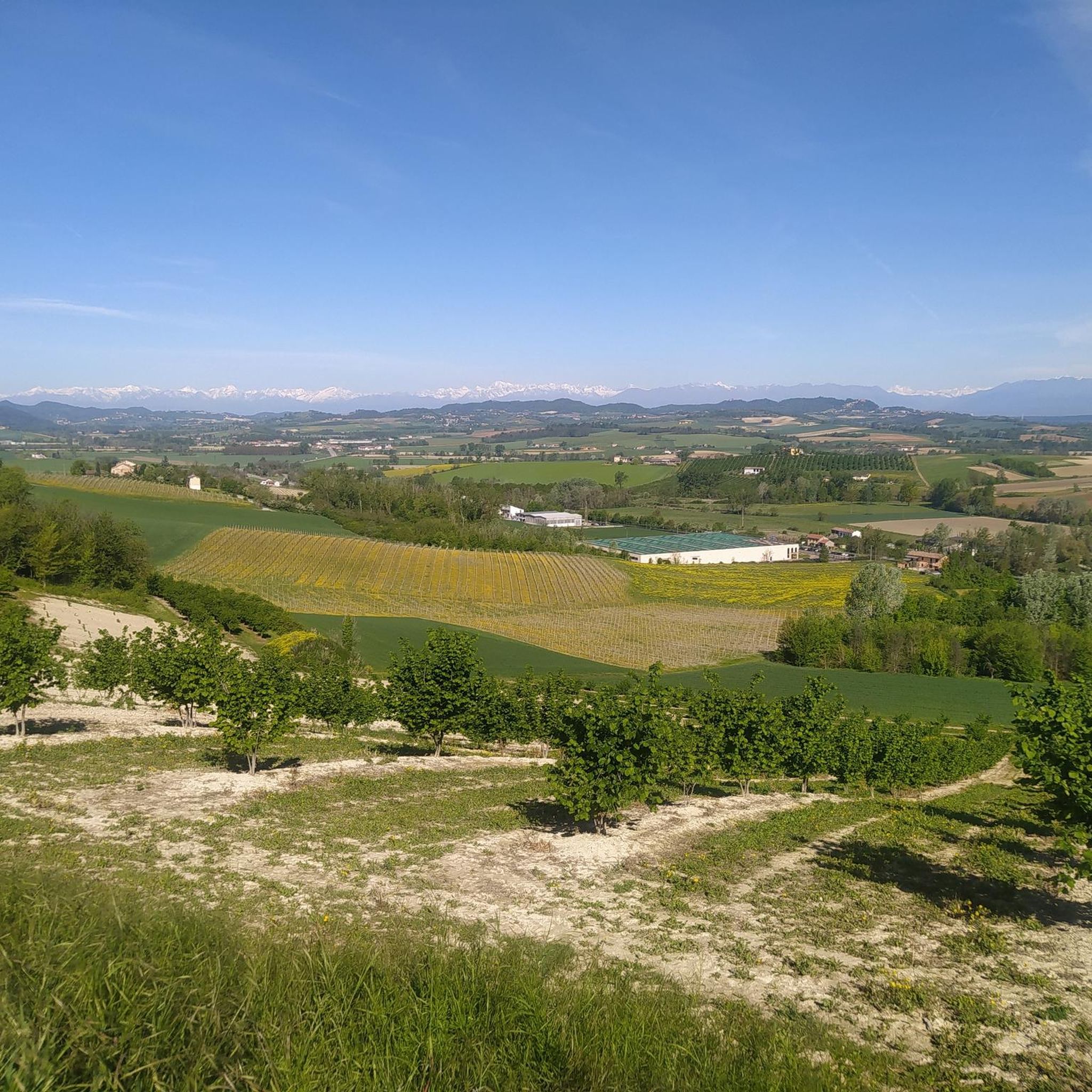
Castles around Treville, located in the Monferrato region of Piedmont, Italy, offer a journey through history within a landscape of rolling hills and vineyards. This area is known for its historical significance and architectural heritage, with several well-preserved castles. The region's terrain provides viewpoints overlooking the surrounding countryside. Visitors can explore these historical sites, many of which are nestled in ancient villages.
Best castles around Treville
- The most popular castles is Camino Castle, a castle equipped with crenellated walls…
Last updated: June 30, 2026
Camino Castle
Highlight • Castle
As with many ancient buildings in Italy, there are many legends about the castle of …
Translated by Google •
Tip by

Cereseto Castle
Highlight • Castle
The castle was built in the …
Translated by Google •
Tip by
Sign up now to discover places like this
Get recommendations on the best single tracks, peaks, & plenty of other exciting outdoor places.
Sign up for free
Terruggia Village and Castle
Highlight • Castle
Showing Translation
Tip by
Uviglie Castle
Highlight • Castle
Translated by Google •
Tip by
San Giorgio Monferrato Castle
Highlight • Castle
Translated by Google •
Tip by

Start today with a free account
Your next adventure awaits.
Login or Signup

Tips from the Community

The Castle of Terruggia is an ancient medieval fortification that was located in the village of Terruggia, in Piedmont, in the Monferrato area (province of Alessandria).
12
0

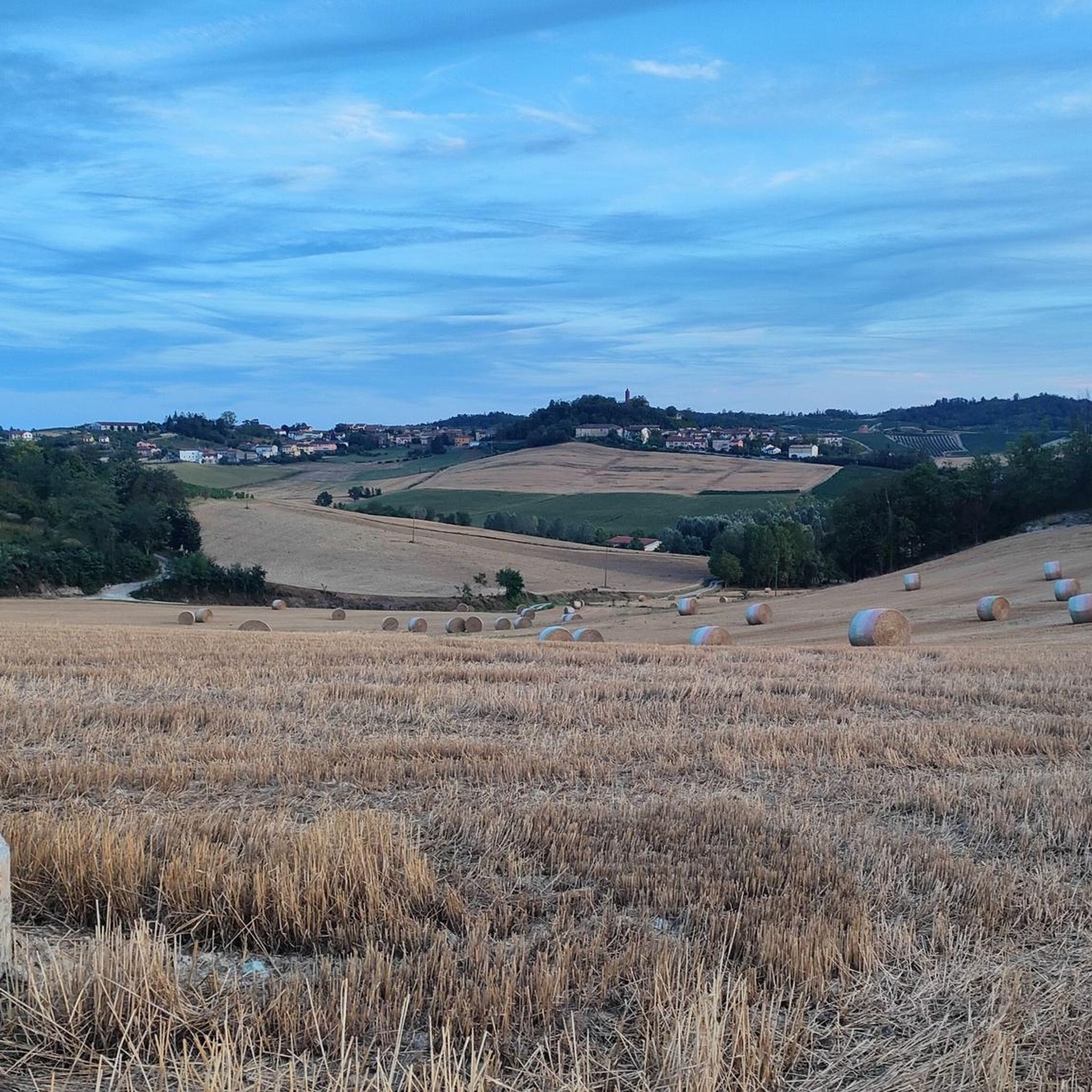
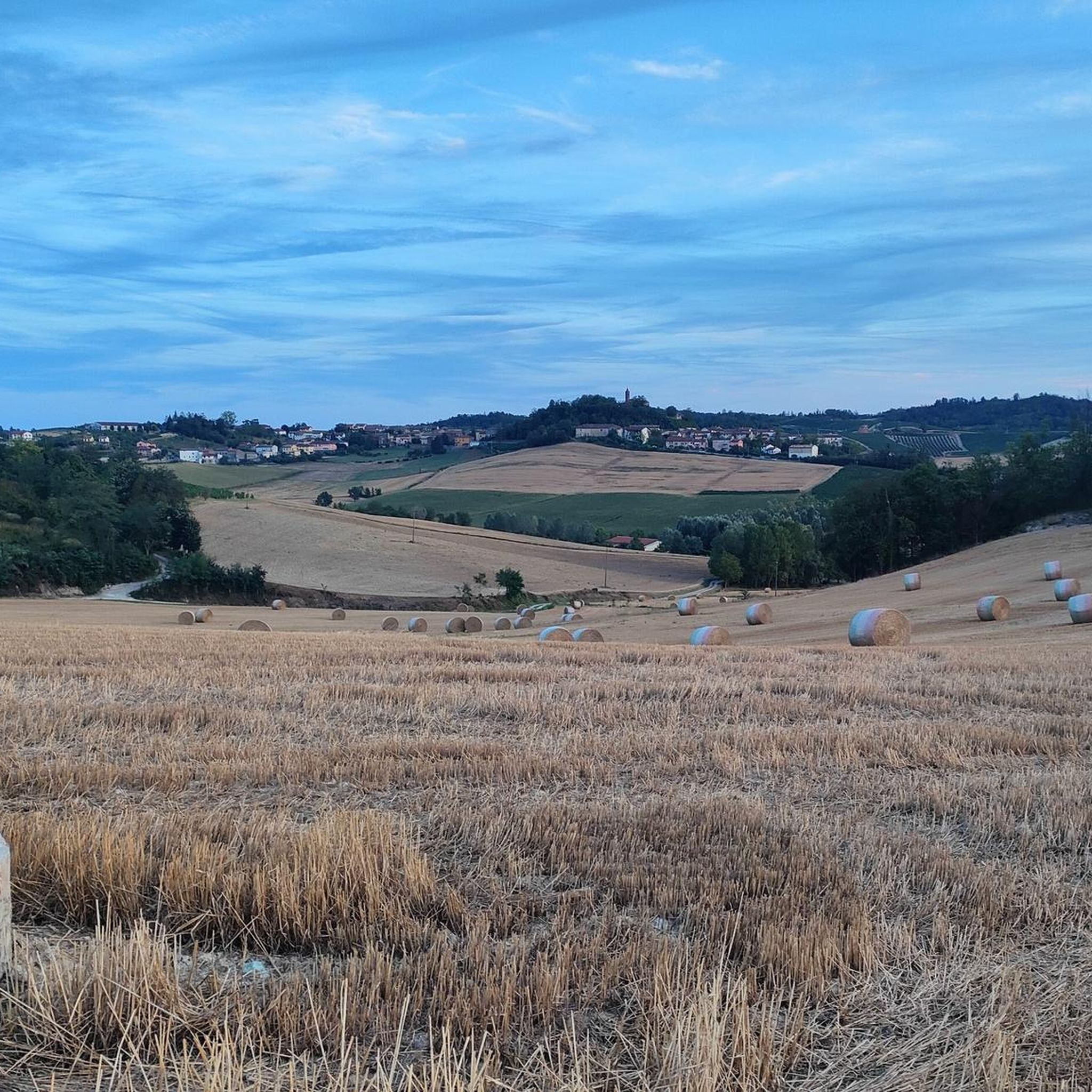
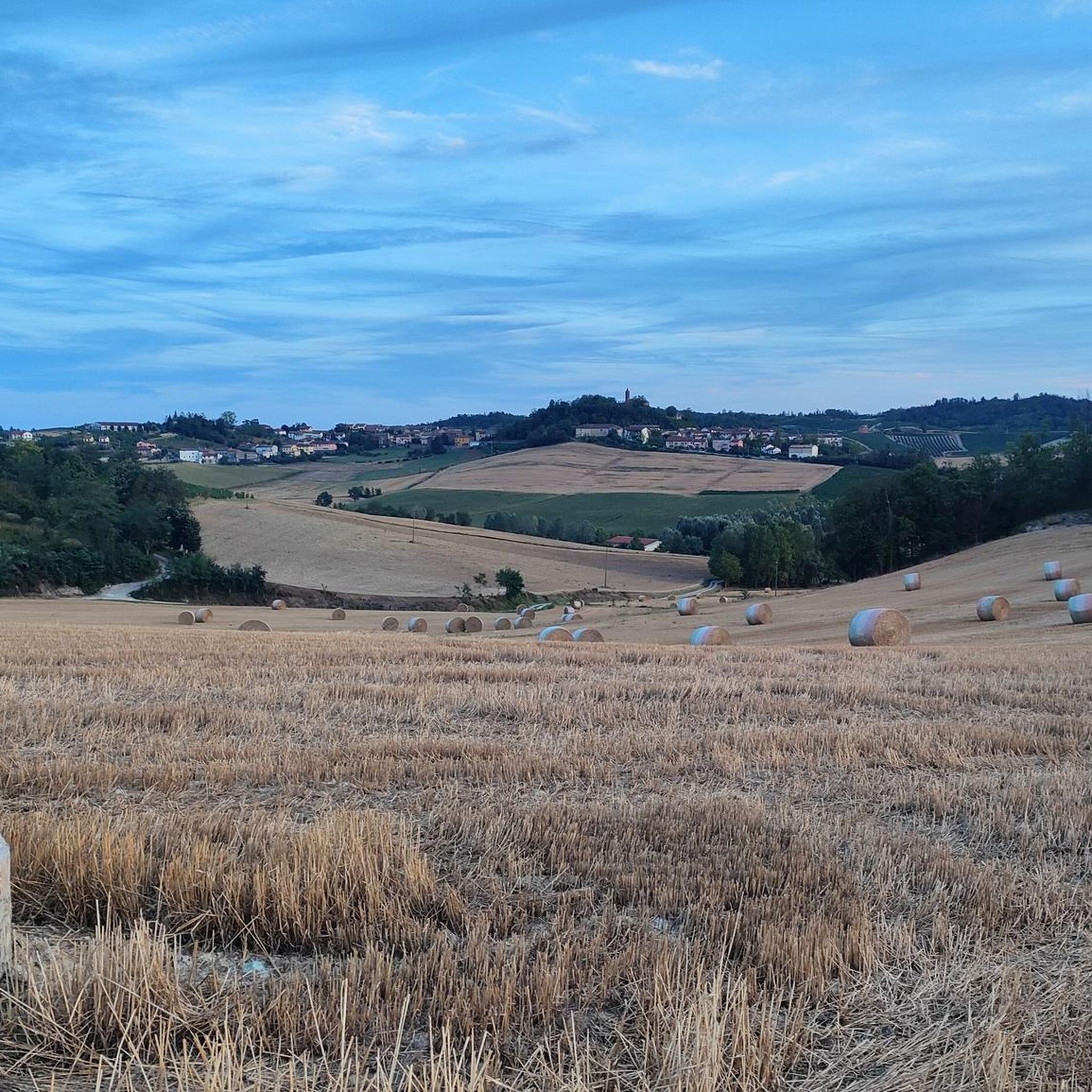
Nestled among centuries-old trees, Camino Castle dominates the ancient village from above and contributes to one of the most easily recognizable hilltop profiles of the Lower Monferrato.
0
0

In the heart of Monferrato, Terruggia preserves a compact historic center and a medieval castle, now a private villa.
3
0

Built on an inaccessible tuff spur, from which the entire valley and surrounding plain can be seen, it was initially a watchtower, later equipped with granaries for food reserves and quarters for healing. The first inhabitants of the current town settled immediately below the fort, feeling protected. Aleramo, the founder of the Marquises of Monferrato, held his court here, which at the time was itinerant. The castle, perched high on the hill, was impregnable due to its position and external defenses. It also had a well that could only be reached from the inside through a long tunnel dug into the tuff, allowing the inhabitants to resist sieges. The feudal lords, over time, were the counts of Lomello, the Church of Vercelli and William VI of Monferrato called the Great who, in the 13th century, further strengthened the fortifications with higher walls to the north. The last feudal lords of San Giorgio, the Gozani, enriched the castle with the scenographic eighteenth-century façade, with progressively receding masses, the large U-shaped staircase and the two arches that mark the entrances to the south and north. The Gozani were responsible for the construction in the eighteenth century, inside the hanging garden, of the chapel with perfect proportions, the work of Ferroggio, a student of Juvarra. The architect Bollati (1870) was responsible for the southern façade with neo-Gothic forms: it is a façade broken in a horizontal direction, receding to form a terrace on the third floor, from which, without climbing to the top of the tower, you can enjoy the spectacular view of the Alpine arch, from Monviso to Monte Rosa, of the gentle Monferrato hills and the Lomellina plain. Even though the Castle is private property, it is possible to visit it. Consult the website www.castellodisangiorgiomonferrato.com to find out the dates and times of visits.
0
0

Around 1900, the extremely wealthy entrepreneur, financier, art collector and patron Riccardo Gualino (1879–1964) began building a neo-Romanesque-neo-Gothic castle in a commanding position over the town. The architect of the building was the engineer Vittorio Tornielli. In 1918, the Castello di Cereseto became one of the residences of the Turin family, where lavish parties were celebrated with guests from the Piedmontese business and financial world, from the Agnelli to the Sella. The fort was inhabited by the family until the second half of the 20th century and is therefore well preserved.
6
0

The castle enjoys a beautiful position on the hill, as well as admiring the stronghold you can enjoy a beautiful view of Rosignano Monferrato and Cella Monte
1
0
I don't know what era it is, but it is very beautiful.
16
0
It looks like a castle straight out of a fairy tale.It is one of the castles of Monferrato with the best preserved external walls. The castle was built in the early twentieth century. Unfortunately, today the interior of the castle cannot be visited, but many people go to the village to see the imposing Cereseto castle from the outside and immortalize its beauty in their photographs.
9
0
Frequently Asked Questions
What are some notable castles to visit around Treville?
The Treville area in Monferrato, Piedmont, Italy, is home to several historical castles. Among them, Camino Castle stands out with its crenellated walls and towers. Cereseto Castle is known for its imposing, well-preserved external walls, resembling a fairy-tale structure. Uviglie Castle offers beautiful views from its hilltop position, and Frassinello Monferrato Castle, a UNESCO World Heritage site, has ancient origins and a finely restored structure.
What historical significance do the castles around Treville hold?
The castles in the Treville area are deeply rooted in the history of the Monferrato region. Many, like Frassinello Castle, have ancient origins linked to defensive functions against invaders like the Saracens. Monferrato Castle in Casale Monferrato, for instance, was built by the Marquis of Monferrato and later strengthened by the Gonzaga family, reflecting centuries of regional power struggles and architectural evolution.
Are there family-friendly castles to visit near Treville?
Yes, several castles in the Treville area are considered family-friendly. Cereseto Castle and Frassinello Monferrato Castle are both categorized as family-friendly. While the interiors of some castles might not always be accessible, their impressive exteriors and historical settings offer an engaging experience for all ages.
What kind of views can I expect from the castles in the Treville area?
Many castles in the Treville area are strategically positioned on hills, offering panoramic views of the surrounding Monferrato landscape. For example, Uviglie Castle provides beautiful vistas of Rosignano Monferrato and Cella Monte. The region itself is characterized by rolling hills and vineyards, making for picturesque scenery from these elevated historical sites.
What outdoor activities can I do near these castles?
The Monferrato region around Treville is excellent for outdoor activities. You can explore the area through various routes. For hiking, consider trails like 'Walking through the vineyards from Rossiglione Monferrato' or the 'Cereseto Loop Trail'. Cyclists can enjoy routes such as 'Monferrato Hills – Climb to Castello di Gabiano loop' or 'Terruggia Village and Castle – Occimiano loop'. Find more options on the hiking guide, road cycling guide, and cycling guide for Treville.
Are there hiking trails that incorporate castles around Treville?
Yes, the region offers several hiking trails that allow you to explore the beautiful landscape and often pass by or offer views of the castles. For instance, the 'Cereseto Loop Trail' can bring you close to Cereseto Castle. You can find more detailed routes and plan your walks on the hiking around Treville guide.
What is the best time of year to visit the castles around Treville?
The Monferrato region generally enjoys pleasant weather from spring to early autumn (April to October), which is ideal for exploring the castles and the surrounding countryside. During these months, the vineyards are lush, and the temperatures are comfortable for outdoor activities and castle tours. Winter visits can also be charming, offering a different, quieter perspective, though some facilities might have reduced hours.
Can I find cafes or places to eat near the castles?
The castles are often located in or near ancient villages within the Monferrato region. These villages typically offer local cafes, trattorias, or restaurants where you can enjoy traditional Piedmontese cuisine and refreshments. For example, the ancient Foresteria of Camino Castle provides a nearby option for visitors.
What do visitors enjoy most about the castles around Treville?
Visitors frequently appreciate the rich history and architectural beauty of the castles, many of which are well-preserved. The scenic locations, often atop hills, provide stunning views of the Monferrato landscape. The blend of historical exploration with the charm of ancient villages and the opportunity for outdoor activities like hiking and cycling through vineyards are also highly valued by the komoot community.
Is it possible to visit the interiors of all castles?
Access to castle interiors varies. While some castles, like Frassinello Monferrato Castle, are finely restored and host events or offer accommodation, others, such as Cereseto Castle, may only be viewable from the outside, with their interiors not accessible to the public. It's advisable to check specific castle websites for current visiting information.
Are there any hidden gem castles or lesser-known historical sites in the Treville vicinity?
The Monferrato region is dotted with numerous historical sites and smaller castles beyond the most prominent ones. Exploring the ancient villages themselves often reveals hidden architectural details and local history. While specific 'hidden gems' are best discovered by local exploration, the entire region offers a sense of historical discovery, with many sites contributing to its UNESCO World Heritage status.
Most popular routes around Treville
Most popular attractions around Treville

Get inspired with the komoot mobile app


Explore more
Looking for the best castles somewhere else? Discover other guides around Treville:
