Top 7 Castles around Paderna
Castles around Paderna offer a glimpse into medieval history within the Po Valley. The region is home to ancient fortified complexes, with the Castello di Paderna being a notable example dating back to the 9th century. These structures often feature historical significance, distinctive architectural elements like moats and towers, and are sometimes set within natural landscapes. Many castles in the area now serve as cultural venues or organic farms, hosting events and welcoming visitors.
Best castles around Paderna
- The most…
Last updated: October 16, 2026
Dongione of Carbonara Scrivia
Highlight • Castle
Translated by Google •
Tip by

Tortona Castle Park
Highlight • Castle
Translated by Google •
Tip by
Sign up now to discover places like this
Get recommendations on the best single tracks, peaks, & plenty of other exciting outdoor places.
Sorli Castle
Highlight • Castle
Translated by Google •
Tip by

Novi Ligure Castle
Highlight • Castle
Translated by Google •
Tip by

Vargo Castle and Tower
Highlight • Castle
Translated by Google •
Tip by

Sign up for free to discover even more castles around Paderna.
Already have an account?
Start today with a free account
Your next adventure awaits.

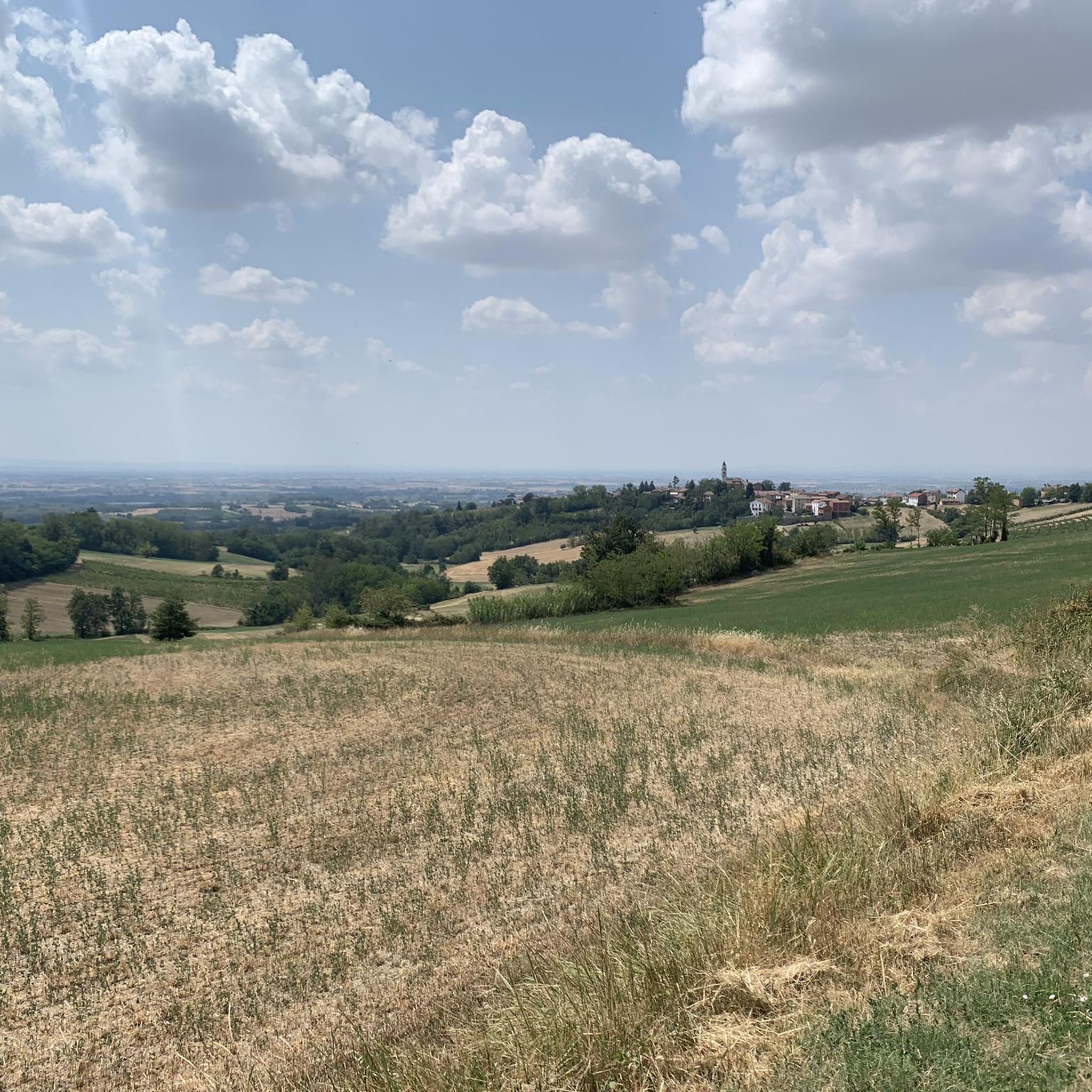
Tips from the Community

Vargo has had a castle known since 1157, the year of the invasions of Barbarossa's troops, but this construction was actually built as a signal tower in the Lombard era and is part of the so-called line of castles documented by Pertica.
14
0

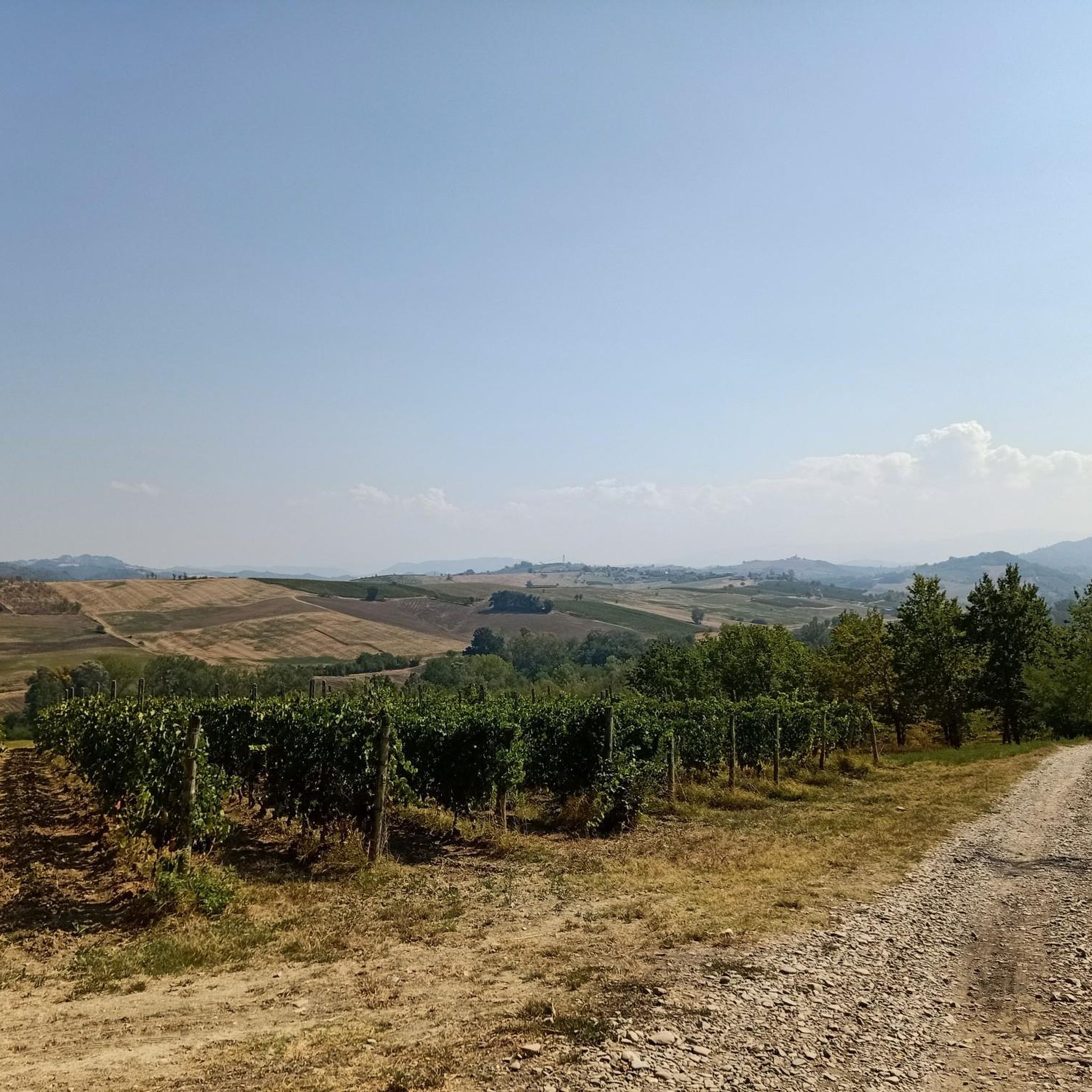
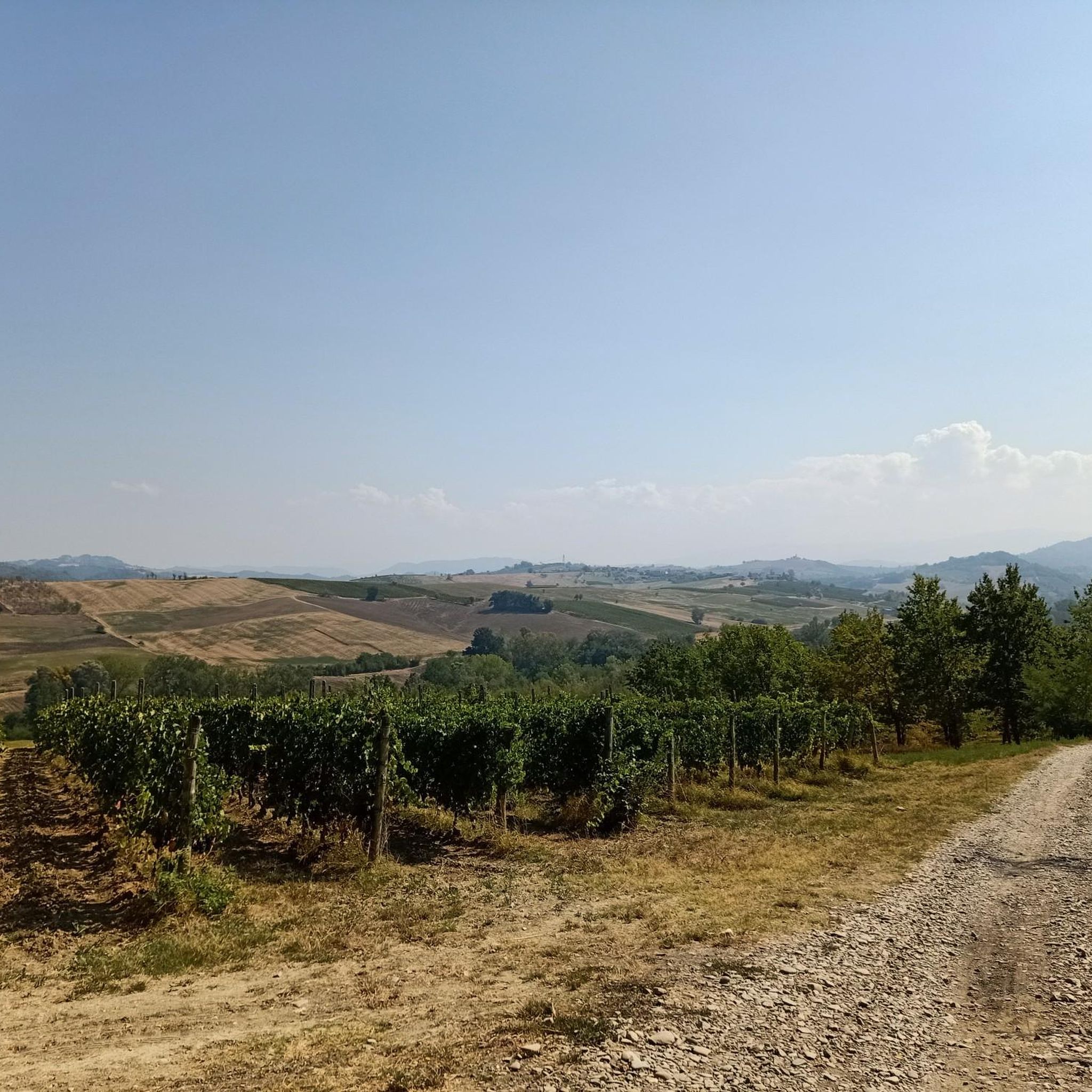
Vargo is a hamlet of the municipality of Stazzano (AL) at about 410 m above sea level. During the Middle Ages it was an imperial fiefdom under the Genoese families of Fieschi and then Doria. In 1797 it was annexed to the Ligurian Republic and after the fall of Napoleon it followed the fate of the province of Novi, becoming part of Piedmont in 1859 with the Rattazzi Decree. It was an independent municipality until 1928. Vargo has a castle known since 1157, the year of the invasions of the troops following Barbarossa, but this construction was actually born as a signal tower in the Lombard era and is part of the so-called line of castles. The town developed concentrically around the “castle”, rebuilt by the Fieschi family of Genoa, lords of Vargo since 1413: after the conspiracy against the said feudal lords, it was dismantled in 1442, and later passed to the Doria family in 1547. Next to what must have been the south-east walls, there is still an oratory dedicated to the Virgin of the Annunciation, while today the once fortified structure is partly used as a residence, and the very visible main tower, inside which are the living quarters of the last owner, has not been altered.
2
0

The castle of Carbonara Scrivia dates back to the 14th century or early 15th century, according to some documents found. The typical construction called "dongione" was built by Pierino Cameri on a previous property owned by the Curolo family, lords of Carbonara, who declined starting from 1246.
0
0
The castle of Tortona was a castle that stood on the Savo hill, the most important of the seven on which, according to tradition, the city of Tortona was founded. The name refers to various defensive constructions that arose on the same site over the course of two millennia. Between the 8th and 5th centuries BC. archaeological investigations in fact place the foundation of a hillfort by the Ligurians.
1
0
The castle of Novi Ligure is located near the historic center of Novi Ligure and was for centuries the extreme northern border of the Republic of Genoa. It is part of the "Open Castles" circuit of Lower Piedmont. Only the tower and some sections of the surrounding walls remain of the castle, which today delimit part of the large park. It was crowned by a Ghibelline battlement which has been lost but is still perceptible, despite the current covering with a tile roof.
0
0
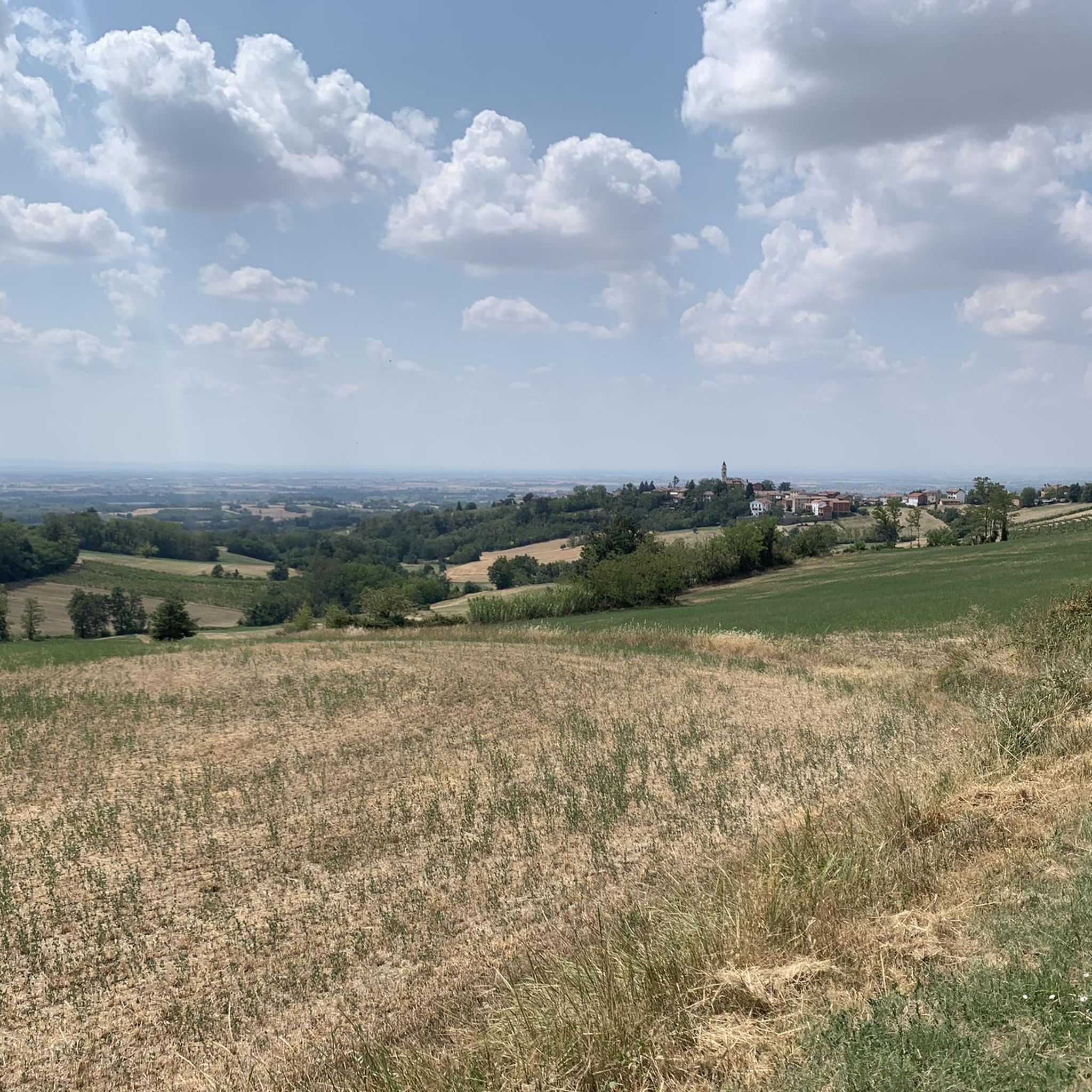
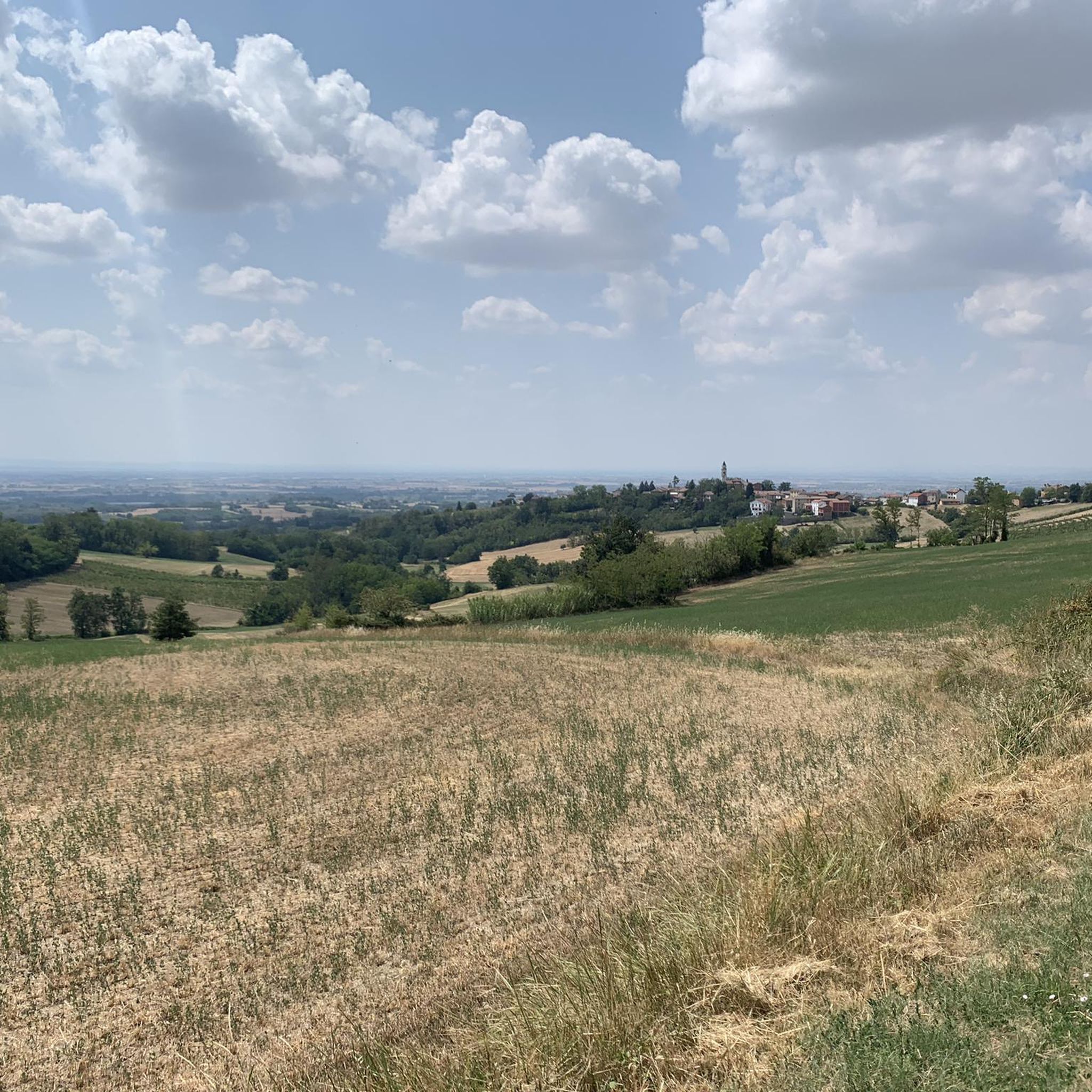
Path from the village of Sorli to the castle Not pedalable..very steep climb, large stones, wood and deep holes. The descent is also difficult...
0
0

The Castle park is a large green area located in the hilly area of Tortona close to the historic centre. It is a place of memory of the city, having been the scene of historical events such as the siege of Frederick Barbarossa. At the top of the park is the Tower, the city's symbol, which together with a few ruins is evidence of the ancient fortress that overlooked the town until its destruction by Napoleon in 1801.
1
0
The 14th century fortress of Carbonara Scrivia boasts the so-called "Dongione", built by Pierino Cameri. In addition to the dungeon, the defensive system of Carbonara Scrivia consisted of a fortified enclosure or castle, a moat and two access gates.
3
0
Frequently Asked Questions
What are some other notable castles to visit near Paderna?
Beyond the prominent Castello di Paderna, you can explore several other historically significant sites. Consider visiting the Tower of the Castle of Tortona, which is part of a large green area and a place of memory for the city. Another must-see is the Dongione of Carbonara Scrivia, a 14th-century fortress known for its well-preserved multi-storey structure. For panoramic views, the ruined Sorli Castle, located at 661 meters, offers sweeping vistas of the plain and valleys.
Are there family-friendly castles in the Paderna area?
Yes, several castles in the region offer a great experience for families. The Dongione of Carbonara Scrivia and Castello di Pozzolo Formigaro are both categorized as family-friendly. Castello di Paderna itself, with its organic farm and events like 'Frutti del Castello', can also be an engaging visit for families.
What kind of natural features can be found near the castles?
The castles in this region, particularly Castello di Paderna, are situated within the Po Valley, offering a mix of historical architecture and natural landscapes. Castello di Paderna is notable for its well-preserved, water-filled medieval moat. The Tower of the Castle of Tortona is set within a large green park area, providing a pleasant natural setting alongside historical ruins. The Sorli Castle, though ruined, is located at a height of 661 meters, offering extensive panoramic views of the surrounding plains and valleys, including the Scrivia and Borbera Valleys.
What outdoor activities can I do near these castles?
The area around Paderna offers various outdoor activities, especially cycling and running. You can find numerous MTB trails, including routes like the 'Monte San Vito Summit – View of the Val Curone loop'. For road cyclists, there are many road cycling routes, such as the 'Fausto Coppi House Museum – Passo Coppi loop'. Runners can explore running trails like the 'Parish Church of San Biagio – Fausto Coppi House Museum loop'.
When is the best time to visit Castello di Paderna?
Castello di Paderna is generally open to individual visitors on holidays from late April to late September. For groups, visits can be arranged year-round by appointment. The castle also hosts special events, such as the 'Frutti del Castello' floricultural exhibition, typically held on the first weekend of October, which can be a unique time to visit.
What historical events are associated with the castles in this region?
The castles in the Paderna region are steeped in history. Castello di Paderna itself dates back to the 9th century and was transformed into a fortress in 1453. The Tower of the Castle of Tortona is a significant historical site, having been the scene of events like the siege of Frederick Barbarossa. The Dongione of Carbonara Scrivia is a 14th-century fortress built by Pierino Cameri, part of a sophisticated medieval defensive system.
Are there any castles with unique architectural features?
Absolutely. Castello di Paderna stands out with its well-preserved, water-filled medieval moat and a distinctive rectangular plan. Its main access tower features machicolations and arquebusiers, and it also houses a Romanesque chapel with ancient elements. The Dongione of Carbonara Scrivia is notable for its multi-storey 'dongione' structure, similar to a keep, which is rare in Piedmont and well-preserved.
Can I find accommodation or dining options near the castles?
While specific recommendations are not provided, the area around Paderna and Pontenure offers local amenities. Castello di Paderna itself functions as an organic farm and hosts events, which may include catering or refreshment options during specific occasions. For broader choices, exploring the nearby towns of Pontenure or Piacenza would likely yield various restaurants, cafes, and accommodation options.
What is the accessibility like for visitors at Castello di Paderna?
Castello di Paderna is open to individual visitors on holidays from late April to late September. Guided tours are included in the entrance fee. For groups, visits can be arranged year-round by appointment. While general accessibility is noted, specific details regarding wheelchair access are not available and should be confirmed directly with the castle.
What events are hosted at Castello di Paderna?
Castello di Paderna is well-known for hosting an important national floricultural exhibition called 'Frutti del Castello' (Fruits of the Castle), dedicated to biodiversity and gardening, typically held on the first weekend of October. The castle also serves as a venue for ceremonies, private events, parties, and refreshments throughout the year.
Are there any castles that offer scenic viewpoints?
Yes, the region boasts castles with impressive views. The ruined Sorli Castle, situated at 661 meters, provides a fabulous panoramic view of the plain stretching from Alessandria to Tortona, including the Scrivia and Borbera Valleys. Similarly, Novi Ligure Castle, with its imposing tower located on a hill, also offers a viewpoint.
Most popular routes around Paderna
Most popular attractions around Paderna

Get inspired with the komoot mobile app


Explore more
Looking for the best castles somewhere else? Discover other guides around Paderna:
