Top 7 Castles around Occimiano
Castles around Occimiano are situated in the heart of the Monferrato region, an area known for its history and numerous impressive castles. Occimiano itself features a historic center, an 18th-century Town Hall, and strong agricultural traditions, particularly wine production. The surrounding Monferrato hills offer a landscape of vineyards and historical fortresses. This area provides a base for exploring the rich art, history, and wine culture of Piedmont.
Best castles around Occimiano
- The most popular castles is Castello di Pomaro,…
Last updated: June 30, 2026
Castello di Pomaro
Highlight • Castle
Translated by Google •
Tip by

Castello di Giarole
Highlight • Castle
Translated by Google •
Tip by

Sign up now to discover places like this
Get recommendations on the best single tracks, peaks, & plenty of other exciting outdoor places.
Sign up for free
Terruggia Village and Castle
Highlight • Castle
Showing Translation
Tip by
Uviglie Castle
Highlight • Castle
Translated by Google •
Tip by
San Giorgio Monferrato Castle
Highlight • Castle
Translated by Google •
Tip by

Sign up for free to discover even more castles around Occimiano.
Sign up for free
Already have an account?
Start today with a free account
Your next adventure awaits.
Login or Signup

Tips from the Community

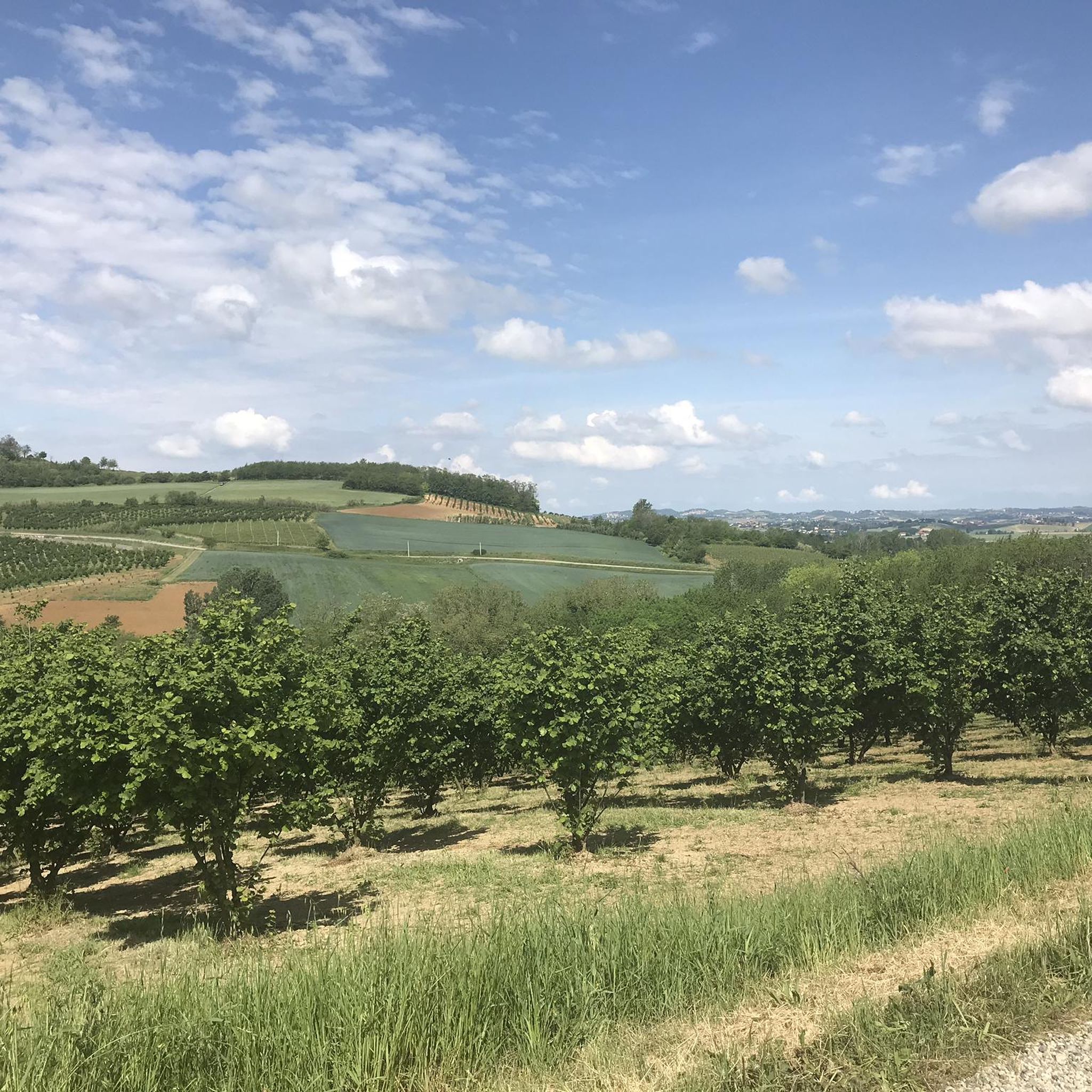
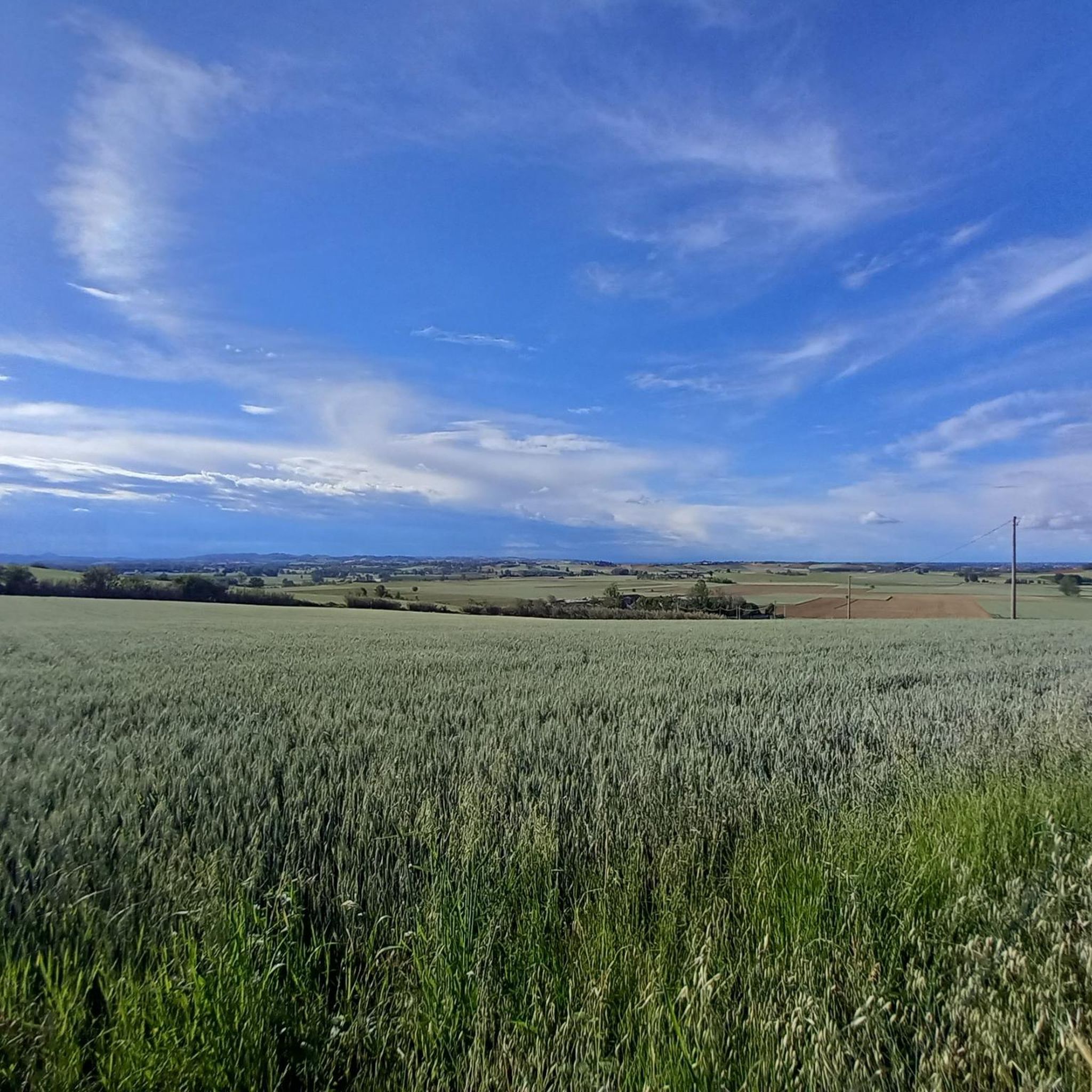
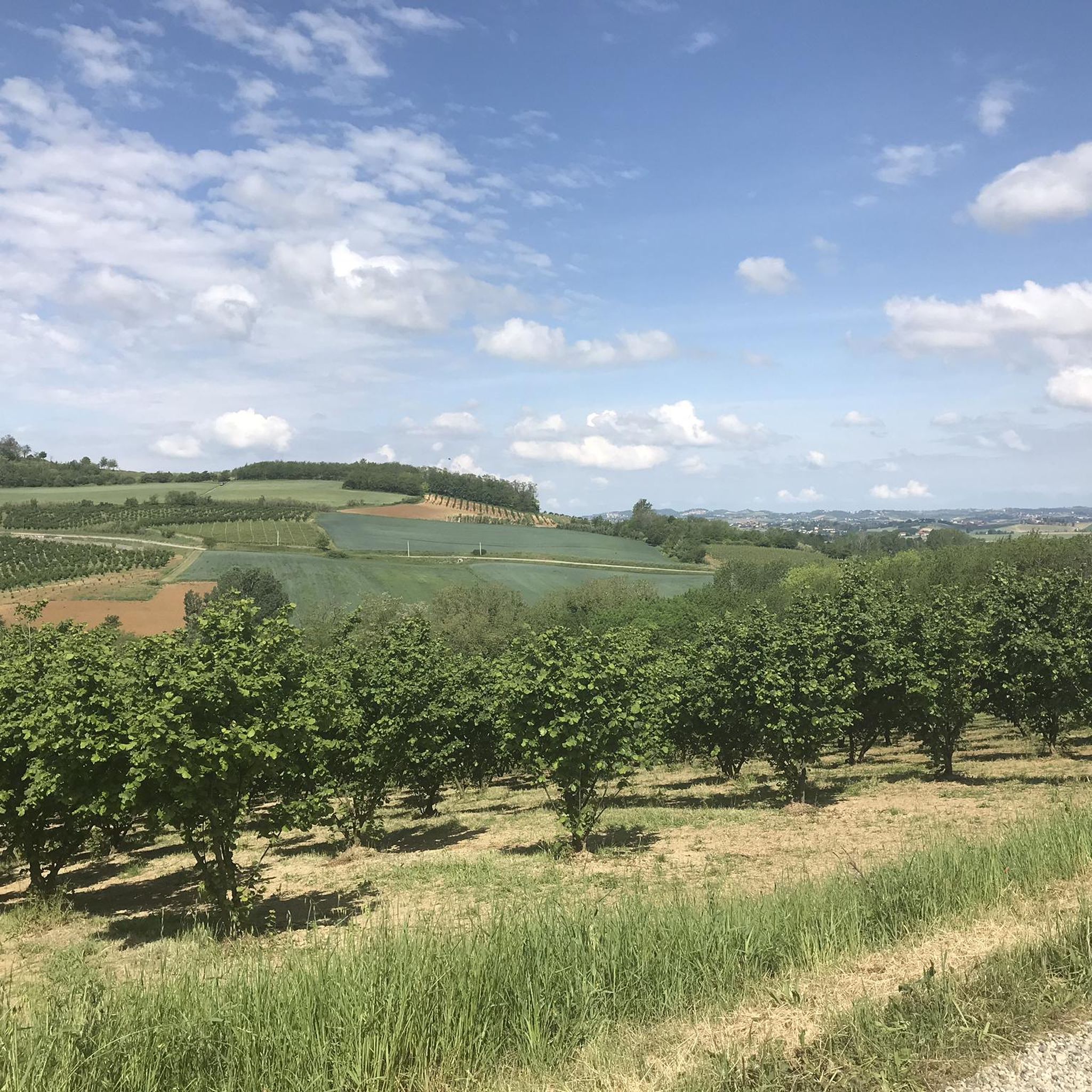
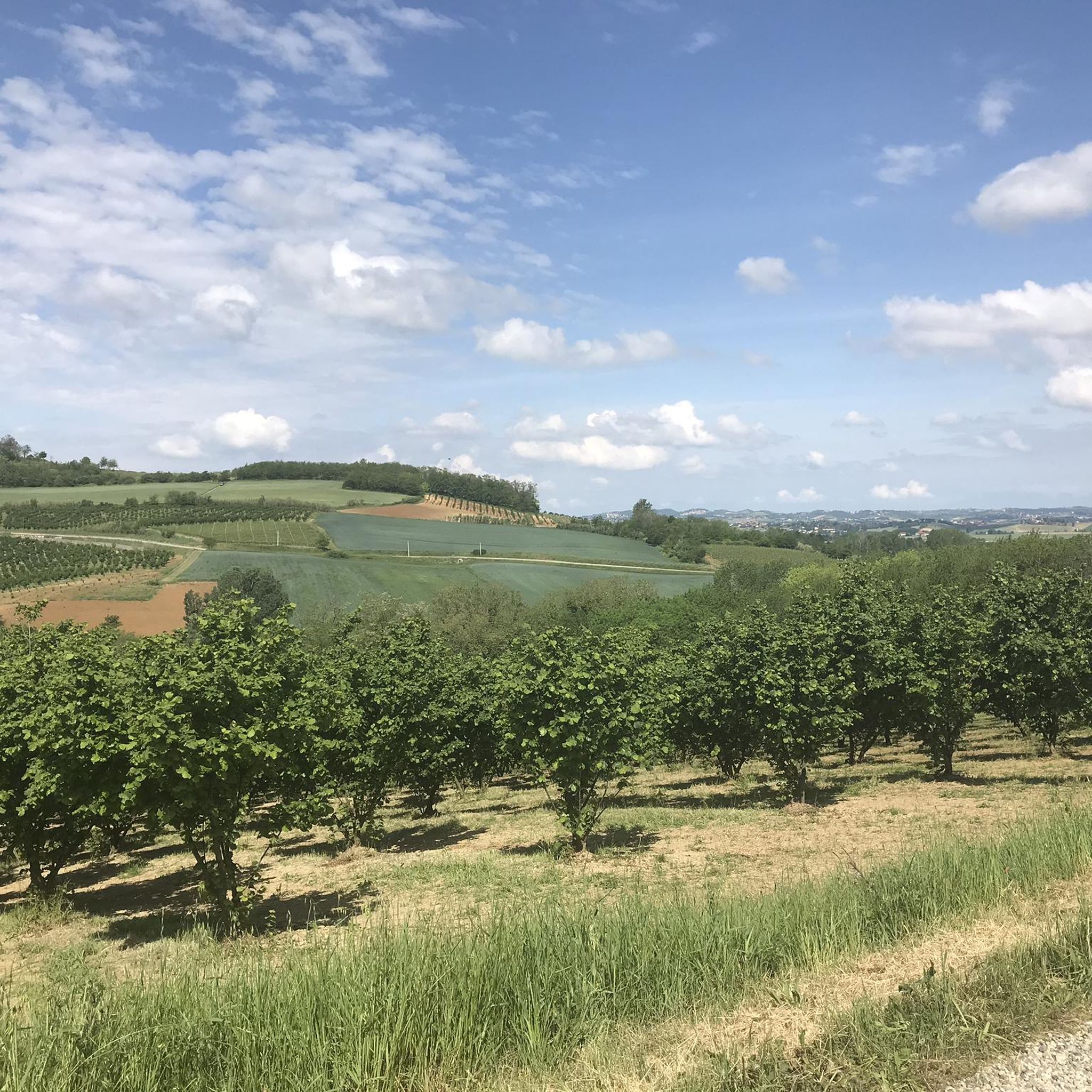
The Castle of Terruggia is an ancient medieval fortification that was located in the village of Terruggia, in Piedmont, in the Monferrato area (province of Alessandria).
12
0

In the heart of Monferrato, Terruggia preserves a compact historic center and a medieval castle, now a private villa.
3
0

Built on an inaccessible tuff spur, from which the entire valley and surrounding plain can be seen, it was initially a watchtower, later equipped with granaries for food reserves and quarters for healing. The first inhabitants of the current town settled immediately below the fort, feeling protected. Aleramo, the founder of the Marquises of Monferrato, held his court here, which at the time was itinerant. The castle, perched high on the hill, was impregnable due to its position and external defenses. It also had a well that could only be reached from the inside through a long tunnel dug into the tuff, allowing the inhabitants to resist sieges. The feudal lords, over time, were the counts of Lomello, the Church of Vercelli and William VI of Monferrato called the Great who, in the 13th century, further strengthened the fortifications with higher walls to the north. The last feudal lords of San Giorgio, the Gozani, enriched the castle with the scenographic eighteenth-century façade, with progressively receding masses, the large U-shaped staircase and the two arches that mark the entrances to the south and north. The Gozani were responsible for the construction in the eighteenth century, inside the hanging garden, of the chapel with perfect proportions, the work of Ferroggio, a student of Juvarra. The architect Bollati (1870) was responsible for the southern façade with neo-Gothic forms: it is a façade broken in a horizontal direction, receding to form a terrace on the third floor, from which, without climbing to the top of the tower, you can enjoy the spectacular view of the Alpine arch, from Monviso to Monte Rosa, of the gentle Monferrato hills and the Lomellina plain. Even though the Castle is private property, it is possible to visit it. Consult the website www.castellodisangiorgiomonferrato.com to find out the dates and times of visits.
0
0


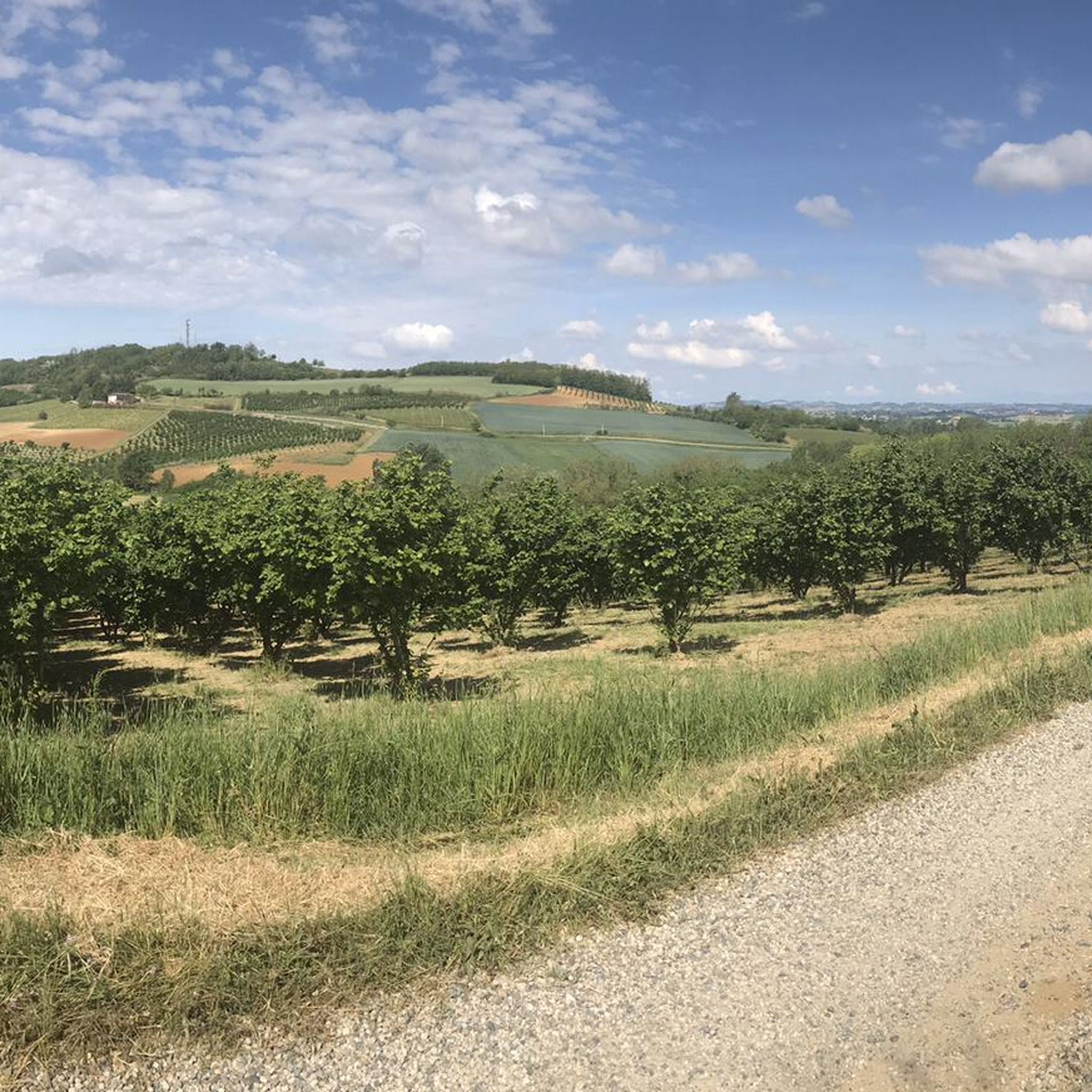
The castle enjoys a beautiful position on the hill, as well as admiring the stronghold you can enjoy a beautiful view of Rosignano Monferrato and Cella Monte
1
0
A beautiful village in Monferrato.
5
0

Fascinating medieval village that stands on the hill.
1
0
I don't know what era it is, but it is very beautiful.
16
0
Frequently Asked Questions
What are some of the most popular castles to visit around Occimiano?
The Monferrato region, where Occimiano is located, is rich in historical castles. Highly regarded options include Castello di Pomaro, a 12th-century fortress built by the Aleramici, and Castello di Giarole, authorized by Emperor Federico Barbarossa in 1163 and still inhabited by its founding family's heirs. Visitors also appreciate Uviglie Castle for its beautiful hilltop position and views.
What historical significance do the castles in the Monferrato region hold?
The castles in Monferrato, including those near Occimiano, are deeply rooted in regional history. Many, like Castello di Pomaro, served strategic defensive roles due to their positions. Others, such as Castello di Giarole, have been continuously inhabited by noble families for centuries, reflecting the area's enduring aristocratic heritage. Monferrato Castle in Casale Monferrato, for instance, was central to the Marquisate and later adapted for military techniques.
Are there family-friendly castles to visit near Occimiano?
Yes, several castles in the area welcome families. Castello di Pomaro and Frassinello Monferrato Castle are noted as family-friendly options. Many castles also offer extensive grounds or parks that children can enjoy, and some host events suitable for all ages.
What natural features or viewpoints can I enjoy near these castles?
The castles around Occimiano are set within the picturesque Monferrato hills, a UNESCO-listed landscape. From locations like Uviglie Castle, you can enjoy panoramic views of Rosignano Monferrato and Cella Monte. Castello di Gabiano, though not in the guide's highlights, offers sweeping views of the Po Valley and features a historic park with a rare labyrinth. Many castles are surrounded by vineyards, offering beautiful scenery.
What outdoor activities can I do near the castles around Occimiano?
The Monferrato region offers various outdoor activities. You can find numerous cycling and gravel biking routes, such as those detailed in the Gravel biking around Occimiano guide and the Cycling around Occimiano guide. For hikers, there are trails like the 'Terruggia countryside loop' or the 'Conzano Hills Loop', which you can explore via the Hiking around Occimiano guide.
Are there any castles that also offer wine tasting or accommodation?
Yes, many castles in the Monferrato region have embraced their agricultural heritage. Uviglie Castle is a working winery with historic cellars and offers guided wine tastings. Castello di Gabiano functions as a hotel with a gourmet restaurant and a renowned winery, producing the smallest DOC in Italy. Castello di Razzano also operates as a boutique relais with a restaurant and offers wine tastings from its 17th-century cellars.
What is the best time of year to visit the castles near Occimiano?
The Monferrato region is beautiful throughout the year, but spring (April-May) and autumn (September-October) are particularly pleasant. During these seasons, the weather is mild, ideal for exploring castle grounds and enjoying the vineyard landscapes. Autumn also offers the vibrant colors of the harvest season and opportunities for wine-related events.
Are there any castles that are UNESCO World Heritage Sites?
Yes, Frassinello Monferrato Castle and its surrounding area became a UNESCO World Heritage Site in June 2014, recognizing its historical significance and the cultural landscape of Monferrato.
What do visitors enjoy most about the castles around Occimiano?
Visitors frequently praise the historical depth and architectural beauty of the castles. Many appreciate the stunning views from their elevated positions, the well-preserved medieval structures, and the opportunity to experience the rich wine culture of the Monferrato region. The blend of history, nature, and local traditions makes for a memorable visit.
Can I find information about the history of the Monferrato region at these castles?
Absolutely. Many castles, such as Monferrato Castle in Casale Monferrato, have extensive histories tied to the Marquisate of Monferrato, offering insights into centuries of regional power struggles and cultural development. Castello di Razzano also houses the ArteVino Razzano Museum of Rural and Wine History, providing a deeper look into the area's agricultural past.
Is there a castle near Occimiano that is one of the oldest in the region?
Castello di Gabiano, located near Occimiano, is one of the oldest, largest, and best-preserved castles in the Monferrato region, with documented origins dating back to the 8th century. It has played a significant role in regional affairs for over a millennium. You can find more information about its offerings at manorcastles.com.
Most popular routes around Occimiano
Most popular attractions around Occimiano

Get inspired with the komoot mobile app


Explore more
Looking for the best castles somewhere else? Discover other guides around Occimiano:
