Top 5 Castles around Lerma
Best castles around Lerma, Spain, are primarily represented by the significant Ducal Palace of Lerma, a town known for its historical architecture. Perched on the highest point, the palace offers panoramic views of the town and the fertile plains of the Arlanza river valley. This region in the province of Burgos is recognized for its Herrerian architectural complex and historical structures. The area provides insights into regional history through its variety of historical sites.
Best castles around Lerma
- The most…
Last updated: June 30, 2026
Castello di Mornese
Highlight • Castle
Translated by Google •
Tip by

Castello di Montaldeo
Highlight • Castle
Tip by

Sign up now to discover places like this
Get recommendations on the best single tracks, peaks, & plenty of other exciting outdoor places.
Sign up for free
Castello di Francavilla Bisio
Highlight • Castle
Tip by
Cremolino Castle
Highlight • Castle
Translated by Google •
Tip by
Castello di Tagliolo
Highlight • Castle
Translated by Google •
Tip by
Start today with a free account
Your next adventure awaits.
Login or Signup
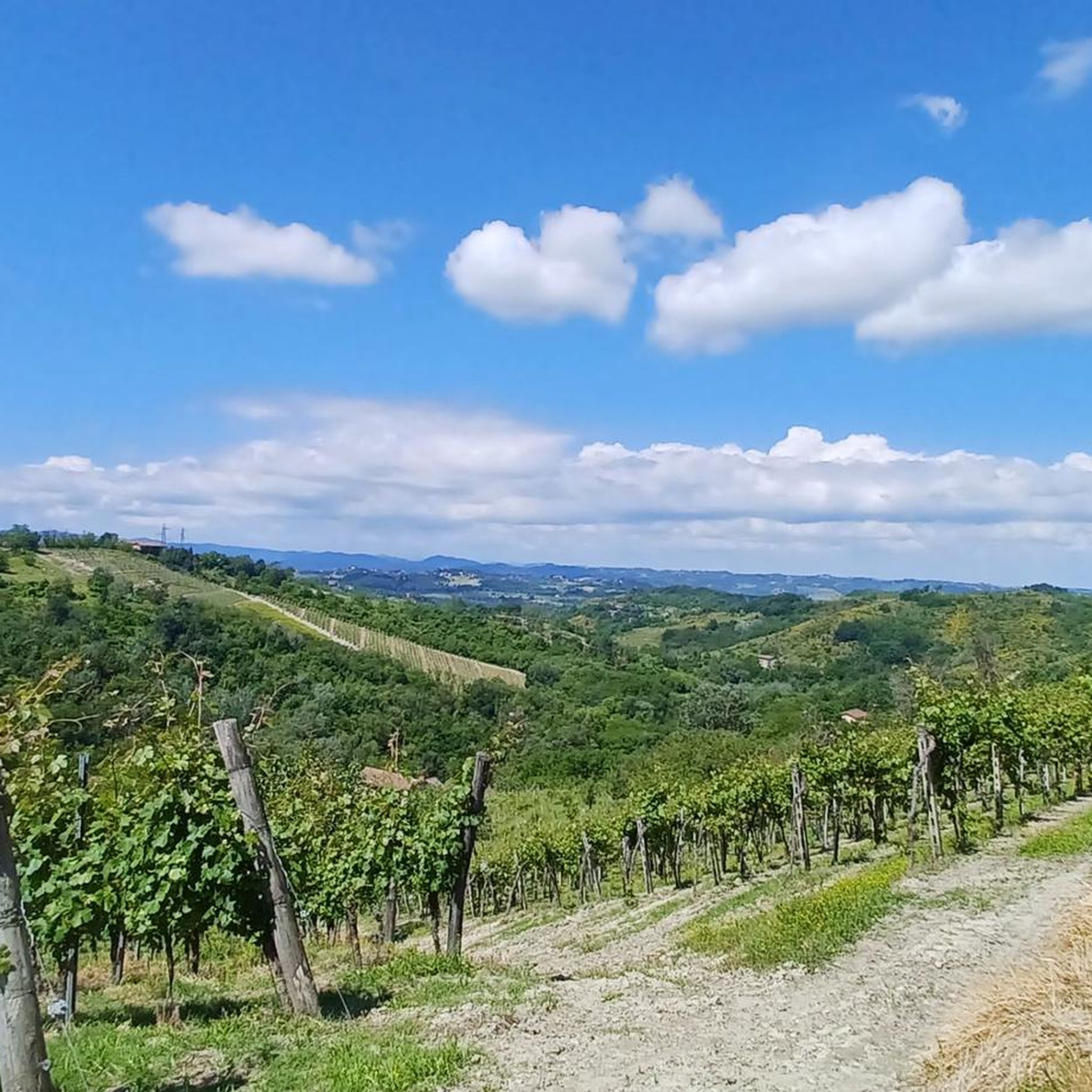
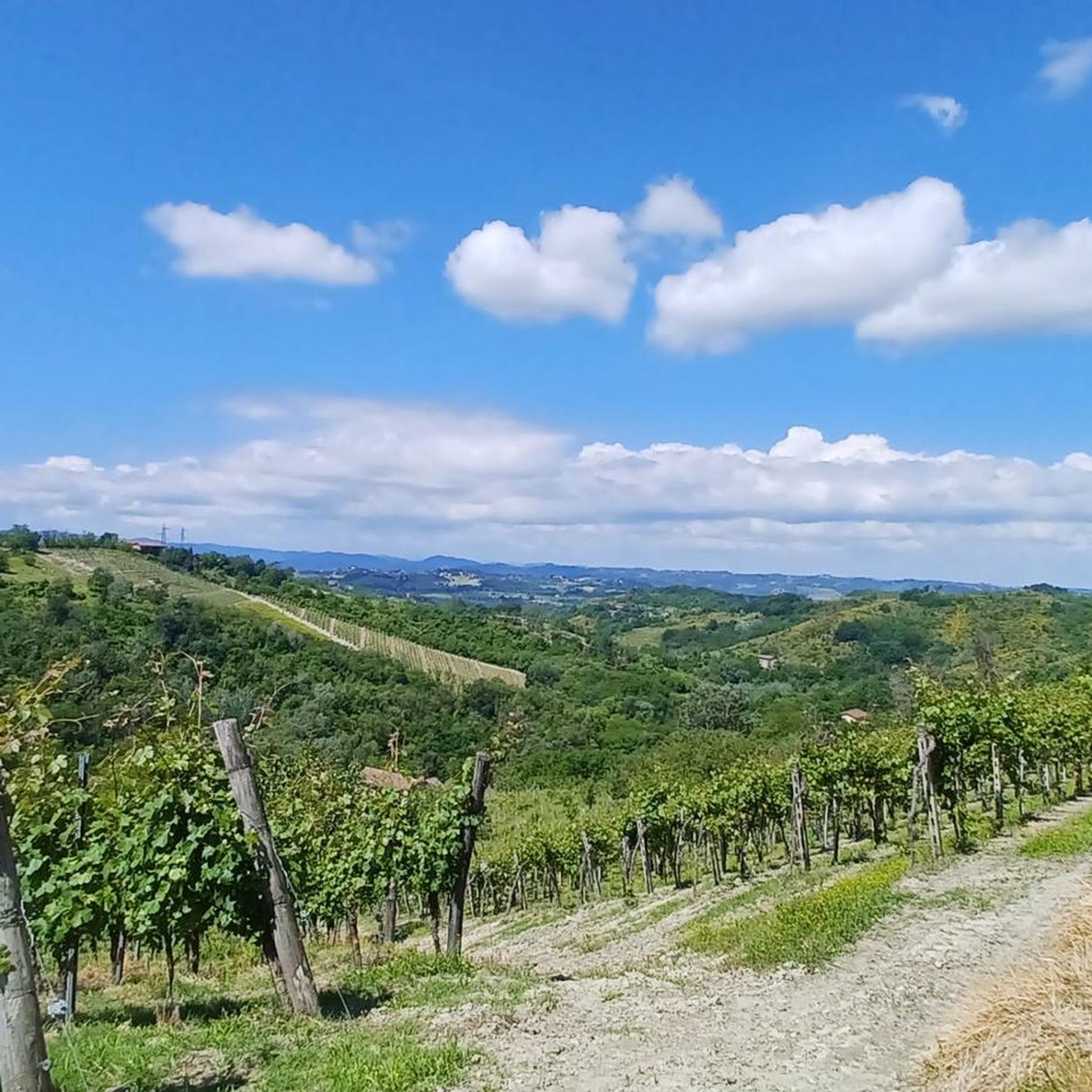
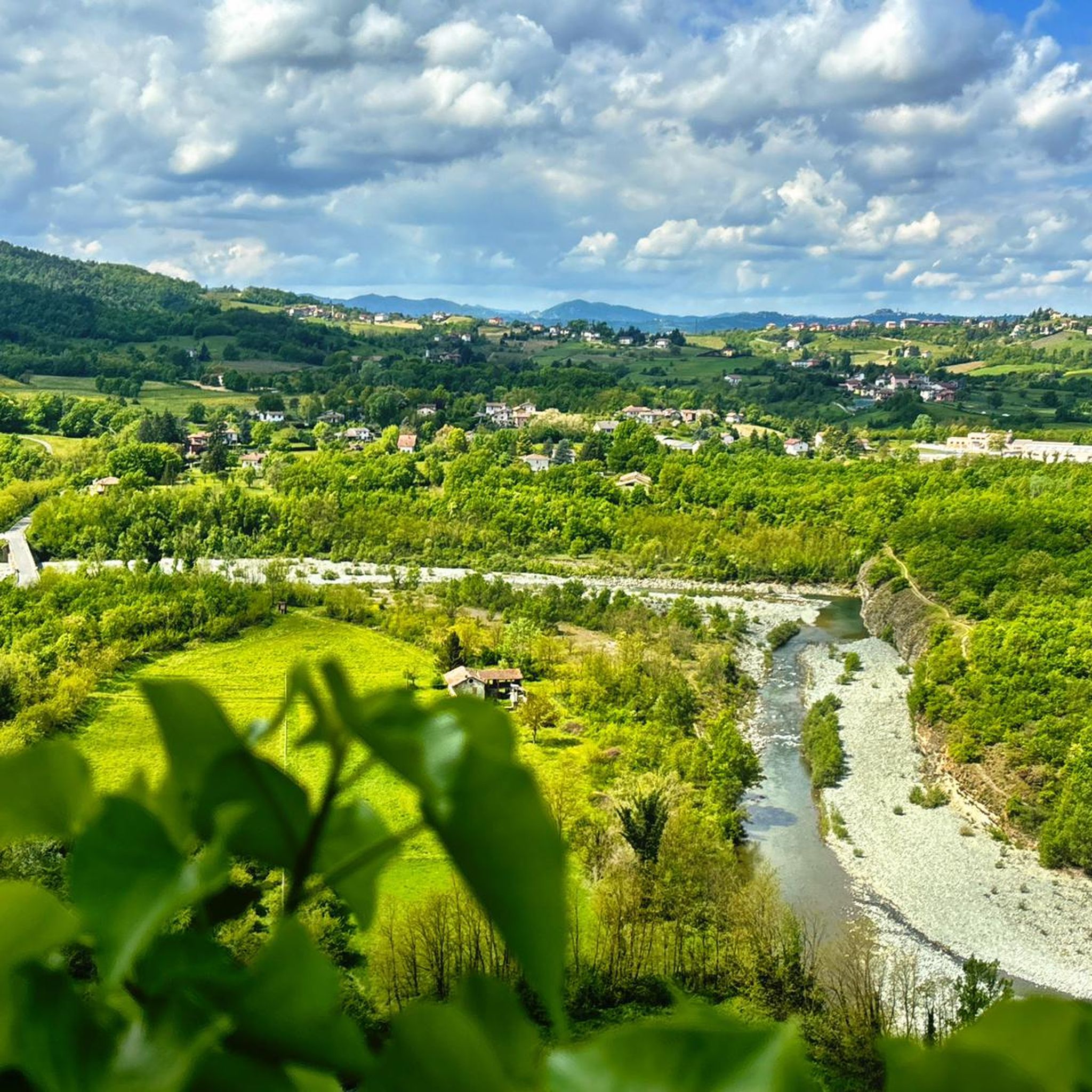
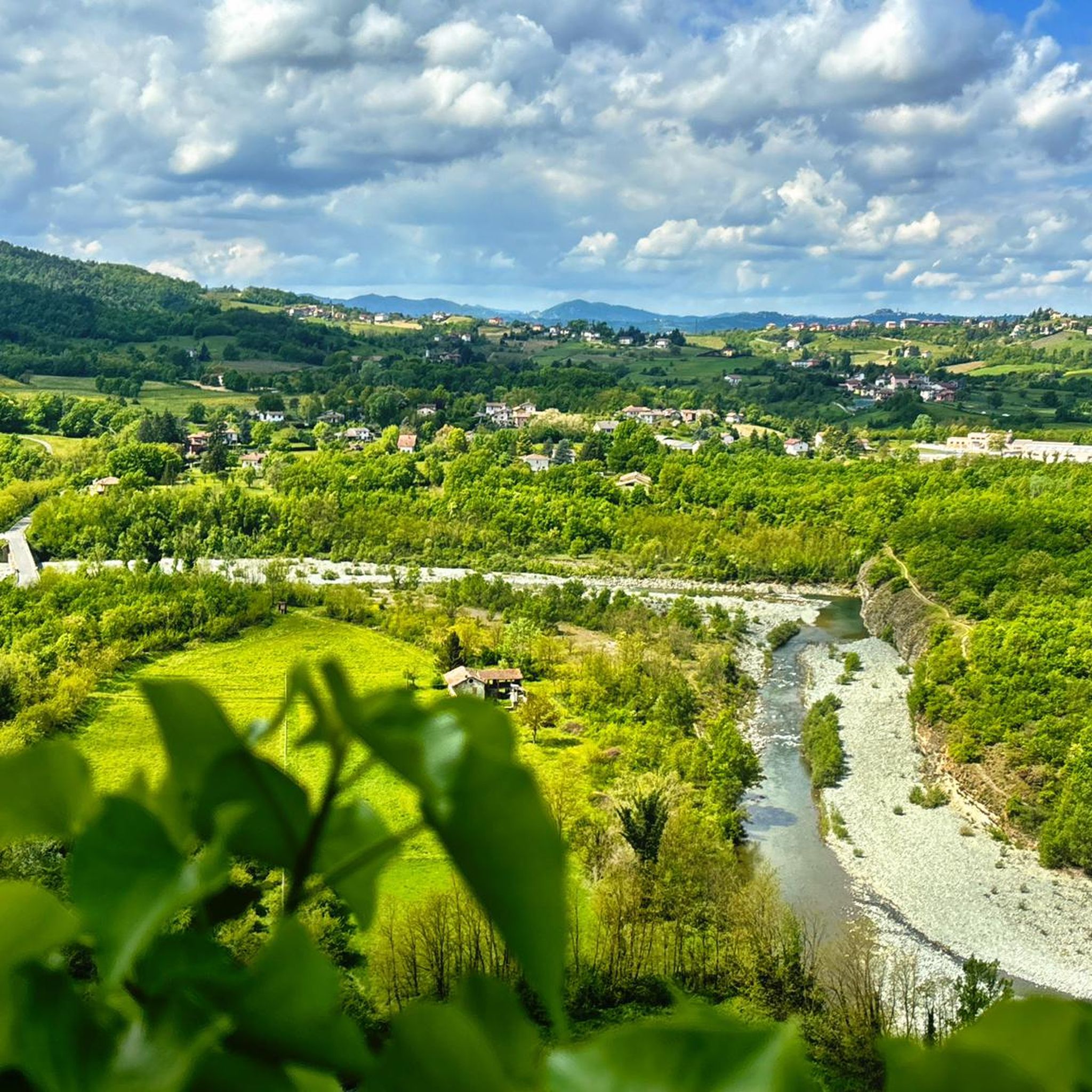
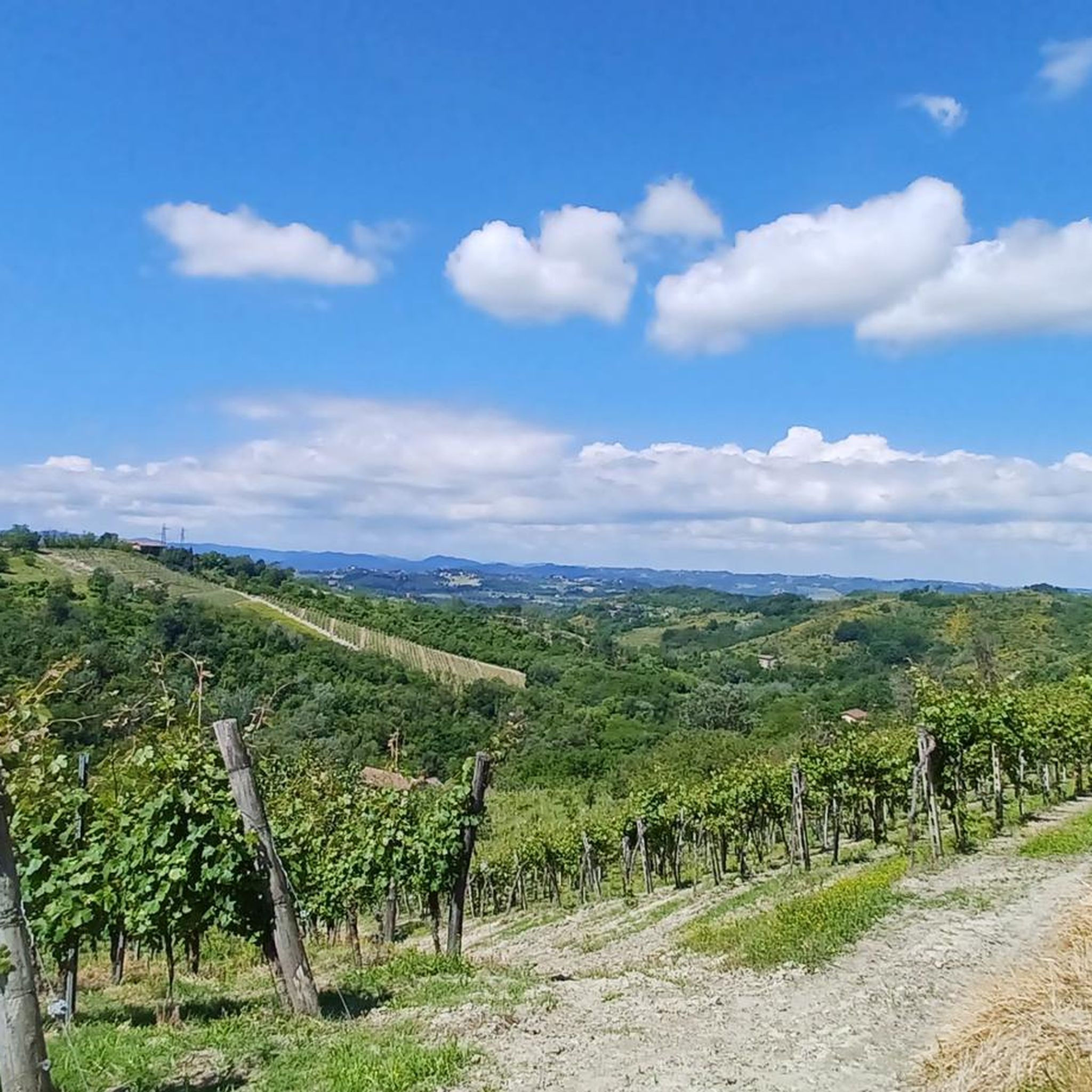
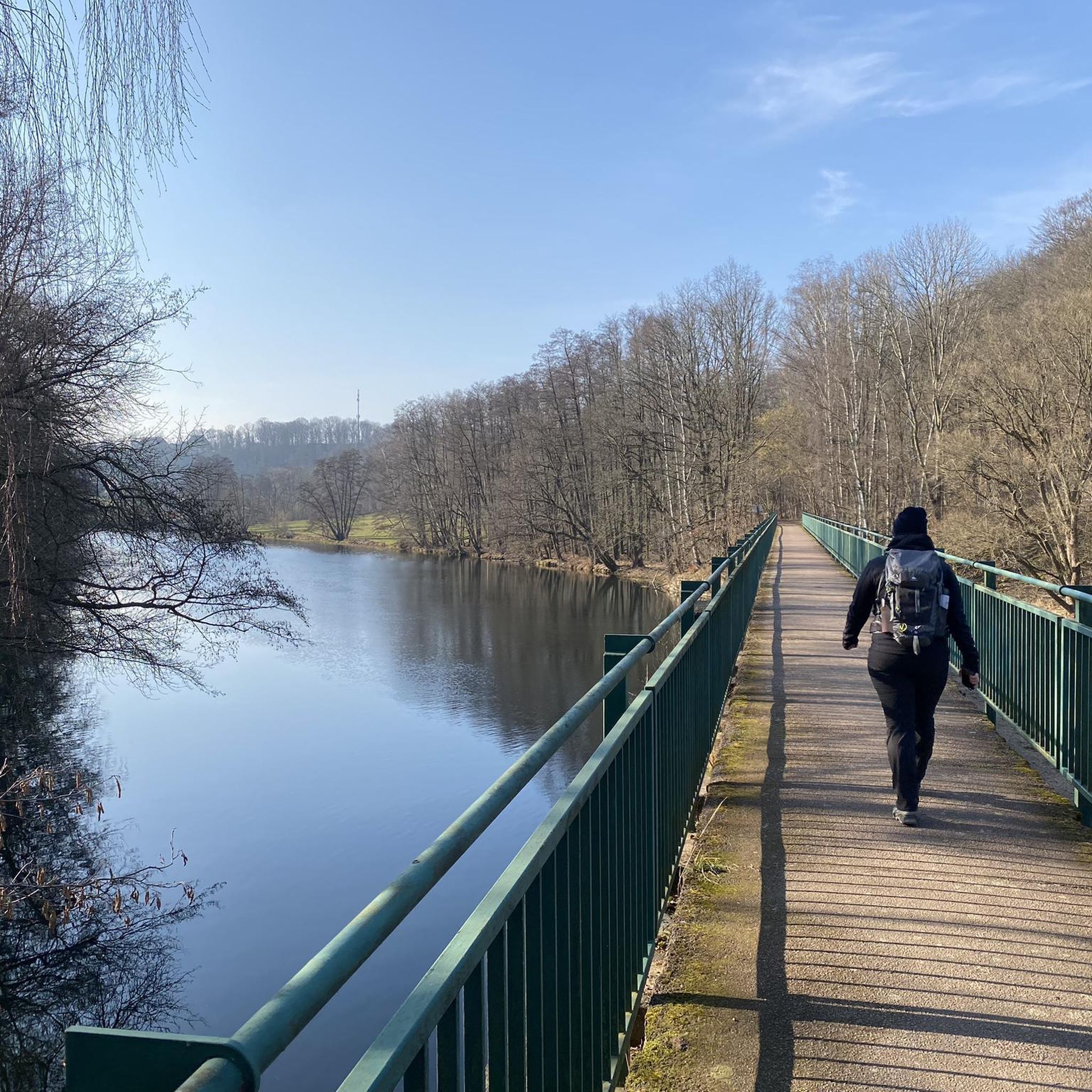
Tips from the Community

Beautiful as all those I have encountered
0
0

Castello di Tagliolo Farm Via Castello, 1 15070 Tagliolo Monferrato (AL) Tel. 0143 89195 - Fax 0143 896387 Email: castelloditagliolo@libero.it
0
0
The castle built on a 13th century fortification - is accessed via a steep climb starting from the small square where the ancient municipal building with loggia stood. Enfeoffed to the Doria family between the 14th and 16th centuries, the castle saw the succession of many families: Da Passano, Pallavicino, Serra, Spinola and Orsini Pio di Savoia. The guise in which it appears today dates back to the 18th century, when it was adapted by the Serra family into an elegant country residence. The castle, owned by the Doria family of Montaldeo since the beginning of the 19th century, has a complex structure in which the original structures survive, vestiges of previous use: the apparatus protruding on double brackets, the battlements and the configuration of the keep. One of the towers, which became an artist's studio in the last century and overlooks the surrounding landscape with large windows, offers a priceless view that sweeps over the Alpine chain, from Monviso to Monte Rosa, and over the Apennines, up to the Piacenza mountains
0
0
The castle stands in a dominant position on a rocky spur overlooking the village of Cremolino, about 450 meters above sea level. The village itself is gathered around the castle and is enclosed by a second wall built in the 15th century 1460 by Isnardo Malaspina. Access to the castle is via a drawbridge.
0
0
The imposing building, which retains a structure with corner towers, has richly furnished interiors and interesting collections of ancient weapons. Even the foundations, built with abundance, enclose labyrinthine underground passages that lead to the prisons. The building is known in the area for the legendary presence of a ghost and as a place which, way back in 1528, saw the killing of the despotic Alessandrian feudal lord Cristoforo Trotti and his family.
0
0
Very beautiful castle on the hills of Ovada
0
0
The castle is owned by Count Cesare Giriodi Panissera di Monastero. The construction of the manor dates back to the second half of the 1300s and acquired value in the following centuries due to its strategic position: the town was in fact located on the borders of the Republic of Genoa, with the Savoy State and the various Lombard duchies.
0
0

An old castle on the side of the hill that could be seen from far
3
0
Frequently Asked Questions
What is the main historical castle-like structure in Lerma?
The primary historical structure in Lerma is the magnificent Ducal Palace of Lerma. Built between 1601 and 1617, it stands on the ruins of an older 15th-century castle and is considered a prime example of early 17th-century Spanish architecture. While technically a palace, its imposing size and historical significance give it a formidable, castle-like presence.
What is the current use of the Ducal Palace of Lerma?
Today, the Ducal Palace of Lerma operates as a luxurious Parador, a state-run high-end hotel. This allows visitors to experience the grandeur of the historic building firsthand, even staying within its walls. It also houses an Interpretation Center where you can learn about Lerma's history.
What are some architectural features of the Ducal Palace of Lerma?
The palace is known for its imposing size and classical style, featuring two hundred and ten balconies, thirty-five windows, and four prominent black spires at each corner. Its façade showcases the coats of arms of the Sandoval and Los Rojas families. Inside, it boasts a central courtyard with stately columned galleries, with columns made from single pieces of granite.
Are there other notable castles to visit in the broader region around Lerma?
Yes, in the broader region, you can explore several other historical castles. These include San Cristoforo Castle, which is currently undergoing renovation but allows exterior visits, and Castello di Francavilla Bisio, an old castle dating back to the 1300s with strategic historical importance. Another option is Castello di Montaldeo, known for its multiple gates, richly furnished interiors, and collections of ancient weapons.
What kind of outdoor activities can I do near these castles?
The area around these castles offers various outdoor activities. You can find numerous hiking trails, such as those detailed in the Hiking around Lerma guide, which includes routes like 'From Lerma to Tagliolo Monferrato' and 'Trail 320: Lerma to San Cristoforo'. For cyclists, there are road cycling routes, including the 'Via Cairoli, Ovada – Cremolino Historic Centre loop' found in the Road Cycling Routes around Lerma guide.
Are there any castles with unique historical stories or features?
Absolutely. Castello di Montaldeo is known for its labyrinthine underground passages and a legend of a ghost, as well as being the site of a historical killing in 1528. Castello di Francavilla Bisio held significant strategic importance due to its location on the borders of historical states.
What do visitors enjoy most about the castles in this region?
Visitors appreciate the rich history and architectural grandeur of the castles. The komoot community has shared over 16 photos and given more than 20 upvotes, highlighting the visual appeal and historical significance of these sites. The opportunity to explore exteriors, see ancient weapons, and learn about strategic historical locations are frequently mentioned highlights.
Can I visit the interiors of all castles around Lerma?
Not all castles allow interior visits. For instance, San Cristoforo Castle is currently under renovation, so only its exteriors can be visited. However, the Ducal Palace of Lerma, as a Parador, offers access to its grand interiors, and Castello di Montaldeo is noted for its richly furnished interiors and collections.
Are there any castles that offer good viewpoints?
Yes, Cremolino Castle stands in a dominant position on a rocky spur, offering excellent views overlooking the village of Cremolino and the surrounding area. Its strategic location at about 450 meters above sea level makes it a notable viewpoint.
How can I learn more about the history of Lerma and its monuments?
The Ducal Palace of Lerma houses an Interpretation Center. Here, visitors can delve into the history of Lerma, its monuments, and cultural traditions, with a particular focus on the 17th century and Baroque festivities. This is an excellent resource for in-depth historical context.
Are there running trails available near the castles?
Yes, the region offers several running trails. You can find options like 'Running along Lake Lavagnina — Loop tour' or 'Monte Tobbio from Ponte Nespolo Loop'. More details on these and other routes are available in the Running Trails around Lerma guide.
What is the historical significance of the Ducal Palace of Lerma?
The Ducal Palace of Lerma was commissioned by Francisco Gómez de Sandoval y Rojas, the Duke of Lerma, a powerful figure during King Philip III's reign. It served as a symbol of his political power and was intended as a lodging and enjoyment place for the King. Its construction on older castle ruins highlights its continuous strategic and symbolic importance through history.
Most popular attractions around Lerma

Get inspired with the komoot mobile app


Explore more
Looking for the best castles somewhere else? Discover other guides around Lerma:
