Top 6 Castles around Coniolo
Castles around Coniolo offer a glimpse into the historical landscape of the Monferrato region. This area is characterized by rolling hills and ancient villages, providing a backdrop for several notable fortifications. Coniolo itself is situated within a region rich in cultural heritage and historical architecture. Visitors can explore a variety of castles that reflect different eras and architectural styles.
Best castles around Coniolo
- The most popular castles is Camino Castle, a castle equipped with crenellated walls and towers. It…
Last updated: June 30, 2026
Camino Castle
Highlight • Castle
As with many ancient buildings in Italy, there are many legends about the castle of …
Translated by Google •
Tip by

Cereseto Castle
Highlight • Castle
The castle was built in the …
Translated by Google •
Tip by
Sign up now to discover places like this
Get recommendations on the best single tracks, peaks, & plenty of other exciting outdoor places.
Sign up for free
Terruggia Village and Castle
Highlight • Castle
Showing Translation
Tip by
Uviglie Castle
Highlight • Castle
Translated by Google •
Tip by
San Giorgio Monferrato Castle
Highlight • Castle
Translated by Google •
Tip by

Start today with a free account
Your next adventure awaits.
Login or Signup

Tips from the Community

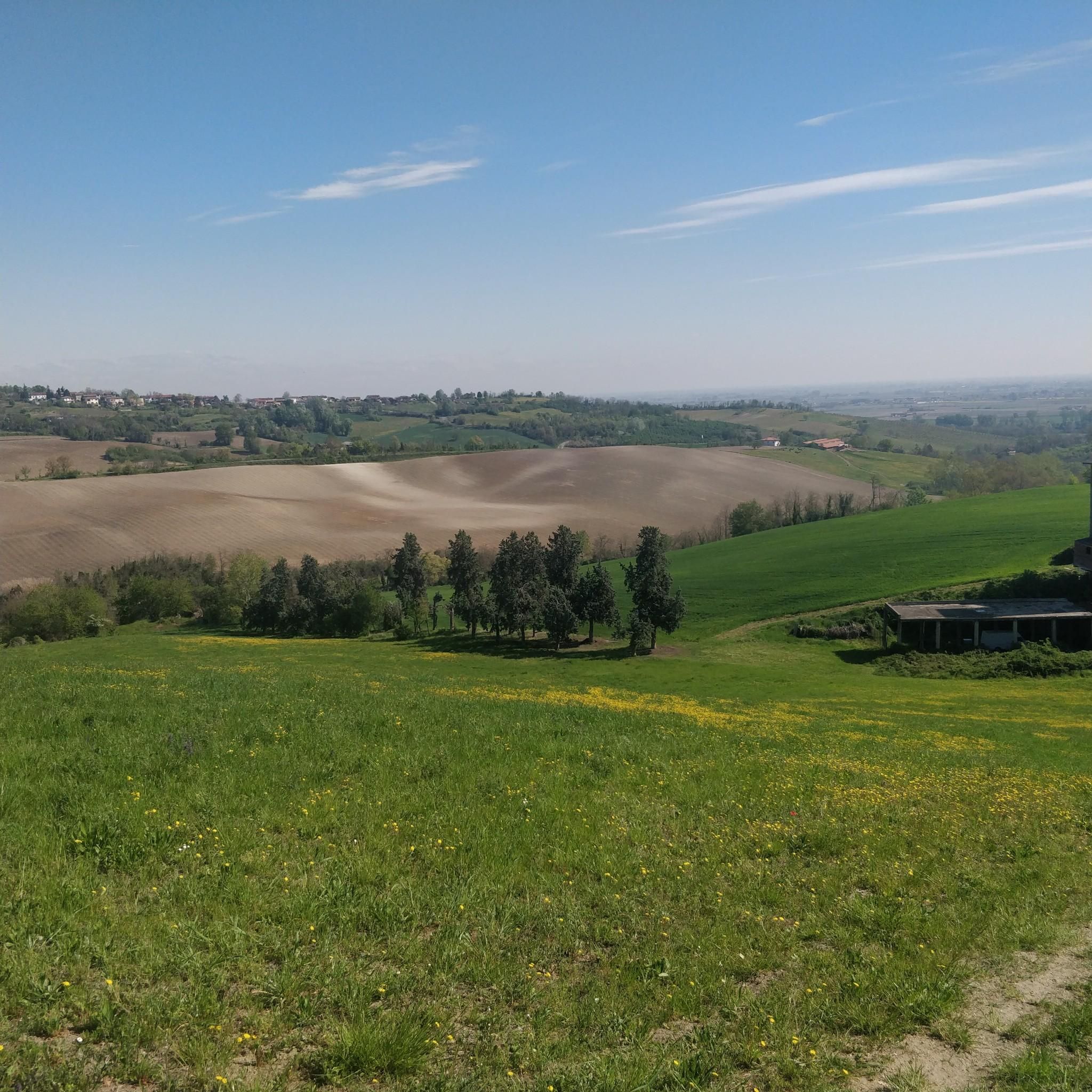
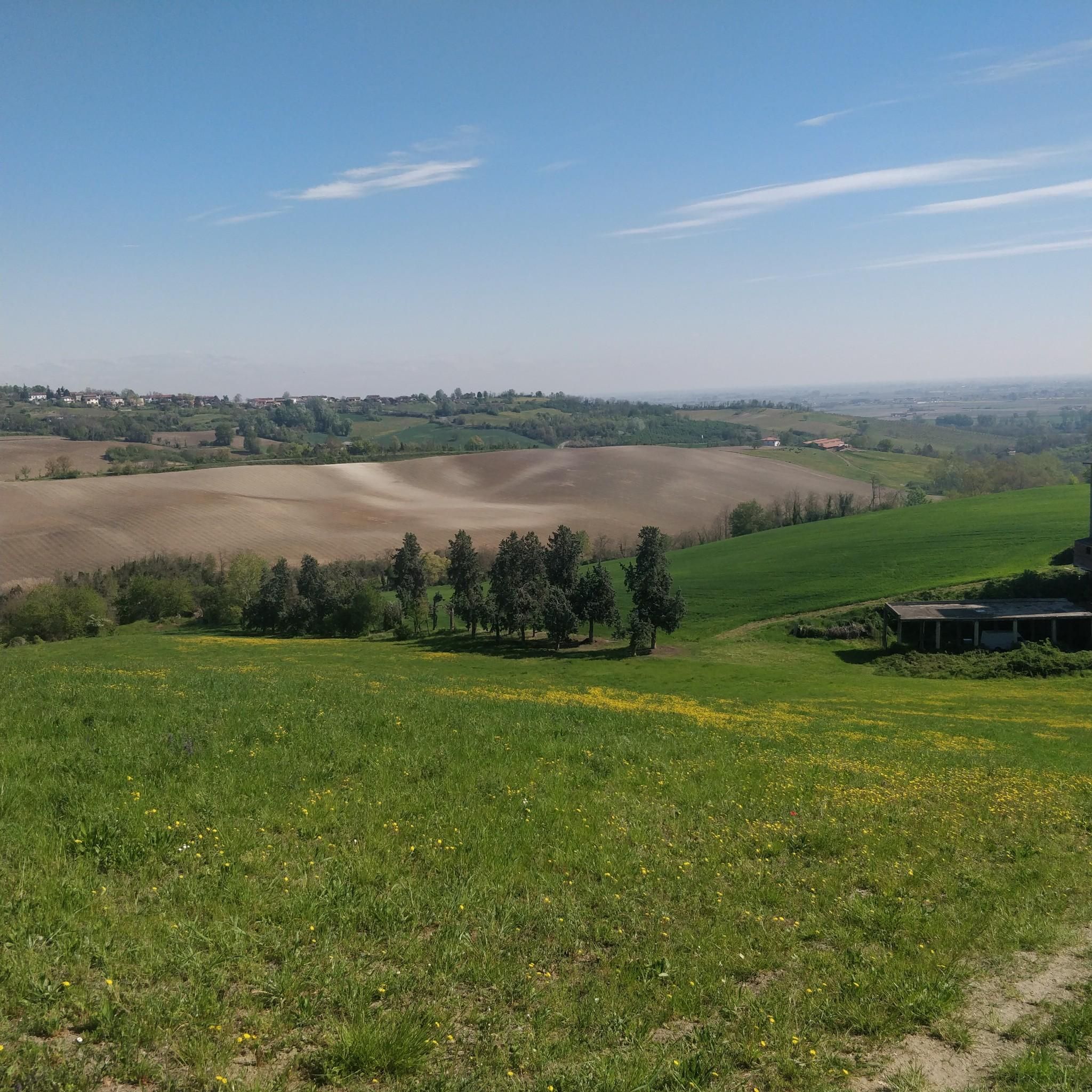
The Castle of Terruggia is an ancient medieval fortification that was located in the village of Terruggia, in Piedmont, in the Monferrato area (province of Alessandria).
12
0

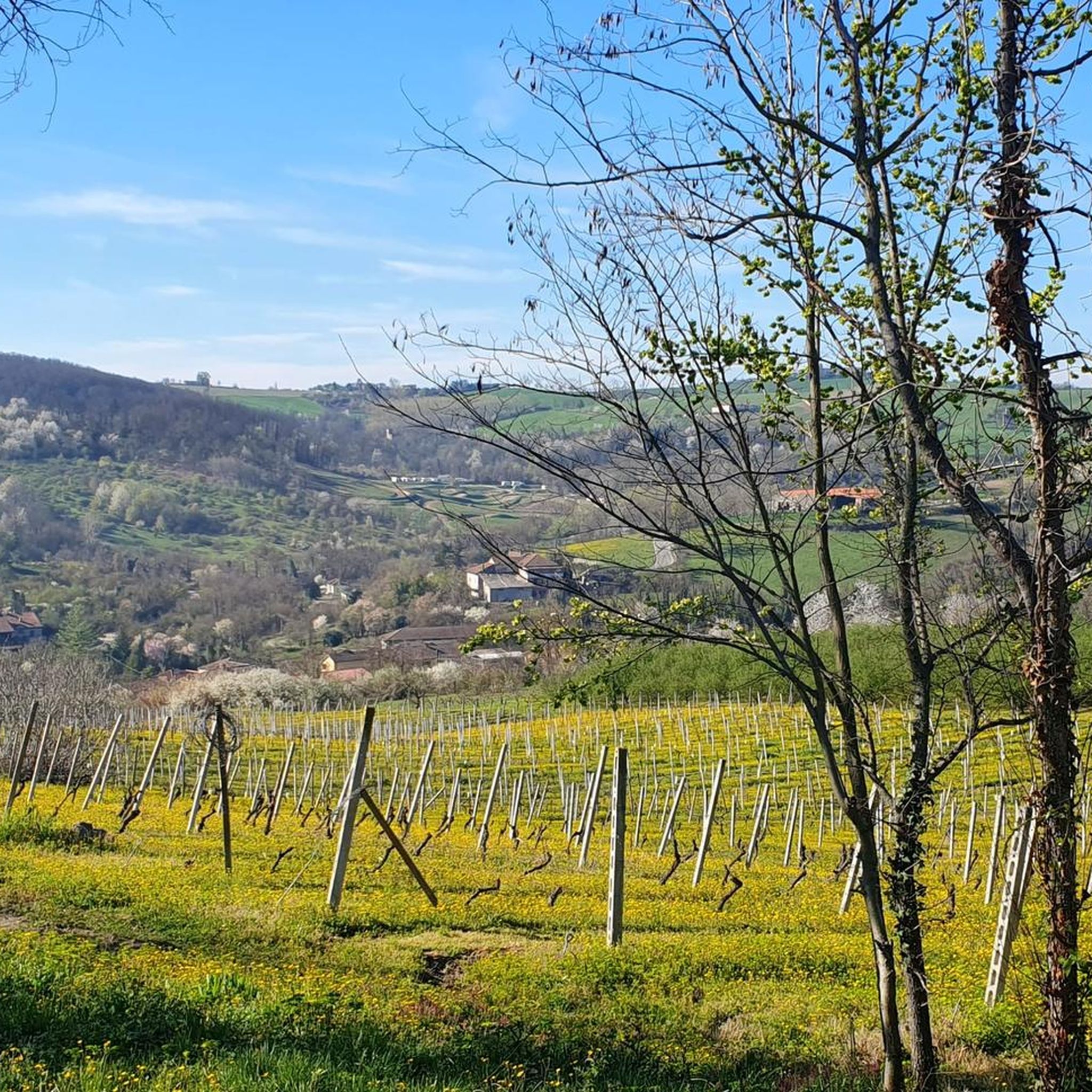
Nestled among centuries-old trees, Camino Castle dominates the ancient village from above and contributes to one of the most easily recognizable hilltop profiles of the Lower Monferrato.
0
0

In the heart of Monferrato, Terruggia preserves a compact historic center and a medieval castle, now a private villa.
3
0

Built on an inaccessible tuff spur, from which the entire valley and surrounding plain can be seen, it was initially a watchtower, later equipped with granaries for food reserves and quarters for healing. The first inhabitants of the current town settled immediately below the fort, feeling protected. Aleramo, the founder of the Marquises of Monferrato, held his court here, which at the time was itinerant. The castle, perched high on the hill, was impregnable due to its position and external defenses. It also had a well that could only be reached from the inside through a long tunnel dug into the tuff, allowing the inhabitants to resist sieges. The feudal lords, over time, were the counts of Lomello, the Church of Vercelli and William VI of Monferrato called the Great who, in the 13th century, further strengthened the fortifications with higher walls to the north. The last feudal lords of San Giorgio, the Gozani, enriched the castle with the scenographic eighteenth-century façade, with progressively receding masses, the large U-shaped staircase and the two arches that mark the entrances to the south and north. The Gozani were responsible for the construction in the eighteenth century, inside the hanging garden, of the chapel with perfect proportions, the work of Ferroggio, a student of Juvarra. The architect Bollati (1870) was responsible for the southern façade with neo-Gothic forms: it is a façade broken in a horizontal direction, receding to form a terrace on the third floor, from which, without climbing to the top of the tower, you can enjoy the spectacular view of the Alpine arch, from Monviso to Monte Rosa, of the gentle Monferrato hills and the Lomellina plain. Even though the Castle is private property, it is possible to visit it. Consult the website www.castellodisangiorgiomonferrato.com to find out the dates and times of visits.
0
0

Around 1900, the extremely wealthy entrepreneur, financier, art collector and patron Riccardo Gualino (1879–1964) began building a neo-Romanesque-neo-Gothic castle in a commanding position over the town. The architect of the building was the engineer Vittorio Tornielli. In 1918, the Castello di Cereseto became one of the residences of the Turin family, where lavish parties were celebrated with guests from the Piedmontese business and financial world, from the Agnelli to the Sella. The fort was inhabited by the family until the second half of the 20th century and is therefore well preserved.
6
0

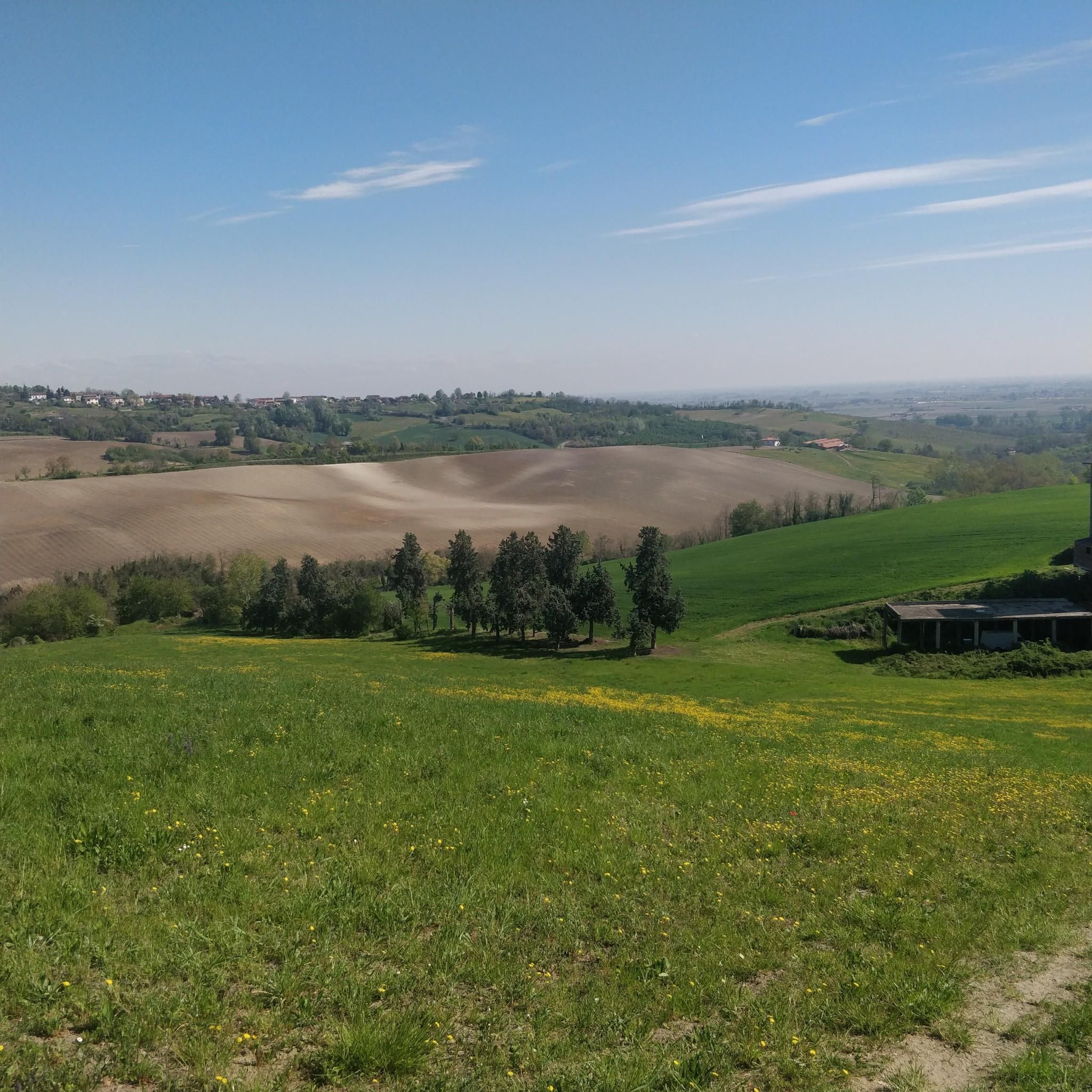
The castle enjoys a beautiful position on the hill, as well as admiring the stronghold you can enjoy a beautiful view of Rosignano Monferrato and Cella Monte
1
0
I don't know what era it is, but it is very beautiful.
16
0
It looks like a castle straight out of a fairy tale.It is one of the castles of Monferrato with the best preserved external walls. The castle was built in the early twentieth century. Unfortunately, today the interior of the castle cannot be visited, but many people go to the village to see the imposing Cereseto castle from the outside and immortalize its beauty in their photographs.
9
0
Frequently Asked Questions
What are some of the most notable castles to visit around Coniolo?
The region offers several impressive castles. Among the most popular are Camino Castle, known for its classic medieval appearance and rich history, and Cereseto Castle, a neo-Romanesque-neo-Gothic structure with well-preserved external walls. Another significant site is Terruggia Village and Castle, which preserves a compact historic center and a medieval castle.
What makes Camino Castle particularly interesting?
Camino Castle is one of the most spectacular castles in Monferrato, featuring crenellated walls and towers. It's steeped in local legends, including the tragic tale of Countess Camilla and Count Scarampo Scarampi. Visitors can see the sarcophagus of Scarampo in the inner courtyard, depicted holding his head, which echoes the legend.
Can I visit the interior of Cereseto Castle?
Cereseto Castle, built in the early 20th century, is renowned for its fairy-tale appearance and well-preserved external walls. Unfortunately, the interior of the castle is not currently open to visitors. However, many people still visit the village to admire and photograph its imposing exterior.
What is the history behind Monferrato Castle?
Monferrato Castle in Casale Monferrato was originally ordered by Giovanni II Paleologo, Marquis of Monferrato, with construction continuing until 1357. It served as the seat of the court and was later strengthened with new military techniques, resulting in its current hexagonal shape. It played a significant role in the region's history, serving as a ducal residence and later a barracks.
Are there any castles with good viewpoints around Coniolo?
Yes, Uviglie Castle is situated in a beautiful position on a hill. From this stronghold, you can enjoy a scenic view of Rosignano Monferrato and Cella Monte, making it a great spot for panoramic vistas.
What is the best time of year to visit the castles around Coniolo?
The Monferrato region, with its rolling hills and ancient villages, is beautiful throughout much of the year. Spring and autumn generally offer pleasant weather for exploring the castles and their surroundings, with milder temperatures and vibrant landscapes. Summer can also be enjoyable, though it may be warmer.
Are there family-friendly castles or activities near Coniolo?
While specific family-friendly activities within each castle may vary, exploring the historical sites like Cereseto Castle, with its fairy-tale appearance, can be engaging for families. The general experience of discovering medieval architecture and local legends can be an enriching outing for all ages.
What outdoor activities can I do near the castles around Coniolo?
The area around Coniolo is excellent for cycling. You can find various routes for road cycling, touring, and gravel biking. For example, there are challenging touring bicycle routes like the 'Conzano (AL) – Terruggia Village and Castle loop from Casale Popolo' or moderate gravel biking routes such as 'Strada Vecchia di Lu – Winding climb towards Monte loop from San Giorgio Casale'. You can explore more options in the Road Cycling Routes around Coniolo, Cycling around Coniolo, and Gravel biking around Coniolo guides.
Are there cycling routes that pass by some of the castles?
Yes, several cycling routes incorporate the castles. For instance, the 'Conzano (AL) – Terruggia Village and Castle loop from Casale Popolo' is a challenging touring bicycle route. You can find more routes, including those that offer views of castles like Gabiano and Camino, in the Road Cycling Routes around Coniolo guide.
What do visitors enjoy most about the castles around Coniolo?
Visitors appreciate the historical depth and architectural beauty of the castles. Many are captivated by the legends associated with places like Camino Castle. The well-preserved exteriors, like that of Cereseto Castle, are also frequently highlighted for their photographic appeal. The scenic positions of castles like Uviglie Castle, offering beautiful views, are also a big draw.
Is public transport available to reach the castles?
While Coniolo itself is a smaller municipality, the broader Monferrato region has some public transport options. However, reaching individual castles, especially those in more rural settings, often requires a car for convenience and flexibility. It's advisable to check local bus schedules if you plan to rely on public transport, as direct routes to all castles may be limited.
Where can I find parking near the castles?
Parking availability varies by castle. For castles located within villages or towns, you may find public parking areas nearby. For more isolated castles, parking might be available on-site or in designated areas close to the entrance. It's recommended to check specific castle websites or local information for detailed parking instructions before your visit.
Most popular routes around Coniolo
Most popular attractions around Coniolo

Get inspired with the komoot mobile app


Explore more
Looking for the best castles somewhere else? Discover other guides around Coniolo:
