Top 5 Castles around Solonghello
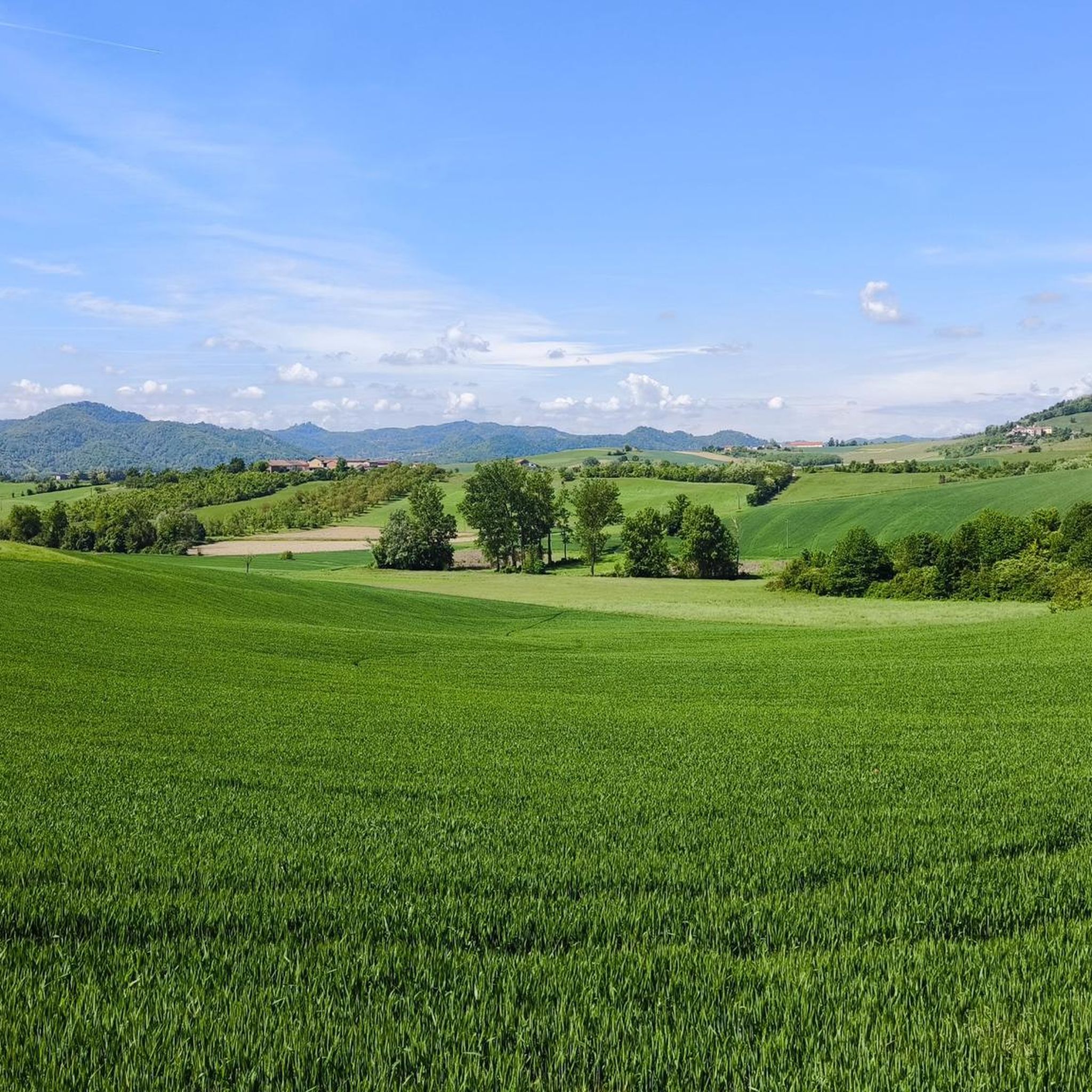
Best castles around Solonghello are found in the Monferrato region of Piedmont, an area characterized by rolling hills and historical architecture. Solonghello itself is known for its namesake castle, a significant historical site with origins tracing back to the 12th century. The region offers a blend of medieval fortifications and later architectural transformations, providing insights into centuries of local history. This area is ideal for exploring historical landmarks set within a scenic landscape.
Best castles around Solonghello
- The most popular…
Last updated: October 16, 2026
Camino Castle
Highlight • Castle
As with many ancient buildings in Italy, there are many legends about the castle of …
Translated by Google •
Tip by

Cereseto Castle
Highlight • Castle
The castle was built in the …
Translated by Google •
Tip by
Sign up now to discover places like this
Get recommendations on the best single tracks, peaks, & plenty of other exciting outdoor places.
Climb to Castello di Gabiano
Highlight (Segment) • Climb
Translated by Google •
Tip by
View of Castello di San Giorgio
Highlight • Viewpoint
Showing Translation
Tip by
Portico of Moncalvo Castle (Asti)
Highlight • Castle
Showing Translation
Tip by

Start today with a free account
Your next adventure awaits.

Tips from the Community

A long and beautiful portico stands in the Moncalvo castle complex where, with various murals, the history of the Aleramici lands is told.
0
0

The view of the castle of San Giorgio Monferrato is one of the most evocative panoramas of the Monferrato hills. The castle dominates the town from the top of a hill and stands out clearly in the surrounding landscape.
14
0

The mighty structure of the Castle of San Giorgio dominates the surrounding valleys. The central tower of the castle dates back to around the 9th century, and was built on a spur of rock essentially for sighting purposes. Later the tower was surrounded by four towers with the construction of a defensive structure. Later, a new body was built between the original tower and the towers to contain a larger garrison of soldiers. Later the castle was transformed into a residential palace and in the 19th century it was further expanded. In my opinion, the most singular aspect of the castle is that, starting from the foundation of the original watchtower and up to today, the castle has always been inhabited.
3
0

Around 1900, the extremely wealthy entrepreneur, financier, art collector and patron Riccardo Gualino (1879–1964) began building a neo-Romanesque-neo-Gothic castle in a commanding position over the town. The architect of the building was the engineer Vittorio Tornielli. In 1918, the Castello di Cereseto became one of the residences of the Turin family, where lavish parties were celebrated with guests from the Piedmontese business and financial world, from the Agnelli to the Sella. The fort was inhabited by the family until the second half of the 20th century and is therefore well preserved.
7
0
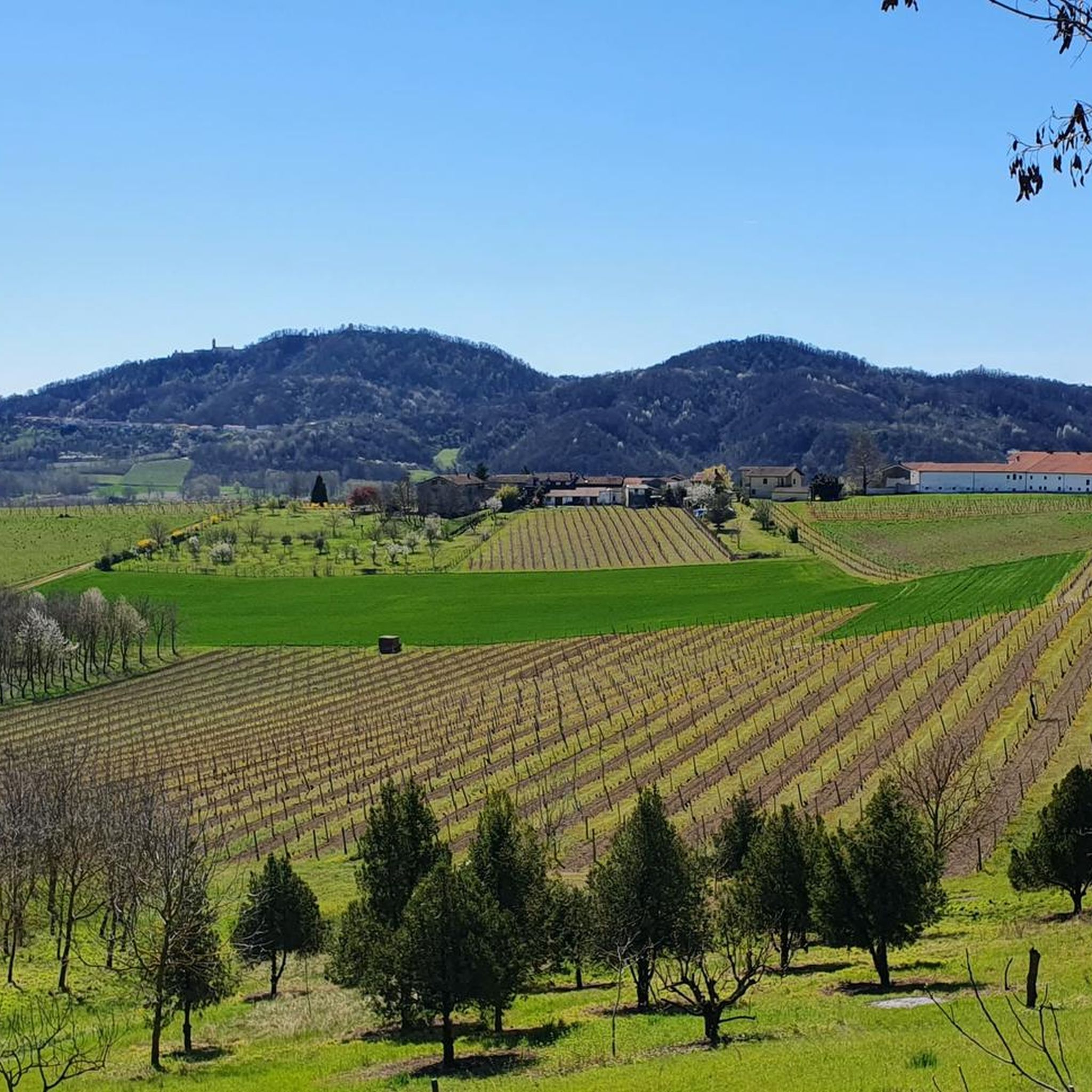
Nice climb with a nice view.
19
0
It looks like a castle straight out of a fairy tale.It is one of the castles of Monferrato with the best preserved external walls. The castle was built in the early twentieth century. Unfortunately, today the interior of the castle cannot be visited, but many people go to the village to see the imposing Cereseto castle from the outside and immortalize its beauty in their photographs.
10
0
One of the most spectacular castles in Monferrato and equipped with crenellated walls and towers. As with many ancient buildings in Italy, there are many legends about the castle of Camino. One of the most recurrent narrates that in the year 1494, Count Scarampo Scarampi, feudal lord of the Marquis of Monferrato, was accused of making forays into neighboring villages causing problems such as thefts and fires. After a long siege of the castle, which lasted two months, it was captured by the militias of Costantino Aranite, prefect of Casale. His wife, the Marquise Camilla, managed to escape from a secret passage and reach Casale to ask for a safe conduct for her husband's life. Scarampo Scarampi, however, had already been beheaded by those who had imprisoned him. When she learned of her husband's sad fate, out of desperation, the Marquise Camilla threw herself from the tower. Now, she walks around the battlements of the castle crying, while her husband walks around the manor with his head in his hand. Legend aside, in the inner courtyard of the castle of Camino there is the sarcophagus of the noble Scarampo, depicted at rest holding his head with his left hand.
15
0

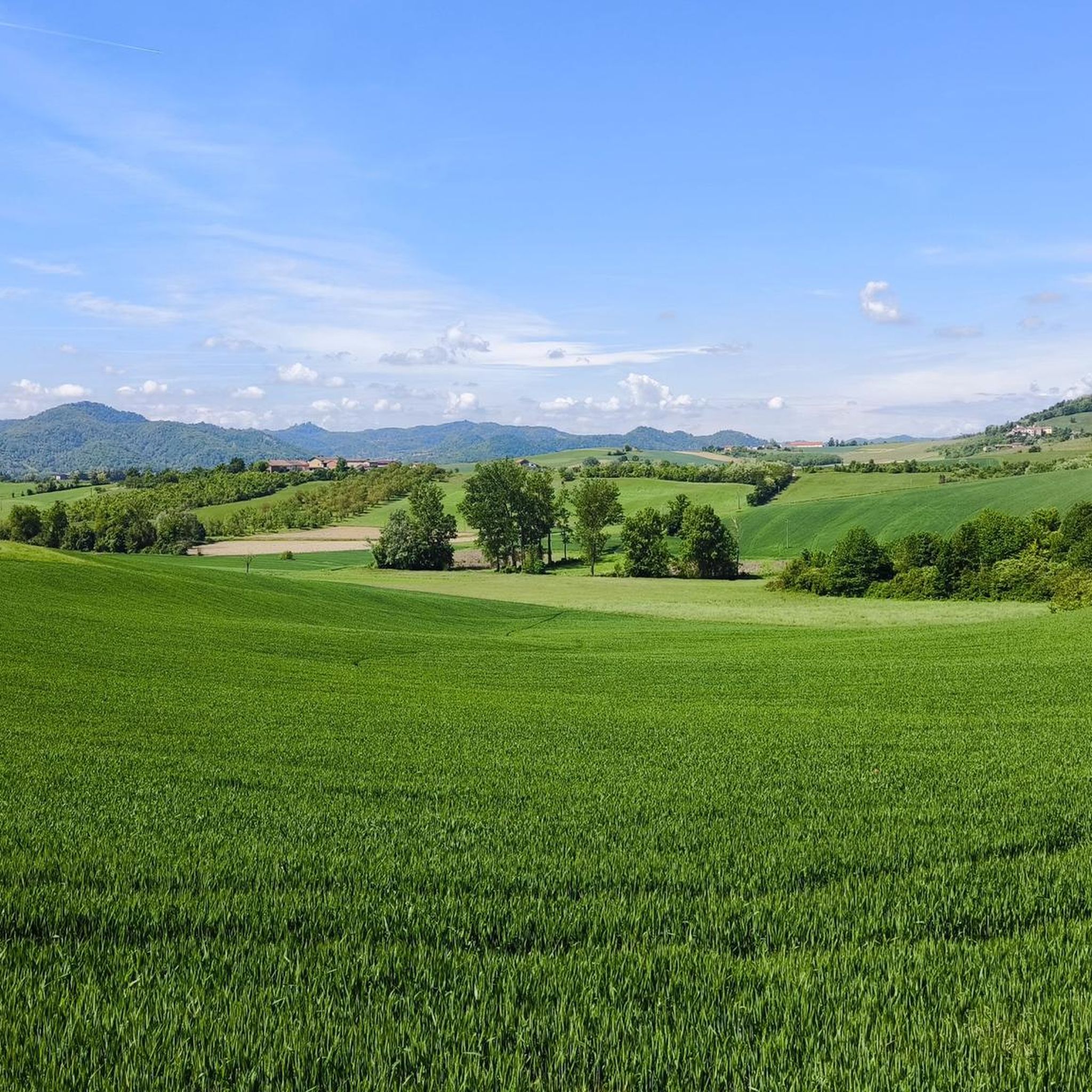
A very beautiful and suggestive place. On one side the view of the Monferrato and on the other the panorama opens onto the Alps
3
0
Frequently Asked Questions
What is the historical significance of castles in the Solonghello region?
The castles around Solonghello, particularly in the Monferrato region, are rich in history, with origins often tracing back to the 12th century as defensive fortifications. Over centuries, many were transformed into elegant country houses while retaining their medieval character. They were often owned by influential noble families like the Marquises of Monferrato, reflecting their importance in the region's past. The Camino Castle, for instance, is steeped in legends from the 15th century.
Which castles around Solonghello offer the best panoramic views?
For breathtaking views, consider the climb to Castello di Gabiano, which provides expansive panoramas of Monferrato and even the Alps. Uviglie Castle also boasts a beautiful position on a hill, offering great views of Rosignano Monferrato and Cella Monte. Additionally, the Castello di Solonghello itself, perched on a hill, offers sweeping 360-degree views of the spectacular Piedmont landscape.
Are there any family-friendly castles to visit near Solonghello?
Yes, Cereseto Castle is noted as family-friendly. While its interior is not currently open to visitors, its imposing, fairy-tale-like external walls make for an impressive sight that can be enjoyed by all ages from the village.
Can I explore the interiors of the castles, or are they mostly external views?
The accessibility of castle interiors varies. For example, Cereseto Castle, despite its well-preserved exterior, cannot currently be visited inside. The Castello di Solonghello, while historically significant and architecturally impressive, often remains closed to visitors, though its imposing structure and historical presence are still evocative. It's best to check specific castle websites for current visitor information regarding interior access.
What kind of architecture can I expect to see among the castles?
You'll find a blend of architectural styles reflecting centuries of development. Many castles, like the Castello di Solonghello, retain a massive, typically medieval character from their original fortifications. Others, such as the Castello di Solonghello in its later transformations, showcase 18th-century elegance with features like arched facades and decorated vaults. Camino Castle is known for its distinctive crenellated walls and towers, contributing to a recognizable hilltop profile.
Are there hiking or walking trails near these castles?
Yes, the Monferrato region offers various trails. For instance, you can find several running and walking routes around Solonghello that pass by or offer views of the castles. You can explore options like the 'Sanctuary of Crea loop from Solonghello' or 'Running loop from Camino' which are part of the Running Trails around Solonghello guide.
What other outdoor activities are available near the castles around Solonghello?
Beyond walking and running, the area is excellent for cycling. You can find numerous MTB trails, such as the 'DH 1 Trail – Drinking water loop from Camino' in the MTB Trails around Solonghello guide, or road cycling routes like the 'View of Gabiano – Piancerreto Climb loop from Serralunga-Cereseto' from the Road Cycling Routes around Solonghello guide. These routes often provide scenic views of the castles and the surrounding landscape.
What do visitors particularly enjoy about the castles in this area?
Visitors frequently appreciate the spectacular views offered by castles like Castello di Gabiano, which provides panoramas of Monferrato and the Alps. The well-preserved external walls and fairy-tale appearance of Cereseto Castle are also a major draw for photography. The historical significance and evocative aura of these ancient structures, set within the beautiful Piedmont landscape, are highly valued by the komoot community.
Is there a specific castle known for its unique legends or stories?
Yes, Camino Castle is particularly rich in local legends. One popular tale recounts the tragic story of Marquise Camilla and Count Scarampo Scarampi from 1494, with their spirits said to still roam the castle battlements and grounds. The inner courtyard even houses a sarcophagus of the noble Scarampo, adding to the castle's mystique.
What is the best time of year to explore the castles around Solonghello?
The Monferrato region, with its rolling hills and scenic landscapes, is generally pleasant to visit in spring and autumn. These seasons offer mild weather, ideal for exploring the castle exteriors and enjoying nearby outdoor activities like hiking and cycling. Summer can be warm, while winter might offer a different, quieter charm, though some facilities or routes might have reduced accessibility.
Are there any cafes or restaurants near the castles for refreshments?
While specific cafes or restaurants directly adjacent to each castle are not detailed in the guide data, the charming villages in the Monferrato region, including Solonghello itself, typically offer local eateries and cafes where you can find refreshments and traditional Piedmontese cuisine. It's recommended to explore the village centers near the castles you plan to visit.
How accessible are the castles around Solonghello for visitors with mobility considerations?
Given the historical nature of these castles, many are situated on hills or feature medieval architecture that may include uneven terrain, stairs, or limited access to certain areas. For example, the Castello di Solonghello is perched on a hill. Specific accessibility information for each castle is not provided, so it's advisable to contact individual sites directly for detailed access options if mobility is a concern.
Most popular routes around Solonghello
Most popular attractions around Solonghello

Get inspired with the komoot mobile app


Explore more
Looking for the best castles somewhere else? Discover other guides around Solonghello:
