Top 10 Castles around Varzi
Castles around Varzi are situated in the Oltrepò Pavese region, a medieval village nestled in the Staffora Valley. This area is characterized by its historical significance and varied landscape of hills and valleys. The region offers a blend of historical strongholds and ancient structures, reflecting centuries of development. It serves as a compelling destination for those interested in historical architecture and natural surroundings.
Best castles around Varzi
- The most popular castles is Gomo Village and Castelletto, a settlement located…
Last updated: June 30, 2026
Gomo Village and Castelletto
Highlight • Settlement
Translated by Google •
Tip by

Castello di Montesegale
Highlight • Castle
Translated by Google •
Tip by

Sign up now to discover places like this
Get recommendations on the best single tracks, peaks, & plenty of other exciting outdoor places.
Sign up for free
Oramala Castle
Highlight • Castle
Translated by Google •
Tip by

Adorno Castle and Village
Highlight • Castle
Translated by Google •
Tip by
Brusamonica Castle_Ruins
Highlight (Segment) • Castle
The …
Translated by Google •
Tip by

Sign up for free to discover even more castles around Varzi.
Sign up for free
Already have an account?
Start today with a free account
Your next adventure awaits.
Login or Signup
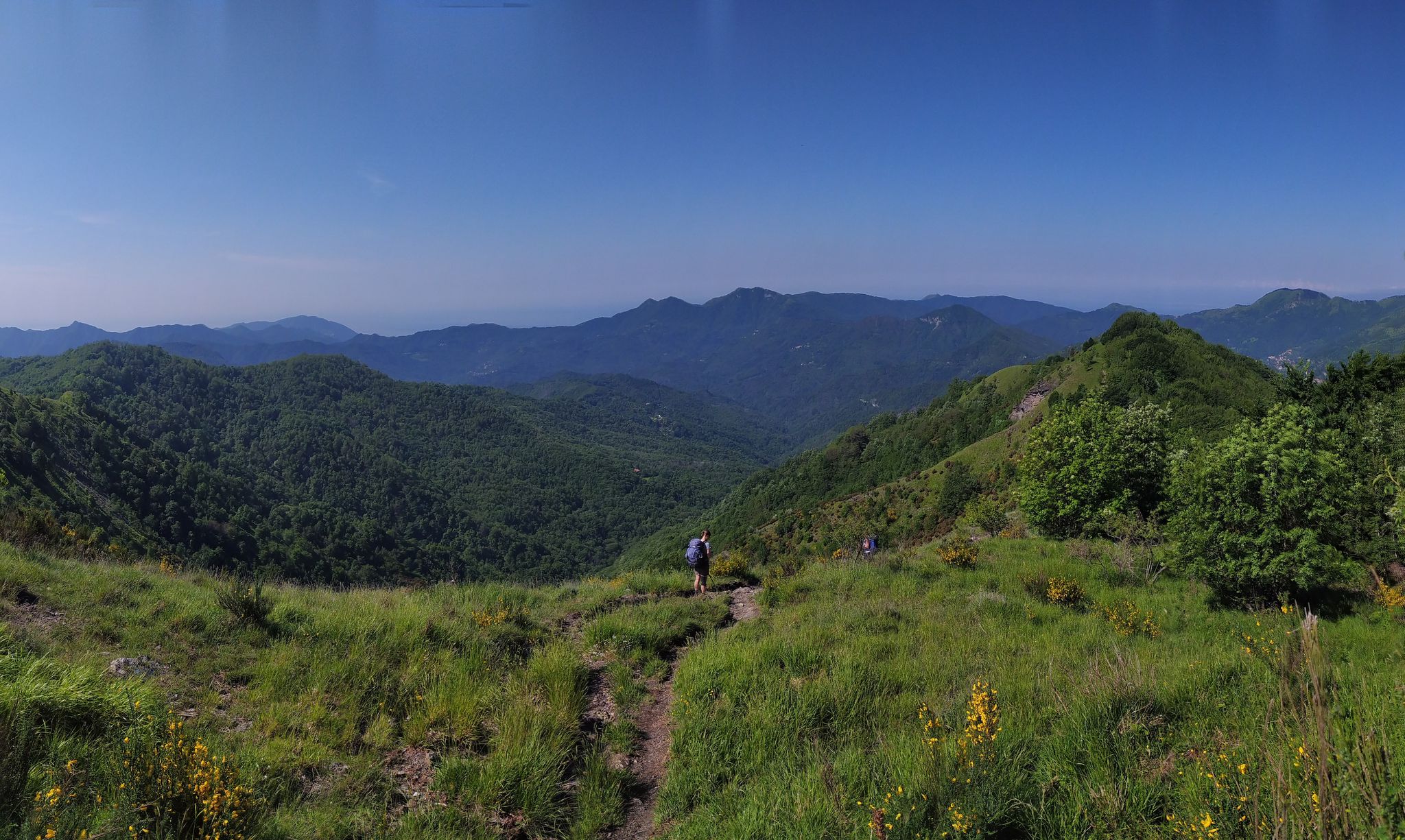
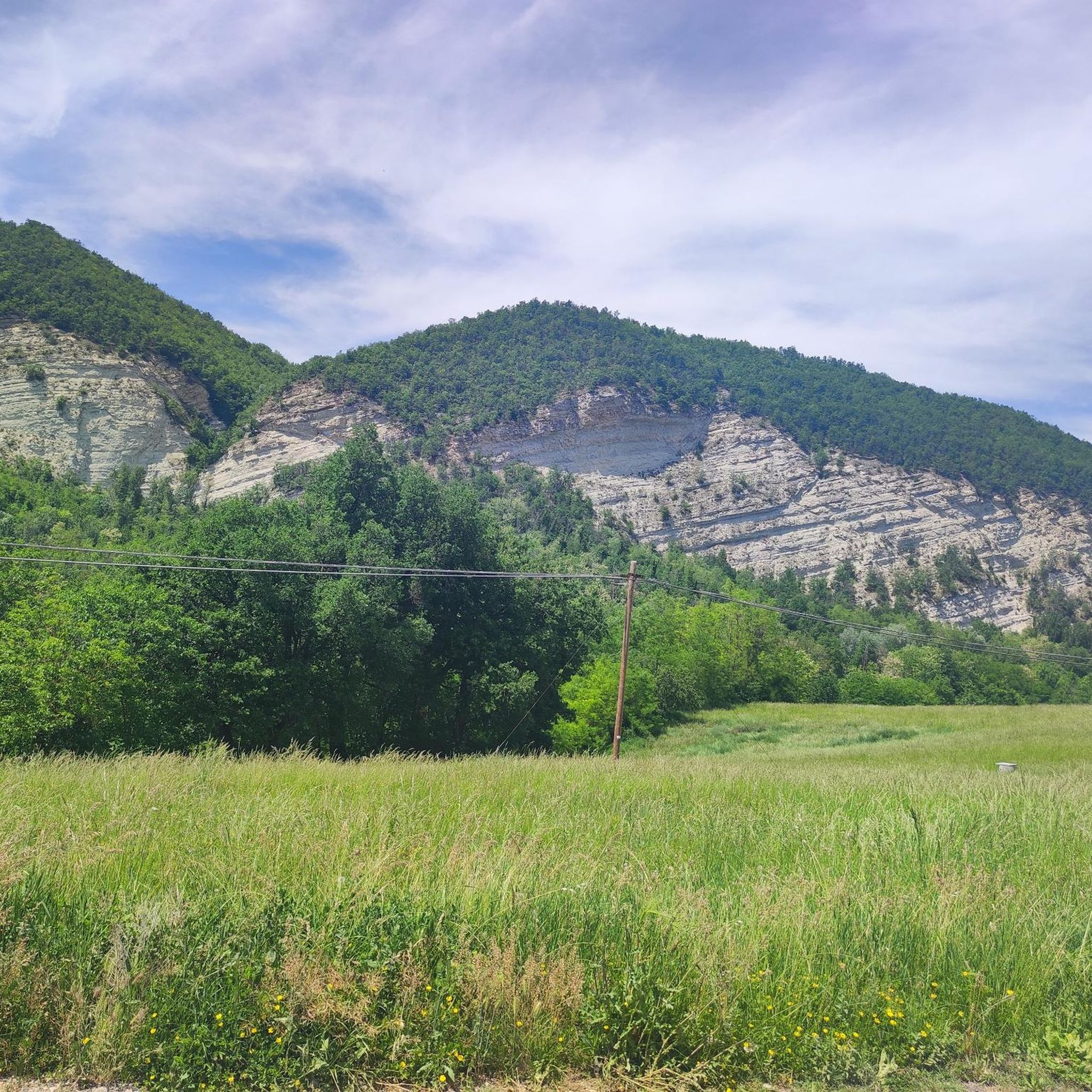
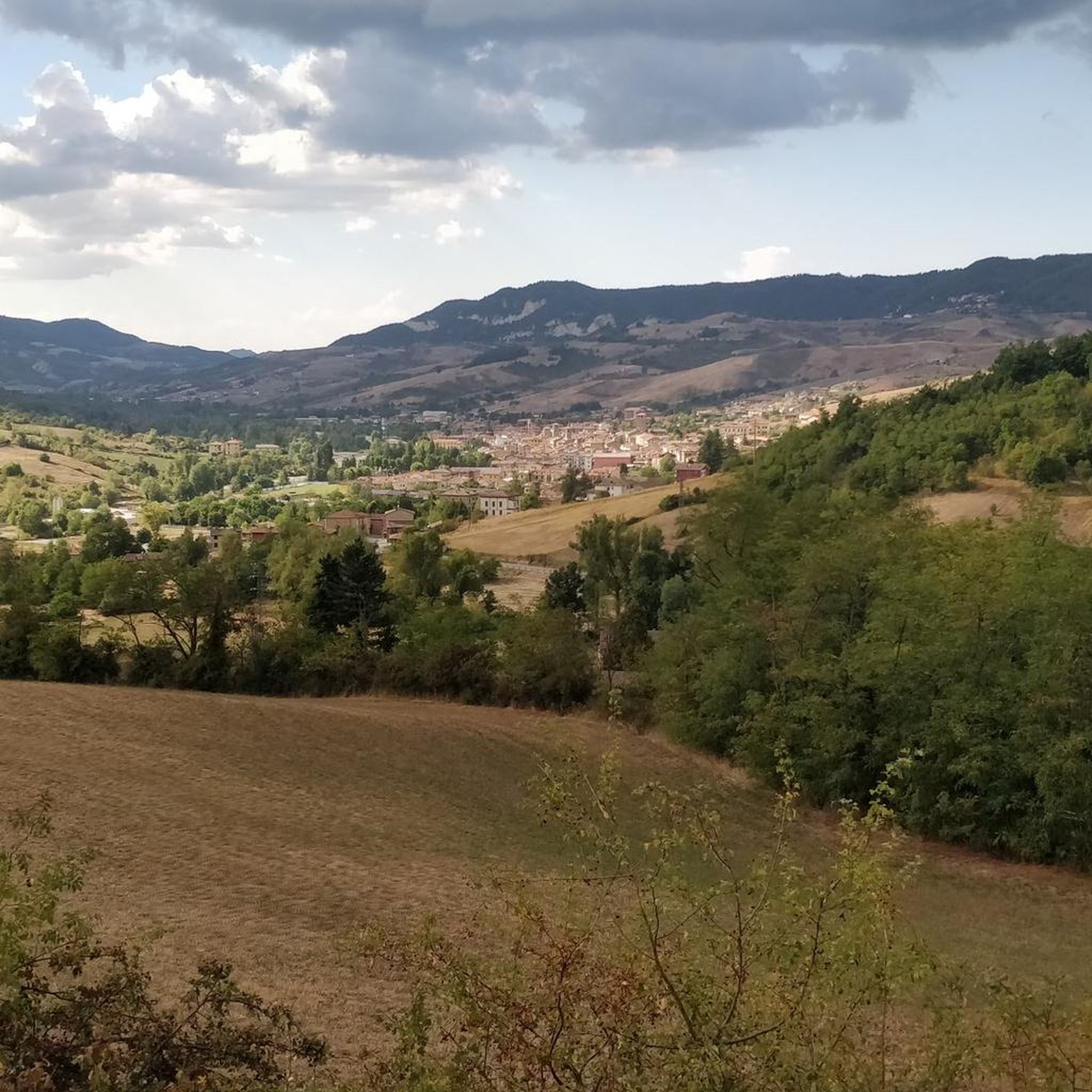
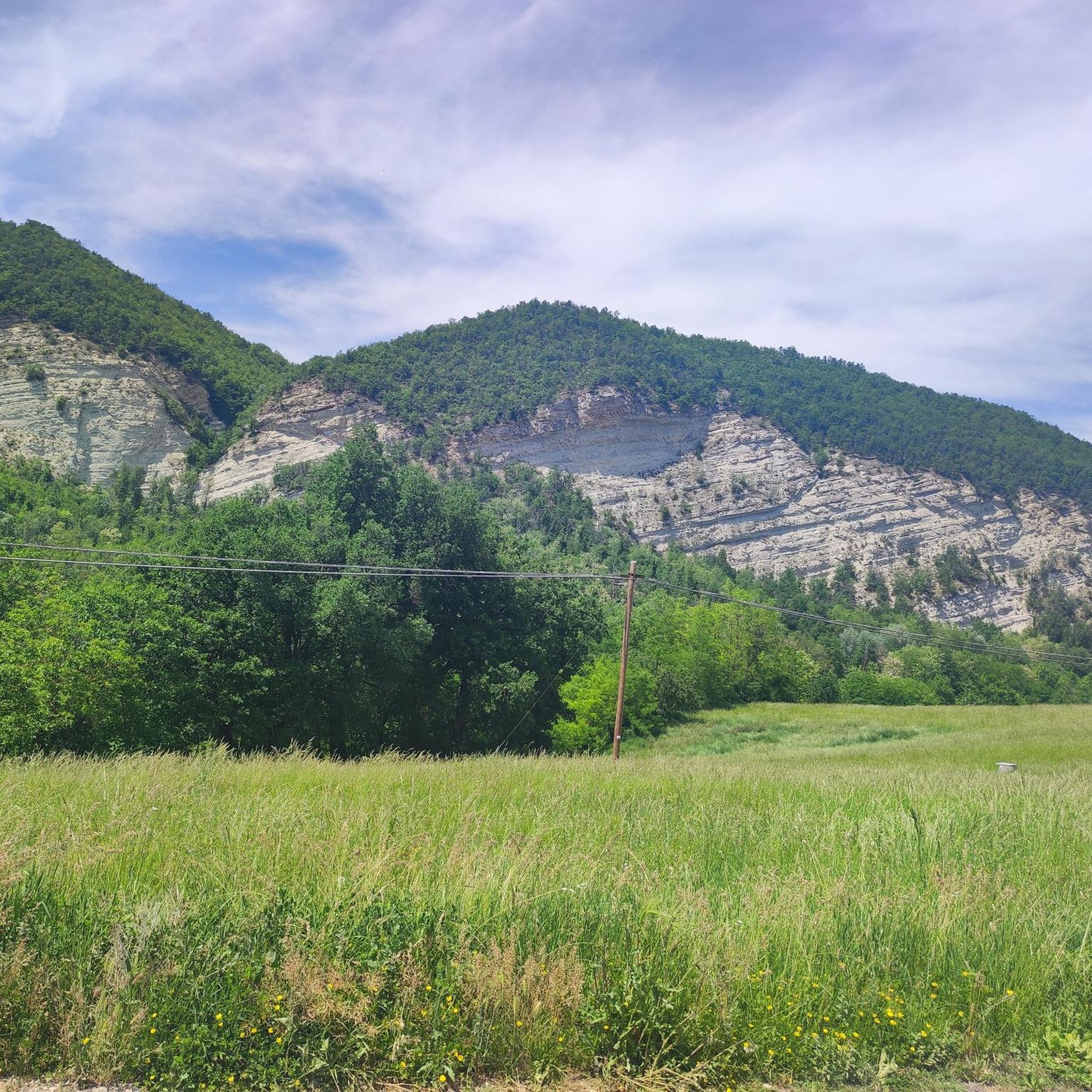

Other adventures around Varzi

Tips from the Community

In Torre degli Alberi, a small panoramic hamlet of the municipality of Colli Verdi in Oltrepò Pavese, the main church is the Chiesa del Santissimo Nome di Maria.
2
0
The castle of Borgo Adorno was a fiefdom of the Genoese Spinola family until 1518, the year in which Tolomeo Spinola remained without legitimate children and appointed the children of his friend Agostino Adorno as his heirs.
15
0

An interesting route in the upper Curone Valley is the one that leads to the walled remains of the Brusamonica Castle, a small town about two kilometers from Caldirola. The castle, built on the crest of the mountains above Caldirola, dates back to the feudal era; although it has lost its ancient splendor over time, it still retains a certain charm, if only for its uncertain and mysterious origin. A legend tells that before the castle there was a convent in the same place, probably founded by the monastery of San Pietro in Ciel d'Oro of Pavia and destroyed during a night of battle and looting (perhaps by Saracen troops) in the 9th century. This, like any good legend, is not confirmed by historical documents, even if even today the inhabitants of Caldirola, referring to the town of Brusamonica, are accustomed to using the term "convent". Contradictions aside, this castle, with a slope that extended up to Val Borbera and now collapsed, represents an important and concrete historical monument that can today become a destination for pleasant walks.
3
0

With the eMTB, it is difficult to reach the site of the remains of the Castle. The path is narrow, steep and in some places there are rocks that block pedaling. Better to go up from Mount Gropà with the eMTB.
0
0

In the late Middle Ages, the village was a fiefdom of the Genoese Spinola family until 1518, who built the castle in 1100. In 1518 Tolomeo Spinola was left without heirs and passed as an inheritance to his friend Agostino Adorno, of the Genoese Adorno family. In the 17th century the castle suffered serious damage following a landslide and shortly afterwards the current Botta Adorno castle and stately palace was built in its elegant style, still privately owned. The castle has an elegant Baroque style portal and a chapel dedicated to Saint Caterina Fieschi Adorno, great-granddaughter of Pope Innocent IV and wife of Giuliano Adorno, who lived between the 15th and 16th centuries.
6
0

The Montesegale Castle has a very ancient history, dates back to the early Middle Ages and dominates the ancient village a few kilometers from Pavia. Located on a hill, its majestic structure is clearly visible in the distance by anyone crossing the Oltrepò Pavese. A fortification with a control function, given its strategic position.
0
0
Situated on a rocky promontory, the Oramala Castle dominates and overlooks the Staffora valley, one of the most evocative places in the upper Oltrepò.
16
0

It is mentioned in ancient papers such as Oramola, curte de Oremale, Rocha de Oremala or curtis and rocae de Oramala and, of the castle, reference is made in the Breviarium of the possessions of the abbey of Bobbio in the century. X. [1] With the gradual fiefdom of the obertenga family starting from 1029, first as level holders of the monastery and then with a lease and freeing contract, half of the court and castle remained with the monastery with the rights and tithes due. It was inherited in the 12th century by the obertengo branch of the Malaspina family. After a passage, in 1157, in the hands of the marquises D'Este and in 1161 of the bishop of Tortona, it returns, in 1164, thanks to Federico Barbarossa to Obizzo I. Towards the end of the twelfth century, with the fortunes of the Malaspina, it sees its moment of greatest splendor, it becomes a center of cultural diffusion hosting Provençal troubadours. In 1474 the fortress was fortified by Manfredi Malaspina, to adapt it to the new defensive needs due to the entry into use of artillery. Out of the flow of history, the fortress remained with the Malaspina family until the end of the 18th century, when the marquises of Oramala, moving downstream, decreed its decline; abandoned, it began to fall into disrepair. In 1985 the Panigazzi brothers bought the castle and began the renovation and restoration of the collapsed parts. In 2005 the Museum of peasant art and iron tools was opened to the public. From 2008 to 2018 the castle was the seat of the Spinofiorito Social Promotion Association and is surrounded by the Literary Park "Dante and the Troubadours in the lands of the Malaspina".
0
0
Frequently Asked Questions
What are the most historically significant castles to visit in and around Varzi?
Varzi itself is home to the Malaspina Castle, also known as Dimora Malaspina, which boasts over eight centuries of history and has been strategically positioned in the Staffora Valley since 1164. It offers a deep dive into different eras with its 13th, 15th, and 18th-century sections, and features more than 15 noble rooms. Additionally, the Malaspina Tower, or 'Witches' Tower,' is a prominent 12th-century structure with a grim history as a former prison. Outside Varzi, you can explore the ancient Castello di Montesegale, dating back to the early Middle Ages, and Oramala Castle, which once hosted historical figures like Dante Alighieri and Federico Barbarossa.
Are there any castles around Varzi that offer panoramic views?
Yes, several castles and historical sites in the area provide excellent viewpoints. Gomo Village and Castelletto is situated on a hill at about 500 meters above sea level, offering a 360° panorama over the surrounding hills and valleys. Castello di Montesegale, strategically positioned on a hill, also provides majestic views. Furthermore, Oramala Castle, perched on a rocky promontory, dominates and overlooks the Staffora Valley, offering one of the most evocative views in the upper Oltrepò.
What kind of outdoor activities can I do near the castles in Varzi?
The region around Varzi is excellent for various outdoor activities. You can find numerous cycling routes, including challenging rides like 'From Varzi to the summit of Monte Penice' or 'Monte Penice Summit – Penice Pass (Bobbio) loop from Varzi'. For road cycling enthusiasts, there's the 'Monte Lesima Loop' or the 'Penice Pass – "Little Stelvio" Pavese loop from Varzi'. If you prefer running, trails like 'Monte Bagnolo – Monte Garavè loop from Forotondo' or 'Monte Boglelio loop from Varzi' are available. You can find more details on these and other routes in the Cycling around Varzi, Road Cycling Routes around Varzi, and Running Trails around Varzi guides.
Are there any castle ruins or less-preserved historical sites worth exploring near Varzi?
Yes, for those interested in exploring more rugged historical sites, the walled remains of Brusamonica Castle_Ruins offer an interesting destination. Located about two kilometers from Caldirola, these feudal-era ruins are situated on the crest of the mountains above Caldirola. While they have lost their ancient splendor, they retain a certain charm and are a destination for pleasant walks, though reaching the site with an eMTB can be challenging due to narrow, steep paths.
What is the best way to experience the medieval atmosphere of Varzi and its castles?
To fully immerse yourself in the medieval atmosphere, start by exploring the Malaspina Castle (Dimora Malaspina) and the Malaspina Tower within Varzi itself. The village of Varzi, with its cobbled lanes, archways, and historic buildings, provides an authentic medieval backdrop. Consider taking a guided tour of the Malaspina Castle to learn about its history and preserved interiors. You can also combine your visit with a walk through the historic center to appreciate the ancient fortifications and towers.
What do visitors enjoy most about the castles and historical sites around Varzi?
Visitors particularly appreciate the rich history and the stunning panoramic views offered by many of the sites. The ancient structures, some dating back to the early Middle Ages, provide a tangible connection to the past. The strategic positions of castles like Castello di Montesegale and Gomo Village and Castelletto are often highlighted for their majestic appearance and the expansive vistas they command over the Oltrepò Pavese region. The komoot community has shared 4 photos and given 28 upvotes, indicating a positive experience.
Are there any castles near Varzi that are suitable for family visits or cultural events?
The Malaspina Castle (Dimora Malaspina) in Varzi is partially open to the public and serves as a venue for cultural events, exhibitions, and guided tours in halls like Antiche Mangiatoie and Sala della Voliera. It also hosts private events, including weddings, making it a versatile destination. While specific 'family-friendly' categories aren't listed for all highlights, the cultural offerings and historical exploration at Dimora Malaspina can be engaging for families interested in history and local heritage.
Can I find any castles that are well-preserved and offer insight into different historical periods?
The Malaspina Castle (Dimora Malaspina) in Varzi is an excellent example. It comprises an ancient 13th-century core, a 15th-century section, and an 18th-century part, showcasing centuries of architectural evolution. Its more than 15 noble rooms are carefully furnished and restored to reflect the splendor of different eras, from the Middle Ages to the Renaissance and the refined atmospheres of the 18th century, offering a comprehensive historical insight.
Are there any castles that are particularly prominent or easily visible from a distance?
Yes, Castello di Montesegale is known for its majestic structure, which is clearly visible from a distance, especially when approaching from the south. Its strategic position on a hill makes it a prominent landmark in the Oltrepò Pavese region. Similarly, Castello di Zavattarello is a fortress that prominently overlooks the town of Zavattarello.
What is the significance of the Malaspina family in the history of Varzi's castles?
The Malaspina family holds significant historical importance in Varzi. They were granted the Malaspina Castle and surrounding lands by Emperor Frederick Barbarossa in 1164, establishing a long-standing connection to the structure. The castle served as a defensive stronghold and symbolized the village's commercial power during the Middle Ages. Direct descendants of the Malaspina family, the Odetti counts, still own a section of the castle known as Palazzo Odetti, which faces the town square.
Are there any circular walking routes that incorporate castles near Varzi?
While specific circular walks directly named after castles are not detailed in the provided routes, many of the running and cycling routes in the area pass by or near historical sites. For instance, the 'Castello Malaspina loop from Ponte Nizza' is a difficult 21 km running route that incorporates the Malaspina Castle. You can explore the Running Trails around Varzi guide for more options that might offer circular paths around or to castle locations.
What is the best time of year to visit the castles around Varzi?
The Oltrepò Pavese region, with its varied landscape of hills and valleys, is generally pleasant to visit during spring and autumn when the weather is mild and the natural scenery is vibrant. These seasons are ideal for combining castle visits with outdoor activities like hiking or cycling. Summer can also be enjoyable, though it might be warmer. Winter visits are possible, but some outdoor activities might be limited, and specific castle opening hours could vary, so it's always best to check in advance.
Most popular attractions around Varzi

Get inspired with the komoot mobile app


Explore more
Looking for the best castles somewhere else? Discover other guides around Varzi:
