Top 10 Lakes around Sèdilo/Sedilo
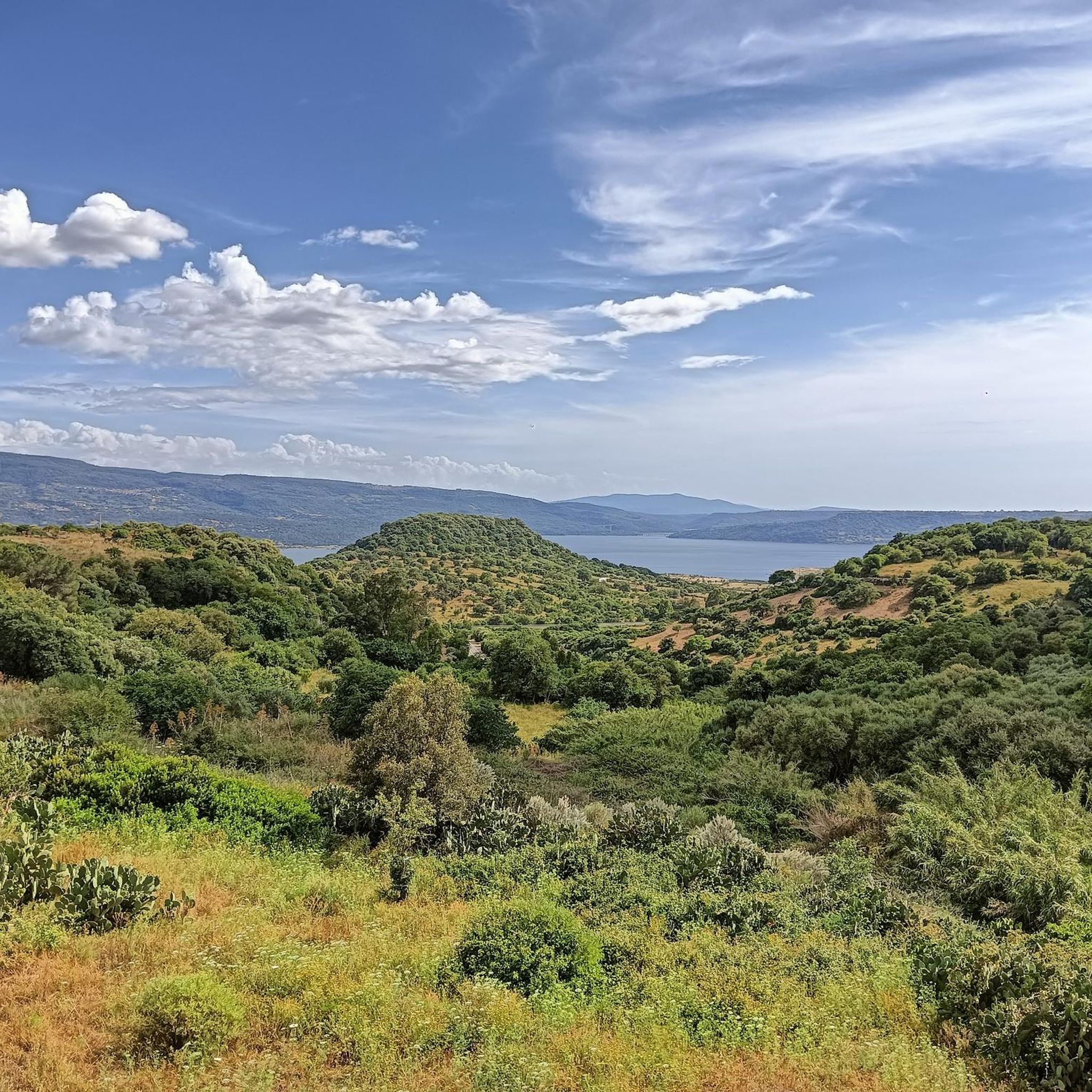
Best lakes around Sèdilo/Sedilo are primarily centered on Lake Omodeo, a significant artificial lake in the Province of Oristano, Sardinia. This region is characterized by its diverse natural environment, featuring hills, Mediterranean scrub, and various tree species. Lake Omodeo, formed by damming the Tirso River, is the largest lake on the island, offering a notable geographic feature. The area also holds archaeological significance with sites like the Iloi park and numerous nuraghes.
Best lakes around Sèdilo/Sedilo
- The most popular lakes…
Last updated: June 16, 2026
Santa Chiara Dam and Lake Omodeo Road
Highlight (Segment) • Cycleway
Translated by Google •
Tip by

Church and Novenary of San Serafino
Highlight • Religious Site
The mountain landscapes and Lake Omodeo are …
Translated by Google •
Tip by
Sign up now to discover places like this
Get recommendations on the best single tracks, peaks, & plenty of other exciting outdoor places.
Sign up for free
Road to the Porticciolo di Sorralide and Ex-SP30
Highlight (Segment) • Trail
Translated by Google •
Tip by
Tirso River and Lake Omodeo
Highlight • Lake
Translated by Google •
Tip by

Country Church of San Quirico
Highlight • Religious Site
Translated by Google •
Tip by
Sign up for free to discover even more lakes around Sèdilo/Sedilo.
Sign up for free
Already have an account?
Start today with a free account
Your next adventure awaits.
Login or Signup
Tips from the Community

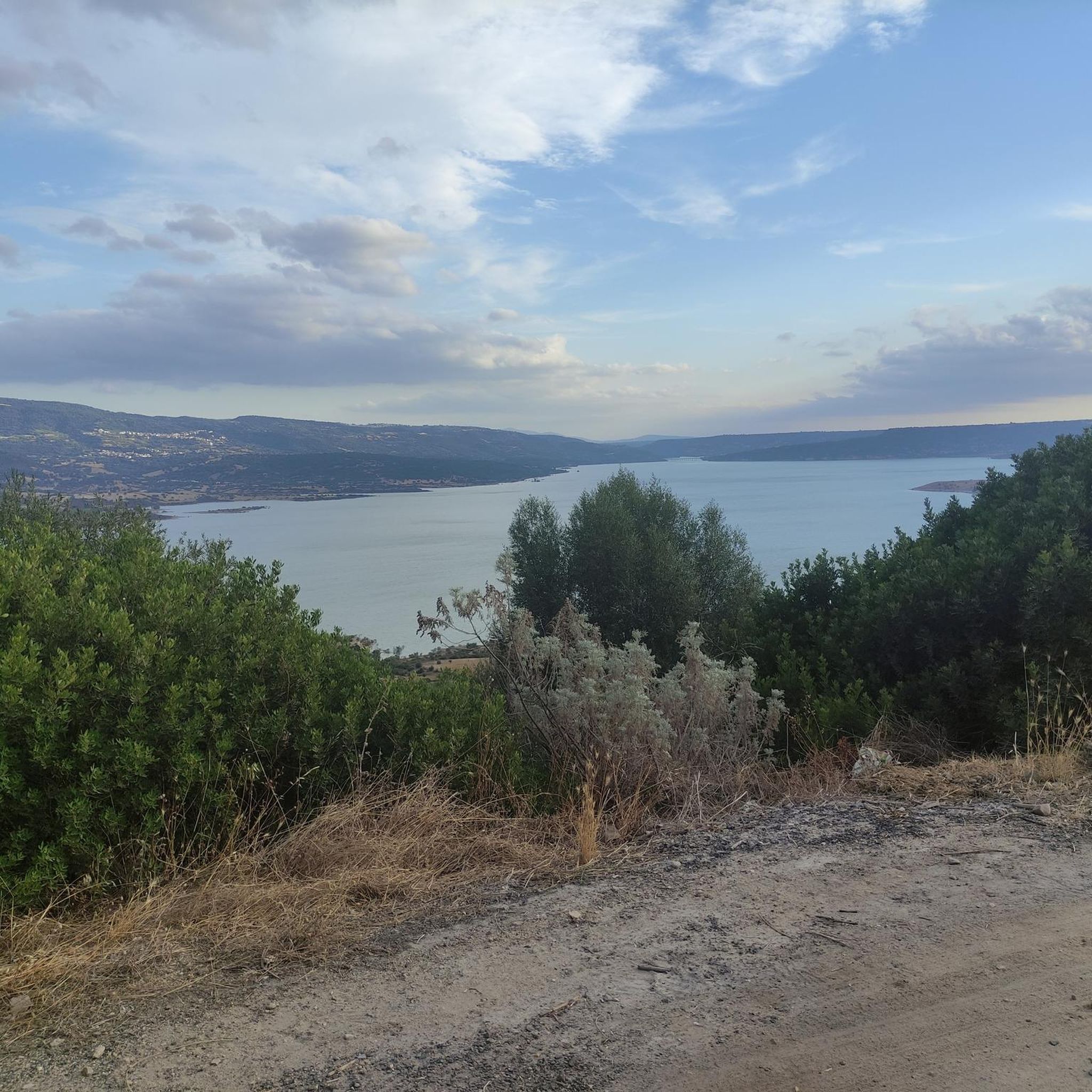
Very nice lakeside road, shame about the potholes in the asphalt
0
0

The road leaves the traffic of the SP15 and leads to the marina, continuing to the beginning of the Ex-SP30. A practicable road with little traffic, you can cheerfully ignore the signs that say that the road is closed: it is closed for cars, the segment is part of a nature trail in the municipality of Ardauli.
2
0

Along the provincial road 84 you will coast along the Tirso river which then feeds the basin of the artificial lake of Omodeo.
0
0
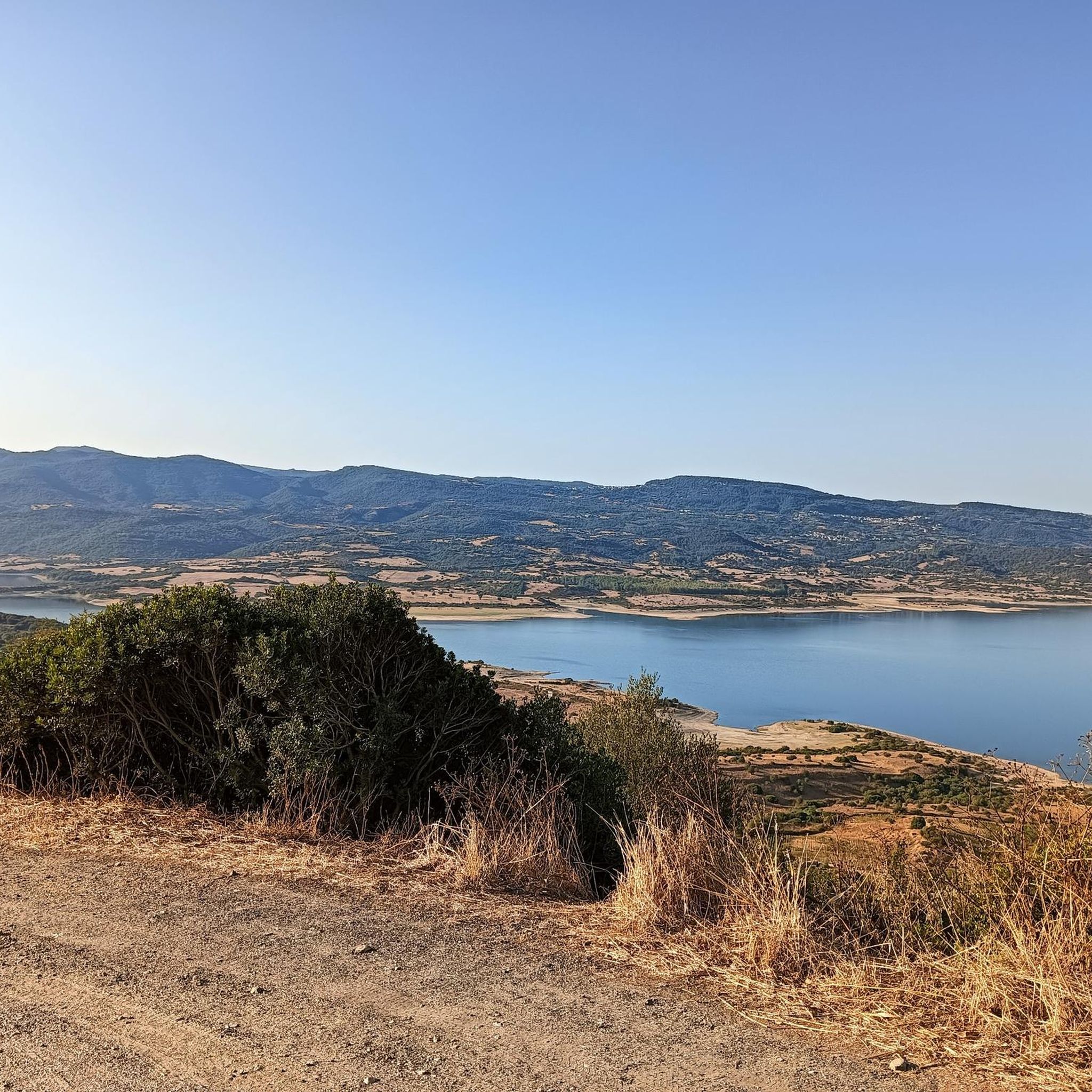
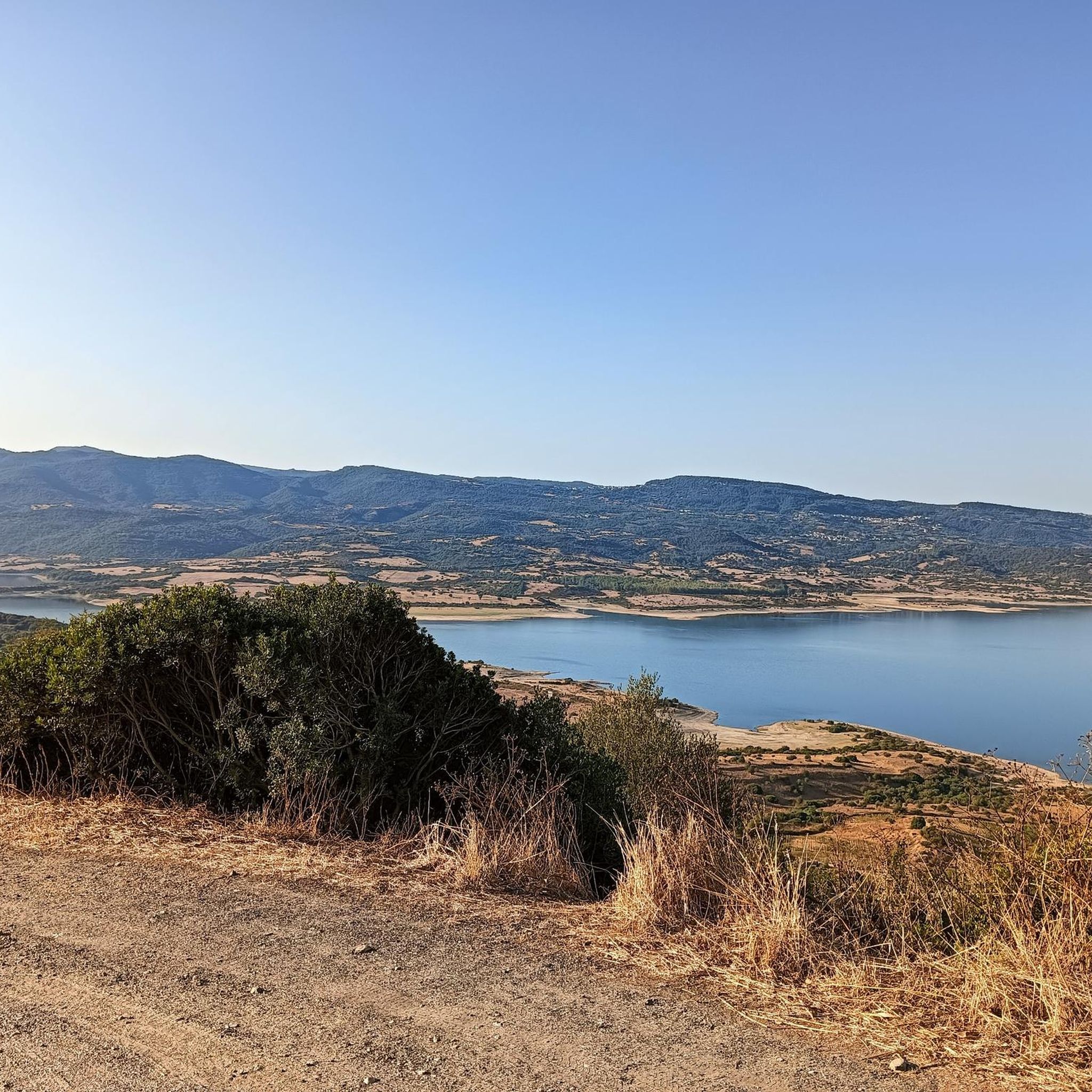
On the slopes of Lake Omodeo. Built on a Roman construction, probably from the 7th century. He sees the first muristene in 1657. The mountain landscapes and Lake Omodeo are stunning, as are the mosaics at the entrance to the church. The gates are always open, and the village can be visited even if uninhabited except for the period in which the novena is celebrated. In the main street, behind the church, you can find a drinking water fountain to top up.
2
0
Segment of SP74 that runs along the central-southern part of Lake Omodeo up to the old dam. Paved road and passable by racing bike but with care as it is poorly maintained and with visible cracks along its entire route. Cars are rare, albeit present.
2
0
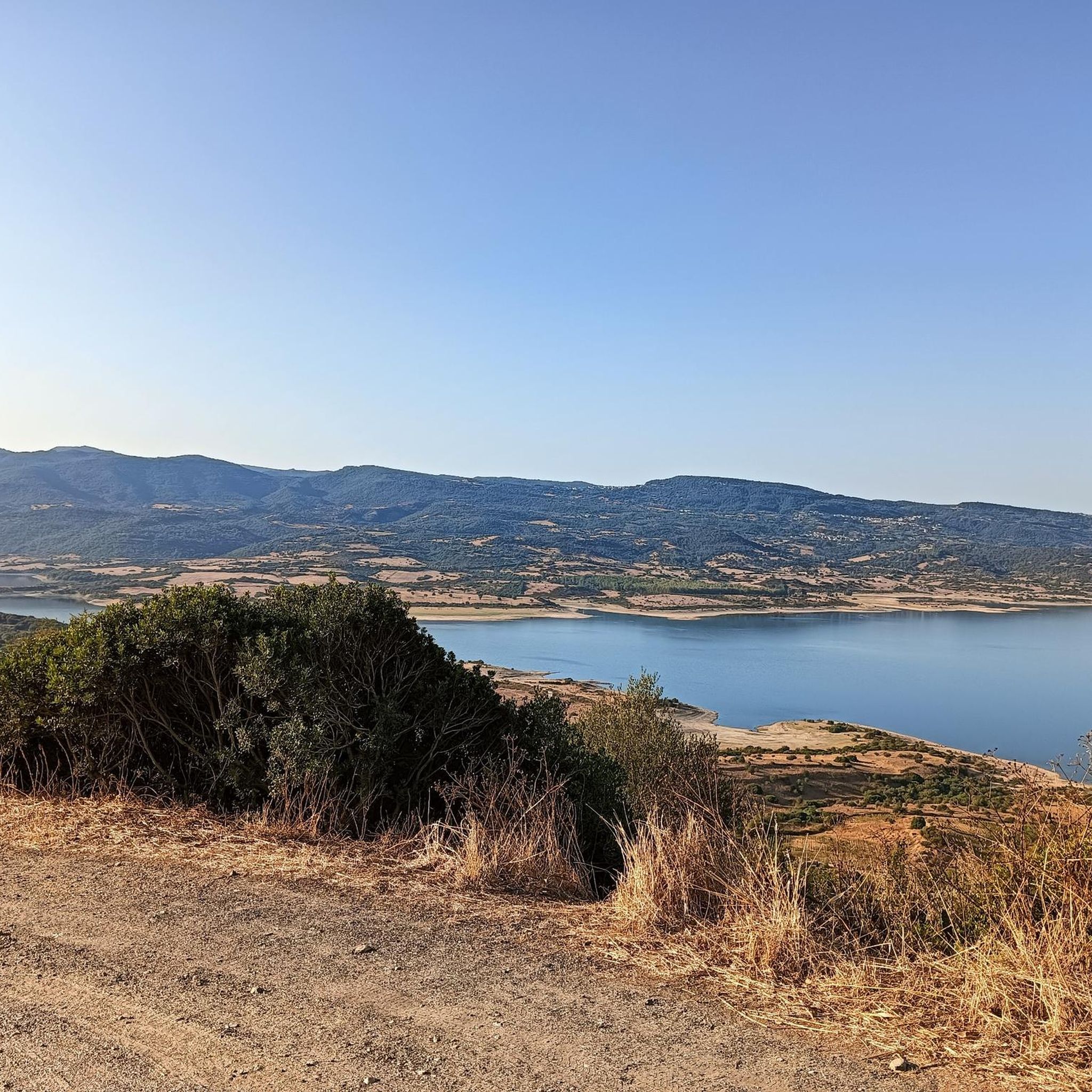
Built around 1100, it is located outside the municipality of Ardauli; it overlooks the shores of Lake Omodeo. Fountain nearby.
2
0
Frequently Asked Questions
What are the main natural features to explore around Lake Omodeo?
The area surrounding Lake Omodeo is rich in diverse natural environments. You can find poplars and willows along the shores, while the hills are covered with holm oaks, cork oaks, and Mediterranean scrub. The lake itself, being the largest in Sardinia, offers expansive water views and is fed by the Tirso River.
Are there any historical or archaeological sites near Lake Omodeo?
Yes, the region is rich in history. The archaeological park of Iloi, near Lake Omodeo, features a trilobed Nuraghe, an ancient village, and tombs of giants from the Middle-Late Bronze Age. The Ispiluncas necropolis with its *domus de janas* is also nearby. Additionally, the Church and Novenary of San Serafino, built on a Roman construction, offers historical insight and stunning views of the lake.
What kind of outdoor activities can I do around the lakes near Sèdilo/Sedilo?
You can enjoy a variety of outdoor activities. Lake Omodeo is suitable for boat trips and canoe rides. For cycling, the Santa Chiara Dam and Lake Omodeo Road offers a paved route along the lake. There are also numerous routes for hiking, mountain biking, and road cycling in the wider area. You can find more details on these activities in the hiking, MTB, and road cycling guides for Sèdilo/Sedilo.
Are there family-friendly attractions or activities around Lake Omodeo?
Yes, the area offers family-friendly options. The Church and Novenary of San Serafino is noted as family-friendly, offering a cultural visit with scenic views. The general natural environment around Tirso River and Lake Omodeo is also suitable for families to explore and enjoy the outdoors.
What is the best time of year to visit Lake Omodeo?
The region around Lake Omodeo is generally pleasant for outdoor activities during spring and autumn, when temperatures are milder. Summer can be hot, but it's ideal for water-based activities like canoeing. Winter offers a quieter experience, though some services might be reduced.
Can I go hiking or walking around Lake Omodeo?
Yes, the landscape around Lake Omodeo provides routes for walking and hiking. For example, the Road to the Porticciolo di Sorralide and Ex-SP30 is part of a nature trail that leads to the marina, offering a route with less traffic. You can find various hiking trails, including easy and moderate options, in the Hiking around Sèdilo/Sedilo guide.
What are some notable viewpoints around Lake Omodeo?
Several spots offer great views of Lake Omodeo. The Church and Novenary of San Serafino provides stunning mountain and lake landscapes. The Country Church of San Quirico also overlooks the lake's shores, offering another scenic perspective.
Are there opportunities for cycling near Lake Omodeo?
Absolutely. The Santa Chiara Dam and Lake Omodeo Road is a popular cycle way that runs along the central-southern part of the lake, suitable for racing bikes. For more cycling options, including road cycling and mountain biking, explore the Road Cycling Routes and MTB Trails around Sèdilo/Sedilo guides.
What is the significance of the Santa Chiara Dam?
The Santa Chiara Dam is a historical landmark that created Lake Omodeo, which was once the biggest reservoir in Europe. The Santa Chiara Dam and Lake Omodeo Road leads up to the old dam, offering a glimpse into the engineering marvel that shaped the region's landscape.
Can I find places to eat or stay near Lake Omodeo?
While specific cafes and restaurants directly on the lake's edge are limited, the nearby town of Sedilo offers options for dining and accommodation. It's advisable to check local listings for current establishments.
Is Lake Omodeo a natural lake?
No, Lake Omodeo is an artificial lake. It was formed by damming the Tirso River between 1919 and 1924 and is the largest artificial lake in Sardinia. Sardinia's only natural lake is Lake Baratz, which is not in the Sedilo area.
What kind of wildlife can be spotted around Lake Omodeo?
The diverse natural environment around Lake Omodeo, with its various tree species and Mediterranean scrub, supports a range of wildlife. While specific species are not detailed, the area's rich ecosystem suggests opportunities for birdwatching and observing local fauna in their natural habitat.
Most popular attractions around Sèdilo/Sedilo

Get inspired with the komoot mobile app


Explore more
Still not found your perfect lake around Sèdilo/Sedilo? Check out the guides of these regions to see even more beautiful places.
