Top 4 Castles around Altopascio
Best castles around Altopascio are found within a historic town in Tuscany, Italy, characterized by its fortified medieval complex rather than numerous distinct castles. The town developed around the Spedale di Altopascio and the Church of San Jacopo Maggiore, serving as a crucial assistance center for pilgrims on the Via Francigena. This walled village held strategic importance, with visible sections of medieval walls, including original crossbow slits on the northern side. Altopascio offers a glimpse into a medieval fortified settlement…
Last updated: June 30, 2026
Cozzile Castle and the Clock Tower
Highlight • Castle
Translated by Google •
Tip by

Rocca del Cerruglio, Montecarlo
Highlight • Castle
Translated by Google •
Tip by

Sign up now to discover places like this
Get recommendations on the best single tracks, peaks, & plenty of other exciting outdoor places.
Sign up for free
Cozzile Medieval Village
Highlight • Settlement
Translated by Google •
Tip by

Porta Nuova, Cozzile
Highlight • Historical Site
Translated by Google •
Tip by
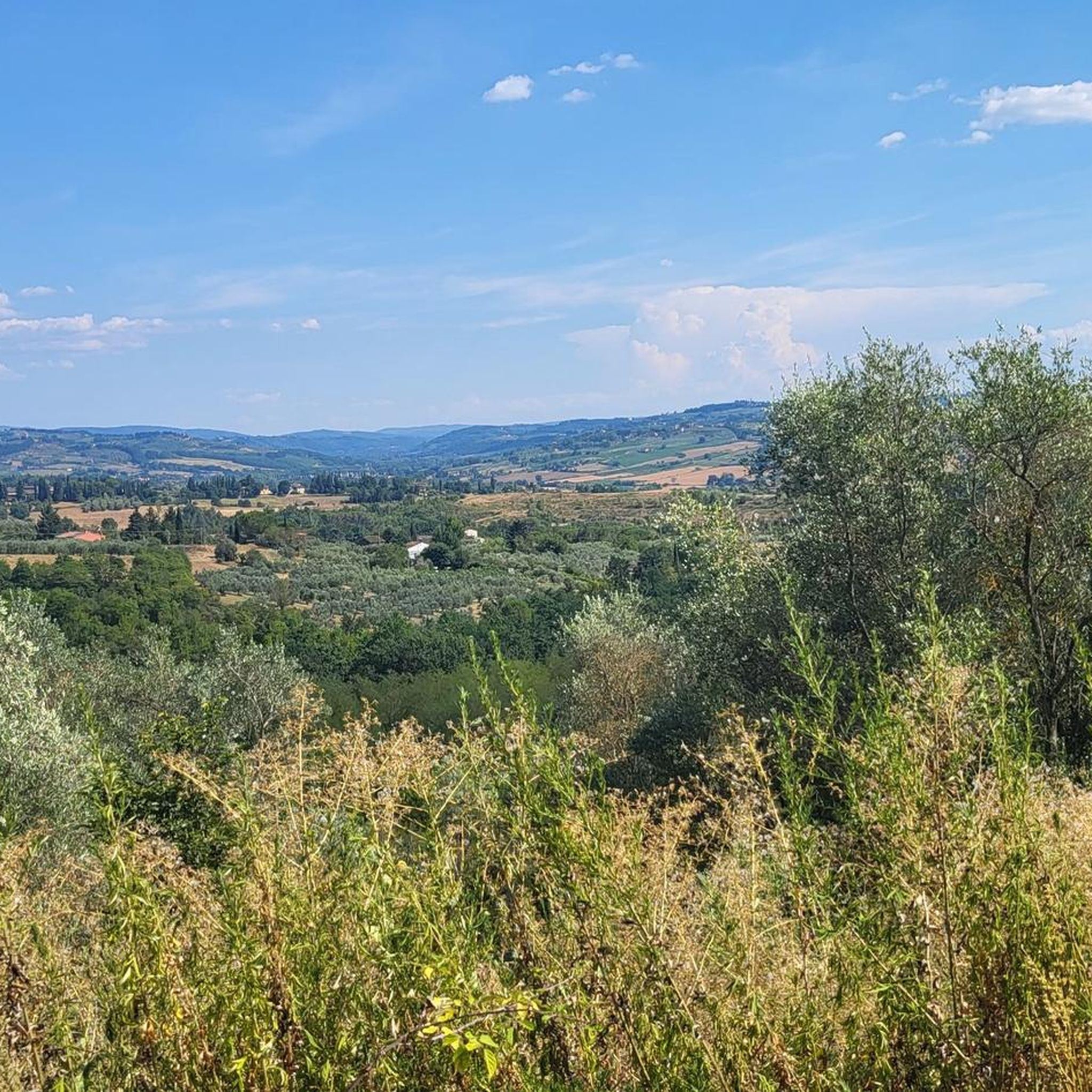
View of Montecarlo and the Valdinievole Valley
Highlight • Viewpoint
Inside the Castle you won't be able to see too much from the surrounding area.
Tip by

Start today with a free account
Your next adventure awaits.
Login or Signup
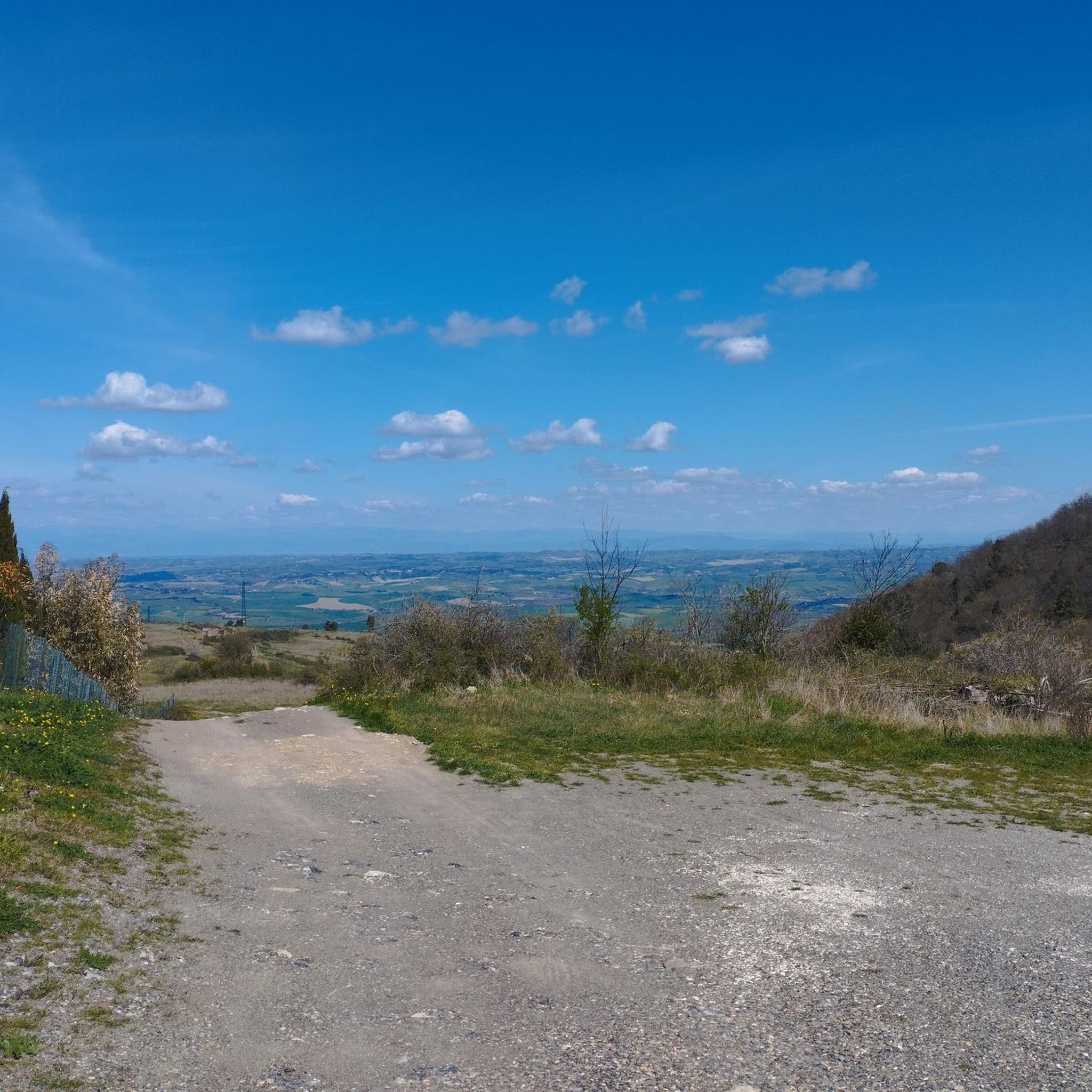
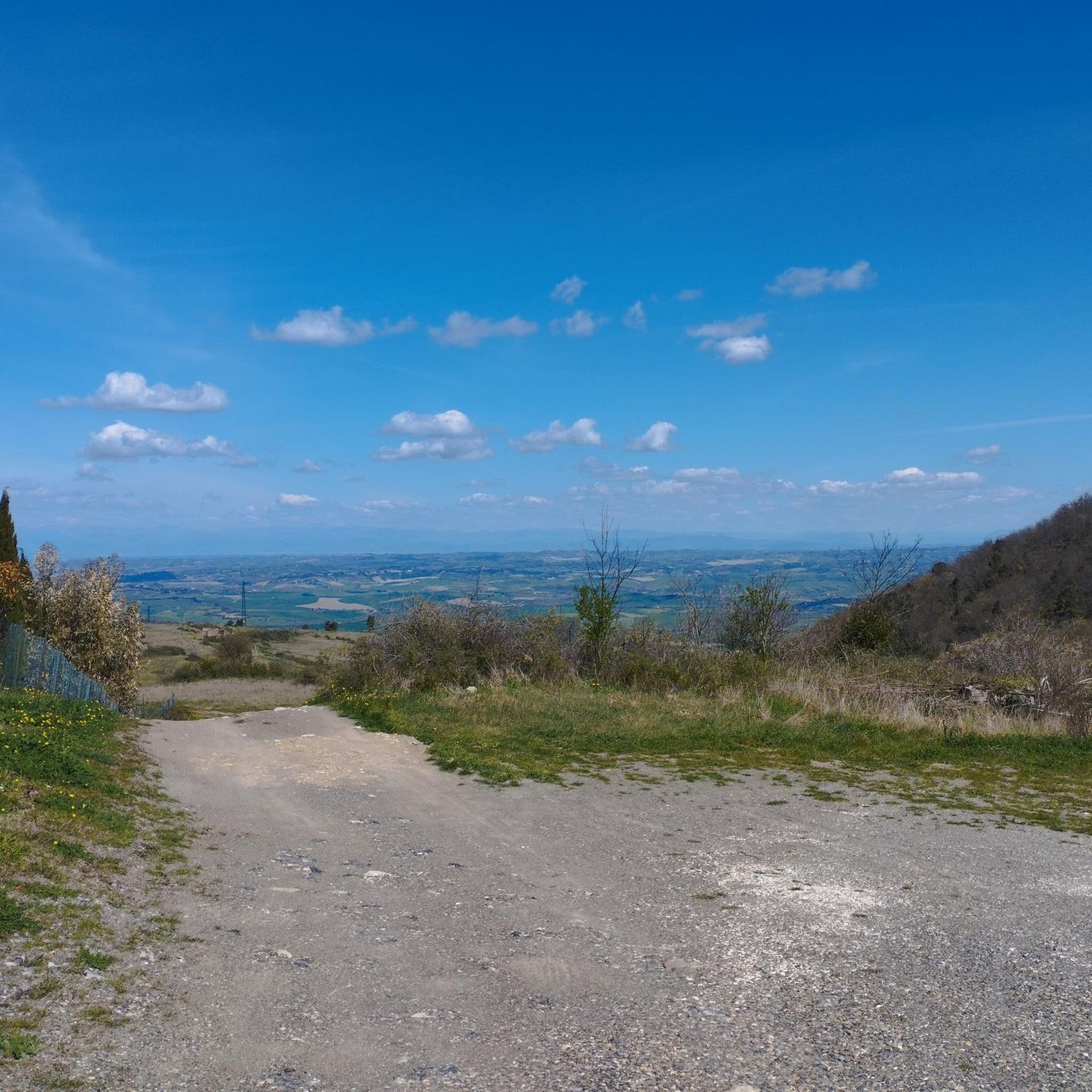
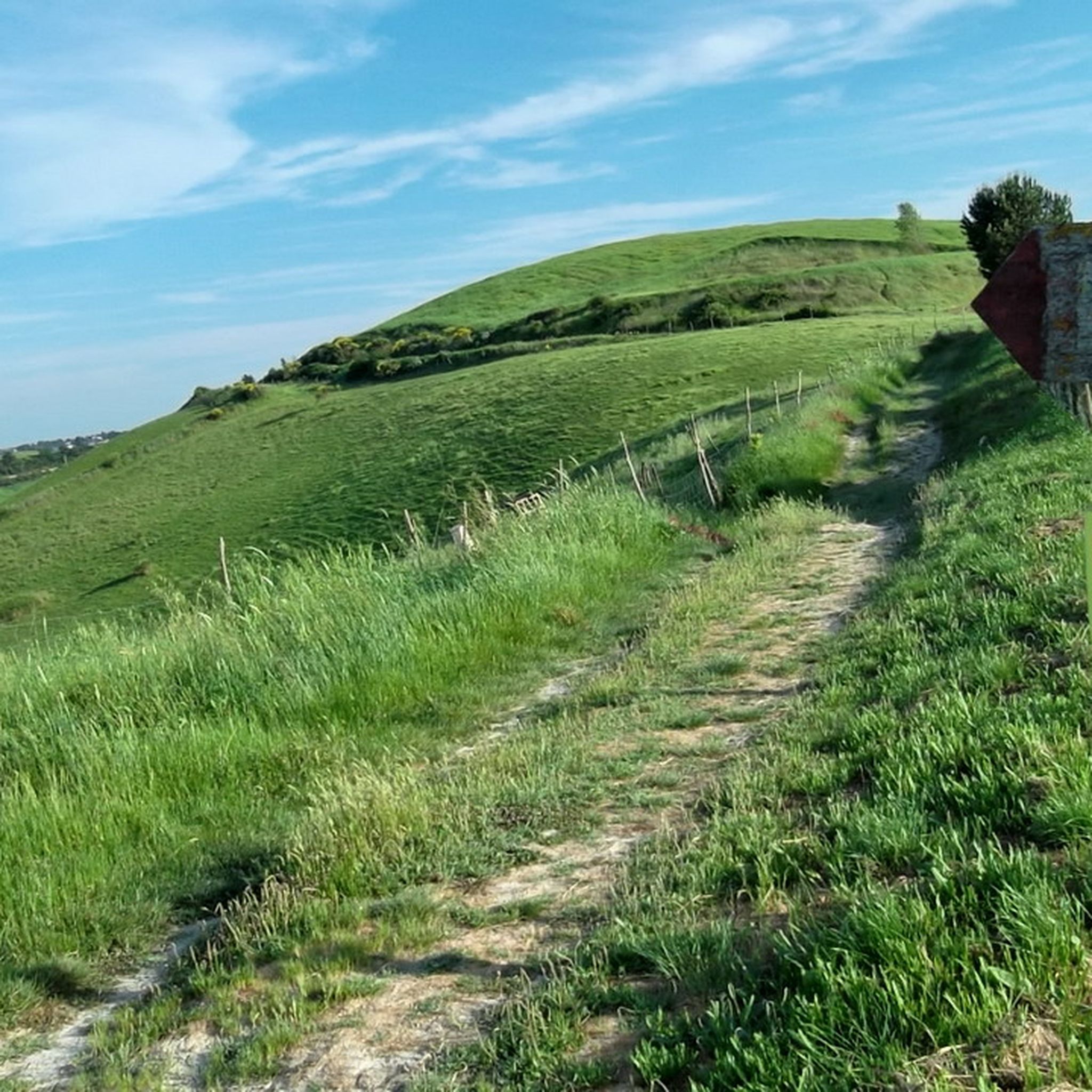
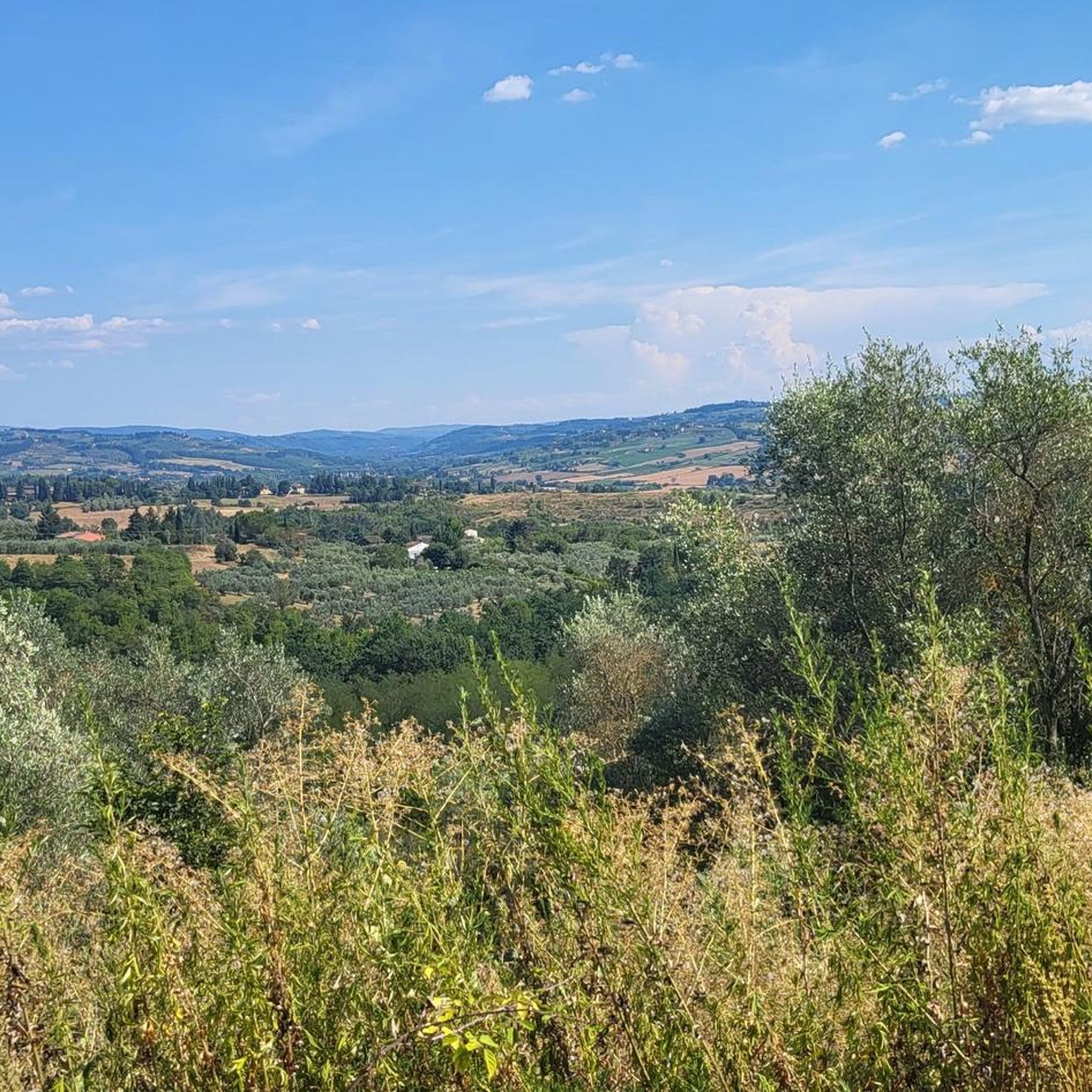
Tips from the Community

a village definitely worth visiting!
0
0

very intimate and typical village, with a beautiful view of the reserve.
0
0

Fantastic village with a view and a place to stop; there is also public water with fountains.
0
0

I was lucky enough to stay right under the fortress of this beautiful town.
3
0

Montecarlo is a charming medieval village located in the province of Lucca, in Tuscany. It stands on a hill overlooking the Valdinievole and the Lucca plain, offering breathtaking panoramic views. The town is famous for its fortress, the Rocca del Cerruglio, built in the 14th century to defend against external attacks, and for its well-preserved walls.
0
0

Cozzile was probably founded at the end of the 12th century around fortification works with lookout and extreme defense functions. Even at the beginning of the 14th century they hosted a castellan and a small garrison on behalf of the people of Lucca. Around the fortress a fortified town arose with a structure similar to that of Massa, organized in a "fishbone" pattern on both sides of the road that crossed it and which, exiting at the other end of the town, led towards the Apennines and towards Modena. The houses were grouped into two neighborhoods or "deeds" (Volata to the East, and Cessana to the West of the main road) with the square located to the north and the church to the south. In the city walls, of which important remains are still visible incorporated into the houses built above them, three doors opened: one to the east, corresponding to the entrance to the town of the medieval road from Massa (gate to Massa), one to the west , on the diametrically opposite side (Porta Vecchia)
0
0
Cozzile was probably founded at the end of the 12th century around fortification works with lookout and extreme defense functions. Even at the beginning of the 14th century they housed a castellan and a small garrison on behalf of the people of Lucca. Around the fortress a fortified town arose with a structure similar to that of Massa, organized in a "fishbone" pattern on both sides of the road that crossed it and which, exiting at the other end of the town, led towards the Apennines and towards Modena. The houses were grouped into two neighborhoods or "deeds" (Volata to the East, and Cessana to the West of the main road) with the square located to the north and the church to the south. In the city walls, of which important remains are still visible incorporated into the houses built above them, three doors opened: one to the east, corresponding to the entrance to the town of the medieval road from Massa (gate to Massa), one to the west , on the diametrically opposite side (Porta Vecchia)
0
0
Cozzile was probably founded at the end of the 12th century around fortification works with lookout and extreme defense functions. Even at the beginning of the 14th century they housed a castellan and a small garrison on behalf of the people of Lucca. Around the fortress a fortified town arose with a structure similar to that of Massa, organized in a "fishbone" pattern on both sides of the road that crossed it and which, exiting at the other end of the town, led towards the Apennines and towards Modena. The houses were grouped into two neighborhoods or "deeds" (Volata to the East, and Cessana to the West of the main road) with the square located to the north and the church to the south. In the city walls, of which important remains are still visible incorporated into the houses built above them, three doors opened: one to the east, corresponding to the entrance to the town of the medieval road from Massa (gate to Massa), one to the west , on the diametrically opposite side (Porta Vecchia)
0
0
Frequently Asked Questions
What historical fortifications can I explore in Altopascio itself?
Altopascio is a fortified medieval complex centered around the Spedale di Altopascio and the Church of San Jacopo Maggiore. You can explore remnants of the sturdy medieval walls, particularly on the northern side where original crossbow slits are visible. The historic center also features the impressive Romanesque-Lucca bell tower of San Jacopo and the Piazza degli Ospitalieri with its medieval well. The town's original city gates, such as Porta Pesciatina (now Porta Mariani) and Porta Fiorentina (now Porta Vettori), also offer a glimpse into its defensive past.
Which castles near Altopascio offer significant historical insights?
For significant historical insights, visit Cozzile Castle and the Clock Tower, founded in the late 12th century as a lookout and garrison point with visible city wall remains. Another key site is Rocca del Cerruglio, Montecarlo, a triangular-plan fortress dating from the 12th to 14th centuries, known for its well-preserved walls and strategic importance.
Are there any medieval villages with castles near Altopascio that are still inhabited?
Yes, the Cozzile Medieval Village is an early medieval castle settlement that is still inhabited today. It is preserved in excellent condition and offers a vast panorama towards the south over the Valdinievole and all of Tuscany.
What kind of views can I expect from the castles and fortified sites around Altopascio?
Many of the fortified sites offer panoramic views. For instance, the Cozzile Medieval Village provides a vast panorama over the Valdinievole. Additionally, the View of Montecarlo and the Valdinievole Valley is a highly recommended viewpoint, offering breathtaking vistas from the medieval town of Montecarlo.
What outdoor activities, like hiking or biking, can I do near these castles?
The region around Altopascio offers various outdoor activities. You can find numerous hiking and mountain biking trails. For example, there are several hiking routes around Montecarlo, such as the 'Montecarlo (Tuscany) – Historic Water Fountain loop' or 'The Witches' Oak – Montecarlo (Tuscany) loop'. For more options, explore the hiking guide for Altopascio or the MTB trails guide.
What is the best time of year to visit the castles and fortifications around Altopascio?
The best time to visit is typically during the spring (April to June) and autumn (September to October). During these seasons, the weather is generally mild and pleasant for exploring historical sites and enjoying outdoor activities like hiking, avoiding the intense heat of summer and the cooler, potentially wetter days of winter.
Are there family-friendly activities or walks around the castles in Altopascio?
Exploring the fortified village of Altopascio itself, with its medieval walls, bell tower, and Piazza degli Ospitalieri, can be a fascinating experience for families. The historical collection housed in the Loggiato Mediceo also provides an engaging insight into the town's past. For walks, look for easy hiking routes in nearby areas like Montecarlo, which often feature charming medieval settings.
What are the parking options when visiting castles near Altopascio?
Parking availability varies by location. In Altopascio, there are public parking areas within or near the historic center. For sites like Montecarlo, you will typically find designated parking facilities outside the medieval village walls, requiring a short walk to the fortress. It's advisable to check local signage upon arrival.
How can I reach the castles and fortified sites near Altopascio using public transport?
Altopascio is accessible by train, and local bus services connect it to nearby towns. From Altopascio, you can often find bus routes to towns like Montecarlo. However, direct public transport to every specific castle or trailhead might be limited, so planning your journey in advance and considering local taxis or a combination of transport methods is recommended.
What should I wear when visiting the castles and historical sites in this region?
Comfortable walking shoes are essential, as you'll likely be exploring uneven medieval streets, stairs, and potentially hiking trails. Layered clothing is advisable, especially during spring and autumn, to adapt to changing temperatures. A hat and sunscreen are recommended for sunny days, and a light jacket or rain gear can be useful during cooler or unpredictable weather.
Where can I find more information about the history of Altopascio and its role in the Middle Ages?
Altopascio's history is deeply tied to the Via Francigena and the Knights of the Tau. You can learn more about its past as a crucial assistance center for pilgrims and a strategic border town by visiting the historical collection housed in the Loggiato Mediceo. Further details can also be found on the Visit Tuscany website for Altopascio.
Are there any circular walking routes that incorporate the castles or fortifications around Altopascio?
Yes, the area offers several circular walking routes. For example, around Montecarlo, you can find routes like 'Montecarlo (Tuscany) – Historic Water Fountain loop' or 'The Witches' Oak – Montecarlo (Tuscany) loop' which allow you to explore the medieval village and its surroundings. These routes often provide scenic views and a chance to experience the historical landscape. You can find more details in the hiking guide for Altopascio.
Most popular routes around Altopascio
Most popular attractions around Altopascio

Get inspired with the komoot mobile app


Explore more
Looking for the best castles somewhere else? Discover other guides around Altopascio:
