Top 7 Castles around Montecatini-Terme
Best castles around Montecatini-Terme are found within the surrounding Tuscan landscape, which is dotted with medieval villages and historical castles. While Montecatini-Terme is known for its thermal baths, the region offers a glimpse into its rich history through these fortified structures. The area features diverse terrain, from hilltops offering panoramic views to valleys with olive groves.
Best castles around Montecatini-Terme
- The most popular castles is Larciano Castle Tower, a castle that was built on previous Roman settlements and was…
Last updated: August 23, 2026
Cozzile Castle and the Clock Tower
Highlight • Castle
Translated by Google •
Tip by

Rocca del Cerruglio, Montecarlo
Highlight • Castle
Translated by Google •
Tip by
Sign up now to discover places like this
Get recommendations on the best single tracks, peaks, & plenty of other exciting outdoor places.
Sign up for free
Cozzile Medieval Village
Highlight • Settlement
Translated by Google •
Tip by

Porta Nuova, Cozzile
Highlight • Historical Site
Translated by Google •
Tip by
Larciano Castle Tower
Highlight • Castle
Translated by Google •
Tip by

Sign up for free to discover even more castles around Montecatini-Terme.
Sign up for free
Already have an account?
Start today with a free account
Your next adventure awaits.
Login or Signup

Tips from the Community

a village definitely worth visiting!
0
0

very intimate and typical village, with a beautiful view of the reserve.
0
0

Fantastic village with a view and a place to stop; there is also public water with fountains.
0
0

Beautiful, tranquil place that invites you to linger!👍
0
0

I was lucky enough to stay right below the fortress of this wonderful town.
3
0

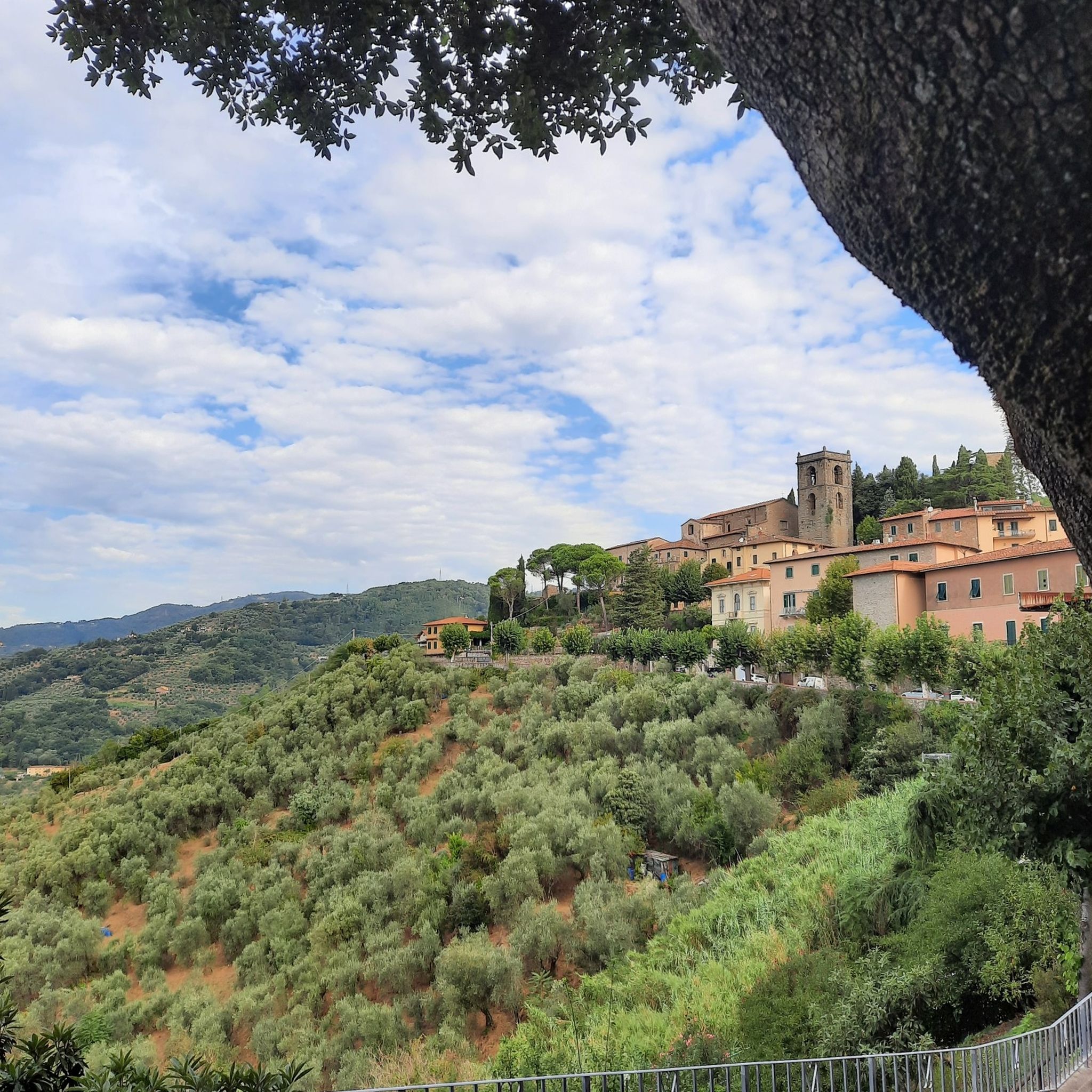
Montecarlo is a charming medieval village located in the province of Lucca, in Tuscany. It stands on a hill overlooking the Valdinievole and the Lucca plain, offering breathtaking panoramic views. The town is famous for its fortress, the Rocca del Cerruglio, built in the 14th century to defend against external attacks, and for its well-preserved walls.
2
0

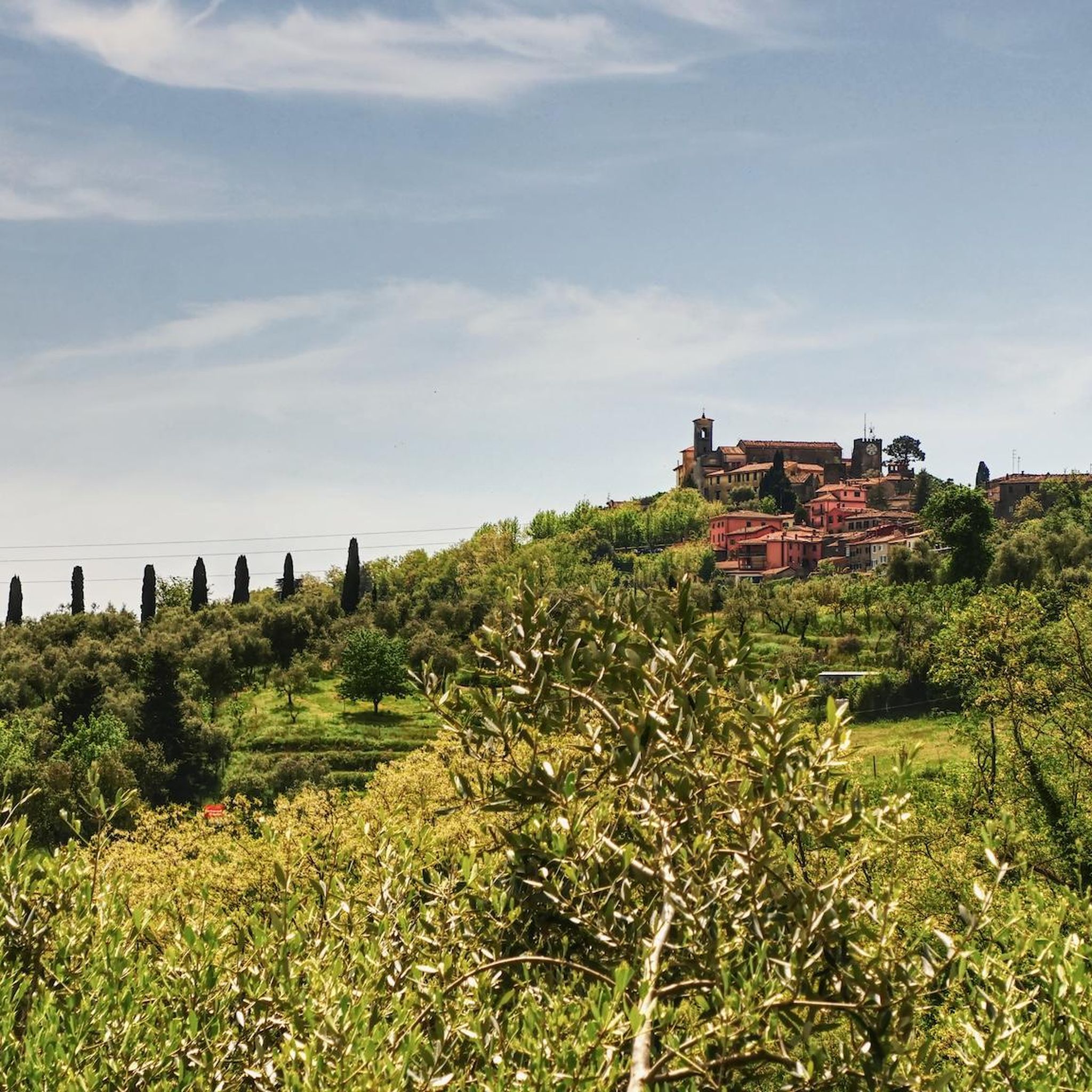
Cozzile was probably founded at the end of the 12th century around fortification works with lookout and extreme defense functions. Even at the beginning of the 14th century they hosted a castellan and a small garrison on behalf of the people of Lucca. Around the fortress a fortified town arose with a structure similar to that of Massa, organized in a "fishbone" pattern on both sides of the road that crossed it and which, exiting at the other end of the town, led towards the Apennines and towards Modena. The houses were grouped into two neighborhoods or "deeds" (Volata to the East, and Cessana to the West of the main road) with the square located to the north and the church to the south. In the city walls, of which important remains are still visible incorporated into the houses built above them, three doors opened: one to the east, corresponding to the entrance to the town of the medieval road from Massa (gate to Massa), one to the west , on the diametrically opposite side (Porta Vecchia)
0
0
Cozzile was probably founded at the end of the 12th century around fortification works with lookout and extreme defense functions. Even at the beginning of the 14th century they housed a castellan and a small garrison on behalf of the people of Lucca. Around the fortress a fortified town arose with a structure similar to that of Massa, organized in a "fishbone" pattern on both sides of the road that crossed it and which, exiting at the other end of the town, led towards the Apennines and towards Modena. The houses were grouped into two neighborhoods or "deeds" (Volata to the East, and Cessana to the West of the main road) with the square located to the north and the church to the south. In the city walls, of which important remains are still visible incorporated into the houses built above them, three doors opened: one to the east, corresponding to the entrance to the town of the medieval road from Massa (gate to Massa), one to the west , on the diametrically opposite side (Porta Vecchia)
0
0
Frequently Asked Questions
Which are the most popular castles to visit near Montecatini-Terme?
Among the most popular castles in the area, visitors frequently enjoy the Larciano Castle Tower, known for its historical significance and panoramic views. The Rocca del Cerruglio in Montecarlo is also a favorite, offering a glimpse into 14th-century defenses. Additionally, the Cozzile Castle and the Clock Tower provides a charming medieval village experience.
What kind of historical insights do these castles offer?
The castles around Montecatini-Terme provide a deep dive into Tuscany's medieval past. For example, the Larciano Castle Tower was built on Roman settlements and was a strategic possession of the Guidi Counts before being acquired by Pistoia. Rocca del Cerruglio in Montecarlo was a crucial 14th-century fortress designed for defense against external attacks. Many of these sites, like Buggiano Castello, have preserved their ancient appearance, offering a tangible connection to centuries of history.
Are there castles with notable panoramic views?
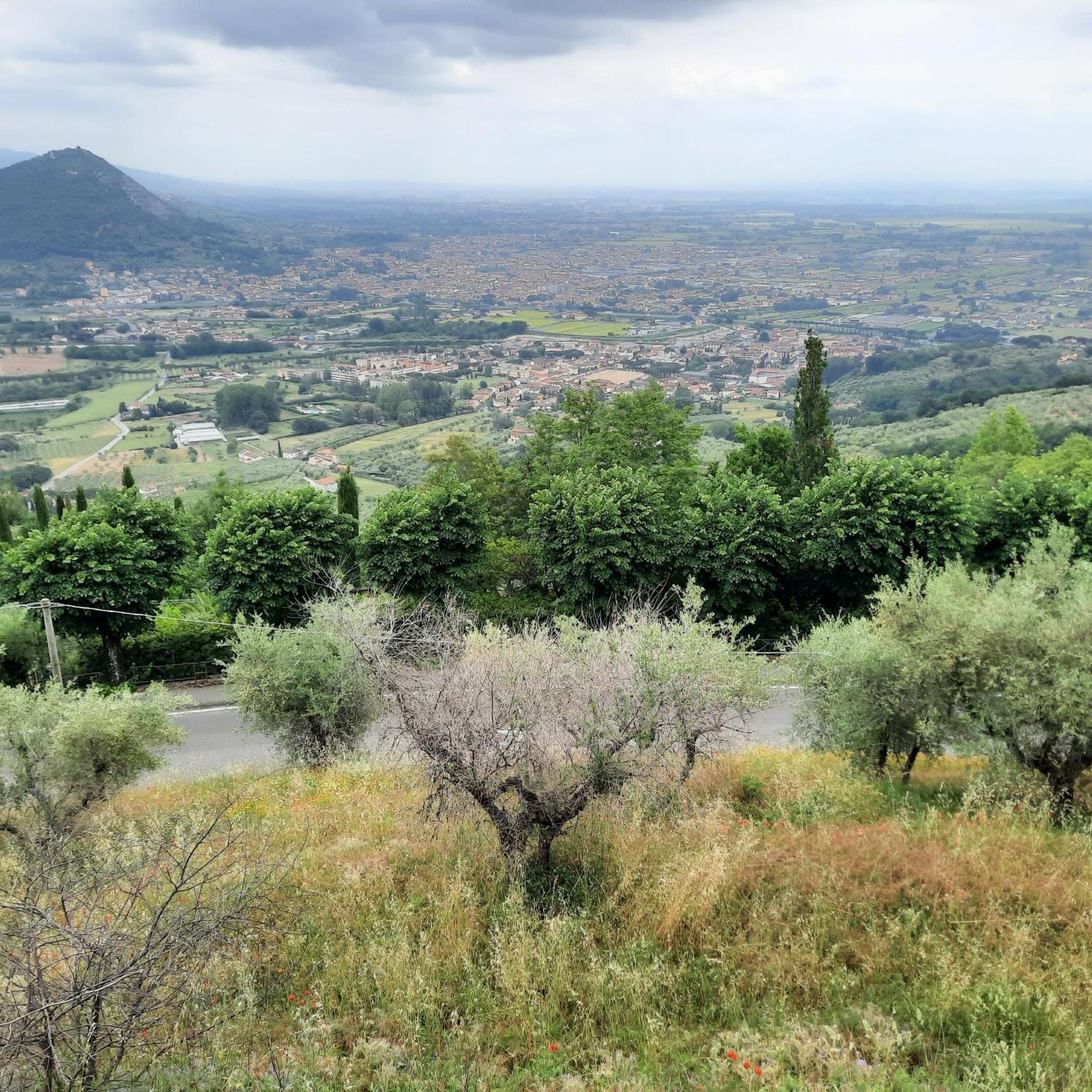
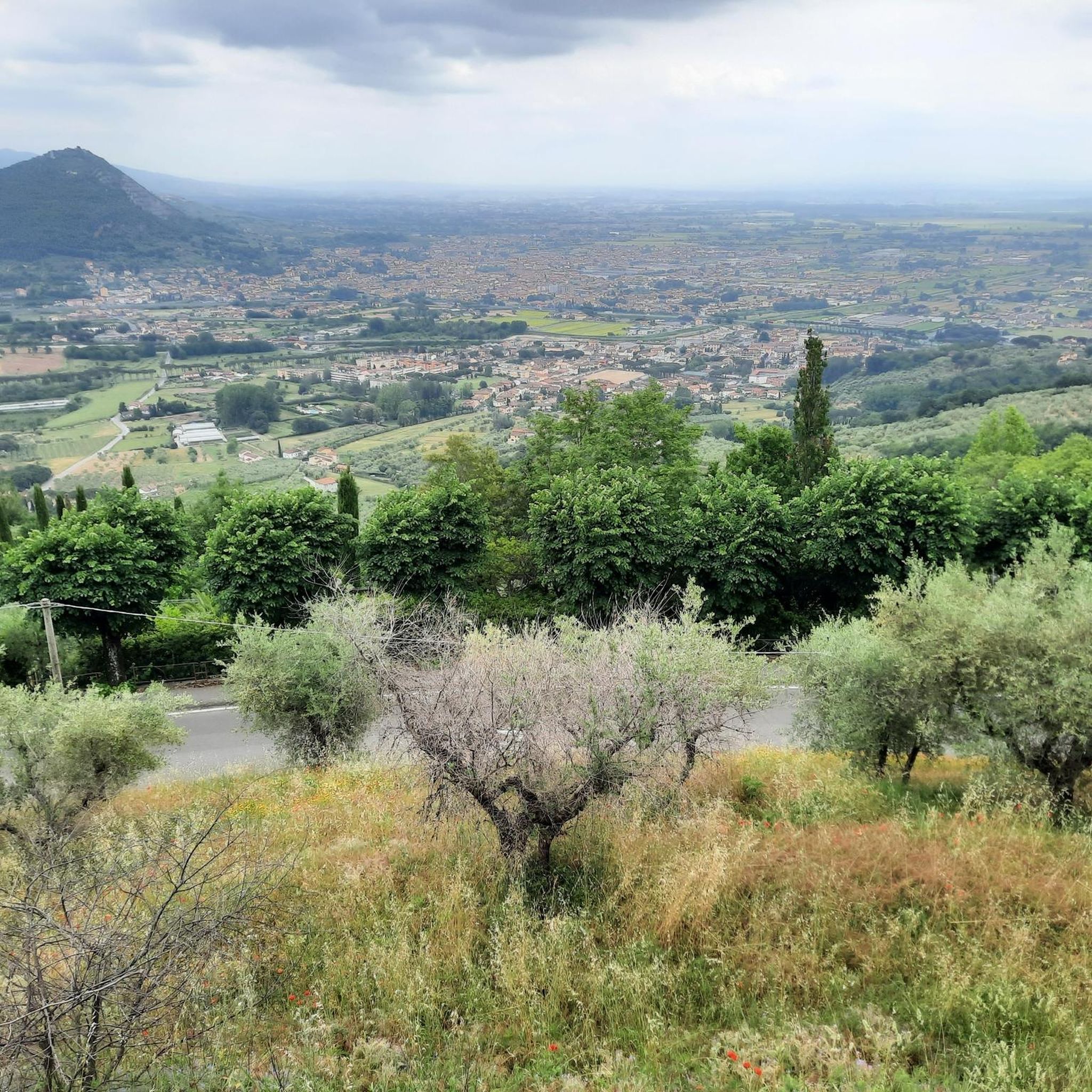
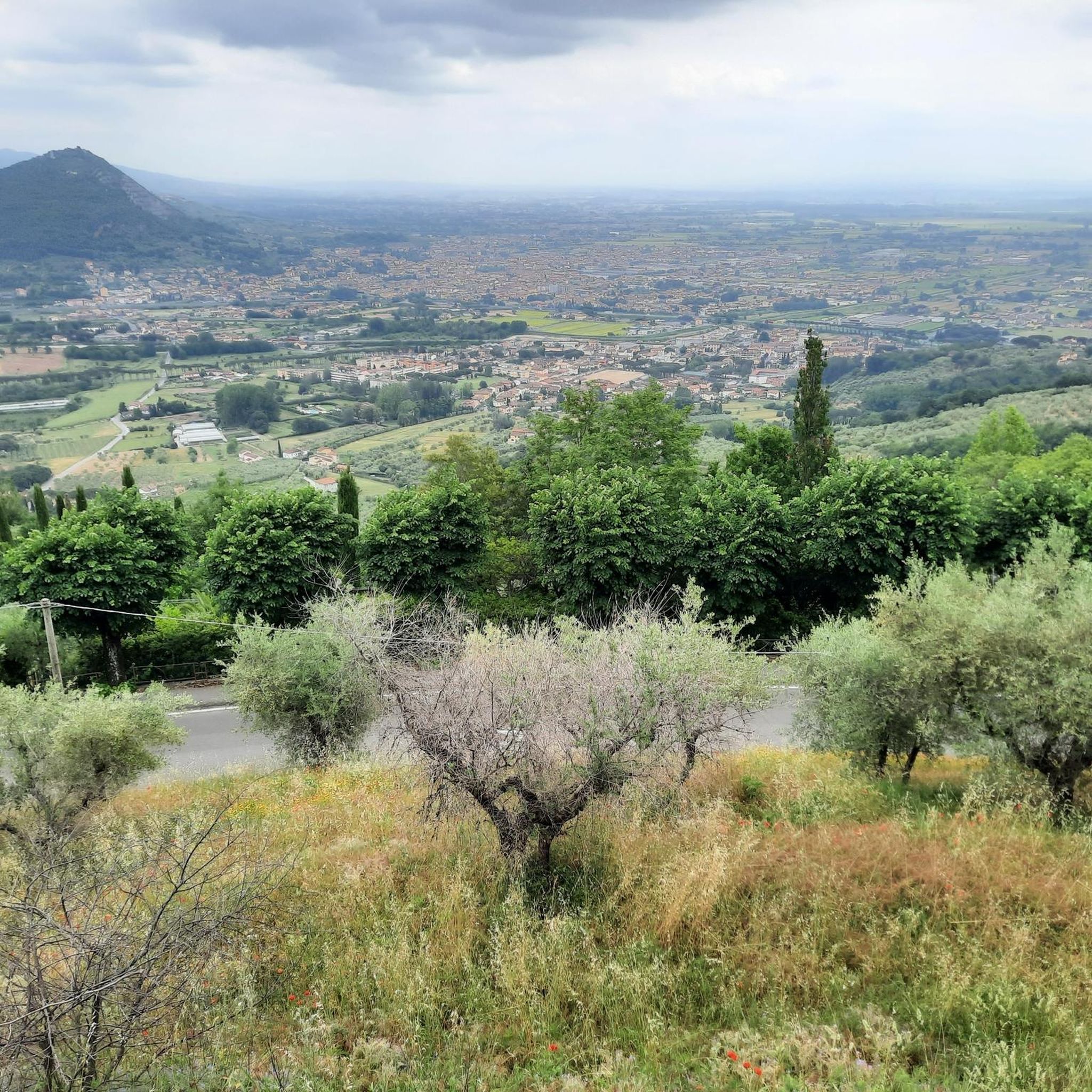
Yes, many castles in the region are strategically located on hilltops, offering breathtaking panoramic views. From the Rocca del Cerruglio in Montecarlo, you can see the Valdinievole and the Lucca plain. Climbing the 40-meter-high watchtower of Larciano Castle provides extensive views stretching to the Apuan Alps on clear days. Cozzile Castle and Buggiano Castello also boast suggestive views over the Tuscan countryside, sometimes even extending to Elba Island.
What outdoor activities can I do near these castles?
The area around Montecatini-Terme offers various outdoor activities. You can find numerous hiking trails, such as the 'Climb and visit to Montecatini Alto — Ring tour' or the 'Montecatini Alto – Montecatini Fortress loop'. For cycling enthusiasts, there are options for both gravel biking and road cycling, including routes like 'Vineyard Trail Near Montecarlo' or 'View of the Lucca City Walls'. You can explore more routes in the Hiking around Montecatini-Terme, Gravel biking around Montecatini-Terme, and Cycling around Montecatini-Terme guides.
Are there any medieval villages associated with these castles?
Absolutely. Many of the castles are integral parts of well-preserved medieval villages. Montecarlo, home to Rocca del Cerruglio, is a picturesque medieval town. Cozzile is a charming medieval village with narrow streets and houses of medieval origin surrounding its castle and clock tower. Buggiano Castello is another historic aristocratic castle village that has maintained its ancient appearance, complete with remnants of its original walls and historic buildings.
What is the best time of year to visit the castles around Montecatini-Terme?
The best time to visit the castles and explore the surrounding areas is generally during spring (April-May) and autumn (September-October). The weather is pleasant for walking and sightseeing, and the landscapes are particularly beautiful with blooming flowers or autumn foliage. Summer can be quite hot, while winter might offer fewer opening hours for some attractions.
Are there any family-friendly castles or activities for children?
While specific 'family-friendly' categories aren't always listed, many of these medieval villages and castles offer an engaging experience for families. Exploring the well-preserved walls of Rocca del Cerruglio, climbing the Larciano Castle Tower for views, or wandering the narrow streets of Cozzile and Buggiano Castello can be an adventure for children. The historical context and panoramic vistas provide an educational and exciting outing.
Can I find cafes or restaurants near these castle sites?
Yes, the medieval villages surrounding these castles often have local amenities. Montecarlo, Cozzile, and Buggiano Castello, being inhabited villages, typically offer cafes, trattorias, or restaurants where you can enjoy local Tuscan cuisine. It's always a good idea to check local listings or ask residents for recommendations upon arrival.
What are the parking options for visiting these castles?
Parking availability varies by location. Generally, medieval villages like Montecarlo, Larciano, Cozzile, and Buggiano Castello have designated parking areas outside the historic centers, as many old town centers are pedestrian-only or have restricted access. It's advisable to look for signs for 'Parcheggio' upon approaching the villages.
Are there any unique features or 'hidden gems' among these castles?
Buggiano Castello stands out with its unique 'urban' gardens, born from the medieval tradition of 'hortus conclusus,' earning it the nickname 'Borgo degli Agrumi' (village of the citrus gardens). These private gardens are occasionally open to the public during special tours. Larciano Castle also houses an Archaeological Civic Museum within its walls, preserving artifacts from prehistoric times to the late Renaissance, offering an unexpected cultural depth.
How accessible are these castles by public transport?
While Montecatini-Terme itself is well-connected, reaching some of the smaller medieval villages and castles by public transport can be more challenging. Buses connect Montecatini-Terme to larger towns, from which local buses or taxis might be needed to reach the specific castle villages. Renting a car often provides the most flexibility for exploring the region's castles at your own pace.
What should I wear when visiting castles in Tuscany near Montecatini-Terme?
Comfortable walking shoes are essential, as you'll likely be exploring cobbled streets, climbing towers, and navigating uneven terrain. Layers are recommended, especially during spring and autumn, as temperatures can change throughout the day. A hat and sunscreen are advisable during warmer months, and a light jacket can be useful even in summer evenings.
Most popular routes around Montecatini-Terme
Most popular attractions around Montecatini-Terme

Get inspired with the komoot mobile app


Explore more
Looking for the best castles somewhere else? Discover other guides around Montecatini-Terme:
