Top 4 Castles around Capraia E Limite
Castles around Capraia E Limite, a municipality in Tuscany, offer a glimpse into centuries of Italian history. Situated near the Arno River, this region was strategically important for controlling traffic between Florence and Pisa. The area is characterized by historical fortified structures and medieval villages, reflecting its contested past.
Best castles around Capraia E Limite
- The most popular castles is Larciano Castle Tower, a castle built on previous Roman settlements. It was a possession of the Guidi Counts from…
Last updated: August 23, 2026
Malmantile Fortified Castle
Highlight • Castle
Translated by Google •
Tip by

Montegufoni Castle
Highlight • Castle
Tip by

Sign up now to discover places like this
Get recommendations on the best single tracks, peaks, & plenty of other exciting outdoor places.
Sign up for free
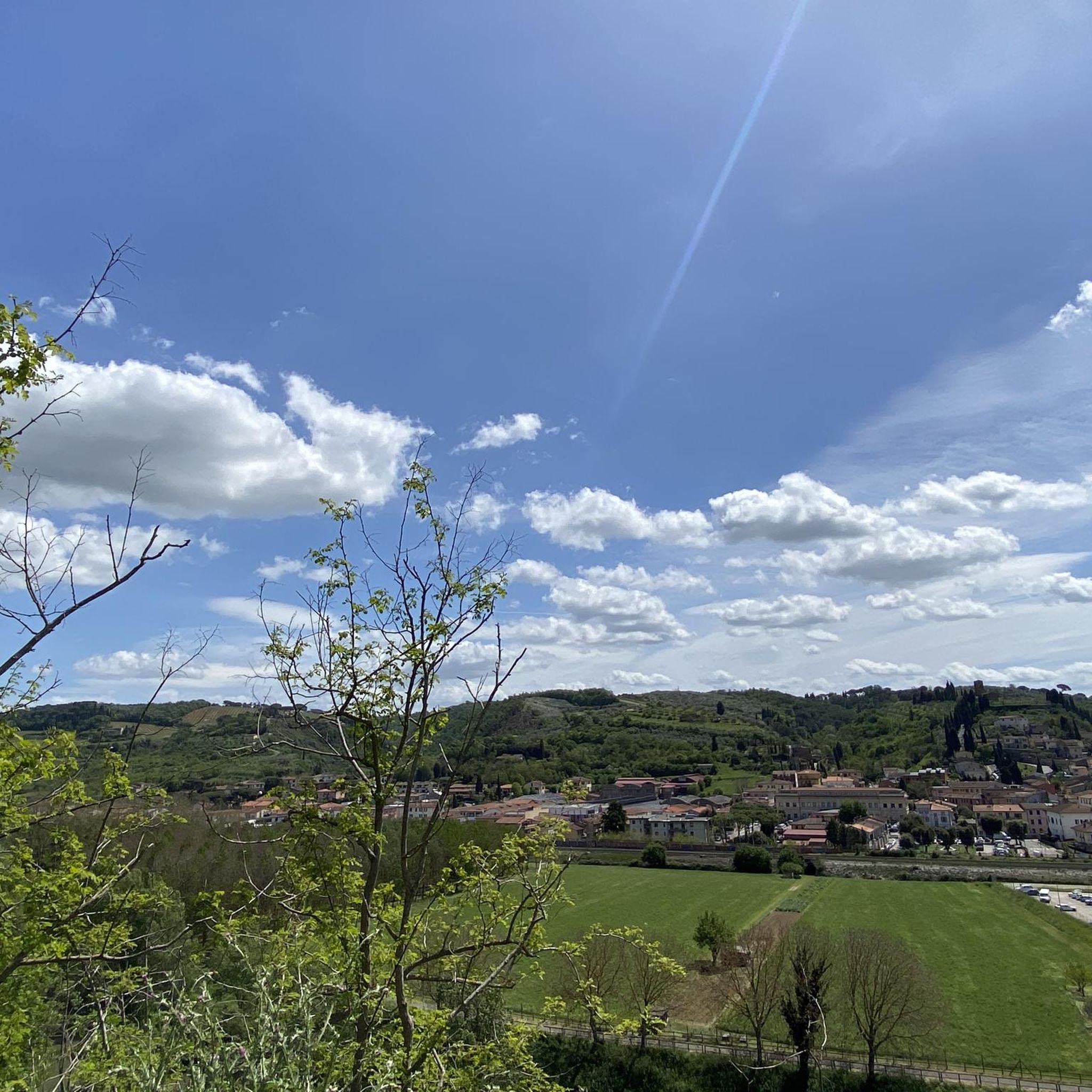
Viewpoint from the Rocca di Carmignano
Highlight • Viewpoint
Translated by Google •
Tip by

Larciano Castle Tower
Highlight • Castle
Translated by Google •
Tip by

San Quirico Tower (Frescobaldi Tower)
Highlight • Monument
Tip by
Sign up for free to discover even more castles around Capraia E Limite.
Sign up for free
Already have an account?
Start today with a free account
Your next adventure awaits.
Login or Signup

Tips from the Community

The small village of Malmantile has one of the best preserved examples of medieval city walls in Tuscany. Its origins are unknown, it was essentially a military center located along the ancient and very important road that connected Florence to Pisa and only later became an inhabited center. Legend has it that the episode that gave rise to its name dates back to the 4th century! St. Ambrose, bishop of Milan, was traveling towards central Italy while St. Zanobi, bishop of Florence, was in the area. The two met where the commemorative tabernacle of the meeting stands and stayed for a few days to talk in a farmhouse. Upon leaving, St. Ambrose was so dissatisfied with the welcome he received from the locals that he cursed the place so much that the farmhouse sank into a crevasse. Once word of what had happened spread, the town was called 'Malmantile', which literally meant 'bad tablecloth' but in a broader sense 'bad reception'. The late Gothic walls of the town date back to 1424 and are one of the first examples of a wall equipped with a projecting device, the most used type in Tuscany for the entire following century. It seems that Brunelleschi also supervised their construction. The walls have a layout of 125x70 meters and form an almost perfect rectangle, oriented with the longer sides to the north-west and south-east and with the short ones, in the center of which are the two gates, joined by the single road axis, to the north-east and south-west. Although the entire perimeter of the loose stone wall is preserved, little remains of the projecting defensive device. This is made up of stone corbels of the type with four rounded projections to support the slightly pointed brick arches. Compared to the nearby circle of Lastra a Signa, here there are, in alternating arches, the machicolations for the plunging defense. The wall is completed by square towers placed at the four corners plus two other towers, without an internal front, placed at the center of the longer sides, the largest of which is the one on the north-west side, the one facing the external road and also the best preserved as it is completely free from overlapping of subsequent buildings. The two gates, both with round arches, are obtained by projecting a section of the walls themselves outwards and equipped with a series of slits on both sides. The one towards Florence is currently in need of restoration with the arch at risk of collapse. To the west of the gate facing Pisa (southwest) we find the only still intact section of the projecting apparatus, crowned by a parapet made of finer stone than that of the walls. Along the entire perimeter the escarpment joins the upper part plumb without a roundabout. To the south of the gate and along the walls they are in some places pierced by the windows of the houses leaning against them. The north-west side is internally free from buildings but partially covered by buildings built externally.
0
0
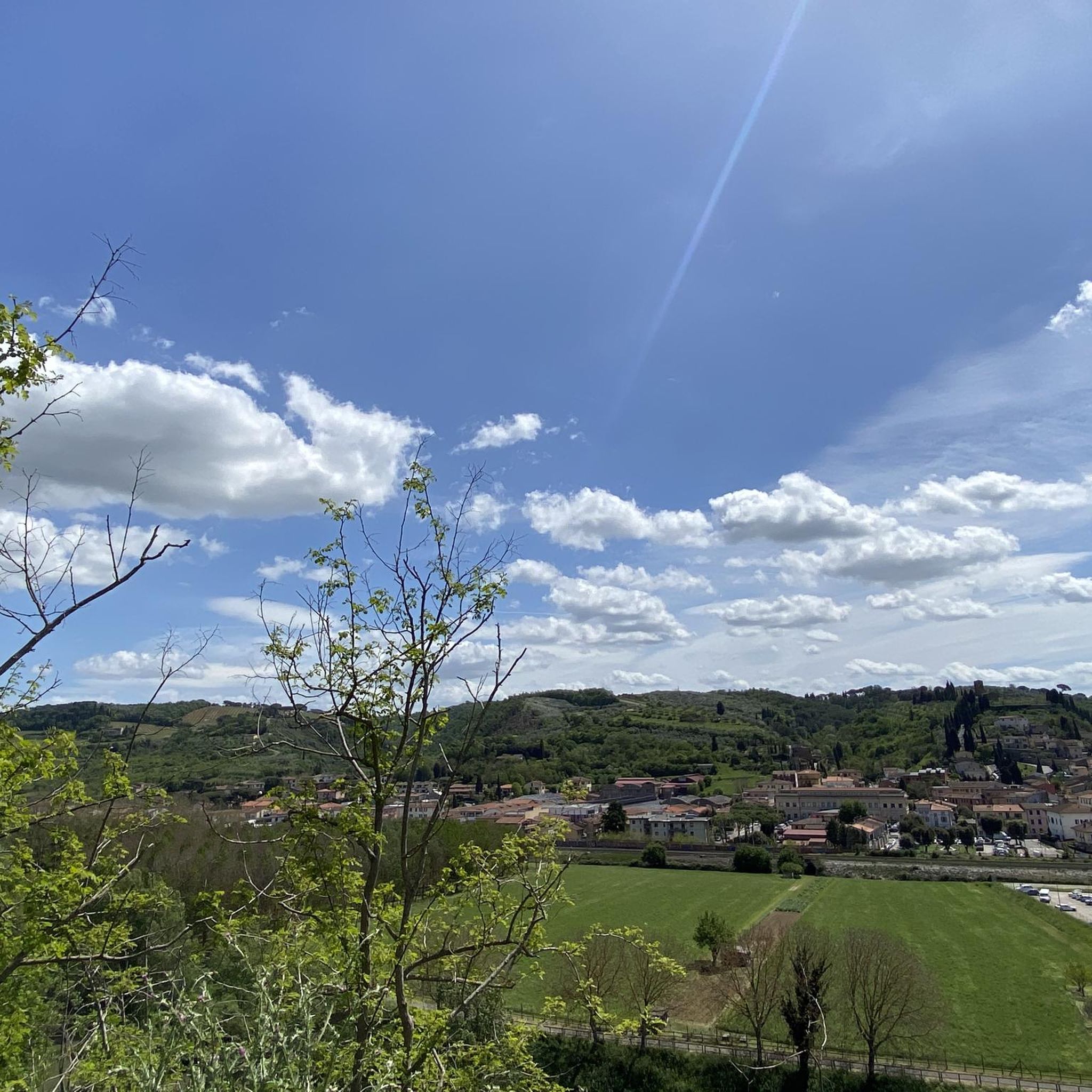
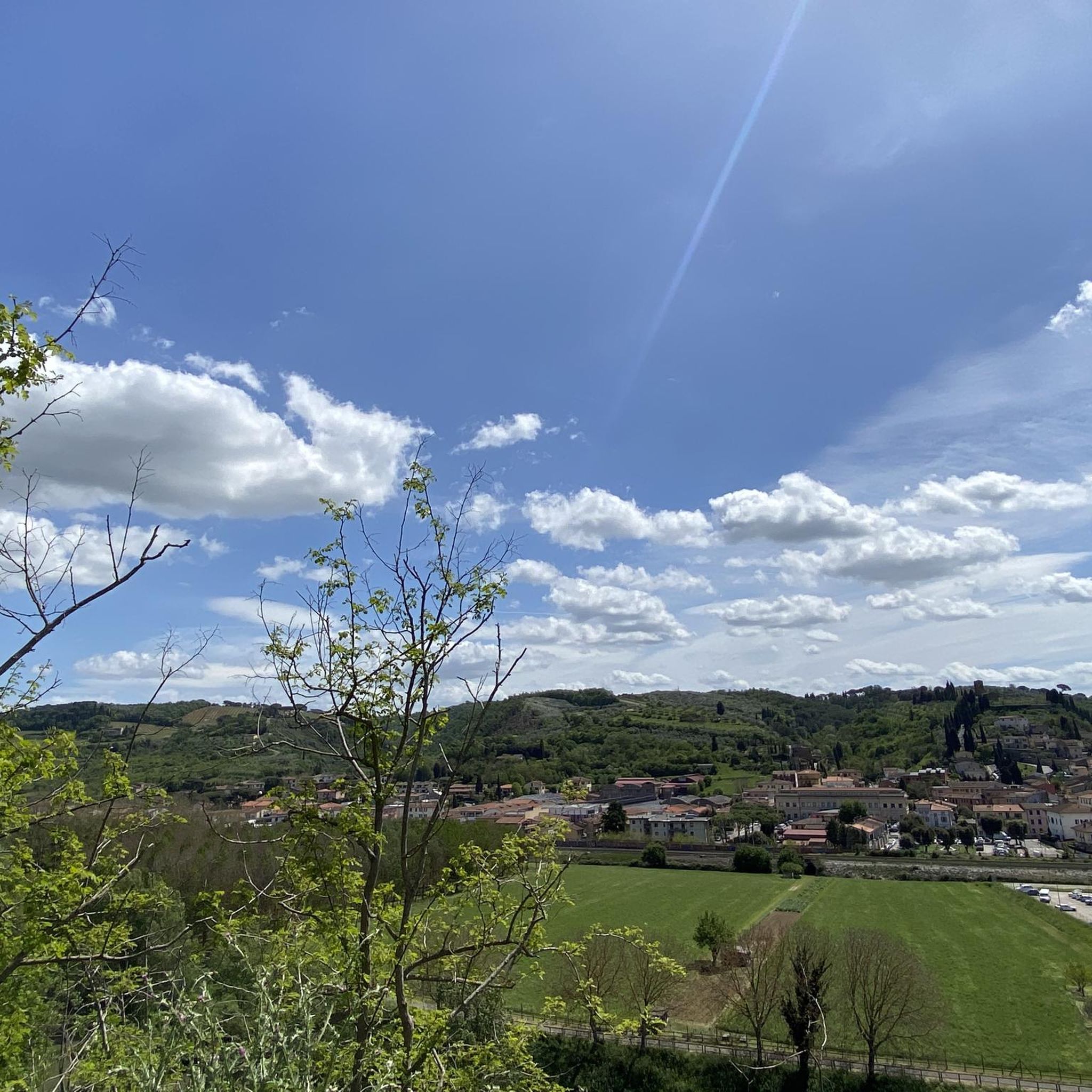
The Rocca or Castle of Carmignano has dominated the village from above for over a thousand years: the bastion was in fact mentioned for the first time in the year 998, in a document by Otto III of Saxony which granted ownership to the bishop of Pistoia. The Rocca was the object of continuous battles between Pistoia, Florence and Prato, due to its strategic position in the political-military context of the Middle Ages: from up here, in fact, you can admire the entire plain between the three cities. After having resisted, in 1154, a siege conducted by troops from Prato and Florence, the castle was destroyed for the first time in 1228 by the Florentines. Having regained possession of Pistoia in 1242, the fortification was rebuilt and in the early fourteenth century sold again to Florence, which proceeded to demolish the fortress and the castle walls once again. After a new parenthesis in Pistoia (1315-1324) the castle returned to Florentine hands, only to be besieged and conquered by Castruccio Castracani, who made it his own stronghold until 1328, when it finally returned to Florence. The Rocca di Carmignano can be accessed via a pedestrian path (starting from the church of San Michele, where Pontormo's famous Visitation is kept) that climbs the hill full of olive trees, where you can enjoy a beautiful view of Montalbano. Few remains of the medieval walls around the Rocca remain, partly rebuilt as the Campano, with the bell tower and clock, while in the center stands a medieval tower, called the Maschio della Rocca. (www.visittuscany.com)
0
0

Beautiful, tranquil place that invites you to linger!👍
0
0

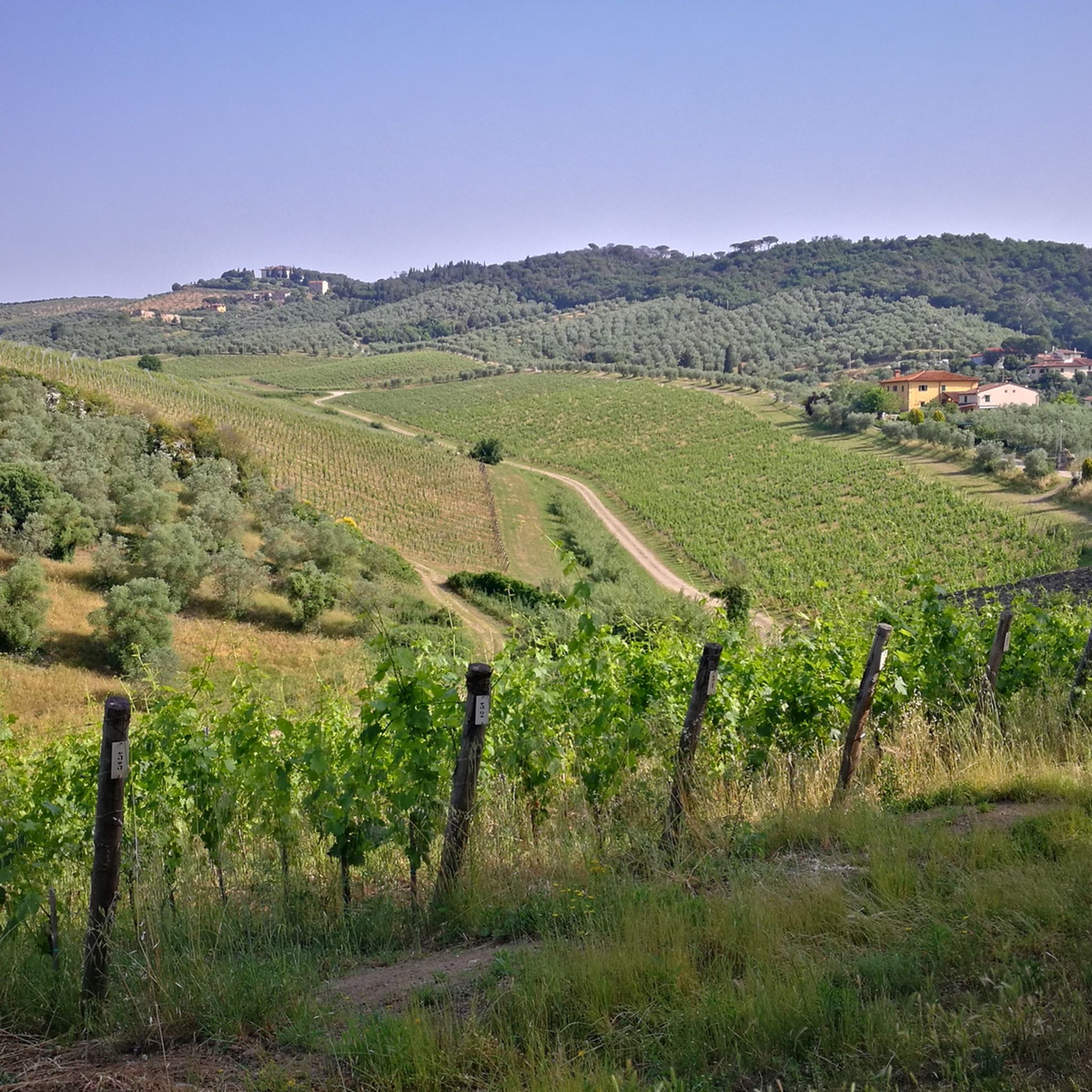
Already in the dominions of the Acciaioli family and now owned by the Posarelli family, the castle of Montegufoni is known because, during the bombings suffered by Florence in the Second World War, some works of art were hidden there, including the Adoration of the Magi of Ghirlandaio and Botticelli's Spring.
0
0

La Rocca above The village of Carmignano is worth a visit and not just for the view. From this fortress there were two arms that the Pistoiesi had placed and that "made the figs" towards Florence. For more information, consult the Divine Comedy.
0
0

Built on previous Roman settlements, the Castle was a possession of the Guidi Counts attested from the mid-10th century, then sold by them to the Municipality of Pistoia in 1225. Contested several times between the Pistoiesi and the Florentines until 1401 when Pistoia definitively submitted to Florence and Larciano became headquarters of one of the podesterias in which the administration of the territory was divided.
1
0
It is the Roccadi Carmignano
0
0

Malmantile with its fortress is worth a visit.
1
0
Frequently Asked Questions
What historical significance do the castles around Capraia e Limite hold?
The castles in this region are deeply rooted in Italian history, often serving strategic roles due to their location between Florence and Pisa. For example, Larciano Castle Tower was built on Roman settlements and was contested between Pistoia and Florence for centuries. Montegufoni Castle, dating back to the tenth century, hosted kings and protected invaluable artworks during World War II.
Are there any castles in the area that are particularly well-preserved?
Yes, Malmantile Fortified Castle is recognized for its well-preserved medieval city walls. Its late Gothic walls, dating back to 1424, are an early example of defensive architecture with projecting devices, possibly supervised by Brunelleschi.
Which castles offer notable viewpoints or scenic surroundings?
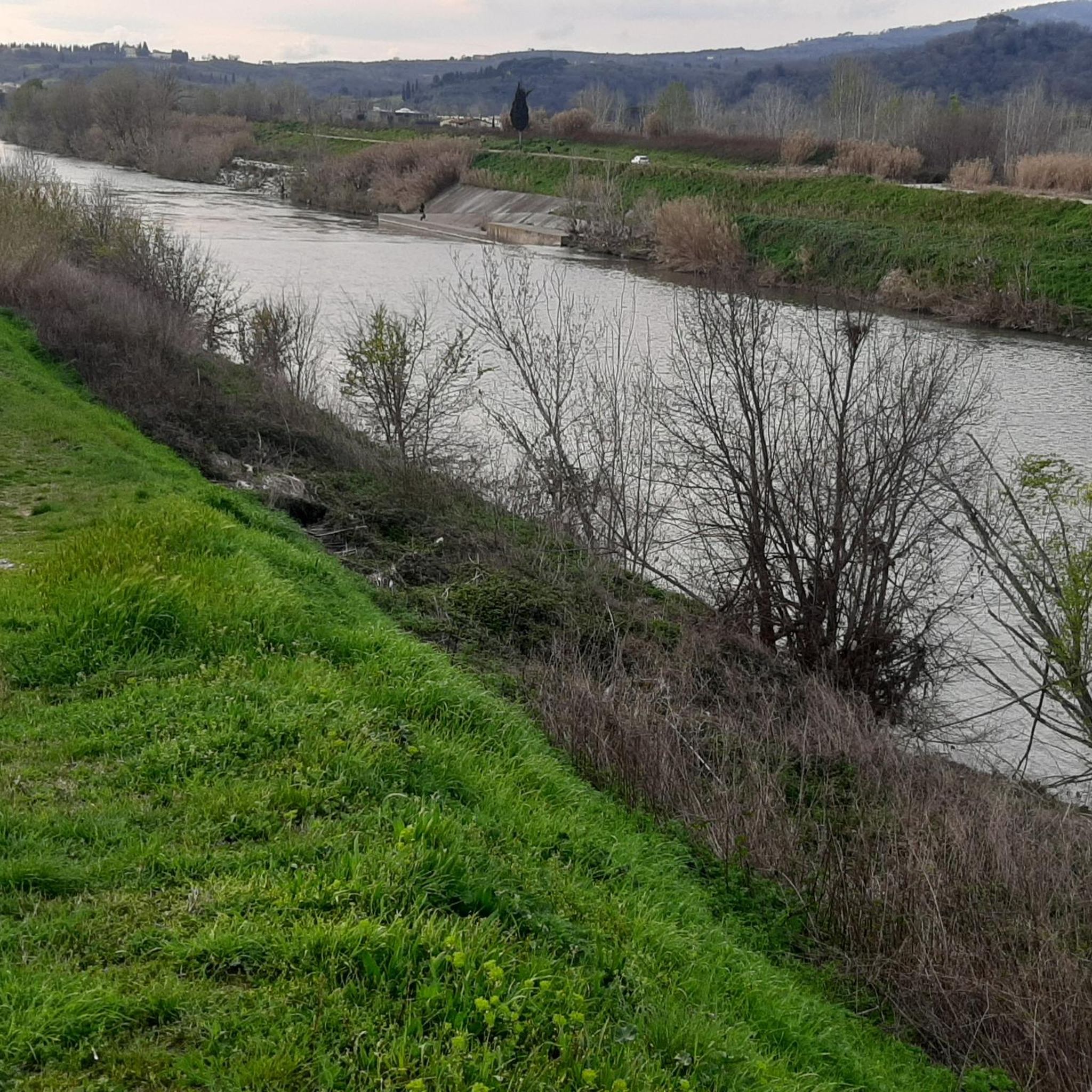
The Larciano Castle Tower is described as a beautiful, tranquil place that invites you to linger. Additionally, the San Quirico Tower (Frescobaldi Tower), located on the Arno River, offers nice views of the river and its surroundings.
Are there family-friendly castles to visit in Capraia e Limite?
Yes, Malmantile Fortified Castle is categorized as family-friendly. Its small village setting and historical significance can be engaging for all ages. The San Quirico Tower also falls into this category, offering a unique museum experience alongside scenic views.
What outdoor activities can I do near these castles?
The region around Capraia e Limite offers various outdoor activities. You can find numerous hiking trails, including routes like the 'Necropolis of Prato Rosello – Artimino and Poggio alla Malva loop'. For cyclists, there are many road cycling routes and general cycling tours, such as the 'Pesa loop from Montelupo Fiorentino' or routes passing by Montegufoni Castle.
When is the best time of year to visit the castles around Capraia e Limite?
Tuscany generally enjoys pleasant weather from spring (April-May) through early autumn (September-October), making these months ideal for exploring castles. The mild temperatures are comfortable for walking and enjoying the scenic views. Summer can be hot, but many castles offer shade, and winter visits are possible, though some sites might have reduced hours.
Are there any unique museums or attractions within the castles?
Yes, the San Quirico Tower (Frescobaldi Tower) houses a museum dedicated to the 'fiasco,' a traditional Italian bottle with a round body and a straw basket. This offers a unique cultural insight alongside the historical structure.
What should I know about the Castello di Capraia?
The Castello di Capraia, situated on a spur overlooking the Arno River, is historically significant and even appeared in Leonardo da Vinci's papers. It was a stronghold of the Counts Alberti, strategically positioned to control traffic between Florence and Pisa. While some structures and fragments of its city walls survive, it's important to note that this is distinct from the Fortress of San Giorgio on Capraia Island.
What do visitors enjoy most about the castles in Capraia e Limite?
Visitors appreciate the rich history and well-preserved medieval architecture. The tranquil atmosphere of places like Larciano Castle Tower and the historical depth of sites like Montegufoni Castle, which protected art during wartime, are frequently highlighted. The opportunity to step back in time and explore centuries of Italian heritage is a major draw.
Is there parking available when visiting the castles?
While specific parking details for each castle may vary, most historical sites in Italian towns and villages typically have designated parking areas nearby, often within walking distance. It's advisable to check local signage or official websites for the most up-to-date information on parking availability and fees before your visit.
Are guided tours available for the castles in the Capraia e Limite area?
Availability of guided tours can vary by castle and season. Some larger or more popular sites like Montegufoni Castle (which also functions as a hotel) might offer tours, while smaller sites may require self-exploration. It's recommended to inquire directly with the specific castle or local tourist information centers for current tour options.
Are the castles generally accessible for visitors with mobility challenges?
Many historical castles and fortified structures, due to their age and original defensive purposes, may present challenges for visitors with mobility issues, often featuring uneven terrain, stairs, and narrow passages. While some sites may have made adaptations, it's best to check with individual castle administrations regarding specific accessibility features before planning your visit.
Most popular routes around Capraia E Limite
Most popular attractions around Capraia E Limite

Get inspired with the komoot mobile app


Explore more
Looking for the best castles somewhere else? Discover other guides around Capraia E Limite:
