Top 6 Castles around Cerreto Guidi
Best castles around Cerreto Guidi include historical sites and fortified villages situated in a region known for its strategic position and panoramic views. The area features hills between the Arno River and the Fucecchio Marsh, offering diverse landscapes. Historically, the region was significant for the Guidi Counts and later the Medici family, who influenced its architecture and cultural heritage. Visitors can explore various historical structures that reflect centuries of Tuscan history.
Best castles around Cerreto Guidi
- The most popular castles…
Last updated: June 30, 2026
San Miniato Cathedral and Clock Tower
Highlight • Religious Site
Translated by Google •
Tip by

Larciano Castle Tower
Highlight • Castle
Translated by Google •
Tip by

Sign up now to discover places like this
Get recommendations on the best single tracks, peaks, & plenty of other exciting outdoor places.
Sign up for free
Cecina village (Larciano)
Highlight • Settlement
Translated by Google •
Tip by

San Quirico Tower (Frescobaldi Tower)
Highlight • Monument
Tip by

Vinacciano Historic Village
Highlight • Settlement
Translated by Google •
Tip by

Sign up for free to discover even more castles around Cerreto Guidi.
Sign up for free
Already have an account?
Start today with a free account
Your next adventure awaits.
Login or Signup

Tips from the Community

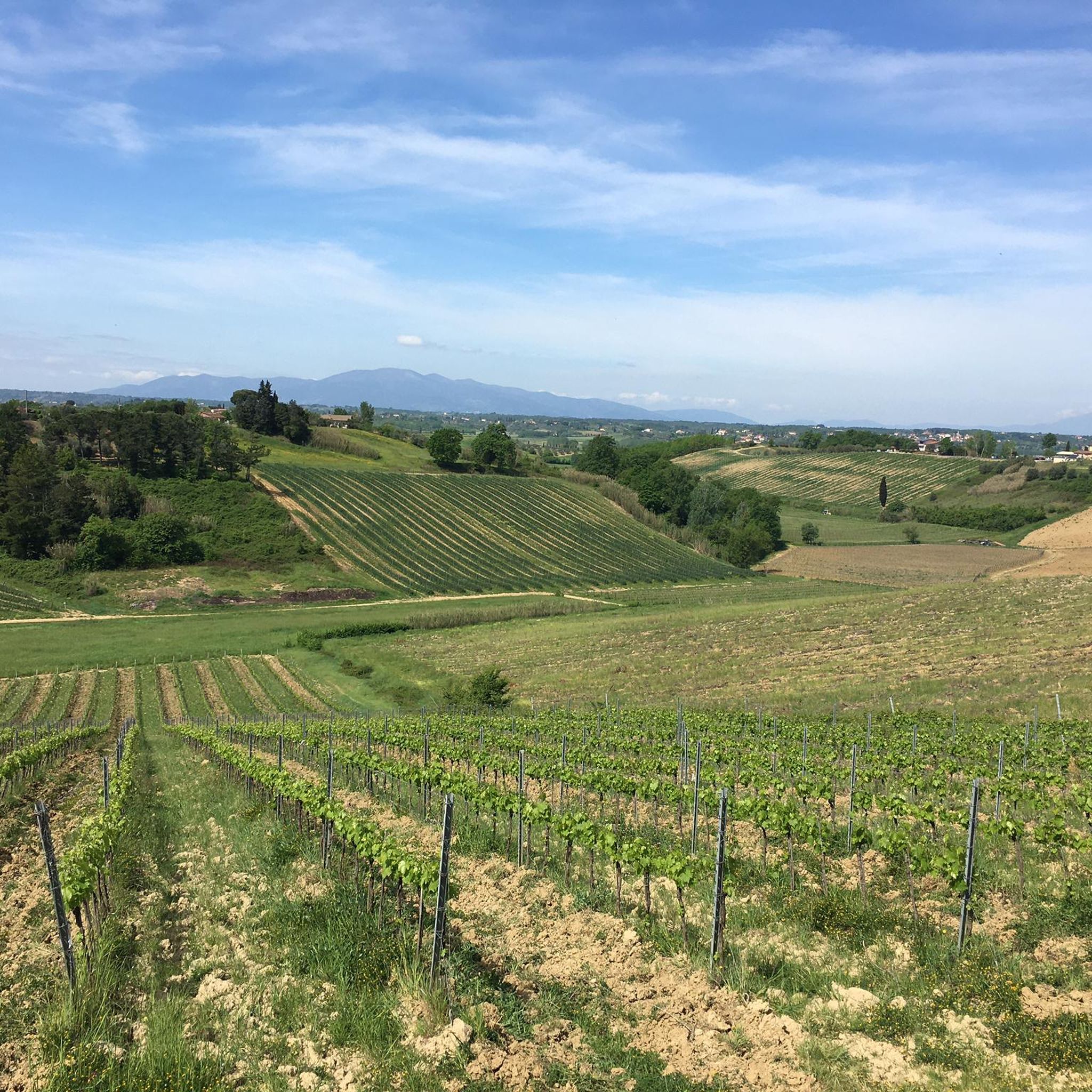
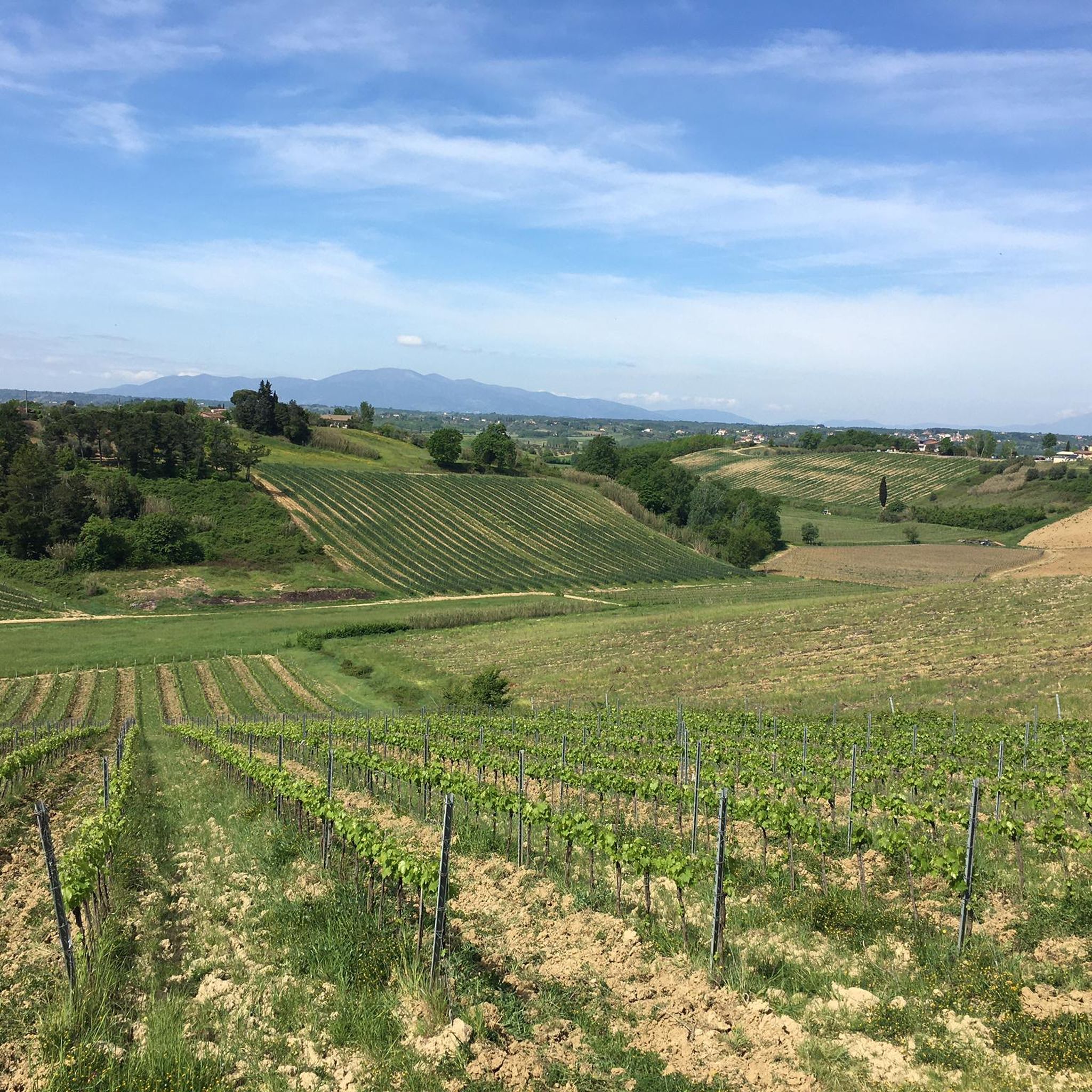
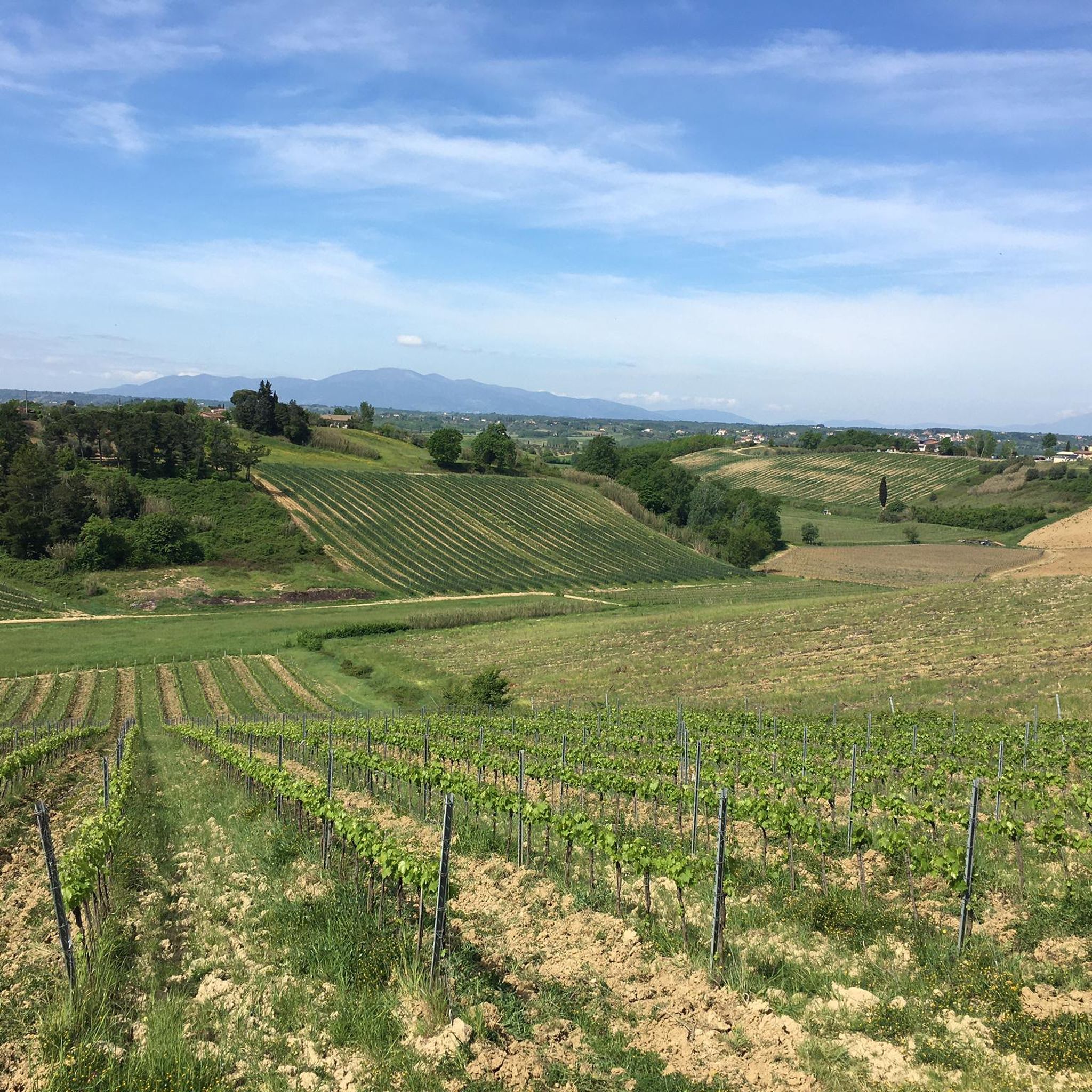
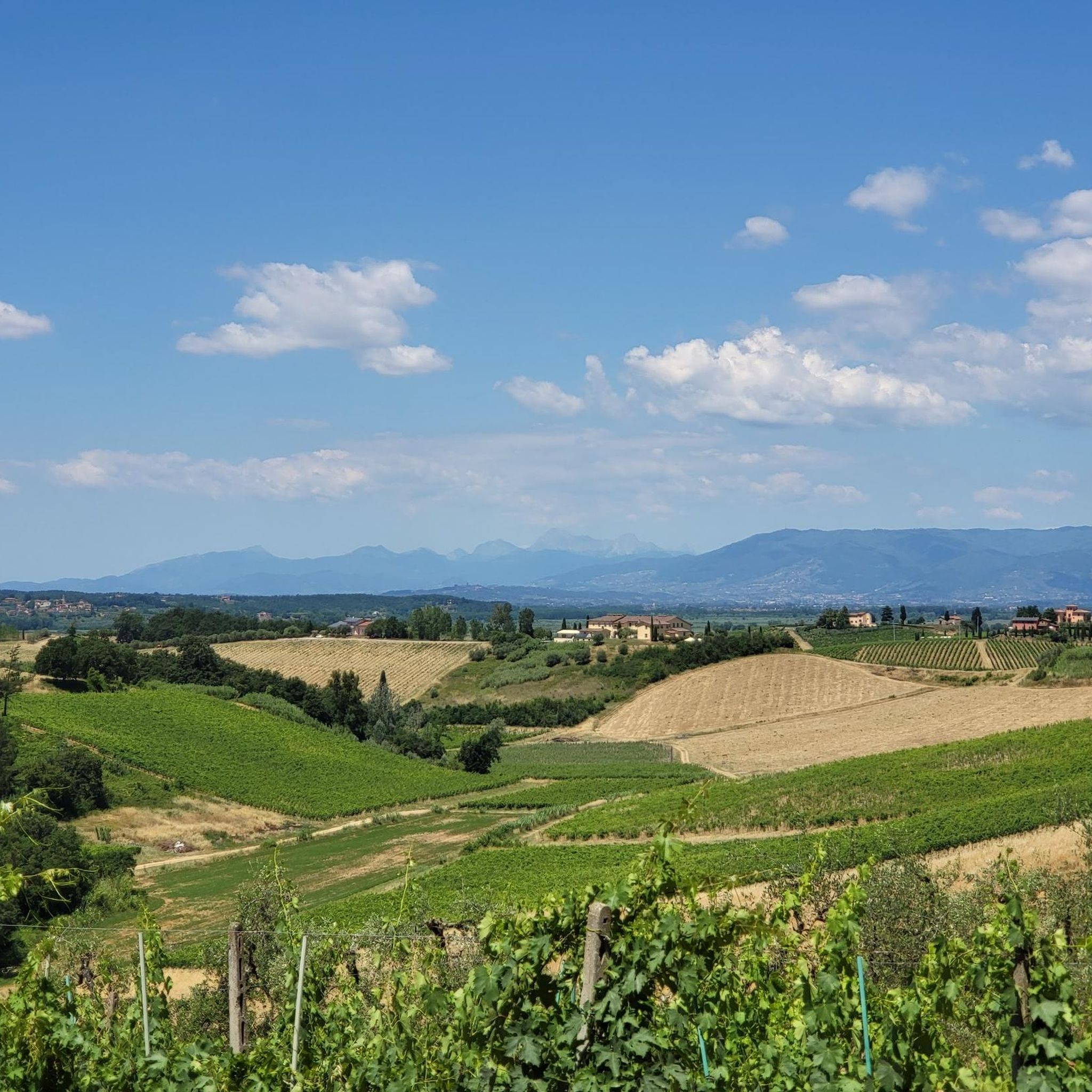
Unknown to most people, this small town, a hidden gem on the eastern side of the Montalbano hills, is the most typical, genuine and representative of an ancient Tuscan village. Its origins, very far back in time, date its construction back to the end of the 10th century as a castle or rather as a fortified village, appointed in the following centuries to guard the borders of the free municipality of Pistoia. This ancient walled village is located on the northern slopes of the Montalbano hills on the side that looks east, towards the city of Pistoia at an altitude of 264 meters above sea level.
0
0

Beautiful, tranquil place that invites you to linger!👍
0
0

San Miniato, city of good cuisine and white truffles, looks from a hill over the plain through which the Arno flows. The monumental palaces prove its grandeur, but all its charm lies in two esplanades formed by the unexpected Prato del Duomo and the square in front of the castle of Emperor Frederick II. The name San Miniato was previously followed by 'al Tedesco' (from the German.), because the city was the Tuscan residence of the German emperors from the 10th century.
5
0

Ancient village with a rich historic center worthy of a visit. The capital of the Tuscan truffle
2
0

Built on previous Roman settlements, the Castle was a possession of the Guidi Counts attested from the mid-10th century, then sold by them to the Municipality of Pistoia in 1225. Contested several times between the Pistoiesi and the Florentines until 1401 when Pistoia definitively submitted to Florence and Larciano became headquarters of one of the podesterias in which the administration of the territory was divided.
1
0

From San Miniato the Francigena starts towards Gambassi Terme. One of the most beautiful stretches of the Tuscan Francigena.
3
0

the climb to get there is worth the view
1
2

The small village of Cecina is an interesting and very pleasant village of ancient origins, gently lying on the hills of Montalbano, on the slope overlooking the Valdinievole or Val di Nievole. Also known as Castello di Cecina, it is part of the municipality of Larciano and was the southern defensive bulwark of the city of Pistoia.
1
0
Frequently Asked Questions
What are the most significant historical sites to visit around Cerreto Guidi?
The most prominent historical site is the Medici Villa of Cerreto Guidi, a UNESCO World Heritage site built on the ruins of an earlier castle. Other notable sites include the Larciano Castle Tower, a possession of the Guidi Counts, and the San Miniato Cathedral and Clock Tower, a significant religious and historical landmark.
What makes the Medici Villa of Cerreto Guidi particularly interesting?
The Medici Villa is a UNESCO World Heritage site known for its unique zigzag 'Medici bridges' staircases and its history as a hunting lodge for Cosimo I de' Medici. It houses a Historical Museum of Hunting and the Territory and is famously associated with the tragic murder of Isabella de' Medici. Visitors can also enjoy panoramic views and explore the adjacent Pieve di San Leonardo.
Are there any ancient fortified villages to explore near Cerreto Guidi?
Yes, you can visit Cecina village (Larciano), also known as Castello di Cecina, which served as a southern defensive bulwark for Pistoia. Another hidden gem is the Vinacciano Historic Village, a fortified settlement dating back to the 10th century, offering a glimpse into ancient Tuscan life.
What kind of views can I expect from the castles and historical sites in the area?
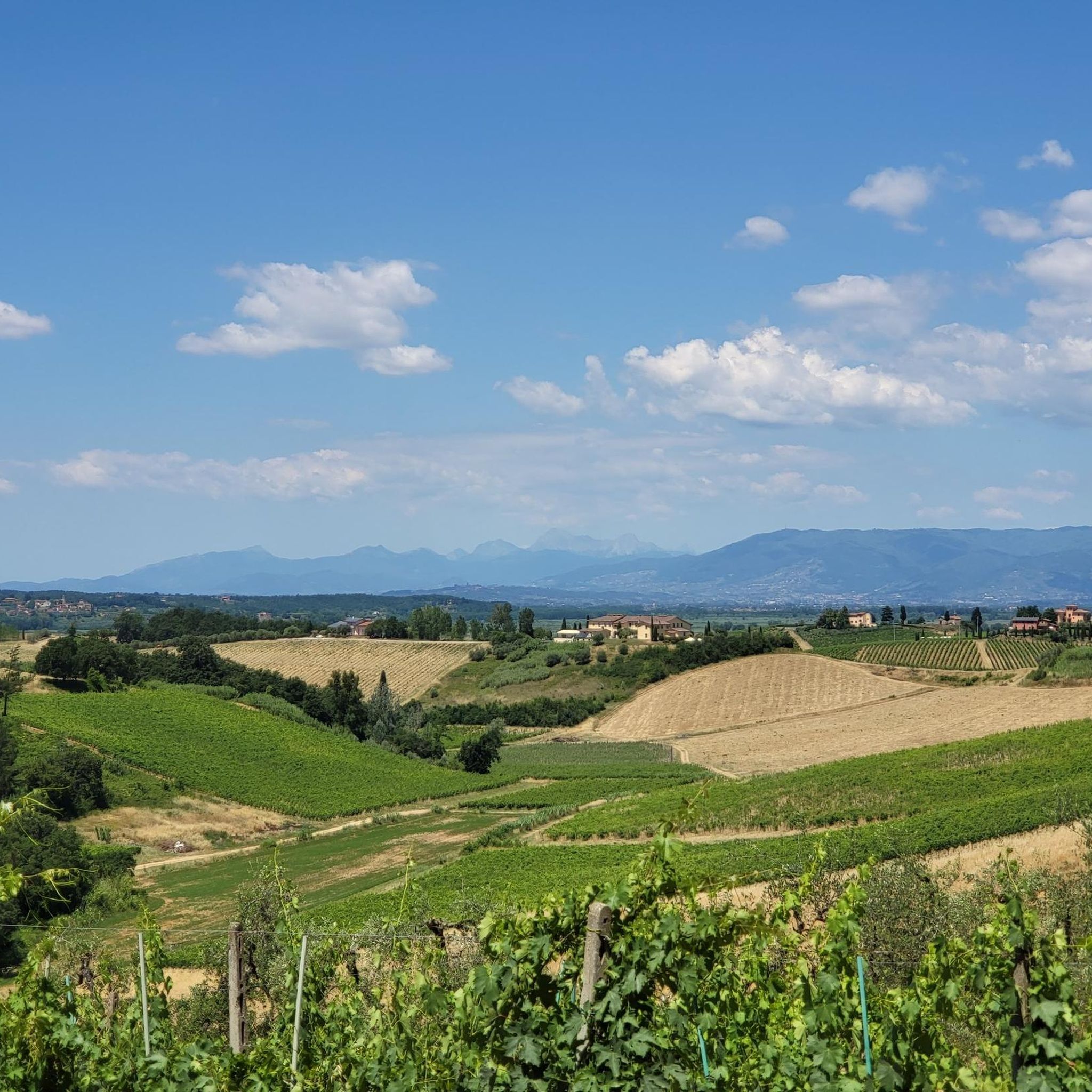
Many sites offer excellent viewpoints. From the Medici Villa, you can enjoy extraordinary panoramic views of the Apennines and the hills between the Arno River and the Fucecchio Marsh. The San Miniato Cathedral and Clock Tower provides views over the plain through which the Arno flows, while the San Quirico Tower (Frescobaldi Tower) offers a nice view directly over the Arno river.
What outdoor activities can I do near these historical sites?
The region around Cerreto Guidi is excellent for outdoor activities. You can find numerous hiking and cycling routes. For hiking, consider trails like the 'Panoramic Cypress-Lined Path' or 'Laghetto di Villa Petriolo loop'. Cyclists can explore routes such as 'Massarella – San Baronto Cyclists' Monument loop' or 'Padule di Fucecchio – Medici Bridge of Cappiano loop'. You can find more details on these activities in the Hiking around Cerreto Guidi and Cycling around Cerreto Guidi guides.
Are there family-friendly activities or sites among the castles?
While the historical sites themselves offer educational value, the San Quirico Tower (Frescobaldi Tower) is categorized as family-friendly and hosts a museum of the 'fiasco' bottle. The cultural events held in front of the Medici Villa, such as the Notte d'Isabella, can also be engaging for families, offering Renaissance-themed festivities.
What is the best time to visit the castles and historical sites in Cerreto Guidi?
Spring and autumn generally offer the most pleasant weather for exploring the region's historical sites and enjoying outdoor activities. The summer months can be quite warm, but also feature cultural events like the Notte d'Isabella in July. Winter visits are possible, but some outdoor activities might be less comfortable due to cooler temperatures.
Are there any museums associated with the castles or towers?
Yes, the Medici Villa of Cerreto Guidi houses the Historical Museum of Hunting and the Territory, showcasing hunting weapons and Medici family artifacts. Additionally, the San Quirico Tower (Frescobaldi Tower) hosts a museum dedicated to the traditional Italian 'fiasco' bottle.
What kind of terrain can I expect on hiking trails near the castles?
Hiking trails around Cerreto Guidi offer diverse terrain. For example, the 'Panoramic Cypress-Lined Path' routes are generally moderate in difficulty. While specific terrain details (paved, gravel, dirt, rocky) vary by trail, the area features hills between the Arno River and the Fucecchio Marsh, indicating varied elevations and natural landscapes.
Can I find cafes or restaurants near the historical sites?
Yes, the town of San Miniato, where the San Miniato Cathedral and Clock Tower is located, is known for its good cuisine and white truffles, offering dining options. Cerreto Guidi itself also has local establishments. It's always a good idea to check local listings for specific options near each site.
How can I reach the castles and historical sites using public transport?
While specific public transport routes to every individual site can vary, Cerreto Guidi and nearby towns like San Miniato are generally accessible by local bus services. For the Medici Villa of Cerreto Guidi, it is located within the town, making it relatively easy to reach once in Cerreto Guidi. For more remote sites, a combination of public transport and walking or a private vehicle might be necessary.
Most popular routes around Cerreto Guidi
Most popular attractions around Cerreto Guidi

Get inspired with the komoot mobile app


Explore more
Looking for the best castles somewhere else? Discover other guides around Cerreto Guidi:
