Top 16 Castles around Pelago
Best castles around Pelago are found in a region rich in history, nestled in the Tuscan countryside east of Florence. This area features ancient villages and significant historical landmarks. The landscape is characterized by rolling hills and strategic viewpoints, offering insights into centuries of cultural heritage. Exploring these sites provides a glimpse into the defensive structures and noble residences that shaped the region.
Best castles around Pelago
- The most popular castles is Sammezzano Castle, a castle known for its…
Last updated: June 30, 2026
Sammezzano Castle
Highlight • Castle
Too bad it is left in this state because it would have great potential.
Translated by Google •
Tip by

Twin Sequoias of Sammezzano
Highlight • Natural Monument
Translated by Google •
Tip by

Sign up now to discover places like this
Get recommendations on the best single tracks, peaks, & plenty of other exciting outdoor places.
Sign up for free
Castello di Nipozzano
Highlight • Castle
It then passed to other owners, such as …
Translated by Google •
Tip by

Castello di Romena
Highlight • Castle
Translated by Google •
Tip by

Montemignaio Castle (Castel Leone)
Highlight • Castle
Translated by Google •
Tip by

Sign up for free to discover even more castles around Pelago.
Sign up for free
Already have an account?
Start today with a free account
Your next adventure awaits.
Login or Signup

Tips from the Community

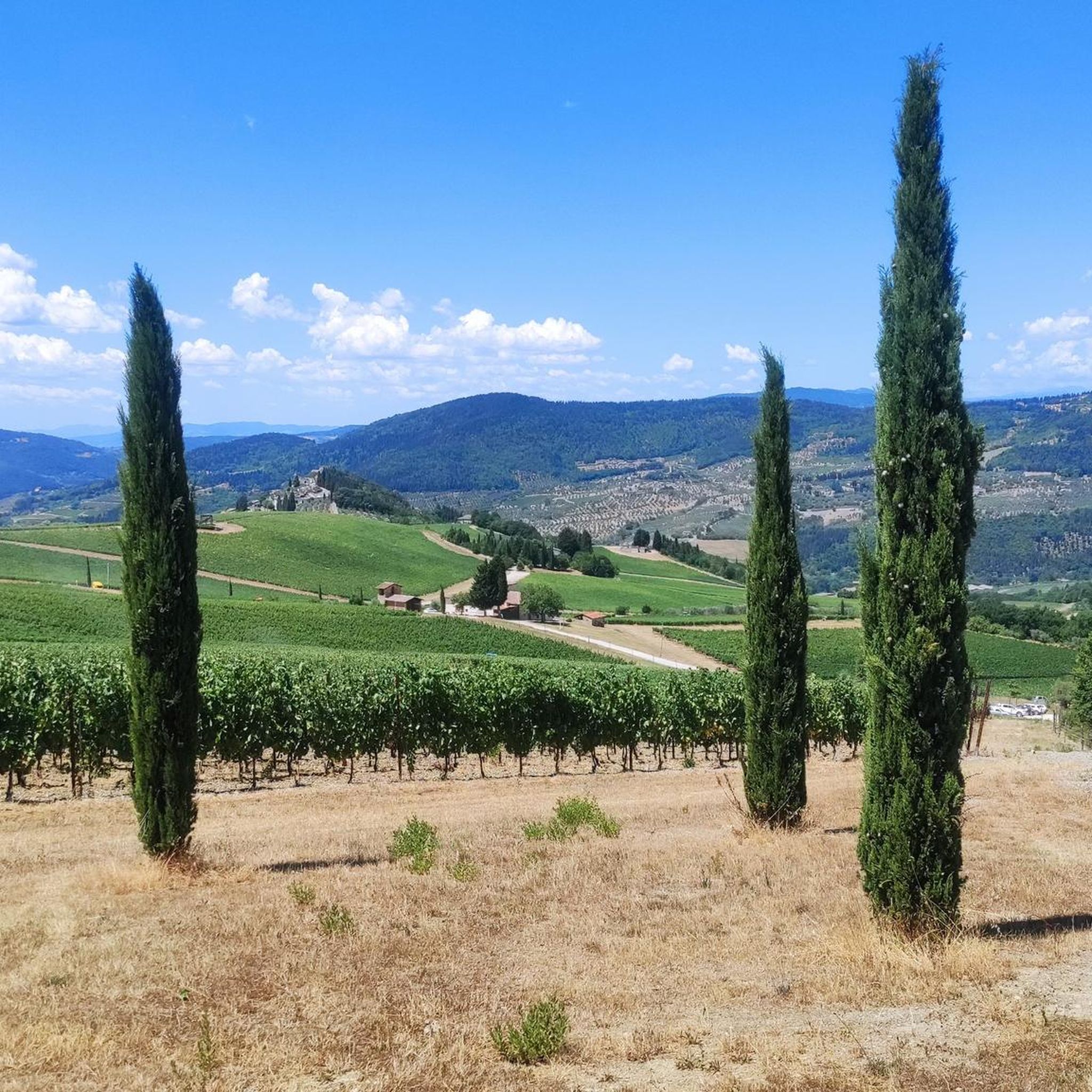
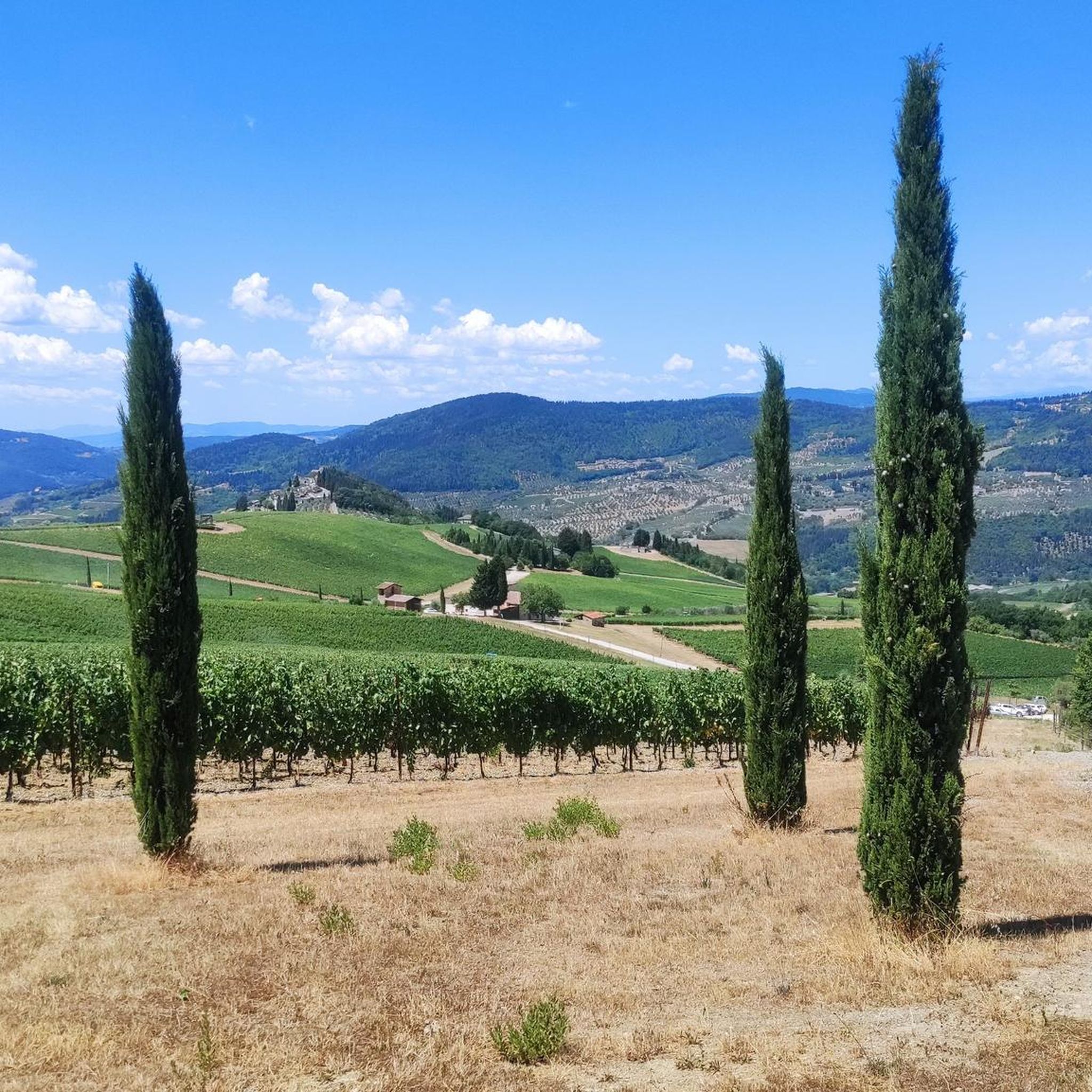
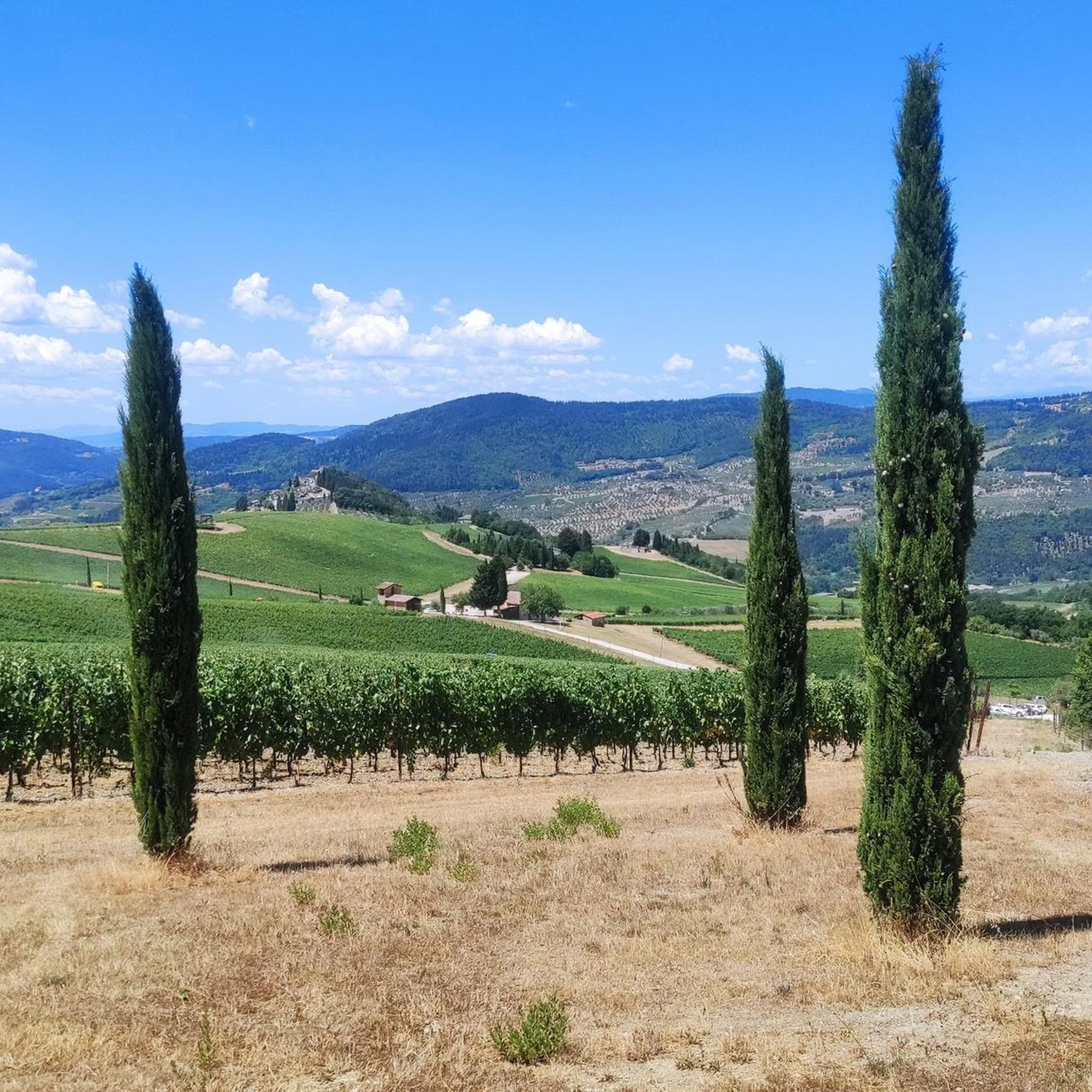
An ancient late medieval manor house that long belonged to the Guidi Counts. Mentioned and documented as early as the 11th century. It then passed to other owners, such as the Abbey of San Fedele, which later ceded it to the Cerchi family. From them, following internal struggles for control of Florence, the property passed to the Albizzi family, their allies, who in the 13th/14th centuries transformed and enriched it into a splendid fortified country residence, a gathering place for many artists and writers. In the second half of the 19th century, following the death of the bachelor Vittorio Albizzi, the property passed to his sister Leonia, wife of the Marquis Angelo Frescobaldi. Their family still owns it today. The current appearance of the ancient manor house is different from its original structure, as, following the explosion of German mines, the imposing main tower that overlooked the keep collapsed, destroying a large part of the Castle Church, dedicated to San Niccolò, which was located beneath the walls. The church was later renovated; but the tower was never rebuilt.
8
0

As a plant expert and botany enthusiast, Ferdinando Panciatichi Ximenes d’Aragona designed the large green area surrounding Sammezzano Castle, approximately 65 hectares, which constitutes the current Historic Park. Around the ancient "ragnaia" (woodland) formed by a high forest of holm oaks, Ferdinando decided to place numerous rare and exotic plants. Their purpose was to serve the dual purpose of beautifying the exterior and gradually introducing visitors and guests to the wonders of the "Moorish" style of the Villa-Castle of Sammezzano. Among the exotic species introduced by Ferdinando, the most well-known are undoubtedly the majestic sequoias (Sequoia sempervirens and Sequoia gigantea), which, as demonstrated by the remarkable size they reached in just 150 years, certainly found the geological, soil, and climatic conditions favorable to their growth. Among these, the so-called "twin sequoia" stands out, as its trunk forks into two enormous vertical branches a few meters from the base. It is almost 54 meters tall and, with a circumference of 837 centimeters, the tallest sequoia in Italy. It is not only one of Italy's monumental trees, but also one of the select group of "150 trees of exceptional environmental or monumental value."
0
0

short path, you reach the parish church from the fields, ..rather suggestive. ..
0
1


Castello dei Conti Guidi, beautiful stone village. Wonderful view.
0
0


The origin of the Montemignaio castle is linked to the passage through the area of the ancient Roman road which, from Florence ... led to Arezzo. The ancient route was still widely used during the Middle Ages and this generated the development of the Castle, located in a dominant position, at the top of a buttress overlooking the Fiana torrent valley. The first written document proving the existence of the settlement dates back to 1103, it is a papal bull in which the authority over the Pieve di Montemignaio was confirmed to the Bishop of Fiesole. Already in the following years and throughout the 12th century the area was remembered among the dominions of the Guidi counts... It was the Guidi family who built the castle on site, also known as 'Castel Leone' or simply 'Castiglione', which remained in their possession until the revolt of Castel S. Niccolò with whose inhabitants the Montemignanesi made common cause against the abuses of the last descendant of the feudal family, Count Galeoto. In 1440 the same inhabitants submitted to the Municipality of Florence and were aggregated to the Podesteria of the Montagna Fiorentina. The remains of the castle walls still partially surround the town. To the right of the main access door the mighty tower still stands out, which also served as a bell tower, to the left a second tower, probably originally the twin of the other, is today significantly reduced in height. The two towers are joined by a mighty curtain wall in which opens the beautiful round arched door that leads into the heart of the castle. Once through the entrance on the left, the majestic remains of the palace rise, first the residence of the counts and then of the Florentine Podestà, and of the square-shaped keep. In the curtain walls you can still see the walled shape of what was once the door that led into the courtyard of the Palagio. Today, to access the splendid courtyard, with a beautiful well in the centre, you need to go around the outside of the walls from the right of the main door. The original small church of the castle still stands immediately behind the bulk of the keep. The whole, rather well maintained, is one of the best examples of a fortified medieval Tuscan mountain village. (Source: https://castellitoscani.com/castel-leone-montemignaio/ )
0
0

In the forest with the largest number of sequoias in Italy, these two fascinating specimens grew side by side. An information sign indicates that their circumference exceeds 8 metres, but at least 5/6 people are needed to hug them
0
0
Frequently Asked Questions
What are some historically significant castles to visit near Pelago?
The region around Pelago is rich in history. You can explore the medieval layout of the village around the original Castle of Pelago, which once served as a defensive stronghold. Another significant site is Castello di Romena, a historic fortification overlooking the Arno River valley, with parts dating back to the 10th century. The Castle of Altomena, once belonging to the powerful Guidi Counts, also offers insights into ancient settlements.
Are there any castles near Pelago that offer unique experiences beyond history?
Yes, Castello di Nipozzano is a must-visit. This historic wine estate, owned by the Frescobaldi family for over 700 years, combines history with winemaking tradition. You can take tours of its vineyards and cellars, and taste fine wines, including the renowned Chianti Rufina. For a unique architectural experience, Sammezzano Castle is known for its rare orientalist style and surrounding park, though it is currently in need of restoration.
What kind of natural features can I expect to see around the castles near Pelago?
The castles around Pelago are nestled in the Tuscan countryside, characterized by rolling hills, vineyards, and olive groves. For example, the park surrounding Sammezzano Castle features majestic sequoias, including the 'twin sequoia,' one of Italy's tallest. Many castles, like Castello di Nipozzano and Castello di Romena, offer panoramic views of the Arno River valley and the surrounding picturesque landscapes.
What outdoor activities can I do near these castles?
The area around Pelago offers various outdoor activities. You can find numerous hiking trails, such as the 'Castello di Nipozzano – Enoteca Castello di Nipozzano loop' or the 'Castello Di Ristonchi – View of the Tuscan Countryside loop'. For running, there's a 'Castello Di Ristonchi loop from Pelago'. Mountain biking enthusiasts can explore routes like 'Ferrano Castle – Croce Vecchia loop'. You can find more details and routes in the Hiking around Pelago, Running Trails around Pelago, and MTB Trails around Pelago guides.
Are there any family-friendly castles or activities in the Pelago area?
While specific 'family-friendly' designations for all castles are not always explicit, many offer open spaces and historical exploration that can be engaging for families. The park around Sammezzano Castle, with its impressive sequoias, is a natural attraction that can be enjoyed by all ages. Exploring the medieval village of Pelago itself and its castle perimeter can also be an interesting family outing.
What is the best season to visit the castles around Pelago?
The Tuscan region generally enjoys pleasant weather in spring (April-May) and autumn (September-October), making these ideal times for castle visits. During these seasons, the temperatures are mild, and the landscapes are particularly beautiful, whether with spring blooms or autumn foliage. Summer can be hot, while winter might have cooler temperatures and some attractions may have reduced opening hours.
Can I find panoramic viewpoints at the castles near Pelago?
Yes, many castles in the Pelago region are strategically located on hilltops, offering stunning panoramic views. For instance, Castello di Nipozzano provides excellent views of the Arno River. Similarly, Castello di Romena overlooks the Arno River valley, and the Castle of Pelago itself offers views of the surrounding hills and mountains.
What remains of the Castle of Diacceto and is it worth visiting?
The Castle of Diacceto, located in the area around Pelago, is recognized for its historical significance. Visitors can still see two towers of the original castle. It is of particular interest for those wanting to explore the remnants of powerful ancient villages and their defensive structures in the Pelago region, offering a glimpse into its past.
Are there any castles near Pelago that are more like ruins or offer a glimpse into traditional fortified architecture?
Yes, the Donjon of the Castle of Ristonchi is a notable example. The donjon, a central fortified tower, is a key surviving feature. It provides an example of traditional fortified rural architecture found throughout the region. The broader Castello di Ristonchi offers a glimpse into an authentic medieval castle experience, with period furnishings and panoramic views of Tuscan vineyards and olive groves.
What do visitors enjoy most about the castles around Pelago?
Visitors appreciate the rich history and the opportunity to immerse themselves in the medieval atmosphere. Many highlights, like Sammezzano Castle, are noted for their unique architecture and beautiful surrounding parks. The scenic beauty of the Tuscan countryside, with vineyards and olive groves, combined with the historical significance of sites like Castello di Nipozzano, also receives high praise.
Are there any castles near Pelago that are particularly well-preserved or restored?
While many castles have undergone modifications and restorations over centuries, Castello di Romena has been largely restored and reopened to the public as a museum, housing a collection of art. Castello di Nipozzano, despite being partially destroyed during WWII, has been restored and retains much of its medieval structure, now serving as a functional winery.
What is the significance of the Castle of Altomena?
The Castle of Altomena once belonged to the powerful Guidi Counts and is a significant historical site. Built on a hill, it dominated a large part of the Arno valley and Pontassieve, indicating its strategic importance. Traces of human presence from prehistoric to Roman times have been found here, offering insights into ancient settlements and the historical dominance of powerful families in the area.
Most popular attractions around Pelago

Get inspired with the komoot mobile app


Explore more
Looking for the best castles somewhere else? Discover other guides around Pelago:
