Top 9 Castles around Durazzano
Best castles around Durazzano offer a glimpse into Campania's rich past. The region, situated near Caserta and Benevento, features historical sites ranging from medieval fortresses to ancient Lombard defenses. Durazzano itself is home to the Castello di Durazzano, a significant medieval structure. The surrounding area provides a diverse historical landscape for exploration.
Best castles around Durazzano
- The most popular castles is Matinale Castle, a castle that stands on an elevation overlooking the Suessola valley. Its construction is attributed to…
Last updated: October 16, 2026
Matinale Castle
Highlight • Castle
Translated by Google •
Tip by

Casertavecchia Medieval Village
Highlight • Historical Site
Translated by Google •
Tip by

Sign up now to discover places like this
Get recommendations on the best single tracks, peaks, & plenty of other exciting outdoor places.
Castello di Arienzo (Castem Vetus)
Highlight • Castle
Translated by Google •
Tip by

Courtyard of Castello del Matinale
Highlight • Castle
Translated by Google •
Tip by
Royal Palace of Caserta
Highlight • Historical Site
Translated by Google •
Tip by

Sign up for free to discover even more castles around Durazzano.
Already have an account?
Start today with a free account
Your next adventure awaits.
Tips from the Community

Unfortunately I didn't go out to enter the palace - I have to go back!
0
0

Worth a visit...but without a bicycle!
0
0

TO visit, it is still possible to climb up one of the 4 towers for a view over the entire valley
1
0

The Royal Palace of Caserta is the symbol of the city. It was built at the behest of Charles Bourbon in 1752, since 1997 it has been a UNESCO heritage site.
2
0

Admission is free every first Sunday of the month, the combined ticket Garden+Palast normally costs 15 euros
1
0
Culture, history and a great park.
1
0

This castle was wanted by Tommaso II d'Aquino. Over the years it was the home of nobles, such as the Sicilian kings, but later also of brigands.
2
0

The castle of Matinale, or castle of Rudovaco, is a castle of Cancello, a fraction of the municipality of San Felice a Cancello, in the province of Caserta. It stands on an elevation overlooking the entrance to the Suessola valley. The construction of the castle of Matinale is attributed to Tommaso II d'Aquino, count of Acerra, on the occasion of his wedding with Margherita di Svevia, illegitimate daughter of Emperor Frederick II, a wedding which took place before 1247. The bride's dowry included the fiefdom di Suessola, to which the Cancello hamlet also belonged. According to local tradition, an original Lombard fortification of the ninth century would have been the work of a certain Rudovaco and would have passed on to his death to the Count of Acerra, Cullezio. He wanted to join his castle of Acerra to that of Cancello with an underground path, causing the ruin of the western side and was unable to restore it following his death in battle. The castle was later restored or rebuilt by the Norman Ramperto and again by the Mattaloni counts in the 12th century. The castle hosted the kings of Sicily Guglielmo il Malo (1131-1166) and Manfredi di Svevia (1232-1266) and the Dukes of Rebursa and again, in the Angevin period, King Ladislao I and the Carafa in the Aragonese period. In the 15th century it was abandoned, having lost its military function. It was the seat of an inn and probably housed an archpriest church dedicated to St. Thomas the Apostle. In 1799 the French general Jean Étienne Championnet established his headquarters there and later became a den of brigands. It was donated at the beginning of the twentieth century by the D'Aquino family, princes of Caramanico, to the baron Giovanni Barracco. During the Second World War it hosted the allied command in 1943.
19
0
Frequently Asked Questions
What are the most historically significant castles to visit around Durazzano?
The region offers a rich tapestry of historical castles. In Durazzano itself, the Castello di Durazzano is a must-see, known for retaining its original medieval architectural style and its connections to figures like Charles I of Anjou and Alexandre Dumas père. Nearby, you can explore Matinale Castle (also known as Rudovaco Castle), which hosted Sicilian kings and served as a military headquarters. The Castello di Arienzo (Castem Vetus), built by the Lombards, offers insights into early medieval defenses. Additionally, the medieval village of Casertavecchia features a significant castle that was the main fortified defense of the village.
Are there any family-friendly castles or historical sites near Durazzano?
Yes, several sites are suitable for families. The Casertavecchia Medieval Village is a great option, offering a charming atmosphere and historical significance that can engage visitors of all ages. While not explicitly listed as 'family_friendly' in all categories, exploring medieval villages and castles provides an educational and engaging experience for children and adults alike. The nearby settlement of Sant'Agata dei Goti, with its ducal castle, is also noted as family-friendly.
What is the best time of year to visit the castles around Durazzano?
The best time to visit the castles around Durazzano is generally during the spring (April to June) and autumn (September to October) months. During these periods, the weather is typically mild and pleasant, making it ideal for exploring outdoor historical sites and enjoying the scenic views without the intense heat of summer or the chill of winter. This also avoids the peak tourist season, allowing for a more relaxed experience.
Can I find any hidden gem castles or less-known historical sites in the area?
Beyond the more prominent sites, the region holds several intriguing historical locations. While not a 'hidden gem' in the sense of being unknown, the Castello di Durazzano itself is a unique find for its preserved medieval architecture, having avoided the Aragonese restructuring seen in other castles. The Castello di Arienzo (Castem Vetus), with its Lombard origins and strategic lookout position, offers a fascinating glimpse into ancient defenses. For a well-preserved example, Castello di Limatola, though slightly further afield, is in excellent condition due to restoration efforts and houses a Diocesan Museum.
Are there any outdoor activities or routes near these castles?
Yes, the area around Durazzano offers various outdoor activities, particularly cycling and mountain biking, that can incorporate visits to these historical sites. For mountain biking, you can find routes like the 'Canaloni di Palombara – Matinale Castle loop' near MTB Trails around Durazzano. Road cyclists can explore routes such as the 'Acquedotto Carolino – Sant'Agata de' Goti loop' from the Road Cycling Routes around Durazzano guide. General cycling options include the 'Acquedotto Carolino and Sant'Agata de' Goti Loop' found in the Cycling around Durazzano guide. Many of these routes pass by or offer views of the castles and historical villages.
What historical facts are notable about the castles in this region?
The castles around Durazzano boast a rich history. The Castello di Durazzano was a strategic point for Charles I of Anjou and later served as headquarters for French General Jean Étienne Championnet. Matinale Castle hosted Sicilian kings Guglielmo il Malo and Manfredi di Svevia. The Castello di Arienzo (Castem Vetus) dates back to the 7th century, built by the Lombards to defend the Duchy of Benevento. These sites collectively showcase periods from Lombard rule to Angevin and Aragonese influences, and even their use during World War II.
How long does it typically take to visit the castles around Durazzano?
The time required to visit each castle varies. For a single site like the Castello di Durazzano or Matinale Castle, you might spend 1-2 hours exploring. If you plan to visit the entire Casertavecchia Medieval Village, including its castle and tower, you could easily spend half a day. To experience multiple castles in the region, a full day or even a weekend trip would be recommended to allow for travel between locations and thorough exploration.
Are there any castles or historical sites with good viewpoints in the area?
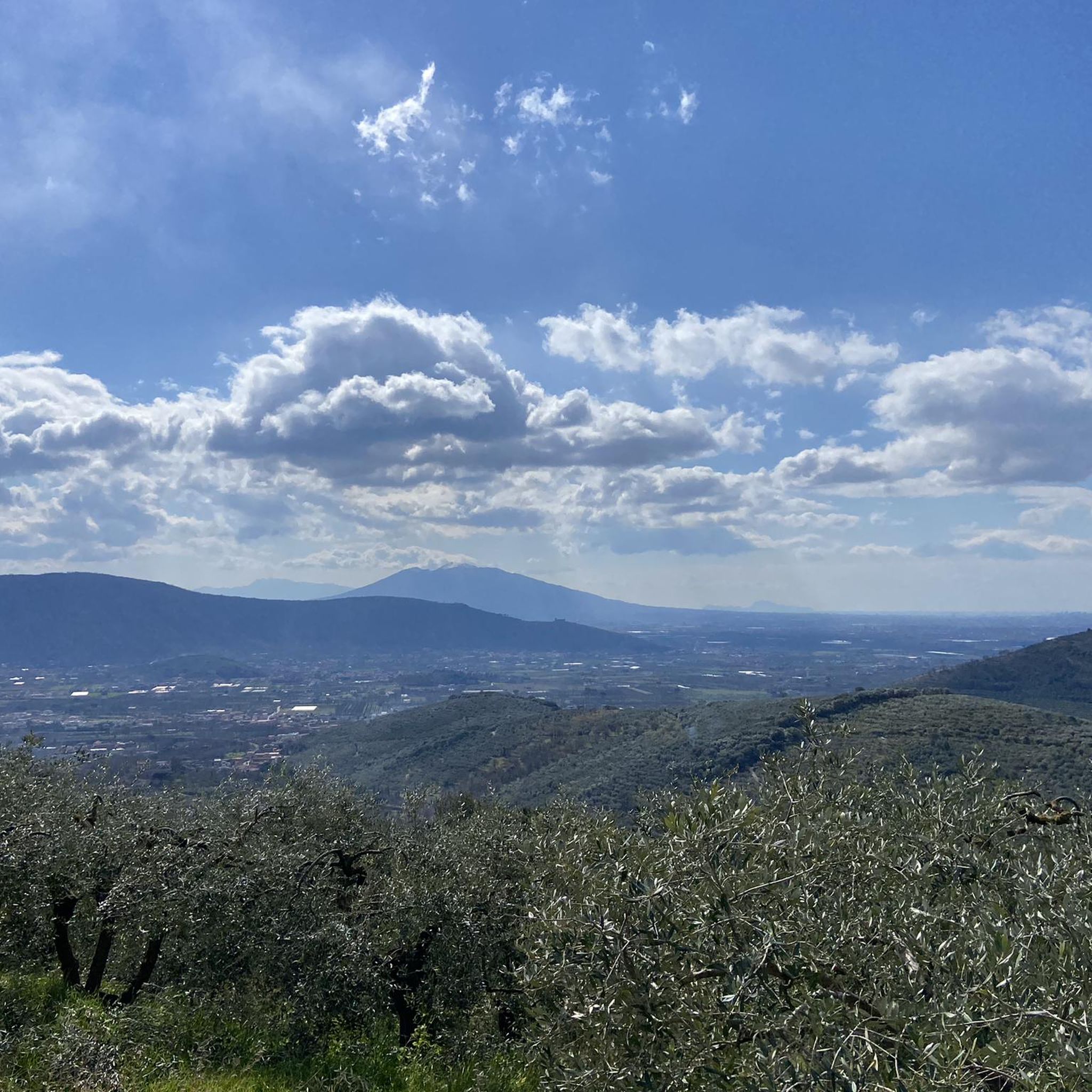
Yes, many of the castles in the region were strategically built on elevated positions, offering excellent viewpoints. Matinale Castle stands on an elevation overlooking the Suessola valley. The Castello di Arienzo (Castem Vetus), located on Monte Castello, provided an excellent lookout point over the entire valley below. The Casertavecchia Medieval Village and its Tower also offer breathtaking views of the surrounding landscape.
What kind of architecture can I expect to see in the castles near Durazzano?
The castles in this region display a range of architectural styles reflecting different historical periods. The Castello di Durazzano is notable for its square shape with four corner towers, inspired by Castel Nuovo in Naples, and has largely retained its original medieval forms. Castello di Arienzo (Castem Vetus) showcases Lombard defensive architecture. The castle within Casertavecchia Medieval Village represents a fortified medieval settlement. Castello di Limatola, though restored, also exhibits classical medieval architecture, offering a comprehensive look at fortification evolution.
What do visitors enjoy most about the castles and historical sites around Durazzano?
Visitors frequently praise the immersive historical experience and the stunning views. The Casertavecchia Medieval Village is often described as 'very very beautiful' and 'underrated,' with its charming atmosphere and opportunities for coffee or lunch breaks. The strategic locations of many castles, like Castello di Arienzo, are appreciated for their 'beautiful and evocative viewpoint.' The overall sentiment is one of discovering a rich, often well-preserved, historical landscape.
Are there options for parking or public transport to reach the castles?
While specific parking details for each individual castle are best checked locally upon arrival, most historical sites in the region, especially those in villages like Casertavecchia, typically have designated parking areas nearby. For public transport, reaching smaller, more remote castles might require a combination of bus services to the nearest town and then a short taxi ride or walk. Larger towns like Caserta, which is close to Casertavecchia, are generally well-served by public transport, making it a good base for exploring the surrounding castles.
What should I wear when visiting the castles and historical sites?
When visiting the castles and historical sites around Durazzano, it's advisable to wear comfortable walking shoes, as many sites involve uneven terrain, stairs, and walking through old villages. Layers of clothing are also recommended, especially during spring and autumn, to adapt to changing temperatures. If visiting during summer, light, breathable clothing and sun protection (hat, sunscreen) are essential. For winter visits, warm clothing is a must, as castles can be drafty and exposed.
Most popular attractions around Durazzano

Get inspired with the komoot mobile app


Explore more
Looking for the best castles somewhere else? Discover other guides around Durazzano:
