Top 4 Castles around Cusano Mutri
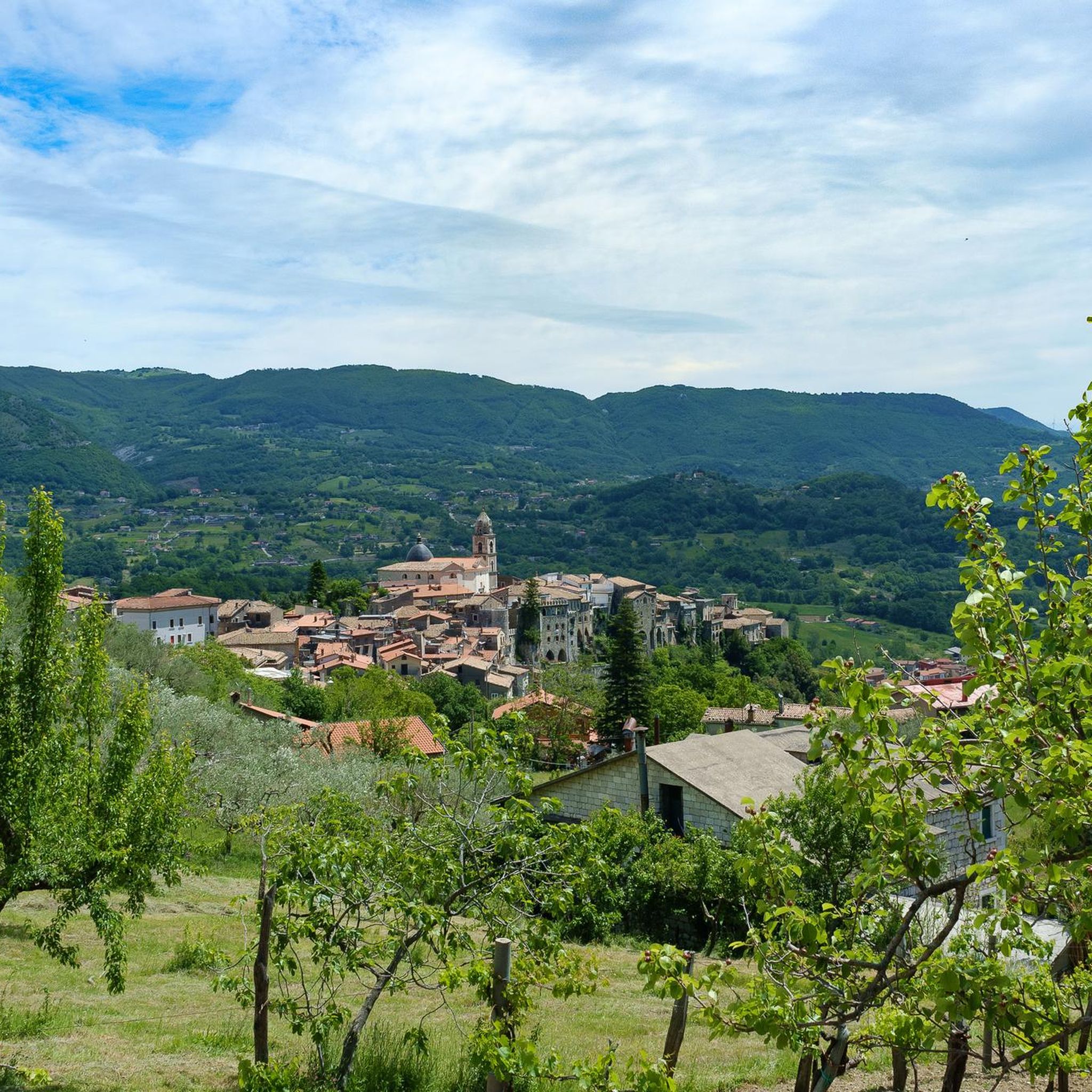
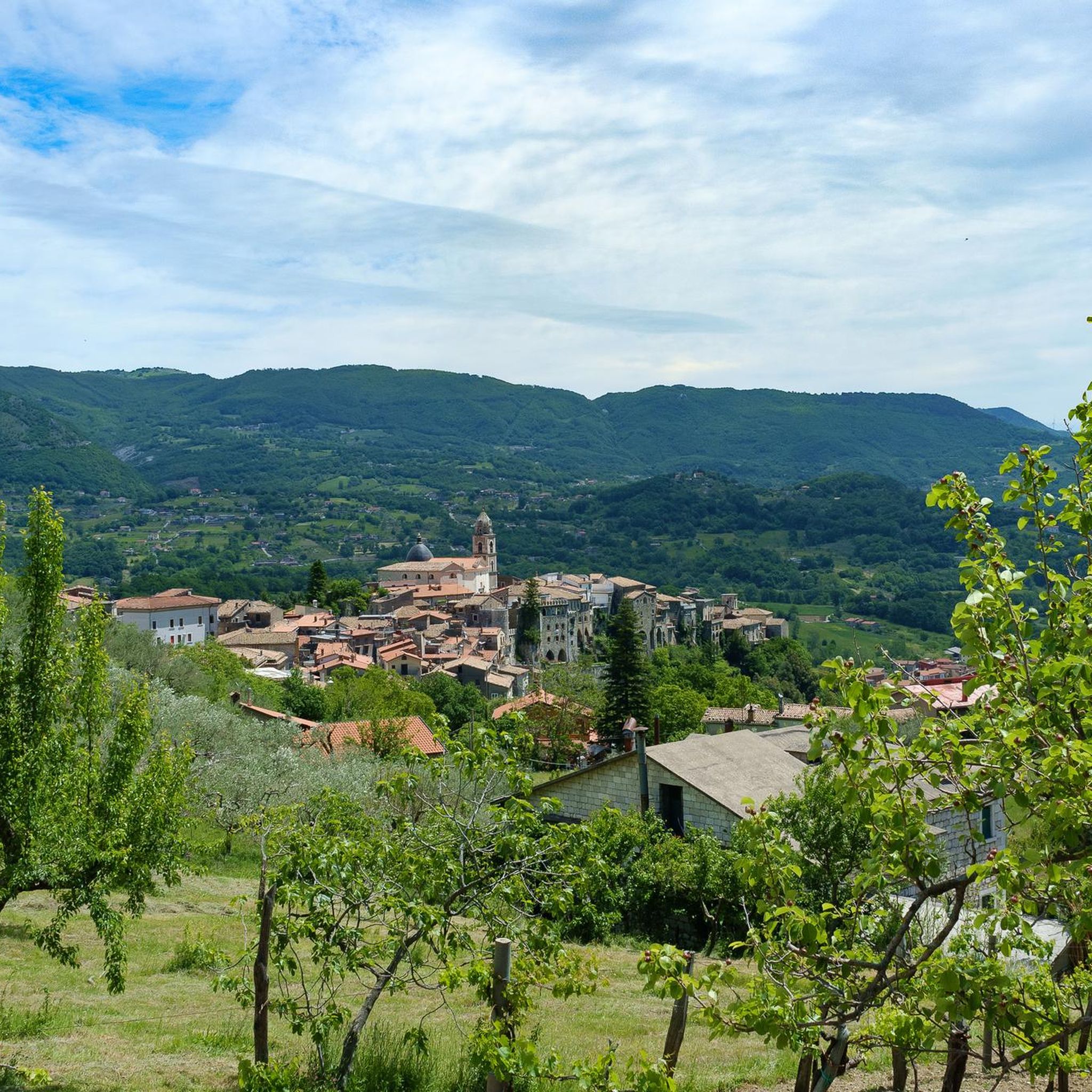
Best castles around Cusano Mutri are found in a charming medieval hamlet in the province of Benevento, Italy. This area is characterized by its well-preserved medieval historic center, featuring narrow streets and stone houses. Situated on the slopes of the Matese mountains, the region offers views of the Titerno Valley. Its historical significance ranges from ancient fortifications to medieval feudal power.
Best castles around Cusano Mutri
- The most popular castles is Ducal Castle of Castelpagano, a castle that is…
Last updated: June 30, 2026
Ducal Castle of Castelpagano
Highlight • Castle
Translated by Google •
Tip by

Faicchio
Highlight • Settlement
Translated by Google •
Tip by

Sign up now to discover places like this
Get recommendations on the best single tracks, peaks, & plenty of other exciting outdoor places.
Sign up for free
Morcone
Highlight • Settlement
Translated by Google •
Tip by

Matese Castle
Highlight • Castle
Translated by Google •
Tip by

Guardia Sanframondi
Highlight • Settlement
Translated by Google •
Tip by
Sign up for free to discover even more castles around Cusano Mutri.
Sign up for free
Already have an account?
Start today with a free account
Your next adventure awaits.
Login or Signup



Tips from the Community

Guardia Sanframondi is a municipality between the Telesina valley and the Titerno valley. It is so called because the 12th century medieval castle was commissioned by the Sanframondi family to guard the surrounding area.
0
0
Morcone is located on the slopes of the Matese mountains, where you begin to climb from the Tammaro valley. The medieval village is well preserved, with narrow, winding streets made up of white stone stairways, and on the top of the hill you can see the important remains of the Norman castle.
0
0
The castle of Faicchio is a historic medieval residence that dates back to the mid-12th century. It has an irregular polygon shape with three towers and a monumental entrance door. Today it is home to a museum, there is a restaurant and it is used for events and weddings.
1
0

From Castello di Monte you have an incredible view of the valley floor. This town was an almost impregnable stronghold, there were five towers, of which two remain today. The layout of the city is medieval.
1
0

Faicchio is a small town located at an altitude of 175 m. The name comes from the Latin "fagus", which means beech. Populations were already present during prehistory and during the Roman period. Here there are various interesting monuments, including churches, caves and convents and the castle of Faicchio.
2
0

The building is private and hosts events such as weddings and first communions. Only in the presence of staff and availability can you make a visit
1
0

The municipality of Faicchio has a population of 3775 inhabitants and is located in the province of Benevento. As in all of Italy, viticulture also occupies a prestigious position among the agricultural activities of the region and the wines produced in the province are known for their originality and quality. The municipality of Faicchio is located at an altitude of 175 m a.s.l. . The municipal area of Faicchio has been inhabited since prehistoric times as evidenced by some finds found in the area, currently preserved in the Sannio museum in Benevento. [5] In the 6th century BC the Osco-Samnite megalithic walls that still surround the peak of Mount Acero date back to this day. They protected the so-called "Arce di monte Acero", a Samnite fortress to spot enemies. Most likely Mount Acero was the last outpost south of the Pentri and these were used to defend themselves from possible attacks by peoples further south. It was probably the site of a Roman settlement as evidenced by the remains of an aqueduct, a cryptoporticus and a bridge from that era. The Lombards founded a church dedicated to San Michele in a cave on Mount Monaco di Gioia. The first written record dates back to 1151 when Faicchio was counted among the possessions of the Sanframondo family, an important family of Norman origin that had all the municipalities of the Titernina valley as a fief.
1
0

Ducal castle of Faicchio, home to a hotel restaurant.
0
0
Frequently Asked Questions
What historical significance do the castles around Cusano Mutri hold?
The castles and their remnants in the Cusano Mutri area are deeply rooted in history, reflecting ancient defensive presences and medieval feudal power. The town itself, recognized as one of Italy's most beautiful villages, was historically built around the Castello di Cusano Mutri, whose ruins still contribute to its distinctive medieval character. Other sites like the Ducal Castle of Castelpagano and the remains of the Norman castle in Morcone showcase centuries of architectural and strategic importance in the region.
Are there family-friendly castles to visit near Cusano Mutri?
Yes, several locations offer a family-friendly experience. The Ducal Castle of Castelpagano, for instance, is categorized as family-friendly and hosts events. The settlement of Faicchio, which includes its own historic castle, is also noted as family-friendly, offering a broader area to explore with various monuments and caves.
What kind of views can I expect from the castle sites?
Many castle sites in the region offer commanding views. The former site of the Castello di Cusano Mutri, situated on a rocky spur, likely provided panoramic vistas of the Titerno Valley and the surrounding Matese mountains. Similarly, Matese Castle is known for its incredible view of the valley floor, and the medieval village of Morcone, with its Norman castle remains, is located on the slopes of the Matese mountains, offering scenic outlooks.
What outdoor activities can I do near these castles?
The area around Cusano Mutri, including the Matese mountains, is excellent for outdoor activities. You can find numerous routes for hiking, cycling, and running. For example, popular hiking trails include the Monte Mutria Summit Loop and routes through the Matese Regional Park. Cycling enthusiasts can explore the Matese Cycle Lake routes, while runners might enjoy the Sentiero Italia CAI Cycle Trail. You can find more details on these activities in the hiking guide, cycling guide, and running guide for Cusano Mutri.
Are there any specific natural features to explore near the castles?
Yes, the region is rich in natural beauty. The castles are often nestled within or near the Matese mountains, offering views of green valleys and limestone cliffs. The settlement of Faicchio, for example, features various caves. The nearby Matese Regional Park also provides opportunities to explore diverse landscapes and natural formations.
What is the best time to visit the castles around Cusano Mutri?
While specific opening hours for all ruins are not always available, the region generally offers pleasant conditions for exploration during spring and autumn. These seasons provide mild weather ideal for walking through medieval villages and enjoying outdoor activities in the Matese mountains. Summer can be warm, while winter visits might be possible but could involve colder temperatures and potentially limited access to some outdoor areas.
Can I find places to eat or stay near the castles?
Yes, the charming medieval hamlet of Cusano Mutri and nearby settlements offer options for dining and accommodation. The Ducal Castle of Castelpagano itself houses a restaurant and is used for events. The town of Cusano Mutri, being a recognized 'Most Beautiful Village,' has local cafes and restaurants integrated into its historic center, providing a chance to experience local cuisine and hospitality.
What do visitors enjoy most about the castles and area around Cusano Mutri?
Visitors appreciate the well-preserved medieval ambiance, the historical significance of the sites, and the stunning panoramic views. The integration of the castle ruins within the charming historic centers, like that of Cusano Mutri, allows for an immersive experience. The komoot community has shown significant appreciation, with over 20 upvotes and 11 photos highlighting the appeal of these locations.
Are there any hidden gem castles or lesser-known historical sites?
While the main highlights are well-regarded, exploring the smaller medieval villages like Morcone and Guardia Sanframondi can reveal lesser-known but equally fascinating historical sites. These settlements often feature well-preserved medieval structures, narrow winding streets, and remnants of castles that offer a glimpse into the region's past away from more prominent tourist paths.
Is public transport available to reach the castles?
Access to some of the more remote castle sites and medieval villages in the Cusano Mutri area might be limited by public transport. While Cusano Mutri itself is a recognized village, reaching specific castle ruins or highlights often requires personal transportation for convenience and flexibility. It is advisable to check local bus schedules if relying on public transport, especially for destinations further into the Matese mountains.
Are the castles and surrounding areas accessible for people with mobility challenges?
Many of the castles and medieval villages in the Cusano Mutri area feature historic, uneven terrain, narrow streets, and winding staircases, which can present challenges for visitors with mobility issues. The Castello di Cusano Mutri ruins, for example, are integrated into a historic center with stone houses and winding paths. While some areas might be accessible, full accessibility for wheelchairs or those with significant mobility challenges may be limited, especially at ruin sites.
Most popular attractions around Cusano Mutri

Get inspired with the komoot mobile app


Explore more
Looking for the best castles somewhere else? Discover other guides around Cusano Mutri:
