Top 5 Castles around Cerreto Sannita
Best castles around Cerreto Sannita include historical structures and remnants within the province of Benevento, Italy. While Cerreto Sannita itself features Baroque architecture due to a 1688 earthquake, the surrounding landscape offers insights into its medieval past. Visitors can explore ruins of ancient keeps and castles integrated into nearby settlements. These sites provide a factual look at the region's historical continuity and architectural evolution.
Best castles around Cerreto Sannita
- The most popular castles is Ducal Castle of Castelpagano, a…
Last updated: June 30, 2026
Ducal Castle of Castelpagano
Highlight • Castle
Translated by Google •
Tip by

Faicchio
Highlight • Settlement
Translated by Google •
Tip by

Sign up now to discover places like this
Get recommendations on the best single tracks, peaks, & plenty of other exciting outdoor places.
Sign up for free
Morcone
Highlight • Settlement
Translated by Google •
Tip by

Campolattaro
Highlight • Settlement
Translated by Google •
Tip by
Guardia Sanframondi
Highlight • Settlement
Translated by Google •
Tip by
Sign up for free to discover even more castles around Cerreto Sannita.
Sign up for free
Already have an account?
Start today with a free account
Your next adventure awaits.
Login or Signup

Tips from the Community

Campolattaro is located in the valley of the Tammaro river in the province of Benevento. Among the monuments and places of interest there is the medieval castle built around a Norman tower and then modified by the Aragonese, and the Campolattaro dam, which gave rise to the Campolattaro Lake Oasis.
2
0
Guardia Sanframondi is a municipality between the Telesina valley and the Titerno valley. It is so called because the 12th century medieval castle was commissioned by the Sanframondi family to guard the surrounding area.
0
0
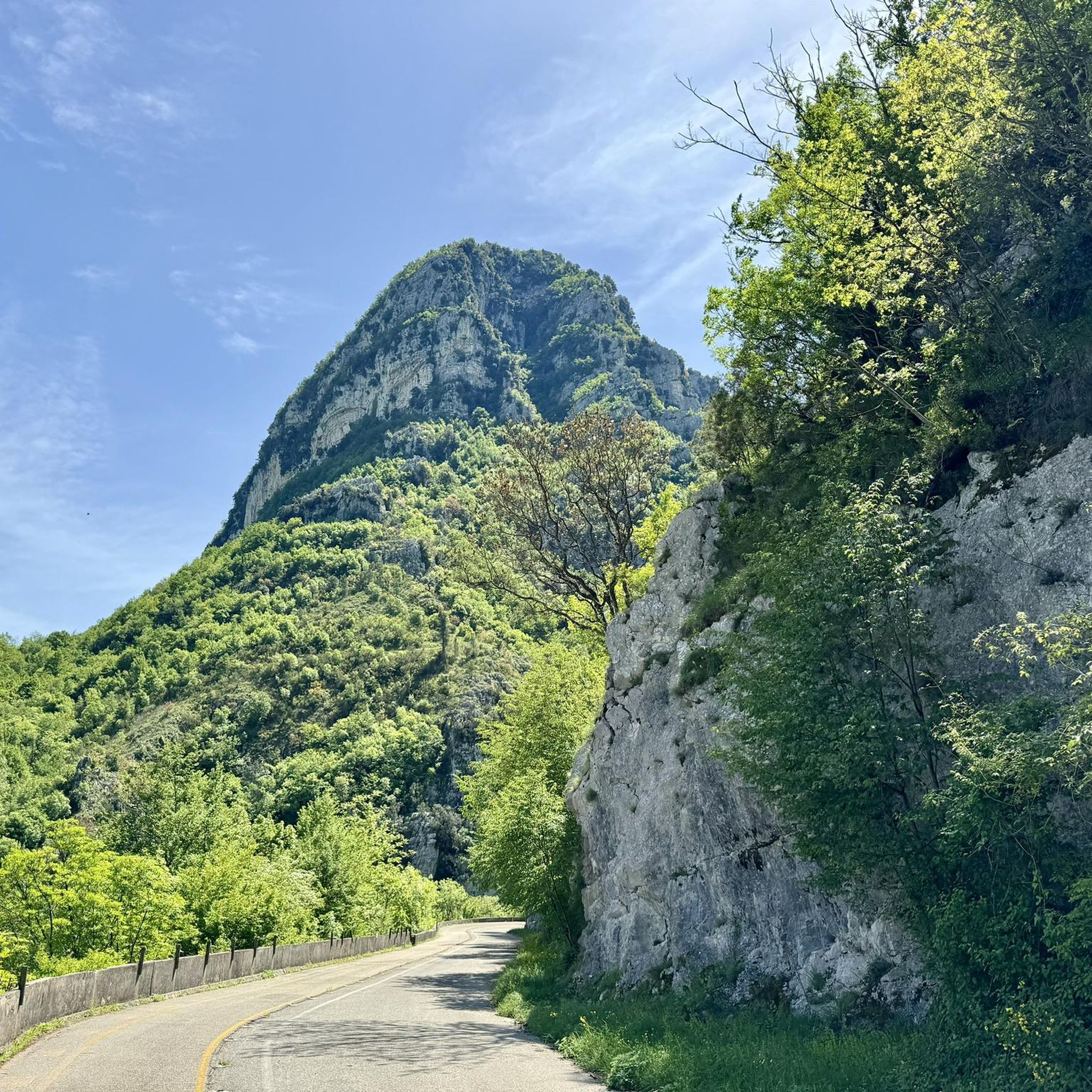
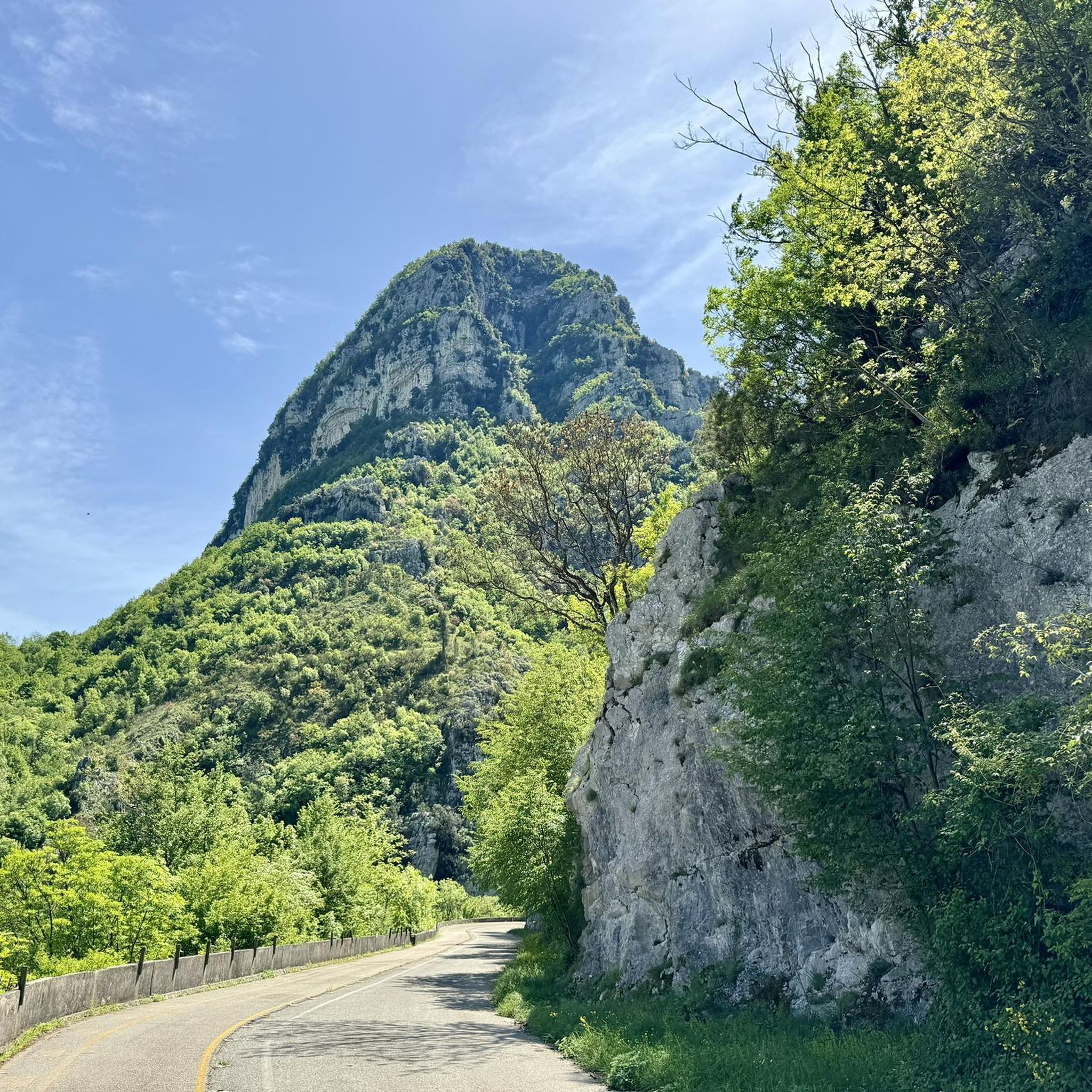
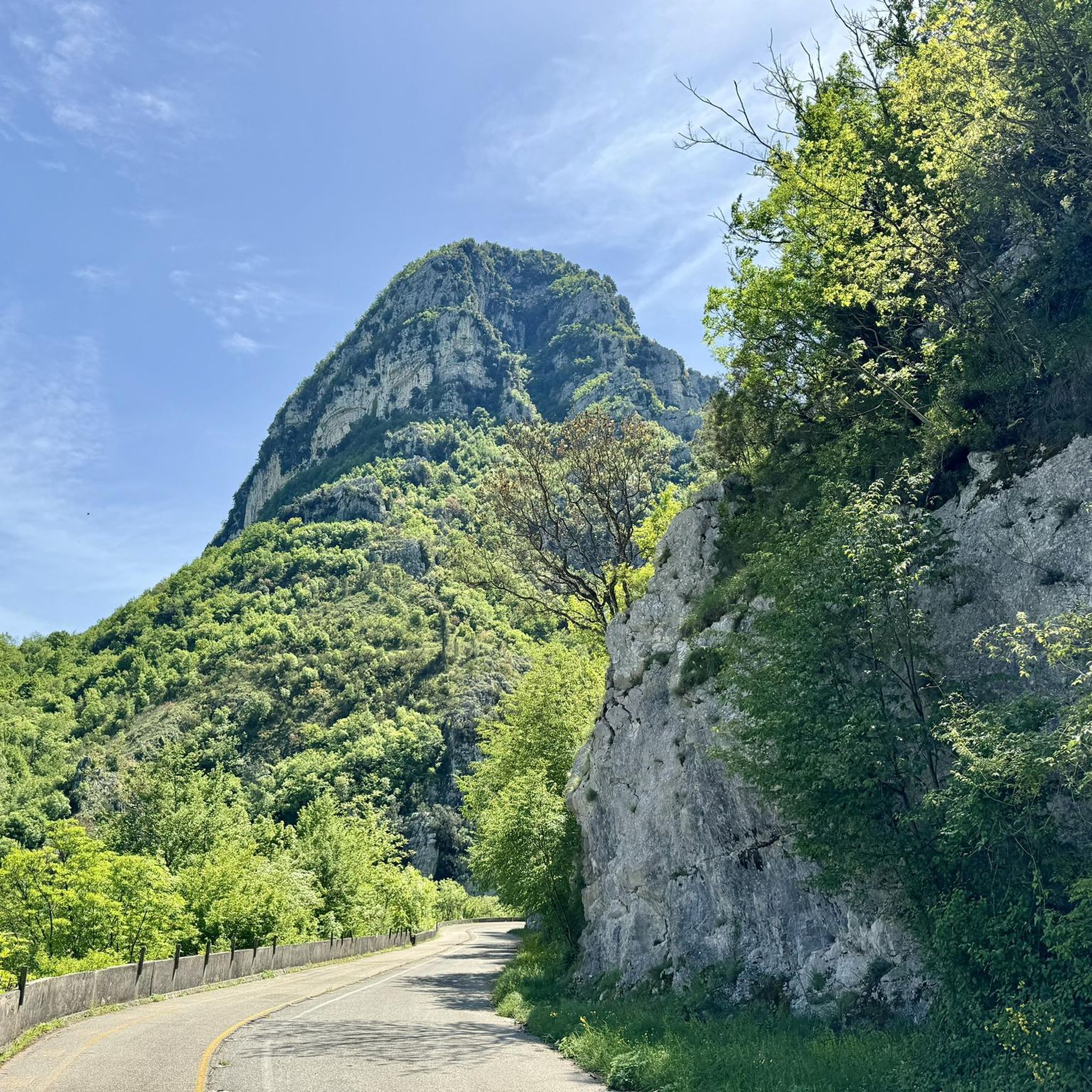
Morcone is located on the slopes of the Matese mountains, where you begin to climb from the Tammaro valley. The medieval village is well preserved, with narrow, winding streets made up of white stone stairways, and on the top of the hill you can see the important remains of the Norman castle.
0
0
The castle of Faicchio is a historic medieval residence that dates back to the mid-12th century. It has an irregular polygon shape with three towers and a monumental entrance door. Today it is home to a museum, there is a restaurant and it is used for events and weddings.
1
0

Faicchio is a small town located at an altitude of 175 m. The name comes from the Latin "fagus", which means beech. Populations were already present during prehistory and during the Roman period. Here there are various interesting monuments, including churches, caves and convents and the castle of Faicchio.
2
0

The building is private and hosts events such as weddings and first communions. Only in the presence of staff and availability can you make a visit
1
0

The municipality of Faicchio has a population of 3775 inhabitants and is located in the province of Benevento. As in all of Italy, viticulture also occupies a prestigious position among the agricultural activities of the region and the wines produced in the province are known for their originality and quality. The municipality of Faicchio is located at an altitude of 175 m a.s.l. . The municipal area of Faicchio has been inhabited since prehistoric times as evidenced by some finds found in the area, currently preserved in the Sannio museum in Benevento. [5] In the 6th century BC the Osco-Samnite megalithic walls that still surround the peak of Mount Acero date back to this day. They protected the so-called "Arce di monte Acero", a Samnite fortress to spot enemies. Most likely Mount Acero was the last outpost south of the Pentri and these were used to defend themselves from possible attacks by peoples further south. It was probably the site of a Roman settlement as evidenced by the remains of an aqueduct, a cryptoporticus and a bridge from that era. The Lombards founded a church dedicated to San Michele in a cave on Mount Monaco di Gioia. The first written record dates back to 1151 when Faicchio was counted among the possessions of the Sanframondo family, an important family of Norman origin that had all the municipalities of the Titernina valley as a fief.
1
0

Ducal castle of Faicchio, home to a hotel restaurant.
0
0
Frequently Asked Questions
What kind of historical structures can I expect to find around Cerreto Sannita?
While Cerreto Sannita itself was rebuilt in a Baroque style after a 1688 earthquake, the surrounding region offers a rich history of medieval castles and ruins. You can find remnants of ancient keeps, such as the Ruins of the Medieval Keep in Old Cerreto, and well-preserved castles integrated into nearby settlements like the Ducal Castle of Castelpagano or the medieval castle in Campolattaro.
Which castles are particularly notable for their historical significance?
The Ducal Castle of Castelpagano is a historic medieval residence dating back to the mid-12th century, known for its irregular polygon shape and three towers. The castle in Campolattaro, built around a Norman tower and later modified by the Aragonese, also holds significant historical value. Additionally, the settlement of Faicchio features a castle that was part of the influential Sanframondo family's fief.
Are there any family-friendly castles or historical sites to visit?
Many of the settlements around Cerreto Sannita, which host these historical structures, are considered family-friendly. For instance, Faicchio is a settlement with various interesting monuments, including its castle, suitable for a family outing. The Ducal Castle of Castelpagano also hosts events and has a museum, which can be engaging for families.
What outdoor activities can I do near these castles?
The region around Cerreto Sannita offers various outdoor activities. You can find numerous hiking trails, such as the 'Grotta delle fate – ring tour' or 'Forre di Lavello Loop Trail', which are detailed in the Hiking around Cerreto Sannita guide. For cyclists, there are road cycling routes like the 'Guardia Sanframondi – Campolattaro loop' and touring bicycle options, including the 'Titerno Bridge – Lavello Gorges loop', available in the Road Cycling Routes around Cerreto Sannita and Cycling around Cerreto Sannita guides.
What is the best time of year to visit the castles and historical sites?
The best time to visit the castles and historical sites around Cerreto Sannita is generally during the spring (April to June) and autumn (September to October). During these seasons, the weather is typically mild and pleasant, ideal for exploring both the outdoor ruins and the settlements without the intense heat of summer or the chill of winter.
Are there any castles that offer a unique experience, such as a museum or events?
Yes, the Ducal Castle of Castelpagano is a private property that hosts events like weddings and first communions. It also houses a museum, offering a unique opportunity to delve deeper into its history and architecture, though visits are typically by arrangement or during specific events.
Can I find any natural attractions near the castles?
Yes, the area combines historical sites with natural beauty. For example, Campolattaro is located in the valley of the Tammaro river and is home to the Campolattaro dam, which created the Campolattaro Lake Oasis. This offers a scenic natural backdrop to the historical castle.
What is the history behind the settlement of Morcone and its castle?
Morcone is a well-preserved medieval village situated on the slopes of the Matese mountains. It features narrow, winding streets and on the top of the hill, you can see the significant remains of its Norman castle, which played a crucial role in the region's medieval history.
How does the town of Cerreto Sannita itself fit into the region's castle history?
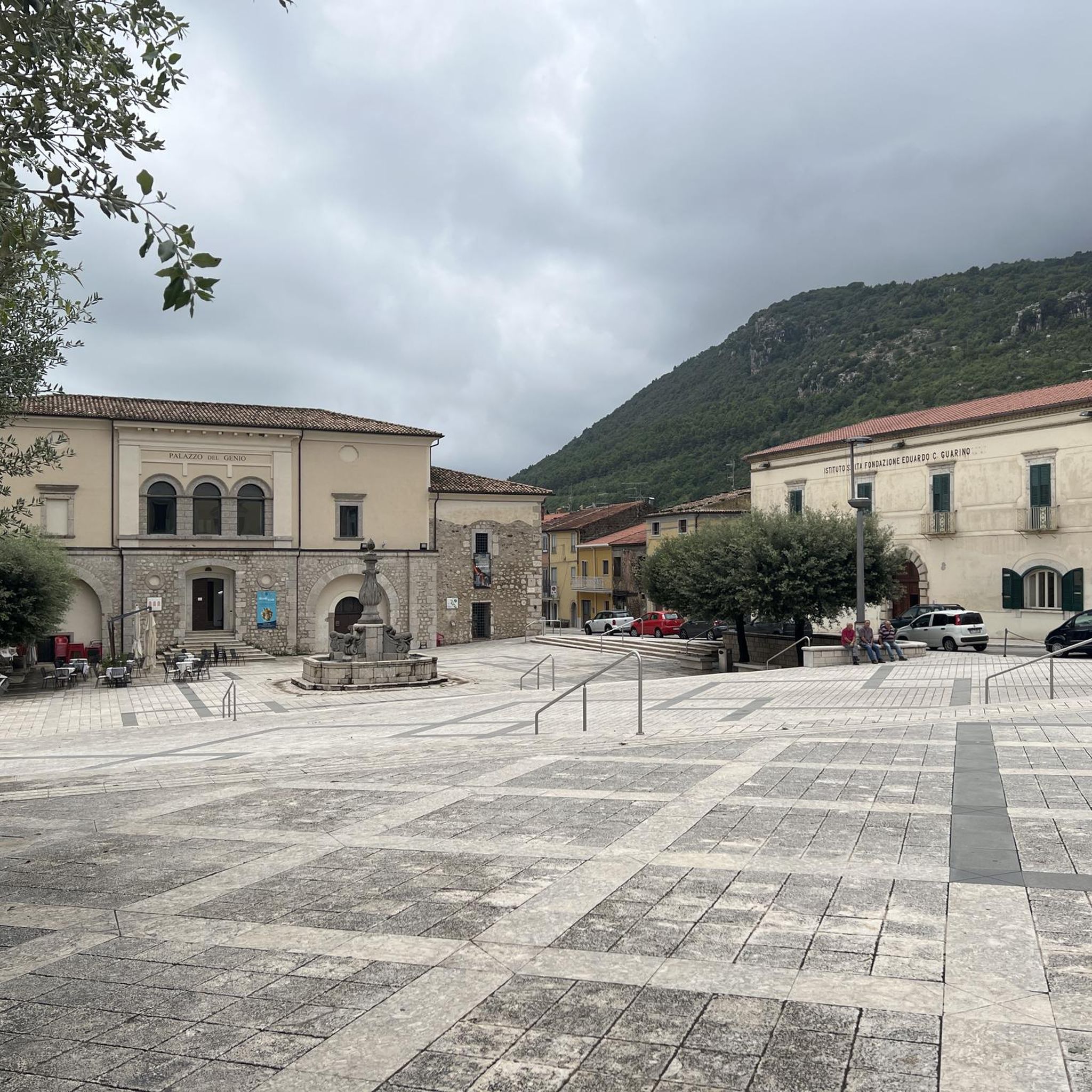
Cerreto Sannita itself is unique because it was almost entirely rebuilt in a Baroque style after a devastating earthquake in 1688. While it doesn't have traditional castles, the town's origins are tied to a medieval past, with the Ruins of the Medieval Keep in Old Cerreto serving as a tangible link to its feudal history before the Baroque reconstruction. The Palazzo del Genio also showcases the town's civic rebirth post-earthquake.
Are there any castles associated with specific historical families?
Yes, several castles in the region are linked to powerful historical families. The castle in Faicchio was part of the fief of the Sanframondo family, an important family of Norman origin. Similarly, the 12th-century medieval castle in Guardia Sanframondi was commissioned by the Sanframondi family to guard the surrounding area, giving the town its name.
What do visitors enjoy most about the castles and historical sites in this area?
Visitors appreciate the opportunity to step back in time and explore the rich feudal past of the region. The blend of well-preserved medieval villages, impressive castle ruins, and the unique Baroque architecture of Cerreto Sannita itself offers a diverse historical experience. The komoot community has shown appreciation for these sites, sharing photos and upvoting them, highlighting their visual appeal and historical significance.
Are there options for dining or accommodation near these historical sites?
Yes, many of the settlements that host these castles, such as Faicchio, Morcone, and Guardia Sanframondi, are active towns with local restaurants, cafes, and accommodation options. The Ducal Castle of Castelpagano even houses a hotel restaurant within its premises.
Most popular routes around Cerreto Sannita
Most popular attractions around Cerreto Sannita

Get inspired with the komoot mobile app


Explore more
Looking for the best castles somewhere else? Discover other guides around Cerreto Sannita:
