Top 7 Castles around Montemarano
Best castles around Montemarano are found in a village nestled in Campania, Italy, known for its historical center. The area features a blend of historical sites and cultural significance, with structures dating back to ancient Samnite times. Situated at 820 meters above sea level, the village offers commanding views of the surrounding landscape. Its historical evolution from a defensive outpost to a residential palace showcases various architectural styles.
Best castles around Montemarano
- The most popular castles is Monumental Complex of…
Last updated: June 30, 2026
Monumental Complex of the Mount (Church, Monastery, and Castle of Montella)
Highlight • Historical Site
Translated by Google •
Tip by

Trail 142 – Monastery Trail
Highlight • Trail
Translated by Google •
Tip by
Sign up now to discover places like this
Get recommendations on the best single tracks, peaks, & plenty of other exciting outdoor places.
Sign up for free
Ruspoli Castle of Candriano
Highlight • Castle
Translated by Google •
Tip by

Gesualdo Castle
Highlight • Castle
Translated by Google •
Tip by
Taurasi Castle
Highlight • Castle
Translated by Google •
Tip by
Start today with a free account
Your next adventure awaits.
Login or Signup

Other adventures around Montemarano

Tips from the Community


Beautiful and evocative. Highly recommended.
0
0

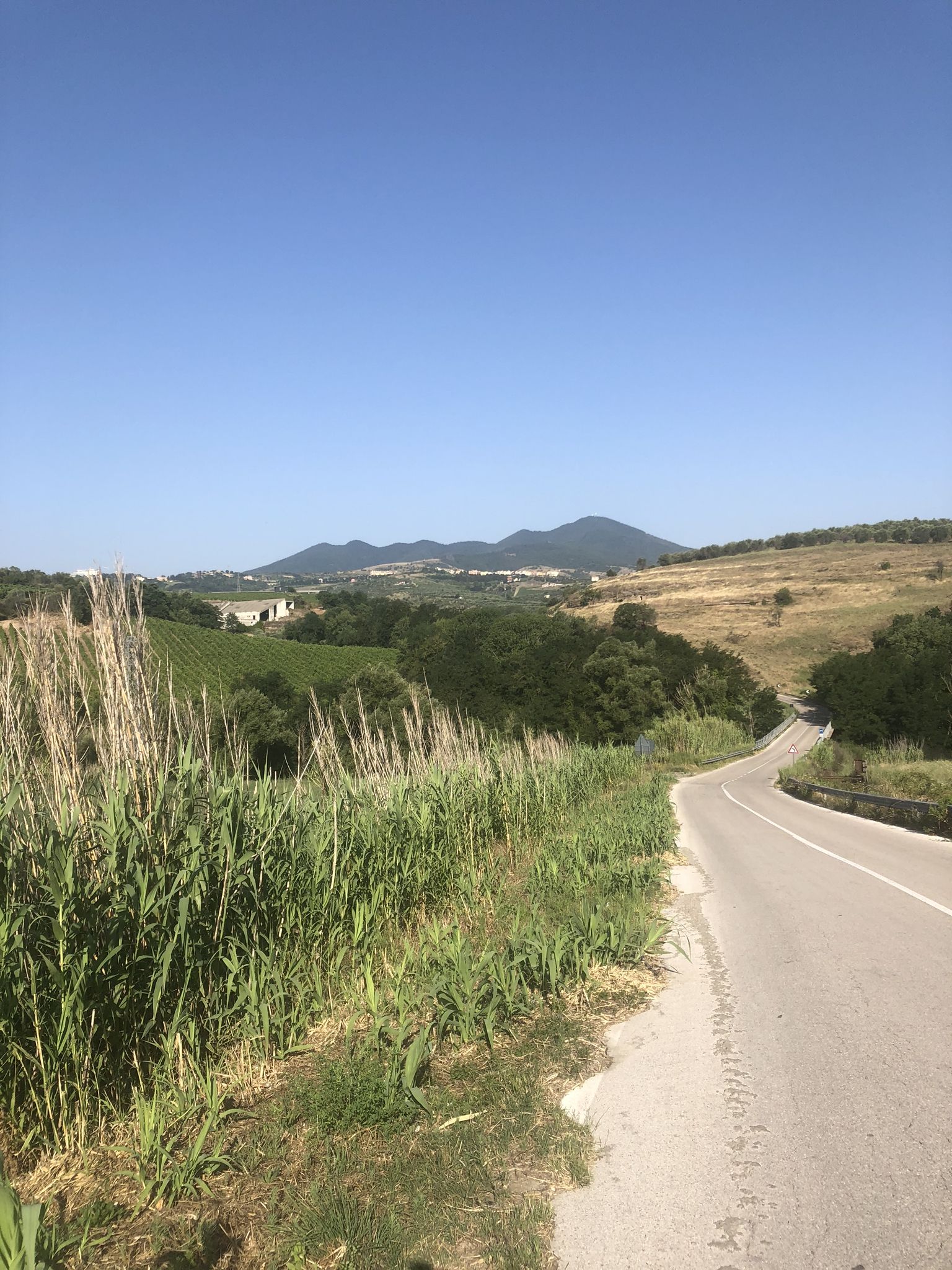
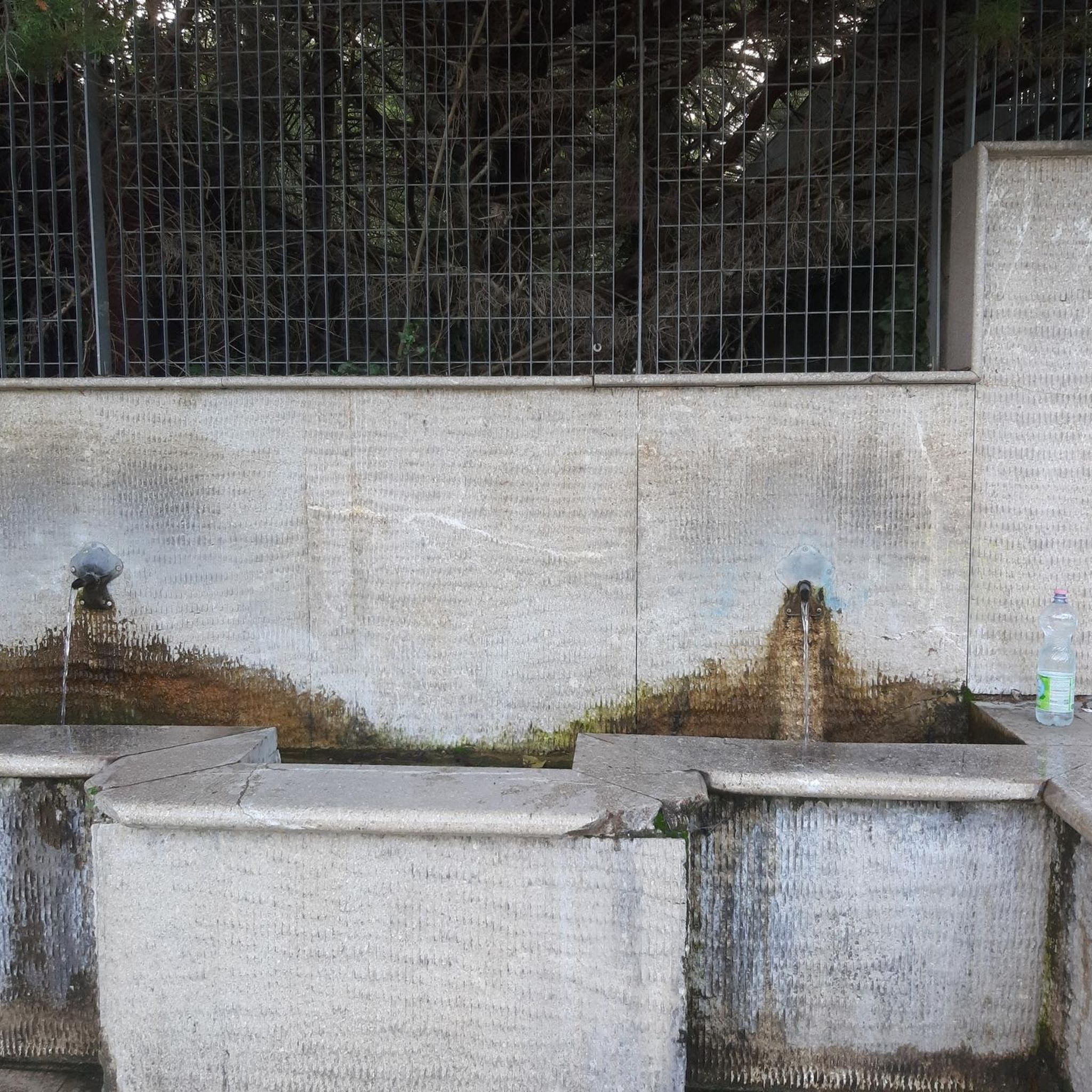
From the Castelvetere-Lioni state road you go down a lot, and then you have to go back up. There is a fountain on the left side as soon as you arrive.
1
0

It was the seat of command of the feudal possessions of the powerful Gesualdo family and home of Prince Carlo Gesualdo, one of the fathers of modern polyphonic music.
2
0

It can be visited by reservation only.
5
0
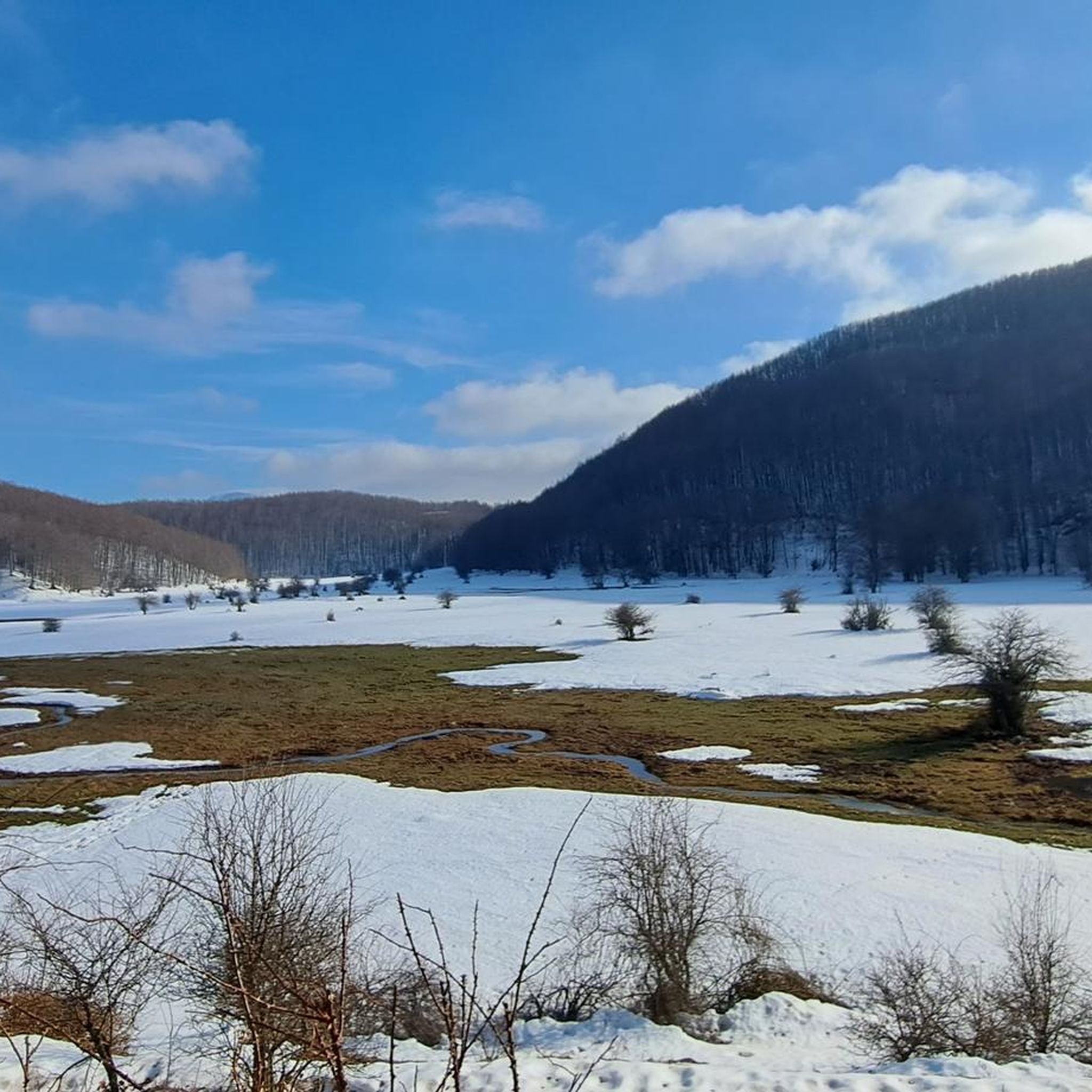
Very suggestive and definitely challenging track in some passages but, overall, beautiful and fun. Final destination: the Montella Castle which can only be visited by reservation.
5
0

The monumental complex of the Monte, consisting of a church, monastery, archaeological garden and castle, rises just above Montella, a small town in the heart of the green Irpinia. Of great historical interest is the site of the 10th century Lombard castle with the adjacent settlement dating back to the 6th-7th century. Excavations conducted in the 1980s have brought to light finds from the Lombard and early medieval times, including coins and fragments of frescoes, as well as burials dating back to the same period. Today the central body (tower or donjon), the surrounding walls and the ruins of the rooms of the nobility are visible. In 1293 Charles II of Anjou confiscated the castle to make it a place for recreation. King Charles II was responsible for the construction of the cistern and the water channeling system. In the fourteenth century, at the behest of the d'Aquino, feudal lords of Montella, the twelfth-century tower was renovated and works to improve the building were carried out, with the creation of pictorial decorations. The castle was inhabited by the Cavaniglia counts in the 15th century, and during their lordship it hosted a memorable hunting expedition in 1445 in which King Alfonso the Magnanimous took part. The church has a single nave with side chapels. The wooden altars are of great value. In one of the side chapels there is an important thirteenth-century wooden altarpiece depicting the "Madonna dell'umiltà". The monastery was built between 1554 and 1586 on the pre-existing church at Monte di Pietà, by the Monte di Pietà di Montella, founded and administered by the Congrega del SS. Sacrament of Montella. It was entrusted to the Minimi Reformed Conventuals of S. Francesco replaced in 1603 by the reformed Observants. In 1613 a community of 12 fathers and several lay brothers lived in the convent. The feudal lord Antonio Grimaldi, in 1642, donated the garden adjacent to the convent, former dependence of the castle, to the Monte di Pietà. It has undergone several changes over the centuries: the structure has a square plan and the typical cloister with cross vaults frescoed in the seventeenth century by Michele Ricciardi. Completely recovered and made usable, the upper floors could be used for spiritual retreats, while it is still possible to visit the cells. The lower rooms, where the life of the friars took place, can be visited in full by taking advantage of the routes prepared also by means of illustrative panels present in each area. The convent garden is located in the open space adjacent to the castle; it has been recovered and the same crops from the Middle Ages that gave sustenance to the monks have been planted there. The entire monumental complex of the Monte, restored and open to visitors, is the property of the Santissimo Sacramento di Montella Archconfraternity
17
0
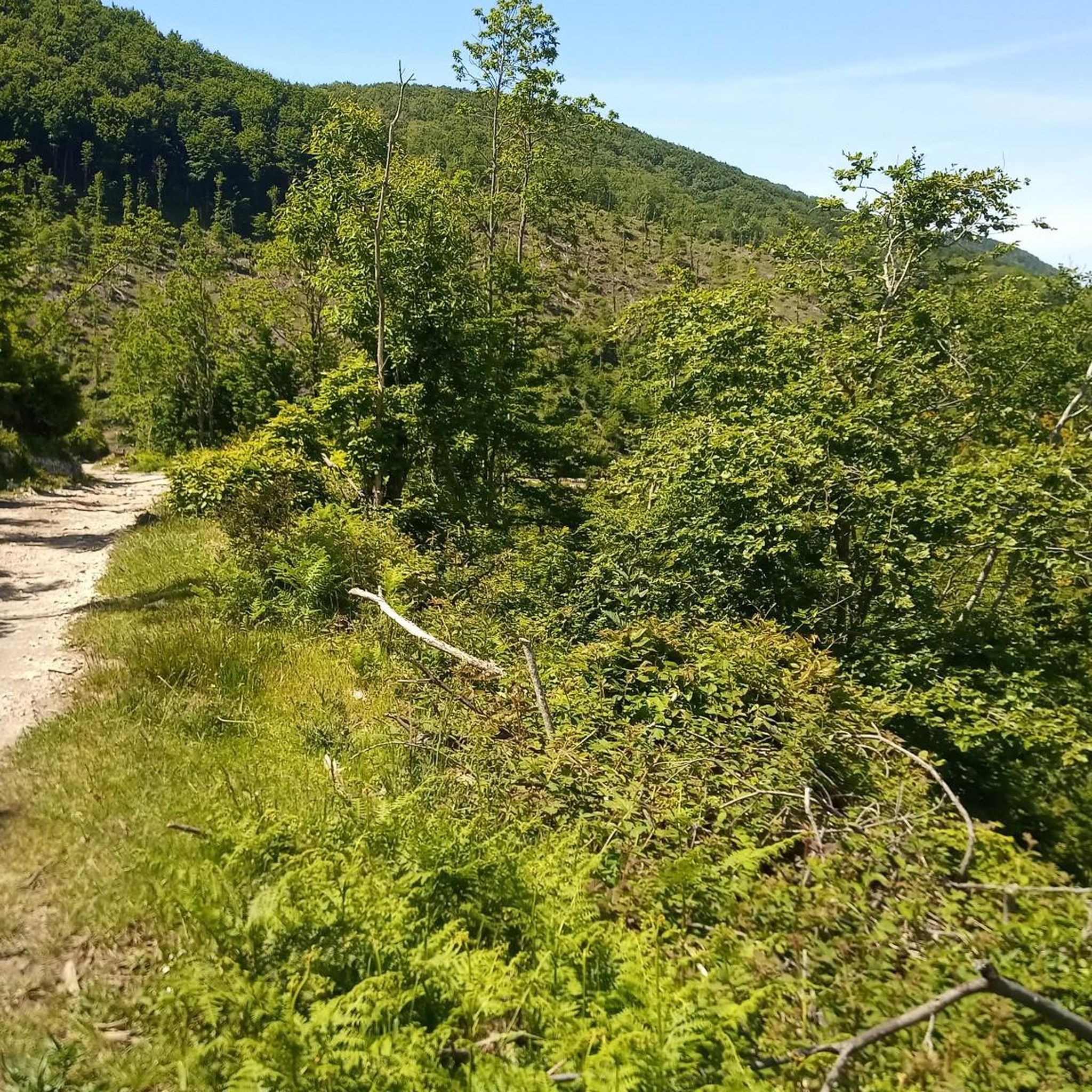
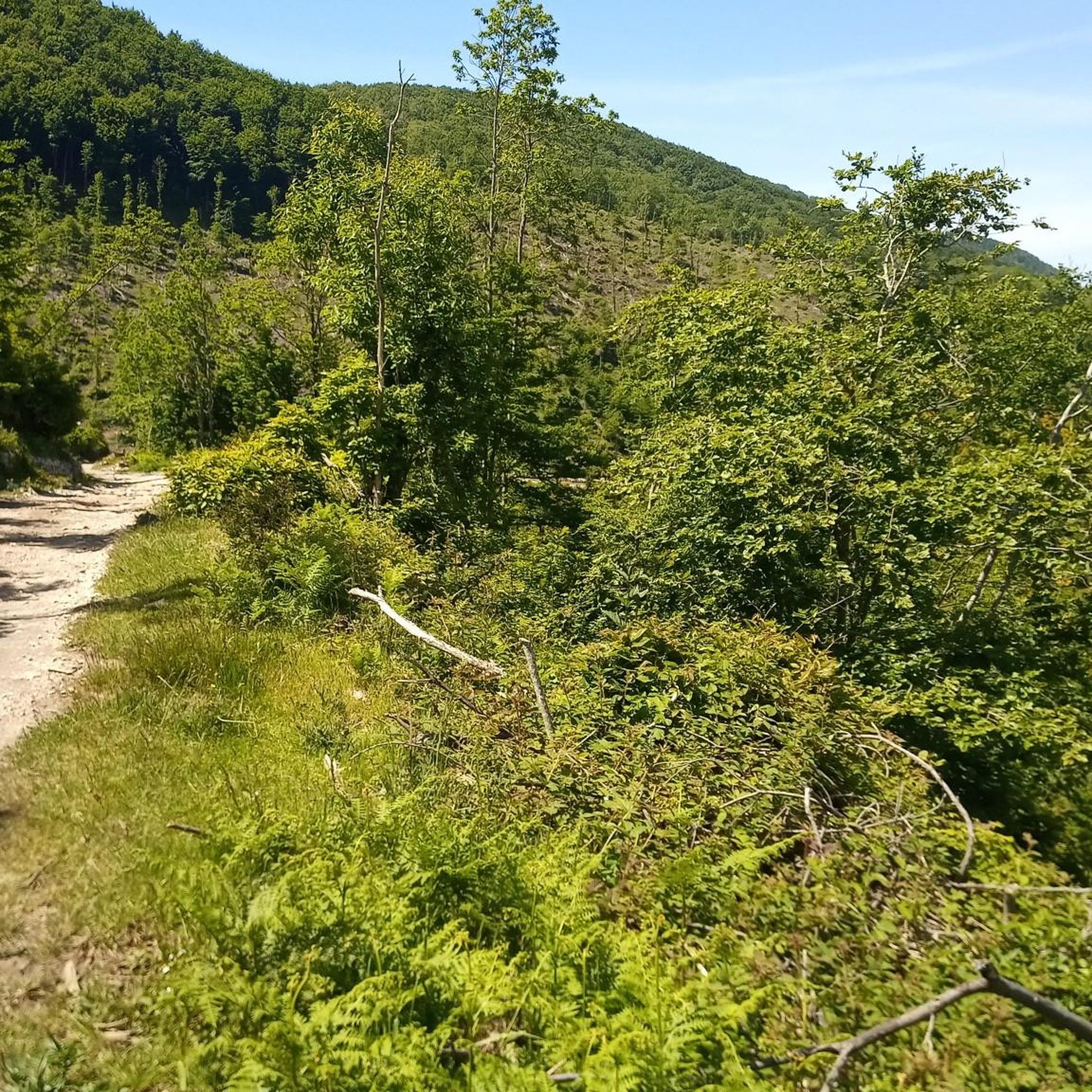
This path leads from the Terminio to the castle of Montella. It winds through beech and chestnut groves. Pay attention to some particularly challenging sections.
16
0
Frequently Asked Questions
What is the historical significance of Montemarano Castle?
The Montemarano Castle boasts a rich history, with origins dating back to the 5th-4th centuries BC as a Samnite outpost. It evolved through Roman and medieval periods, later becoming a residential palace during the Renaissance. It's also notable as the residence where Giovan Battista Basile completed the first draft of his famous work, "Lo Cunto de li Cunti" (The Tale of Tales).
What can I expect to see at the Montemarano Castle today?
Today, the Montemarano Castle houses the Wine Museum (MuVIM - Eco-Museo del Vino), offering insights into local culture and the region's renowned wines, particularly Aglianico. Situated at the village's highest point, it also provides commanding panoramic views of the surrounding landscape and the medieval historical center.
Are there other notable historical castles near Montemarano?
Yes, several other historical castles are worth exploring. These include the Monumental Complex of the Mount (Church, Monastery, and Castle of Montella), which features a 10th-century Lombard castle, and Gesualdo Castle, known as the seat of the Gesualdo family and home to Prince Carlo Gesualdo, a significant figure in polyphonic music.
Which castles near Montemarano are known for their unique history or architecture?
Beyond Montemarano Castle, Gesualdo Castle is renowned for its connection to Prince Carlo Gesualdo and its role as a feudal command center. Taurasi Castle, also known as Palazzo Marchionale, is a 10th-century building that now serves as the Regional Enoteca for Irpinia Wines, offering a blend of history and local viticulture. The Ruspoli Castle of Candriano, situated on a strategic hill, has been inhabited since the Middle Ages and takes its name from its last noble owners.
Are there hiking trails that lead to or near castles in the Montemarano area?
Absolutely. For instance, Trail 142 – Monastery Trail is a challenging path that winds through beech and chestnut groves, leading towards the castle of Montella. You can find more hiking options in the area by exploring the Running Trails around Montemarano guide, which includes routes like the 'Sentiero Italia - Stage S10'.
What kind of outdoor activities can I do around the castles near Montemarano?
The region around Montemarano offers various outdoor activities. You can explore numerous running trails, such as those listed in the Running Trails around Montemarano guide. For cyclists, there are challenging road cycling routes like the 'Malepasso Road – Monte Terminio Plateau loop' found in the Road Cycling Routes around Montemarano guide, and touring bicycle options in the Cycling around Montemarano guide.
What natural features or viewpoints can I find near the castles?
Montemarano Castle itself, perched at 820 meters above sea level, offers commanding views of the surrounding landscape. Additionally, Taurasi Castle provides a splendid view from its upper rooms. The hiking trails in the area, such as Trail 142 – Monastery Trail, traverse scenic beech and chestnut groves, offering natural beauty alongside historical sites.
Is Montemarano Castle accessible for visitors, and what are its operating hours?
Montemarano Castle, which houses the Wine Museum, is generally accessible. However, specific operating hours and accessibility details for the museum or other parts of the castle are best confirmed directly. For the most current information, it's advisable to check local tourism resources or the official website for the Wine Museum.
Are there any family-friendly activities or castles suitable for children in the Montemarano area?
While specific 'family-friendly' designations for castles are not always explicit, historical sites like the Monumental Complex of the Mount (Church, Monastery, and Castle of Montella) can be engaging for older children interested in history and archaeology. The Montemarano Castle, with its Wine Museum, offers a cultural experience that families might enjoy, especially for its panoramic views. Exploring the historical centers around these castles can also be a pleasant family activity.
What is the best time of year to visit the castles around Montemarano?
The region of Montemarano, being in Campania, Italy, generally enjoys pleasant weather from spring (April-June) through early autumn (September-October). These periods offer comfortable temperatures for exploring historical sites and engaging in outdoor activities like hiking or cycling. Summer can be warm, while winter might bring cooler temperatures, potentially limiting outdoor exploration.
Where can I find parking when visiting Montemarano Castle?
Montemarano is a village with a historical center. While specific parking lots for the castle are not detailed, visitors typically find parking in designated areas within the village, then proceed on foot to the castle. Given its location at the highest point of the village, some walking from parking areas should be expected.
Are there any cafes or restaurants near the castles in Montemarano?
Montemarano, as a charming village, offers local cafes and restaurants within its historical center. These establishments provide opportunities to enjoy local cuisine and refreshments after visiting the castle and exploring the village. Similarly, other towns hosting castles, like Montella or Gesualdo, will have dining options available.
Can I visit the castles around Montemarano using public transportation?
Public transportation to Montemarano and surrounding villages is generally available, though it might require some planning and potentially involve bus services. For specific routes and schedules to reach individual castles, it is recommended to consult local public transport information or tourist information centers in the region.
Most popular attractions around Montemarano

Get inspired with the komoot mobile app


Explore more
Looking for the best castles somewhere else? Discover other guides around Montemarano:
