Top 7 Castles around Volturara Irpina
Best castles around Volturara Irpina are situated in a region characterized by its historical significance and mountainous landscape. The area features medieval fortifications, often found atop hills, offering views of the Valle del fiume Sabato and the Picentini Mountains. These structures reflect centuries of defensive and residential use, with origins tracing back to Norman and Lombard periods. The natural setting provides a backdrop for exploring these historical sites.
Best castles around Volturara Irpina
- The most popular castles is Monumental Complex…
Last updated: August 23, 2026
Monumental Complex of the Mount (Church, Monastery, and Castle of Montella)
Highlight • Historical Site
Translated by Google •
Tip by

San Pantaleone Sanctuary and the Lombard Castle of Montoro
Highlight • Historical Site
Translated by Google •
Tip by

Sign up now to discover places like this
Get recommendations on the best single tracks, peaks, & plenty of other exciting outdoor places.
Sign up for free
Trail 142 – Monastery Trail
Highlight • Trail
Translated by Google •
Tip by
Feudal Castle
Highlight • Castle
Translated by Google •
Tip by
Solofra Castle
Highlight • Castle
It consisted of a series of walls that surrounded the hill turning it into a fortified point.
Translated by Google •
Tip by

Start today with a free account
Your next adventure awaits.
Login or Signup
Tips from the Community


Remains of the feudal castle of Serino, complete with boundary walls and access arch. Very suggestive place!
6
0

On the top of a hill full of vegetation, in the locality of Toppola, are the ruins of the Feudal Castle of Serino which, together with the Castle of Orano, constitutes the group of fortifications present in the territory of the municipality. Of the original structure, only the perimeter walls and the ancient chapel, now restored, are visible. According to some sources, the castle was built around 839 AD, as a defensive bulwark for the local inhabitants threatened by the raids of the militias engaged in the dynastic struggles for the succession to the throne of Benevento. However, the current conformation of the castle should date back to 1159, the year in which Costanza Saracena, belonging to the Sanseverino family, elected Serino as the capital of her feud. The structure is accessed through two suggestive arched doors that mark the passage along the three short ramps that once led to the main entrance. After the last door, you come across the Sanctuary dedicated to the Madonna delle Grazie which today includes the private chapel with a bell tower, once located near the residence of the feudal lord. With the loss of its defensive function, the castle suffered the neglect of time and was gradually abandoned. The ruins of the building, with the adjoining restored church, are now well kept, inserted within a highly suggestive natural setting, in which the centuries-old linden tree in front of the church makes a fine show.
18
0

The Feudal Castle is located on top of the Serino hill. It is inserted in a wooded environment, very luxuriant. Unfortunately a large part of the fortress is in a state of abandonment.
1
0

It can be visited by reservation only.
5
0
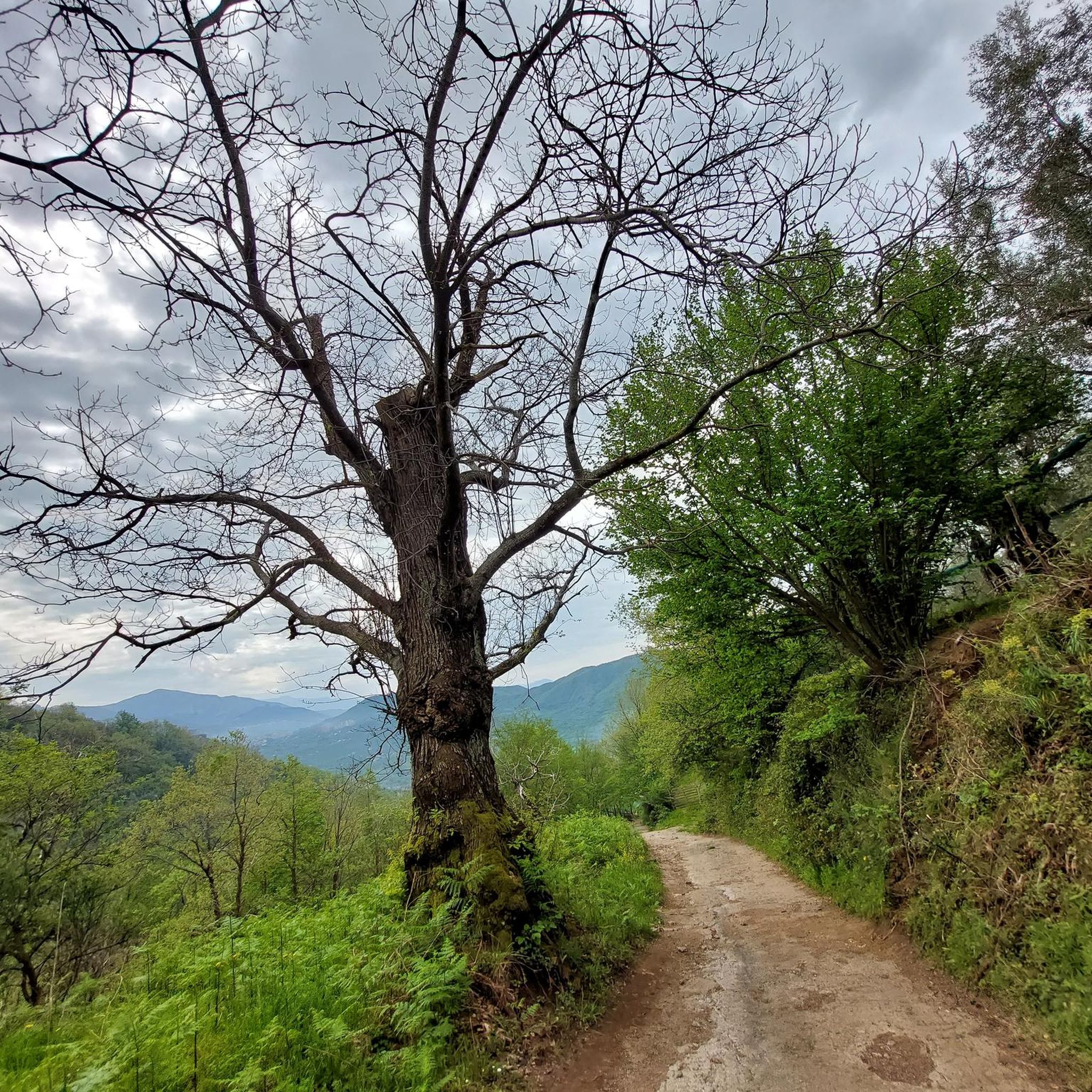
Very suggestive and definitely challenging track in some passages but, overall, beautiful and fun. Final destination: the Montella Castle which can only be visited by reservation.
5
0
The monumental complex of the Monte, consisting of a church, monastery, archaeological garden and castle, rises just above Montella, a small town in the heart of the green Irpinia. Of great historical interest is the site of the 10th century Lombard castle with the adjacent settlement dating back to the 6th-7th century. Excavations conducted in the 1980s have brought to light finds from the Lombard and early medieval times, including coins and fragments of frescoes, as well as burials dating back to the same period. Today the central body (tower or donjon), the surrounding walls and the ruins of the rooms of the nobility are visible. In 1293 Charles II of Anjou confiscated the castle to make it a place for recreation. King Charles II was responsible for the construction of the cistern and the water channeling system. In the fourteenth century, at the behest of the d'Aquino, feudal lords of Montella, the twelfth-century tower was renovated and works to improve the building were carried out, with the creation of pictorial decorations. The castle was inhabited by the Cavaniglia counts in the 15th century, and during their lordship it hosted a memorable hunting expedition in 1445 in which King Alfonso the Magnanimous took part. The church has a single nave with side chapels. The wooden altars are of great value. In one of the side chapels there is an important thirteenth-century wooden altarpiece depicting the "Madonna dell'umiltà". The monastery was built between 1554 and 1586 on the pre-existing church at Monte di Pietà, by the Monte di Pietà di Montella, founded and administered by the Congrega del SS. Sacrament of Montella. It was entrusted to the Minimi Reformed Conventuals of S. Francesco replaced in 1603 by the reformed Observants. In 1613 a community of 12 fathers and several lay brothers lived in the convent. The feudal lord Antonio Grimaldi, in 1642, donated the garden adjacent to the convent, former dependence of the castle, to the Monte di Pietà. It has undergone several changes over the centuries: the structure has a square plan and the typical cloister with cross vaults frescoed in the seventeenth century by Michele Ricciardi. Completely recovered and made usable, the upper floors could be used for spiritual retreats, while it is still possible to visit the cells. The lower rooms, where the life of the friars took place, can be visited in full by taking advantage of the routes prepared also by means of illustrative panels present in each area. The convent garden is located in the open space adjacent to the castle; it has been recovered and the same crops from the Middle Ages that gave sustenance to the monks have been planted there. The entire monumental complex of the Monte, restored and open to visitors, is the property of the Santissimo Sacramento di Montella Archconfraternity
17
0
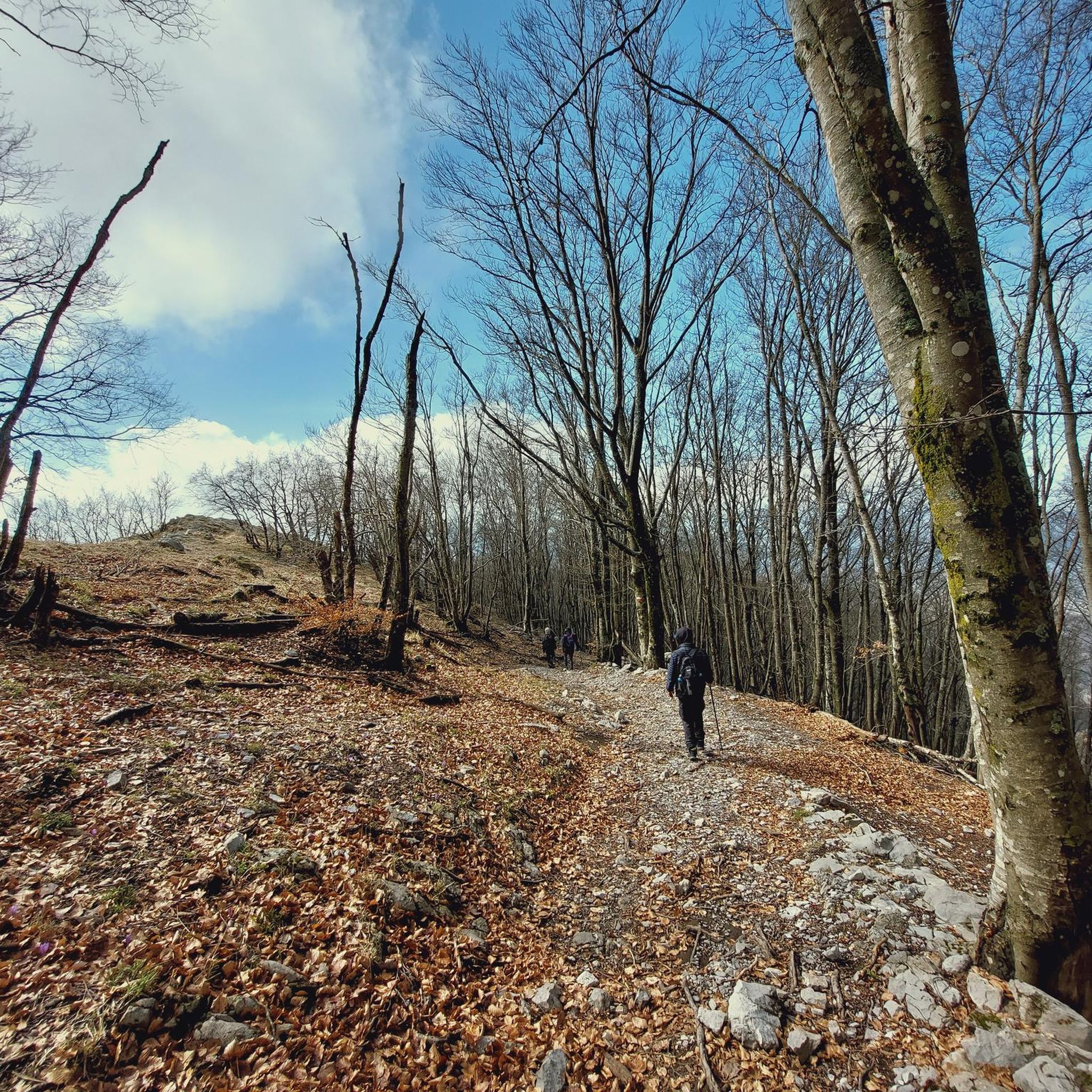
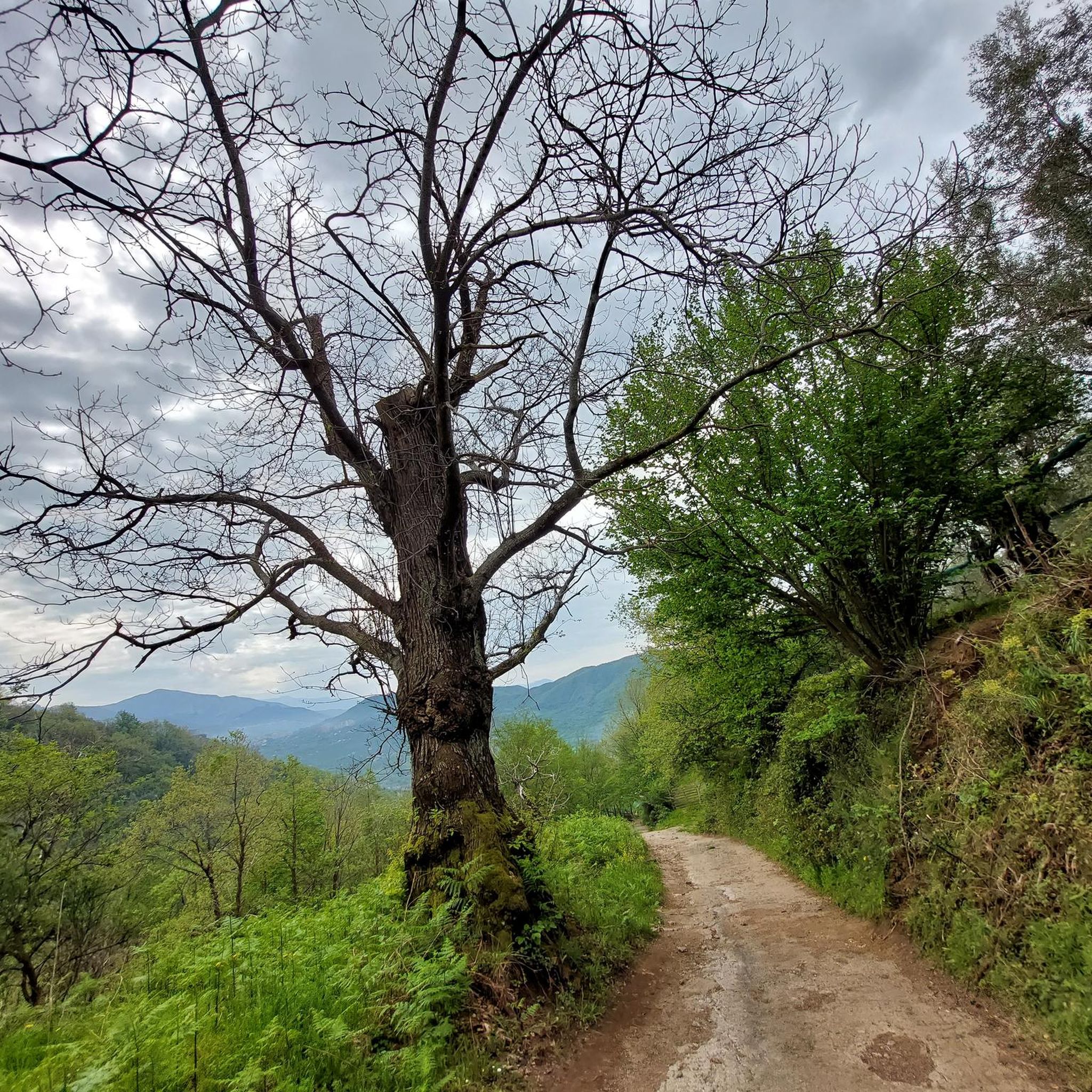
This path leads from the Terminio to the castle of Montella. It winds through beech and chestnut groves. Pay attention to some particularly challenging sections.
16
0
Frequently Asked Questions
What are the main historical castles to visit around Volturara Irpina?
The region features several historical castles. Notable ones include the Monumental Complex of the Mount (Church, Monastery, and Castle of Montella), which houses a 10th-century Lombard castle. Another significant site is the San Pantaleone Sanctuary and the Lombard Castle of Montoro), offering ruins and views. You can also explore the Feudal Castle in Toppola, where only perimeter walls and a restored chapel remain.
What is the history of the Castello di Volturara Irpina?
The Castello di Volturara Irpina, also known as Castello di San Michele, has origins tracing back to the 12th century, constructed by the Normans as a defensive fortification. Some sources suggest Lombard construction in the mid-9th century. It underwent transformations, including a rebuilding during the Aragonese period, and played a strategic role in controlling the territory. It was owned by various lords, including Guglielmo de Tivilla.
Are there castles with good panoramic views in the area?
Yes, several castles offer excellent panoramic views. The Castello di Volturara Irpina, situated atop a hill at 887 meters, provides vast views of the Valle del fiume Sabato, the Picentini Mountains, and Alta Irpinia. The San Pantaleone Sanctuary and the Lombard Castle of Montoro) also offers beautiful views of the hamlets Borgo and Piano Preturo. The Feudal Castle in Toppola is also noted for its suggestive natural setting.
What is the current state of the Castello di Volturara Irpina?
The Castello di Volturara Irpina is largely in ruins today, with only skeletal remains visible after an earthquake in 1980. It is currently undergoing restoration. Despite its ruined state, visitors can still explore the exterior and appreciate its historical significance and the panoramic views it offers.
Are there hiking or walking trails that include castles?
Yes, there are trails that incorporate historical sites. For example, Trail 142 – Monastery Trail leads from the Terminio to the castle of Montella, winding through beech and chestnut groves. You can find more running trails around the area by visiting the Running Trails around Volturara Irpina guide.
What outdoor activities can I do near these castles?
The mountainous landscape around Volturara Irpina offers various outdoor activities. You can find numerous road cycling routes, such as the 'From Serino to the plateau of Monte Terminio – loop tour,' detailed in the Road Cycling Routes around Volturara Irpina guide. For mountain biking, explore trails like 'Lago Acque della Madonna e Piano di Verteglia – giro ad anello nel Parco Regionale dei Monti Picentini,' available in the MTB Trails around Volturara Irpina guide.
What is the best time of year to visit the castles around Volturara Irpina?
Given the mountainous terrain and the panoramic views offered by many castle sites, spring and autumn are generally ideal. The weather is milder, making outdoor exploration more comfortable, and the natural scenery is vibrant. Clear days are best for enjoying the extensive views of the Valle del fiume Sabato and the Picentini Mountains.
How long does it typically take to visit a castle in this region?
The time required varies depending on the castle. For sites like the Castello di Volturara Irpina or the Feudal Castle, which are largely ruins, a visit might take 1-2 hours to explore the remnants and enjoy the views. More extensive complexes like the Monumental Complex of the Mount, which includes a church, monastery, and castle, could require 2-3 hours, especially if you have a reservation for a guided tour.
Are there any hidden gem castles in the area?
While not entirely 'hidden,' the Feudal Castle in Toppola is a less prominent but historically rich site. It's located on a hill amidst vegetation, with only perimeter walls and a restored ancient chapel remaining. Its origins date back to around 839 AD, serving as a defensive bulwark, and it offers a highly suggestive natural setting.
What should I wear when visiting these castles?
Given that many castles are on hills or involve walking through natural terrain, comfortable walking shoes are highly recommended. Layers of clothing are advisable, especially during spring and autumn, as temperatures can vary. If you plan to explore trails or ruins, be prepared for uneven surfaces.
Is it possible to visit the Monumental Complex of the Mount (Church, Monastery, and Castle of Montella)?
Yes, the Monumental Complex of the Mount, which includes a 10th-century Lombard castle, church, and monastery, is open to visitors. However, it can only be visited by reservation. It's advisable to check ahead for availability and booking procedures.
What makes the castles around Volturara Irpina historically significant?
The castles in this region are historically significant as they reflect centuries of defensive and residential use, with origins tracing back to Norman and Lombard periods. They played strategic roles in controlling surrounding territories and witnessed various transformations and ownerships by feudal lords. Excavations at sites like the Monumental Complex of the Mount have revealed finds from Lombard and early medieval times, offering insights into the region's past dominations.
Most popular routes around Volturara Irpina
Most popular attractions around Volturara Irpina

Get inspired with the komoot mobile app


Explore more
Looking for the best castles somewhere else? Discover other guides around Volturara Irpina:
