Top 7 Castles around Sorbo Serpico
Best castles around Sorbo Serpico are found in a charming village in Campania, Italy, offering glimpses into its rich past. The area features historical structures, including significant ruined castles and a historic palace. These sites are often nestled within picturesque chestnut woods, providing scenic journeys for visitors. The region's history is deeply tied to these fortifications, which served as defensive strongholds and centers of feudal power.
Best castles around Sorbo Serpico
- The most popular castles is San Pantaleone Sanctuary and the Lombard Castle of Montoro, a historical site that includes the ruins of a Longobard Castle. Visitors can admire a view of the hamlets Borgo and Piano Preturo from this location.
- Another must-see spot is Trail 142 – Monastery Trail, a challenging trail leading to the castle of Montella. This path winds through beech and chestnut groves, offering a suggestive and engaging experience.
- Visitors also love Feudal Castle, which consists of the ruins of the Feudal Castle of Serino. The site includes perimeter walls and an ancient chapel, set within a natural environment.
- Sorbo Serpico is known for its ancient fortifications, feudal castles, and historical sites. These structures provide insights into the region's defensive past and aristocratic life.
- The castles around Sorbo Serpico are appreciated by the komoot community, with 11 upvotes and 5 photos shared by visitors.
Last updated: May 18, 2026
San Pantaleone Sanctuary and the Lombard Castle of Montoro
Highlight • Historical Site
Translated by Google •
Tip by

Trail 142 – Monastery Trail
Highlight • Trail
Translated by Google •
Tip by

Sign up now to discover places like this
Get recommendations on the best single tracks, peaks, & plenty of other exciting outdoor places.
Sign up for free
Feudal Castle
Highlight • Castle
Translated by Google •
Tip by
Macedonio Castle of Grottolella
Highlight • Castle
Translated by Google •
Tip by
Solofra Castle
Highlight • Castle
It consisted of a series of walls that surrounded the hill turning it into a fortified point.
Translated by Google •
Tip by

Start today with a free account
Your next adventure awaits.
Login or Signup
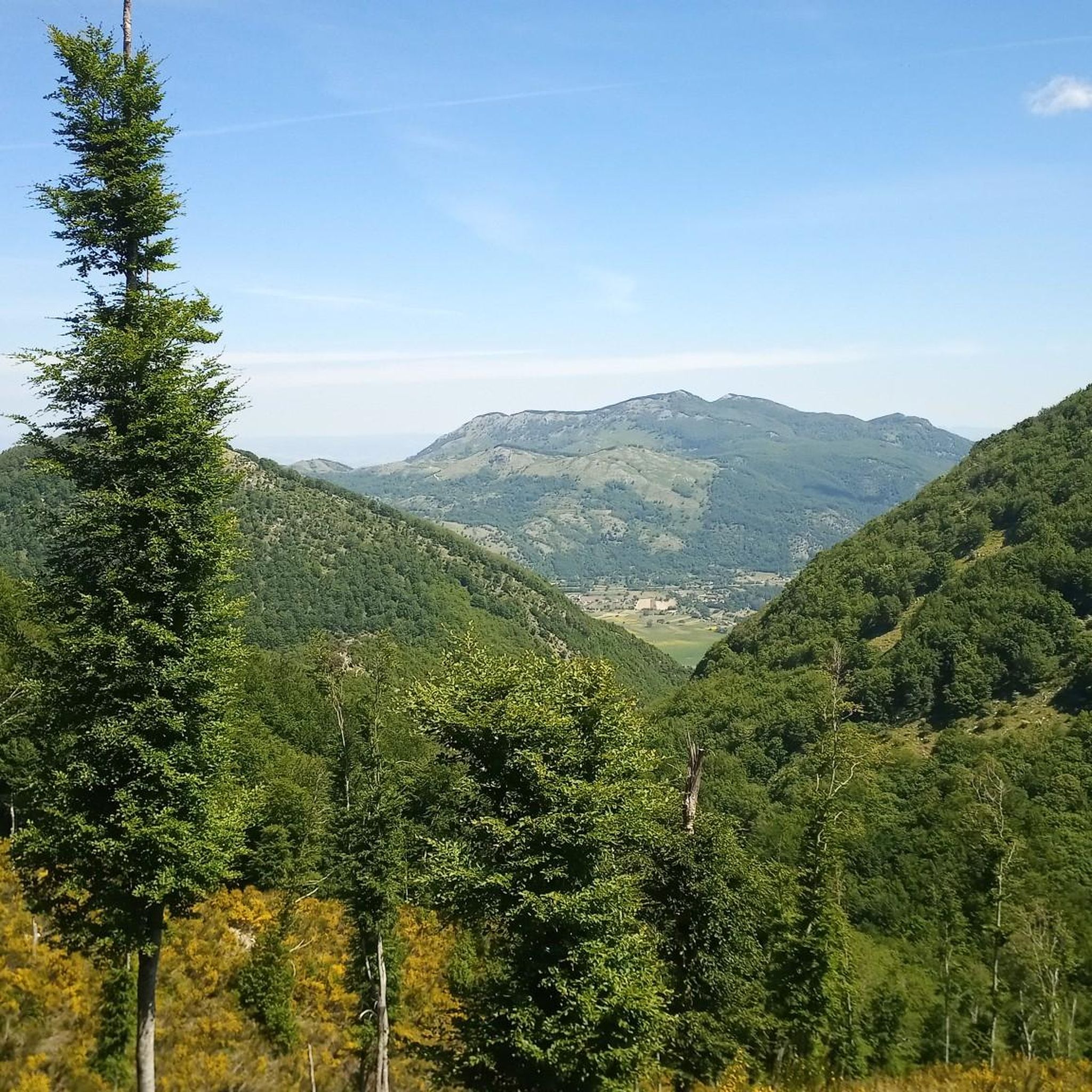
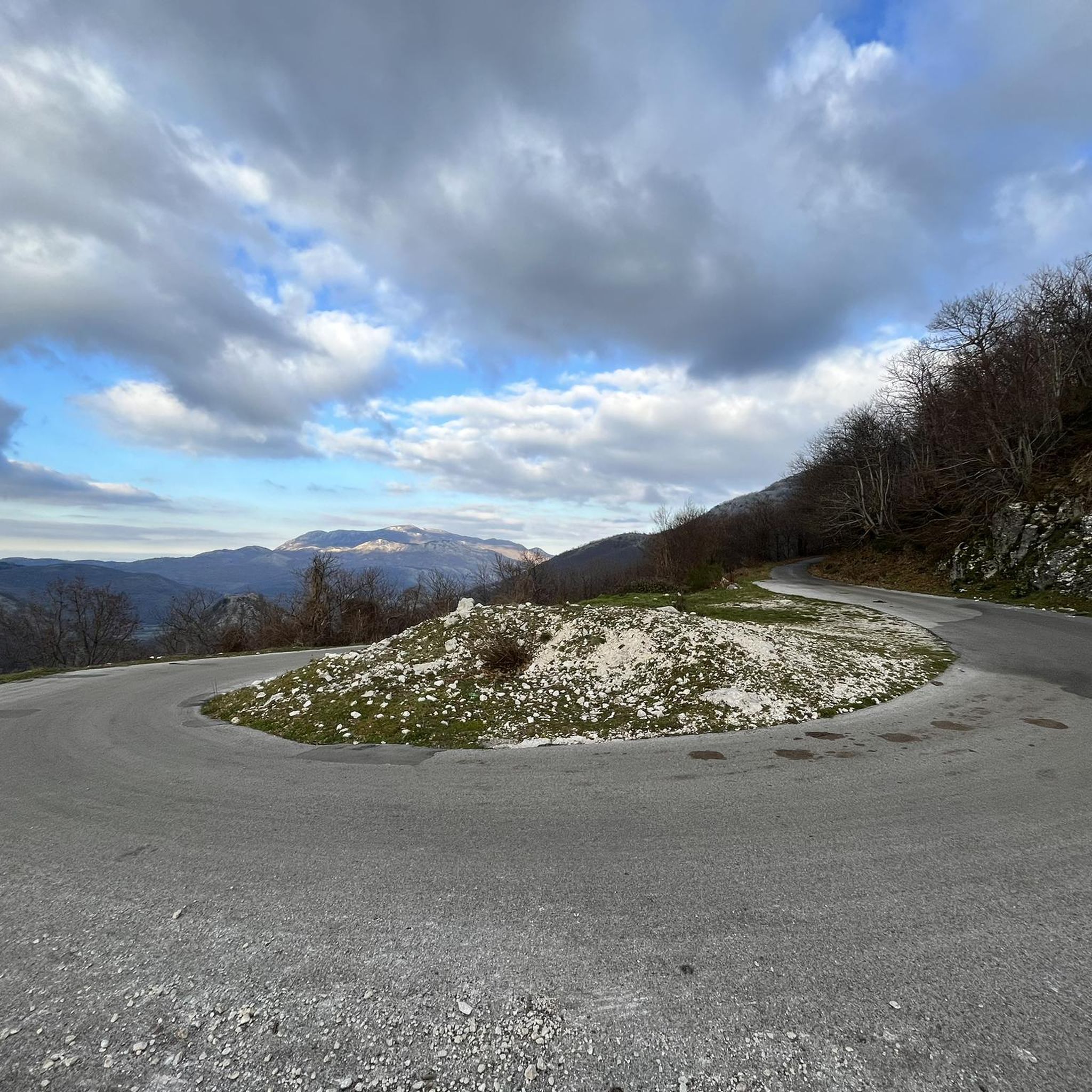
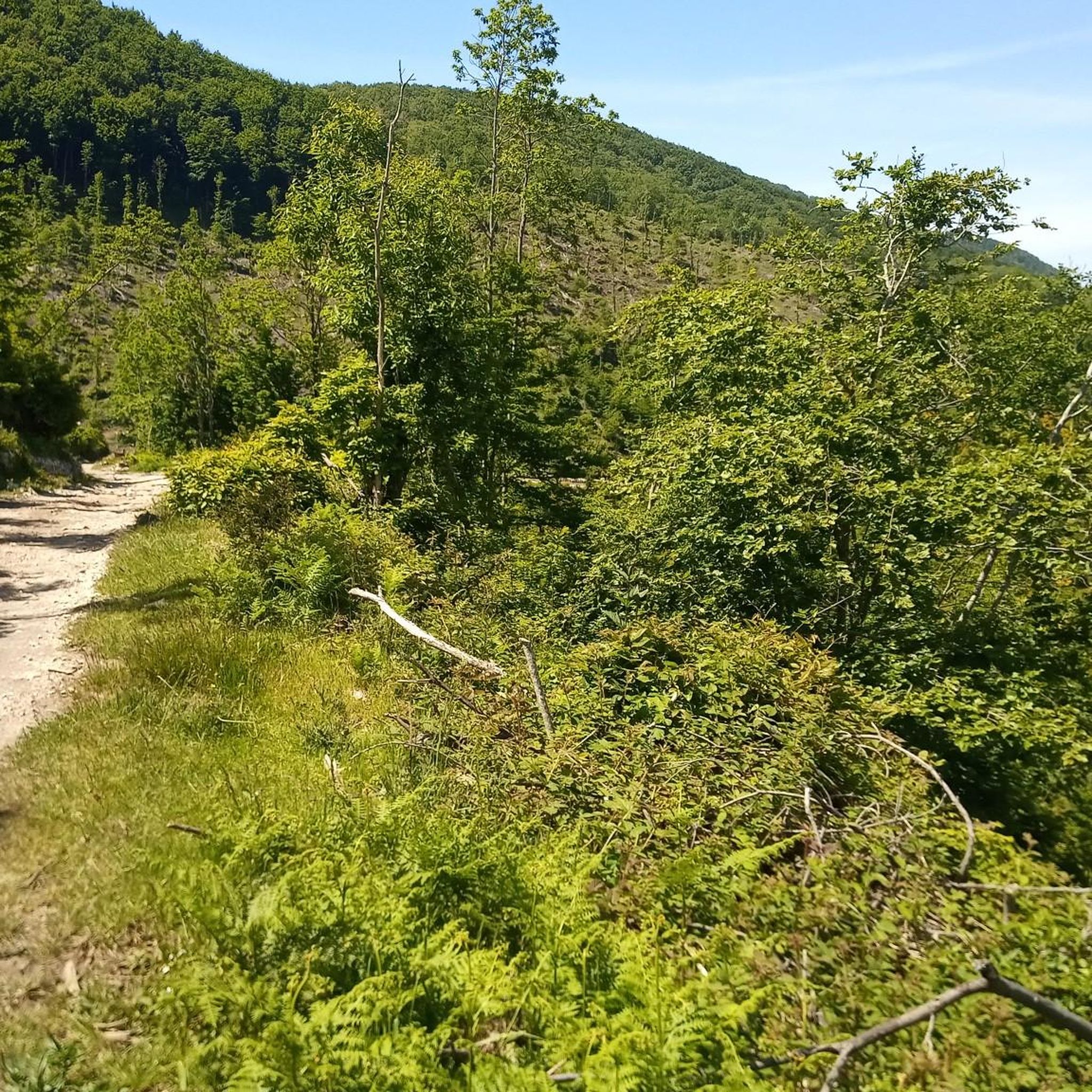
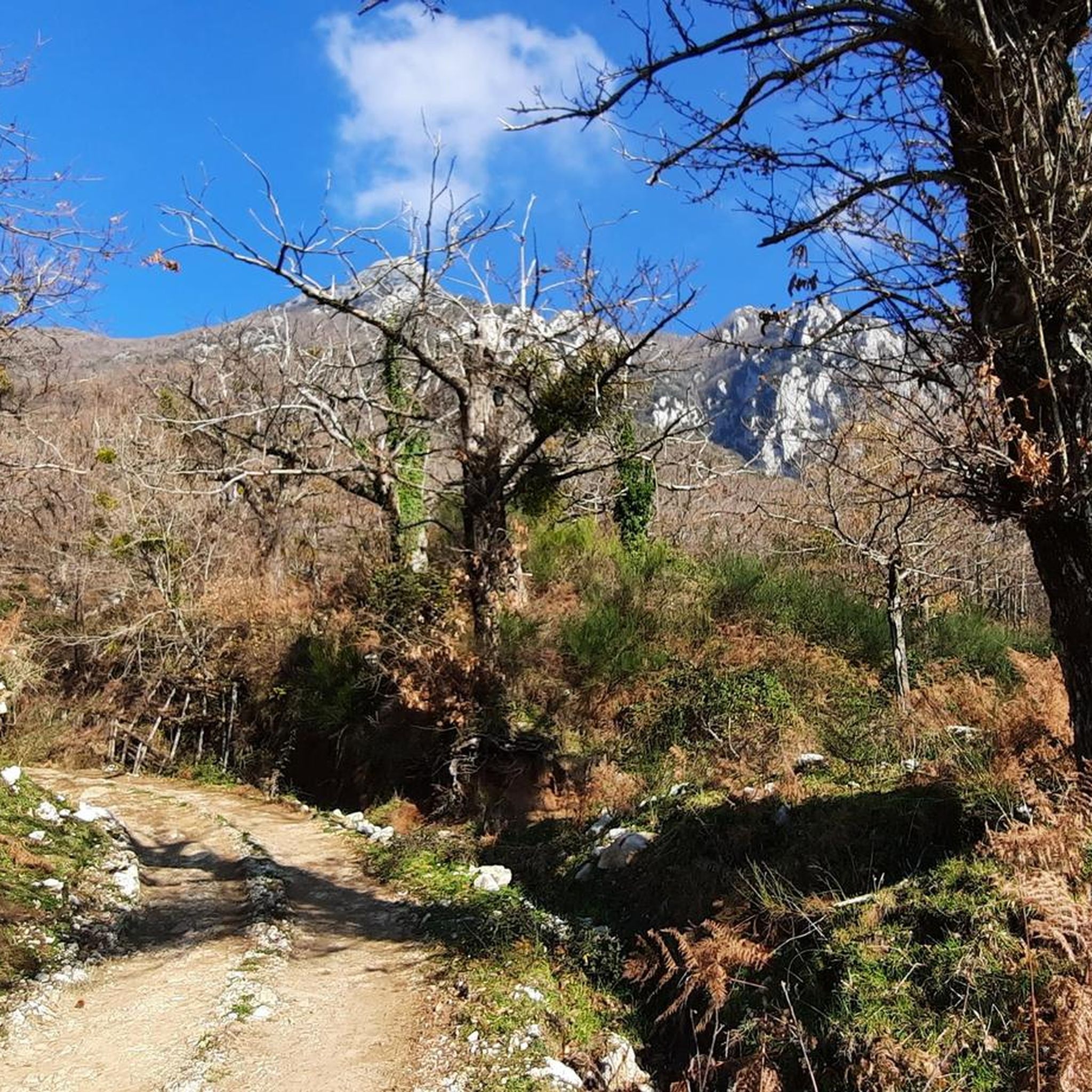

Tips from the Community

Remains of the feudal castle of Serino, complete with boundary walls and access arch. Very suggestive place!
6
0

On the top of a hill full of vegetation, in the locality of Toppola, are the ruins of the Feudal Castle of Serino which, together with the Castle of Orano, constitutes the group of fortifications present in the territory of the municipality. Of the original structure, only the perimeter walls and the ancient chapel, now restored, are visible. According to some sources, the castle was built around 839 AD, as a defensive bulwark for the local inhabitants threatened by the raids of the militias engaged in the dynastic struggles for the succession to the throne of Benevento. However, the current conformation of the castle should date back to 1159, the year in which Costanza Saracena, belonging to the Sanseverino family, elected Serino as the capital of her feud. The structure is accessed through two suggestive arched doors that mark the passage along the three short ramps that once led to the main entrance. After the last door, you come across the Sanctuary dedicated to the Madonna delle Grazie which today includes the private chapel with a bell tower, once located near the residence of the feudal lord. With the loss of its defensive function, the castle suffered the neglect of time and was gradually abandoned. The ruins of the building, with the adjoining restored church, are now well kept, inserted within a highly suggestive natural setting, in which the centuries-old linden tree in front of the church makes a fine show.
18
0

The Feudal Castle is located on top of the Serino hill. It is inserted in a wooded environment, very luxuriant. Unfortunately a large part of the fortress is in a state of abandonment.
1
0

Very suggestive and definitely challenging track in some passages but, overall, beautiful and fun. Final destination: the Montella Castle which can only be visited by reservation.
5
0
This path leads from the Terminio to the castle of Montella. It winds through beech and chestnut groves. Pay attention to some particularly challenging sections.
16
0

The castle of Grottolella built in 1083 on a pre-existing Lombard stronghold in control of the old village of Grottolella
1
0

Located on a hill on the slopes of Mount Pergola, the castle was part of an important defensive complex. It consisted of a series of walls that surrounded the hill turning it into a fortified point.
1
0

Nice stop before arriving in Banzano going up from Borgo
4
0
Frequently Asked Questions
What types of historical structures can I explore around Sorbo Serpico?
The area around Sorbo Serpico features a mix of historical structures, including significant ruined castles and a historic palace. You can visit sites like the San Pantaleone Sanctuary and the Lombard Castle of Montoro, which offers ruins of a Longobard Castle, or the Feudal Castle of Serino with its ancient perimeter walls. Additionally, the region is home to the ruins of Castel Serpico, a Lombard *castrum*, and the historic Brancaccio Palace, a 17th-century baronial residence.
Are there any castles that offer scenic viewpoints?
Yes, several castles and historical sites provide excellent views. From the San Pantaleone Sanctuary and the Lombard Castle of Montoro, you can admire a beautiful panorama of the hamlets Borgo and Piano Preturo. The Feudal Castle of Serino is also set within a highly suggestive natural environment, offering scenic vistas.
What are the historical origins of the castles in this region?
The castles around Sorbo Serpico have deep historical roots, often dating back to the Lombard period. For example, the Archaeological Park of Castel Serpico preserves the ruins of a Lombard *castrum* from around the 9th century. The Feudal Castle of Serino is believed to have been built around 839 AD as a defensive bulwark, with its current conformation dating to 1159. The Macedonio Castle of Grottolella was built in 1083 on a pre-existing Lombard stronghold.
Can I combine a castle visit with a hike?
Absolutely. Many historical sites are integrated into or accessible via hiking trails. The Archaeological Park of Castel Serpico is situated along a path that winds through picturesque chestnut woods. You can also find hiking routes that lead to castles, such as Trail 142 – Monastery Trail, which leads to the castle of Montella through beech and chestnut groves. For more hiking options, explore the Hiking around Sorbo Serpico guide.
Are there any family-friendly options for visiting castles?
While specific 'family-friendly' designations are not always available for ruins, the scenic paths leading to sites like the Archaeological Park of Castel Serpico through chestnut woods can be enjoyable for families. The easy 4.3 km hike to The Feudal Castle of Serino is also a good option for families looking for a less strenuous activity.
What kind of natural features can I expect to see near the castles?
The castles are often nestled within beautiful natural settings. You'll find picturesque chestnut and beech woods, especially along trails leading to sites like Castel Serpico and the castle of Montella via Trail 142 – Monastery Trail. The Feudal Castle of Serino is also set within a highly suggestive natural environment.
Are there any challenging trails to reach the castles?
Yes, some trails can be challenging. For instance, Trail 142 – Monastery Trail, which leads to the castle of Montella, is described as a challenging path with some particularly demanding sections. If you're looking for more challenging outdoor activities, you can explore the MTB Trails around Sorbo Serpico or Hiking around Sorbo Serpico guides for routes with varying difficulty levels.
Can I visit Brancaccio Palace, and what makes it unique?
Brancaccio Palace, also known as the 'Baronial Palace,' is a significant historical building in Sorbo Serpico, dating back to the early 17th century. While not a castle in the traditional sense, it offers a glimpse into the aristocratic life of the region. It's distinguished by its architectural details, including a remarkable carved stone entrance and historical engravings inside. Visits to Brancaccio Palace can typically be arranged by reservation.
What do visitors appreciate most about the castles around Sorbo Serpico?
Visitors appreciate the profound historical significance of these sites, which offer a tangible link to the Lombard period and the region's feudal past. The scenic locations, often within picturesque chestnut woods, also make them appealing destinations for those interested in both history and nature. The ruins provide a unique atmosphere for exploration and offer beautiful viewpoints.
Are there other outdoor activities available near the castles?
Beyond hiking, the area around Sorbo Serpico offers various outdoor activities. You can find numerous routes for mountain biking and road cycling. For detailed information on trails and routes, check out the MTB Trails around Sorbo Serpico and Road Cycling Routes around Sorbo Serpico guides.
What is the best time of year to visit the castles in Sorbo Serpico?
The region's castles, often set amidst natural landscapes like chestnut woods, are particularly pleasant to visit during spring and autumn. These seasons offer milder temperatures and beautiful foliage, enhancing the experience of exploring the historical sites and their surrounding trails. Summer can also be suitable, though it might be warmer, while winter visits may depend on weather conditions and accessibility to certain ruins.
Is the Macedonio Castle of Grottolella accessible to visitors?
The Macedonio Castle of Grottolella, built on a Lombard stronghold, dominates the old village of Grottolella. While it's a significant historical site, specific visitor access details are best confirmed locally. It offers a historical and scenic experience, overlooking the valley crossed by the San Giulio stream.
Most popular attractions around Sorbo Serpico

Get inspired with the komoot mobile app


Explore more
Looking for the best castles somewhere else? Discover other guides around Sorbo Serpico:
