Top 14 Castles around Palomonte
Castles around Palomonte offer insight into the region's historical significance and strategic past. The area is characterized by its mountainous terrain and valleys, where ancient fortifications were strategically placed. These structures, some dating back to the Longobard era, served as defensive strongholds for settlements like Palomonte. Visitors can explore the remnants of these historical sites, which provide a tangible connection to centuries of regional history.
Best castles around Palomonte
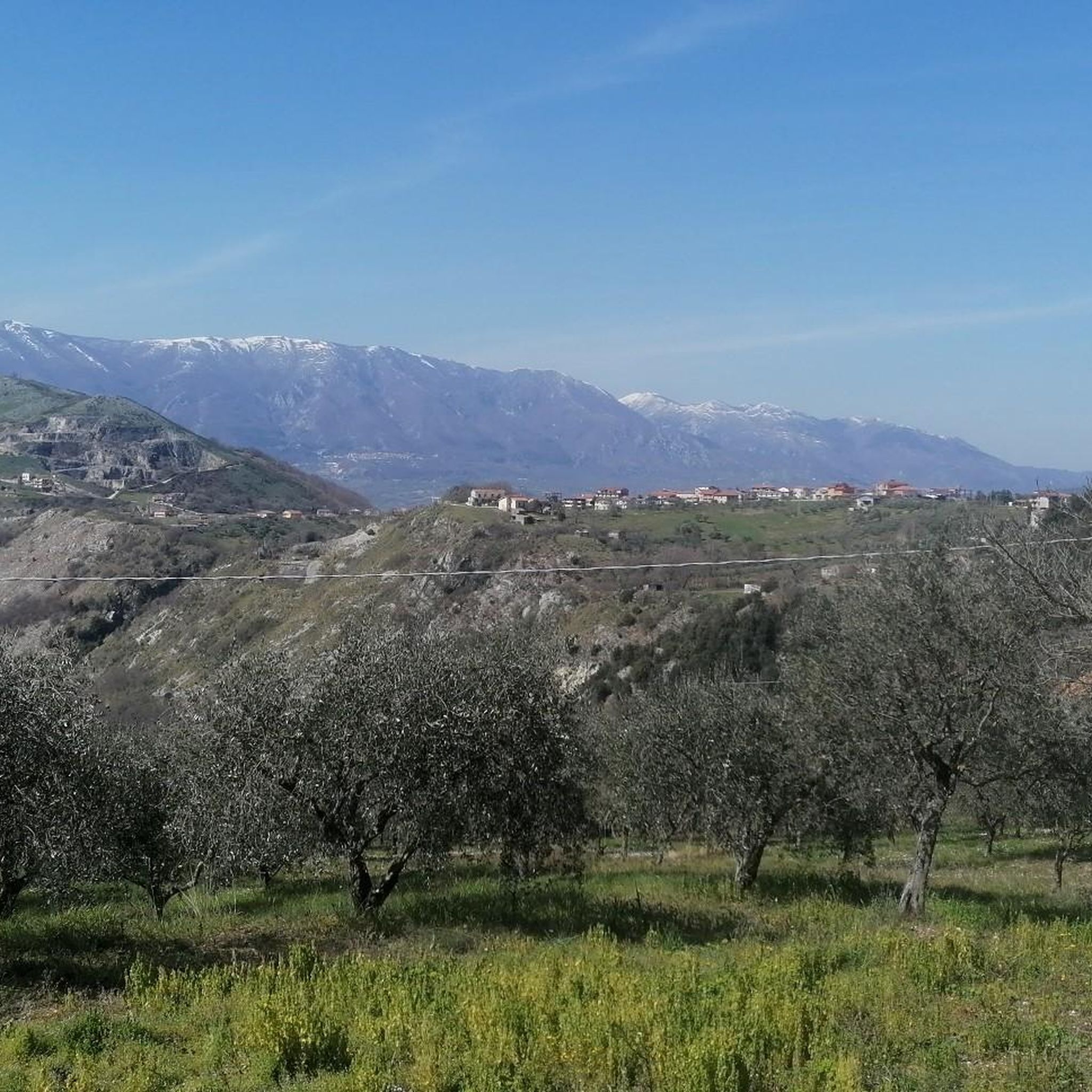
- The most popular castles is Sicignano degli Alburni, a settlement…
Last updated: October 16, 2026
Sicignano degli Alburni
Highlight • Settlement
Translated by Google •
Tip by

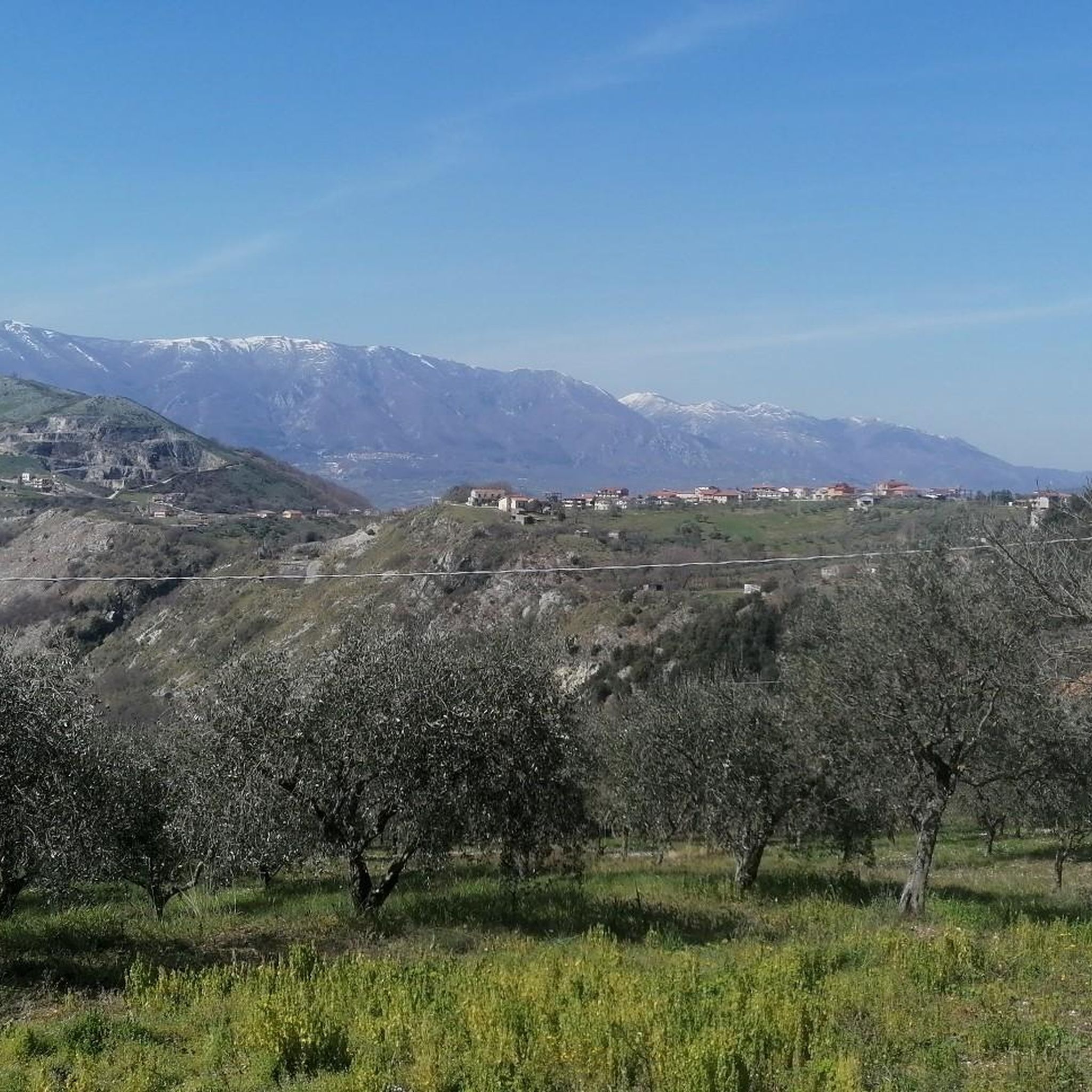
The Castle of Buccino
Highlight • Castle
Translated by Google •
Tip by

Sign up now to discover places like this
Get recommendations on the best single tracks, peaks, & plenty of other exciting outdoor places.
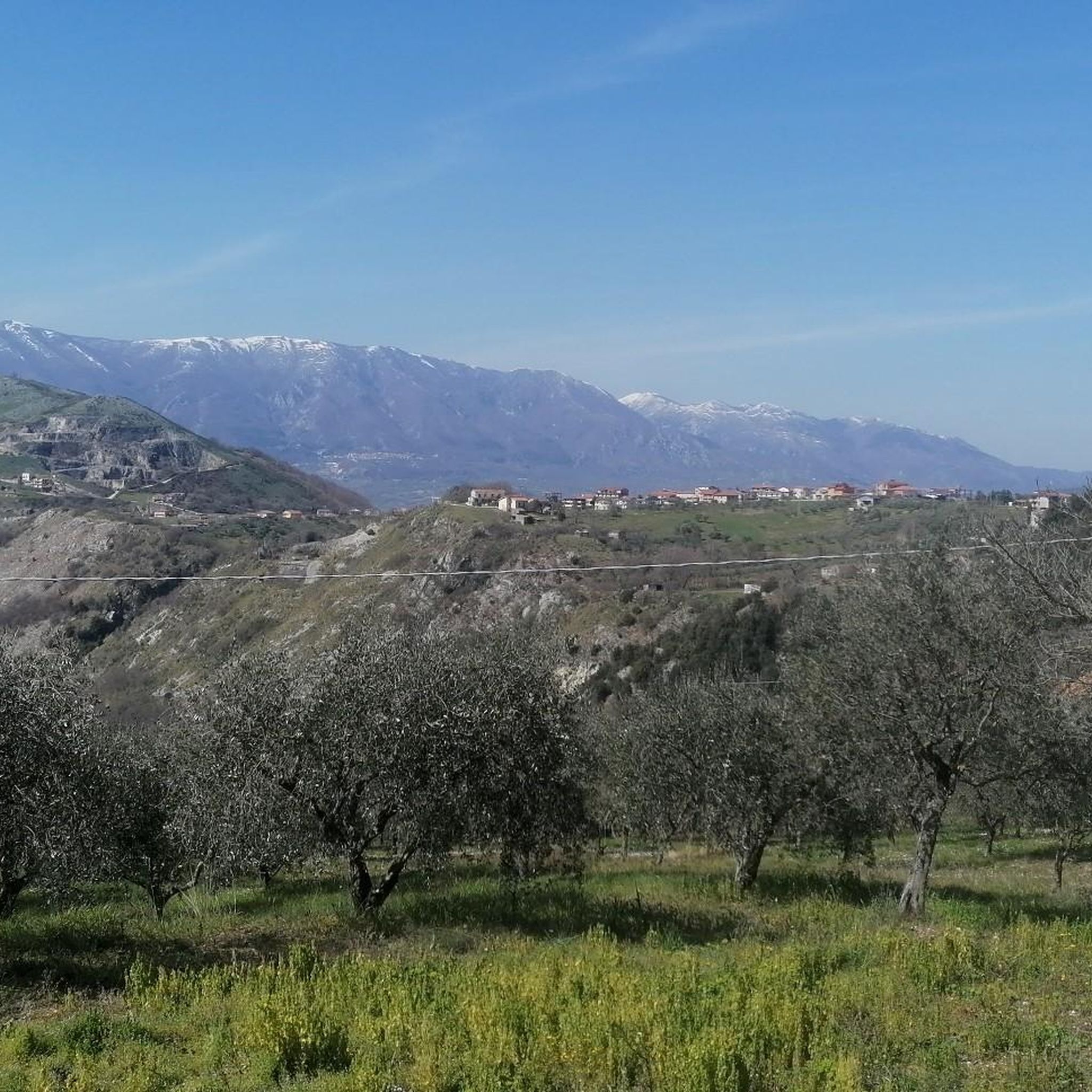
Ruins of the Castle of Senerchia
Highlight • Castle
Translated by Google •
Tip by
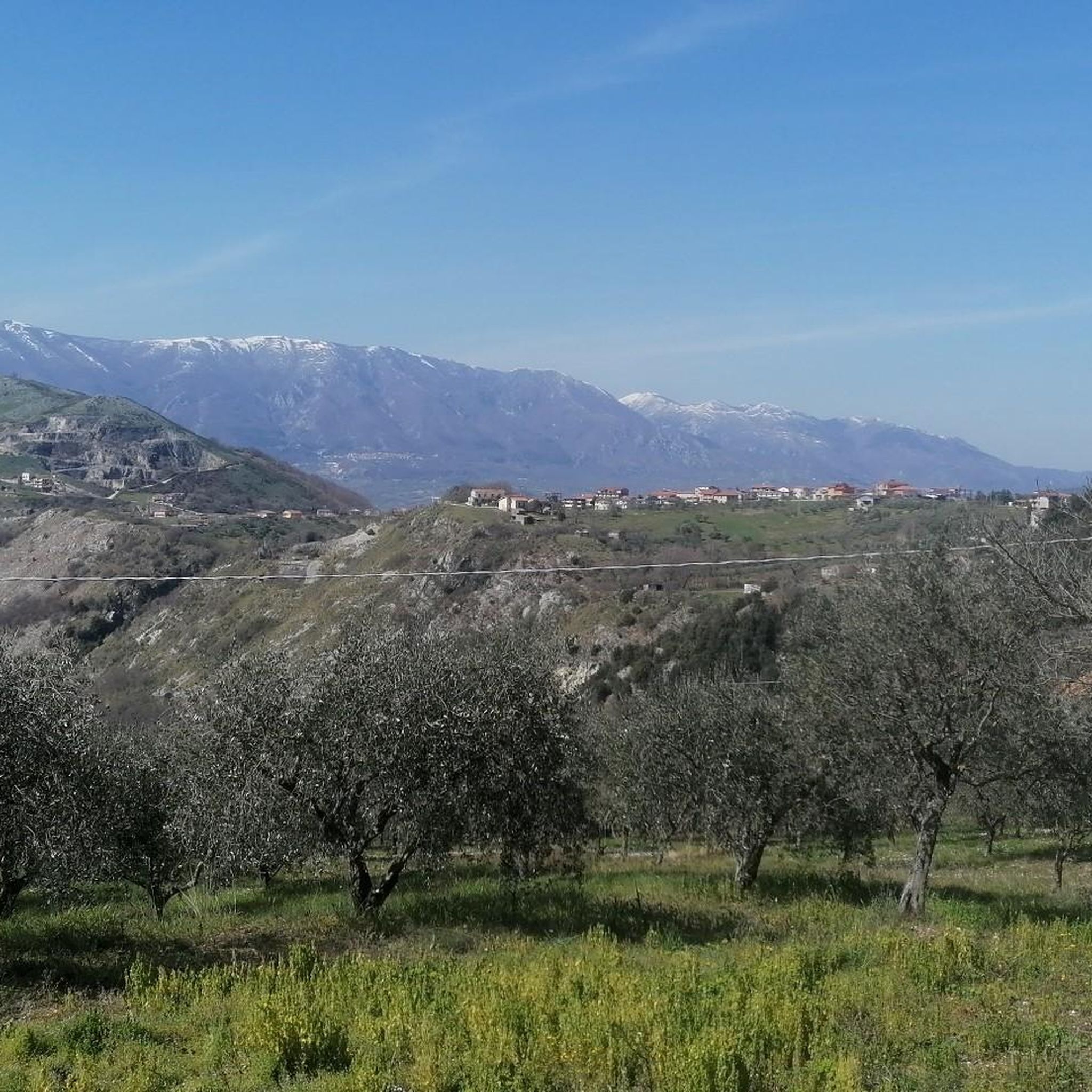
Old Senerchia: the ghost village
Highlight (Segment) • Historical Site
Translated by Google •
Tip by
Fortified Village of Quaglietta
Highlight • Castle
Translated by Google •
Tip by

Sign up for free to discover even more castles around Palomonte.
Already have an account?
Start today with a free account
Your next adventure awaits.
Tips from the Community

Buccino is the ancient Volcei. Worth seeing are the urban archaeological park in the pretty town center and the Norman castle.
0
0

Map of the ancient medieval village of Quaglietta, a small hamlet in the municipality of Calabritto.
11
0
Some of the many arches that are a distinctive feature of the medieval village of Quaglietta.
15
0
Coat of arms of the hamlet of Quaglietta.
14
0
Some glimpses of the alleys that cross the medieval village of Quaglietta.
13
0
The beautiful and unique medieval village of Quaglietta built entirely of stone.
22
0
Coat of arms of the medieval village of Quaglietta.
21
0
Fortified village of Quaglietta, located in the territory of the municipality of Calabritto, hosts a castle which according to legend was born as a military garrison, a Lombard organizational and defensive work, certainly favored by its strategic position on the rocky outcrop on which it stands, in the center of the Valley. The fort created a barrier against the attacks of the Saracens who, heading towards the internal areas, landed between Paestum and Salerno, and going up the Sele river, carried out raids and devastation also in the Valley. In reference to the origins of the Castle, it is assumed, given the findings in other neighboring locations which have more or less similar history, that it dates back to the medieval period. Today, few traces remain of the original layout of the castle, which stands majestically , to defend the ancient Salerno-Siponto road which in the Middle Ages led pilgrims to the Sanctuary of San Michele on the Gargano. The castle was incorporated into the Ultra Principality in 1807. The structure has a quadrilateral plan, with the fourth side being somewhat irregular, and is structured around a courtyard, onto which the feudal residence overlooks.
21
0
Frequently Asked Questions
What kind of historical sites can I expect to see around Palomonte?
The region around Palomonte is rich in Longobard fortifications, medieval castles, and fortified villages. You'll find remnants of ancient defensive structures that offer a glimpse into centuries of regional history, such as the historic Castello di Palomonte and the Ruins of the Castle of Senerchia.
Are the castles around Palomonte well-preserved or mostly ruins?
Many of the castles are in various states of ruin, reflecting their age and historical events. For example, the Castello di Palomonte was severely damaged by the 1980 Irpinia earthquake, with only masonry remains visible. Similarly, the Ruins of the Castle of Senerchia and The Castle of Buccino are largely ruins, though Buccino has undergone restoration. However, places like Sicignano degli Alburni retain many medieval features within its settlement.
What makes the Castello di Palomonte worth visiting, even in its ruined state?
Despite its ruined state, the Castello di Palomonte offers significant historical value. It was an ancient Longobard fortification, strategically built on a prominent hill to guard the village and valley. Visiting provides a tangible connection to Palomonte's past and the various dominations the village experienced. The path to reach the castle is also an easy hiking trail, making the journey enjoyable.
Are there any castles near Palomonte that offer panoramic views?
Yes, many castles in the region were built for strategic defense and offer excellent views. The Ruins of the Castle of Senerchia, located on Monte Croce, dominates the entire valley. The Castello di Palomonte also provided views over the village and the valley below due to its prominent hill position.
What is the best time of year to visit the castles around Palomonte?
While specific seasonal information for all castles isn't available, generally, spring and autumn offer pleasant weather for exploring historical sites and enjoying the surrounding landscapes. These seasons avoid the intense heat of summer and the colder, potentially wetter conditions of winter, making outdoor exploration more comfortable.
Are there any family-friendly options among the castles or nearby historical sites?
Exploring the historical villages and castle ruins can be an engaging activity for families interested in history. The easy hiking trail to the Castello di Palomonte could be suitable for families. Additionally, the settlement of Sicignano degli Alburni, with its medieval features, offers a historical experience within the Cilento, Vallo di Diano and Alburni National Park that families might enjoy.
Can I combine a visit to the castles with outdoor activities like hiking or cycling?
Absolutely. The region around Palomonte is ideal for combining historical exploration with outdoor activities. There are numerous cycling and mountain biking routes nearby. For cycling, you can explore routes like the 'Piazza San Vito loop' or 'Historic Center of Colliano – Castello d'Ayala-Valva loop.' For mountain biking, consider the 'Palazzo Rosapepe XVII sec. loop' or 'Castello Normanno loop.' You can find more details on these and other routes in the Cycling around Palomonte and MTB Trails around Palomonte guides.
Are there any specific recommendations for footwear when visiting the castle ruins?
Yes, for sites like the Ruins of the Castle of Senerchia, sturdy shoes are suggested, especially for the demanding last stretch. Similarly, when visiting Old Senerchia: the ghost village, trekking shoes are recommended due to the terrain.
What is the 'ghost village' of Old Senerchia and how is it related to the castles?
Old Senerchia is what remains of the ancient medieval inhabited center, founded between the 8th and 9th centuries near the Ruins of the Castle of Senerchia. Life in this village largely stopped after the devastating 1980 earthquake, leaving it with deep, evident cracks. It's a poignant historical site that shows the impact of natural disasters on ancient settlements.
Is there a fortified village near Palomonte that I can explore?
Yes, the Fortified Village of Quaglietta is a beautiful and unique medieval village built entirely of stone. It hosts a castle that served as a Lombard military garrison, strategically positioned on a rocky outcrop. You can explore its quadrilateral plan and courtyard, which once housed the feudal residence.
What is the significance of Sicignano degli Alburni in the context of castles?
Sicignano degli Alburni is a small town where the Giusso Castle and its surrounding villages (Fontanella, Rupa, and San Matteo) still retain many medieval features. It offers a genuine leap into history and is part of the Cilento, Vallo di Diano and Alburni National Park, combining historical interest with natural beauty.
Are there any castles that show architectural evolution over time?
The Castle of Buccino is a prime example. Although in ruins, its restoration has preserved architectural elements that reveal its chronological and functional evolution from a 12th-century baronial castle, possibly with Roman origins, through Swabian and Angevin periods, up to its gradual abandonment and later reoccupation.
Most popular attractions around Palomonte

Get inspired with the komoot mobile app


Explore more
Looking for the best castles somewhere else? Discover other guides around Palomonte:
