Top 8 Castles around Giffoni Sei Casali
Best castles around Giffoni Sei Casali offers a journey through historical structures and ancient hamlets. While traditional castles are less common, the area features significant historical sites, including fortified palaces and castle ruins. These landmarks provide insights into the region's past, from Lombard influences to noble families. Giffoni Sei Casali is characterized by its six historical villages, preserving a rich architectural and cultural heritage.
Best castles around Giffoni Sei Casali
- The most popular castles is San Pantaleone Sanctuary and the…
Last updated: June 30, 2026
The Castle of Mercato San Severino
Highlight (Segment) • Castle
Simple excursion, however trekking shoes are recommended.
Translated by Google •
Tip by

San Pantaleone Sanctuary and the Lombard Castle of Montoro
Highlight • Historical Site
Translated by Google •
Tip by

Sign up now to discover places like this
Get recommendations on the best single tracks, peaks, & plenty of other exciting outdoor places.
Sign up for free
Feudal Castle
Highlight • Castle
Translated by Google •
Tip by

View of Terravecchia Castle
Highlight • Viewpoint
Translated by Google •
Tip by
Medieval Village of Terravecchia
Highlight (Segment) • Historical Site
Translated by Google •
Tip by
Sign up for free to discover even more castles around Giffoni Sei Casali.
Sign up for free
Already have an account?
Start today with a free account
Your next adventure awaits.
Login or Signup
Tips from the Community

The castle of Mercato San Severino, the second largest in Italy, was founded after 1067 by the Norman knight Turgisio Sanseverino, to whom Robert Guiscard granted the ancient city of Rota as a fief. Its current appearance dates primarily to the Angevin period. The settlement was defended by three sets of walls, with a palatium, a parade ground, and other areas. (Source: Wikipedia)
0
0

Remains of the feudal castle of Serino, complete with boundary walls and access arch. Very suggestive place!
6
0

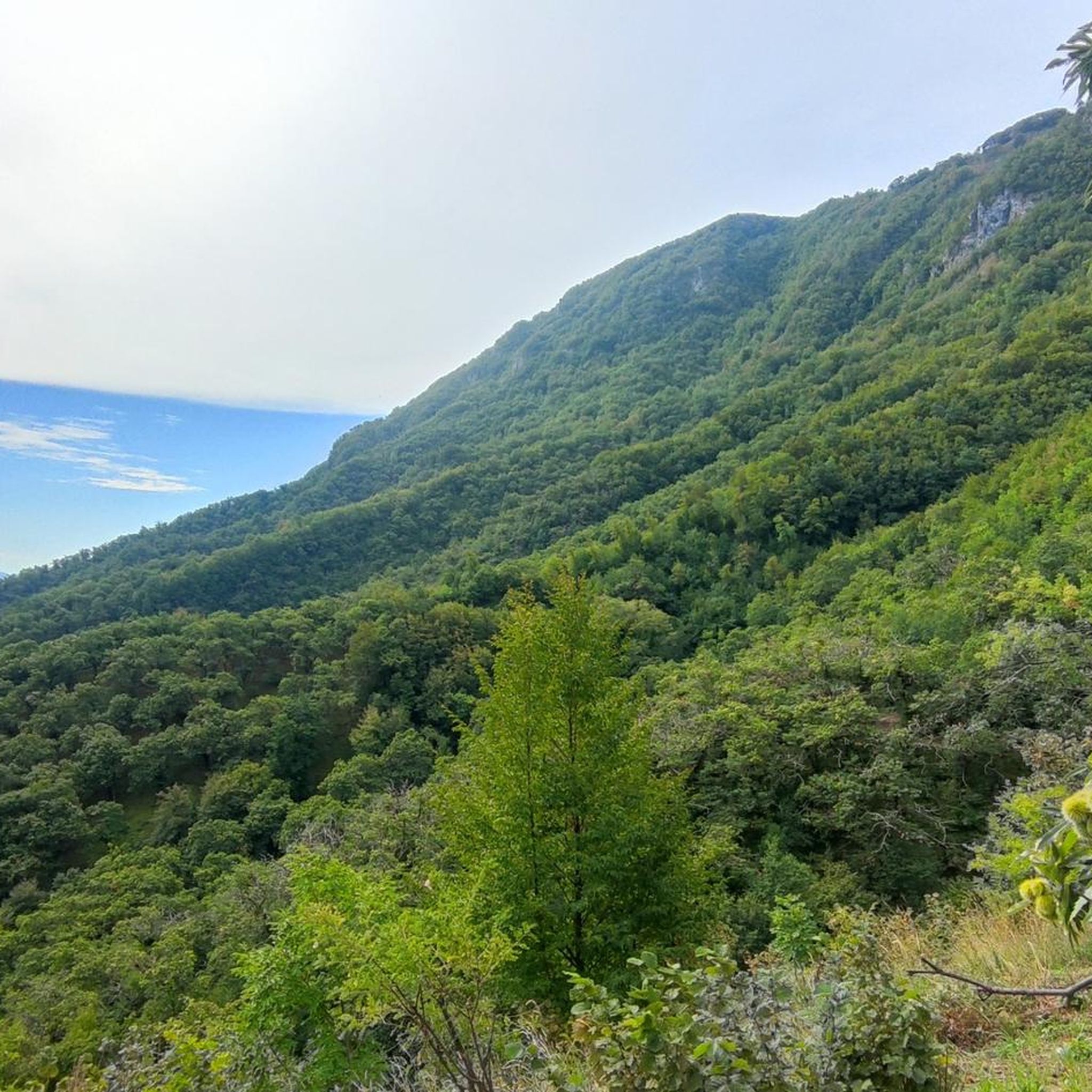
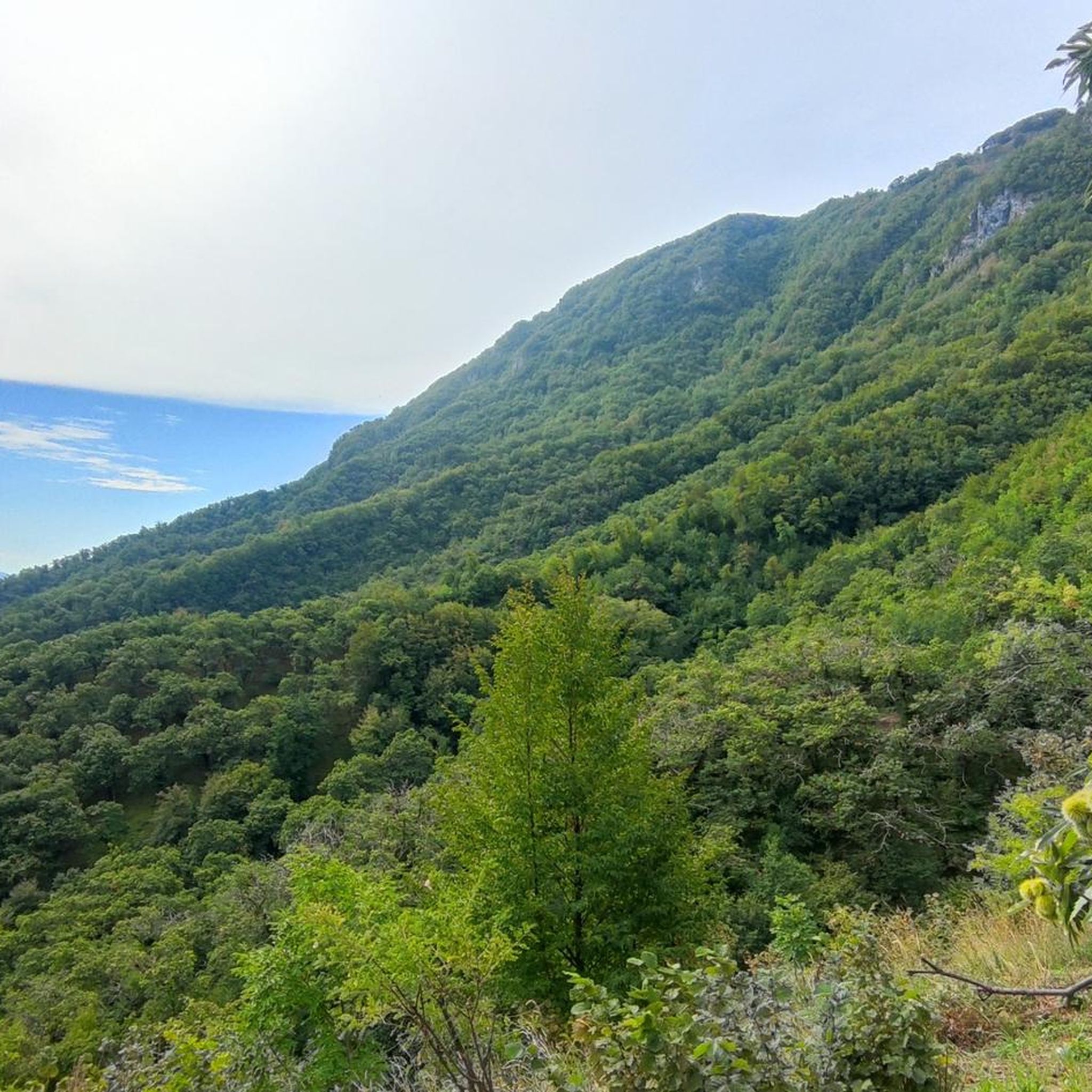
On the top of a hill full of vegetation, in the locality of Toppola, are the ruins of the Feudal Castle of Serino which, together with the Castle of Orano, constitutes the group of fortifications present in the territory of the municipality. Of the original structure, only the perimeter walls and the ancient chapel, now restored, are visible. According to some sources, the castle was built around 839 AD, as a defensive bulwark for the local inhabitants threatened by the raids of the militias engaged in the dynastic struggles for the succession to the throne of Benevento. However, the current conformation of the castle should date back to 1159, the year in which Costanza Saracena, belonging to the Sanseverino family, elected Serino as the capital of her feud. The structure is accessed through two suggestive arched doors that mark the passage along the three short ramps that once led to the main entrance. After the last door, you come across the Sanctuary dedicated to the Madonna delle Grazie which today includes the private chapel with a bell tower, once located near the residence of the feudal lord. With the loss of its defensive function, the castle suffered the neglect of time and was gradually abandoned. The ruins of the building, with the adjoining restored church, are now well kept, inserted within a highly suggestive natural setting, in which the centuries-old linden tree in front of the church makes a fine show.
18
0

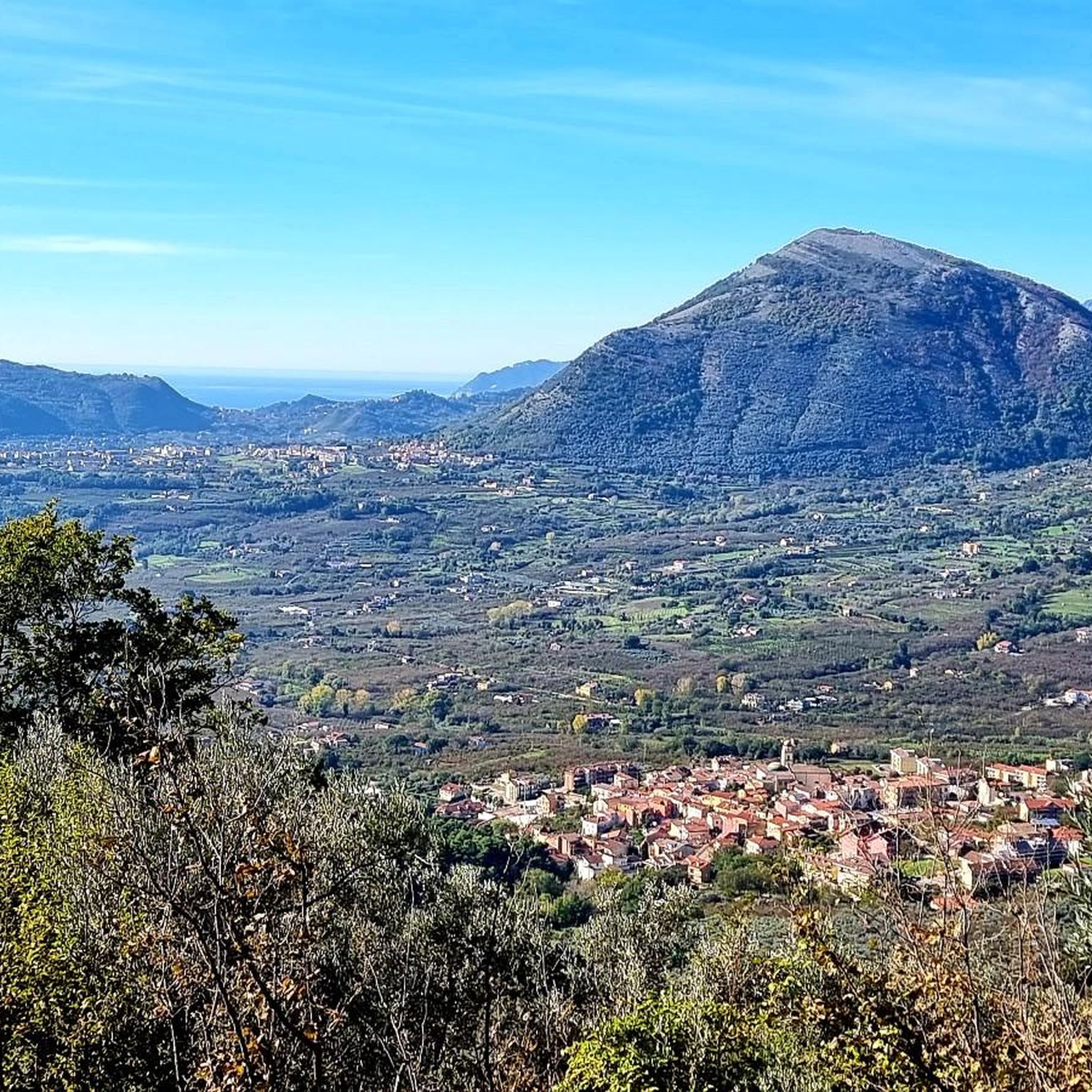
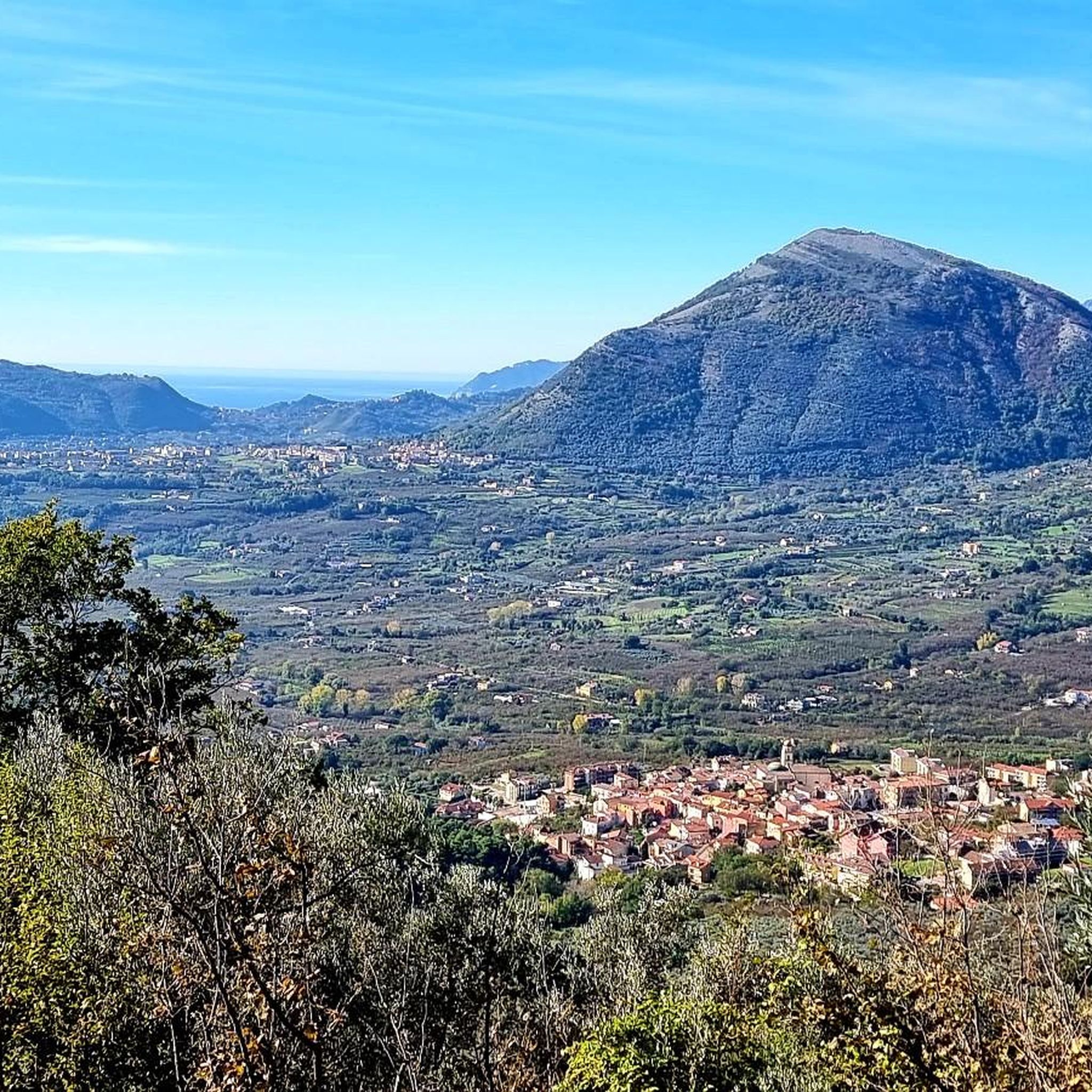
A small historical jewel, the medieval village of Terravecchia, surrounded by a thick belt of olive groves, stands out in the Picentina Valley with its castle and centuries-old walls. It has just 51 souls, but its life has its roots in very remote times, in the ancient pre-Christian era when the area was settled by the Picentini. From 1000 onwards the village saw an exponential development; around the Castle the feud grew energetically, with shops, cisterns, warehouses, churches (that of Sant'Egidio and San Leone) and palaces. Cobbled streets and winding alleys look like a real capillary network and still today they shape and outline the center. The mule track leads to the castro which, restored in 1240 by Frederick II of Swabia, became a hunting lodge. The village abandoned since the end of the eighteenth century. after the D'Avalos family, today it has found vitality again, thanks to a huge restoration work. The historic houses, which have become venues for conferences, meetings and places of art, are authentically unique, confirming the richness of the local heritage. https://fondoambiente.it/luoghi/borgo-di-terravecchia-giffoni-valle-piana?ldc https://www.prolocogiffonivallepiana.it/borgo-e-castello-medievale-di-terravecchia/
5
0

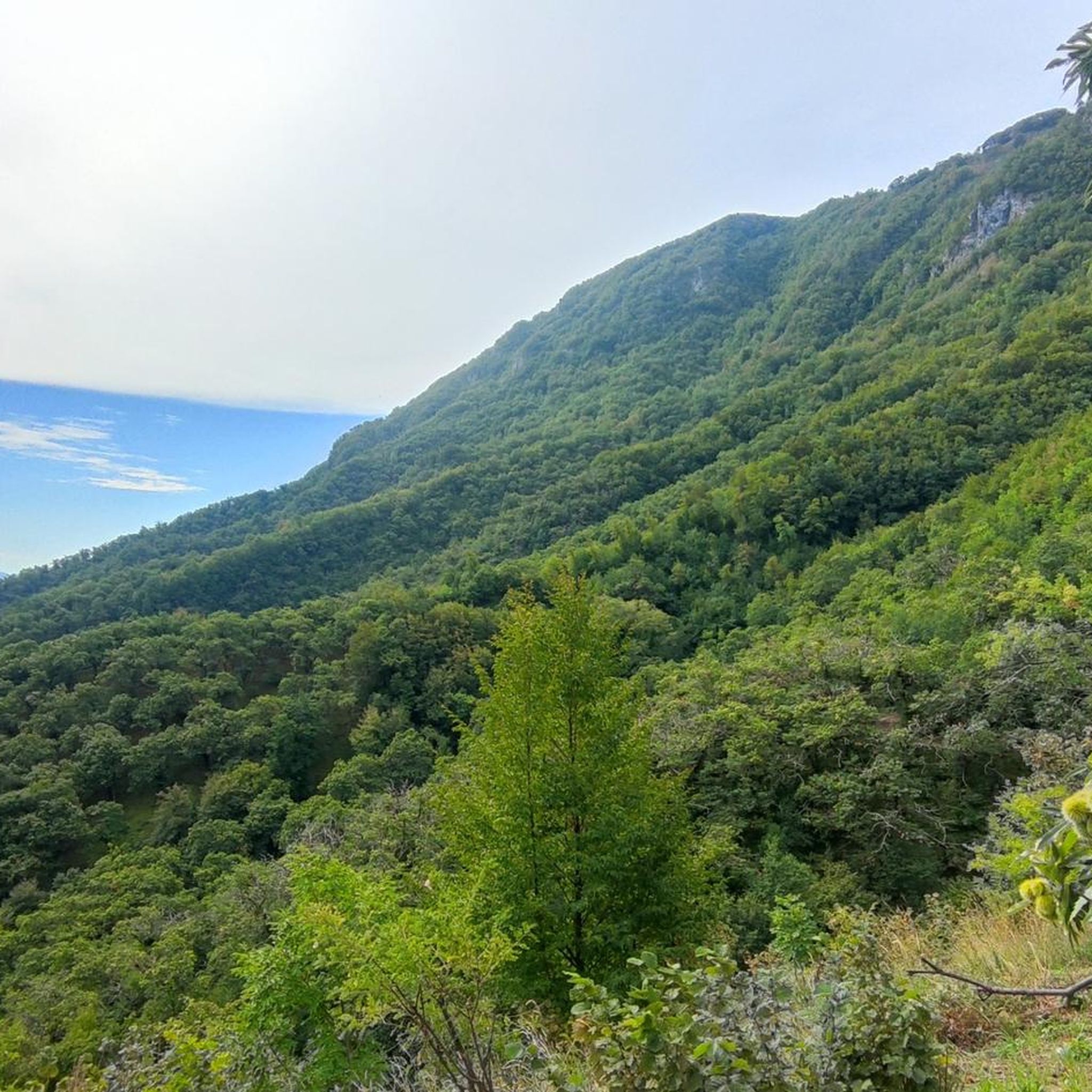
The Feudal Castle is located on top of the Serino hill. It is inserted in a wooded environment, very luxuriant. Unfortunately a large part of the fortress is in a state of abandonment.
1
0
https://it.wikipedia.org/wiki/Castello_di_Mercato_San_Severino Simple excursion, however trekking shoes are recommended.
1
0
The castle dates back to the 12th century but was certainly built on a pre-existing Roman garrison dating back to 146 BC. It dominates the village with its walls of which the first, crenellated and well preserved, winds for over 200 meters with various stretches of crenellated curtains with slits and 14 towers. After the fall of the Roman Empire, Terravecchia was forgotten until 1240 when Frederick II of Swabia king of Sicily made it his residence for a period probably equal to one year, but only after having ordered a substantial restoration. after which the castle assumed the double function, just as the Swabian ruler had wanted, of castrum but also of domus or residence and ideal dwelling especially for hunting. The Castle and the walls are currently the subject of a major recovery and renovation work and it is from the walls that you can enjoy a magnificent view of both the surrounding valley and the mountains but also, in the most clear, of the sea.
6
0

Nice stop before arriving in Banzano going up from Borgo
4
0
Frequently Asked Questions
What kind of historical sites can I expect to find in Giffoni Sei Casali?
Giffoni Sei Casali is rich in historical structures, including fortified palaces, ancient churches, and castle ruins, rather than traditional, fully intact castles. The area is known for its six historical hamlets, each preserving a unique architectural and cultural heritage. You'll find sites like the 14th-century Palazzo Pennasilico, the 16th-century Palazzo Fortunato, and ancient churches such as the Church of Santa Maria del Paradiso (1170) and the Lombard Church of the Santissimo Salvatore (around 1000 AD).
Which historical sites offer the best panoramic views?
For stunning views, consider visiting San Pantaleone Sanctuary and the Lombard Castle of Montoro, where you can admire the hamlets of Borgo and Piano Preturo. Additionally, the View of Terravecchia Castle offers magnificent vistas of the surrounding valley, mountains, and even the sea on clear days from its ancient walls.
Are there any castle ruins to explore in the area?
Yes, the region features several significant castle ruins. The San Pantaleone Sanctuary and the Lombard Castle of Montoro includes the ruins of a Lombard Castle. Another notable site is the Feudal Castle, located on a hill, where you can explore perimeter walls and a restored ancient chapel within a highly suggestive natural setting. The Castello di San Martino Ruins also offers historical remnants to discover.
What is the history behind the castles and historical sites in Giffoni Sei Casali?
The historical sites in Giffoni Sei Casali reflect a rich past, from Lombard influences to noble families. For example, the Feudal Castle is believed to have been built around 839 AD as a defensive bulwark, with its current conformation dating back to 1159. The View of Terravecchia Castle, dating to the 12th century, was built on a pre-existing Roman garrison and even served as a residence for Frederick II of Swabia for a period. These sites offer insights into the region's strategic importance and architectural evolution over centuries.
Are there family-friendly historical sites or activities near Giffoni Sei Casali?
While specific 'family-friendly' designations for castles aren't provided, exploring the historical hamlets (Casali) themselves, such as Casale Capitignano or Casale Malche, can be a pleasant family activity, offering a glimpse into ancient village life. The ruins of the Feudal Castle, with its natural setting and restored chapel, could also be an interesting visit for families who enjoy exploring historical outdoor sites.
What outdoor activities can I do near these historical sites?
The area around Giffoni Sei Casali is excellent for outdoor activities. You can find numerous routes for hiking, running, and cycling. For hiking, explore trails like the 'Pizzo San Michele and Monte Mai Loop' or the 'F1, F2, and F3 Trails Loop'. Runners might enjoy the 'Pizzo San Michele Loop Trail'. Cyclists have options such as the 'View of the Port of Salerno – View of the Gulf of Salerno loop'. You can find more details on these activities in the Hiking around Giffoni Sei Casali, Running Trails around Giffoni Sei Casali, and Cycling around Giffoni Sei Casali guides.
What is the best time to visit the historical sites and castles in Giffoni Sei Casali?
The best time to visit historical sites and engage in outdoor activities in Giffoni Sei Casali is generally during spring and autumn. The weather is typically milder and more pleasant for exploring ruins, walking through hamlets, and enjoying the surrounding nature. Summer can be quite warm, while winter might bring cooler temperatures, though many sites remain accessible year-round.
Are there any large or well-preserved castles in the vicinity?
The most prominent and relatively well-preserved castle in the vicinity is The Castle of Mercato San Severino. Founded after 1067, its current appearance largely dates to the Angevin period. It is a large complex featuring three sets of walls, a palatium, and a parade ground, making it a significant historical landmark to explore.
What should I wear when visiting these historical sites?
When visiting the historical sites and castle ruins, comfortable trekking shoes are highly recommended, especially for sites like The Castle of Mercato San Severino or the Castello di San Martino Ruins, which may involve uneven terrain or steps. Dress in layers, as weather conditions can change, particularly if you plan to explore outdoor ruins or viewpoints.
Can I find cafes or restaurants near the historical sites?
While specific cafes directly adjacent to every ruin are not guaranteed, the historical hamlets (Casali) that make up Giffoni Sei Casali, such as Casale Capitignano and Casale Malche, often have local eateries, cafes, and restaurants where you can enjoy traditional cuisine and refreshments. Exploring these villages will likely lead you to suitable options.
Are there any hidden gems among the historical sites in Giffoni Sei Casali?
Beyond the more prominent ruins, the true hidden gems of Giffoni Sei Casali are often found within its ancient hamlets and their lesser-known historical buildings. Exploring the narrow streets of Casale Capitignano or Casale Malche, you might discover charming frescoed rooms in palaces like Palazzo Cingolo, or ancient churches with unique architectural details, offering a deeper dive into the region's authentic past.
What historical facts are notable about the castles in the Giffoni Sei Casali area?
The castles and historical sites in this area boast a rich history. For instance, the View of Terravecchia Castle, though dating to the 12th century, was built on a Roman garrison from 146 BC. It was later restored by Frederick II of Swabia in 1240, serving as both a castrum and a royal residence. The Feudal Castle, while in ruins, is thought to have origins as early as 839 AD, highlighting its role in medieval defense.
Most popular routes around Giffoni Sei Casali
Most popular attractions around Giffoni Sei Casali

Get inspired with the komoot mobile app


Explore more
Looking for the best castles somewhere else? Discover other guides around Giffoni Sei Casali:
