Top 4 Caves around Castiglione Del Genovesi
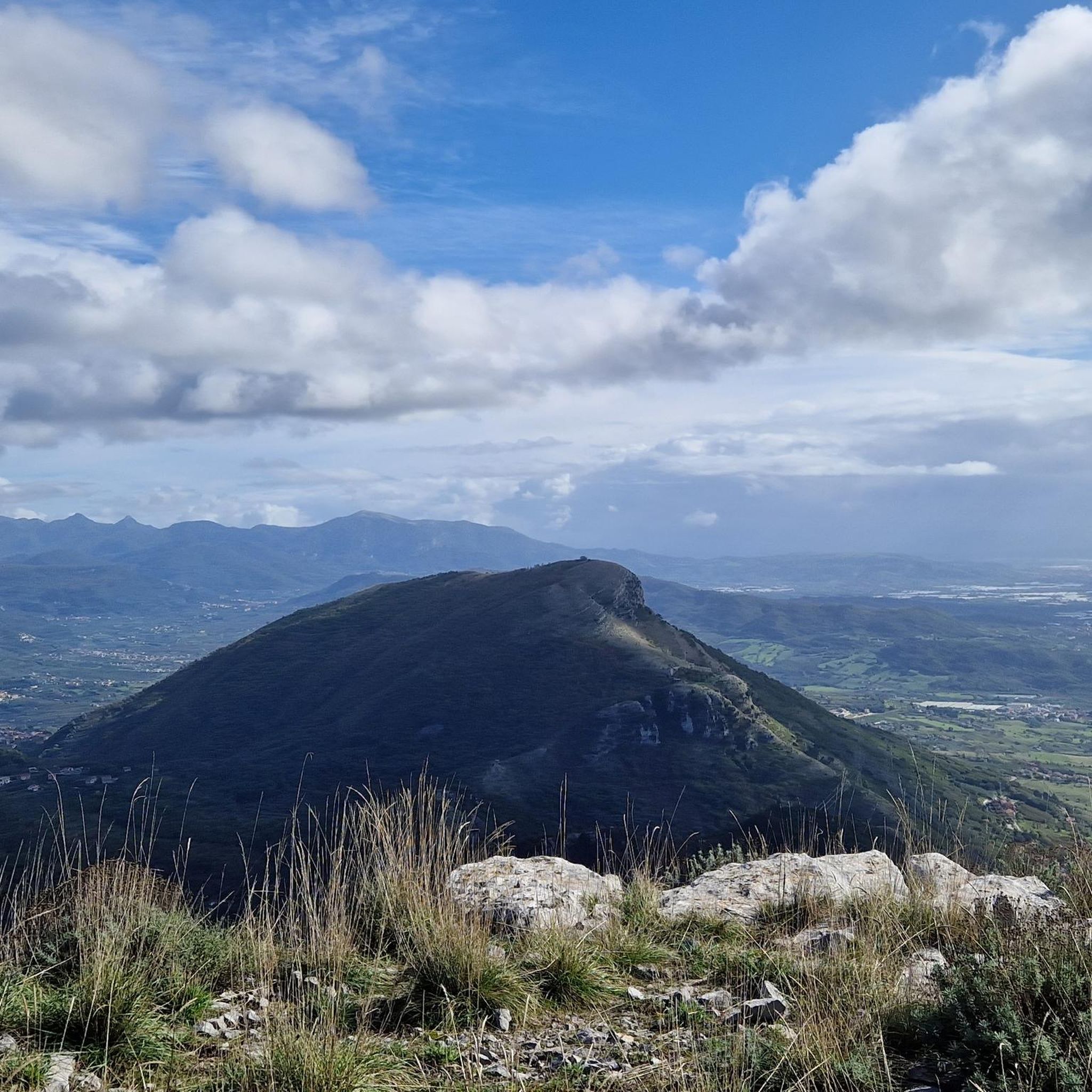
Best caves around Castiglione Del Genovesi are situated in a region known for its mountainous landscape and historical depth. The area, part of the Picentini Mountains, offers natural landmarks and sites with cultural importance. While prominent tourist caves are not directly within the town, the surrounding vicinity features several notable cave systems. These natural formations and historical sites provide insights into the region's geology and past.
Best caves around Castiglione Del Genovesi
- The most popular caves is Hermitage of San…
Last updated: May 18, 2026
Hermitage of San Magno
Highlight • Religious Site
Translated by Google •
Tip by

Grotta di San Salvatore
Highlight • Cave
Translated by Google •
Tip by

Sign up now to discover places like this
Get recommendations on the best single tracks, peaks, & plenty of other exciting outdoor places.
Sign up for free
Ittiolo Mines and Caves
Highlight • Cave
Translated by Google •
Tip by
Route to the Santo Salvatore Cave
Highlight (Segment) • Cave
Translated by Google •
Tip by

Grotticelle Caves
Highlight • Cave
Translated by Google •
Tip by

Start today with a free account
Your next adventure awaits.
Login or Signup
Tips from the Community

The mines for the extraction of ichthyol, a fossil substance from which an ointment with an antiseptic action was obtained, operated in the first half of the twentieth century. Subsequently, the spread of mercury-chromium caused the decline in the use of this precious substance.
10
0

The Hermitage of San Magno is an ancient natural cave located on the mountain of the same name, in which - according to a deep-rooted tradition - the Bishop of Trani San Magno took refuge during his escape from the persecutions of Decius. In fact, it would seem that during his long pilgrimage from Trani to Rome, he stopped at this hermitage which today bears his name, from 220 to 230 AD. Here he would have done the work of catechising the local population, to whom he would have appeared after his death in 251 AD, asking them to build a hermitage in the cave where he had lived. An image of the Saint, believed to be miraculous, is frescoed on the rock wall and dated 1541.
3
0

At the cave also known as San Michele
1
0
Going up Mount Stella from Ogliara (with appropriate trekking clothing and sturdy shoes), following a secondary path, you can reach the Grotta del Santo Salvatore, used as a refuge for shepherds in case of rain. The cave of the Holy Savior, better known as "il Salvatoriello", opens at 750 meters on the northeastern wall of Mount Stella, and houses the ancient structure of a rock church in Byzantine style, clear testimony of the Greek-Oriental monastic settlement . On the back wall of the cave there is a quadrangular basin which still today collects the dripping waters of the rock.
5
0

They are caves of natural origin present on the path that leads to the neviere or to the scorzone. Fantastic place to find shelter in all seasons.
0
0
Very impressive rock church.
7
0
https://www.youtube.com/watch?v=Ww4HZlyie7I Thanks to Alexfly.
7
0
The Hermitage of San Magno is an ancient natural cave located on the homonymous mountain, in which - according to a deep-rooted tradition - the Bishop of Trani San Magno would have taken refuge during his escape from the persecutions of Decius. In fact, it would seem that during his long pilgrimage from Trani to Rome, he stopped on this hermitage that today bears his name, from 220 to 230 AD. Here he would have catechized the local population, to whom he would have appeared after his death in 251 AD, asking to erect a hermitage in the cave where he had lived. An image of the saint, believed to be miraculous, is frescoed on the rock wall and dated 1541.
17
0
Frequently Asked Questions
What types of caves can I explore around Castiglione Del Genovesi?
The area offers a variety of cave experiences. You can visit ancient natural caves with religious significance, such as the Hermitage of San Magno, or explore historical rock churches like the Grotta di San Salvatore. There are also former industrial sites like the Ittiolo Mines and Caves, which provide insight into past extraction activities.
Are there any caves with historical or religious significance in the region?
Yes, several caves hold historical and religious importance. The Hermitage of San Magno is an ancient natural cave where, according to tradition, Bishop San Magno took refuge. It features a frescoed image of the saint. The Grotta di San Salvatore houses a Byzantine-style rock church, testifying to early monastic settlements.
What are the most unique cave experiences near Castiglione Del Genovesi?
For a unique experience, consider the Ittiolo Mines and Caves, which are historical sites where ichthyol was extracted in the early 20th century. These offer a glimpse into industrial history within a natural setting. Additionally, the Hermitage of San Magno provides a blend of natural beauty and religious history.
Are there any family-friendly cave options around Castiglione Del Genovesi?
While specific 'family-friendly' designations are not provided for all caves, sites like the Hermitage of San Magno and Grotta di San Salvatore, being historical and religious sites, can be visited by families interested in culture and nature. Always check accessibility and trail difficulty for younger children before planning your visit.
What natural features can I expect to see in the caves?
The caves around Castiglione Del Genovesi are primarily natural formations within the mountainous landscape of the Picentini Mountains. You can expect to see natural rock walls, ancient concretions, and in some cases, features like the quadrangular basin collecting water in the Grotta di San Salvatore. The Grotticelle Caves are noted for their natural origin and offer shelter.
What outdoor activities can I combine with a visit to the caves?
The region around Castiglione Del Genovesi is excellent for various outdoor activities. You can find numerous road cycling routes, mountain biking trails, and running trails. Many of these routes offer scenic views of the mountainous landscape and can be combined with exploring the caves.
Are there any significant cave systems in the broader Campania region that are worth visiting?
While Castiglione Del Genovesi itself does not have widely recognized tourist caves, the broader Campania region is home to the impressive Pertosa-Auletta Caves (Grotte di Pertosa-Auletta). These are notable for being one of the few cave systems in Europe with a navigable underground river, offering boat tours through extensive chambers and ancient formations.
What do visitors appreciate most about the caves in this area?
Visitors often appreciate the blend of natural beauty and historical significance. The caves offer insights into the region's geology and past, from religious hermitages like the Hermitage of San Magno to historical extraction sites. The komoot community has shared 36 photos and given 10 upvotes, highlighting the appeal of these unique spots.
Are permits required for accessing caves around Castiglione Del Genovesi?
The guide data does not specify permit requirements for the listed caves. For sites like the Hermitage of San Magno or Grotta di San Salvatore, which are historical or religious sites, general access is usually permitted during specific hours. For more adventurous caving in undeveloped areas, it is always advisable to check with local authorities or caving associations for any necessary permits or safety guidelines.
What is the best time to visit the caves around Castiglione Del Genovesi?
The best time to visit generally depends on the weather and your planned activities. The region's mountainous climate means spring and autumn often offer pleasant temperatures for exploring both the caves and nearby trails. Summer can be warm, while winter might bring colder conditions, especially at higher elevations or within the caves themselves.
Are there any caves that offer shelter during hikes?
Yes, the Grotticelle Caves are noted as a fantastic place to find shelter in all seasons, particularly if you are hiking on the path that leads to the neviere or scorzone.
Most popular routes around Castiglione Del Genovesi
Most popular attractions around Castiglione Del Genovesi

Get inspired with the komoot mobile app


Explore more
Extend your search for the best caves by checking out these guides of the top ones around Castiglione Del Genovesi:
