Top 4 Castles around Valstagna
Best castles around Valstagna are found in the surrounding Brenta Valley, a region known for its historical significance as a river and trading port. While Valstagna itself does not feature prominent castles, the area offers a rich landscape of historical sites and natural attractions. The village is characterized by its position alongside the Brenta River and its connection to ancient trade routes. Visitors can explore historical sites and natural features that define this part of the Vicenza province.
Best castles…
Last updated: August 23, 2026
Forte Interrotto
Highlight • Historical Site
Tip by

Monte Lisser Fort
Highlight • Historical Site
Translated by Google •
Tip by

Sign up now to discover places like this
Get recommendations on the best single tracks, peaks, & plenty of other exciting outdoor places.
Sign up for free
Chess Square, Marostica
Highlight • Historical Site
Translated by Google •
Tip by

Fort Tagliata della Scala
Highlight • Historical Site
Translated by Google •
Tip by

Castello Inferiore
Highlight • Castle
The castle, linked to its double by a wall approximately 1800 meters …
Translated by Google •
Tip by

Sign up for free to discover even more castles around Valstagna.
Sign up for free
Already have an account?
Start today with a free account
Your next adventure awaits.
Login or Signup
Popular around Valstagna
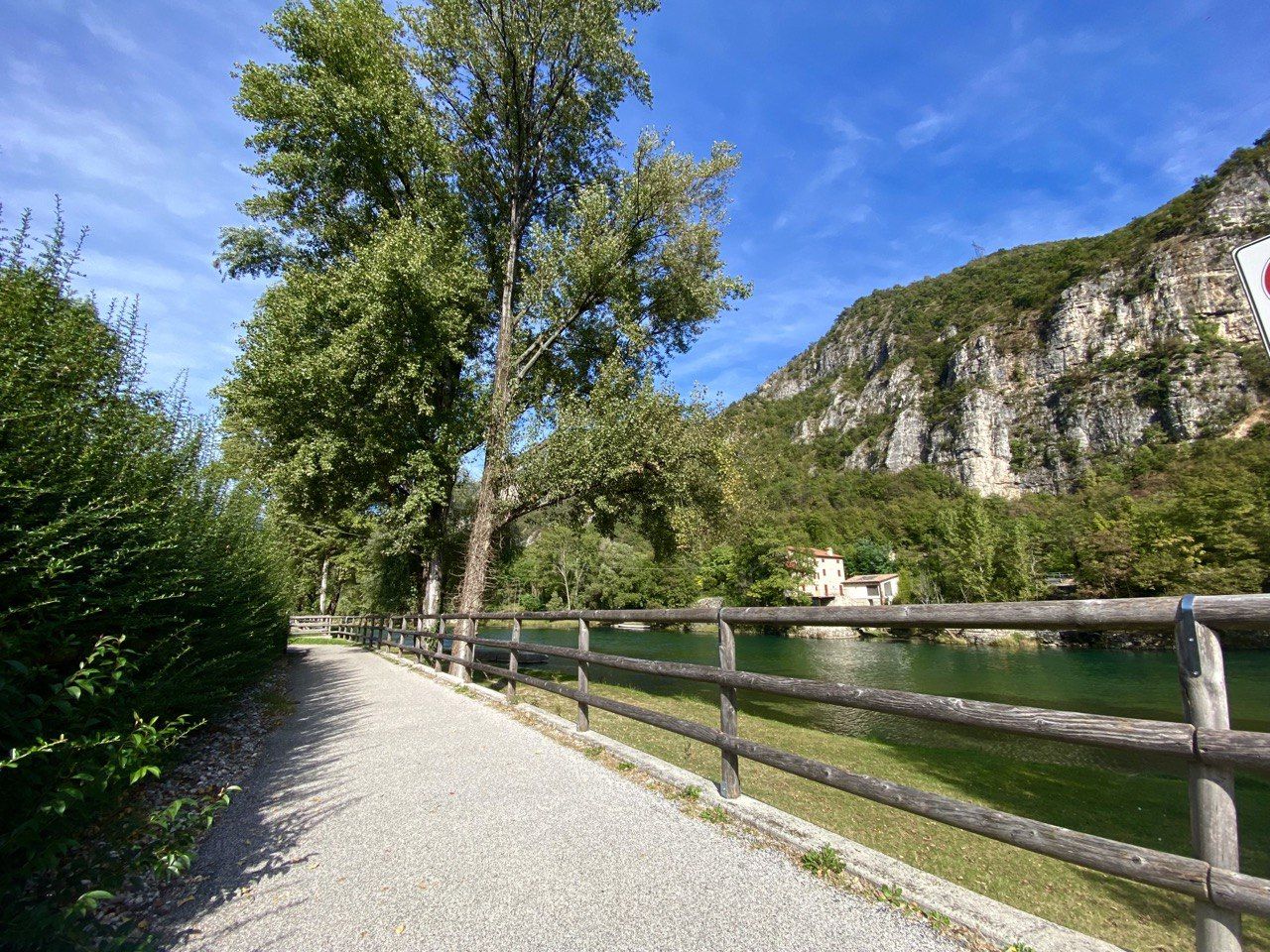
Cycle along Italy’s Brenta river – Brenta Cycle Route
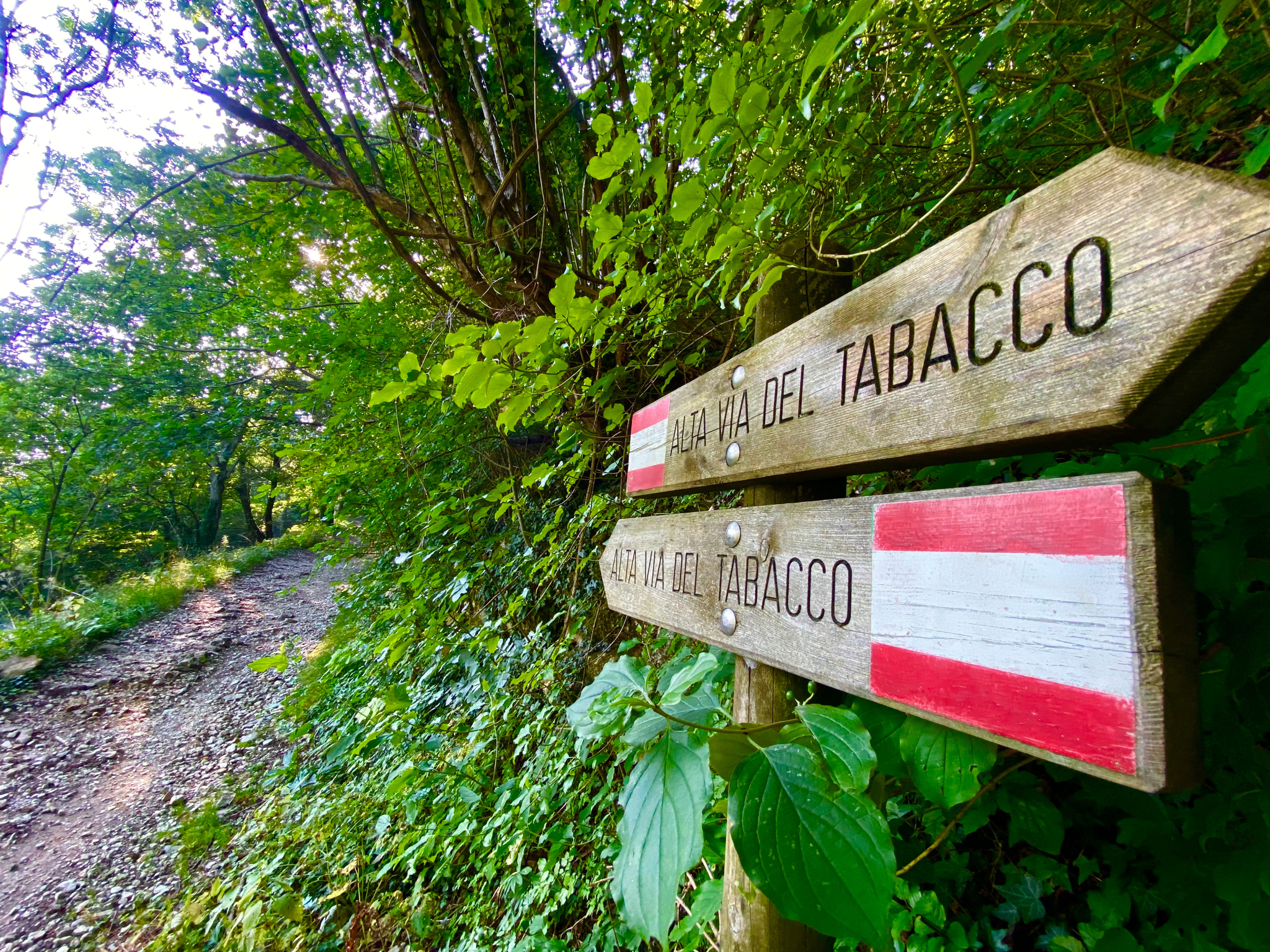
Hike an old smugglers’ road – Alta Via del Tabacco
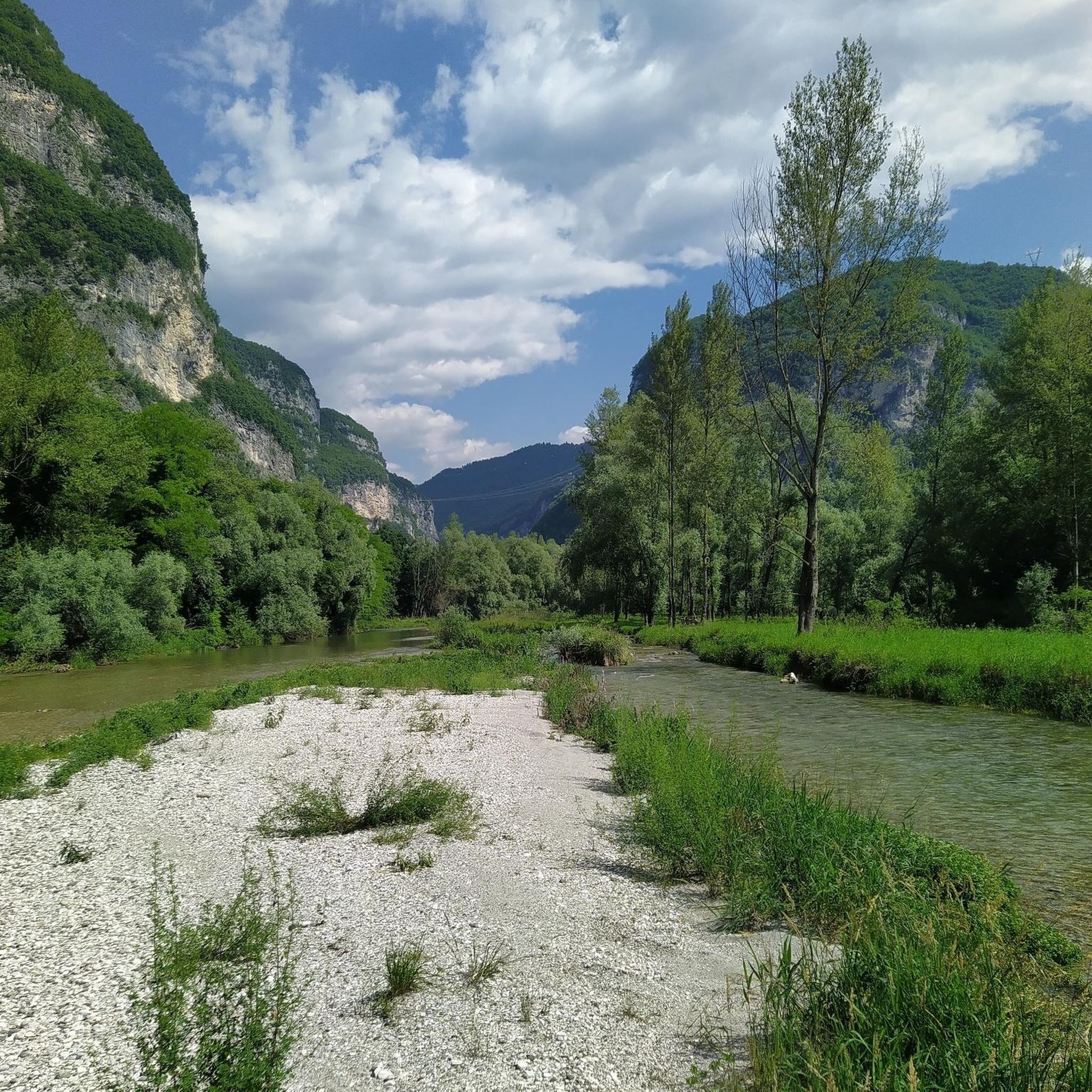
Hiking around Valstagna
Road Cycling Routes around Valstagna
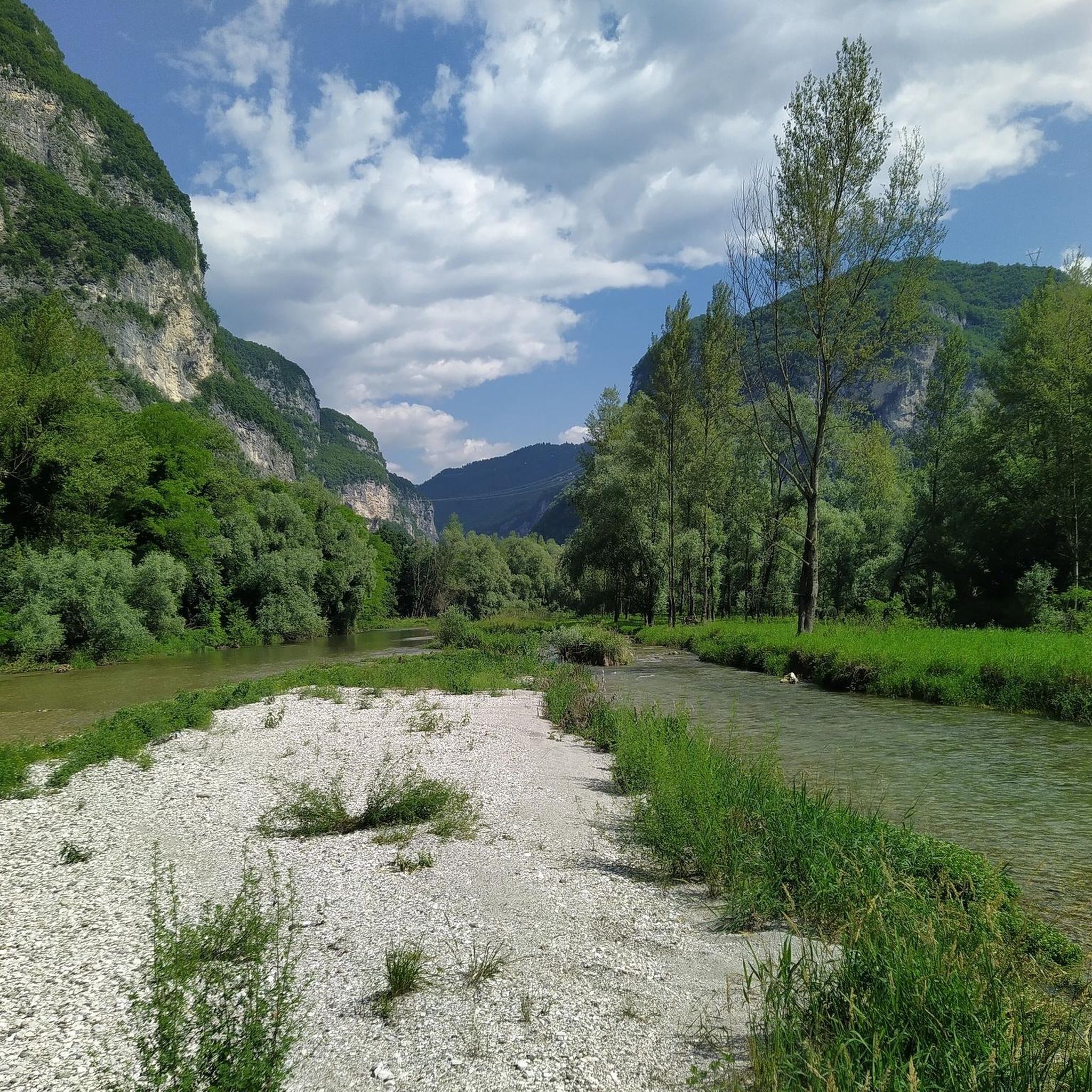
MTB Trails around Valstagna
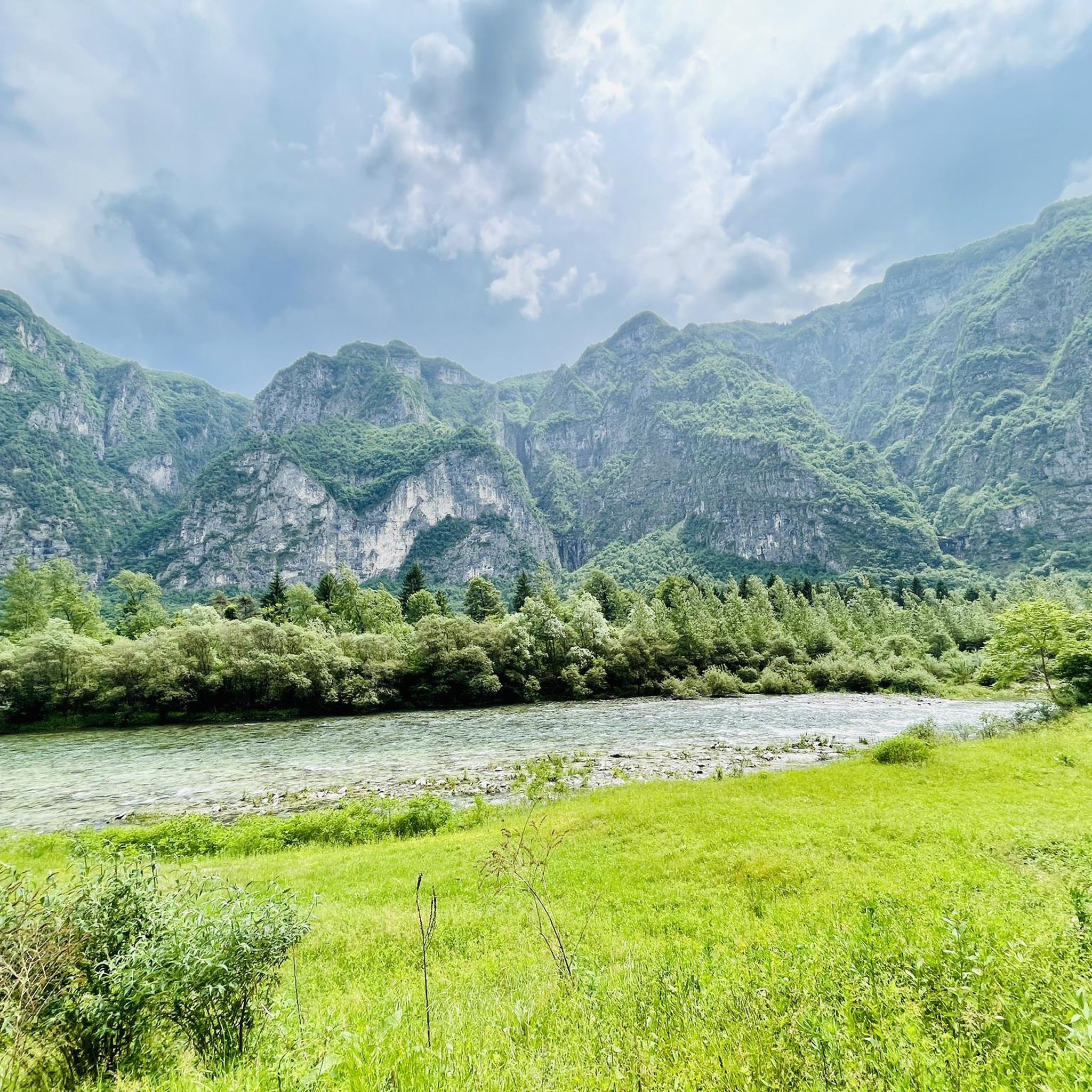
Cycling around Valstagna
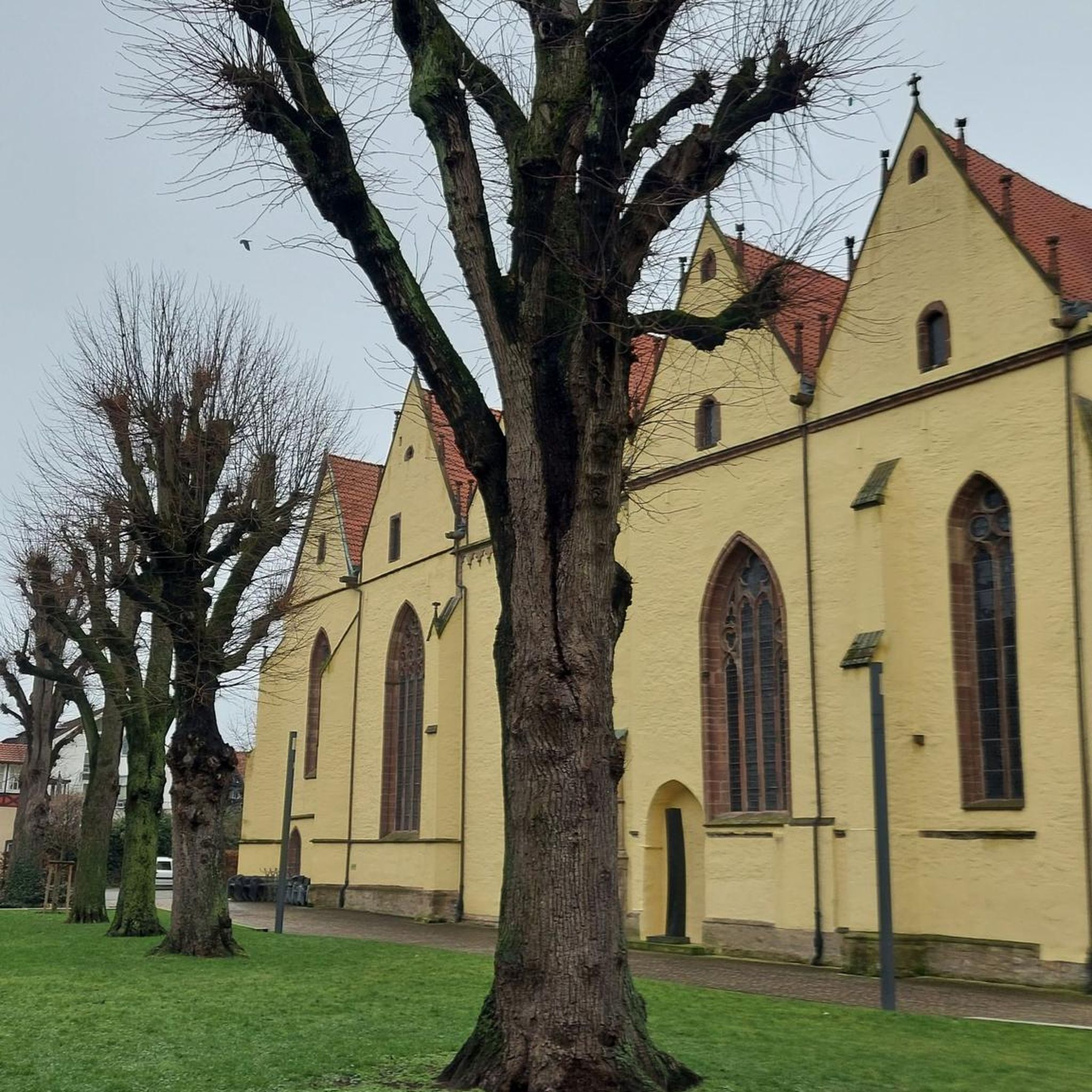
Gravel biking around Valstagna
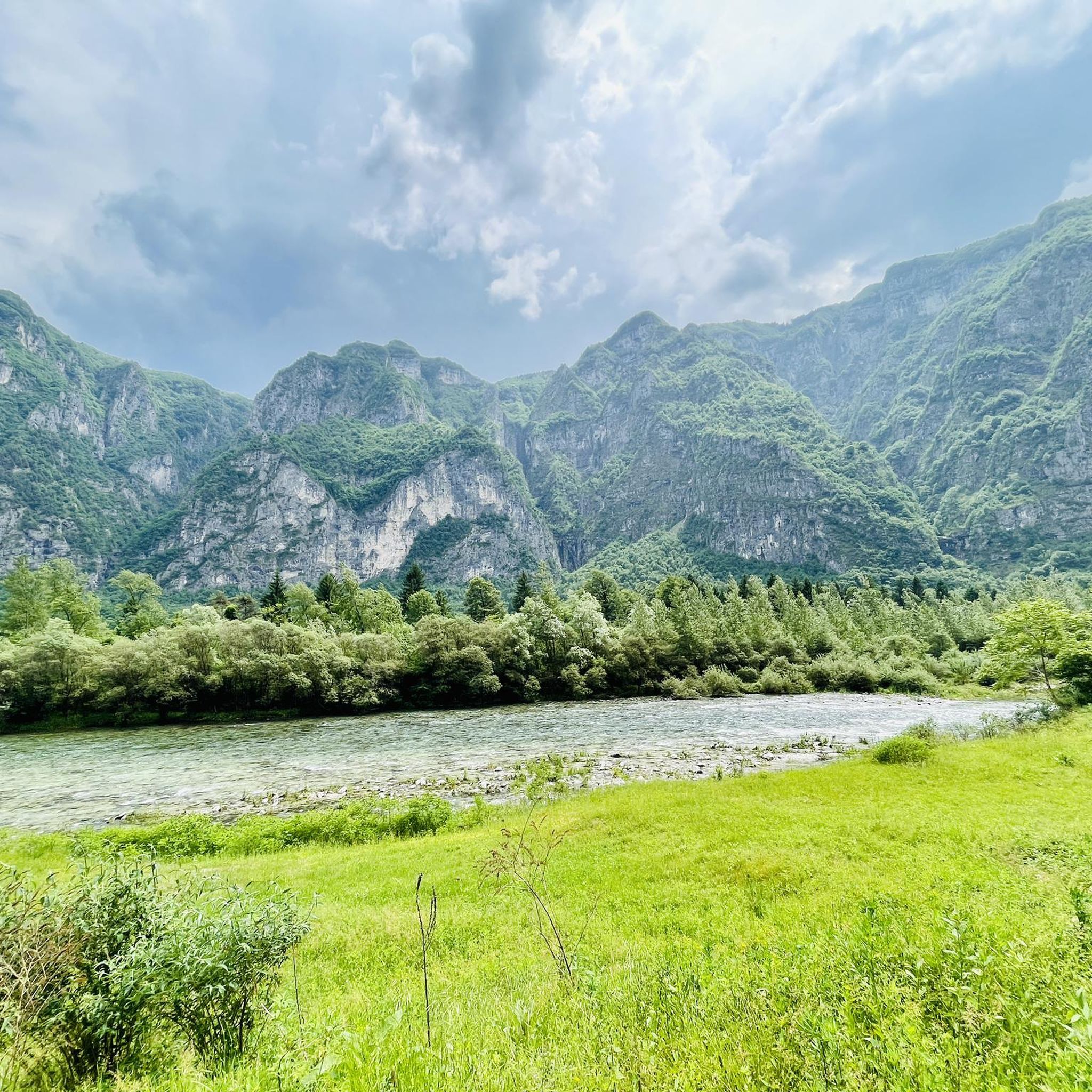
Running Trails around Valstagna

Mountain Hikes around Valstagna

Tips from the Community

Piazza degli scacchi very beautiful
0
0


It has been restored for years and transformed into an eco-museum, absolutely worth a visit.
0
0

You have to concentrate quite a bit on the switchbacks.
0
0

It is a defensive military barracks built in the second half of the 19th century, entirely in stone, which overlooks the town of Camporovere and dominates the entire central basin of the Plateau. From a historical point of view, the Forte Interrotto represents a completely exceptional case. It was in fact born from a military architecture project that still followed late medieval canons, recognizable in the 6 gigantic central arches and in the imposing lateral bastions with 115 positions for riflemen. In 1916 it was occupied by the Austro-Hungarians and transformed into a stronghold of the imperial line.
1
0

Interesting and very panoramic, Forte Lisser, located on the summit of the peak of the same name, can be reached via a comfortable ex-military road with a dirt surface but quite good.
4
0
Frequently Asked Questions
What kind of historical fortifications and castles can I explore near Valstagna?
While Valstagna itself doesn't feature prominent castles, the surrounding Brenta Valley offers a variety of historical fortifications. You can explore military barracks transformed into fortresses like Forte Interrotto and Monte Lisser Fort, both significant from the Great War. For medieval architecture, Castello Inferiore, also known as Marostica Castle, is a notable example.
Are there family-friendly castles or forts to visit near Valstagna?
Yes, several sites are suitable for families. Monte Lisser Fort is categorized as family-friendly and offers a 360-degree panorama. Castello Inferiore (Marostica Castle) is also considered family-friendly and operates as a museum.
What is the historical significance of the forts near Valstagna?
The forts in the Valstagna region, such as Forte Interrotto, Monte Lisser Fort, and Fort Tagliata della Scala, played crucial roles in defending the Italian border, particularly during the First World War. They were built to guard against the Austro-Hungarian Empire and offer insights into early 20th-century military architecture and strategy.
Can I visit the castles and forts year-round, or is there a best season?
The best time to visit the forts and castles near Valstagna is generally during the warmer months, from spring to early autumn. This allows for comfortable exploration of outdoor areas and better access to sites like Monte Lisser Fort, which can be visited by reservation. Winter conditions, especially at higher elevations like Forte Interrotto, may limit accessibility due to snow or ice.
Are there any viewpoints offering scenic views of the castles or surrounding area?
Yes, several locations offer excellent views. Monte Lisser Fort provides a 360-degree panorama of the eastern sector of the Asiago plateau. Additionally, the View of Castello Superiore in Marostica offers a great perspective of the ruined Upper Castle and the town below.
What outdoor activities can I combine with a visit to these historical sites?
The region around Valstagna is excellent for outdoor activities. You can find numerous routes for running, gravel biking, and mountain hiking. Many trails pass by or offer views of historical sites, allowing you to combine physical activity with cultural exploration. For example, the area around Forte Interrotto is popular for hiking.
Are there any less crowded castles or forts to explore near Valstagna?
For a potentially less crowded experience, consider Fort Tagliata della Scala. While historically significant, it is noted for not having seen direct conflict and was abandoned after the rout of Caporetto, which might make it a quieter visit compared to more prominent sites.
What are some other historical sites in the Valstagna area, beyond castles and forts?
Valstagna and the Brenta Valley are rich in history. You can explore the ancient mule track of Calà del Sasso, with its 4,444 steps, historically used for timber transport. The village itself features the Civic Clock Tower from 1707 and unique terraced landscapes known as 'masière,' which are remnants of tobacco cultivation.
What should I pack for a visit to the forts and castles near Valstagna?
Given that many forts are at higher elevations or involve walking, it's advisable to pack comfortable walking shoes, layers of clothing suitable for changing weather, and water. If you plan to explore the interiors of forts or hike around them, a flashlight might be useful. For sites like Monte Lisser Fort, which offers panoramic views, binoculars could enhance your experience.
Are there any specific hiking trails that lead to or around these castles?
Yes, many trails in the region incorporate these historical sites. For instance, the area around Forte Interrotto is a popular destination for hikers. You can find various mountain hiking routes in the Valstagna area that offer opportunities to explore these historical structures and their surroundings.
What makes Castello Inferiore (Marostica Castle) unique?
Castello Inferiore, also known as Marostica Castle, is unique for its medieval origins dating back to 1312, built by Cangrande della Scala. It is famously linked to its twin, the Upper Castle, by an approximately 1800-meter-long wall. Today, it serves as a museum open to the public, offering a glimpse into the region's past.
Can I find cafes or restaurants near the castles and forts?
While the forts themselves are often in more remote, natural settings, you will find cafes and restaurants in nearby towns and villages. For example, Marostica, home to Castello Inferiore, has various dining options. For forts like Forte Interrotto, located near Asiago, you would typically find amenities in the larger towns.
Most popular routes around Valstagna
Most popular attractions around Valstagna

Get inspired with the komoot mobile app


Explore more
Looking for the best castles somewhere else? Discover other guides around Valstagna:
