Top 14 Caves around Valstagna
Best caves around Valstagna are situated in a region characterized by significant karst phenomena, particularly within the Brenta River valley. This area is known for its underground water systems and geological formations, making it a notable destination for cave exploration. The landscape features a mix of river valleys and the slopes of the Sette Comuni plateau, contributing to diverse caving terrain. Valstagna's natural attractions include several cave systems that showcase unique geological features and historical significance.
Best caves around Valstagna
…Last updated: October 3, 2026
Anguane's Cave
Highlight • Cave
Translated by Google •
Tip by

Campolongo Trenches (WW1)
Highlight (Segment) • Historical Site
Translated by Google •
Tip by

Sign up now to discover places like this
Get recommendations on the best single tracks, peaks, & plenty of other exciting outdoor places.
Oliero Caves
Highlight • Cave
Translated by Google •
Tip by

Oliero River, near the Oliero Caves
Highlight • River
Translated by Google •
Tip by

Ernesto Cave
Highlight • Cave
Translated by Google •
Tip by

Sign up for free to discover even more caves around Valstagna.
Already have an account?
Start today with a free account
Your next adventure awaits.
Popular around Valstagna
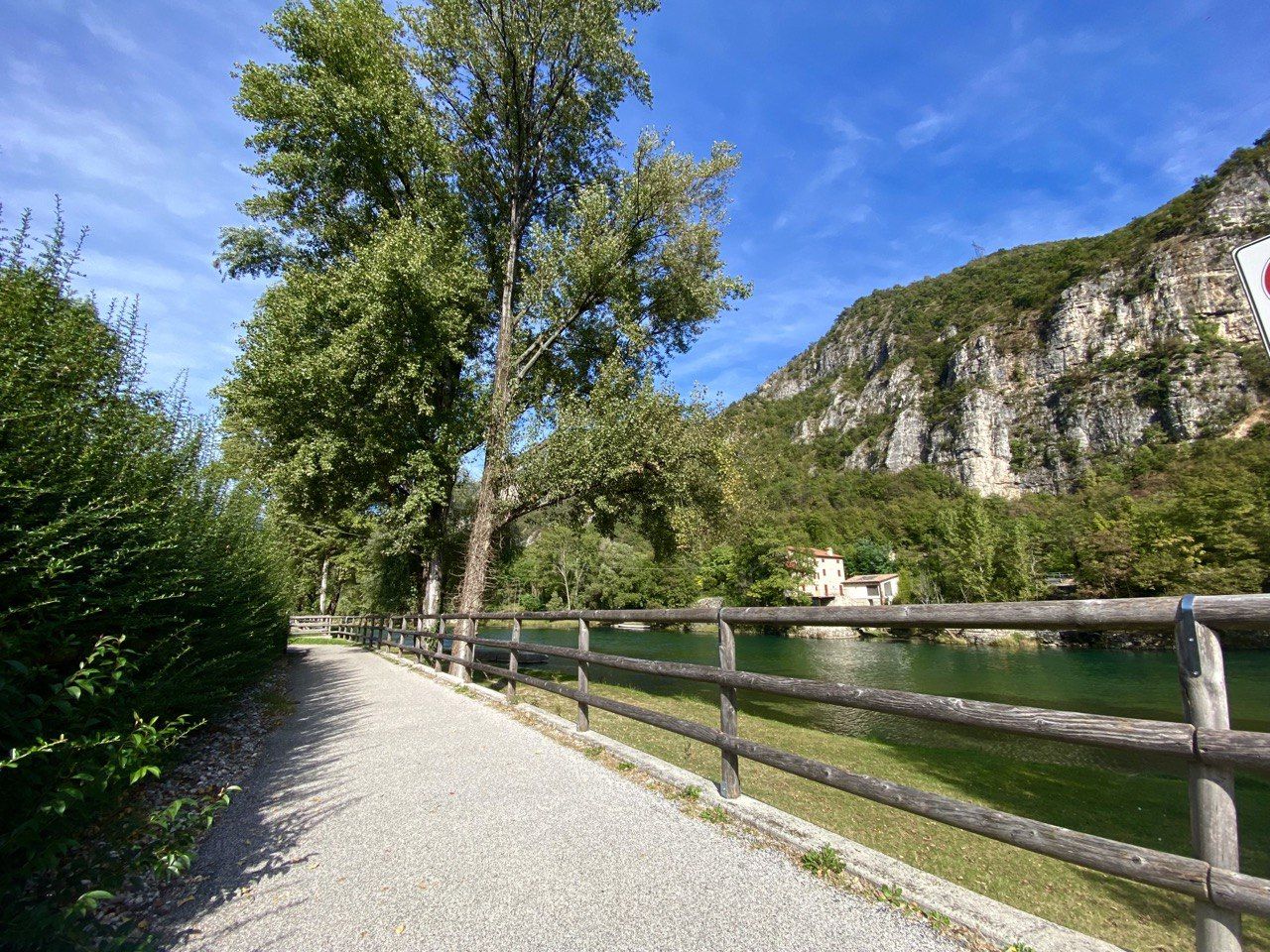
Cycle along Italy’s Brenta river – Brenta Cycle Route
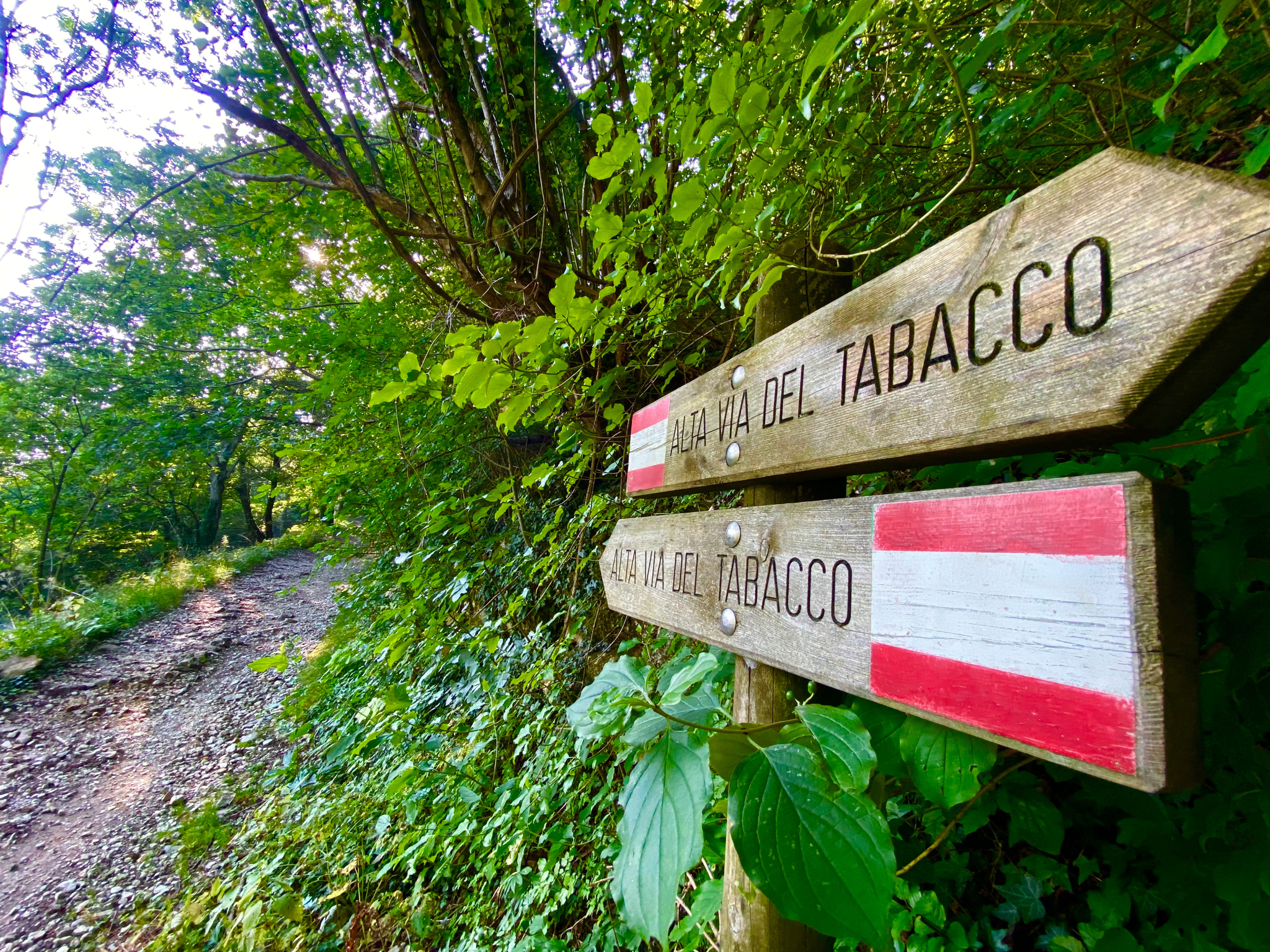
Hike an old smugglers’ road – Alta Via del Tabacco
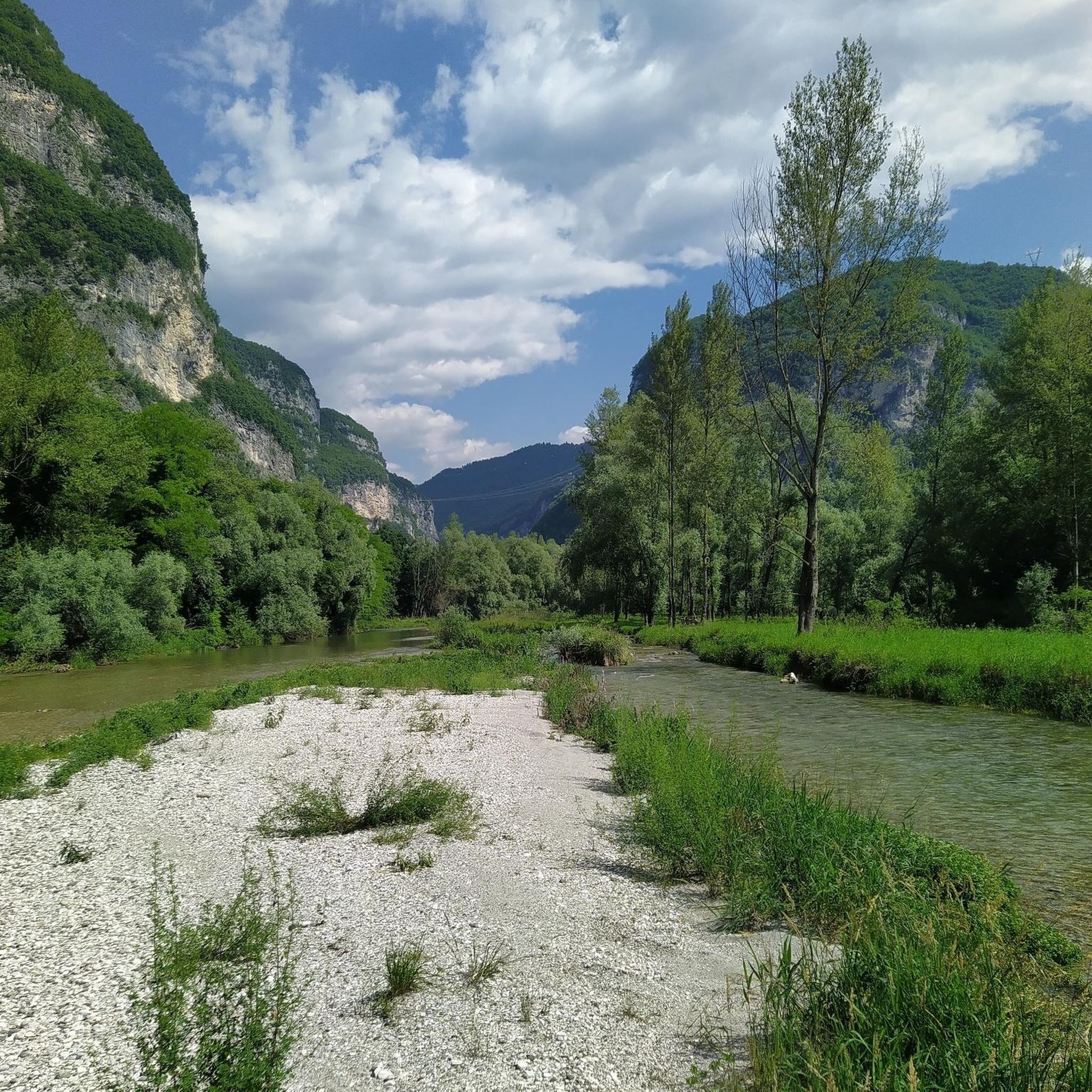
Hiking around Valstagna
Road Cycling Routes around Valstagna
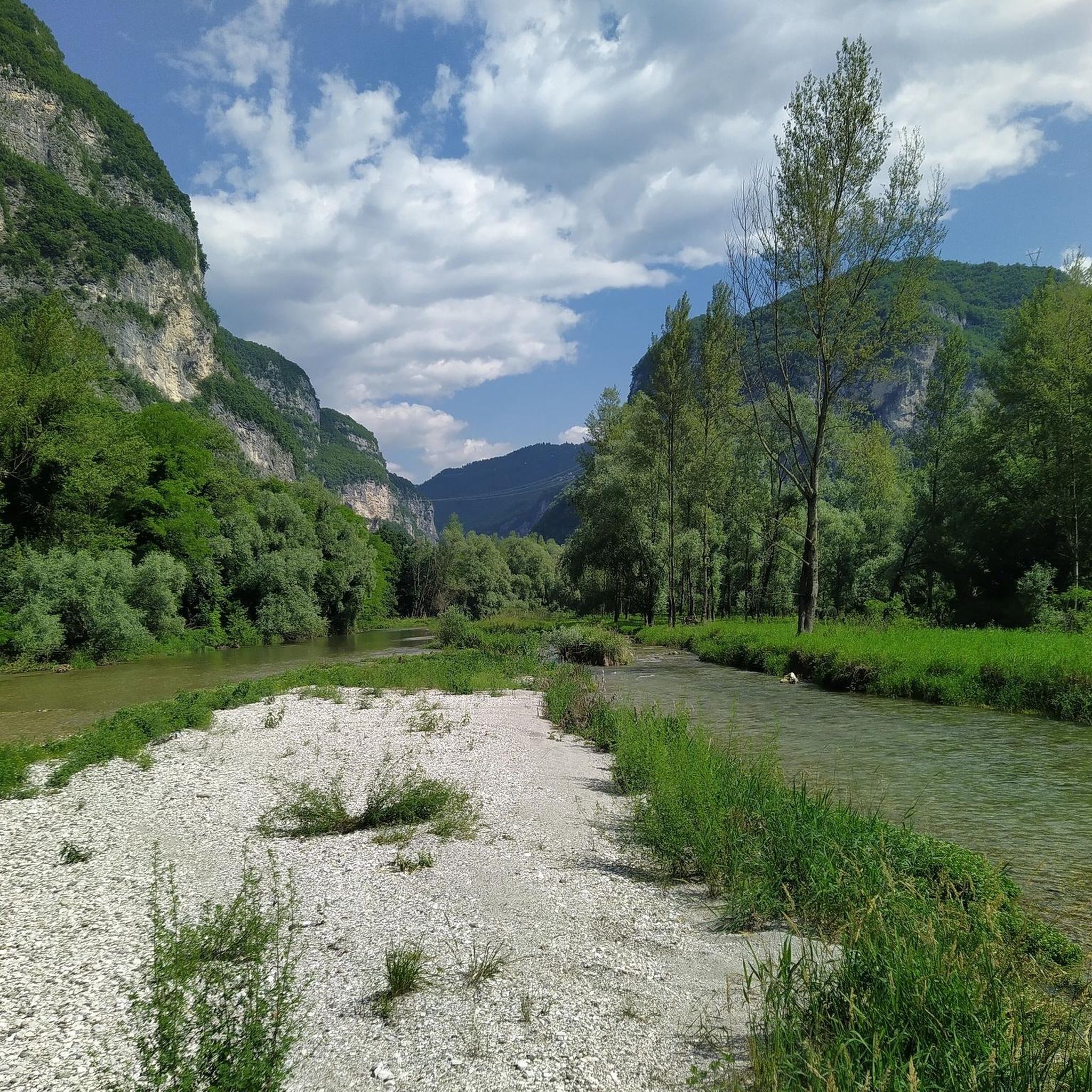
MTB Trails around Valstagna
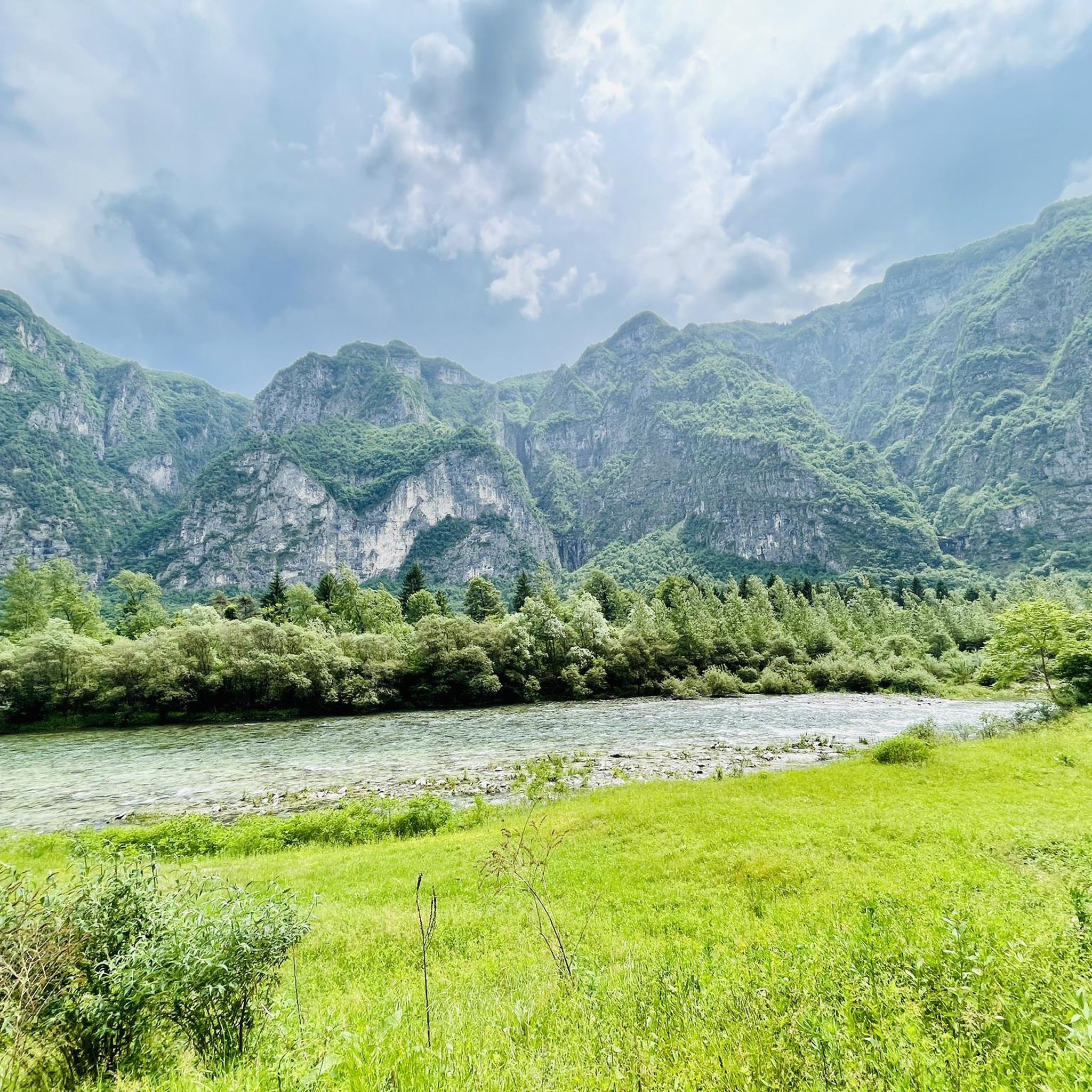
Cycling around Valstagna
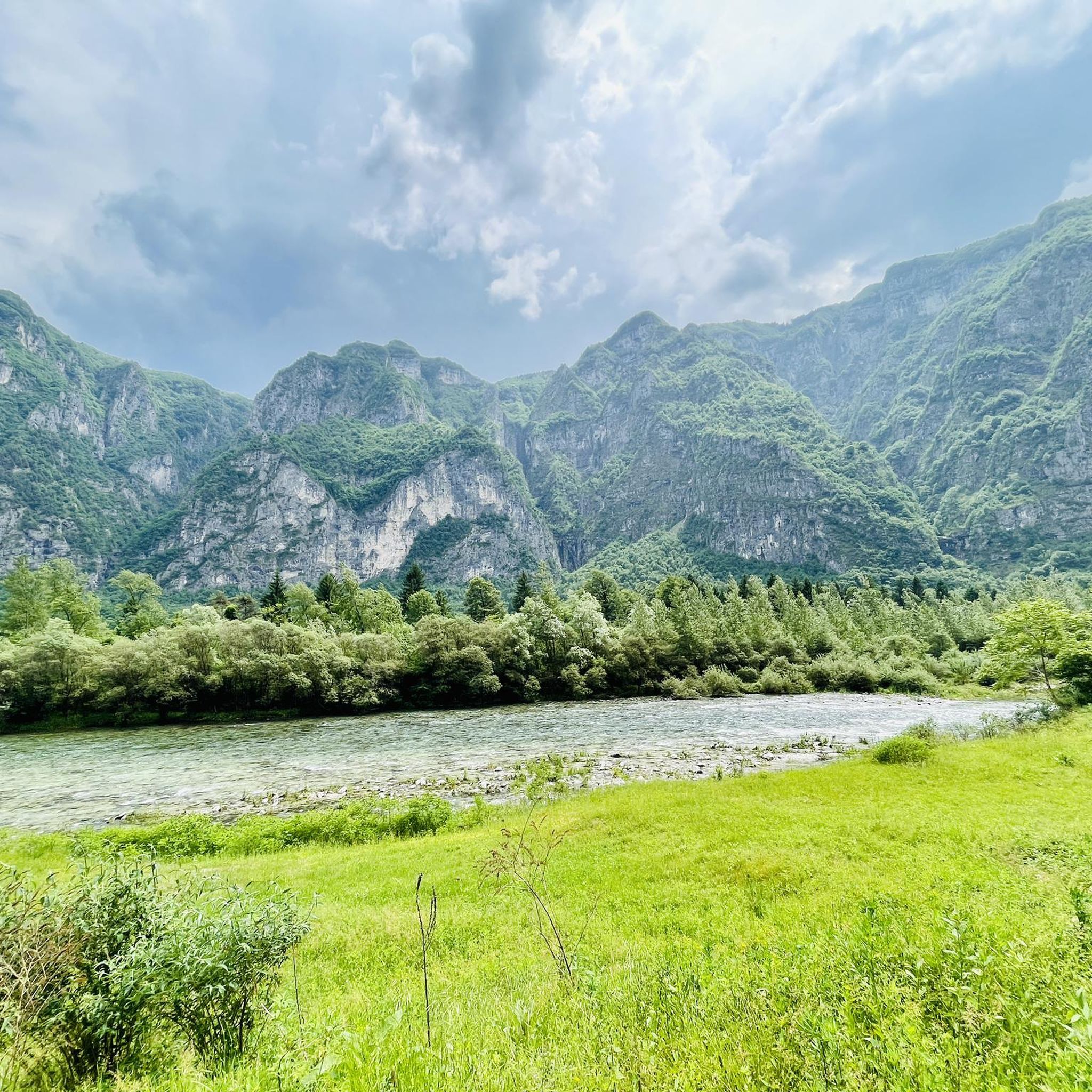
Running Trails around Valstagna
Gravel biking around Valstagna

Mountain Hikes around Valstagna

Tips from the Community

A simply wonderful place, easy to reach from the Carpanè-Valstagna station, following a well-marked path along the Brenta River. The staff was equally fantastic, allowing us to follow the cave tour in both Italian and English (part of my group didn't speak Italian). I recommend going in spring; it's cooler and there's usually less traffic, so you can enjoy it all better. ;)
0
0

Important discovery occurred in 1983 by a boy from the area. Evidence of use of the cave by primitive settlements has been found, with evidence of many finds. The link below describes the studies carried out by the Tridentine Museum of Natural Sciences https://apsat.mpasol.it/biblio/uploadedfiles/Awsiuk%20R.,%20Bartolomei%20G.,%20Cattani%20L.,%20Cavallo%20C.,%20Dalmeri%20G.,%20d'Errico%20F. ,%20Giacobini%20G.,%20Girod%20A.,%20Hercman%20H.%201994,%20La%20Grotta%20d%E2%80%99Ernesto%20(Trento).pdf
4
0


The Trenchers of Monte Campolongo - not to be confused with the mountain of the same name and its fort exactly on the opposite western side of the Asiago Plateau - are a long and deep Italian trench from the First World War, dug on a promontory which dominates the final stretch of the Val Brenta. It had no active role during the Great War, but served as an extreme bulwark to prevent a possible invasion of the Austro-Hungarian army from Valsugana. Cleaned and recovered, it features walkways, outposts, tunnels and shelters in a dense and silent forest: today the vegetation largely covers the view, especially in summer, but at the time the view of the valley was clean. You can follow the winding of the trench from inside or from above, along a path complete with little bridges... or a little and a little!
2
0

The Oliero caves are a complex of caverns located on the slopes of the Sette Comuni plateau, near the hamlet of Oliero (municipality of Valbrenta). Much of the water that penetrates through the plateau above flows from the caves, a classic example of karst phenomena. There are four caves currently open to the public: Covol dei Veci and Covol dei Siori from which the Oliero river flows; while the two upper ones, Covol dei Assassini and Covol dee Soree, are now dry. To visit the caves it is necessary to have a ticket and entry is allowed only with a guide. In the park of the caves it is also possible to visit the museum of speleology and karst phenomena and relax at the bike grill bar.
0
0
Cave with a considerable development of over 400 meters. At the entrance it immediately divides into two narrow and winding branches: the Ramo dei Ghiri, on the right, and the Ramo dee Strighe, on the left. The tunnels are twisted, very narrow (so much so that the backpack is an impediment to leave at the entrance!), in total darkness, with protruding concretions and narrow passages that at a certain point force you to advance on all fours or to crawl. Entering it is quite impressive: avoid if you are afraid of closed and narrow spaces, complete darkness, bats, cave crickets, spiders (present in the initial meters) and various creatures of the darkness! According to legend, the anguane live near a water source or a stream, inside caves or grottos: hence the toponym 'buso' = hole in Venetian dialect, to be understood as a home or refuge. https://www.ecovicentino.it/esplorare-il-vicentino/la-valle-delle-anguane-e-la-carega-del-diavolo-a-laverda/
1
0

Unique places in the midst of peace
1
0

L'oliero is a show and if you've never been to the caves you don't know what you're missing. Go there
0
0
Frequently Asked Questions
What are some of the most notable caves to visit near Valstagna?
The region around Valstagna is known for its karst phenomena and diverse cave systems. Key attractions include the Oliero Caves, a complex offering boat trips into the Covol dei Siori, and Anguane's Cave, appreciated for its tranquility. Additionally, Ernesto Cave holds significant historical and archaeological importance due to evidence of primitive settlements.
What makes the Grotte di Oliero a significant attraction?
The Grotte di Oliero complex is considered one of Europe's largest karst springs. It features four distinct caves, with two lower caves from which the Oliero River emerges, and two upper dry 'covoli'. Visitors can take a guided boat tour into the Covol dei Siori to observe remarkable stalactites, stalagmites, and the impressive 'Sala della Colata' (Waterfall Hall). It's also home to the rare Proteus amphibian and includes a natural park and a speleological museum.
Are there any caves with historical or archaeological significance in the area?
Yes, Ernesto Cave is particularly notable for its historical and archaeological significance. Evidence of primitive settlements and numerous finds have been discovered there, making it an important site for understanding the region's past. Additionally, the nearby Campolongo Trenches (WW1), while not a natural cave, features tunnels and shelters dug into the promontory, offering a glimpse into military history.
What unique natural features can I expect to see in the caves around Valstagna?
The caves showcase impressive geological formations typical of karst environments. In the Oliero Caves, you'll find stunning stalactites and stalagmites, including the fourteen-meter-high alabaster stalactite waterfall in the Sala della Colata. The caves are also home to the Proteus (Proteus anguinus), a rare, blind amphibious troglobite. The surrounding natural park features diverse rock flora and geological insights.
What is the best time of year to visit the caves in Valstagna?
The Grotte di Oliero are generally open from March to October, with specific hours varying seasonally. Inside the caves, the temperature remains a constant 12 degrees Celsius year-round, making them a cool escape during warmer months. Spring is often recommended for cooler temperatures and less traffic, allowing for a more enjoyable experience.
Are guided tours available for the caves?
Yes, guided tours are available, particularly for the Oliero Caves. Visitors can explore the Covol dei Siori by boat, accompanied by nature and environmental guides. Entry to these caves is only allowed with a guide, ensuring a safe and informative experience.
Are the caves around Valstagna suitable for families?
Yes, the Oliero Caves are considered family-friendly. The guided boat tour is an engaging experience for all ages, and the surrounding natural park includes a picnic area, making it suitable for a full day out. The nearby Oliero River area is also a great spot for families on warm days.
What should I wear when visiting the caves?
Given that the internal temperature of the Oliero Caves remains a constant 12 degrees Celsius, it's advisable to wear layers or bring a light jacket, even on warm days. Comfortable walking shoes are also recommended for exploring the cave entrances and surrounding park areas.
What other outdoor activities can I do near the caves in Valstagna?
The Valstagna region offers a variety of outdoor activities. You can explore numerous cycling routes, including those along the Brenta Cycle Path, with options for touring bicycles, road cycling, and gravel biking. The natural park around the Oliero Caves also features picturesque paths for walking and enjoying the diverse rock flora.
What do visitors particularly enjoy about the caves in Valstagna?
Visitors frequently praise the unique experience of the boat trip into the Oliero Caves, highlighting the stunning geological formations and the knowledgeable staff. The tranquility and unique passages of Anguane's Cave are also highly valued. The overall natural beauty and the blend of adventure, history, and nature make the region's caves a memorable destination.
Are there less-known caves or historical sites worth exploring in the area?
Beyond the main tourist caves, the Oliero Caves complex itself includes the Covol dei Veci, primarily accessible to cave divers, and the two upper, dry caves, Covol degli Assassini and Covol delle Sorelle, which can be reached via a scenic path. For historical exploration, the Campolongo Trenches (WW1) offer a fascinating, albeit different, underground experience with walkways, outposts, and tunnels from the Great War.
Most popular routes around Valstagna
Most popular attractions around Valstagna

Get inspired with the komoot mobile app


Explore more
Extend your search for the best caves by checking out these guides of the top ones around Valstagna:
