Top 5 Gorges around Molvena
Best canyons around Molvena offer a landscape characterized by diverse natural formations, including deep gorges and river valleys. This area provides opportunities to explore unique geological features and varied terrain. The natural environment around Molvena features rocky formations, dense forests, and flowing waterways. It is a region where natural monuments and challenging trails are present.
Best canyons around Molvena
- The most popular canyons is Gorghi Scuri, a gorge that features a narrow impluvium with waterfalls, natural pools, and whirlpools.…
Last updated: June 30, 2026
Monte Corno Rock Labyrinth
Highlight • Gorge
Translated by Google •
Tip by

Gorghi Scuri
Highlight (Segment) • Gorge
Translated by Google •
Tip by
Sign up now to discover places like this
Get recommendations on the best single tracks, peaks, & plenty of other exciting outdoor places.
Sign up for free
Gorgo Nero
Highlight • Gorge
Translated by Google •
Tip by
Sant'Andrea Valley of Grumolo
Highlight (Segment) • Gorge
Translated by Google •
Tip by
Start today with a free account
Your next adventure awaits.
Login or Signup

Tips from the Community

*Update February 2025: the main path has been cleared and widened, and the valley is no longer so difficult and adventurous; only the final part remains wild, with numerous fallen trees.
2
0
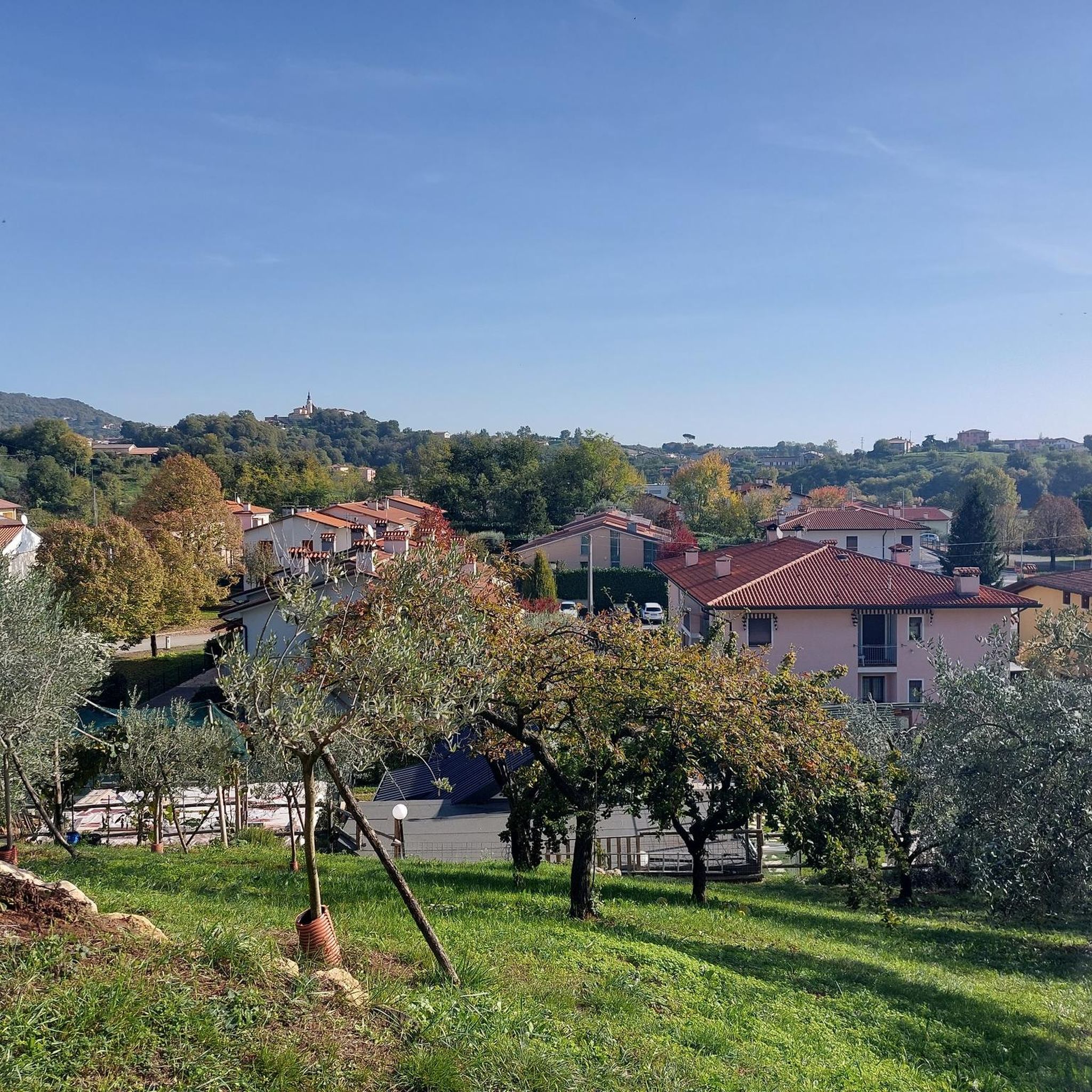
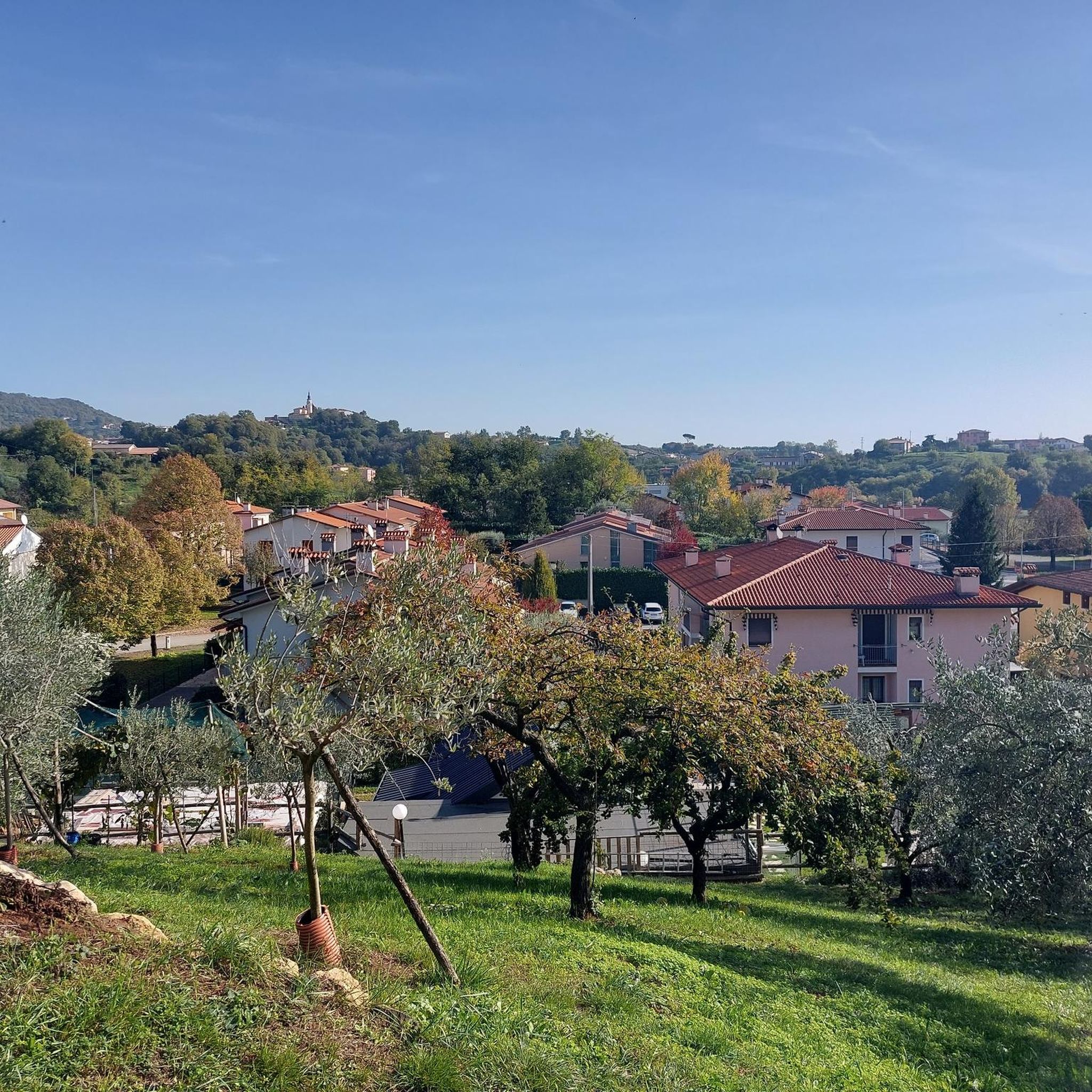
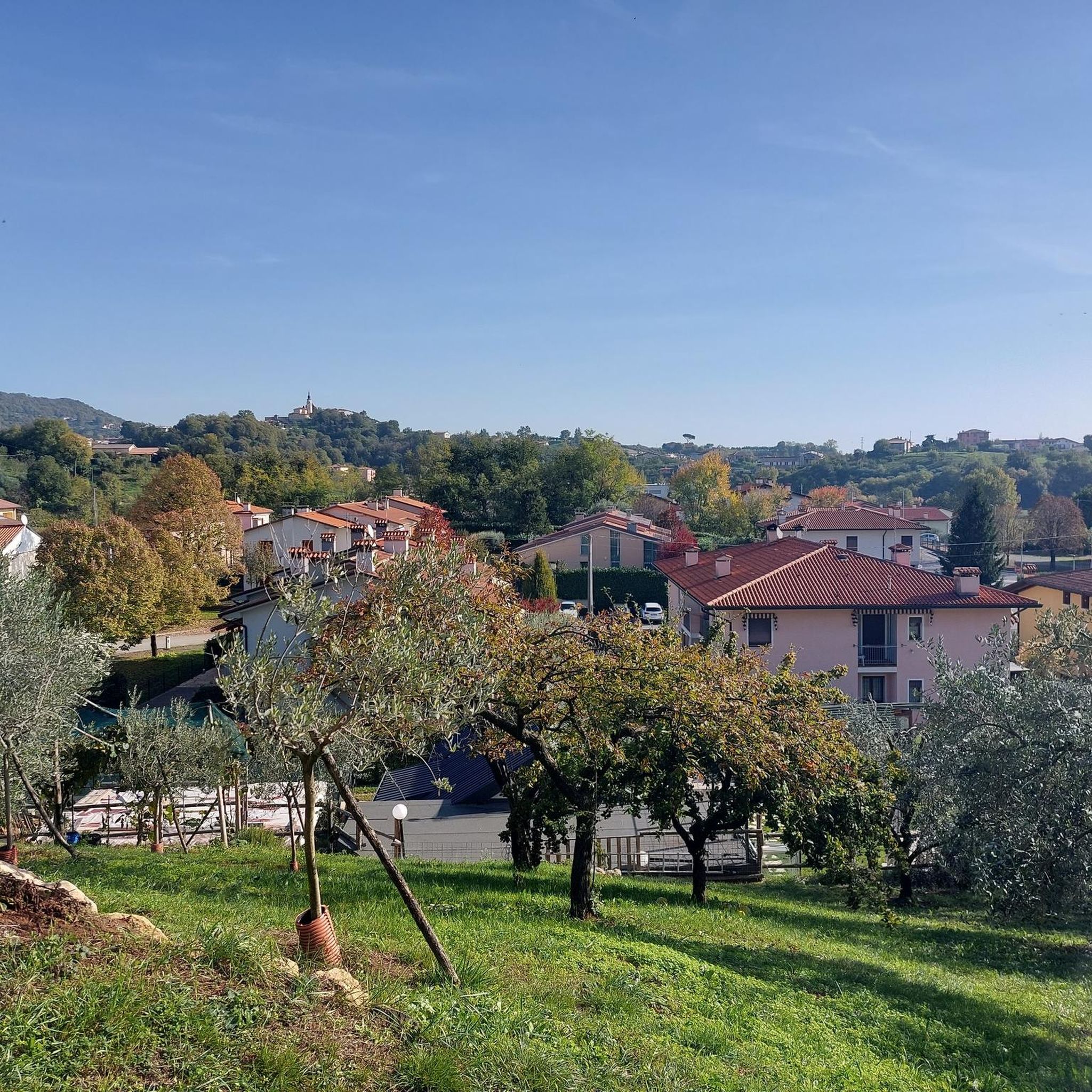
The Sant'Andrea Valley in Grumolo di Pedemonte is a wild, chaotic, intricate, humid, and gloomy environment. The adventurous trail is often interrupted by a stream that must be forded and large fallen trees that must be climbed over or circumnavigated; you'll need to be resourceful to continue. Furthermore, some sections and variants may be interrupted by a wall of brambles and nettles. Nature reigns supreme: the deep green moss contrasts with the black, shiny basalt—a sign of the Bregonze's volcanic origins—that emerges from the ground and characterizes the riverbed. The Valley is named after Sant'Andrea because in centuries past there stood a small rustic church dedicated to the saint, accessible by a path descending from the "Bosco del Prete" (Priest's Woods). A cross has been placed on the site of the former church, a small clearing surrounded by dense forest. https://www.altovicentinonline.it/rubriche/itinerari/da-grumolo-alla-valle-di-santandrea-e-al-rivon/
3
0

Very small rock labyrinth, but nice to do, be careful in winter that between fallen trees that do not allow passage and the frozen snow you risk getting hurt.
0
1
Eyes slipping guys, hold tight to the rope!
0
0
The Gorgo Nero is the last and most spectacular 'bojo' of the five along the Anguane Valley, right at the upper end of the valley itself. To reach it, you climb a rocky slide (aided by a rubber garden hose fixed in place to prevent it from being worn down by the water) and reach the dark natural pool at the foot of another slide. 'Bojo', in Venetian dialect, refers to a pool of water or a whirlpool, even a deep one, at the base of a waterfall: hence the expression 'de bojo', meaning boiling, likely referring to the effect of the bubbles that form when the water cascades into the pool.
1
0
The Valle dei Gorghi Scuri is a fascinating and narrow impluvium full of waterfalls, natural pools, whirlpools and lively waterways formed by the Valletta stream, which originates right here. As a frame, a florid and lush vegetation of ferns and moss. The path starts from the hamlet of Capo di Sopra, along a dirt road that runs along the rising gorge carved out by the stream from above, where the first water features can be glimpsed; from here you reach the upper part, the most evocative and fairy-tale-like, where you can venture off-track, as far as the water and rocks allow depending on the season. I recommend the route after the rains, even if the path can be slippery (EE), and in spring/summer, when very green and lush vegetation frames the water.
1
0
A small but evocative geological labyrinth: nature has carved deep furrows into the hard Rosso Ammonitico limestone, forming corridors that pass through square blocks of rock. Rosso Ammonitico is a pinkish rock from the Jurassic period, generally characterized by a notable abundance of ammonite fossils, hence its name. Within the labyrinth, you'll also find the Cima del Monte Corno (1,383 m): the highest point is here, not where the Monument to the Unknown Soldier overlooks the plain. Along the perimeter of the rocky agglomeration are two Italian artillery emplacements from the First World War, dug directly into rock turrets to defend the Piana di Granezza below, which was an important logistics base. The trail is enjoyable, but not clean: some secondary branches are blocked by fallen trees; in winter, there is ice; in summer, nettles infest some passages.
0
0
Frequently Asked Questions
What unique natural features can I explore in the canyons around Molvena?
The canyons around Molvena offer diverse natural features. You can discover the narrow impluvium of Gorghi Scuri, known for its waterfalls, natural pools, and lush vegetation. The Monte Corno Rock Labyrinth features corridors carved into Rosso Ammonitico limestone, a pinkish rock from the Jurassic period. Additionally, Gorgo Nero boasts a spectacular natural pool, while the Sant'Andrea Valley of Grumolo showcases deep green moss contrasting with black, shiny basalt, indicative of volcanic origins.
Are there any historical sites or geological landmarks within the canyons near Molvena?
Yes, the area combines natural beauty with historical significance. At the Monte Corno Rock Labyrinth, you can find two Italian artillery emplacements from the First World War, dug directly into rock turrets. In the Sant'Andrea Valley of Grumolo, a cross marks the site of a former rustic church dedicated to Sant'Andrea, accessible by a path from the 'Bosco del Prete'.
What is the best time of year to visit the canyons around Molvena?
For places like Gorghi Scuri, visiting after rains is recommended to see the waterfalls at their best, though paths can be slippery. Spring and summer are generally ideal for experiencing the lush vegetation and lively waterways. However, be aware that in winter, some paths, like those in the Monte Corno Rock Labyrinth, can have ice, and in summer, nettles might infest some passages.
What are the difficulty levels for exploring the canyons near Molvena?
The difficulty levels vary. Gorghi Scuri is considered challenging, especially after rains when paths can be slippery. Gorgo Nero is also a challenging gorge, requiring climbing a rocky slide. The Sant'Andrea Valley of Grumolo was historically wild and adventurous, with stream fording and fallen trees, though recent updates indicate the main path has been cleared and widened, making it less difficult in parts. The Monte Corno Rock Labyrinth is generally enjoyable but can have obstacles like fallen trees.
Are there opportunities for wild swimming or natural pools in the Molvena canyons?
Yes, several canyons feature natural pools. Gorghi Scuri is known for its natural pools and whirlpools formed by the Valletta stream. Gorgo Nero is particularly noted for its spectacular dark natural pool at the foot of a rocky slide, which is a 'bojo' (a deep pool or whirlpool in Venetian dialect).
What outdoor activities can I do near the canyons around Molvena?
Beyond exploring the canyons, the Molvena area offers various outdoor activities. You can find numerous routes for gravel biking, road cycling, and general cycling. For instance, there are gravel biking routes like the 'Historic Center of Asolo – Ezzelini Trail loop from Nove' and road cycling options such as the 'Valrovina – Marostica Castle loop from Villa di Molvena'. You can explore more cycling routes in the Gravel biking around Molvena, Road Cycling Routes around Molvena, and Cycling around Molvena guides.
Are there any family-friendly options for exploring canyons in the broader Trentino region?
While the Molvena guide highlights are generally challenging, the broader Trentino region, where Molvena is located, offers options that might be more accessible for families. For example, the Rio Sass Canyon in Fondo features walkways and ladders, offering a unique experience. The Orrido di Ponte Alto near Trento allows visitors to descend a winding staircase. The Varone Waterfall near Riva del Garda also provides accessible passages to explore the canyon. For general family activities in the wider region, you might find useful information on sites like visitmolveno.it.
What are some other notable canyons in the wider Trentino region?
Beyond the immediate Molvena area, the Trentino region boasts several impressive canyons. These include the Rio Sass Canyon in Fondo, known for its labyrinthine path and unique flora; the Orrido di Ponte Alto near Trento, a gorge with a winding staircase; and the Varone Waterfall near Riva del Garda, which allows exploration through multiple passages. Other notable sites are the Canyon on Rio Sorna and Ponte del Diavolo near Rovereto, and the Limarò Ravine in Valli Giudicarie, famous for its naturally sculpted shapes and colors.
What should I be aware of regarding trail conditions in the Molvena canyons?
Trail conditions can vary significantly. In the Monte Corno Rock Labyrinth, some secondary branches might be blocked by fallen trees, and in winter, ice can be present. During summer, nettles might infest certain passages. The Gorghi Scuri path can be slippery, especially after rains. The Sant'Andrea Valley of Grumolo historically involved stream fording and climbing over large fallen trees, though recent updates suggest the main path has been cleared.
Are there any specific tips for exploring the Gorghi Scuri canyon?
For Gorghi Scuri, it's recommended to visit after rains to experience the waterfalls and lively waterways at their best, though the path can be slippery. Spring and summer offer lush, green vegetation. You can venture off-track in the upper, more evocative part, as far as water and rocks allow, depending on the season.
What is the 'Rosso Ammonitico' limestone mentioned in relation to Monte Corno Rock Labyrinth?
Rosso Ammonitico is a distinctive pinkish rock from the Jurassic period. It is generally characterized by a notable abundance of ammonite fossils, which gives it its name. This type of limestone is what forms the geological labyrinth of Monte Corno Rock Labyrinth, where nature has carved deep furrows and corridors.
Most popular routes around Molvena
Most popular attractions around Molvena

Get inspired with the komoot mobile app


Explore more
Already discovered everything in this region? See additional gorges around Molvena for your next adventure:
