Top 5 Gorges around Colceresa
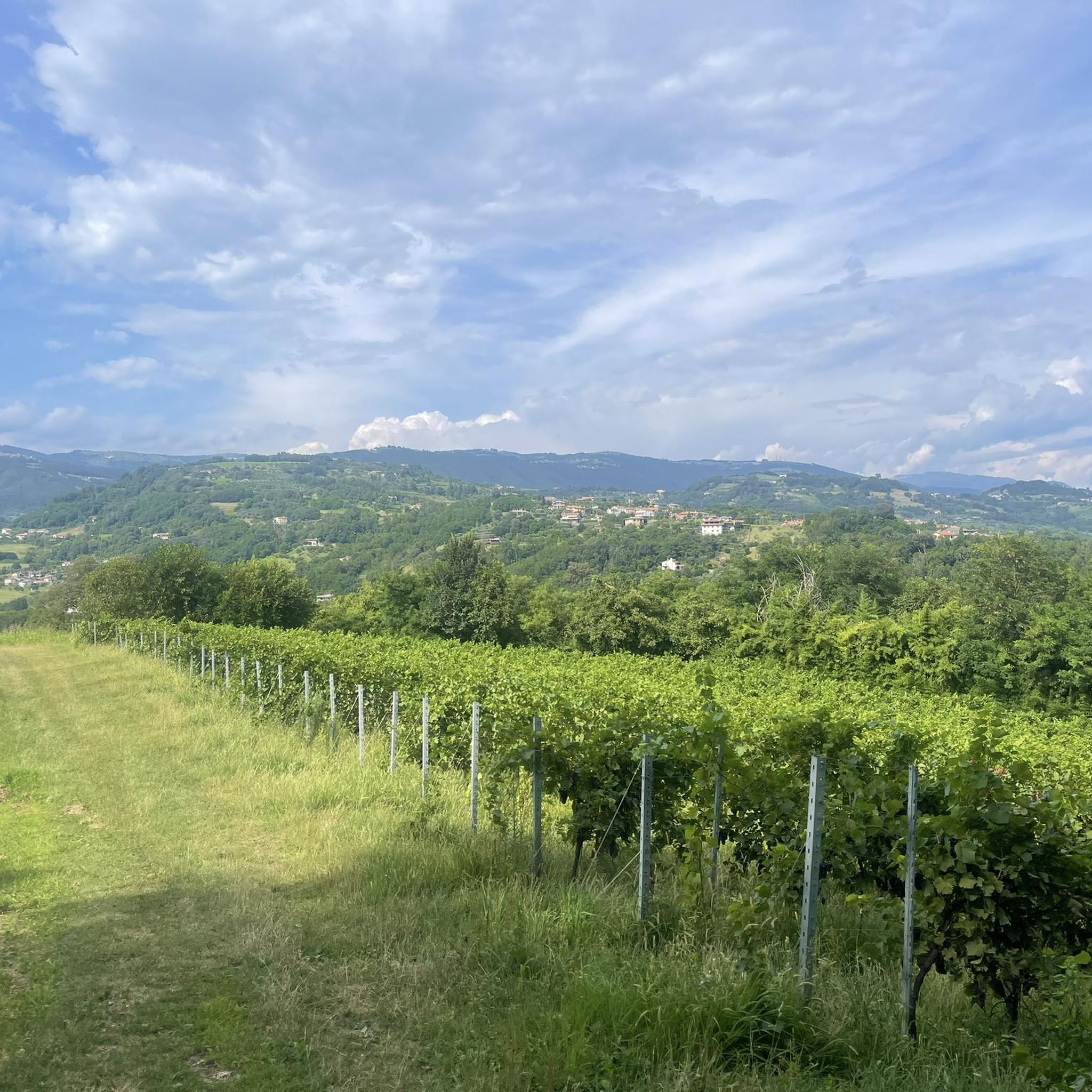
Best canyons around Colceresa are characterized by hilly landscapes and natural water features. The region features streams that carve through valleys, creating gorges, waterfalls, and natural pools. These areas are often surrounded by lush forests, including centuries-old chestnut trees. The geological formations and water dynamics contribute to diverse natural environments suitable for exploration.
Best canyons around Colceresa
- The most popular canyons is Gorghi Scuri, a gorge that is a fascinating and narrow impluvium full of waterfalls, natural pools, whirlpools…
Last updated: June 30, 2026
Monte Corno Rock Labyrinth
Highlight • Gorge
Translated by Google •
Tip by

Gorghi Scuri
Highlight (Segment) • Gorge
Translated by Google •
Tip by
Sign up now to discover places like this
Get recommendations on the best single tracks, peaks, & plenty of other exciting outdoor places.
Sign up for free
Gorgo Nero
Highlight • Gorge
Translated by Google •
Tip by
Sant'Andrea Valley of Grumolo
Highlight (Segment) • Gorge
Translated by Google •
Tip by
Start today with a free account
Your next adventure awaits.
Login or Signup

Tips from the Community

*Update February 2025: the main path has been cleared and widened, and the valley is no longer so difficult and adventurous; only the final part remains wild, with numerous fallen trees.
2
0
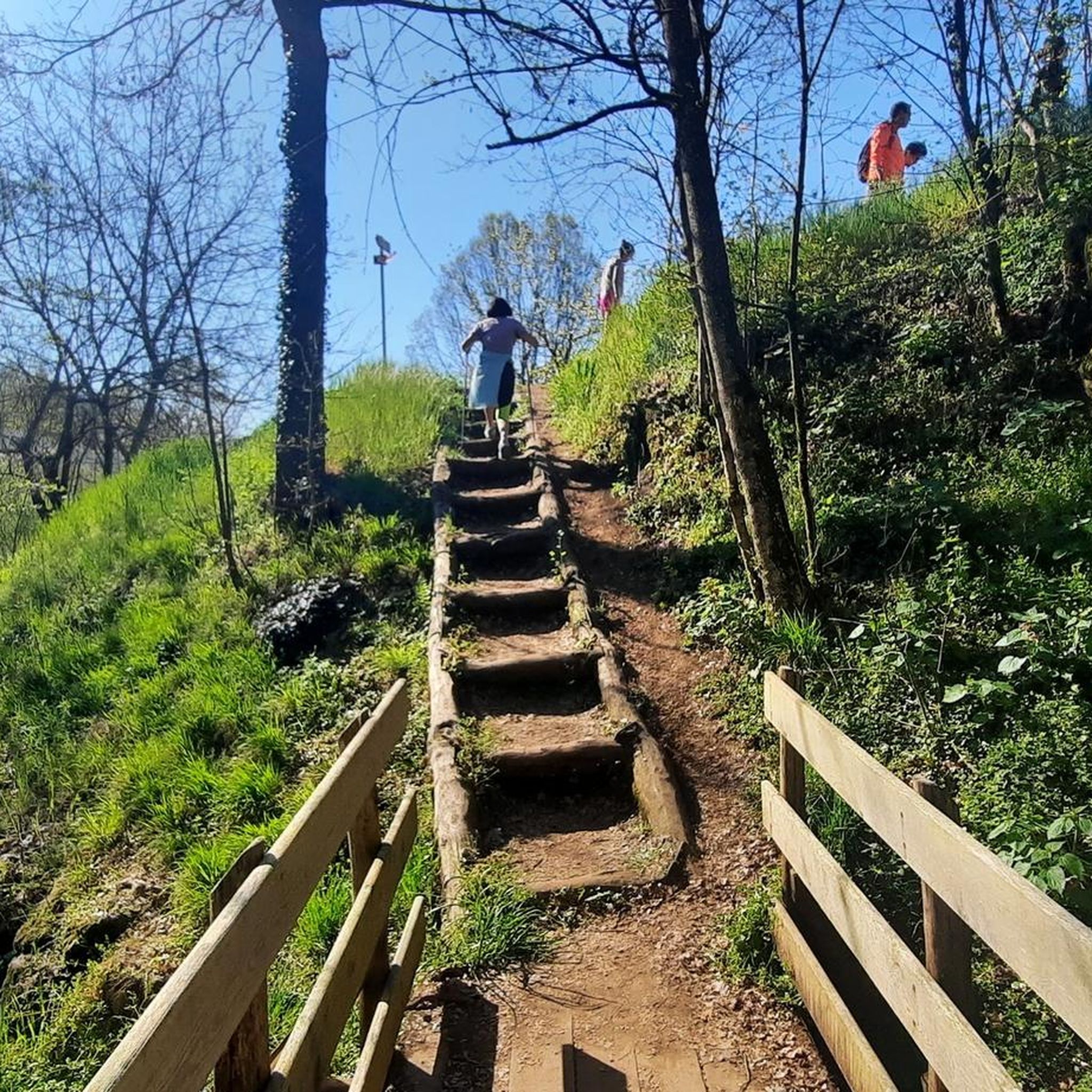
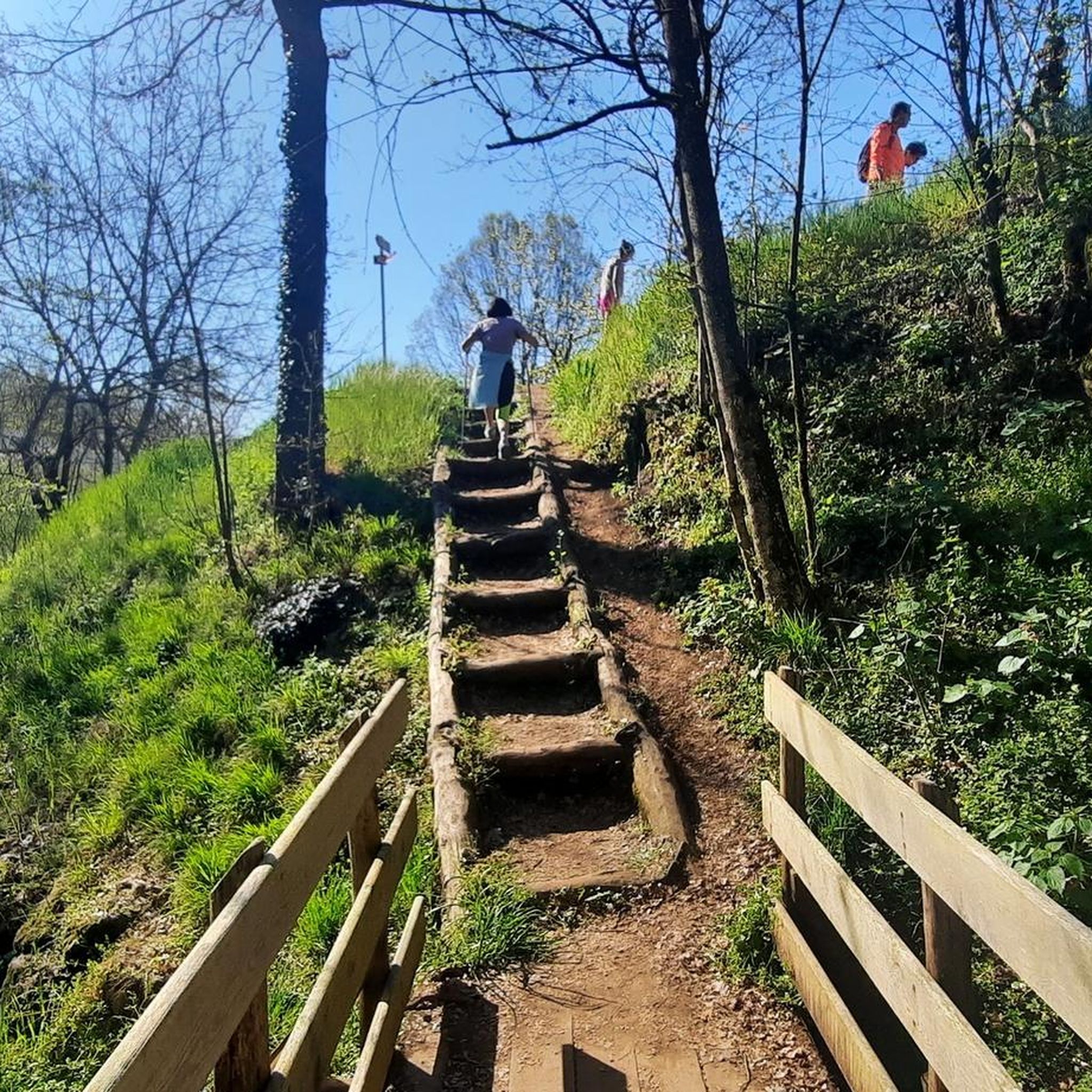
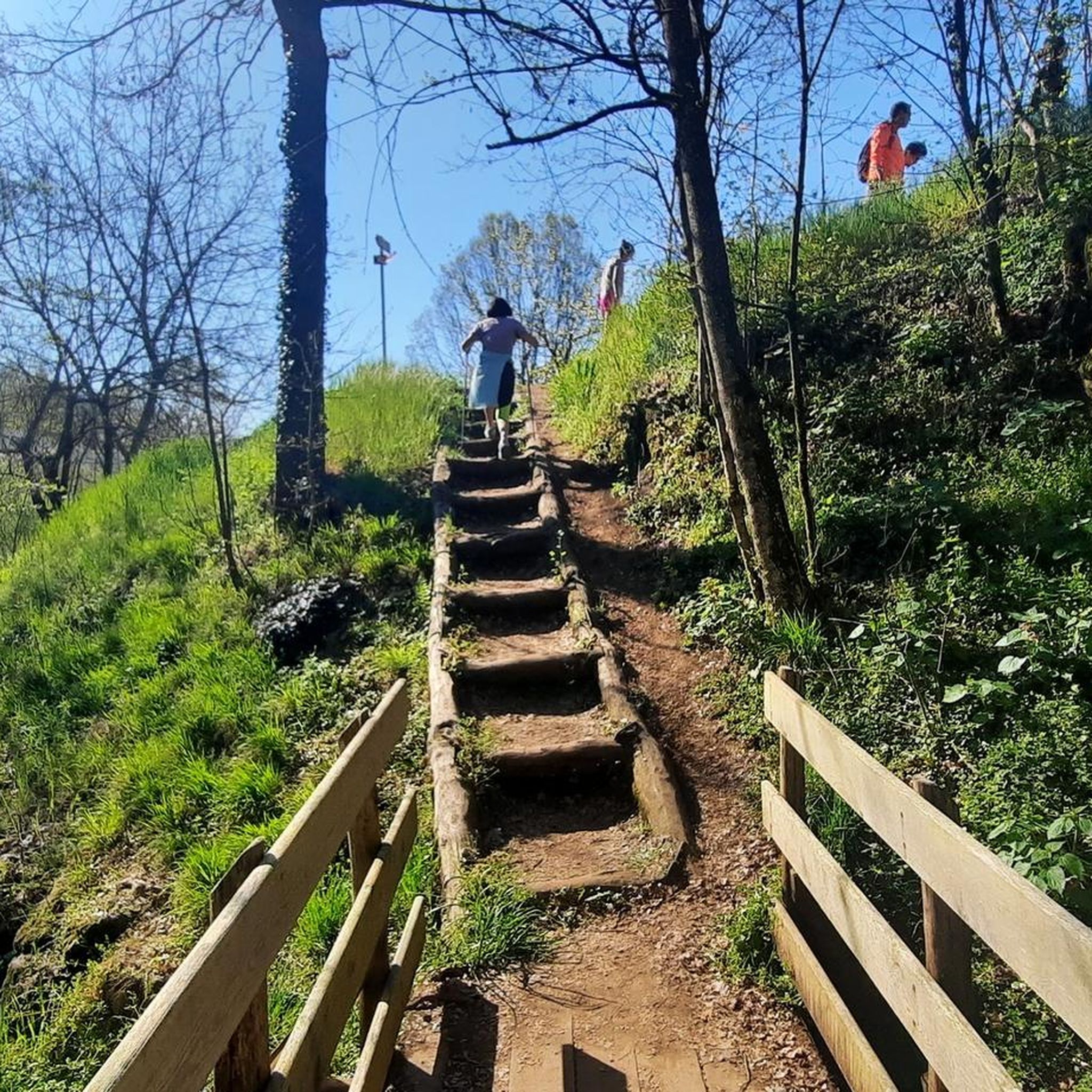
The Sant'Andrea Valley in Grumolo di Pedemonte is a wild, chaotic, intricate, humid, and gloomy environment. The adventurous trail is often interrupted by a stream that must be forded and large fallen trees that must be climbed over or circumnavigated; you'll need to be resourceful to continue. Furthermore, some sections and variants may be interrupted by a wall of brambles and nettles. Nature reigns supreme: the deep green moss contrasts with the black, shiny basalt—a sign of the Bregonze's volcanic origins—that emerges from the ground and characterizes the riverbed. The Valley is named after Sant'Andrea because in centuries past there stood a small rustic church dedicated to the saint, accessible by a path descending from the "Bosco del Prete" (Priest's Woods). A cross has been placed on the site of the former church, a small clearing surrounded by dense forest. https://www.altovicentinonline.it/rubriche/itinerari/da-grumolo-alla-valle-di-santandrea-e-al-rivon/
3
0

Very small rock labyrinth, but nice to do, be careful in winter that between fallen trees that do not allow passage and the frozen snow you risk getting hurt.
0
1
Eyes slipping guys, hold tight to the rope!
0
0
The Gorgo Nero is the last and most spectacular 'bojo' of the five along the Anguane Valley, right at the upper end of the valley itself. To reach it, you climb a rocky slide (aided by a rubber garden hose fixed in place to prevent it from being worn down by the water) and reach the dark natural pool at the foot of another slide. 'Bojo', in Venetian dialect, refers to a pool of water or a whirlpool, even a deep one, at the base of a waterfall: hence the expression 'de bojo', meaning boiling, likely referring to the effect of the bubbles that form when the water cascades into the pool.
1
0
The Valle dei Gorghi Scuri is a fascinating and narrow impluvium full of waterfalls, natural pools, whirlpools and lively waterways formed by the Valletta stream, which originates right here. As a frame, a florid and lush vegetation of ferns and moss. The path starts from the hamlet of Capo di Sopra, along a dirt road that runs along the rising gorge carved out by the stream from above, where the first water features can be glimpsed; from here you reach the upper part, the most evocative and fairy-tale-like, where you can venture off-track, as far as the water and rocks allow depending on the season. I recommend the route after the rains, even if the path can be slippery (EE), and in spring/summer, when very green and lush vegetation frames the water.
1
0
A small but evocative geological labyrinth: nature has carved deep furrows into the hard Rosso Ammonitico limestone, forming corridors that pass through square blocks of rock. Rosso Ammonitico is a pinkish rock from the Jurassic period, generally characterized by a notable abundance of ammonite fossils, hence its name. Within the labyrinth, you'll also find the Cima del Monte Corno (1,383 m): the highest point is here, not where the Monument to the Unknown Soldier overlooks the plain. Along the perimeter of the rocky agglomeration are two Italian artillery emplacements from the First World War, dug directly into rock turrets to defend the Piana di Granezza below, which was an important logistics base. The trail is enjoyable, but not clean: some secondary branches are blocked by fallen trees; in winter, there is ice; in summer, nettles infest some passages.
0
0
Frequently Asked Questions
What natural features can I expect to see in the canyons around Colceresa?
The canyons around Colceresa are characterized by dynamic natural environments. You'll find streams carving through valleys, creating spectacular waterfalls and crystalline natural pools, such as those found at the Silan Waterfalls. Lush forests, including impressive centuries-old chestnut trees, often surround these areas. Geological formations like the deep furrows in Rosso Ammonitico limestone at Monte Corno Rock Labyrinth also contribute to the diverse scenery.
Are there any historical sites within or near the canyons of Colceresa?
Yes, some canyons in Colceresa offer a glimpse into history. At Monte Corno Rock Labyrinth, you can explore corridors carved into rock and find two Italian artillery emplacements from the First World War. The Sant'Andrea Valley of Grumolo is named after a small rustic church that once stood there, with a cross now marking the site.
What is the best time to visit the canyons in Colceresa?
For places like Gorghi Scuri, visiting after rains can make the waterfalls and waterways particularly lively, though paths might be slippery. Spring and summer are generally recommended for their lush, green vegetation, which beautifully frames the water features. Winter visits might involve ice and fallen trees, making some passages more challenging.
What kind of terrain and difficulty can I expect on trails through the canyons?
The terrain varies, ranging from enjoyable paths to more challenging routes. Some areas, like Gorghi Scuri, are described as challenging, especially after rain when paths can be slippery. The Sant'Andrea Valley of Grumolo can be wild and intricate, with stream fords and fallen trees, requiring resourcefulness, though its main path has been cleared and widened recently. Monte Corno Rock Labyrinth is a small but evocative geological labyrinth with some secondary branches that might be blocked.
Are there opportunities for wild swimming in the canyons?
Yes, the region is known for its natural water features. The Silan Waterfalls, for instance, feature crystalline natural pools that offer an inviting atmosphere. Gorghi Scuri also boasts natural pools and whirlpools. Gorgo Nero is particularly noted for its dark natural pool at the foot of a slide, with 'bojo' referring to a deep pool of water or a whirlpool at the base of a waterfall.
What outdoor activities can I do near the canyons of Colceresa?
Beyond exploring the canyons themselves, Colceresa offers a variety of outdoor activities. You can find numerous options for hiking around Colceresa, with trails ranging from easy to difficult. There are also extensive opportunities for MTB trails and gravel biking, allowing you to explore the hilly landscapes and natural beauty of the region.
What do visitors enjoy most about the canyons in Colceresa?
Visitors appreciate the unique natural formations and the immersive experience. The fascinating and narrow impluvium of Gorghi Scuri, with its waterfalls and lush vegetation, is particularly popular. The geological wonder of Monte Corno Rock Labyrinth, where nature has carved deep furrows into rock, also captivates visitors. The spectacular natural pool of Gorgo Nero is another highlight.
Are the canyons around Colceresa suitable for families or beginners?
While some canyon areas can be challenging, others might be more accessible. For instance, the Monte Corno Rock Labyrinth is described as a small but nice experience. The main path in Sant'Andrea Valley of Grumolo has been cleared and widened, making it less adventurous than before. Always check specific route descriptions for difficulty levels to ensure they match your group's abilities.
Are there any specific safety considerations when exploring the canyons?
Yes, safety is important. Paths can be slippery, especially after rain, as noted for Gorghi Scuri. In winter, ice and fallen trees can block passages and increase the risk of injury, particularly at Monte Corno Rock Labyrinth. Some areas, like Gorgo Nero, involve climbing rocky slides, sometimes with aids like ropes, so caution is advised.
Can I find trails that loop around the canyons?
While specific loop trails directly within the canyons are not detailed, the region offers various hiking routes that explore the surrounding hilly landscapes and natural features. Many of these are designed as loops, allowing you to experience the area's beauty, including views of the valleys where the canyons are located.
What kind of vegetation can be found in the canyon areas?
The canyons are often surrounded by rich and diverse vegetation. You'll encounter lush forests, including impressive centuries-old chestnut trees, particularly around the Silan Waterfalls. Areas like Gorghi Scuri are noted for their florid and lush vegetation of ferns and moss. In the Sant'Andrea Valley of Grumolo, deep green moss contrasts with black, shiny basalt, and some sections might feature brambles and nettles.
Most popular routes around Colceresa
Most popular attractions around Colceresa

Get inspired with the komoot mobile app


Explore more
Already discovered everything in this region? See additional gorges around Colceresa for your next adventure:
