Top 20 Caves around Cogollo Del Cengio
Caves around Cogollo Del Cengio, situated in the Vicentine Alps, are primarily known for their historical significance, particularly the World War I tunnels on Monte Cengio. This area features an extensive network of man-made galleries and fortified positions carved into the rock. Beyond these historical sites, the wider Veneto region also offers natural karstic caves and unique geological formations.
Best caves around Cogollo Del Cengio
- The most popular caves is Gun Emplacement Tunnel of Monte Cengio, a historical site that served as an Italian military post during the Great War. This battery closed the complex defensive system of the Cengio stronghold to the east.
- Another must-see spot is Siesòn Cave (or Sciasòn Chasm), an impressive sinkhole of karst origin. Visitors can observe its diameter and depth, which descends over 90 meters.
- Visitors also love WW1 Command Gallery, a historical site dug beneath the summit of Monte Cengio. This gallery housed the command post for the entire Cengio sector and served as a first aid station.
- Cogollo Del Cengio is known for its World War I tunnels, historical fortifications, and natural karstic sinkholes. The area offers a variety of underground experiences, from man-made military structures to natural geological formations.
- The caves around Cogollo Del Cengio are appreciated by the komoot community, with more than 170 upvotes and 80 photos shared across 5 highlights.
Last updated: October 16, 2026
Gun Emplacement Tunnel of Monte Cengio
Highlight • Historical Site
The emplacement was built between the spring and summer of 1917: the entire area (like many others in the Pre-Alps) was fortified following the Strafexpedition of 1916, to hinder any future Austro-Hungarian attacks.
The gallery is very wide and majestic: average width of 2 m, length of about 74 m, 4 caves/munitions depot.
Translated by Google •
Tip by

Siesòn Cave (or Sciasòn Chasm)
Highlight • Cave
Translated by Google •
Tip by

Sign up now to discover places like this
Get recommendations on the best single tracks, peaks, & plenty of other exciting outdoor places.
WW1 Command Gallery
Highlight • Historical Site
The cavern also served as a first aid station, and the wounded were collected here during the attack of June 3, 1916, which led the Austro-Hungarian army to conquer the mountain.
The 149 mm artillery pieces were also located here, tasked with hindering the imperial advance along the Astico Valley. Their effective action forced the enemy command to conquer Monte Cengio as quickly as possible. During the battle of June 1916, the guns were moved outside to the square in front of the entrance to the gallery, where they briefly held off the assaults. Once their ammunition was exhausted, they remained unused.
Translated by Google •
Tip by
The WWI Fort
Highlight • Historical Site
With the great Spring Offensive of 1916—nicknamed the 'Strafexpedition,' or Punitive Expedition—the Imperial Army aimed to break through the Italian barrier and invade the Po Valley through the valleys of the Vicenza Prealps. Obviously, the first prerequisite for this plan to be feasible was to dominate the surrounding peaks that controlled the access routes below, driving out the enemy. On May 21, 1916, Austro-Hungarian troops passed through an empty and desolate Tonezza: the inhabitants, faced with imminent danger, had quickly abandoned the town and its surrounding countryside to take refuge in the plains, facing exile lasting only a few weeks, but which lasted until the end of the conflict due to the escalation of hostilities. The Italian army, in disadvantaged and indefensible positions, had retreated, barricading itself on Mount Cimone, the last and indispensable bastion of resistance.
To defend and maintain the positions they had conquered on the Tonezza Plateau, the Austro-Hungarian units built trenches, walkways, cave shelters, and artillery emplacements everywhere, like this fort: dug into a natural rock formation, it housed a 105 mm gun to dominate the Rio Freddo Valley below. The trees, now dense, were gone over a hundred years ago, having been felled by soldiers who needed a clear line of sight. Not far away, continuing along the steep path that descends to the valley toward the climbing wall, there is a second fort, dug into a cave, which housed another 105 mm gun.
Translated by Google •
Tip by
Stonhaus Sinkhole
Highlight • Cave
In the Cimbrian language, it means "House of Stone." According to legend, it is the home of the solitary, gruff, and unkempt ogre who inhabits the woods of Roana and takes naughty children here until they repent... "Be quiet, or I'll call the ogre who'll take you to the Stone House!"
It's impressive how this chasm goes unnoticed and invisible just by walking a few meters away: then you get closer and a spectacular chasm opens up, swallowing the forest! Until 2022, it wasn't even fenced off with a rope, making the spectacle even more terrifying!
Translated by Google •
Tip by
Sign up for free to discover even more caves around Cogollo Del Cengio.
Already have an account?
Start today with a free account
Your next adventure awaits.
Popular around Cogollo Del Cengio
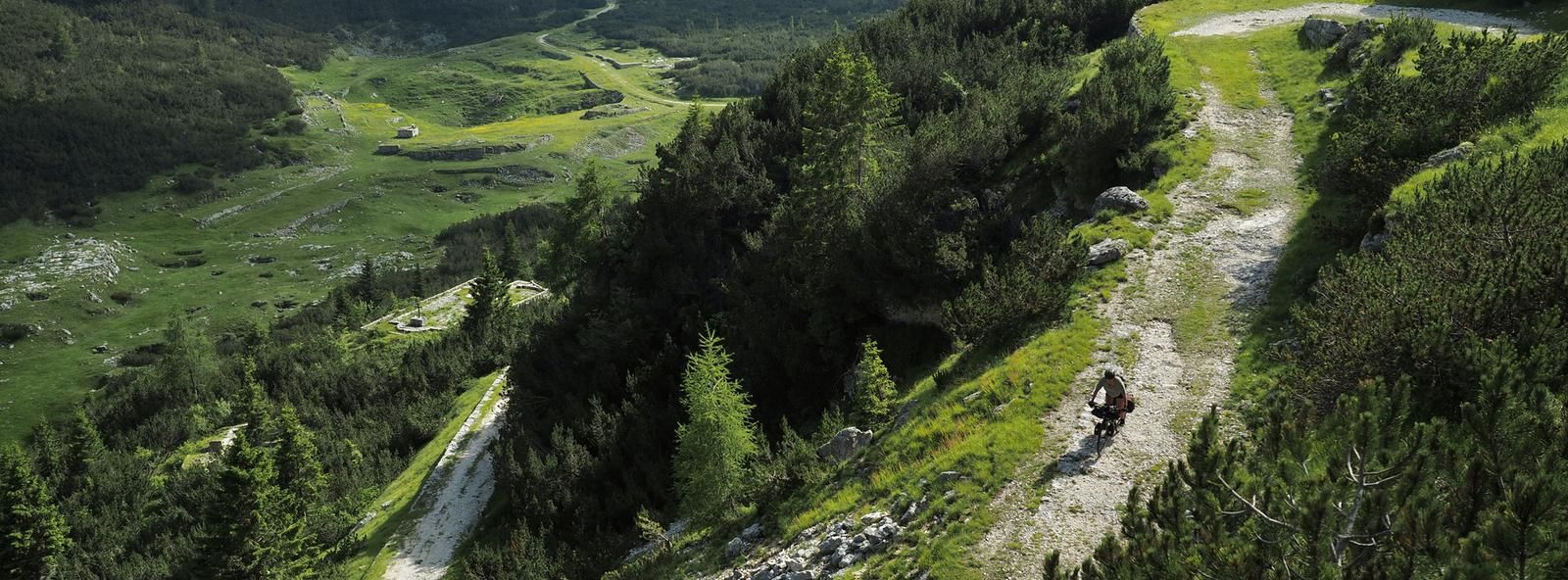
Across the high Italian plains – bikepacking the Asiago Loop
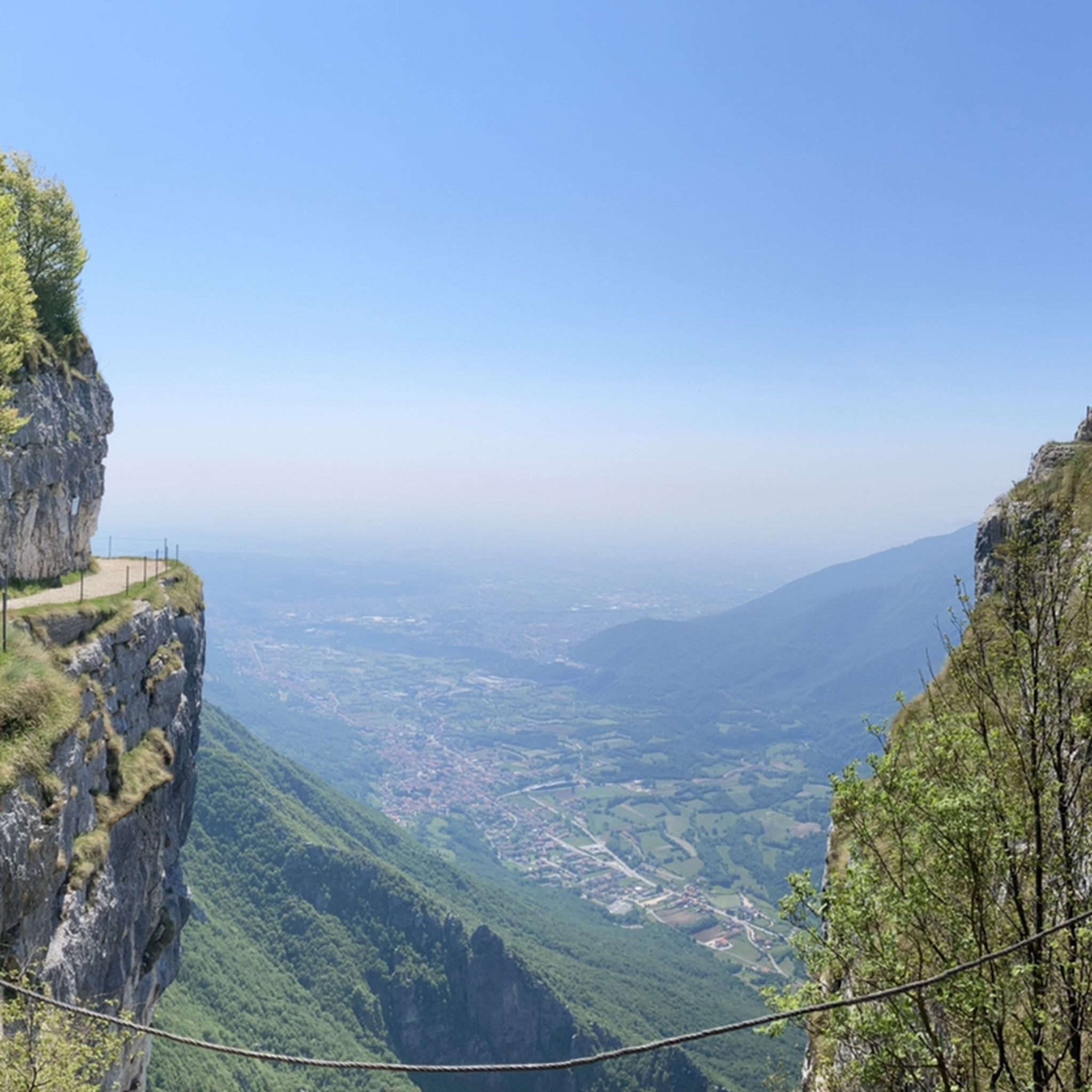
Hiking around Cogollo Del Cengio
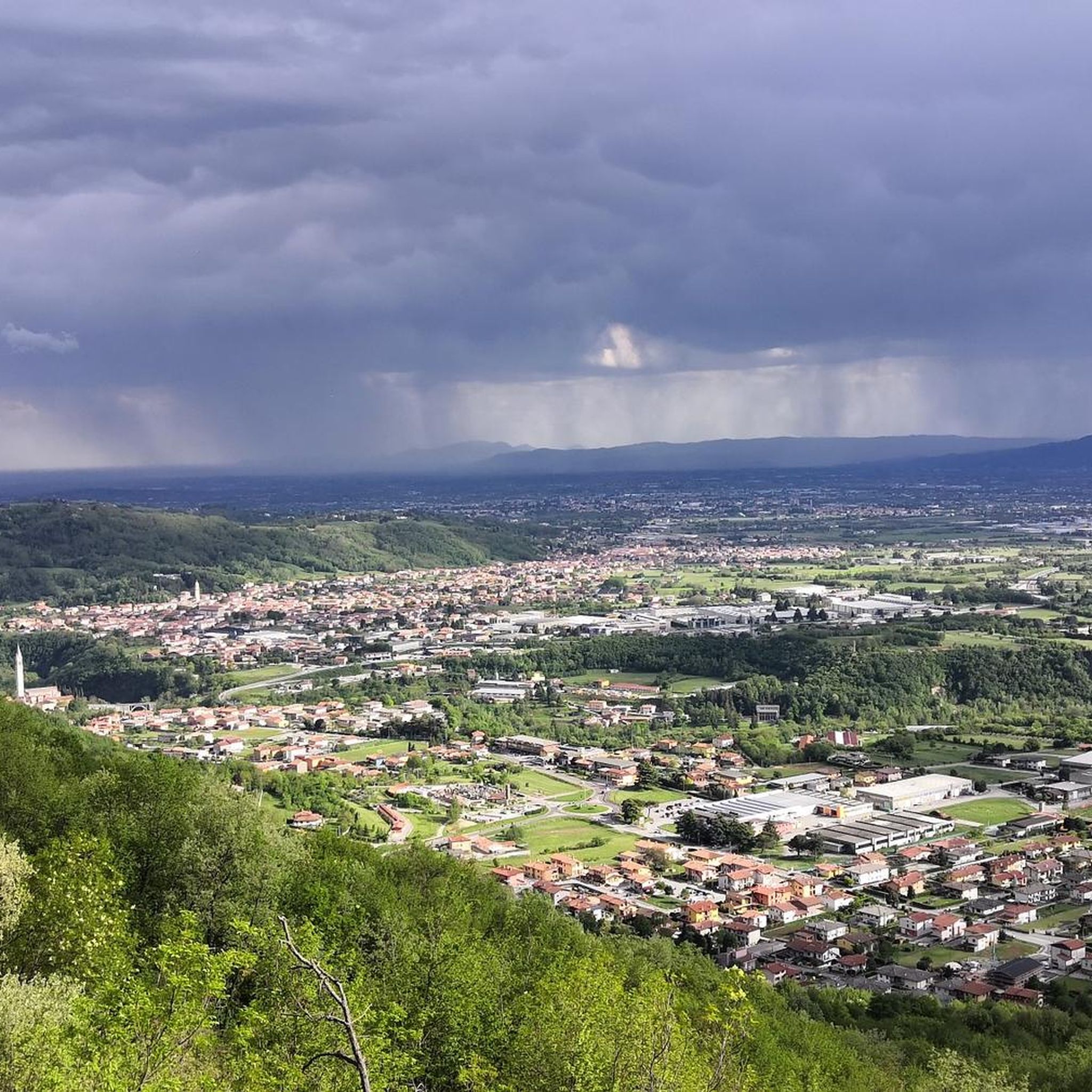
Road Cycling Routes around Cogollo Del Cengio
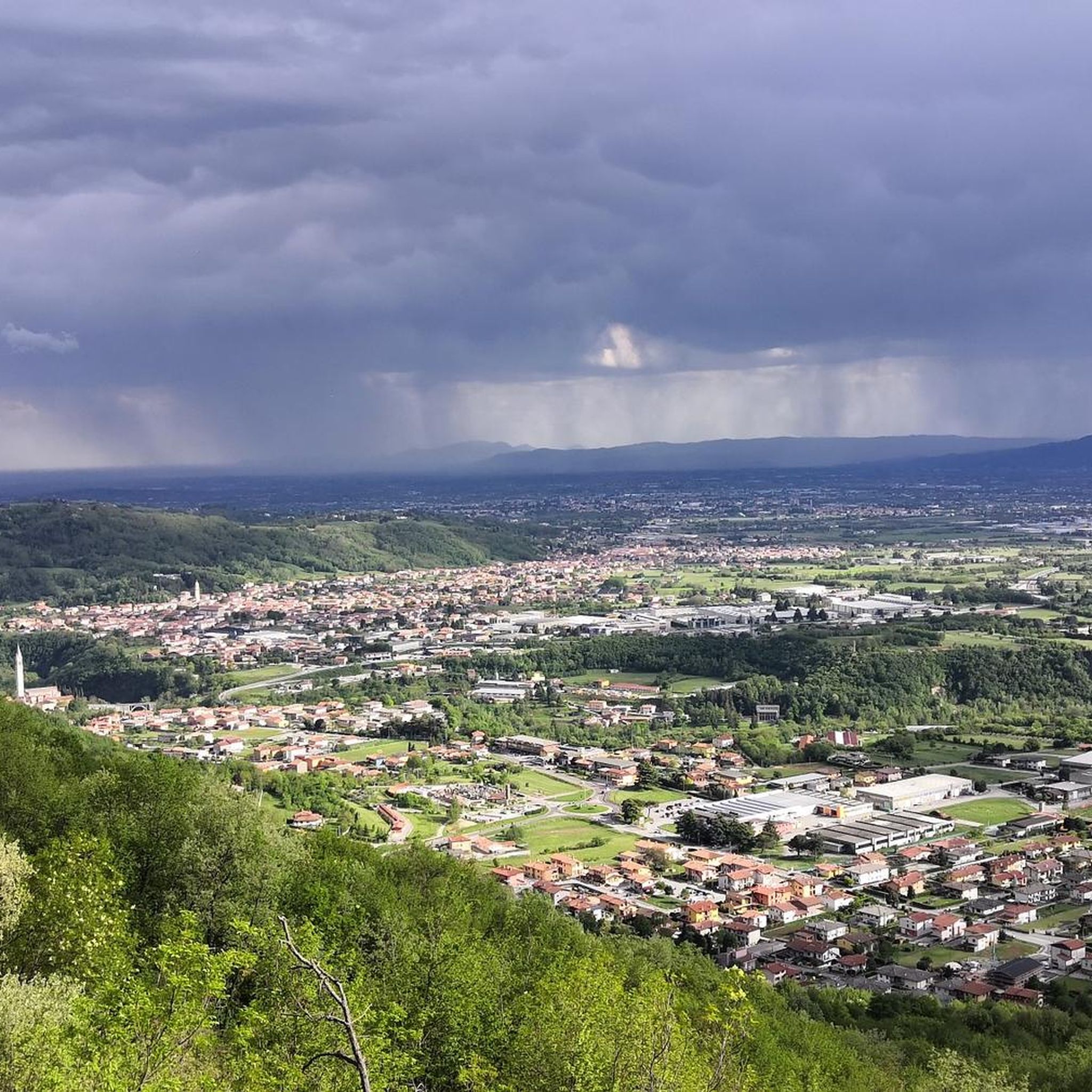
MTB Trails around Cogollo Del Cengio
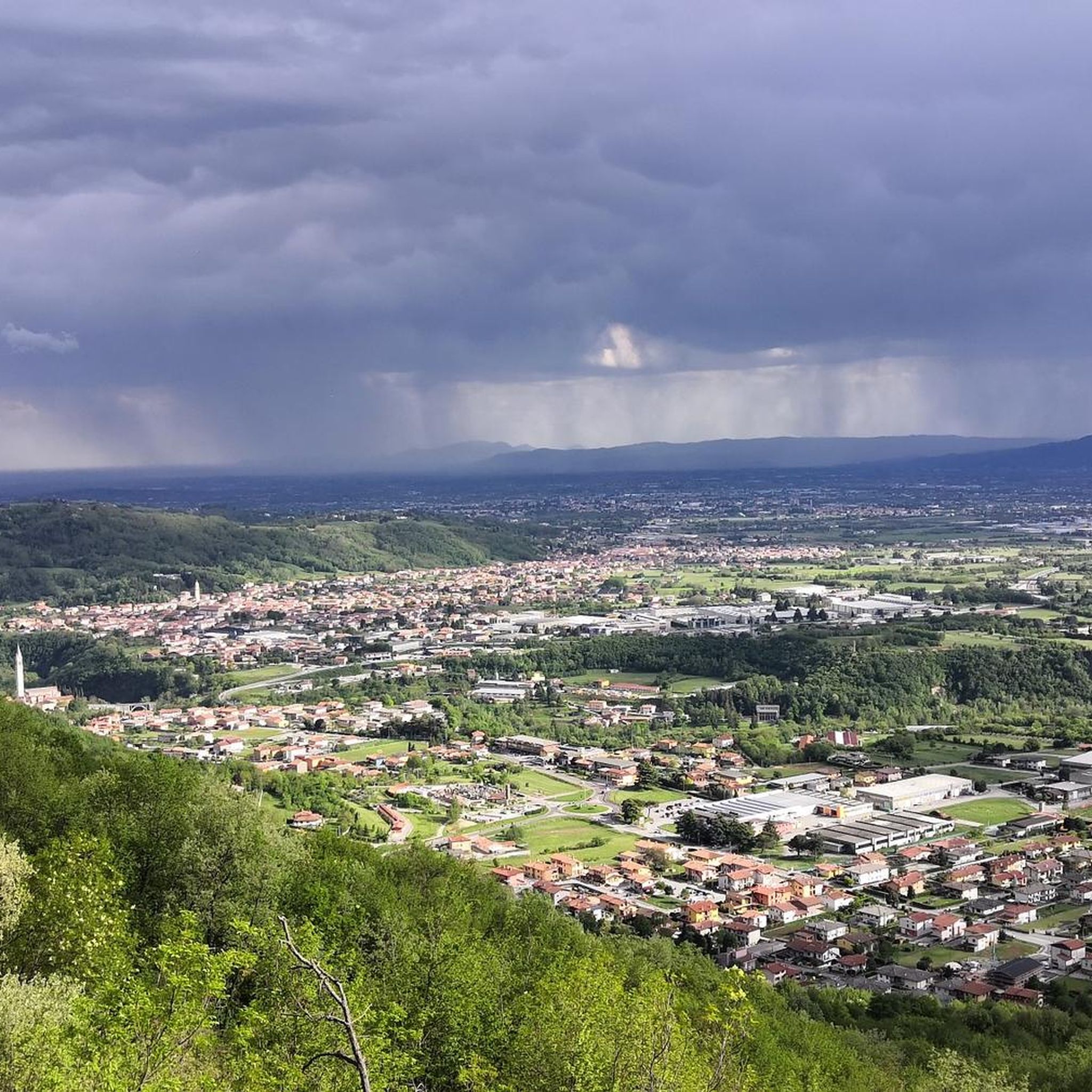
Cycling around Cogollo Del Cengio

Gravel biking around Cogollo Del Cengio
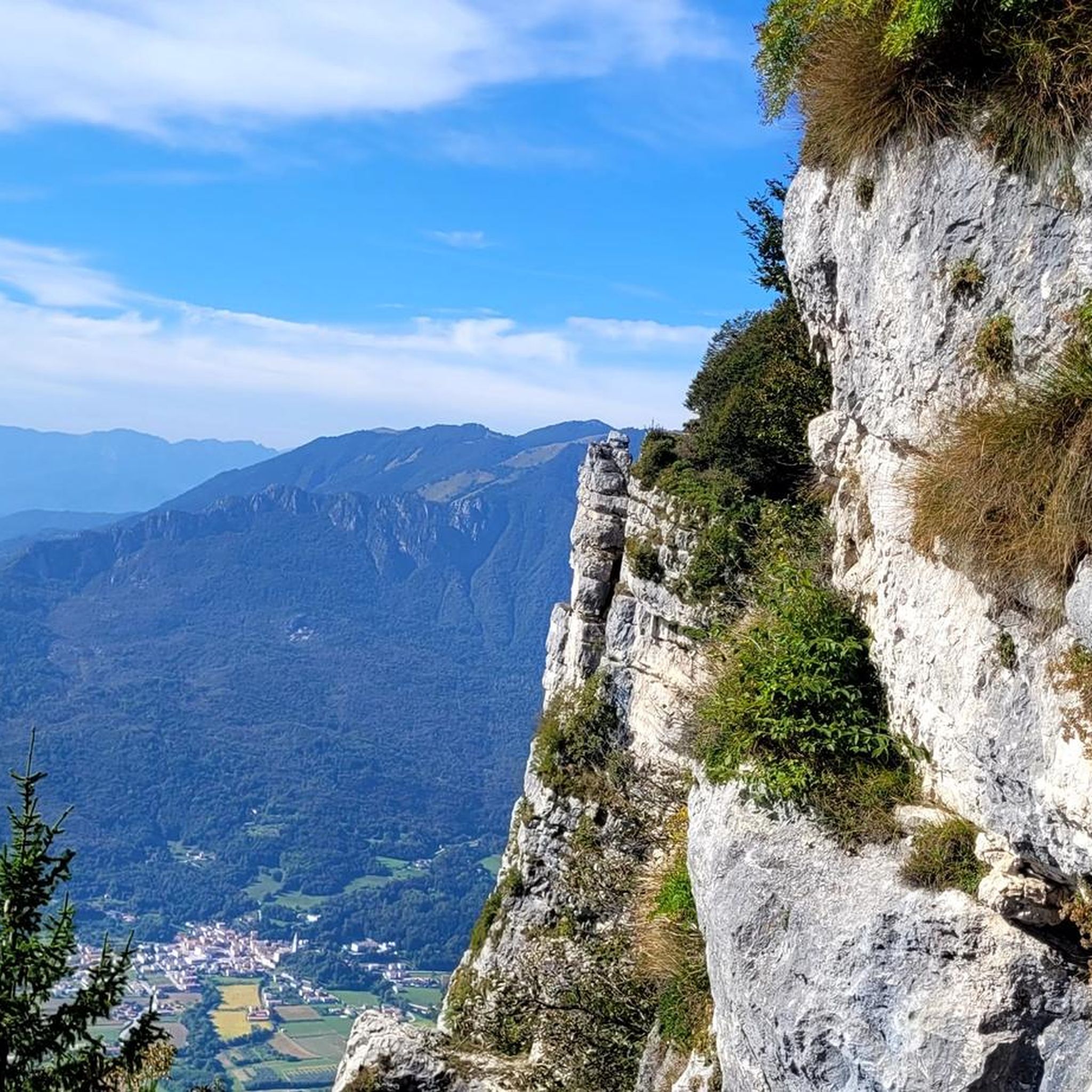
Running Trails around Cogollo Del Cengio
Mountain Hikes around Cogollo Del Cengio
Other adventures around Cogollo Del Cengio

Tips from the Community

When you pass by and observe this place, try to imagine the work done by young people in their early twenties in prohibitive conditions.
0
0

It is very useful to bring a headlamp with you.
0
0

Bring a flashlight and go dark.
0
1

74 meter long tunnel with no exit and 4 final outlets where the artillery was positioned. A light was needed.
0
0
the sinkhole is quite impressive and quite intimidating
0
0

Frequently Asked Questions
What kind of caves can I expect to find in Cogollo Del Cengio?
Cogollo Del Cengio is primarily known for its historical World War I tunnels and fortified positions on Monte Cengio, which are extensive man-made galleries. In the immediate area, you can also find impressive natural karstic sinkholes. For those willing to travel a bit further into the Veneto region, there are natural and partially man-made show caves.
What is the historical significance of the caves on Monte Cengio?
The tunnels and fortified positions on Monte Cengio were crucial battlefields during World War I, particularly during the Strafexpedition in 1916. They served as shelters, defensive lines, and strategic viewpoints for the Italian army. The area is considered a 'Sacred Area of the Homeland' due to the heavy losses sustained, especially by the Sardinian Grenadiers. You can explore sites like the Gun Emplacement Tunnel of Monte Cengio and the WW1 Command Gallery.
Can I explore the World War I tunnels on Monte Cengio?
Yes, you can explore these historical sites via routes like the 'Granatiera Mule Track,' a circular hiking route that winds through trenches and rock-carved tunnels. Walking through these tunnels provides an evocative journey back in time, offering a glimpse into the challenging conditions faced by soldiers. Informative signs along the way explain the historical context.
Are there any natural caves or geological formations to see in the immediate area?
Yes, beyond the WWI tunnels, the area features impressive natural karstic sinkholes. Notable examples include the Siesòn Cave (or Sciasòn Chasm), an impressive sinkhole descending over 90 meters, and the Stonhaus Sinkhole, created by the collapse of a huge karst cave, featuring a natural stone arch.
What other historical sites are related to the WWI tunnels?
Besides the tunnels themselves, you can visit other fortifications like The WWI Fort, an Austro-Hungarian artillery emplacement dug into the rock. These sites offer further insight into the strategic importance and intense battles fought in the region during World War I.
Are there natural show caves in the wider Veneto region suitable for a day trip?
Yes, if you're willing to travel a bit further into the Veneto region, you can find distinct natural and partially man-made cave systems. The Grotte del Caglieron in Fregona offer a unique blend of natural erosion and artificial sandstone extraction, featuring waterfalls and equipped walkways. The Grotta del Ciclamino in Cison di Valmarino is a natural karstic cave known for its formations and educational value.
What makes Grotte del Caglieron unique?
The Grotte del Caglieron are unique because they are partly natural, formed by the erosive action of the Caglieron creek, and partly artificial, resulting from sandstone extraction around the 16th century. The site features impressive waterfalls and a circular path with wooden walkways guiding visitors through the gorge and various cave sections, including the Breda Cave and San Lucio's Cave, which is used for aging cheese.
What outdoor activities can I do near the caves of Cogollo Del Cengio?
The area around Cogollo Del Cengio offers various outdoor activities, especially hiking and cycling. You can find numerous trails that explore the historical WWI sites and offer panoramic views. For hiking, consider routes like the 'Monte Cengio — ring tour' or the 'Monte Cengio WWI Historic Trail.' For gravel biking or mountain biking, there are routes like the 'Mule Track to Monte Cengio' or longer loops around the plateau. You can find more details on these activities in the hiking guide, gravel biking guide, and MTB trails guide for Cogollo Del Cengio.
What should I know about accessibility and safety when visiting the WWI tunnels?
The routes through the WWI tunnels on Monte Cengio are generally accessible to hikers of varying skill levels. However, flashlights are highly recommended for the darker tunnels, and appropriate footwear is essential for the uneven terrain. Always exercise caution, especially in historical sites that may have varying conditions.
Is there anything specific to be aware of when visiting the Siesòn Cave?
When visiting the Siesòn Cave, it's important to be cautious, especially during colder months, as ice can make the area slippery despite protective barriers. It is also advised to avoid bringing bikes, as the terrain is extremely difficult and unsuitable for cycling.
Is there a best time to visit the caves in Cogollo Del Cengio?
The WWI tunnels and outdoor sinkholes are best visited during milder weather, typically from spring to autumn, when conditions are more favorable for hiking and exploring. During colder months, especially winter, ice and snow can make some areas, like the Siesòn Cave, more challenging and potentially hazardous. Always check local weather conditions before your visit.
Are the caves in Cogollo Del Cengio suitable for families?
The historical WWI tunnels on Monte Cengio can be a fascinating and educational experience for families, provided children are old enough for hiking and comfortable in darker, uneven environments. Flashlights are a must. The natural sinkholes require careful supervision due to their depth. For a more structured and perhaps gentler experience, the Grotte del Caglieron in the wider Veneto region, with their equipped walkways and waterfalls, might be a good option for families.
What should I wear or bring when exploring the tunnels and sinkholes?
When exploring the WWI tunnels and sinkholes, wear sturdy hiking boots or shoes with good grip, as the terrain can be uneven. Bring a reliable flashlight or headlamp for the darker tunnel sections. Even in summer, a light jacket might be useful inside the tunnels as temperatures can be cooler. For sinkholes, exercise caution and adhere to any safety barriers.
Most popular routes around Cogollo Del Cengio
Most popular attractions around Cogollo Del Cengio

Get inspired with the komoot mobile app


Explore more
Extend your search for the best caves by checking out these guides of the top ones around Cogollo Del Cengio:
