Top 20 Caves around Tonezza Del Cimone
Best caves around Tonezza Del Cimone are found in the Venetian Prealps, an area characterized by natural geological features and significant historical underground structures from World War I. The region features both natural chasms and an extensive network of military tunnels. These underground sites offer insights into geological processes and wartime engineering.
Best caves around Tonezza Del Cimone
- The most popular caves is Gun Emplacement Tunnel of Monte Cengio, a historical site that served as an Italian military post…
Last updated: August 23, 2026
Gun Emplacement Tunnel of Monte Cengio
Highlight • Historical Site
Translated by Google •
Tip by

Siesòn Cave (or Sciasòn Chasm)
Highlight • Cave
Translated by Google •
Tip by

Sign up now to discover places like this
Get recommendations on the best single tracks, peaks, & plenty of other exciting outdoor places.
Sign up for free
WW1 Command Gallery
Highlight • Historical Site
Translated by Google •
Tip by
The WWI Fort
Highlight • Historical Site
With the great Spring Offensive of 1916—nicknamed the 'Strafexpedition,' or Punitive Expedition—the Imperial Army aimed to break through the …
Translated by Google •
Tip by
Stonhaus Sinkhole
Highlight • Cave
Translated by Google •
Tip by
Sign up for free to discover even more caves around Tonezza Del Cimone.
Sign up for free
Already have an account?
Start today with a free account
Your next adventure awaits.
Login or Signup
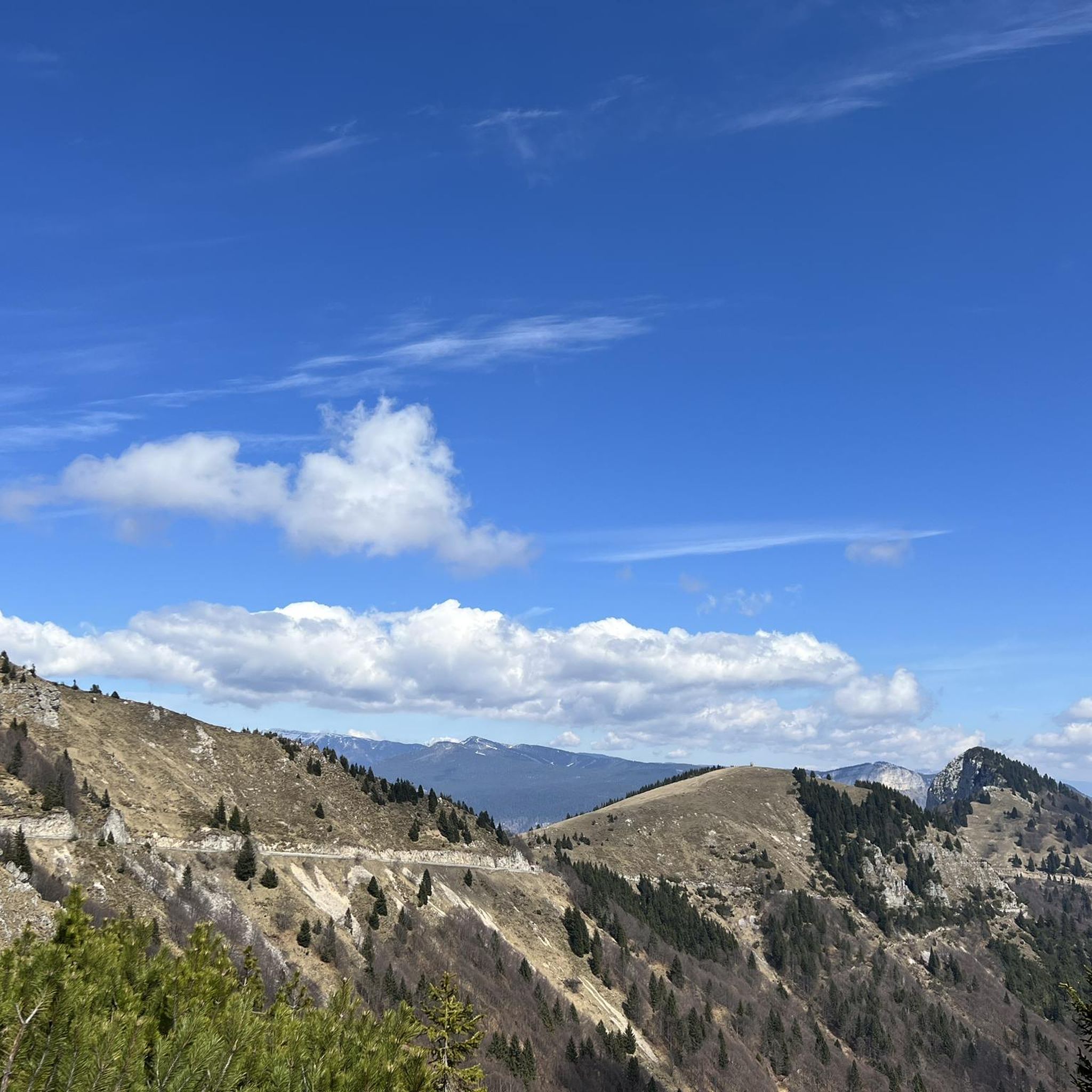
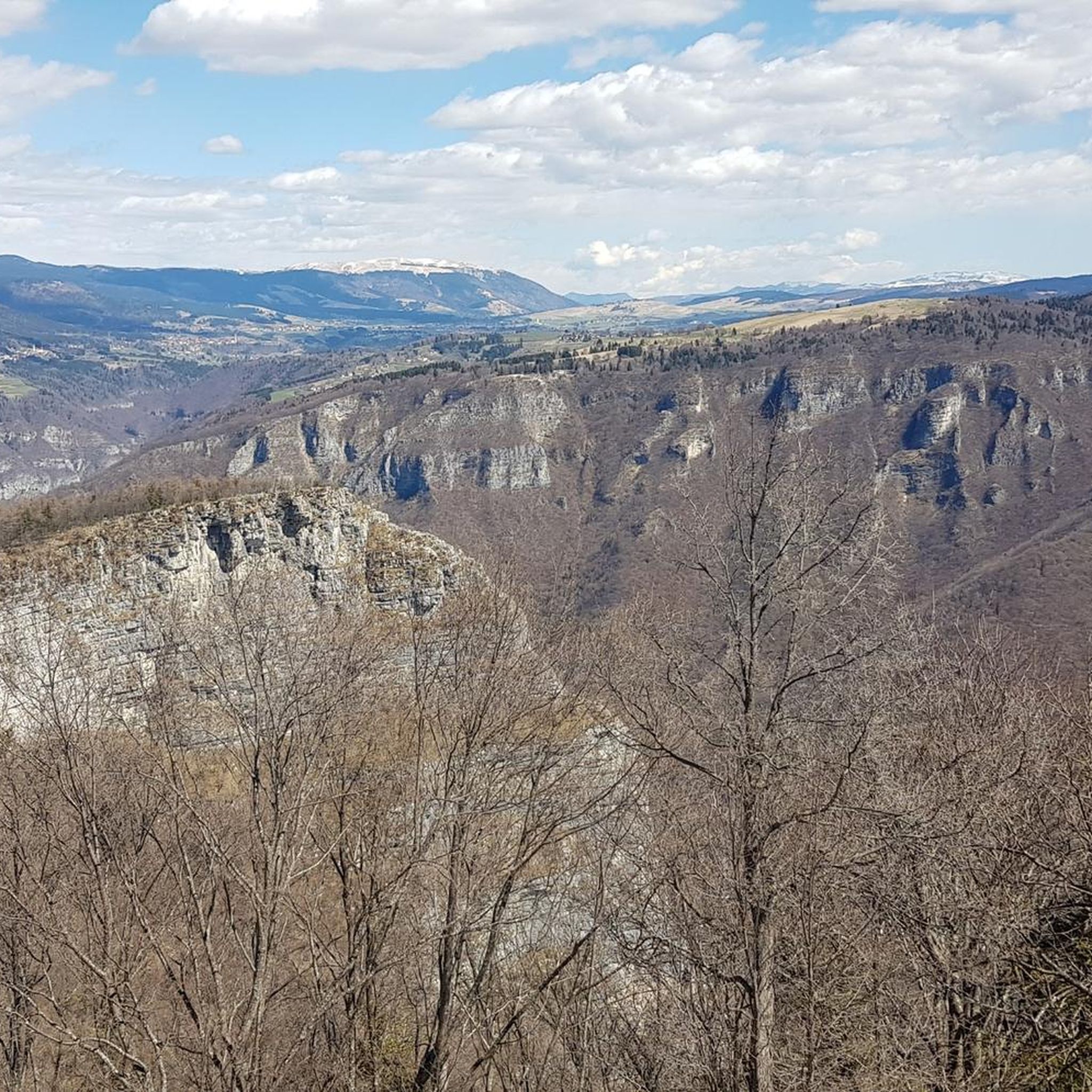
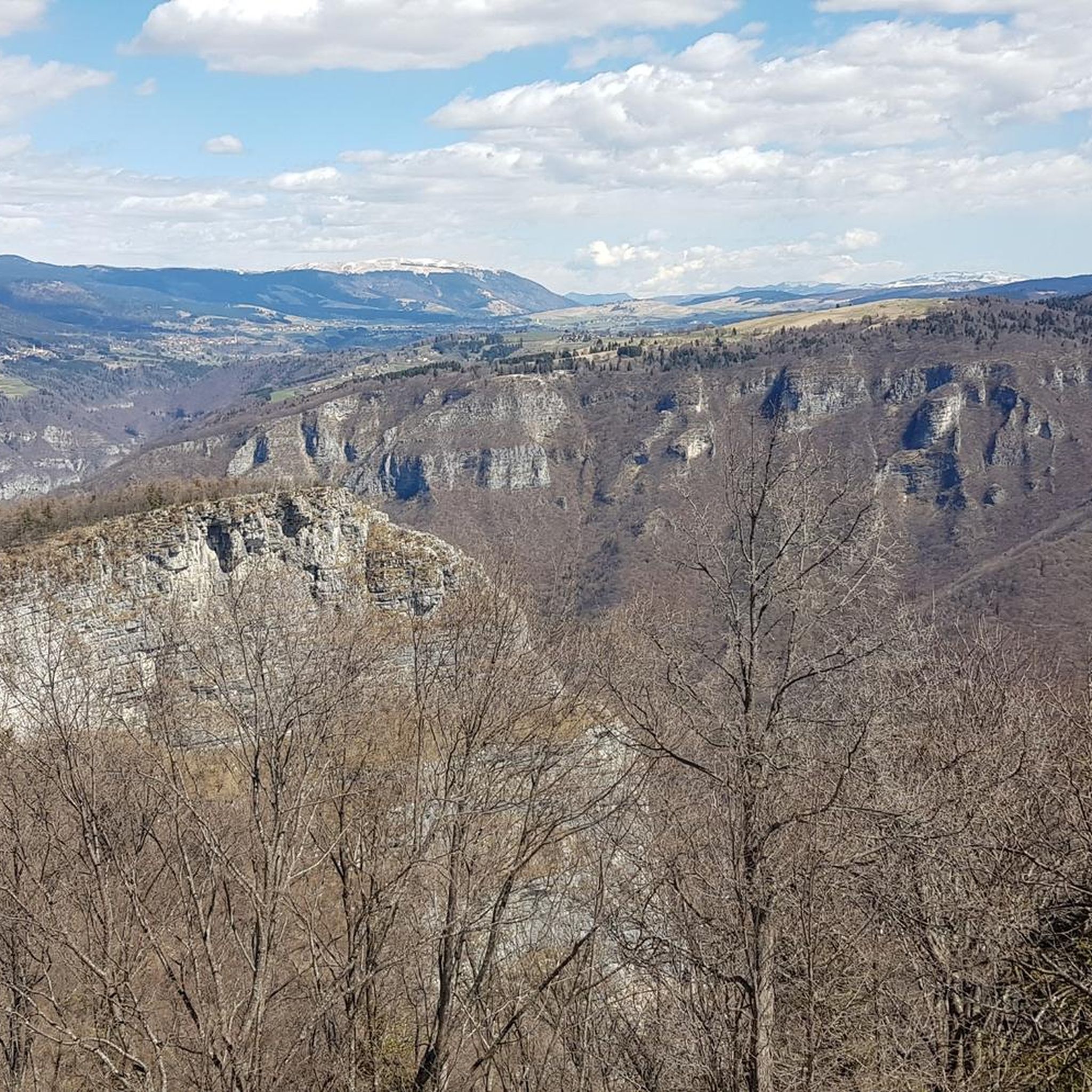
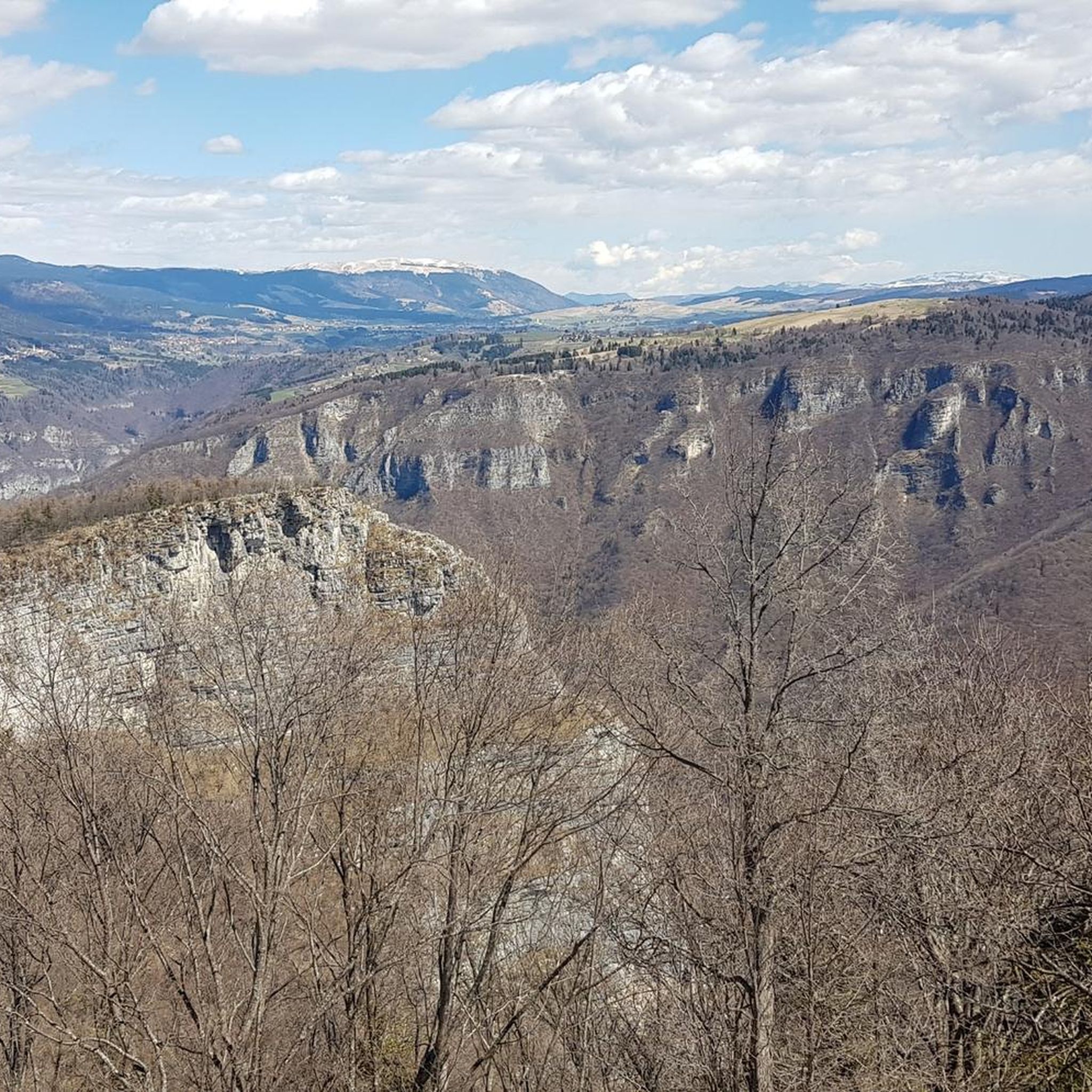

Tips from the Community

When you pass by and observe this place, try to imagine the work done by young people in their early twenties in prohibitive conditions.
0
0

It is very useful to bring a headlamp with you.
0
0

Bring a flashlight and go dark.
0
1

74 meter long tunnel with no exit and 4 final outlets where the artillery was positioned. A light was needed.
0
0
the sinkhole is quite impressive and quite intimidating
0
0

Frequently Asked Questions
What types of underground sites can I explore in Tonezza Del Cimone?
Tonezza Del Cimone offers a unique combination of natural geological formations and significant historical underground structures. You can explore impressive natural chasms and sinkholes, as well as extensive networks of World War I military tunnels and galleries. These sites provide insights into both geological processes and wartime engineering. Notable examples include the natural Siesòn Cave (or Sciasòn Chasm) and the historical Gun Emplacement Tunnel of Monte Cengio.
What historical World War I tunnels can I visit in Tonezza Del Cimone?
The region is rich in World War I history, featuring several military tunnels and fortifications. You can explore the Gun Emplacement Tunnel of Monte Cengio, an Italian military post with four gunboats. Another significant site is the WW1 Command Gallery beneath Monte Cengio, which served as a command post and first aid station. Additionally, the The WWI Fort is an Austro-Hungarian artillery emplacement dug into the rock.
Are there any natural chasms or sinkholes to see in Tonezza Del Cimone?
Yes, the area features impressive natural geological formations. The Siesòn Cave (or Sciasòn Chasm) is a spectacular sinkhole of karst origin, descending 96 meters with ice remaining at the bottom year-round. Another notable natural chasm is the Stonhaus Sinkhole, created by a collapsed cave roof, featuring a natural stone arch and a depth of at least 30 meters.
What is the difficulty level for exploring the caves and tunnels?
The difficulty varies by site. For natural chasms like Siesòn Cave, caution is advised due to slippery conditions, especially with ice. Historical tunnels like Galleria Cima Neutra are considered of medium difficulty, requiring a flashlight due to absolute darkness and potentially humid conditions. Many historical sites are rated as intermediate difficulty, such as the Gun Emplacement Tunnel of Monte Cengio and the WW1 Command Gallery.
Are the caves and tunnels in Tonezza Del Cimone suitable for families?
While some historical sites offer an educational experience, visitors should consider the terrain. Natural chasms like Siesòn Cave can be challenging and require caution. Historical tunnels often involve dark, uneven, and potentially slippery paths. It's best to check specific site conditions and difficulty ratings. For younger children, some of the more accessible historical galleries might be suitable, but always ensure appropriate footwear and supervision.
What should I bring when visiting the underground sites?
When exploring the tunnels and chasms, it is highly recommended to bring a flashlight or headlamp, as many areas are completely dark. Sturdy, non-slip footwear is essential due to potentially uneven, wet, or icy surfaces. Layers of clothing are also advisable, as temperatures underground can be cooler than outside, even in summer.
What is Galleria Cima Neutra and why is it significant?
Galleria Cima Neutra is a remarkable 350-meter long, helical (spiral) tunnel carved into the rock between Monte Caviojo and Monte Cimone. It's a significant example of World War I military engineering, built by Italian forces in 1917. Its purpose was to provide safe passage for men and supplies to front-line positions and connect various observation and firing points. Exploring it offers a powerful historical experience, immersing visitors in the challenging conditions faced by soldiers during the Great War. You can find more information about it on visitpedemontana.com.
Can I find hiking trails near the caves and tunnels?
Yes, the region around Tonezza Del Cimone offers numerous hiking opportunities that often incorporate visits to these historical and natural sites. You can find various Mountain Hikes around Tonezza Del Cimone, including routes that pass by Monte Cengio and Monte Cimone, where many of the tunnels are located. These trails provide a chance to combine underground exploration with scenic views of the Venetian Prealps.
Are there other outdoor activities available near Tonezza Del Cimone's caves?
Beyond hiking, the area is popular for cycling. You can explore various Cycling routes around Tonezza Del Cimone, which often traverse the same historical landscapes as the caves and tunnels. There are also Gravel biking routes for those seeking more adventurous rides through the Prealps.
What do visitors enjoy most about the underground sites in Tonezza Del Cimone?
Visitors frequently highlight the impressive scale and dramatic natural spectacle of sites like the Siesòn Cave. For the historical sites, the immersive experience of walking through World War I tunnels, understanding the ingenuity of military engineering, and connecting with the past are often cited as major draws. The unique blend of natural wonder and profound historical significance makes these sites particularly appealing.
Is there parking available near the cave and tunnel entrances?
While specific parking details can vary for each site, generally, access points to popular historical and natural attractions in the Tonezza Del Cimone area often have designated parking areas or are reachable via roads with roadside parking options. It's advisable to check local signage or trail information for the specific site you plan to visit.
What is the best time of year to visit the caves and tunnels?
The best time to visit depends on the specific site and your preferences. During colder months, natural chasms like Siesòn Cave can have significant ice, making them slippery despite protective barriers. For historical tunnels, conditions can be humid and dark year-round, so a flashlight is always essential. Generally, spring, summer, and early autumn offer more pleasant weather for accessing the sites and combining your visit with outdoor activities like hiking or cycling.
Most popular routes around Tonezza Del Cimone
Most popular attractions around Tonezza Del Cimone

Get inspired with the komoot mobile app


Explore more
Extend your search for the best caves by checking out these guides of the top ones around Tonezza Del Cimone:
