Top 13 Caves around Foza
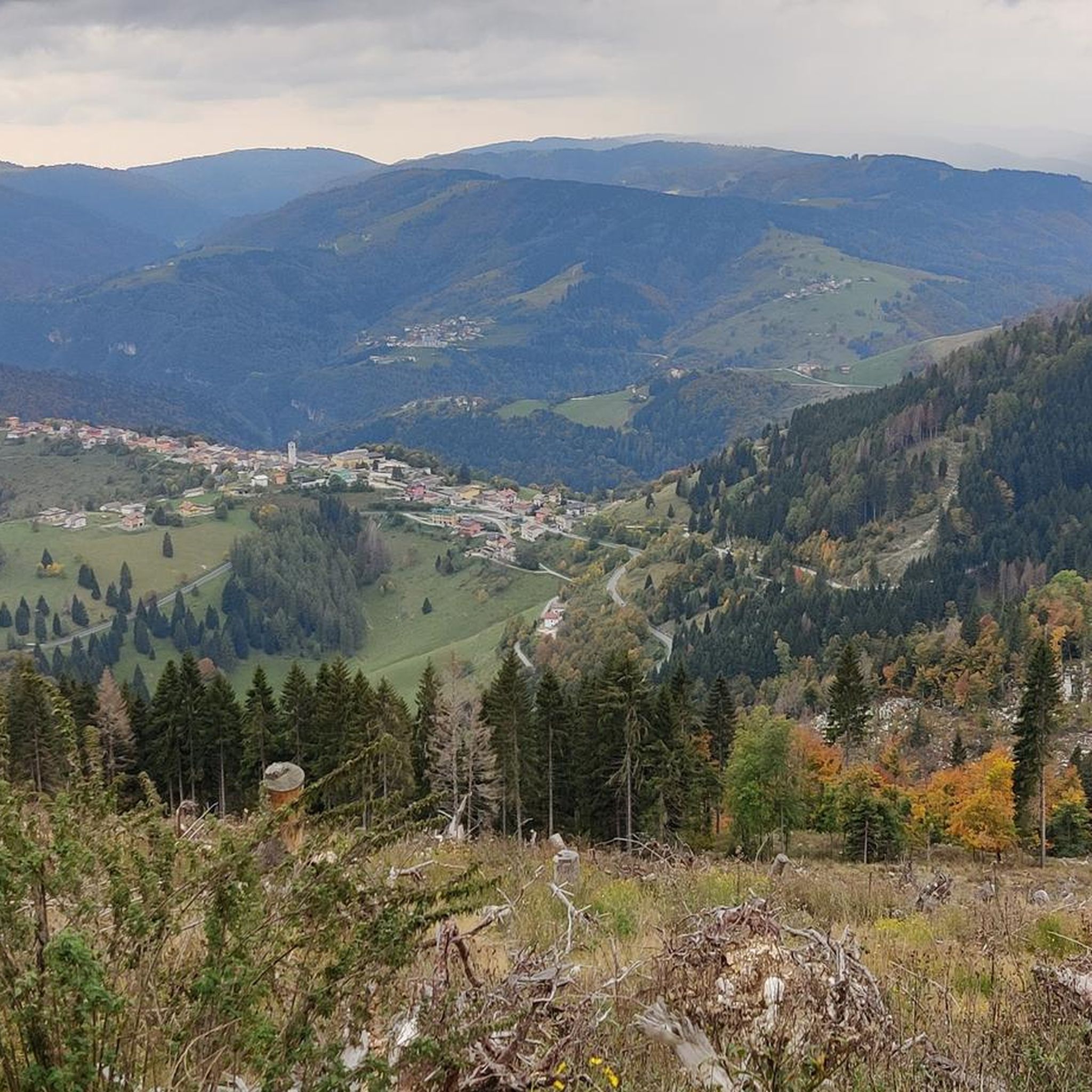
Best caves around Foza are found in a region known for its historical significance, particularly its connection to World War I. Foza, situated on the eastern side of Italy's Asiago Plateau, features mountainous terrain. The area is characterized by natural beauty and a network of military shelters and tunnels carved into the rock during the Great War. These installations offer insight into wartime strategies and defensive positions.
Best caves around Foza
- The most popular caves is Campolongo Trenches (WW1),…
Last updated: June 30, 2026
Cima Caldiera Logistics Base Caves (World War I)
Highlight • Historical Site
Translated by Google •
Tip by

Campolongo Trenches (WW1)
Highlight (Segment) • Historical Site
Translated by Google •
Tip by

Sign up now to discover places like this
Get recommendations on the best single tracks, peaks, & plenty of other exciting outdoor places.
Sign up for free
Oliero Caves
Highlight • Cave
Translated by Google •
Tip by

Oliero River, near the Oliero Caves
Highlight • River
Translated by Google •
Tip by

Buso dei Quaranta
Highlight • Cave
Translated by Google •
Tip by
Sign up for free to discover even more caves around Foza.
Sign up for free
Already have an account?
Start today with a free account
Your next adventure awaits.
Login or Signup

Tips from the Community

A simply wonderful place, easy to reach from the Carpanè-Valstagna station, following a well-marked path along the Brenta River. The staff was equally fantastic, allowing us to follow the cave tour in both Italian and English (part of my group didn't speak Italian). I recommend going in spring; it's cooler and there's usually less traffic, so you can enjoy it all better. ;)
0
0

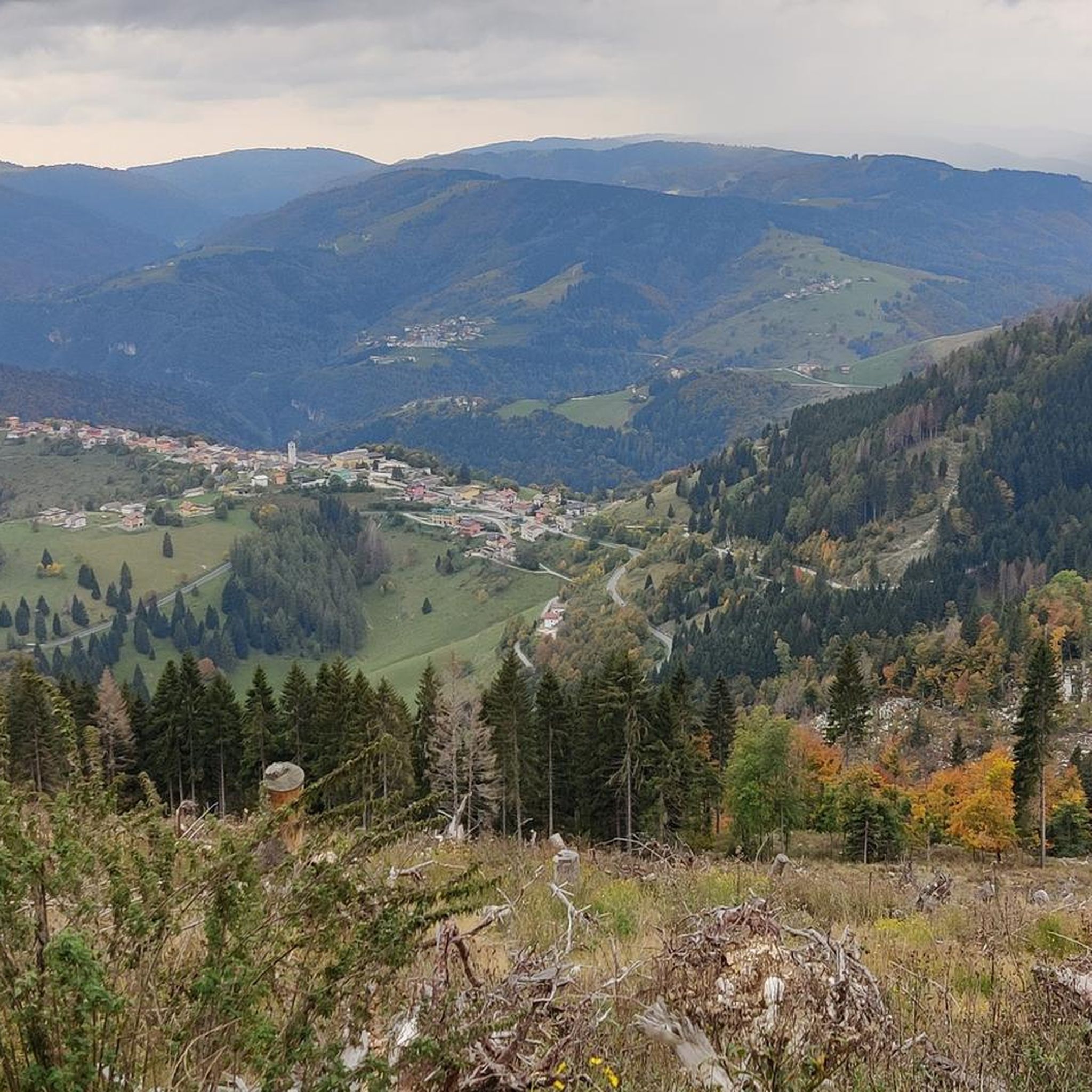
During the First World War, in view of the Battle of Ortigara in 1917, the area on the eastern slopes of Cima Caldiera was transformed into an Italian logistics base of enormous tactical importance: one of the main storage centers for food, ammunition, tools and materials needed for combat and the sustenance of the troops. It was located on the slope sheltered from enemy fire, but close to the front line, to which it was connected by a web of walkways; it was accessible via a wide and comfortable road from Piazzale Lozze, which is now used as a path; the six tunnels dug one after the other, connected internally by a single corridor, served as warehouses and were hidden from view by external wooden barracks that, leaning against the rock, covered the entrances. Two interesting tables show the inventory of the goods stored: food for the soldiers, daily rations and materials for the Engineers.
0
0

Trenches along the path that leads to Cima Caldiera. They are part of the Eco Museum of the Great War. The trenches and the excavated cavities served as warehouses for supplies for the troops of Ortigara.
0
0
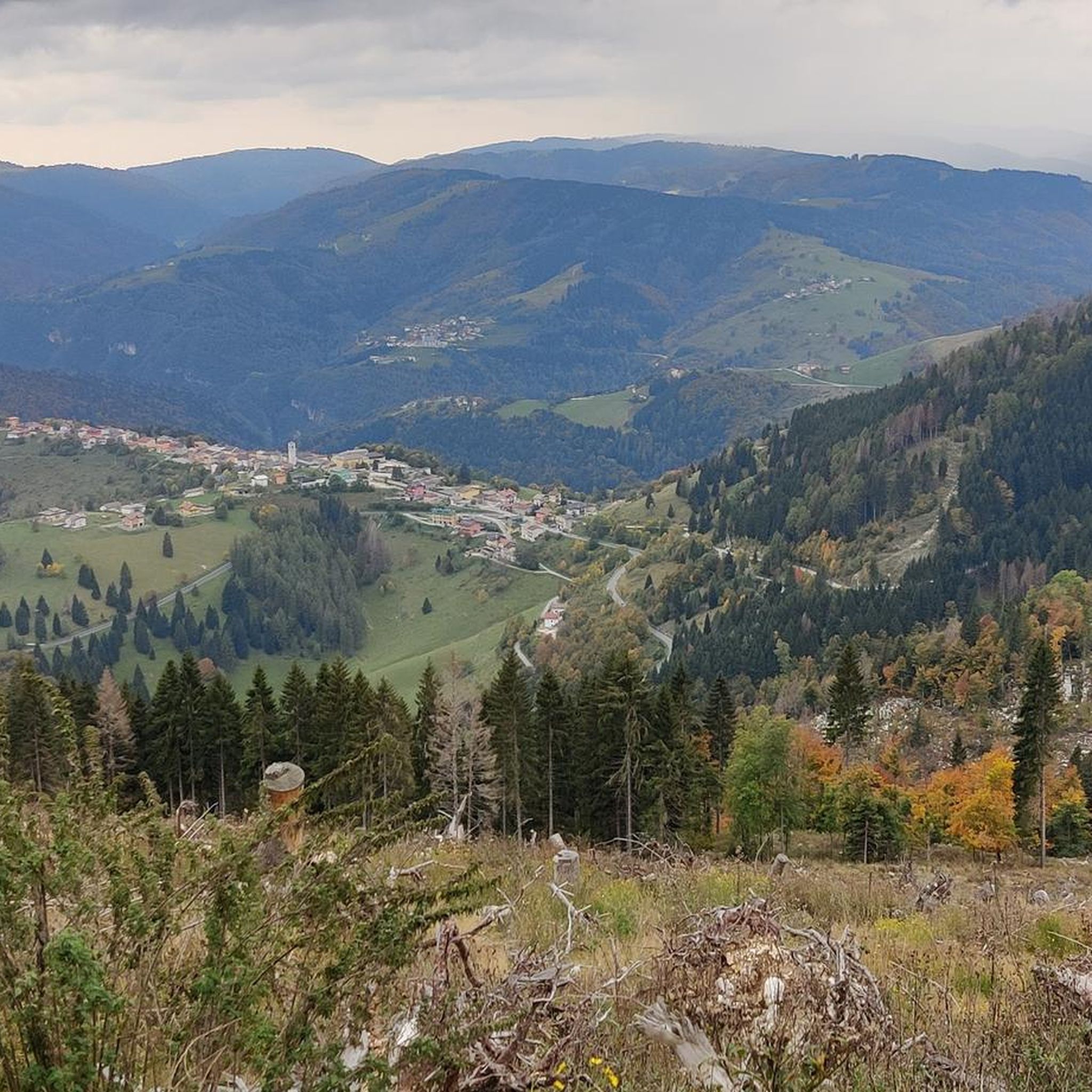
The Trenchers of Monte Campolongo - not to be confused with the mountain of the same name and its fort exactly on the opposite western side of the Asiago Plateau - are a long and deep Italian trench from the First World War, dug on a promontory which dominates the final stretch of the Val Brenta. It had no active role during the Great War, but served as an extreme bulwark to prevent a possible invasion of the Austro-Hungarian army from Valsugana. Cleaned and recovered, it features walkways, outposts, tunnels and shelters in a dense and silent forest: today the vegetation largely covers the view, especially in summer, but at the time the view of the valley was clean. You can follow the winding of the trench from inside or from above, along a path complete with little bridges... or a little and a little!
2
0

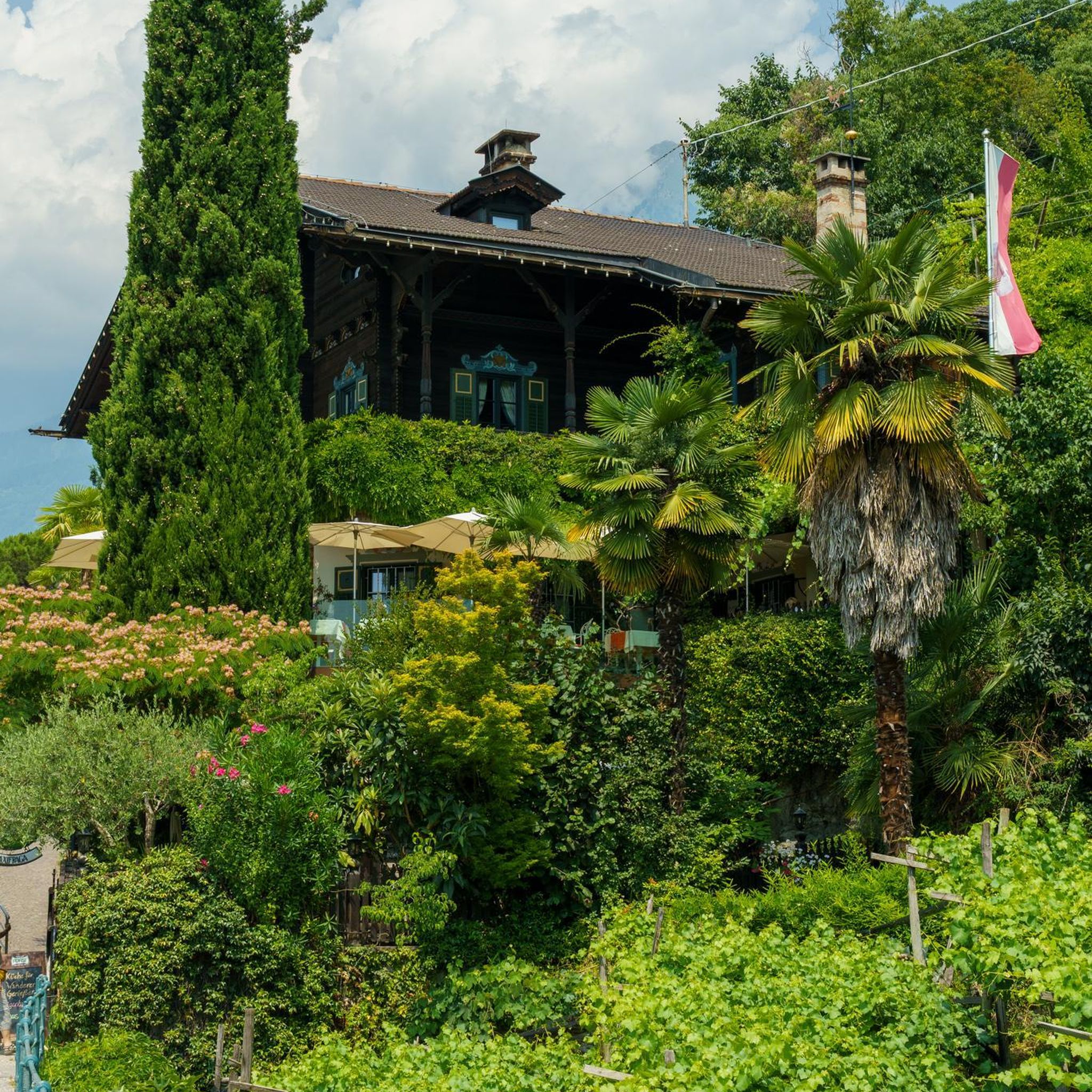
The Oliero caves are a complex of caverns located on the slopes of the Sette Comuni plateau, near the hamlet of Oliero (municipality of Valbrenta). Much of the water that penetrates through the plateau above flows from the caves, a classic example of karst phenomena. There are four caves currently open to the public: Covol dei Veci and Covol dei Siori from which the Oliero river flows; while the two upper ones, Covol dei Assassini and Covol dee Soree, are now dry. To visit the caves it is necessary to have a ticket and entry is allowed only with a guide. In the park of the caves it is also possible to visit the museum of speleology and karst phenomena and relax at the bike grill bar.
0
0
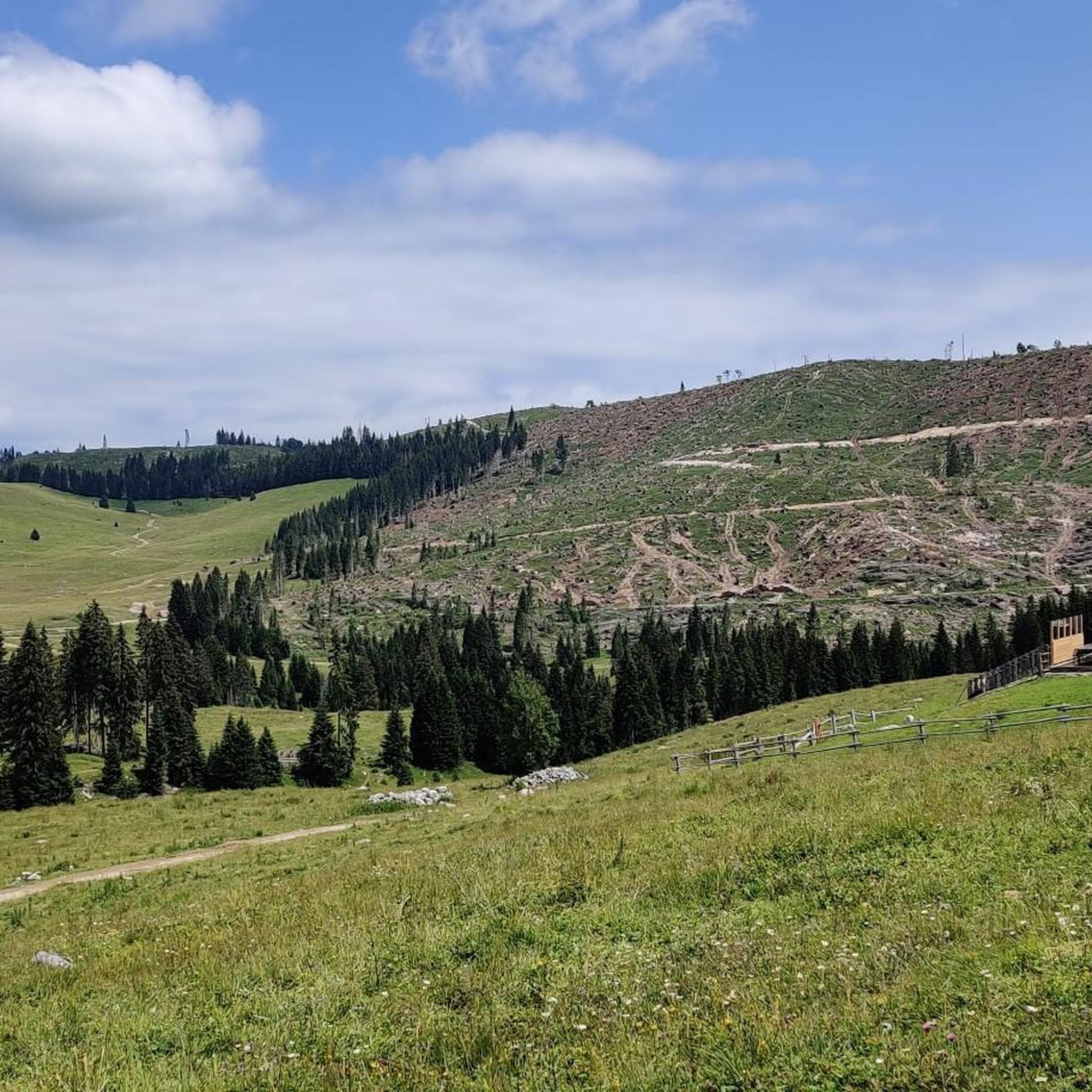
Spectacular and enormous sinkhole of karst origin that swallows up a good portion of woodland: it is a large collapse sinkhole, bordered on three sides by vertical rock walls. You pass by it and you wouldn't even notice it, if there wasn't a sign indicating it! I found this anecdote online: 'you can see a large natural sinkhole and here was the hiding place of young Austrian draft dodgers during the Risorgimento, when the entire territory was under the dominion of the Austrian Empire'... does the name refer to those (forty) people?
1
0

L'oliero is a show and if you've never been to the caves you don't know what you're missing. Go there
0
0

The caves of Oliero are beautiful. In MTB near the entrance there is a stand, a pump and a screwdriver for small maintenance. Drinking fountain with fresh water to fill the bottles.
4
0
Frequently Asked Questions
What types of 'caves' can I explore around Foza?
The area around Foza is known for both historical military installations and natural geological formations. You can explore World War I military shelters and tunnels, such as the Campolongo Trenches (WW1) and Cima Caldiera Logistics Base Caves (World War I). Additionally, there are natural karst features like the large sinkhole Buso dei Quaranta, and the Oliero Caves, which are known for their underground rivers.
What is the historical significance of the caves near Foza?
Many 'caves' around Foza are actually military shelters and tunnels dug into the rock during World War I. These installations, like the Cima Caldiera Logistics Base Caves (World War I), served as crucial defensive positions and storage centers for troops. Exploring them offers insight into wartime strategies and the challenging conditions faced by soldiers on the Asiago Plateau.
Are there any natural caves or geological formations to see?
Yes, you can visit Buso dei Quaranta, a spectacular and enormous collapse sinkhole of karst origin, bordered by vertical rock walls. Further afield, the Oliero Caves are a complex of caverns where much of the water from the plateau flows, showcasing classic karst phenomena.
Are the caves around Foza suitable for families?
The Oliero Caves are considered family-friendly. They offer guided tours, including boat trips into the caves, and there's a museum of speleology and karst phenomena in the park. It's an engaging experience for all ages.
What is the best time of year to visit the caves near Foza?
For the Oliero Caves, spring and summer are recommended, as it's cooler inside and often less crowded in spring. For the WWI military sites, visiting during milder weather ensures more comfortable exploration of the outdoor trenches and tunnels.
Do I need a permit to visit the caves or WWI tunnels?
For the Oliero Caves, a ticket is required, and entry is only allowed with a guide. For the WWI military sites like Campolongo Trenches (WW1) and Cima Caldiera Logistics Base Caves (World War I), general access is usually permitted, but always check local signage for any specific restrictions or safety warnings.
What outdoor activities can I combine with a visit to the caves?
The Foza area, part of the Asiago Plateau, offers various outdoor activities. You can find numerous mountain hikes, such as those detailed in the Mountain Hikes around Foza guide. There are also extensive MTB trails and road cycling routes available, which you can explore in the MTB Trails around Foza and Road Cycling Routes around Foza guides.
Are there any viewpoints or natural features near the caves?
The Campolongo Trenches (WW1) are located in a dense forest on a promontory that once offered a clear view of the Val Brenta. While vegetation now largely covers the view, the natural setting is still significant. The Buso dei Quaranta itself is a striking natural monument.
What amenities are available near the caves, such as cafes or accommodation?
Foza is a village with amenities. Near the Oliero Caves, there is a bike grill bar within the park. In Foza and surrounding towns on the Asiago Plateau, you can find cafes, restaurants, and accommodation options to suit various needs.
How accessible are the WWI tunnels and military shelters?
The WWI military sites, such as the Campolongo Trenches (WW1), have been cleaned and recovered, featuring walkways and paths. However, as they are historical sites in mountainous terrain, they may involve uneven surfaces and some elevation changes. Always wear appropriate footwear.
What do visitors enjoy most about the caves and historical sites around Foza?
Visitors appreciate the tangible connection to history offered by the WWI military installations, providing a poignant reminder of the past. The natural beauty of the region, including the unique geological formations like Buso dei Quaranta, is also highly valued. The Oliero Caves are praised for their beauty, guided boat trips, and the helpful staff.
Is public transport available to reach the caves?
While specific public transport routes directly to all cave entrances might be limited, the Oliero Caves are easily reachable from the Carpanè-Valstagna station, following a well-marked path along the Brenta River. For other sites, especially the WWI tunnels, access often involves driving and then hiking.
Most popular routes around Foza
Most popular attractions around Foza

Get inspired with the komoot mobile app


Explore more
Extend your search for the best caves by checking out these guides of the top ones around Foza:
